




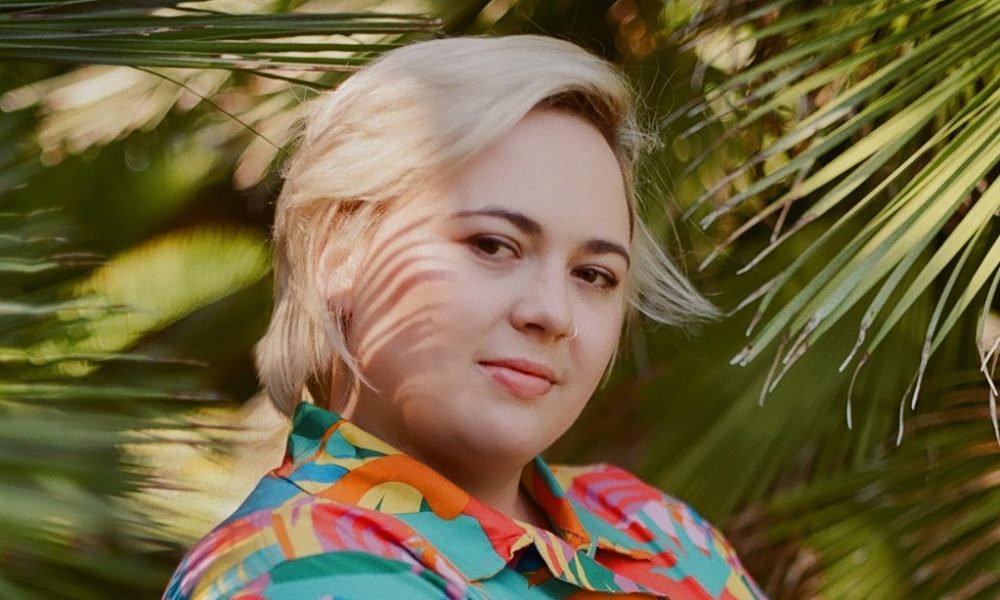
Today we’d like to introduce you to Paulina Pinsky.
Paulina, we appreciate you taking the time to share your story with us today. Where does your story begin?
I was born and raised in Pasadena, California. From ages five to eighteen, I was a competitive figure skater, and so I was shuttled to and from every ice rink in Southern California for the entirety of my childhood. Unbeknownst to most, SoCal has the largest network of ice rinks in the country, I think because we love artificial landscapes. Growing up, I went to a very competitive college prep school in Pasadena, and so my life was very regimented and small. Perfectionism was expected, if not encouraged. From school to the ice rink, my life played on loop. I didn’t know any different. Los Angeles was largely unknown to me.
I left for New York in 2011, where I studied American Studies at Barnard College with a concentration in Media and Popular Culture. I played Rugby, was introduced to feminism, and did a lot of student musical theater. However, I started to find my voice in my college’s sketch troupe, and it was from that point forward that I decided I wanted to pursue comedy.
After graduating college, I moved to Chicago and studied improvisational and sketch comedy at the Second City, but quickly discovered I wanted to go to graduate school, and so within nine months I was back in New York City to pursue my MFA in Nonfiction Creative Writing at Columbia University. Since then, I have been teaching comedy writing to high schoolers at Columbia.
And after spending ten years in New York, I crash-landed back at home December 2021.
Can you talk to us a bit about the challenges and lessons you’ve learned along the way. Looking back would you say it’s been easy or smooth in retrospect?
Recovery is a huge part of my life’s story.
Growing up in Pasadena, I didn’t understand much of the outside world. I was afforded many privileges– my education, where I was raised, what I look like– but did not understand that until I left. Pasadena can be an insular, conservative place, and I was very much a byproduct of it.
However, the academic rigor of my K-12 private school and intensity of figure skating did not leave me unscathed, as I was severely anorexic/bulimic throughout my teen years. I went to a nutritionist weekly who weighed me and told me exactly what to eat, I went to an ice rink daily where coaches told me where I gained weight and that I must lose it. All that, mixed with the perfectionism required to succeed at that sport, absolutely bred my eating disorder. It wasn’t until I left for school in New York, taken out of my original context, that I came to terms with my problematic relationship with food and my body. In the world of figure skating and Southern California, my thin body was admirable and desirable, people asked me how I did it all the time, and so my disordered behaviors were condoned and celebrated– I cringe thinking about all the people I doled out faulty diet advice to.
I started my journey with eating disorder recovery spring of 2012, and I sometimes marvel at the fact that I woke up to the misery of my ED. A lot of people carry on without true recognition of the problem because disordered eating is very much condoned and encouraged by our larger culture– to be seen is to be thin; to starve. However, I think my introduction to feminism afforded me the ability to dream bigger– to dream of a life in which I wasn’t obsessed with starving myself or what I looked like. I was very lucky in that I was introduced to a therapist who helped found NEDA (National Eating Disorder Association) and feminism was a foundation in her praxis, and so my ED treatment was very nontraditional and ideological. She never gave me a diet plan or asked how much I exercised– she taught me how to speak my emotions, rather than vomit them up.
I have been very public about my eating disorder, but it wasn’t until December 2021 that I came to terms with my addiction.
In 2021, I crash-landed back in Pasadena after hitting rock bottom with my marijuana addiction and ending an engagement. December 22, 2022 I got one year sober, and hope to continue on that path. I now struggle with a larger culture that believes that marijuana is nonaddictive, when it so totally robbed me of myself. I started a Substack newsletter called “newly sober” to catalogue my experience in early sobriety.
Can you tell our readers more about what you do and what you think sets you apart from others?
I’m the co-author of the teen guide to consent, “It Doesn’t Have To Be Awkward, Dealing with Relationships, Consent, and Other Hard-to-Talk-About-Stuff”, which I wrote with my dad, Dr. Drew. I’m a writer, educator, truth-teller, writing coach, podcaster, and performer based in Los Angeles.
I tackle projects with intelligence, expertise, and a kick-ass sense of humor.
Through finding our voice, only then can we truly heal.
A recovering perfectionist, bulimic, weed addict, and alcoholic, I understand the difficulty of staying present in an ever-shifting, terrifying world. I know from personal experience that finding your voice and being true to herself is the only way to truly recover.
I’m passionate about helping women discover their authentic voice, while stepping into their truth and power. When we get quiet, we know what is true. We remember who we are and who we have always been. I help women feel brave enough to get quiet, and to do the work of unearthing their voice. You are worth being heard.
My Background
I received my MFA from Columbia University in Nonfiction Creative Writing and studied improvisational and sketch comedy at the Second City Conservatory in Chicago. I received my undergraduate degree in American Studies with a concentration in Media and Popular Culture from Barnard College.
In October 2021 I was a finalist for Longridge Review’s Barnhill Prize for my essay, “Other Mother”. Additionally, I was an Ernest and Red Heller Fellowship recipient at MacDowell in 2021 and have been published in Narratively, Human Parts, Columbia Journal, Slackjaw Humor, and HuffPo Women, among others.
I lead people through Julia Cameron’s Spiritual Workbook, “The Artist’s Way”. Together, we unblock creativity, build community, and pursue the life of our wildest dreams.
Let’s talk about our city – what do you love? What do you not love?
Honestly, I am still very much getting to know Los Angeles. It’s wild to have grown up in a place and know nothing about it.
PROS:
I love the sun and the fresh produce– in New York, I’d buy berries and they’d go moldy within the day. Avocados here– *chef’s kiss*. I love being able to drive to the beach. I love that I can drive to so many different landscapes, all in the same state. I love Joshua Tree.
I love that people actively pursue their craft here– no empty talk about how they’re an artist while doing none of the work.
My family is here. People who have known me my whole life are here. My grandparents are buried here. I have so much history here– I no longer run from who I once was.
The recovery community is incredible out here– that keeps me here most of all.
CONS:
I panic a lot about carbon emissions/cars. I recently read Octavia Butler’s “Parable of the Sower”, and it felt too close to home– doesn’t feel that we are that far off from that dystopian reality.
I worry about the people who aren’t receiving help that they need. I resent that the State views people who are deep in their addiction or mental illness as operating at the height of their capacity– not understanding the nature of either disease.
Birds freak me out– too many people riding around with helmets. I personally know so many people who have flown off those things and jacked themselves up.
It freaks me out to see people vaping weed on the freeway– I worry about how people don’t see marijuana as a mind-altering or addictive substance. Weed is a mind-altering substance and we must treat it as such.
Everything is expensive (but I am also coming from New York, so I accept that– at least the quality of life is better, you get what you pay for).
Pricing:
- 150/hour Consultation
- 1,400 4 Week Coaching
- 4,000 3 Month Mentorship
- 600 Artist’s Way Course
- 1,000 Artist’s Way Course + Weekly Coaching
Contact Info:
- Website: www.paulinapinsky.com
- Instagram: mizpiggy111
- Facebook: https://www.facebook.com/paulinapinskywriter/
- Twitter: @mizpiggy111


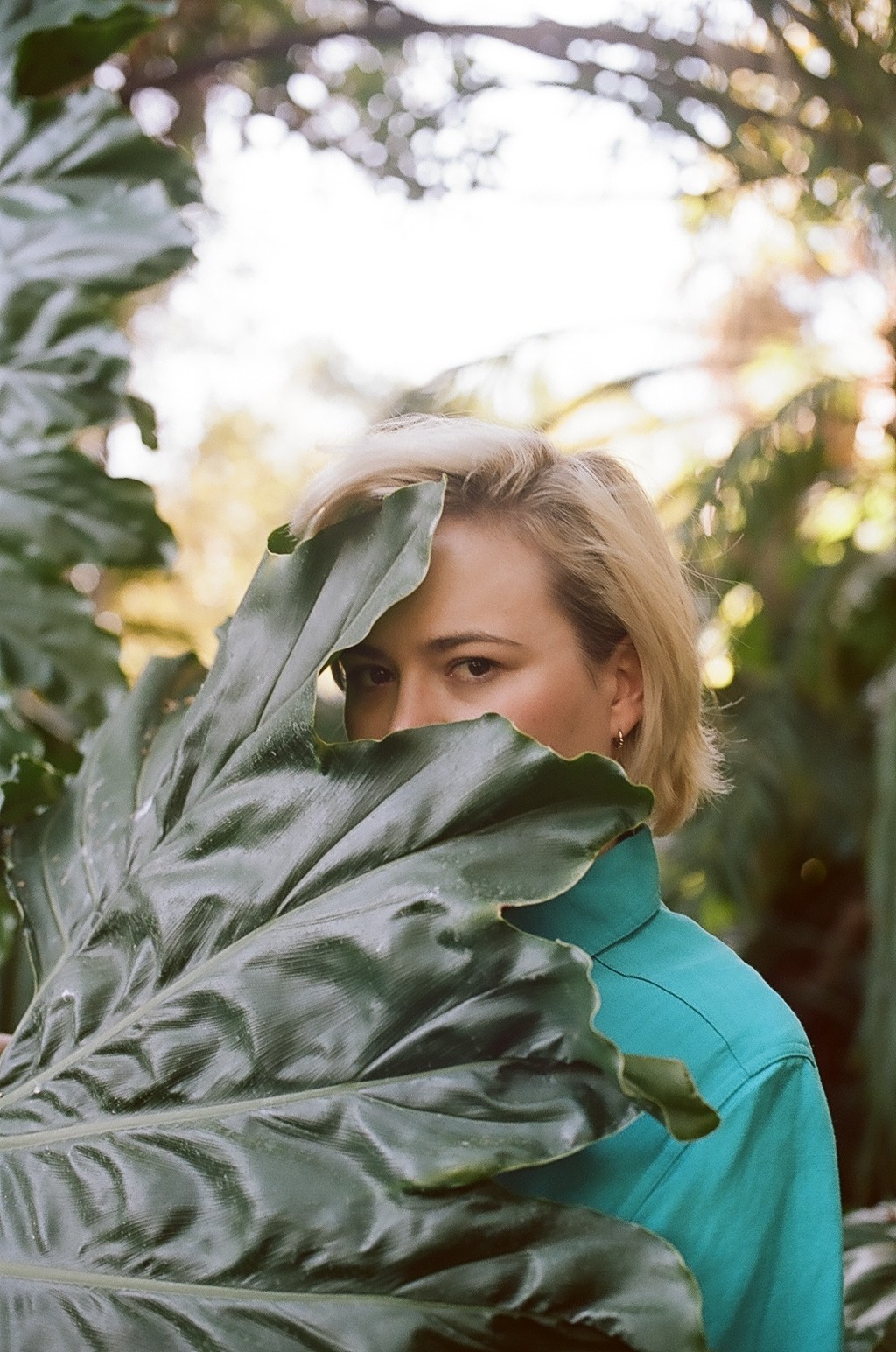
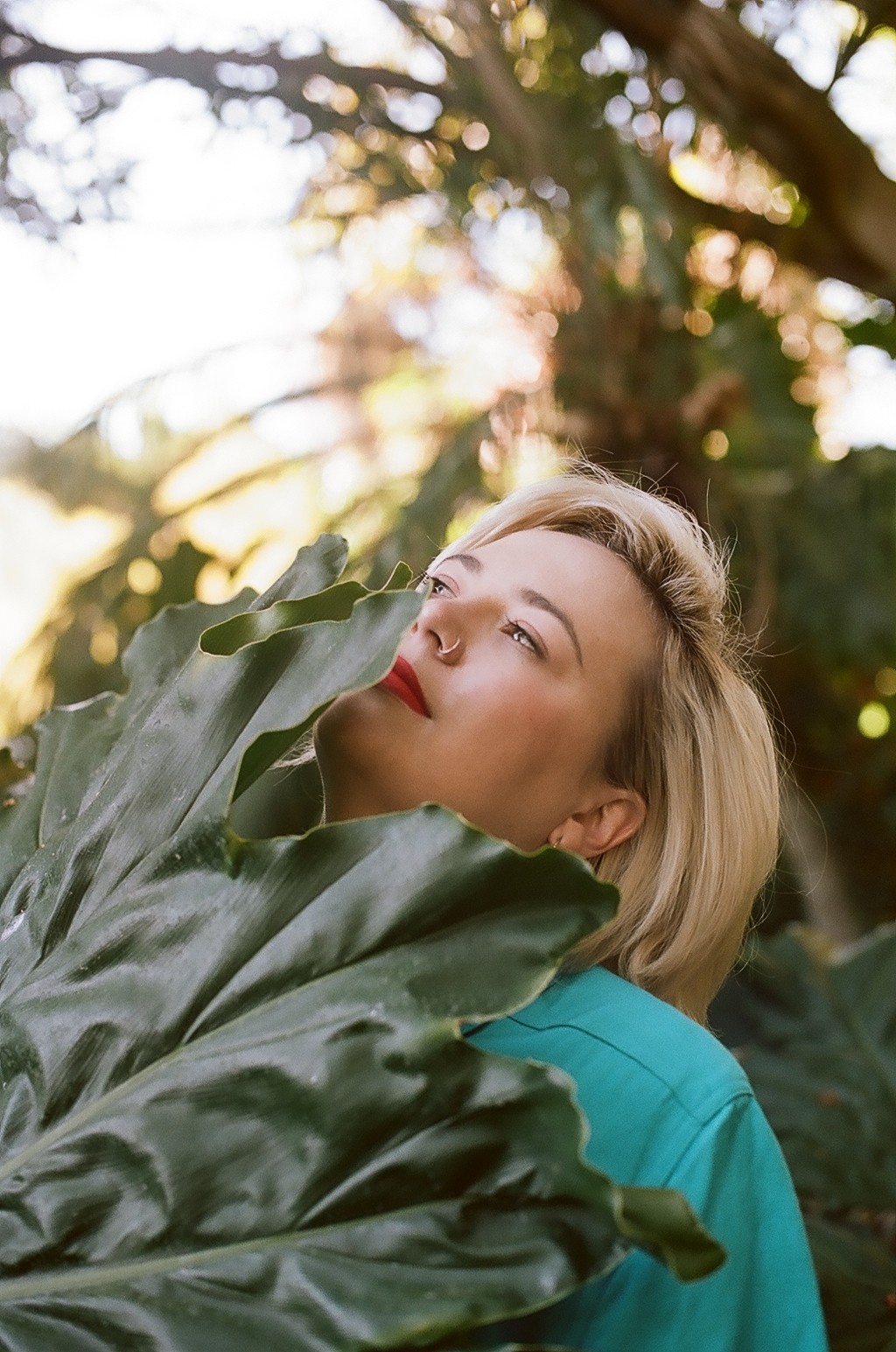
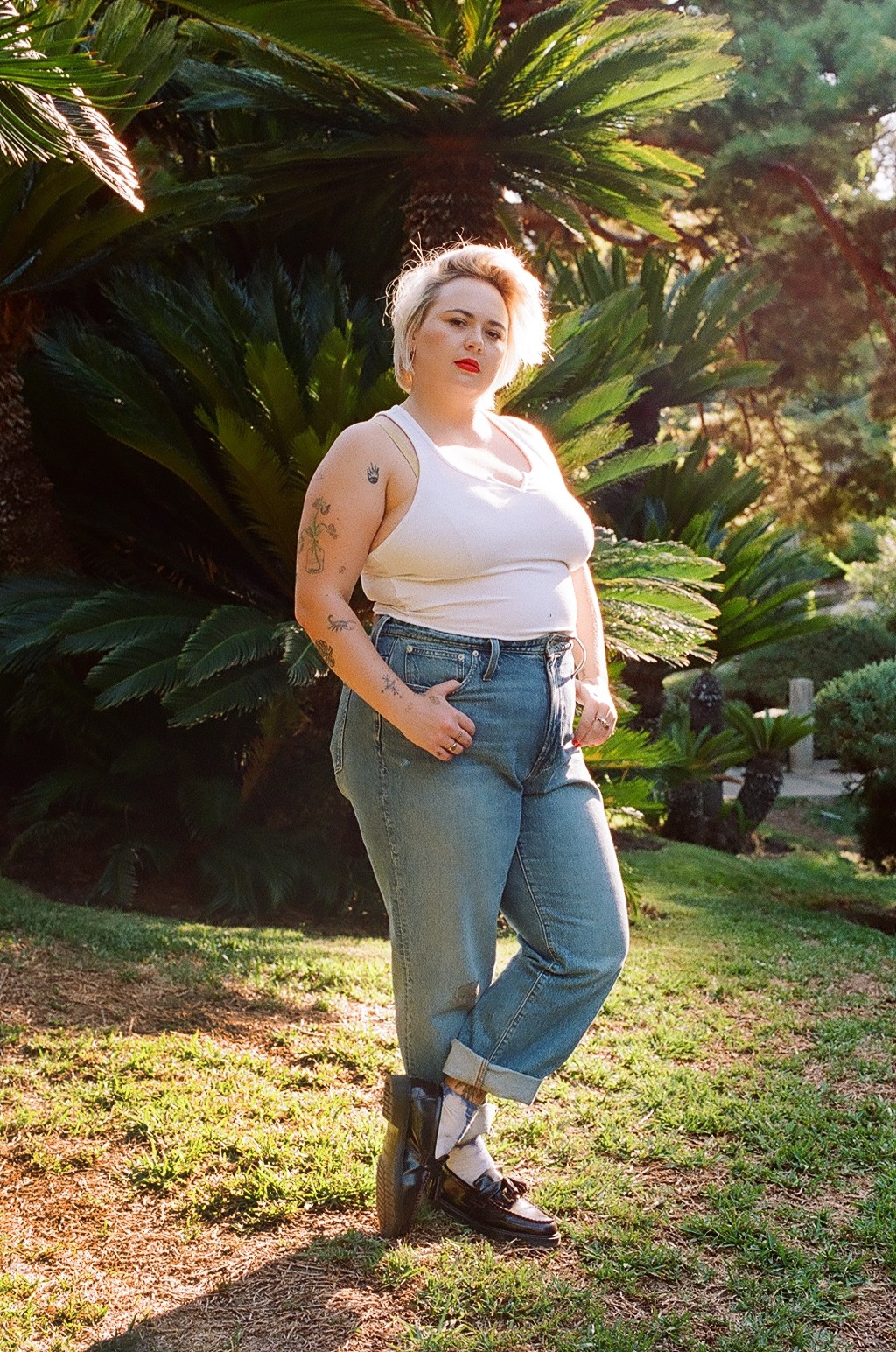
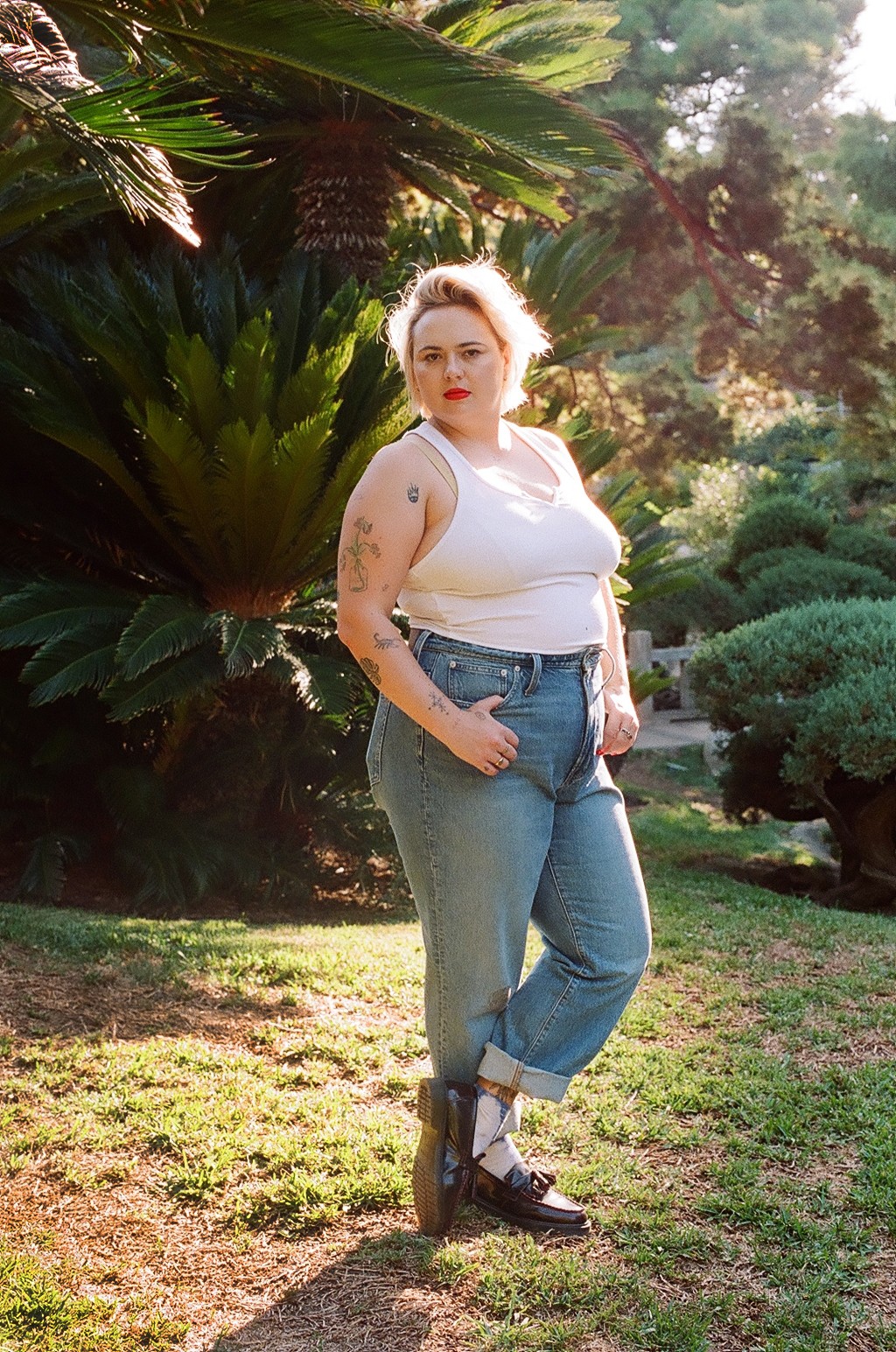
 Image Credits
Julie Orlick (https://www.instagram.com/julie____o/)
Popular
-

Portraits of the Valley
-

LA’s Most Inspiring Stories
-
Cedar Boschan on Elevating Black Music Rights and Driving Urgent Conversations Around Credit, Equity, and Artist Protection
-
Robin Olive on Building an Inclusive Performing Arts Movement and Expanding Opportunities for Every Student
-

Que Johnson on Building Brands That Last: From Visibility to True Market Authority
-
Christina Wren Steps Into the Director’s Chair to Tell Stories That Feel Like Home


