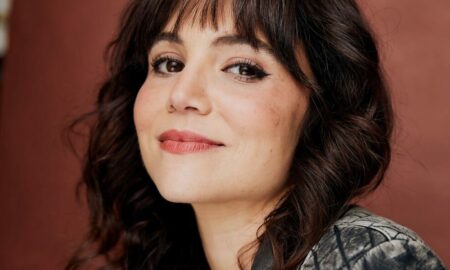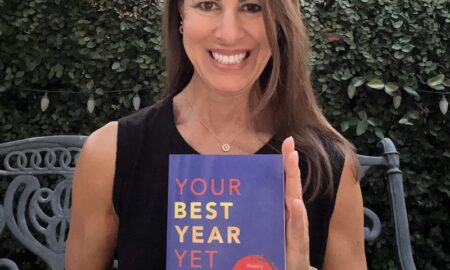



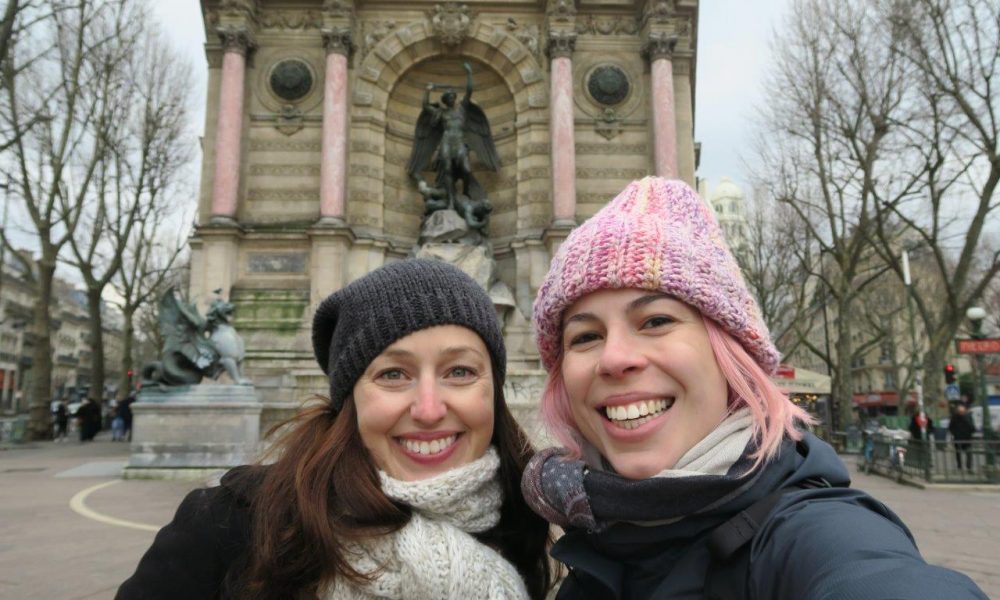
Today we’d like to introduce you to Theresa Christine and Suzanne Schmedding.
Alright, so thank you so much for sharing your story and insight with our readers. To kick things off, can you tell us a bit about how you got started?
Theresa Christine: I started freelance writing when I moved to Los Angeles in 2015, and shortly after that I transitioned into focusing on travel writing. Even before I became a travel writer, though, I loved watching travel shows and experiencing the world even when I was home.
At one point, I watched a ton of Anthony Bourdain: Parts Unknown, and I remember feeling like the stories were incredibly male-focused. The show is incredible and set out what it intended to do—to share culture and the stories of people through food—but especially in the earlier seasons, I felt that women were in the kitchen cooking while someone else (usually a man, like a son or husband) would be on camera talking. I wanted to hear the womens’ stories, and that’s when I realized I didn’t have to sit around and wait for someone else to share them. I could amplify them and help bring the culture of places around the world closer to people, and that’s where the idea for The Wild and Curious started.
The Wild and Curious is a mix of travel, culture, and intersectional feminism. Because I wanted to sit down with people and have it feel casual—like we’re a few friends getting together to chat—I invited my best friend Suzanne Schmedding to join as a Creative Partner and Co-Host for The Wild and Curious Podcast. She has a background in arts education, a passion for experiential travel, and most importantly she’s someone I love being around and spending time with! We’re great travel buddies, too. We started talking about The Wild and Curious in 2019 and officially launched the podcast on International Women’s Day in 2020.
Suzanne Schmedding: When we first met, I could never have foreseen the podcast happening. I had placed an ad on Craigslist looking for a roommate and I was lucky enough to have Theresa respond. We had a great stranger-to-roommate-turned-true-friendship thing happening, and she eventually asked me to go on some of her trips with her. I had always loved the idea of traveling around but sort of thought it was something I’d either missed the boat on doing when I was fresh out of college or I would do much later in life. Theresa helped me to see the world itself as manageable destinations, and we were both really pleased that we traveled well together.
After going to a few different countries together, she presented the idea of working on a platform to marry travel, culture, and female bonds. I jumped at the chance. We started researching and talking about who we would want to meet and talk within different parts of the world, and The Wild and Curious Podcast was born.
We all face challenges, but looking back would you describe it as a relatively smooth road?
Suzanne Schmedding: I think one of our biggest ironies or struggles is that we had been really hoping to do a lot more on-location interviews and incorporate more of the travel aspect in our show. The week we launched the podcast, the world shut down due to the pandemic. We’ve been lucky enough to do a few meet-ups in person, and once it’s safer to travel we’re excited to be on the ground and expand The Wild and Curious even more.
We’ve still been able to talk with womxn all over the world, but because of all the different locations that mean each interview and tech setup can vary a lot. We’ve spoken with guests who use generators for power, who don’t have headphones which can affect audio editing, or who only have access to computers at certain times. It makes each instance of recording unique and they come with their own challenges. Thankfully, Theresa is much more tech-savvy than I am, so we haven’t run into a problem that has defeated us yet.
Theresa Christine: Another challenge we knew about from the beginning and are still struggling with is how we can share the stories of guests who don’t speak English. Between Suzanne and me, we only speak two languages, plus our audience is English-speaking. There are so many extraordinary womxn out in the world whose stories deserve to be shared, but right now we don’t have the budget to hire translators for our interviews and recordings. This is something we very much have in the forefront of our minds and are hoping to remedy as soon as our budget allows.
And while I wouldn’t say it’s a challenge, we are constantly learning! We’re both highly conscious of the fact that we’re two white women, and it’s very easy to slap the label “feminism” onto something. We know we’ll inevitably make mistakes along the way, but we always strive to be as inclusive as possible and are looking for guests who represent any race, societal background, sexual preference, and age. We are also actively trying to find womxn who are differently abled or Trans for the show since that’s an area where we have room for improvement!
Thanks for sharing that. So, maybe next you can tell us a bit more about your work?
Theresa Christine: I’ve written for publications like Lonely Planet, Fodor’s, and United’s in-flight magazine, and I found that I always gravitated towards women’s stories. The Wild and Curious is an extension of that passion.
I am constantly amazed by the guests we have on the show. They are so inspiring! We spoke with Fereshteh Forough, a woman who started the first coding school for girls in Afghanistan called Code to Inspire. We covered the Rebelle Rally, a women’s only race which is the longest off-road competition in the United States. Harriet Rwosa, founder of the nonprofit Happy Girls Project, spoke to us about period poverty in her hometown in Uganda and how she’s providing free reusable pads to young girls. It’s a big mix of people in all different industries, from wine to animal conservation to music to tech and beyond. Unlike a lot of travel podcasts that feature guests who work in travel, we bring a bit of understanding and culture to listeners through the show’s guests. It’s like traveling to a new place, going out, and striking up a conversation with someone nice who lives there. The show offers a sense of what life is like for a local person, especially someone who identifies as female.
Suzanne Schmedding: I’ve worked for the past seven years with a non-profit that goes into schools all over Los Angeles providing an arts education for sites that don’t receive federal funding. It’s sometimes a bit wild to me that I do such vastly different things—working with kids, singing and playing, and then getting to interview these extraordinary people all over the world in totally different situations. Even though it can feel like mental gymnastics at times, I’m always so grateful for both aspects of my work.
With that said, this year has made an already interesting work environment feel truly crazy. Transitioning to teaching and traveling virtually is a bit bizarre and sad, but I’m really proud that we’re continuing and moving forward. In fact, I think one of the proudest moments I’ve had was the day we released our episode highlighting some of the incredible womxn behind the historic Georgia runoff election. The show was challenging because we had to thread together different parts of this story from different people’s experiences, but it felt really important and exciting to learn more about this moment in our culture.
Are there any apps, books, podcasts, blogs or other resources you think our readers should check out?
Theresa Christine: First of all, a huge shout out to the Los Angeles Public Library because it is a treat to have so many books and resources at my fingertips. Additionally, I’m a member of the Feminist Book Club and feel like I learn something every time I join one of their book discussions. The LA-based (but now globally accessible) The Jane Club has kept me connected during the pandemic, and aside from the wonderful community, it’s also provided me with tools to continue anti-racist work and become a better white accomplice. I’m also so appreciative of the thoughtful feminist content from The Take and Freeda, as well as the Women of Impact Facebook group from National Geographic.
Suzanne Schmedding: Theresa has definitely tried to get me into any productivity app available, bless her, but so far Slack is the one that has stuck the most. I find all the different channels and tagging and pings really helpful. She’s also made me try Trello and Todoist, which are excellent, but Slack and I just really fit together. I guess that would make Theresa my best resource? She constantly and kindly helps me and the show to be better, so I’d definitely advise any reader to get their very own Theresa if they need some productivity help.
Contact Info:
- Email: [email protected]
- Website: http://www.thewildandcurious.com
- Instagram: http://www.instagram.com/_thewildandcurious_
- Twitter: http://www.twitter.com/WildCuriousPod
- Youtube: https://www.youtube.com/watch?v=fpVtxroZh6U&list=PLp9bKd4ntkQ-CQp067U4EVWpdpAFfzdJ1
- Other: https://linktr.ee/thewildandcurious, (iTunes) http://apple.co/3b3MyEq, (Spotify) http://spoti.fi/30Itvw2, (Google podcasts) https://bit.ly/3c0Ix76


 Image Credits
012: Dr. Nissa Mututanont is credited to Anantara Hotels, Resorts & Spas
Popular
-

Portraits of the Valley
-

LA’s Most Inspiring Stories
-
Cedar Boschan on Elevating Black Music Rights and Driving Urgent Conversations Around Credit, Equity, and Artist Protection
-
Robin Olive on Building an Inclusive Performing Arts Movement and Expanding Opportunities for Every Student
-

Que Johnson on Building Brands That Last: From Visibility to True Market Authority
-

Christina Wren Steps Into the Director’s Chair to Tell Stories That Feel Like Home