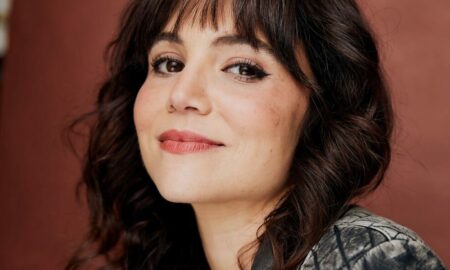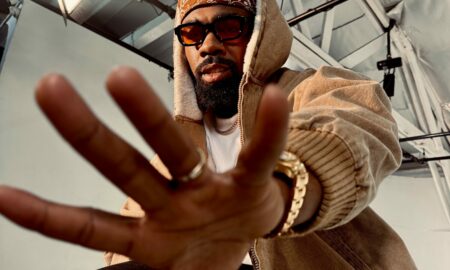




Today we’d like to introduce you to Owen Dara.
Hi Owen, so excited to have you with us today. What can you tell us about your story?
I started performing music on the streets of Europe soon after I left Ireland at the age of 21. It was very liberating to be able to earn my living just playing songs on street corners without any commitment to anything or anyone. But then came winter, and I had to search out a different path. In a way, much of my journey has been similar to that—I find my groove in an artistic project that feels like it will carry me forever, and then it runs its course, pushing me to find another. If I am without a creative project, then I feel a part of me is dying, so I am constantly trying to move forward in whichever artistic discipline I am drawn to at the time. I’ve always been a storyteller, and that’s what comes through in my comedy, filmmaking, and songs. I think a lot of what I do feeds into what else I do, and I don’t always know what I’m going to be tackling next. When I was working on postproduction for my latest film, I was dreaming up a story for another book I wanted to write, but by the time I was finally finished with the film, I had lost inspiration for the book. I mourned the lost opportunity for a moment but then moved on to something else. Rarely does much time pass before inspiration for another project comes my way, and I become immersed in another journey for as long as it takes to complete. There’s no denying that pain is part of what pushes me to create because it helps keep my demons at bay, but I tend to spend less time thinking about what drives me these days, and I just focus on the work. At this point, being creative has become a habit, which I doubt I’ll ever break.
We all face challenges, but looking back would you describe it as a relatively smooth road?
I wish I could say that the road has always been smooth, but it has not. I have had some great opportunities, and I feel that overall I have been lucky in my career, but I’ve certainly hit some bumps in the road, too. I think if I had stuck to just one form of artistic expression, life would’ve been easier in a lot of ways. My first successes came when I started performing stand-up comedy in my twenties, and I initially thought I would just continue following that path, but after several years, I decided to walk away from it. It wasn’t the best financial decision at the time, but I did it because I was losing the love I had found for the craft when I first began. I remember nights on stage actually feeling bored even though a large crowd of people were laughing at everything I said. I can remember pausing for several moments on stage, saying to myself “How can I be bored? This is the dream.” Realizing that even if someone arrives at a place they dreamed of reaching, that place was not going to remain their bliss forever was a hard lesson for me to learn. Once I stopped enjoying performing for responsive audiences, then the performances I had to do for less responsive audiences became almost impossible for me to get through.
The toughest part about taking a break from performing was the loss of contact with live audiences; that connection was something I missed deeply, even though I knew I needed to be away from performing in order that I could effectively return to it again. I used the time away from the stage to focus on making films. Years went by before I went back to stand-up, and the distance I had put between my last show and my first return allowed me to fall in love with the process all over again. I also went back to playing music, and I found that to be very rewarding. Of course now that performance venues are closed, life is challenging for all performers—we are certainly at a low point in many things, including people’s ability to self express, but many of us are finding ways to continue to move forward. I feel fortunate that I can still work on my films as I have some postproduction to finish and new scripts to write, and I am also fortunate that I have a great producing partner in Jessica Lancaster, who is also my partner in life. She has some wonderful talents that she brings to each of our films, and I really don’t think I could get through the challenges of filmmaking without her and the rest of our team.
Appreciate you sharing that. What else should we know about what you do?
I’m a filmmaker, writer, singer/songwriter, and comedian. I have always had an interest in a number of different creative paths, and I feel fortunate to have been able to follow them. In recent months, I have also been a host for some online shows produced by Dolly Ramirez and JJ Schoch of Divine Rebel Music. They have been instrumental in keeping our music community together through their online shows, which is really a gift during the pandemic to many of us performers and audience members. I will also be the co-presenter on a broadcast for St. Patrick’s Day this year, which will be aired on Harbourside Radio—a radio station located on the east coast of Ireland—and the show will also air on several platforms in the US. Connecting with people online and on the air is not quite the same as performing live, but in these times, I think all of us appreciate the opportunity to connect with each other through whichever platforms are available to us. With regard to what I’m most proud of, that’s difficult for me to answer. I mean I’m sure there are projects that I’ve completed that could be considered better than others I’ve done, but to me each one represents a time in my life, and in the cases of my films, it marks a time when I got to be creative with a group of people. I usually feel most proud of what I’ve just completed because I still carry the weight of how many hours I’ve given to it. Right now that’s an album of songs I’ve been working on during lockdown. I’m currently in the mixing stage, and so far I feel I’ve done everything to make it the best I can make it. I think that’s maybe where people can feel proud of something they’ve done: If they’ve stayed with a particular work until there’s no more they feel they can possibly do to make it better.
We all have a different way of looking at and defining success. How do you define success?
It’s not what I used to believe success to be. Certainly there’s commercial success, and I’ve been fortunate to have had varying levels of that, but first and foremost as an artist, I feel that success is making manifest that which you have imagined. It can be very difficult to bring a creative endeavor to its completion, which is why so many people abandon projects once the fun has gone out of the process. Inevitably, it’s not going to be fun or easy or even inspiring from beginning to end—perhaps the initial steps will be, but if someone wants to make a film, for example, and has limited resources, then more work will fall upon fewer hands, and that’s what makes the journey difficult. I’ve gone through long days, weeks, and months of having to force myself to sit down and work on something that I almost regretted even starting. But I know that if I were to give in to that feeling and just give up, then I would have failed. It’s as simple as that. If I complete a project and it’s at the best level that I can achieve, then I am successful. Commercial success is most certainly a valid quantifier, and believe me, I welcome it when it comes, but in my view, an artist’s success comes from the bringing to life of that artist’s vision.
Contact Info:
- Website: www.owendara.com
- Instagram: https://www.instagram.com/owen.dara/
- Facebook: www.facebook.com/owendaramusic
- Youtube: youtube.com/owendara


Popular
-
Los Angeles Barea on Turning Green Superheroes into a Global Movement for Youth-Led Change
-

Trisha DuVivier on Bridging the Franchisor–Franchisee Divide with Workhero and “Franulate”
-

Portraits of the Valley
-

LA’s Most Inspiring Stories
-
Cedar Boschan on Elevating Black Music Rights and Driving Urgent Conversations Around Credit, Equity, and Artist Protection
-
Robin Olive on Building an Inclusive Performing Arts Movement and Expanding Opportunities for Every Student