



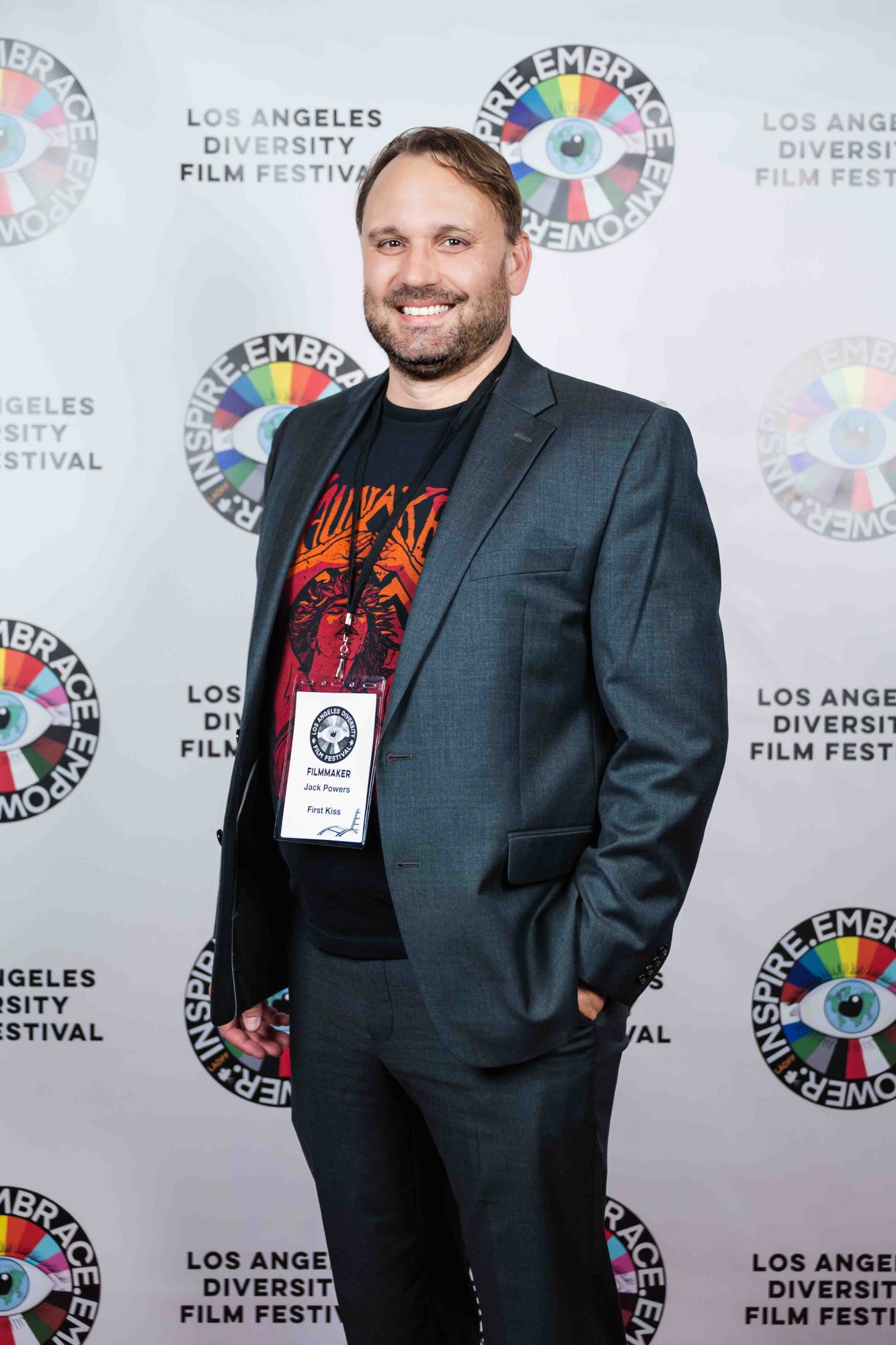
Today we’d like to introduce you to Jack Powers.
Alright, so thank you so much for sharing your story and insight with our readers. To kick things off, can you tell us a bit about how you got started?
I started off as a stage actor. I earned my bachelor’s degree from Iowa State University and, after graduating, moved directly to New York City to pursue an acting career. I worked as a waiter and bartender, and eventually landed a job at Joe’s Pub, a performance venue and nightclub. After a couple of years as a bartender there, I was promoted to manager. I learned many lessons I still use as a film director. I worked at Joe’s Pub in the Public Theatre in downtown New York for five years, and had a million crazy experiences. I lived through 9/11 (I watched the towers fall from my rooftop in the East Village) and the blackout, and I joined hundreds of thousands of people in the streets to protest our country invading Iraq as a disingenuous reaction to the attack on the World Trade Center.
While living in New York City, I realized I didn’t want to be on stage or in front of the camera; I wanted to be behind it. I wanted to be a filmmaker. I realized this at 27. I started working on set in whatever capacity I could and got my feet wet in filmmaking. I applied to film school and didn’t get in, so at 30, I moved to Los Angeles to learn filmmaking and pursue a career as a director.
Once in LA, I began taking jobs in the film industry. I thought I was too old for film school, so I decided to work in every department, learn the ropes, and then move on to the next, so I could better understand what each department does and become a more well-rounded director. I worked as a PA, grip, camera operator, and boom operator before landing in the Art Department, where I rose from art PA to Art Director. Over the next 12 years, I served as Art Director and Prop Master on dozens of productions.
In 2008, while I was still learning the ropes as a PA, a writers’ strike in the film industry paused work on almost all productions. The joblessness forced me to lose my apartment, and I spent six months on the road, bouncing from friend’s couch to friend’s couch, across the country until I ended back in the Midwest. Once I finally got there, I got called back to LA for a gig as a driver and mechanic on a road show tour for a documentary on alternative fuels. I spent another six months on the road, touring with this company and delivering their vehicles across the entire country.
When the tour ended, I returned to LA and resumed my plan to learn every department by working in each one and learning all I could before moving on to the next. After a full year away, all my job leads were cold, so a friend recommended I look into a stage management position they had heard about. I followed their advice and landed a job in the grip-and-lighting warehouse, cleaning and coiling cables returned by large film productions. After many weeks, I moved into the night stage manager position. I managed the stages of Quixote in Glendale for the next two and a half years.
During my time at Quixote, I impressed my supervisor enough that he let me use the stages when they weren’t booked and the gear in the warehouse, as long as I pulled it and put it back. That’s where I started directing. I began directing music videos and worked my way up to directing my first short film. For a year, to prepare for my first short film, I collected leftover materials and set walls that productions left behind and stashed them all over the lot, in storage containers and even in the space between stages. Once I had enough materials and was ready, a crew of friends and industry pros helped me create an ice world on the Quixote stages. After the shoot, we donated most of the materials to a local theater company.
After three years at Quixote and making several music videos and a short film, I felt ready to produce and direct my first feature. I had written a story set in my home state of Iowa, so I left LA and moved to Des Moines, IA, to produce my first feature. I had many ups and downs trying to raise money for my first feature, but I came up short. Instead, I focused on making short films and more music videos, and I worked in Iowa’s small but scrappy film industry. My background in Art Direction made me the go-to person for industry-level productions that passed through the Midwest, and I made a living from my work on film, TV, and commercial productions. Still, the feature eluded me.
In 2017, I applied for and was selected as an Iowa Artist Fellow, one of five artists the State honors each year for great accomplishments and promise in their fields. A year later, I received a grant from the Iowa Arts Council to produce a short proof of concept for my feature film idea. Producing this short film, The Burial, affected me in both big and small ways. It connected me with leaders of Indigenous communities in the Midwest and deepened my understanding of the land, its original inhabitants, and the terrible effects colonization had on our country and the world. I began working with local Indigenous community leaders, using my video production skills and experience to support their causes.
When the pandemic hit, I realized I would never get the support needed to produce a feature film in Iowa. So in December of 2020, I moved back to Los Angeles, intent on creating opportunities for myself, and, having learned many of the skills needed to produce a feature film, I focused on finding people who resonated with my voice and experience to make my feature. I needed to find my people.
In 2021, I found Thom Kuo’s podcast, the Celluloid Ashram, while researching what it takes to shoot projects on film. I had only ever shot digitally, learning my filmmaking skills during the digital boom of the 2000s and 2010s. But film was calling to me, and I didn’t know why. I was still making videos for clients back in Iowa, so on a long drive back to LA, I found and listened to hours of Thom’s podcast. I found him on Instagram and reached out. It turned out he was in LA and had a small club of filmmakers, young and old, who got together on Saturday nights to smoke cigars and talk about all things celluloid. Welcome to the ASCF (American Society of Cigars and Film). I had found my people…
Over the next few years, Thom taught me the ins and outs of making movies on film. I worked as a film loader and camera assistant on friends’ productions and made several film projects, including another short proof of concept. I felt like an artist who had finally found my paintbrush.
In late summer of 2022, I caught COVID on a film set and lost my job. I tested positive for almost a month, so I couldn’t go back to work. The slow holiday season followed, then the writers’ strike, so I was without work for about six months. This sent me into a deep depression and financial tailspin, from which I am still recovering today. I drove for rideshare companies for a year before I landed my current job at a property management company. I decided to retire from crewing in the film industry because I was originally only doing it to learn the ropes. I hadn’t intended to be an Art Director for ten years, and I didn’t feel any closer to directing my first feature film. Over the next several years, my finances leveled out, and I began focusing on making my first feature in earnest.
Now, I’m seven months away from the date I’ve set to start principal photography on my first feature. I’m making it come hell or high water. Movies have been my North Star for over half my life. I’ve struggled with depression, anxiety, self-doubt, imposter syndrome, and self-sabotage all along the way. But one thing has helped me persevere: the healing, enlightening, educational, inclusive power of cinema.
Thanks – so what else should our readers know about your work and what you’re currently focused on?
I’m a narrative filmmaker. I specialize in drama/thriller/horror/sci-fi/and fantasy. I’m most proud that I’m still doing it after all these years, having faced all kinds of adversity throughout my life… and yet I’m still here, making films. What sets me apart is my experience, perspective, drive, and voice.
Can you talk to us a bit about happiness and what makes you happy?
Spending time in nature makes me happy. I’m especially fond of spending time in a nice, lush forest. One day, I’ll move to Northern California so I can live surrounded by the forest full-time. Until then, I love spending time in Griffith Park, or any of the lovely parks in Los Angeles.
Another thing that makes me happy is spending time with my friends, relaxing, sharing a nice meal, preferably at a backyard barbecue, and just sitting around catching up with everyone.
Last but not least, I love being on set. When I’m not there, I’m trying to get back there. I love being part of collaborative creation, and being at the center of it all. I love witnessing the magic of creation in the moments when the cameras roll, words are spoken, actions are taken, and behavior is exhibited in service of a story and a message to the world. I feel like a fish in water; definitely my happy place.
Contact Info:
- Website: https://www.jackpowers.film/
- Instagram: https://www.instagram.com/jackpowersfilms/
- LinkedIn: https://www.linkedin.com/in/jackpowersdirector/
- Youtube: https://www.youtube.com/@JackPowersFilms
- Other: https://jackmpowers.substack.com/
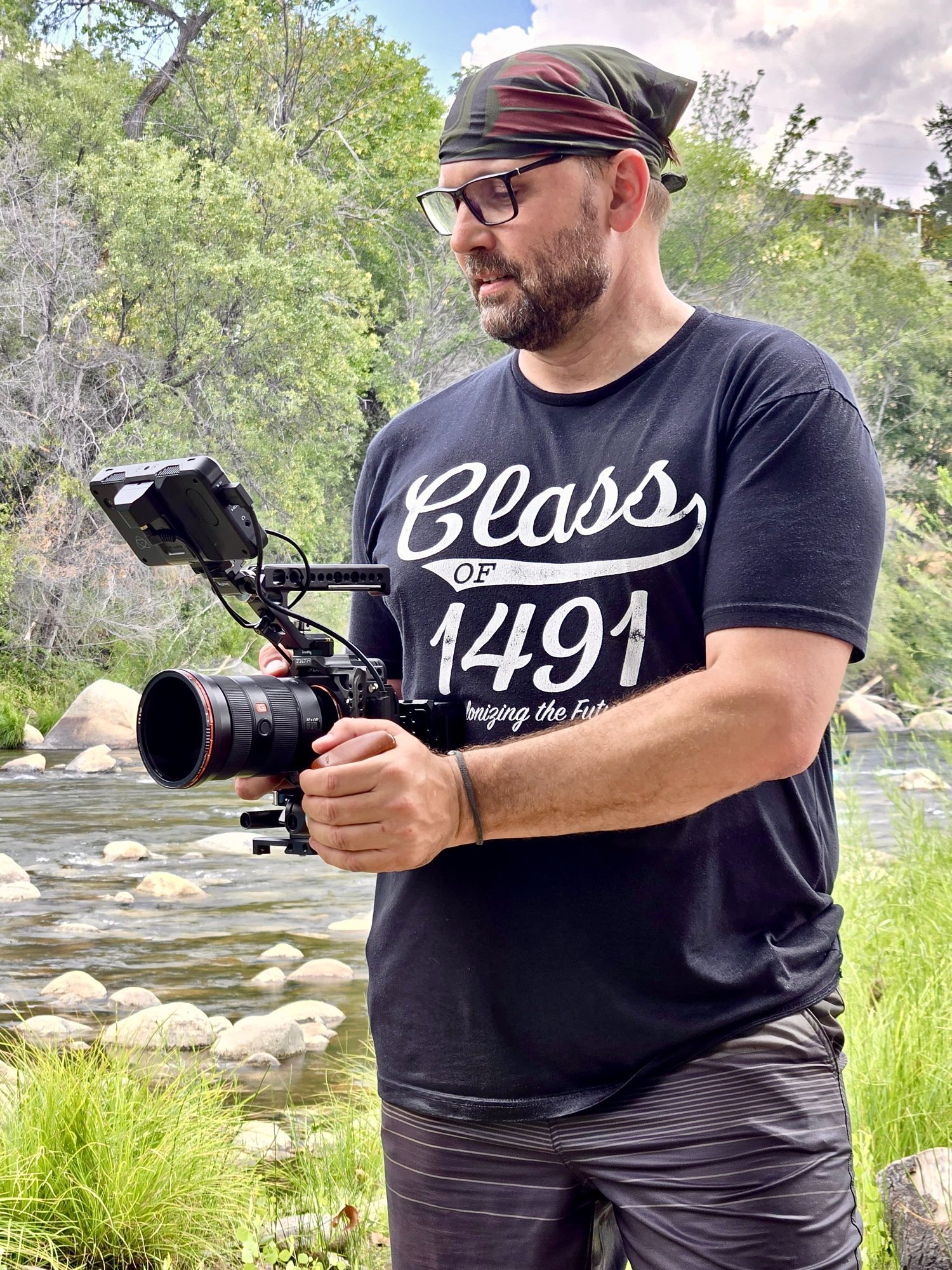
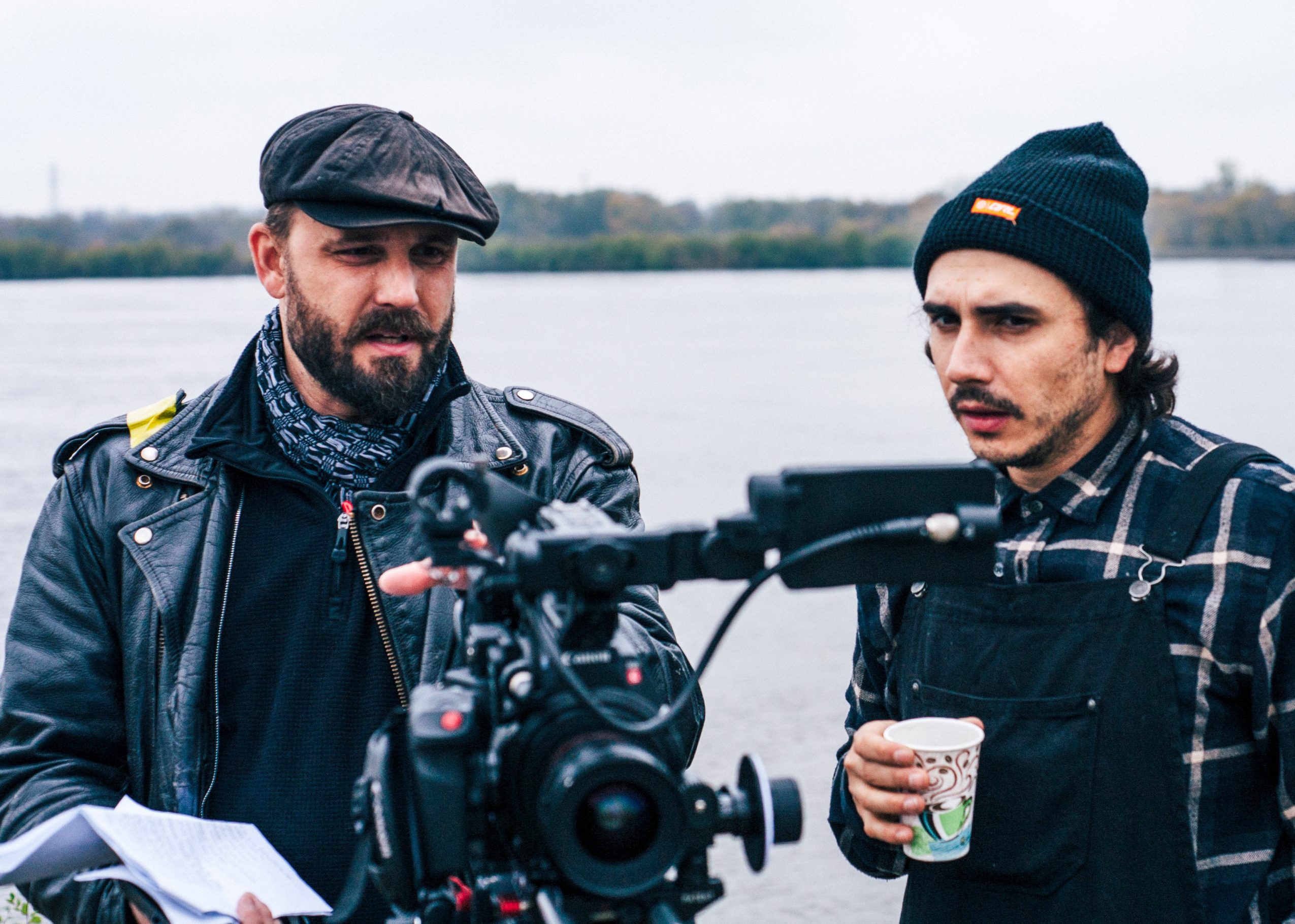
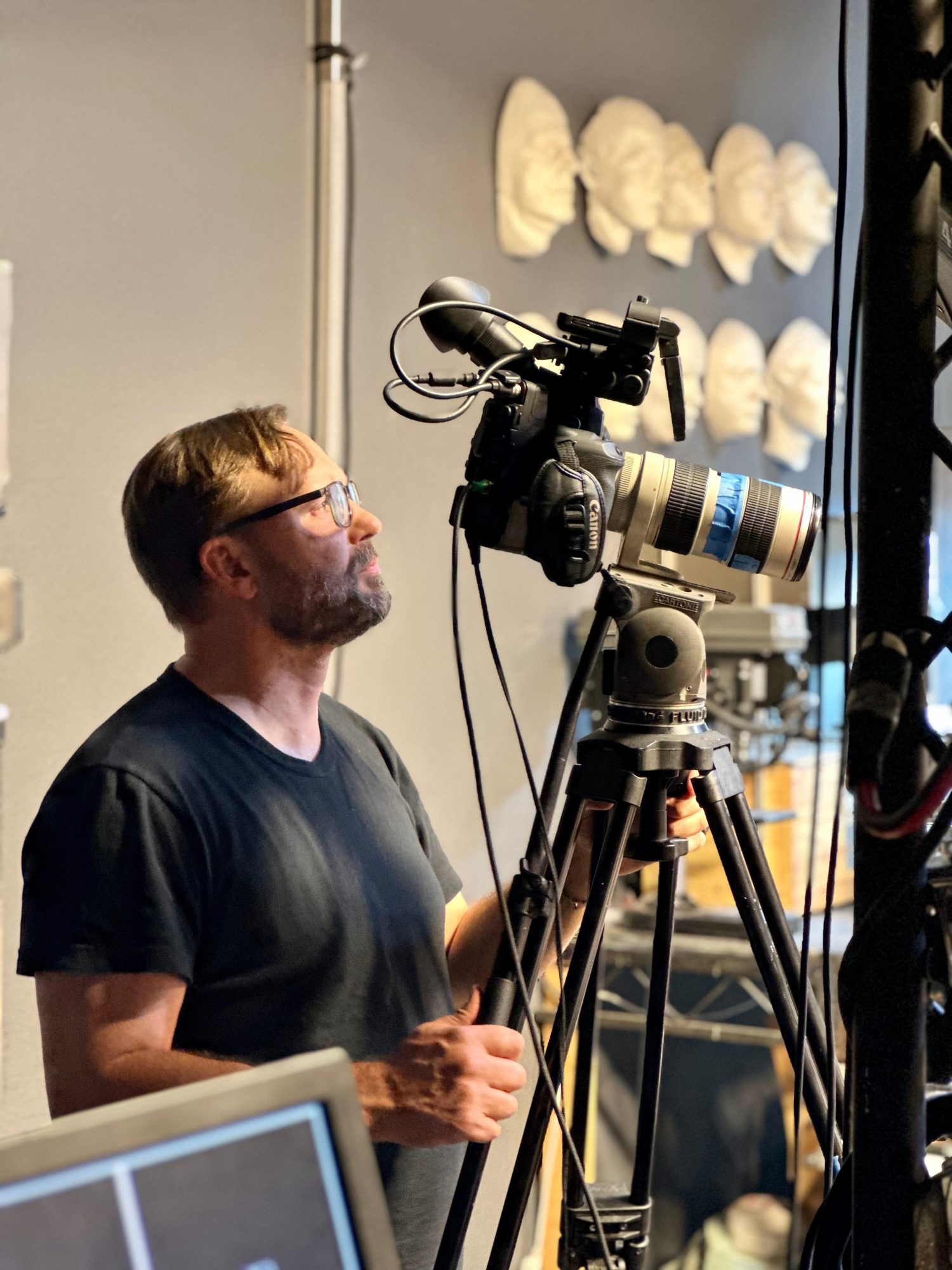
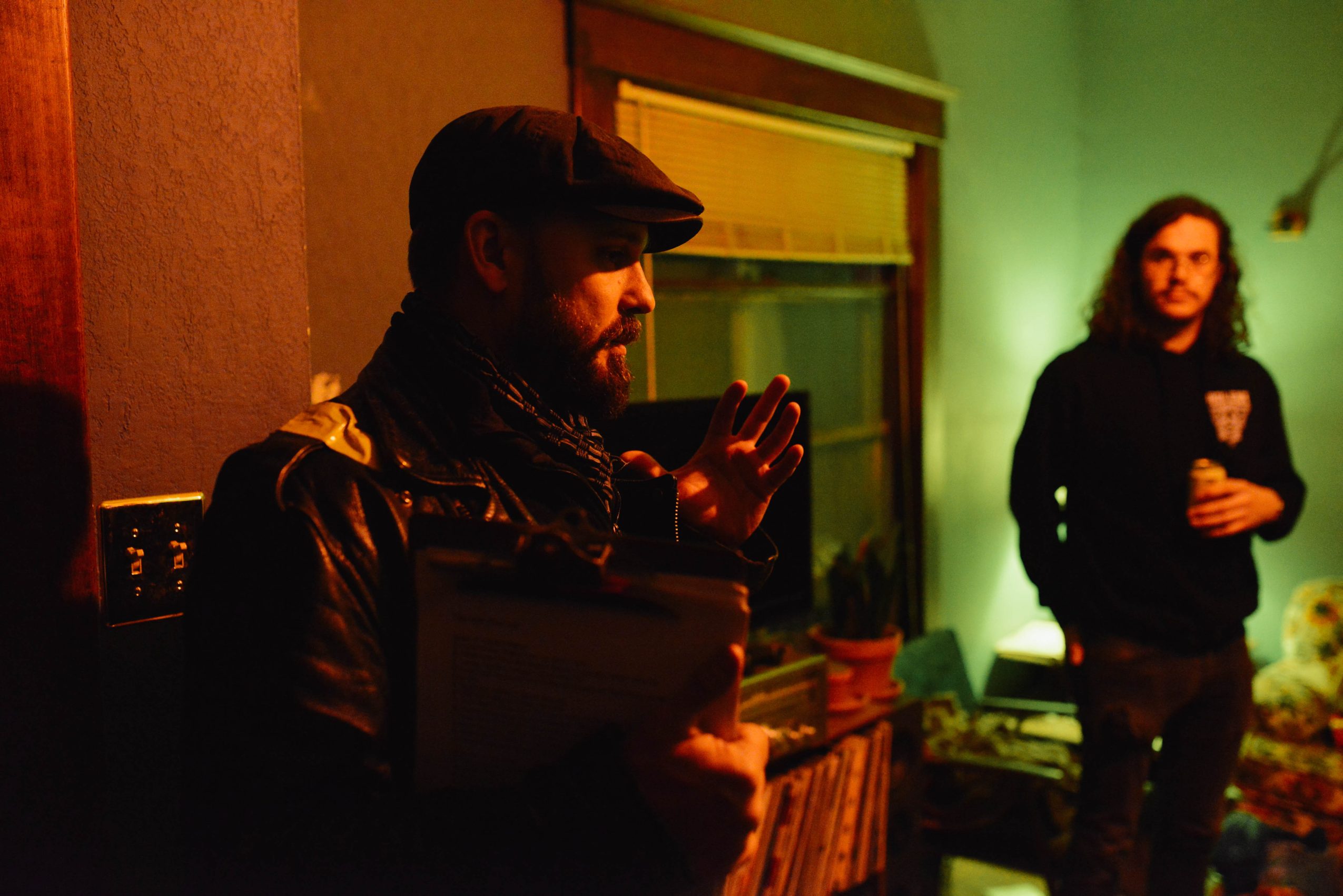
Image Credits
LADFF, Ben Handler, Michael Watson, Chad Schollmeyer, Jake Borowski
Popular
-

Portraits of the Valley
-

LA’s Most Inspiring Stories
-
Mason Ewing Is Bringing a World of His Imagination to Life Through Film
-

Dr. NanaEfua Afoh-Manin Is Rethinking What It Means to Be Healthy, Not Just Healed
-

Greg Hex Is Turning the Everyday Kitchen Knife Into a Modern Design Object
-

Rick Norris Learned That Building a Successful Business Means Building a Life You Actually Want to Live


