




Today we’d like to introduce you to Mikey Wu.
Hi Mikey, thanks for joining us today. We’d love for you to start by introducing yourself.
I was born in California and grew up around the Silicon Valley of the nineties, but stone was already in my blood. My family had a stonemasonry business in Taiwan going back almost fifty years—gravestones, garden furniture, and later international natural-stone trading and production. So I grew up seeing stone as heavy, traditional, and expensive to work with.
The turning point was asking: what if we could use natural stone in a way that conserved resources and was genuinely environmentally friendly? That led us to thin-stone technology—cutting marble down to a few millimeters, eventually about 1 mm, reducing material use by up to 80% and cutting waste and transport emissions. We called it MIKOLITE. My first company, Verza Stone, tried to sell it B2B into furniture and construction.
The product worked—industry veterans were surprised it was real stone—but the B2B path was brutal. We had to educate too many people and go through too many middlemen, leaving little value for us. I learned a great material isn’t automatically a great business.
So in 2015 we pivoted: instead of convincing the stone industry from inside, we’d raise awareness directly with consumers through everyday products. That was MIKOL, the first real-marble lifestyle accessory brand. We started with a genuine marble iPhone case—something everyone carries—to prove MIKOLITE was lightweight, durable, and beautiful. The name comes from how classmates pronounced “Michael.”
Today we make jewelry, notebooks, business cards, wireless chargers, cufflinks, and more—real marble sourced worldwide, designed in San Francisco, produced with our thin-stone process. The mission is still to bring thin natural stone back into construction and design at scale, now with a brand and customers who believe in the material.
I’m sure it wasn’t obstacle-free, but would you say the journey has been fairly smooth so far?
No, it has definitely not been a smooth road. The biggest challenge was that we were early with a material most people didn’t understand. When we started with Verza Stone, we believed the product would sell itself: real marble cut to a few millimeters, dramatically less material, less waste, less shipping weight. Industry people were impressed—but impressed doesn’t pay the bills. We had to educate designers, fabricators, distributors, and contractors, often one by one, and by the time the material reached the end customer through all those middlemen, there wasn’t enough margin left for us to build anything sustainable. That was a hard lesson: a great material is not automatically a great business.
The pivot to MIKOL in 2015 was exciting, but it created a new set of obstacles. We were no longer selling a material to experts; we were selling a category to consumers. Most people think of marble as heavy, fragile, expensive, and architectural—not as something you carry in your pocket or put on your phone. So every product had to do two jobs: be useful and beautiful, and quietly prove that MIKOLITE is real stone, lightweight, and durable. We had to fight the perception that a marble iPhone case must be bulky or that a marble notebook is a gimmick. We also had to build a brand, a design language, packaging, photography, e-commerce, and customer education—all with limited resources.
Manufacturing was another struggle. Thin stone is unforgiving. Early on, breakage rates were painful, tolerances were tight, and every new product shape meant new tooling and new failure modes. Sourcing real marble from around the world sounds romantic until you deal with batch variation, lead times, minimum order quantities, and inventory risk. We were tying up capital in stone slabs and finished goods while trying to stay flexible enough to launch new designs. And because we design in San Francisco but produce overseas, we had to manage quality across time zones, language barriers, and the constant temptation to compromise just to ship.
There were also internal challenges: limited cash, small teams, and the pressure to take on custom B2B work just to survive, which risks pulling you away from the brand you’re trying to build. We made mistakes—overestimating demand for some products, underestimating how much education a new material needs, and learning that distribution partners don’t always share your long-term vision.
What got us through was stubbornness and a willingness to pivot without abandoning the mission. Every obstacle forced us to simplify: focus on products people actually use, prove the material through touch, and build direct relationships with customers. It hasn’t been smooth, but it has been clarifying.
We’ve been impressed with MIKOL, but for folks who might not be as familiar, what can you share with them about what you do and what sets you apart from others?
MIKOL is really two businesses under one roof, built on a single conviction: that natural stone can be used far more intelligently than the way it has been for centuries.
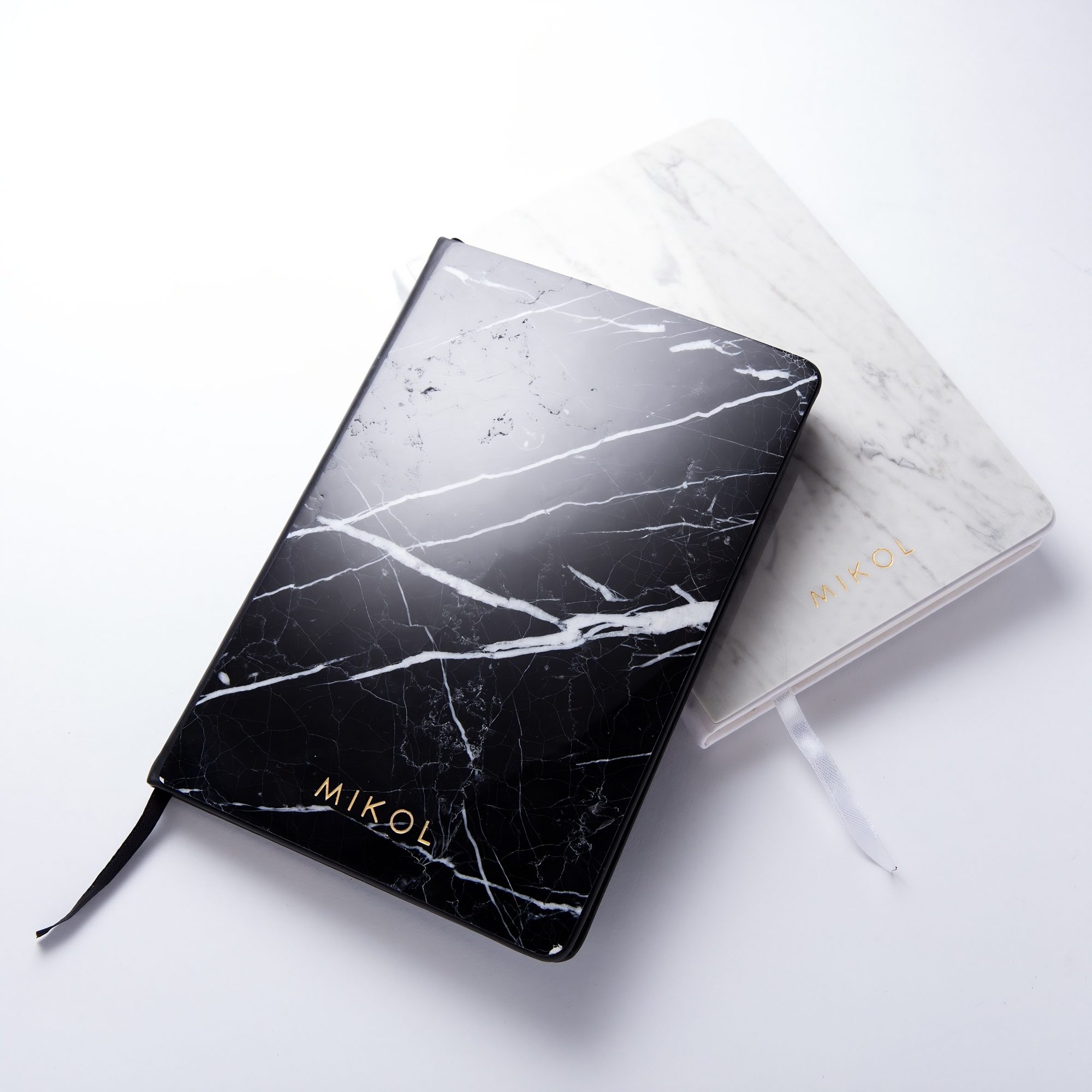
On the surface, we are a real-marble lifestyle accessory brand. We design and make objects that people actually use every day—iPhone cases, notebooks, wireless chargers, stone bead bracelets, business cards, card holders, cufflinks, bow ties, playing cards, and more—cut from genuine marble sourced from around the world and finished to a standard that feels both premium and personal. We are known for making the world’s first real-marble bow ties, the first genuine marble stickers, and fully playable poker cards thin enough to shuffle and thick enough to keep.
But underneath the accessories is the real engine: MIKOLITE, our ultra-thin stone technology. We cut natural stone down to about 1 mm, preserving 90–93% of the raw material compared to traditional 2 cm or 3 cm slabs, and reducing thickness—and therefore waste, water use, energy, and shipping weight—by up to 80–90%. That same technology powers our second segment: factory production and custom thin-stone solutions for other companies in construction, furniture, and consumer products, as well as commercial projects like hotels, apartment complexes, temples, and luxury renovations. So we are not just selling marble objects—we are proving a material platform.
What sets us apart is that we are not imitators, and we are not a marketing layer on top of someone else’s stone. We have our own manufacturing background—three generations of stone craftsmanship and our own facilities—which means we control quality, ethics, and the actual thin-stone process rather than sourcing generic slabs and printing patterns on them. Every piece is real stone, so no two items are ever identical; the veining is the design, not a decal. We also sit at a rare intersection: a consumer brand that is simultaneously a technology and manufacturing partner, which means we can serve someone who wants a beautiful notebook and someone who wants to clad a hotel lobby with lightweight stone panels—using the same core capability.
Brand-wise, what I am most proud of is that we turned a failed B2B education problem into a category people can touch. We started as a stone-technology company trying to convince the traditional industry to adopt thin stone, and when that path stalled, we built MIKOL so that the material could speak for itself in people’s hands. I am proud that the brand feels modern, metropolitan, and wearable, while the back end is deeply rooted in stone craft and sustainability. It is not a gimmick brand; it is a proof-of-concept brand that became a real business.
What I want readers to know is that MIKOL is for anyone who wants the beauty of real marble without the weight, waste, or intimidation of traditional stone. Whether it is a bracelet, a business card, a wireless charger, a self-stick marble tile for a DIY project, or a custom thin-stone solution for a commercial space, the offering is the same promise: authentic natural stone, thoughtfully designed, responsibly made, and accessible in ways marble has rarely been before. We are still a small team, but we are building toward a future where thin natural stone is not a novelty—it is simply a smarter default.
How do you think about luck?
Luck has played a real role—both kinds—and I try to be honest about that rather than pretend everything was pure execution.
On the good-luck side, I was born into a family with almost fifty years in stonemasonry and natural-stone trading. That is not something I earned. It gave me a feel for the material, access to craftspeople and factories, and a front-row seat to how the stone industry actually works. I also grew up in California around the technology culture of the nineties, which made it natural for me to ask whether a traditional material could be rethought with modern precision. That combination—stone craft plus tech-minded curiosity—was luck of circumstance, and it shaped everything.
There was also timing luck. When we pivoted to MIKOL in 2015, people were already treating their phones and everyday accessories as personal style objects, and e-commerce made it possible for a small brand to reach customers directly without a giant retail footprint. And plastic marble printed cases were very popular at the time. If we had tried the same consumer idea ten years earlier, it might have been much harder.
But bad luck showed up too. We were early with thin stone in B2B. The material worked and industry veterans were impressed, but the market wasn’t ready to adopt it quickly, and the distribution chain ate the value. That wasn’t a failure of effort; it was partly being on the wrong side of timing. Manufacturing gave us plenty of bad luck as well—breakage, batch variation in natural stone, tooling problems on new shapes, and the classic small-business luck of a key shipment or a cash-flow month not lining up.
What I’ve learned is that luck determines which doors are nearby, but not whether you walk through them. Good luck gave me a stone background and a moment when direct-to-consumer brands were possible. Bad luck taught me to pivot instead of romanticizing a plan. The Verza Stone experience felt unlucky at the time, but it forced us into MIKOL, which turned out to be the best thing that happened to the business. And a lot of what looks like luck later—meeting the right partner, a product getting attention—is usually the result of staying in the game long enough and being prepared when the moment arrives.
So I don’t credit luck for the business, but I don’t deny it either. I’m grateful for the advantages I didn’t earn, and I try to treat the setbacks as tuition rather than fate.
Contact Info:
- Website: https://www.mikolmarmi.com/
- Instagram: https://www.instagram.com/mikolmarmi/
- Facebook: https://www.facebook.com/mikolmarmi/
- LinkedIn: https://www.linkedin.com/Mikolmarmi
- Twitter: https://www.x.com/mikolmarmi/
- Youtube: https://www.youtube.com/@Mikolmarmi
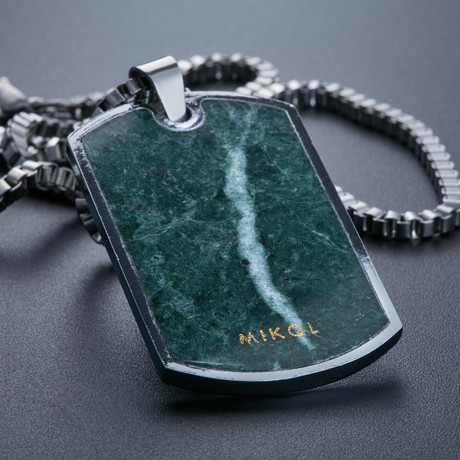
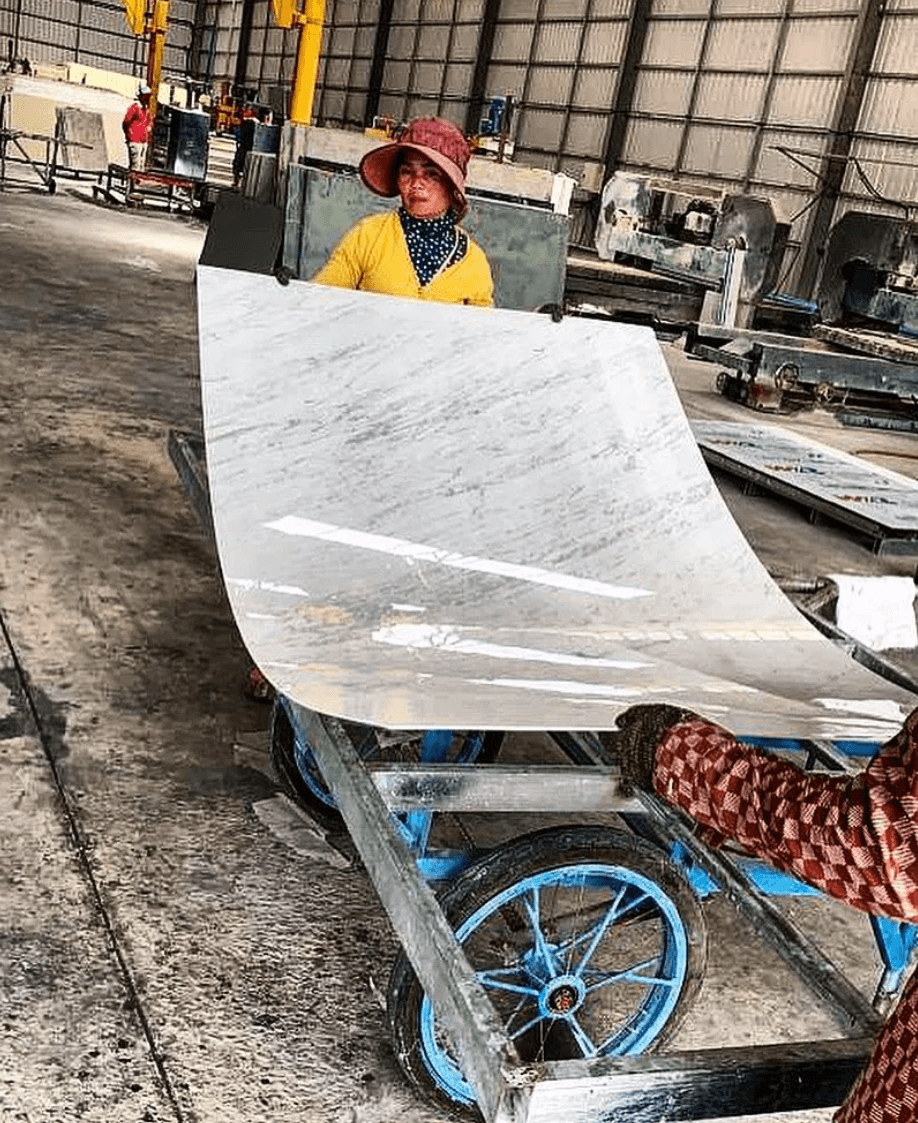
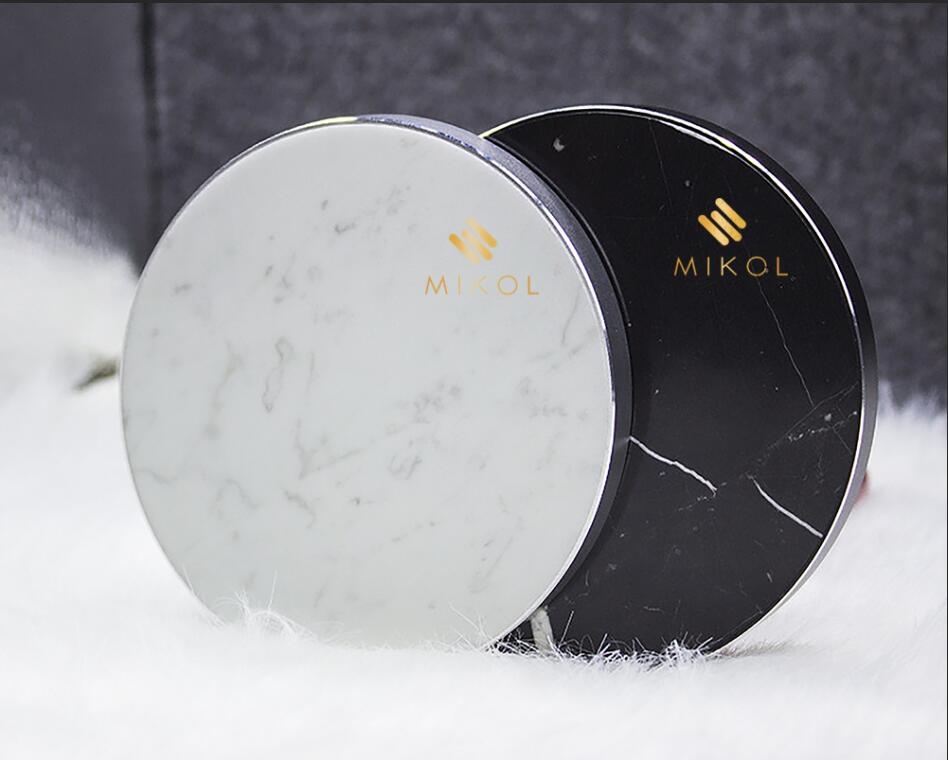
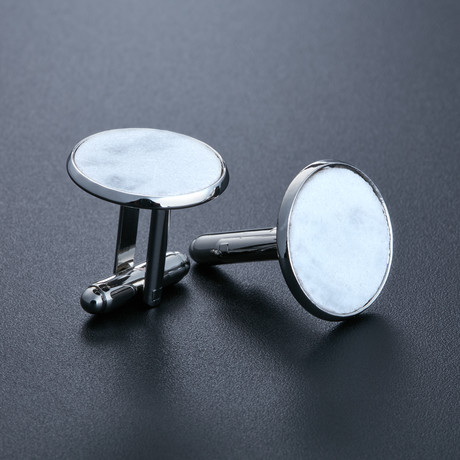
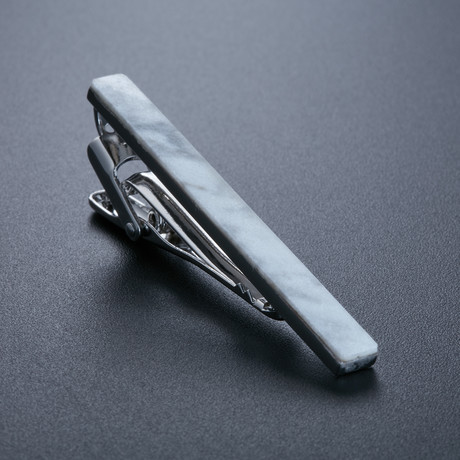
Image Credits
MIKOL
Popular
-

Portraits of the Valley
-

LA’s Most Inspiring Stories
-

Mason Ewing Is Bringing a World of His Imagination to Life Through Film
-

Dr. NanaEfua Afoh-Manin Is Rethinking What It Means to Be Healthy, Not Just Healed
-

Greg Hex Is Turning the Everyday Kitchen Knife Into a Modern Design Object
-

Rick Norris Learned That Building a Successful Business Means Building a Life You Actually Want to Live


