




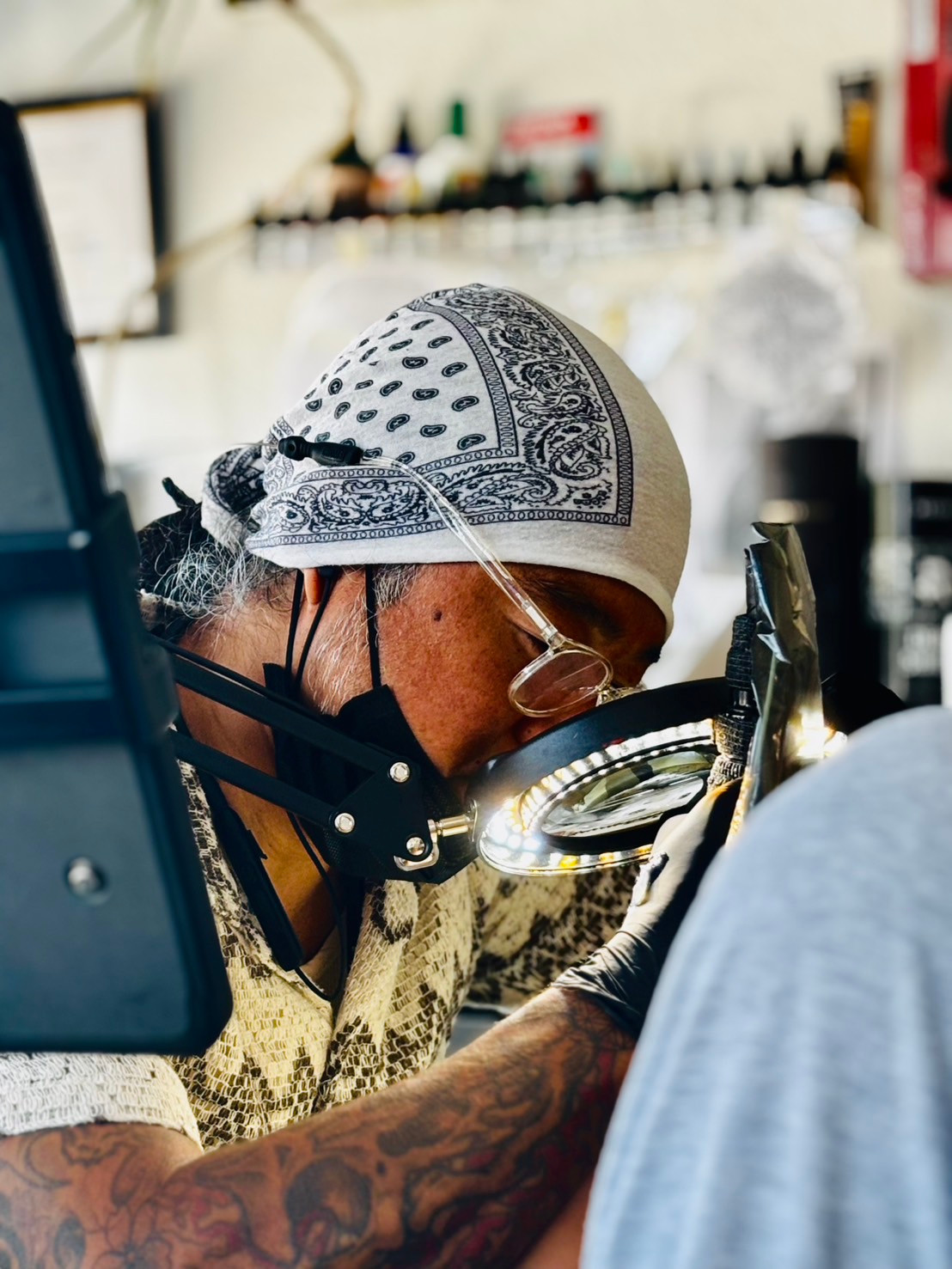
Today we’d like to introduce you to Ken Sakamoto.
Hi Ken, we’re thrilled to have a chance to learn your story today. So, before we get into specifics, maybe you can briefly walk us through how you got to where you are today?
I was born in rural Japan, surrounded by nature, and I loved drawing. Although I had no formal art training, I had received several major awards by the time I graduated from high school. I wanted to pursue creative work, but I became interested in street culture and neglected my studies. During that time, I came to feel that I had no choice but to start something of my own.
Japan already had its traditional tattoo culture, of course, but tattoos were beginning to gain popularity in delinquent circles and among people involved in music. A relative who carried on Tokyo cultural traditions dating back to the Edo period had also bought equipment and started tattooing. Because I was good at drawing, I began tattooing alongside that relative. That was how I entered this profession.
The world of tattooing I encountered was closely connected to delinquent culture. I sometimes tattooed at a yakuza office myself. There, a prominent figure gave me the professional name “文身師 信賢.” I was running a small tattoo business in Japan when the Great East Japan Earthquake of March 11, 2011, had a major impact on my business. That became a turning point, and I took the leap of moving my work to Los Angeles. At the time, I saw LA as the place where the tattoo industry was most vibrant and willing to take on new challenges.
I have worked in this profession for 15 years in Tokyo and more than 10 years in Los Angeles. This year, the year I turned 50, I changed my professional name from “信賢” to “吉辰 / KISSHIN.” I am now based in Hermosa Beach.
Would you say it’s been a smooth road, and if not what are some of the biggest challenges you’ve faced along the way?
My greatest struggle is with myself. Both as a person and in my technical skills, that struggle continues throughout my life. Financial difficulties and relationships also play a part, but hardship, fulfillment, and happiness exist side by side. Some joys come precisely because the work is difficult. Discovering karate gave me an opportunity to learn how to face those struggles.
In my work, if I become too particular, I may never finish, and that can place a burden on the client. But that does not mean I can cut corners. I have a responsibility to complete the work while maintaining my standards. Finding that balance is another ongoing struggle with myself.
My approach to tattooing today is more that of a craftsperson than an artist. I also see it as a service: creating tattoos on a client’s body that they can enjoy for the rest of their life. I value something I learned from a more experienced tattooer: tattooing involves three parties who form a whole, the person doing the tattooing, the person receiving the tattoo, and the people who see it. My own convenience and preferences alone cannot determine the work. That is what tattooing means to me.
As you know, we’re big fans of you and your work. For our readers who might not be as familiar what can you tell them about what you do?
People often ask about my specialty, but I have deliberately avoided limiting myself to one style. Taking on requests across many different genres has helped me develop my knowledge and technical skills. This path has not been shaped only by my own preferences. It is also the result of continually working to meet my clients’ requests.
I have kept an open mind about tools and techniques and have tried to adopt new ones early. Tablets and AI are examples of this. I also make practical use of graphics software such as Illustrator and Photoshop in my work.
The goal is not simply to save time. It is to keep learning, gaining experience, and refining my skills so I can turn my clients’ requests into finished tattoos. That is also why I continue to broaden the tools and methods I use.
We’d love to hear about how you think about risk taking?
Since entering this profession, I have believed in my abilities and taken on many different challenges. But when I talk about taking on challenges, I think it is essential to remember the responsibility that comes with this work.
This work affects people’s bodies and lives, so it requires care. That is why I now believe people should learn the techniques and rules of the craft under an experienced, responsible tattooer. With that foundation, every challenge has value. Particular care is needed with issues involving medical procedures.
Contact Info:
- Website: https://kisshintattoo.com
- Instagram: https://www.instagram.com/kenkouken/
- Youtube: https://www.youtube.com/@tattoosaga
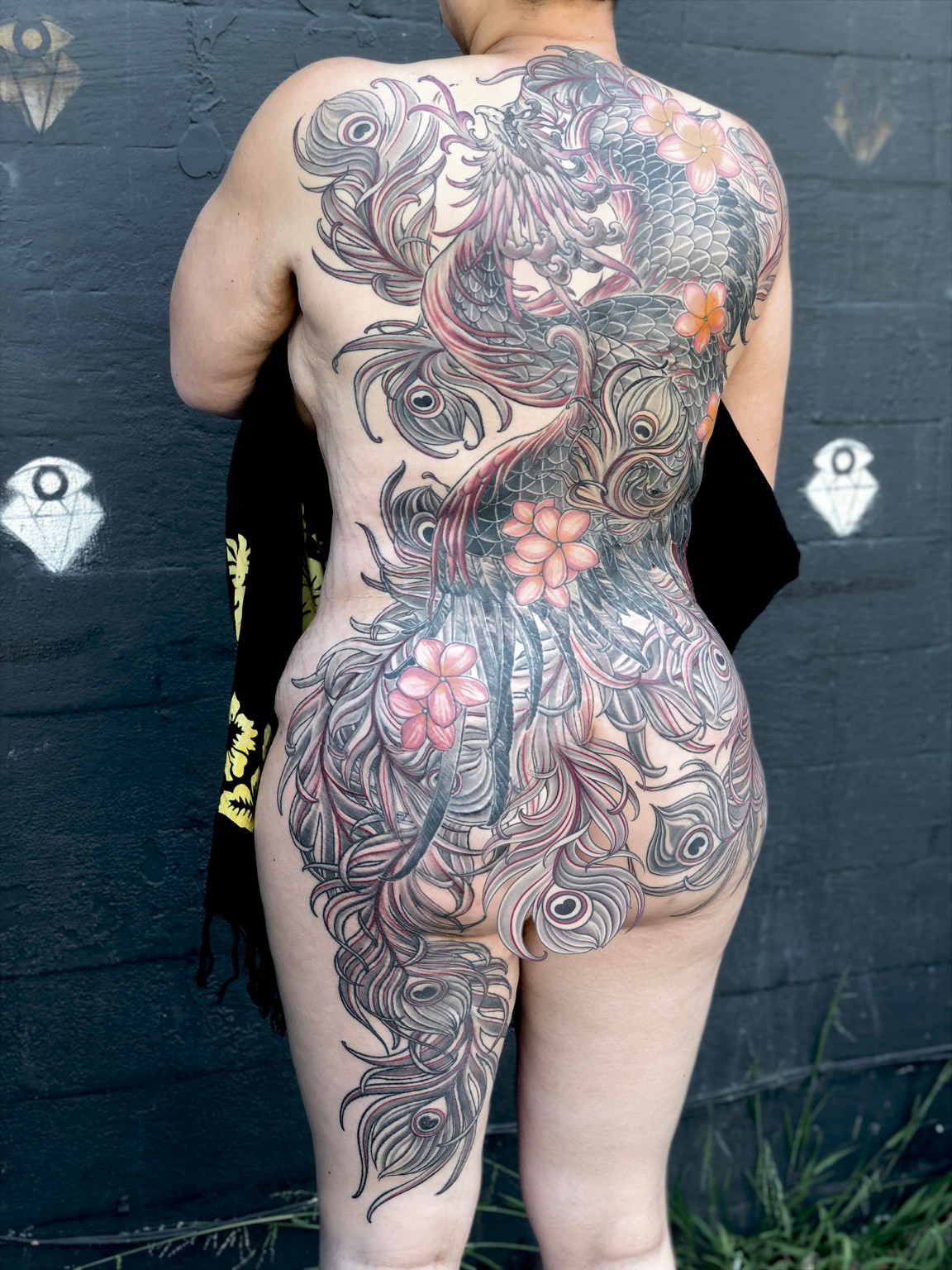
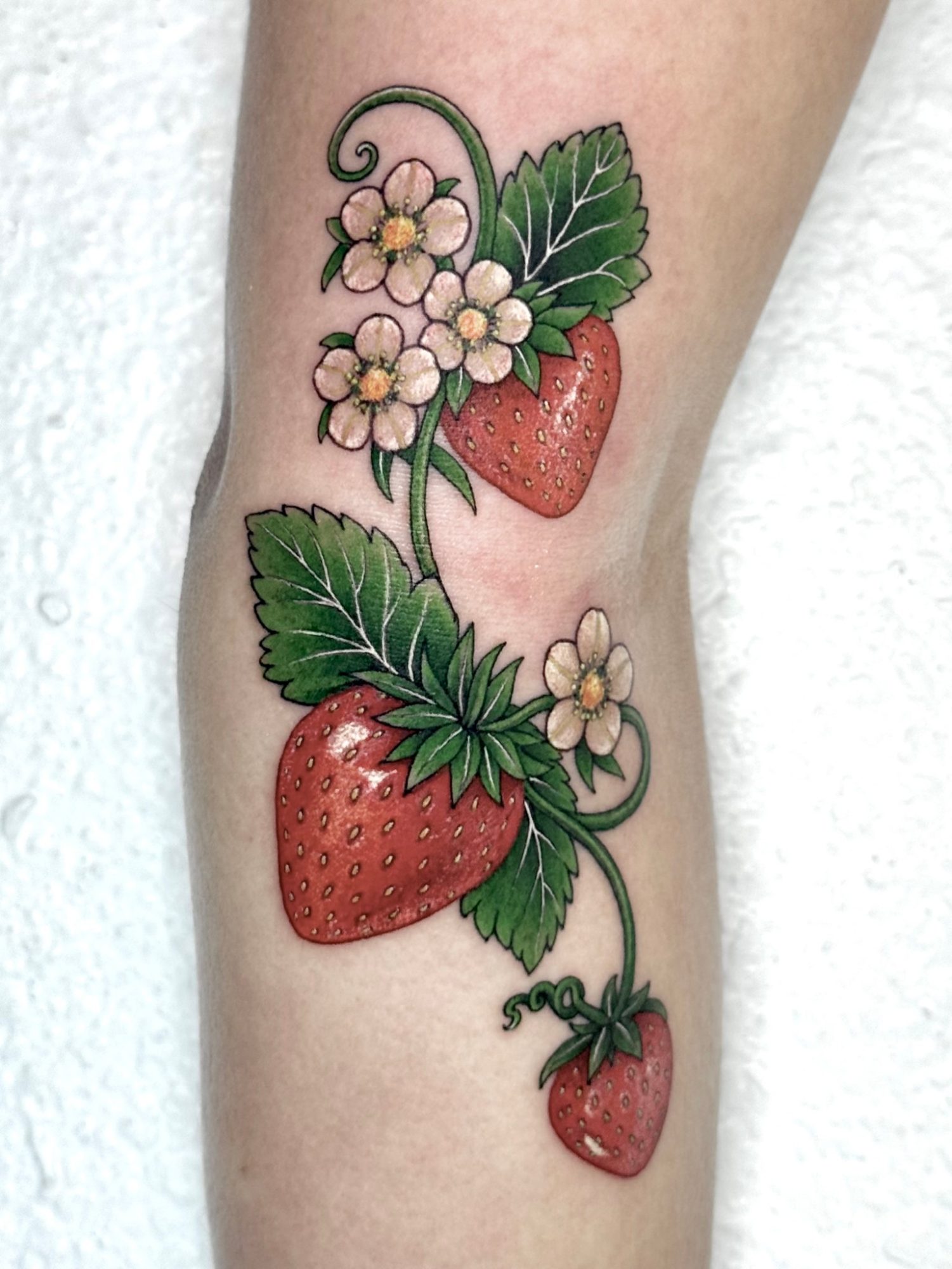
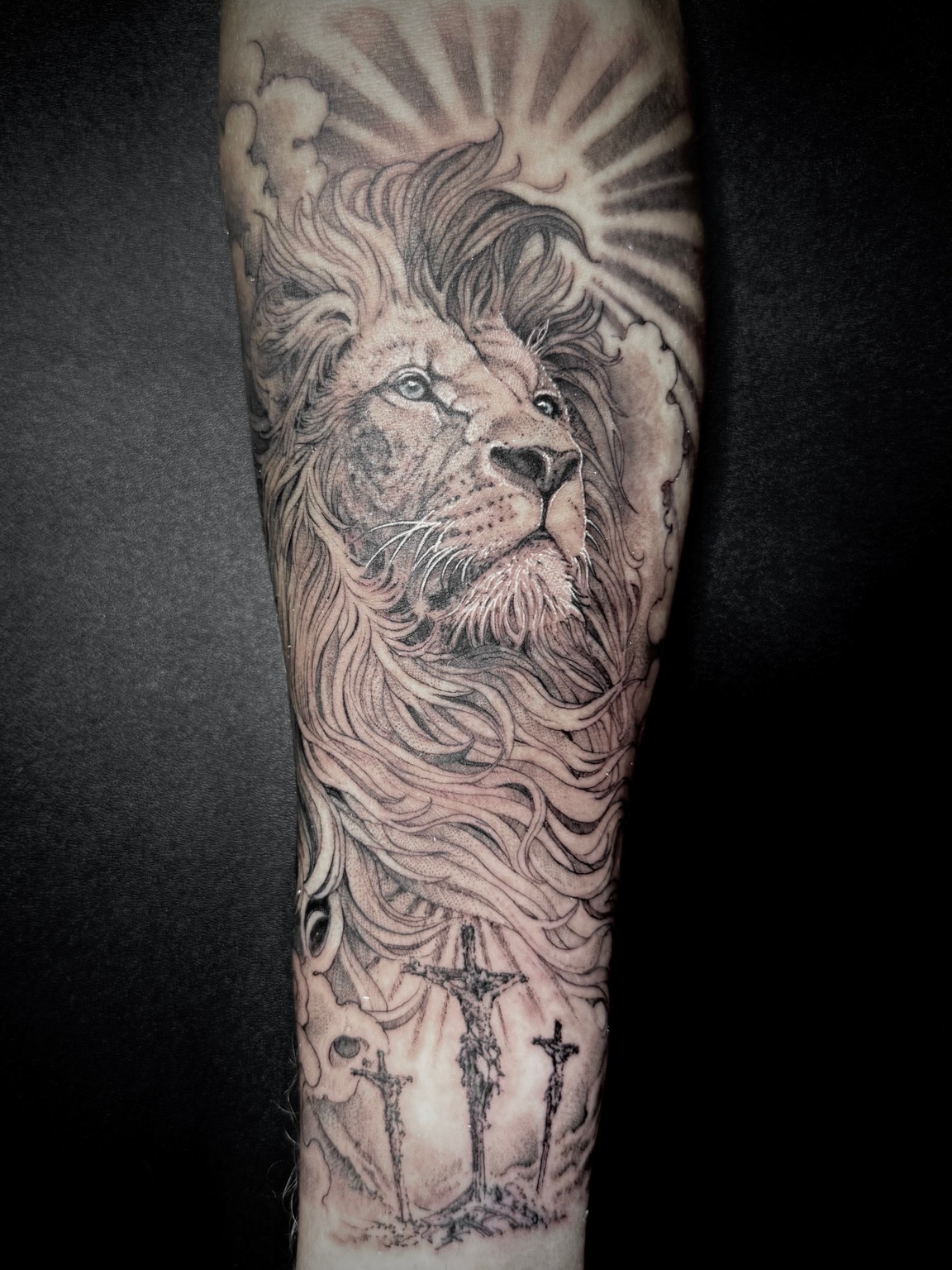
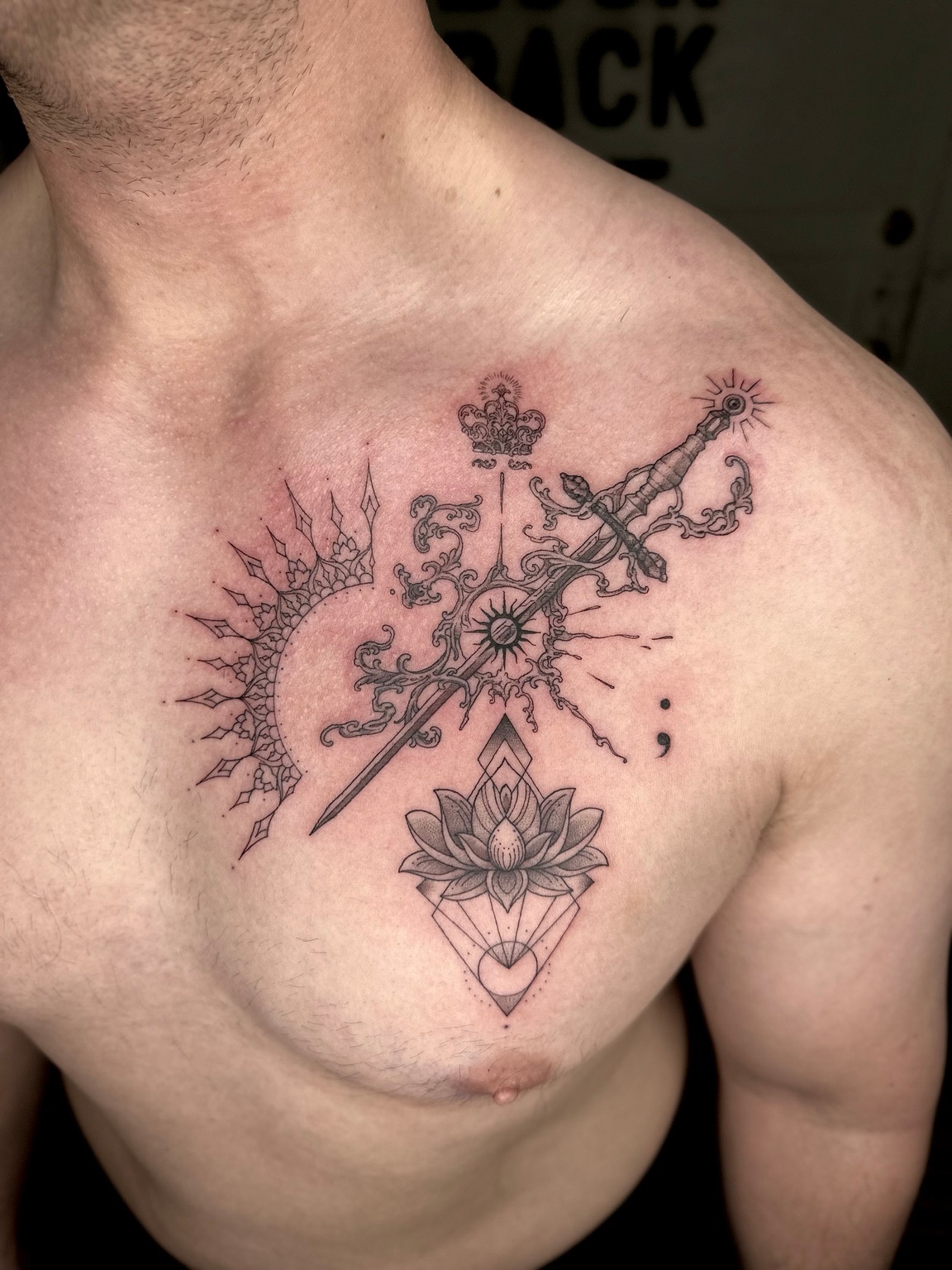
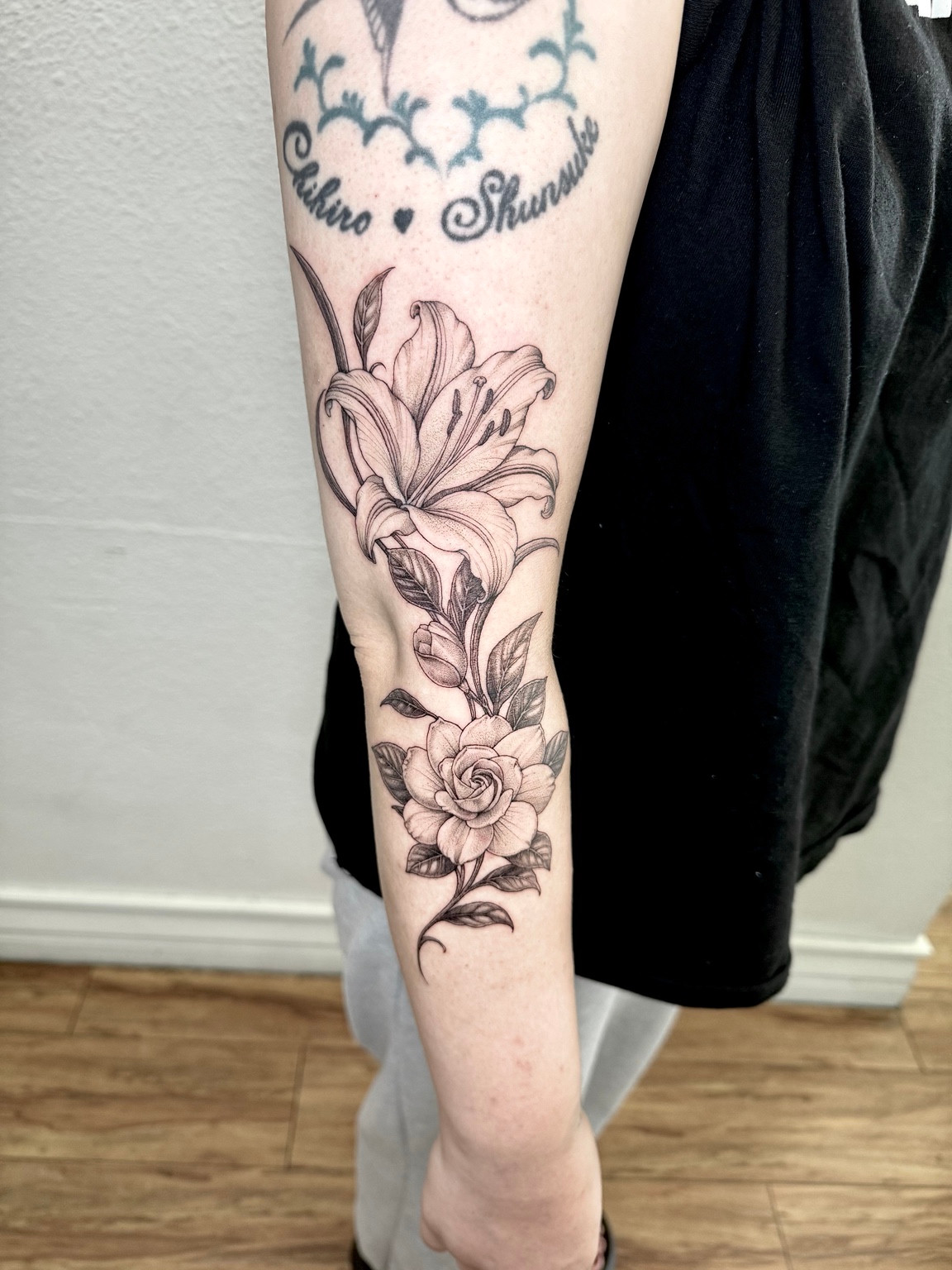
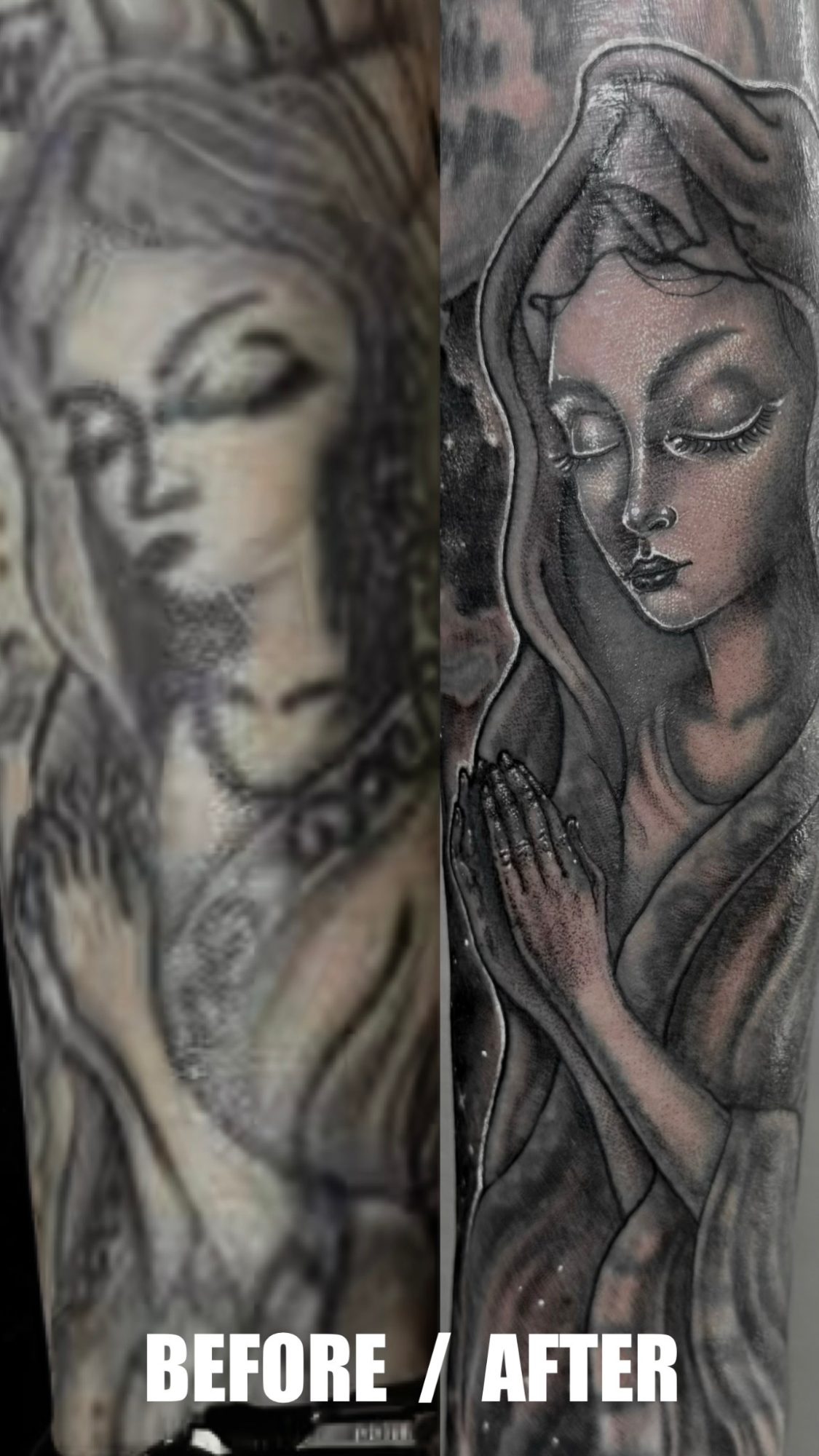
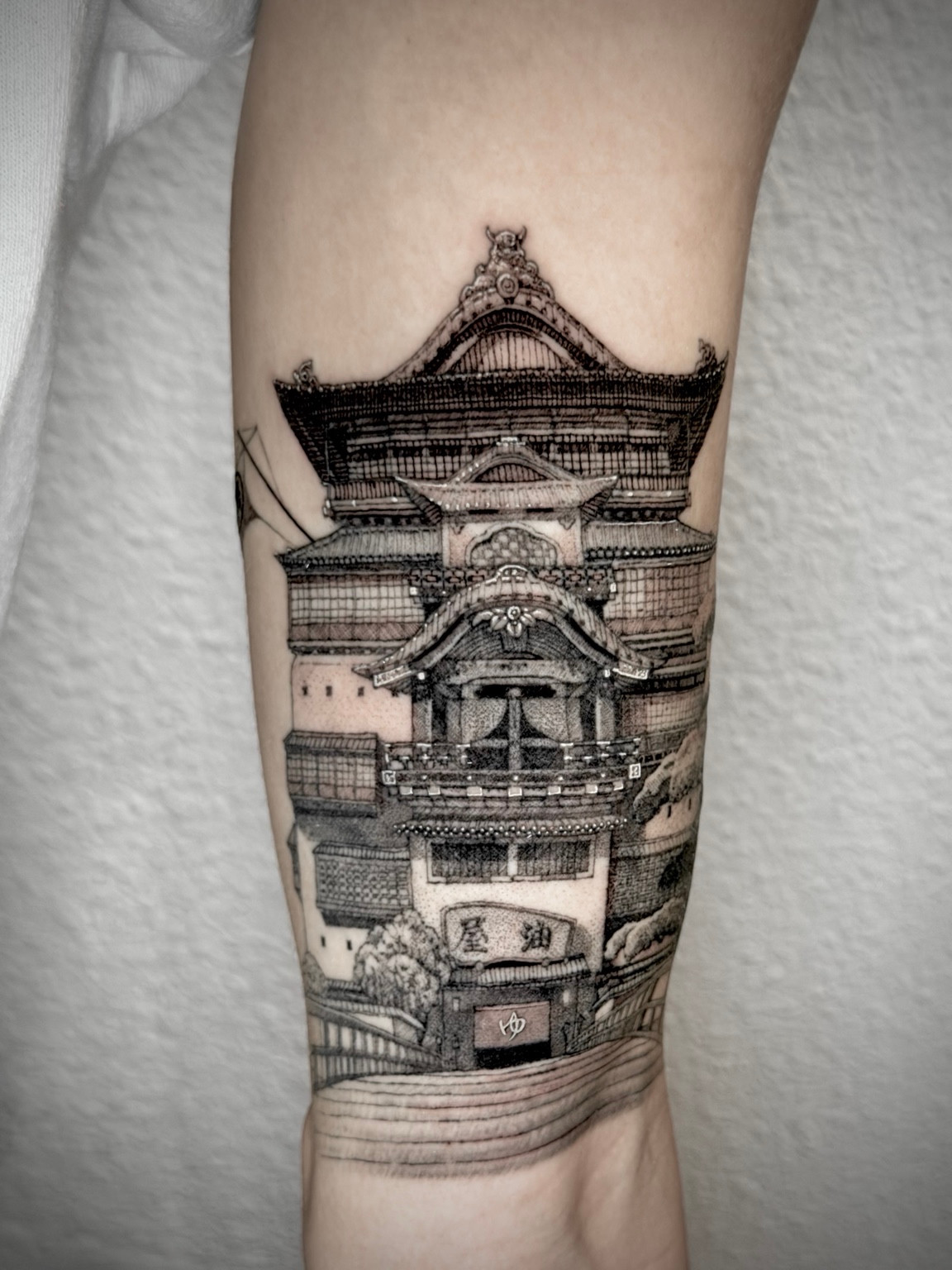
Image Credits
Ken Sakamoto
Popular
-

Portraits of the Valley
-

LA’s Most Inspiring Stories
-

Mason Ewing Is Bringing a World of His Imagination to Life Through Film
-

Dr. NanaEfua Afoh-Manin Is Rethinking What It Means to Be Healthy, Not Just Healed
-

Greg Hex Is Turning the Everyday Kitchen Knife Into a Modern Design Object
-

Rick Norris Learned That Building a Successful Business Means Building a Life You Actually Want to Live


