



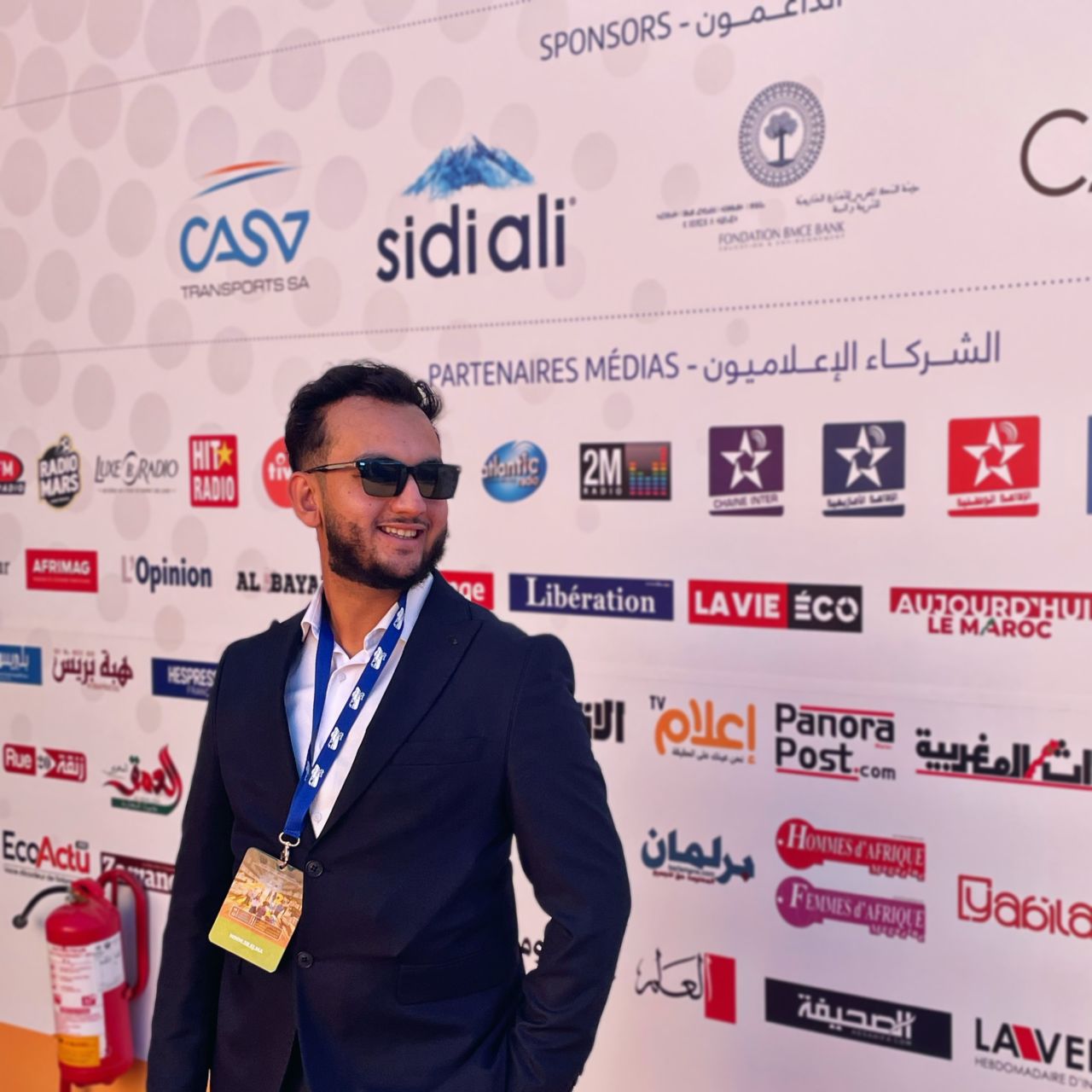
Today we’d like to introduce you to Othmane El Jadid.
Hi Othmane, thanks for sharing your story with us. To start, maybe you can tell our readers some of your backstory.
I grew up in Casablanca and I have been working since I was 15. I studied business and management at Cardiff Metropolitan University through its programme in Casablanca, but most of what I know I learned by building things.
In 2020 I founded the Moroccan Writers Association to give young Moroccan writers a stage. Today it brings together more than 150 members in 11 teams and has organised over 70 events: book signings, literary tours across the country, open mics with partners in the UK, Casablanca Echo, a day of culture and literature with more than 500 participants, and Creative Crossroads, a national literary project that travelled from Marrakech to Rabat and Casablanca.
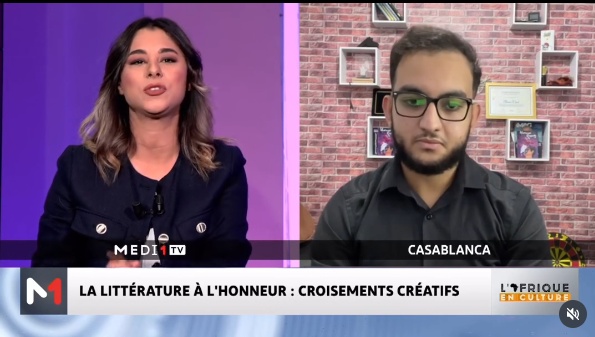
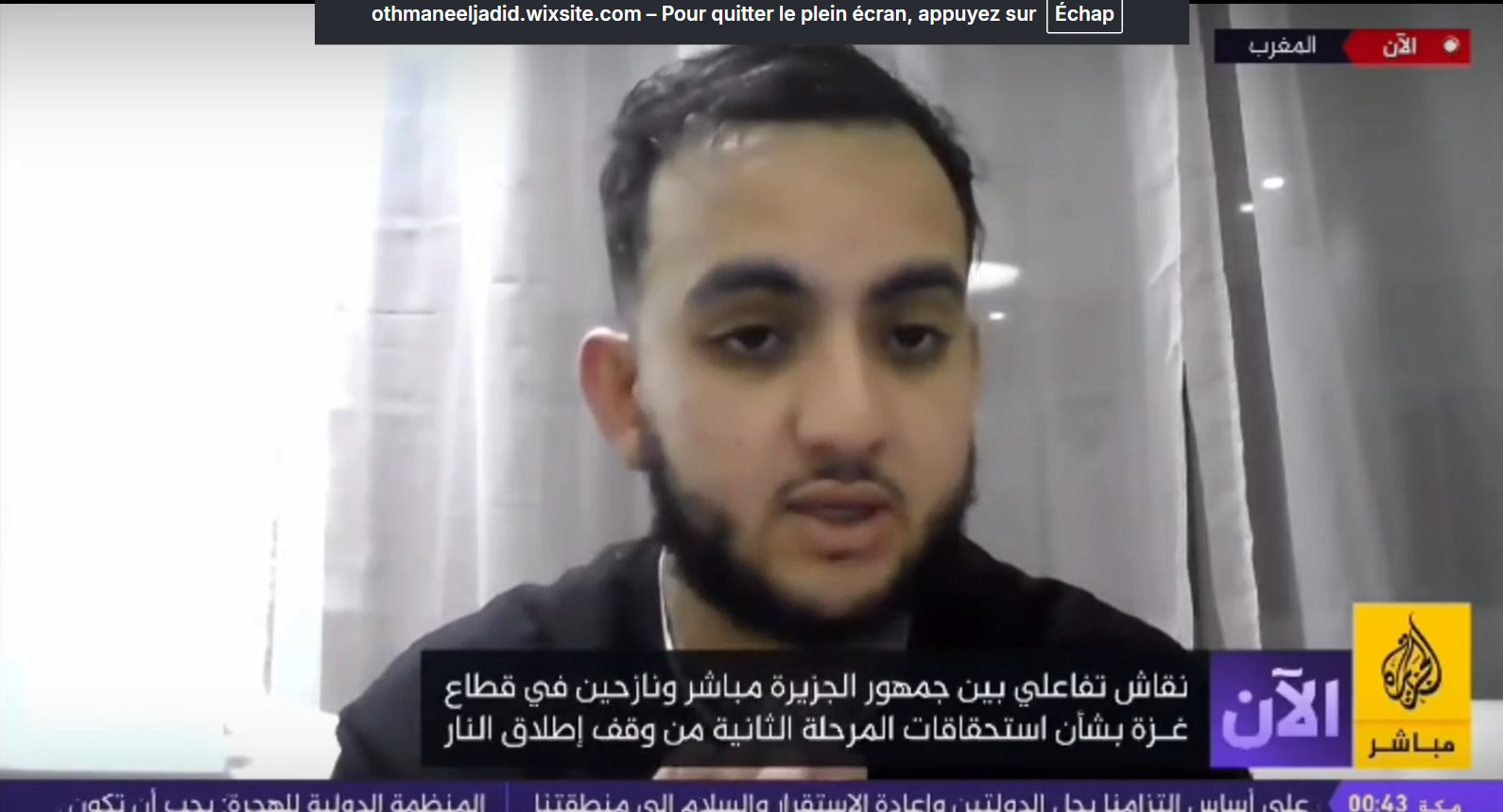
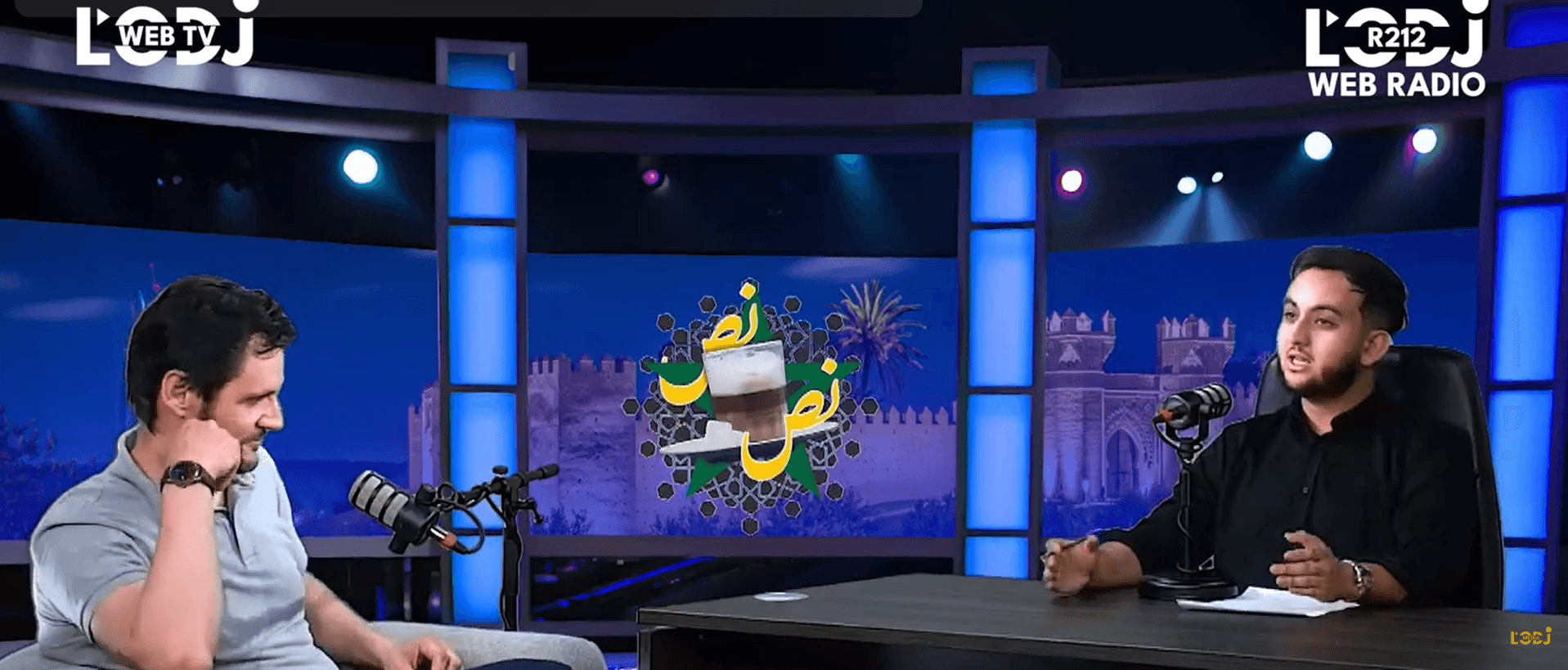
Alongside that, I spent four years at the Mohammed VI University of Health Sciences in Casablanca, managing partnerships and external communication and helping more than 1,000 students into internships. Media came naturally too. I created and hosted the cultural show Moroccan Lounge and the podcast Ness Ness for L’ODJ Maroc, I have appeared as a guest analyst on Al Jazeera Mubasher, and this Ramadan I created, directed, hosted and edited Aji Nhedrou, a series in Moroccan Darija about psychology and everyday society that reached around 700,000 views.
I also founded Tafaseel, a communication agency, and I train young people in public speaking, personal branding and pitching with organisations like INSPAIRX and Enactus. Today I am working on the next chapter: taking everything I have built in culture, media and education into a bigger, international setting.
I’m sure it wasn’t obstacle-free, but would you say the journey has been fairly smooth so far?
Not at all. I have worked since I was 15, so almost everything I built, I built while also earning a living. The association, the shows and the agency all grew in the hours left after a full-time job, and money was often tight. Like many people from my generation, I have had to make hard choices between following what I love and paying the bills.
The Moroccan Writers Association started with no funding and no network. Every event depended on volunteers, borrowed venues and partners we convinced one by one. Culture is rarely treated as a priority, so we constantly had to prove that young writers deserve a real stage. Creating content in Darija about psychology and society also means facing criticism alongside the support.
The most recent challenge has been starting again from zero. This year I left a stable role and moved to Italy, a country where I did not speak the language and did not know anyone. Rebuilding a life, a network and a sense of home somewhere new is humbling; you learn very quickly who you are when nothing around you is familiar.
What carried me through every one of these moments was people: a team that believed in the vision long before any results were guaranteed, an audience that kept showing up, and the stubborn conviction, learned on a stage as a kid, that you keep going.
Thanks for sharing that. So, maybe next you can tell us a bit more about your work?
I am a writer, a cultural organiser and a storyteller on screen. My work sits where literature, media and young audiences meet.
What I am most known for is the Moroccan Writers Association, which I founded and lead. It has become a real community for young writers, with more than 150 members, over 70 events and a national project, Creative Crossroads, that took Moroccan literature on the road from Marrakech to Rabat and Casablanca.
On screen, I created and hosted the cultural show Moroccan Lounge and the podcast Ness Ness, which was named among the top podcasts of 2024. This year I created Aji Nhedrou, a storytelling series in Moroccan Darija that unpacks the psychology behind everyday life; it reached around 700,000 views, with one episode alone passing 450,000. I write, direct, host and edit everything myself.
What I am most proud of is not a number, though. It is seeing young people who joined our association shy and unsure go on to publish, speak on stage and lead teams of their own.
What sets me apart is that I connect worlds that usually stay separate: serious ideas and popular formats, Arabic, French and English, culture and organisation. I can write the piece, host the event and build the team that keeps it going.
We’d love to hear about any fond memories you have from when you were growing up?
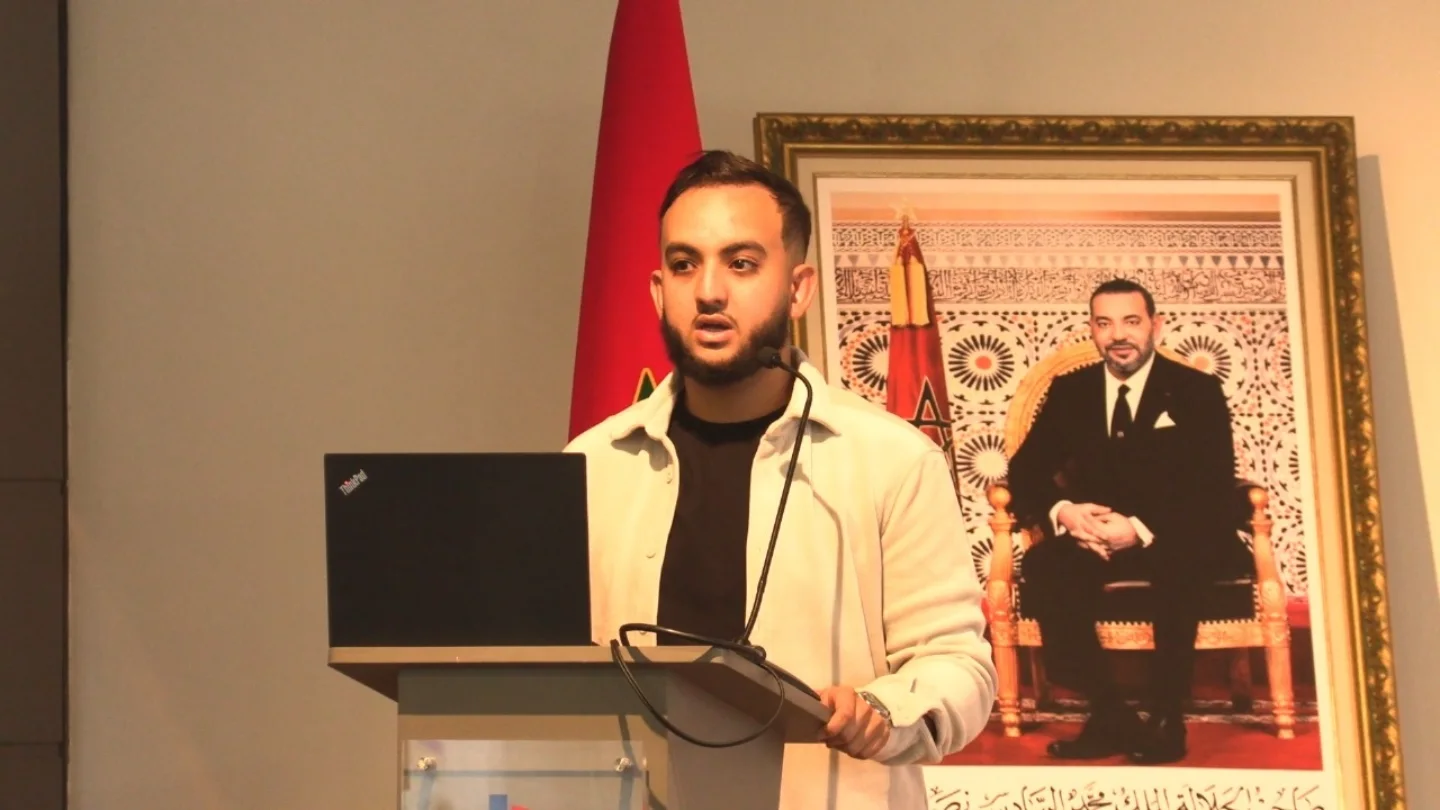
My favorite childhood memories come from theater. Stepping onto a stage as a kid was the first time I discovered what I was capable of: that I could hold a room, remember a whole role, make people laugh or go quiet, and turn nerves into energy. Theater gave me a confidence I did not know I had, and it planted the seeds of everything I do today, from hosting shows to speaking in front of hundreds of people.
It also taught me something deeper. Our family did not always have it easy financially, and there were times when simply continuing was the achievement. Theater showed me that you can still show up, give your best and create something beautiful even when circumstances are hard. That lesson has stayed with me: pushing forward through difficulty is not the exception in my story, it is the thread that runs through all of it.
Contact Info:
- Instagram: https://www.instagram.com/othmaneeljadid
- LinkedIn: https://www.linkedin.com/in/othmane-el-jadid-583204196
Popular
-

Portraits of the Valley
-

LA’s Most Inspiring Stories
-

Mason Ewing Is Bringing a World of His Imagination to Life Through Film
-

Dr. NanaEfua Afoh-Manin Is Rethinking What It Means to Be Healthy, Not Just Healed
-

Greg Hex Is Turning the Everyday Kitchen Knife Into a Modern Design Object
-

Rick Norris Learned That Building a Successful Business Means Building a Life You Actually Want to Live


