



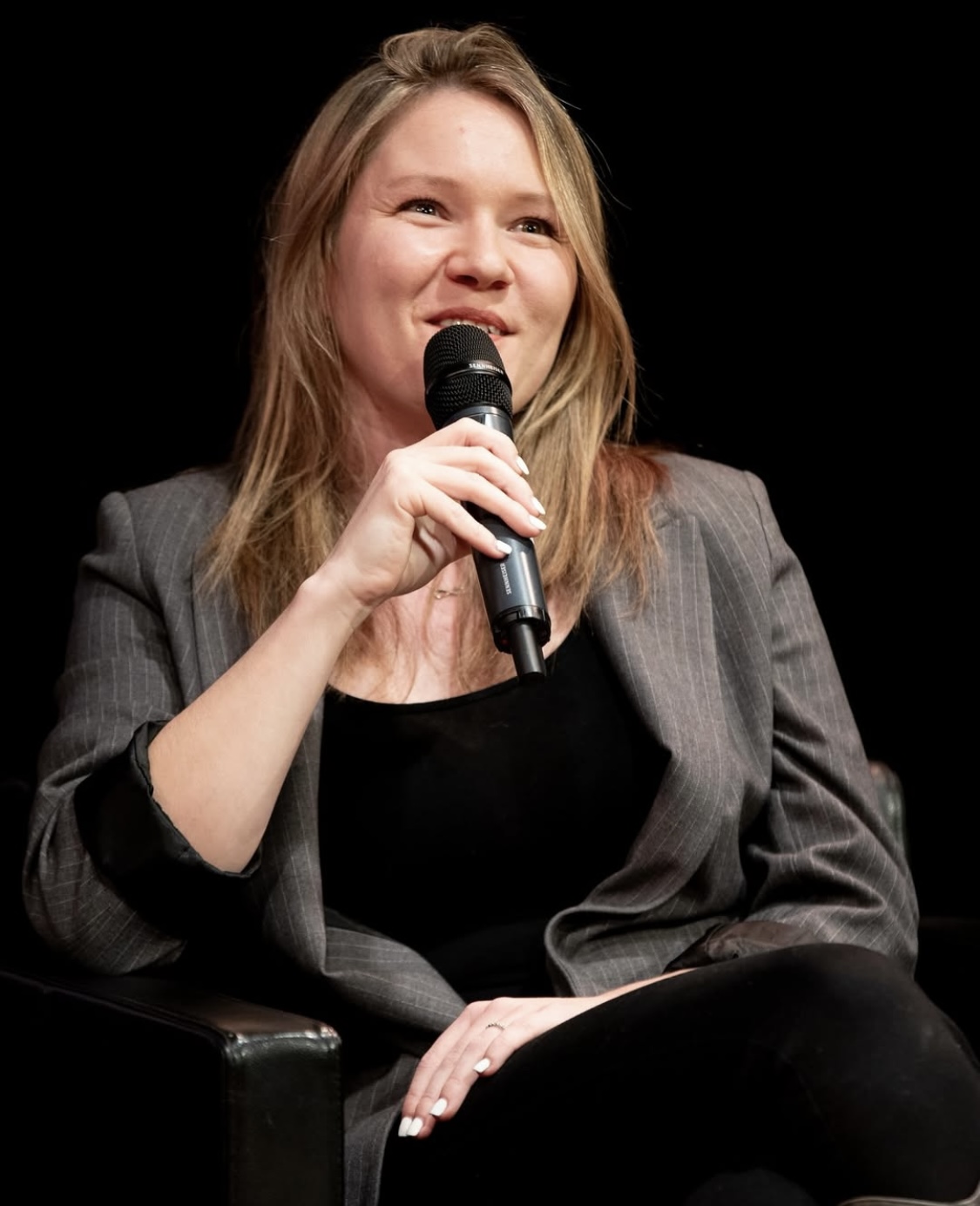
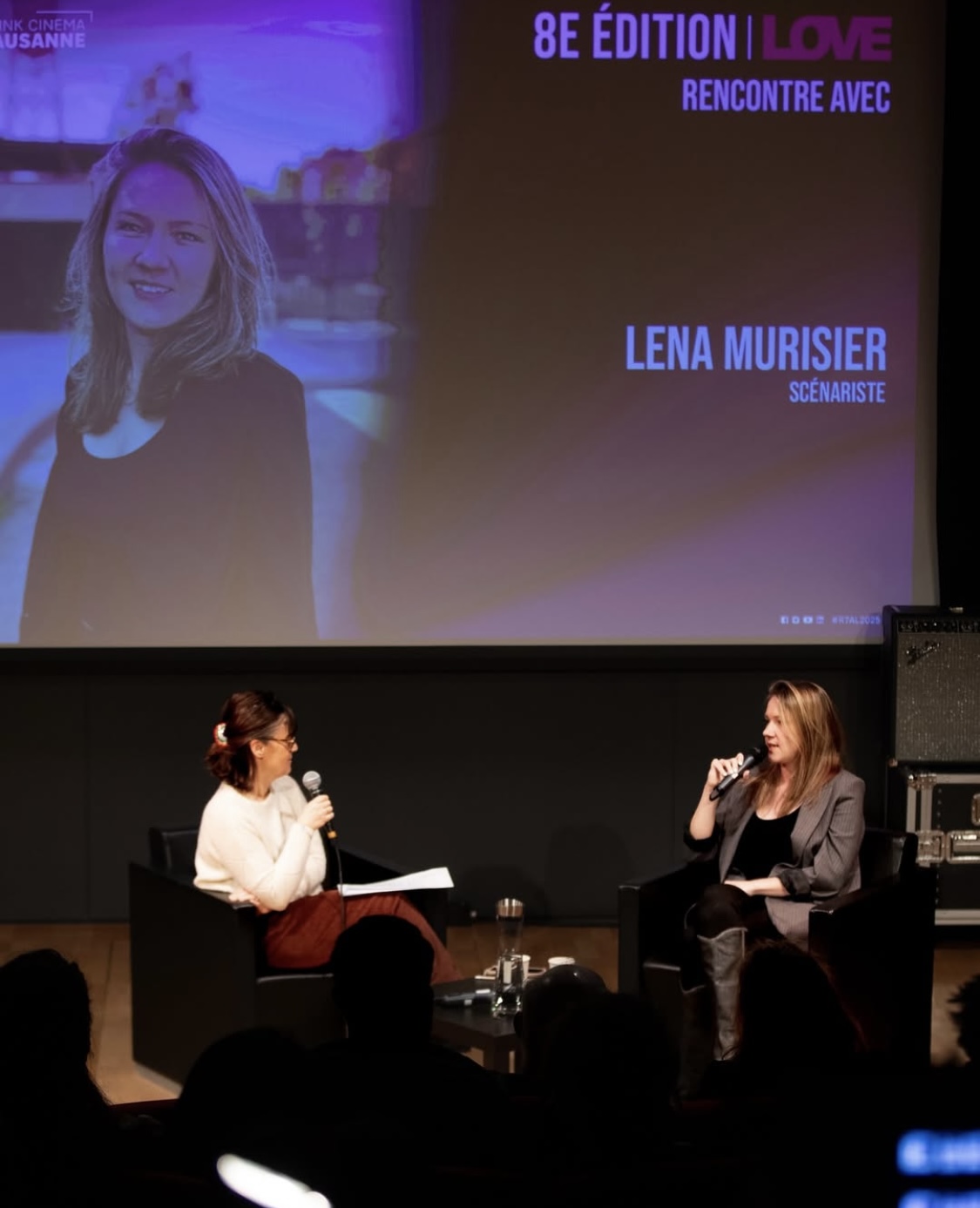
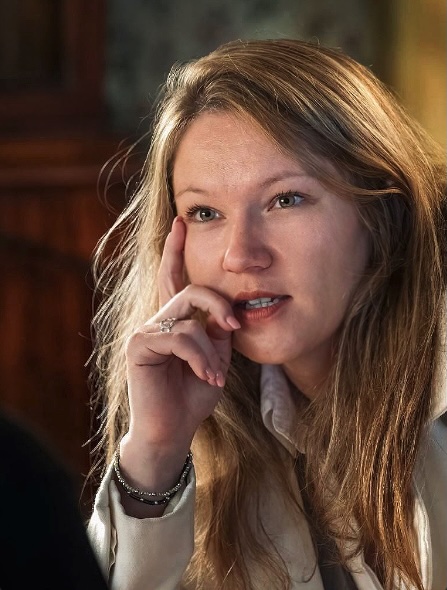
Today we’d like to introduce you to Lena Murisier.
Hi Lena, so excited to have you on the platform. So before we get into questions about your work-life, maybe you can bring our readers up to speed on your story and how you got to where you are today?
It all started in a small town in Switzerland, where I was always, always lost (or should I say found) in stories.
Funny thing is, I didn’t want to be a writer at first. I wanted to be a Formula 1 driver. But I never saw anyone like me in that world, so I ended up writing about it instead. Looking back, that pretty much sums up my whole career.
After school I had no idea where to start. It wasn’t that I didn’t want to work. I couldn’t wait to work! I just didn’t know what. So I tried a bit of everything: insurance, hotel front desks, event coordination, marketing. Eventually I became a Key Account Manager at one of the biggest advertising agencies in Switzerland. I loved it. It was all about storytelling and selling, which is exactly what I do today.
One day, after watching an interview with Shonda Rhimes, I looked up what a screenwriter actually does, and everything clicked. My love for film and TV and my love for writing could be one thing. Crazy, right? Not long after, I quit my job and moved an ocean away to Los Angeles, with no contacts and just a suitcase.
I did a filmmaking workshop first. I shot five short films, some of them on the Universal backlot. Then I did the One-Year Screenwriting program at the New York Film Academy.
After that, things moved fast. Two companies bid on my TV series Bonnie & Bonnie, and I signed a production deal. I optioned documentaries, including Take Us to Church, which I worked on with Zachary Quinto. I signed with Untitled Entertainment, and co-wrote and co-produced A Girl Like Him with Tovah Feldshuh. It’s on Amazon Prime and Apple TV.
Today I’m a writer-producer for film and TV. I’m developing projects between Switzerland, France, the UK and the US. And recently, I was invited to give a TEDx talk.
What drives me hasn’t changed. I want to tell stories that build bridges and help people say what they don’t know how to say. I spent years feeling like an outsider. If my work makes one person feel less alone, then it’s all worth it.
Alright, so let’s dig a little deeper into the story – has it been an easy path overall and if not, what were the challenges you’ve had to overcome?
Definitely not a smooth road! And if I had to pick one struggle, it would be learning to face rejection.
Rejection is part of the job description when you’re creative. Nobody tells you that in film school. You open your inbox to “We loved it, but…” “Great read but…” You celebrate a deal on Monday, and by Friday the project is dead. You walk out of a meeting convinced it’s happening, and then… nothing. Weeks of silence. For a long time, every “no” felt like a verdict on me, not on the script. Now I see it differently. A “no” is information. Sometimes it’s timing, sometimes it’s budget, sometimes it’s just not the right person. And every single one has made me a sharper writer and a tougher pitcher. It’s actually the topic of my upcoming TEDx talk.
A more recent challenge, and honestly still an ongoing one, has been the industry itself. Between covid and the strike, the whole business went through a huge shake-up. Projects I’d spent months or years on were suddenly put on hold, and you realize how fragile this career can be. It also made me grateful for my European roots. Being able to work across several markets gives me more room to breathe. Today, alongside my work in the US, I have projects in France, Switzerland and the UK.
And then there’s the language. English is my third language. In my first year, I’d reread my dialogue over and over, wondering if a native speaker would ever say it that way. Sometimes they wouldn’t! Today, I write as much in English as I do in French, and switching between the two has become one of my strengths. Who would have thought?
Can you tell our readers more about what you do and what you think sets you apart from others?
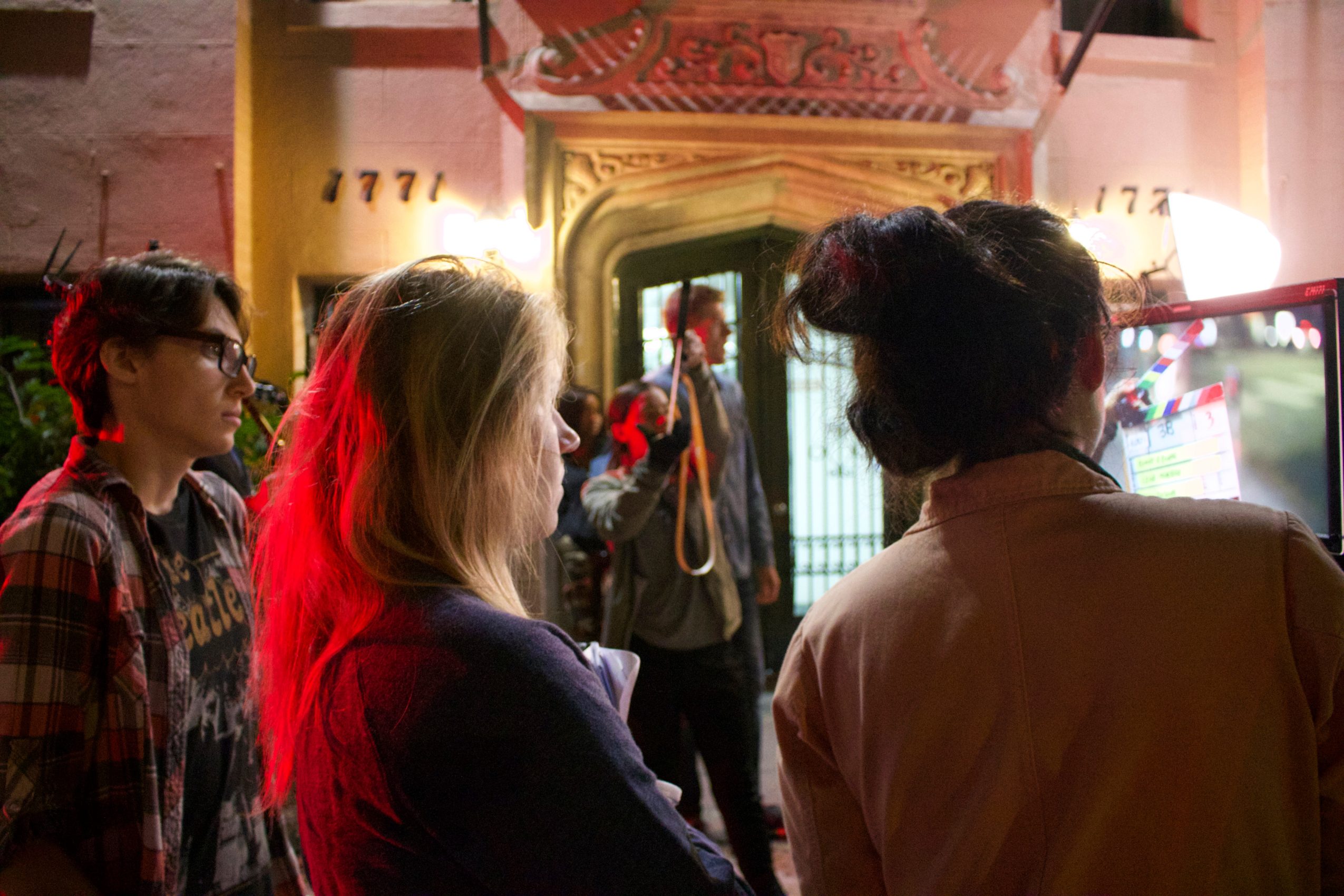
I’m a screenwriter, first and foremost. Before anything else, I’m the person staring at a blank page at 11pm, trying to figure out what my characters want.
I learned the craft in film school, but also with Scott Myers, who is simply amazing. He taught me that structure isn’t a cage, it’s a map, and that every great story starts with a character who wants something badly. That changed everything for me.
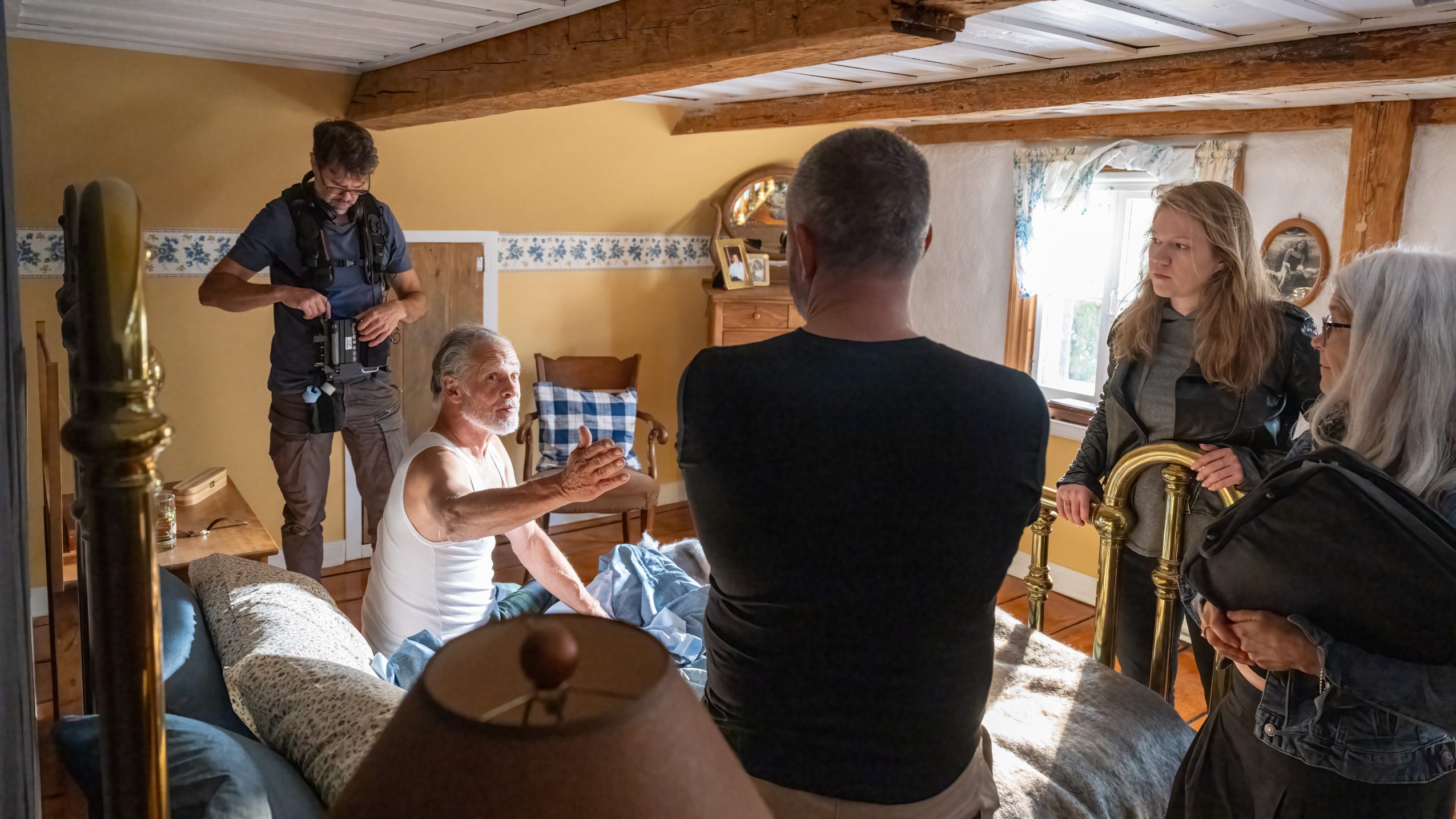
Today I write and produce for film and TV, mostly drama, thrillers and comedy, and stories with characters you don’t often see on screen. My TV pilot Bonnie & Bonnie was what opened the first doors: it landed on the Red List of top-ranked TV scripts, won the Roadmap Writers Diversity Competition and led to a production deal. It’s now getting adapted for the French market. I’ve co-written and co-produced the feature film A Girl Like Him with Tovah Feldshuh, which won an award at the Toronto International Women Film Festival and is now on Amazon Prime and Apple TV.
Since then, my slate has grown in ways I never imagined. In Switzerland, I co-wrote two series: a dramedy about an aging actress and a medical drama. There’s also a political series in Belgium, and an animated feature adapted from a book, following a brother and sister torn apart by opposing ideologies during World War II. It’s currently in production. And in London, I’m co-writing a feature film that I’ll also be directing.
What am I most proud of? Honestly, that I’m still here. That the girl from a small Swiss town who didn’t know what a screenwriter was gets to tell stories for a living, in more than one language and in more than one country. And that brings me to what sets me apart. I think it’s my path. I came from advertising, so I know how to sell a story, not just write one. A pitch is just a story about your story. I also write in English, French and German, I grew up between cultures, and I work across markets in the US and Europe. That gives me a different lens. I’m always looking for the bridge between people, between worlds, between what we feel and what we dare to say.
What quality or characteristic do you feel is most important to your success?
Determination. Without a doubt.
This industry will test you every single day. But for me, determination isn’t just about pushing through. It’s about always looking ahead. When one door closes, I’m already looking for the next opportunity.
I also play the long game. A project can take years to come together, and a “no” today can turn into a “yes” three years later. Some of my projects have never been seen by the public, but they led me to a producer, a studio head, a manager or an agent. It’s not always about what makes it to the screen. Every project matters, and every project takes you somewhere. So I try to keep the bigger picture in mind. It’s not about one script, one meeting or one deal. It’s about building a career.
There’s a quote by Hannibal Barca I’ve always loved: “We will either find a way or make one.” For years, it was literally on my keychain. And it’s pretty much how I’ve approached everything in my career.
Contact Info:
- Website: https://www.lenamurisier.com
- Instagram: https://www.instagram.com/lenamurisier/
Popular
-

Portraits of the Valley
-

LA’s Most Inspiring Stories
-
Mason Ewing Is Bringing a World of His Imagination to Life Through Film
-

Dr. NanaEfua Afoh-Manin Is Rethinking What It Means to Be Healthy, Not Just Healed
-

Greg Hex Is Turning the Everyday Kitchen Knife Into a Modern Design Object
-

Rick Norris Learned That Building a Successful Business Means Building a Life You Actually Want to Live


