



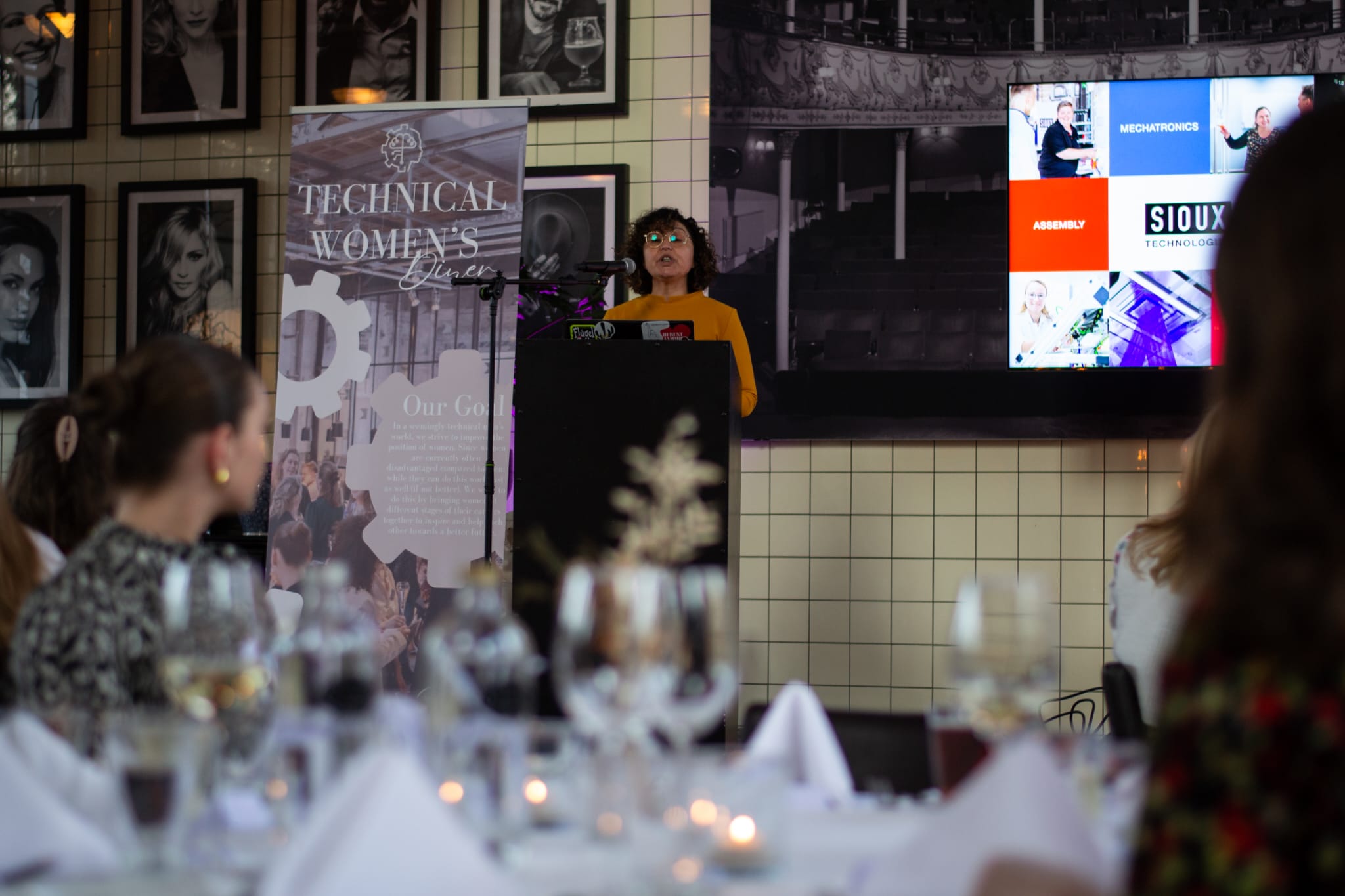
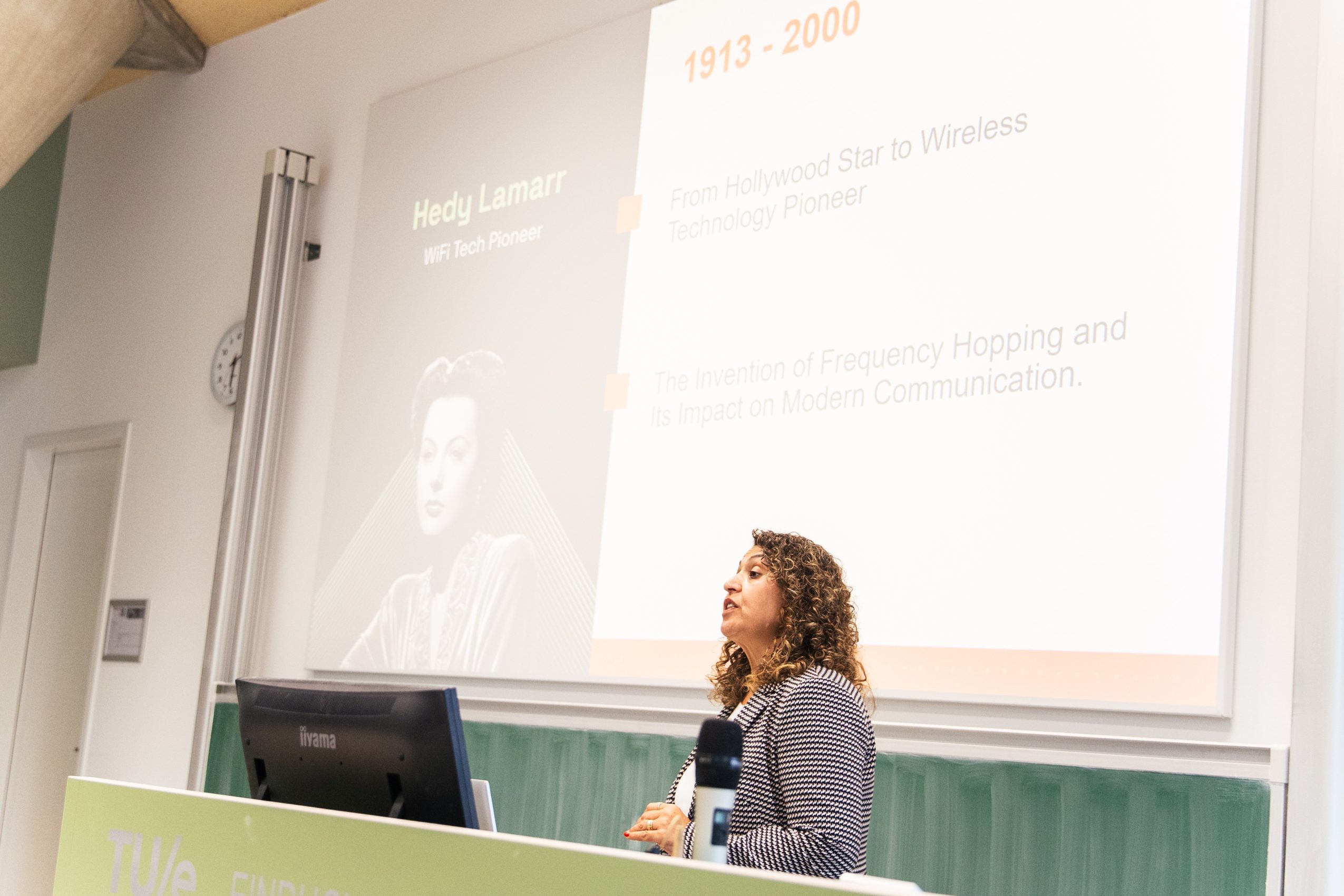
Today we’d like to introduce you to Firuzan De Groof.
Hi Firuzan , we’re thrilled to have a chance to learn your story today. So, before we get into specifics, maybe you can briefly walk us through how you got to where you are today?
1. Can you briefly walk us through your story – how you started and how you got to where you are today?
I am a mosaic of many identities. I have never believed that a person is one thing. Society likes clear labels: you are an engineer, or a journalist, or an activist. But a human being is not a single tile. We are a mosaic, and the beauty is in how the pieces touch each other. I am a software and DevOps engineer, a journalist, and an activist for women’s rights and human rights. I also love theater, cinema and writing. These are not separate lives. They are different ways of asking the same question: what does it mean to be human?
That question brought me to Artificial Soul, a film about artificial intelligence by director Nuri Akalın, produced by Yvonne Koolhaas of Stichting Anker. When Nuri asked me to be project leader, I read the script and felt something rare: recognition. It put into images what I had been thinking for years.
We all face challenges, but looking back would you describe it as a relatively smooth road?
2. Has it been a smooth road? If not, what were some of the struggles along the way?
No road worth taking is smooth. When you refuse to live inside one identity, you often stand at the border between worlds and fully belong to none of them. Engineers wonder why a journalist writes code, and activists wonder why a technologist cares about their cause.
For a long time I felt that border as loneliness. Now I see it as a place of freedom. Standing between worlds, you can see what each one misses on its own. Struggle didn’t take my identities away from me. It taught me to hold them together.
Can you tell our readers more about what you do and what you think sets you apart from others?
3. We’d love to learn more about your work. What do you do, what do you specialize in, what are you known for? What are you most proud of? What sets you apart from others?
I believe technology is searching for ethics, the way a body searches for a soul. We have built machines that can calculate, predict and even imitate us. But a tool cannot tell us what is right. That question remains ours. My work, as an engineer, a journalist and an activist, lives in that space: building technology while never forgetting to ask whom it serves and whom it silences.
That is why I’m proud of Artificial Soul. Most stories about AI are about machines: how intelligent they become, and how we must learn to use that intelligence ethically. This film turns the mirror around. The real subject is not the artificial mind but the human heart. Surrounded by technology, we remain deeply emotional beings who are vulnerable, longing and searching for meaning. The film asks a question I keep returning to: can technology have a soul, or does it need ours?
What sets me apart is that I don’t look at technology only as an engineer or only as a critic. I see it as a human story, still being written, and we are all its authors.
Can you share something surprising about yourself?
4. What quality or characteristic do you feel is most important to your success?
Curiosity combined with conscience.
Curiosity is the oldest human impulse. It made us look up at the stars, open books, write code and step onto a stage. It is the refusal to accept the world as finished. Curiosity alone is restless, though. It can open every door without ever asking whether a door should be opened.
That is where conscience comes in. If curiosity asks “what is possible?”, conscience asks “what is right?” One is the engine and the other is the compass. Knowledge without ethics is only power, and history shows us what power without a conscience can do. Ethics without curiosity hardens into dogma: certain, closed, and blind to the people it claims to protect.
I try to live in the tension between the two. In my work as an engineer, curiosity makes me build, and conscience makes me ask who will be affected by what I build. As a journalist, curiosity makes me dig, and conscience makes me tell the truth with care. As an activist, curiosity keeps me listening, and conscience keeps me standing up.
In the end, I don’t measure success by what I have achieved, but by whether I have stayed human while achieving it. Machines may one day become curious. Conscience, the willingness to feel responsible for another person, is what makes a soul. That is the one thing I never want to outsource.
Contact Info:
- Website: https://stichtinganker.org/
- Instagram: https://www.instagram.com/stichtinganker/
- LinkedIn: https://nl.linkedin.com/company/stichting-anker
Popular
-

Portraits of the Valley
-

LA’s Most Inspiring Stories
-
Mason Ewing Is Bringing a World of His Imagination to Life Through Film
-

Dr. NanaEfua Afoh-Manin Is Rethinking What It Means to Be Healthy, Not Just Healed
-

Greg Hex Is Turning the Everyday Kitchen Knife Into a Modern Design Object
-

Rick Norris Learned That Building a Successful Business Means Building a Life You Actually Want to Live


