



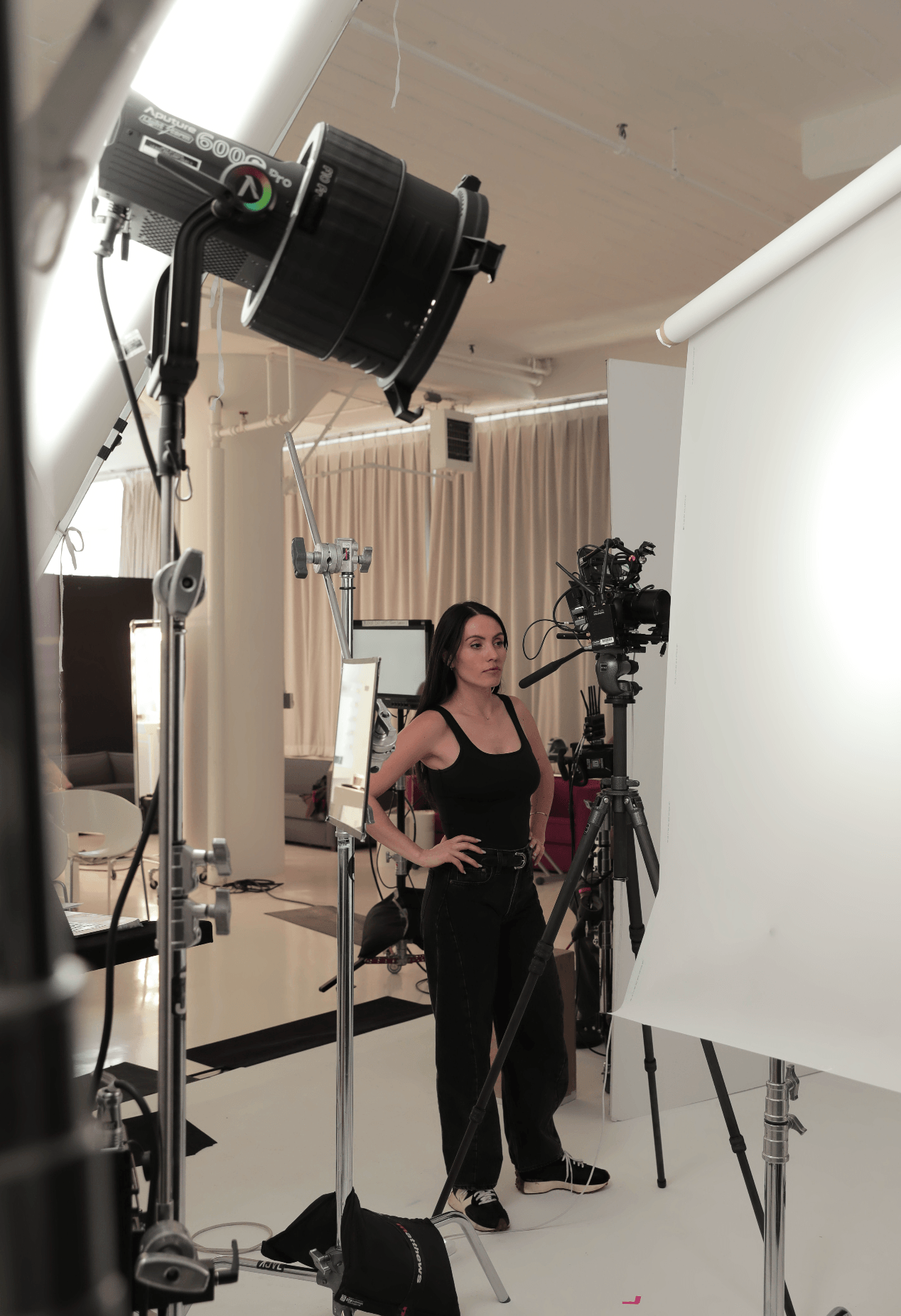
Today we’d like to introduce you to Danni Velasquez-Mora.
Hi Danni, so excited to have you on the platform. So before we get into questions about your work-life, maybe you can bring our readers up to speed on your story and how you got to where you are today?
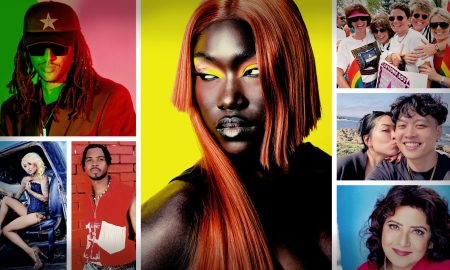
Womankind was born from a question I couldn’t stop asking: why are women perpetually being asked to become something other than who they are? That question came from two places: my own lived experience, and a decade spent inside the creative industry.
I’ve spent much of my life navigating the periphery of belonging. I’m Colombian, grew up in the Egypt, and moved to the United States. Growing up in the ’90s, the beauty ideal was narrow. Like so many women, I learned to measure myself against it. This wasn’t a singular experience. The details of my story are mine, but the experience of women perpetually chasing an ideal to find validation, worth, or belonging is deeply collective. We’re taught to transform ourselves into a more acceptable, palatable, desirable version of womanhood. A monolith. Something easy to consume.
When I founded Womankind in 2023, I’d spent a decade in the creative industry. I’d worked across disciplines, each giving me a different understanding of how brands, visuals, and messaging shape women’s self-concept. More importantly, I’d seen from the inside whose perspectives were shaping the images and narratives women were being exposed to.
That became the foundation of Womankind.
The ambition was—and remains—to remove the distortion and hold up a mirror. To create work that reflects the full range of women’s lived experiences, rather than perpetuating another ideal we’re expected to chase.
The name itself means for all womankind. It came from the expression “for all mankind,” and there’s something I still find funny about how often people misunderstand it. “Mankind” is universally accepted as a term for humanity, yet “womankind” is often read as something else entirely. To me, that says a lot about whose perspective has been treated as the default. And it’s exactly the kind of bias we’re working to change in the production industry.
Over the past four years, the mission has become more precise. We’ve come to understand that representation isn’t just about who appears in the frame. It’s also about who’s at the table, shaping the concept, making the creative decisions, and bringing the work to life. And it means recognizing that there is no singular experience of womanhood. Race, ethnicity, age, ability, sexuality, and so many other intersections shape how we move through the world—and how the world responds to us.
That understanding informs everything we do at Womankind Creative. We’re a feminist creative and production studio. Feminist production is a strategy. It’s how we make work that is emotionally honest, culturally nuanced, and reflective of women as whole people existing within a real societal context.
And the cultural conversation has shifted. People are questioning the brands they buy from, the messages they participate in, and the role businesses play in shaping their lives. This isn’t fringe anymore. There’s a growing expectation for more humanity, more accountability, and more honesty.
We believe brands have an opportunity to move from transactional relationships to relational ones. Women aren’t insecurities to exploit or behaviors to manipulate. They’re people with lives, values, contradictions, and agency. The woman is the hero. The brand’s role is to be in service of her.
That’s what I’m building with Womankind. Not another ideal for women to aspire to. A mirror that reflects them as they are—and work that gives them the agency to define themselves.
We all face challenges, but looking back would you describe it as a relatively smooth road?
No. And I don’t think building something with a real point of view ever is, especially when you’re going against the grain and challenging the way things have always been done.
One of the biggest challenges has been that Womankind doesn’t fit neatly into the categories the industry already understands. We’re not a trad agency. We’re a feminist creative and production studio. We think differently about the work, the process, who gets to shape it, and what ultimately gets put into the world.
There’s still a lot of corporate risk aversion. Brands know the old playbook isn’t delivering the results they want, but there’s often a reluctance to move beyond what’s familiar. When people ask me if the industry is ready for this, I think we’re at the intersection of cultural change and growing consumer demand for more honest, meaningful relationships with brands. I believe the shift is inevitable. The question is whether brands are willing to participate—or keep trying to make the old way work.
Our perpetual evolution is our edge. Culture is fluid, and so are people. If we believe in a relational model, we have to embody that ourselves: remain adaptive, responsive, curious, and willing to learn. We don’t claim we’ll always get it right. We commit to listening and doing better.
That philosophy also informs how we grow. The goal isn’t to scale at all costs. It’s to build the right relationships with clients whose creative vision, values, and ambitions align with ours. The work is strongest when there’s real synergy.
And perhaps the biggest challenge—and lesson—has been holding the line. Not diluting our vision, voice, or presence to make ourselves more palatable. There’s so much noise and pressure to measure yourself against what everyone else is doing. But defining your own space comes from clarity of signal and an unwavering commitment to your values, your mission, and the community you serve.
Honestly, it’s been a journey and it’s been fun. The women and nonbinary people we’ve met and worked alongside have continued to expand our understanding of womankind. Their perspectives shape how we think, how we create, and what we put into the world. That resonance, people feeling seen by what we’re building, is what keeps my conviction strong. It’s what makes me want to keep showing up, evolving, and building Womankind on its own terms.
We’ve been impressed with Womankind Creative, but for folks who might not be as familiar, what can you share with them about what you do and what sets you apart from others?
Womankind Creative is a feminist creative and production studio built around one belief: women are infinitely more interesting when they aren’t being asked to perform or uphold ideals. They deserve to see themselves reflected with honesty, complexity, and agency.
We specialize in beauty, creating stills and motion that sit at the intersection of culture and commerce. We’re not a trad agency. We’re a creative and production partner bringing a female-gaze-led perspective to the entire process, from the thinking and concept to the people shaping the work and how it comes to life.
Feminist production is our guiding strategy. It’s our point of view. It informs how we see the brief, whose perspectives we bring into the room, how we build our teams, and the stories we choose to tell. We look beyond representation as visibility. We’re interested in who holds the power to define what’s desirable, whose reality becomes the reference point, and what the work asks women to believe about themselves.
It’s a way of making work that is emotionally honest, culturally nuanced, and grounded in the realities of the people it speaks to. Our approach is intersectional, recognizing that there is no singular experience of womanhood.
We’re also deeply relational. We’re intentional about the clients and collaborators we work with because the best work comes from shared values, creative trust, and a genuine understanding of what we’re trying to put into the world together. We’re not here to simply execute a brief. We’re here to help brands close the gap between what they say they believe and how they actually show up.
What I’m most proud of is the resonance. The women and nonbinary people who encounter Womankind, whether on set, through the work, or in conversation, often recognize something of themselves in what we’re building. That matters. It tells us there’s room for a different way of working. One that removes distortion and restores self-expression.
What has been the most important lesson you’ve learned along your journey?
The most important lesson I’ve learned is that, ultimately, it’s all about the people.
The people you’re creating for. The people you create with. The way you make someone feel. I think that is the single most important thing you can do—and it comes back to clarity of signal. Knowing what you stand for, and showing up in a way that honors it.
For me, that means recognizing the humanity in the person in front of me. Whether I’m on set, in a client conversation, or building a creative partnership, I want to meet people there; with respect, curiosity, and a genuine willingness to see them. To collaborate from that shared recognition of our humanity. That, at its core, is the Womankind way.
And I think that’s what I keep coming back to: this was never just about making images. It’s about womankind. About seeing women without distortion, recognizing the full range of who we are, and appreciating the beauty of human expression without asking it to be edited, perfected, or measured against an ideal.
That’s what I want Womankind to keep growing into, too. Beyond commercial production, into our own stories, editorials, photography, and spaces for women’s lived experiences and expressions to be seen. Not as a monolith. Not as an ideal. Just as they are.
Because when you really boil it down, the lesson is this: the work matters. But the humanity behind it. And the humanity it makes room for is everything.
Contact Info:
- Website: https://womankindcreative.com
- Instagram: https://www.instagram.com/womankindcreative/
- LinkedIn: https://www.linkedin.com/company/womankindcreative
- Youtube: https://www.youtube.com/@womankindcreative
- Other: https://www.itsnova.com/womankindcreative
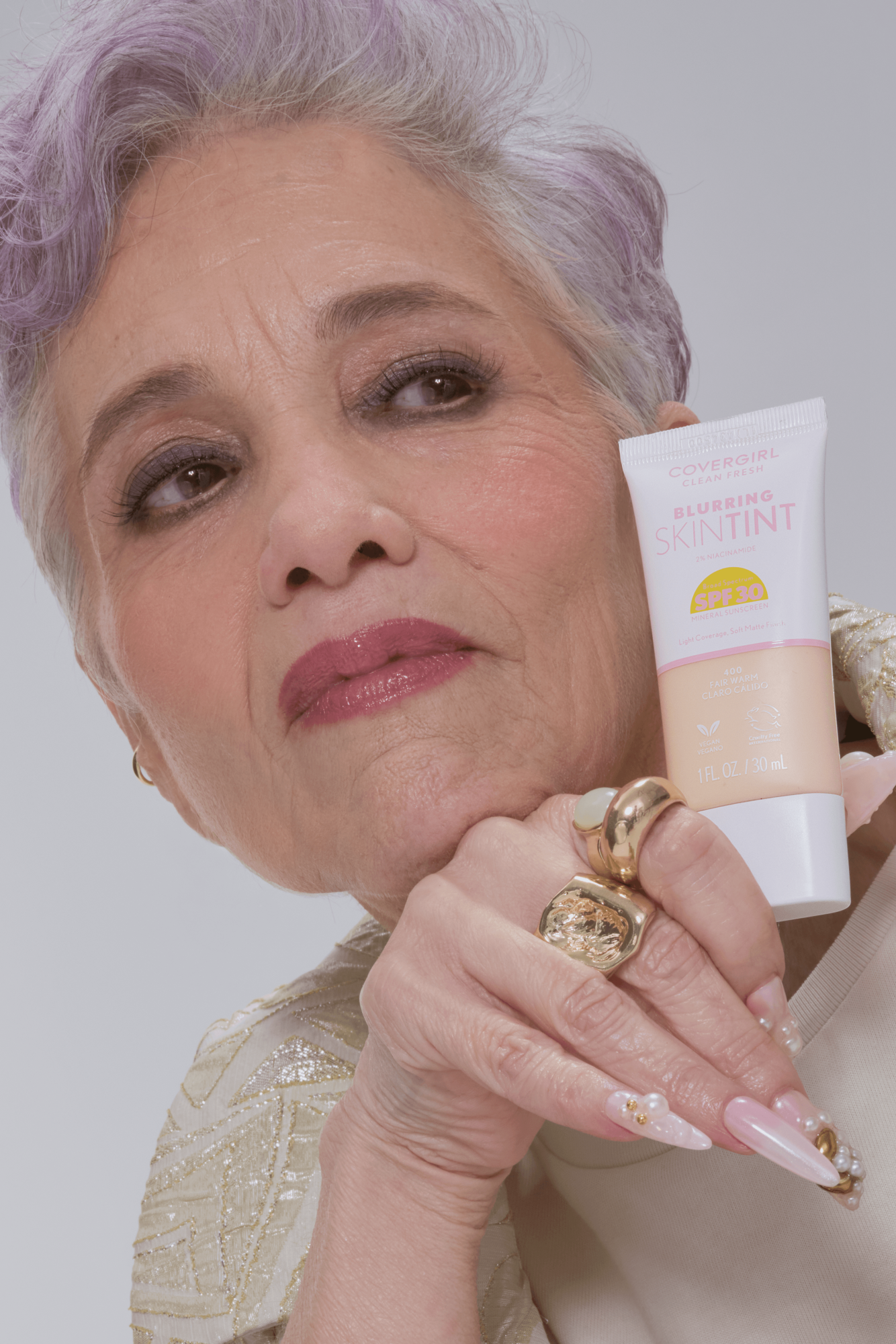
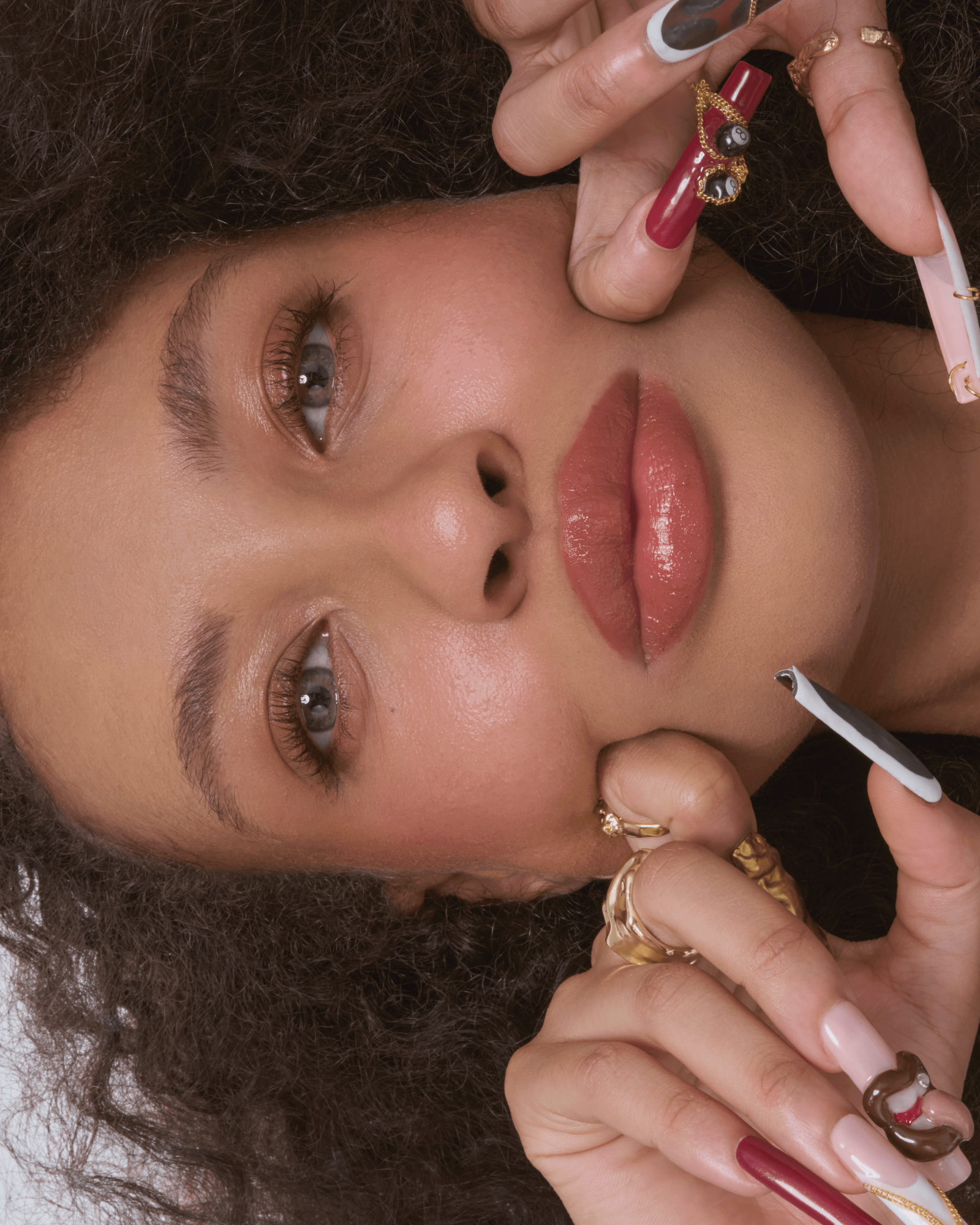
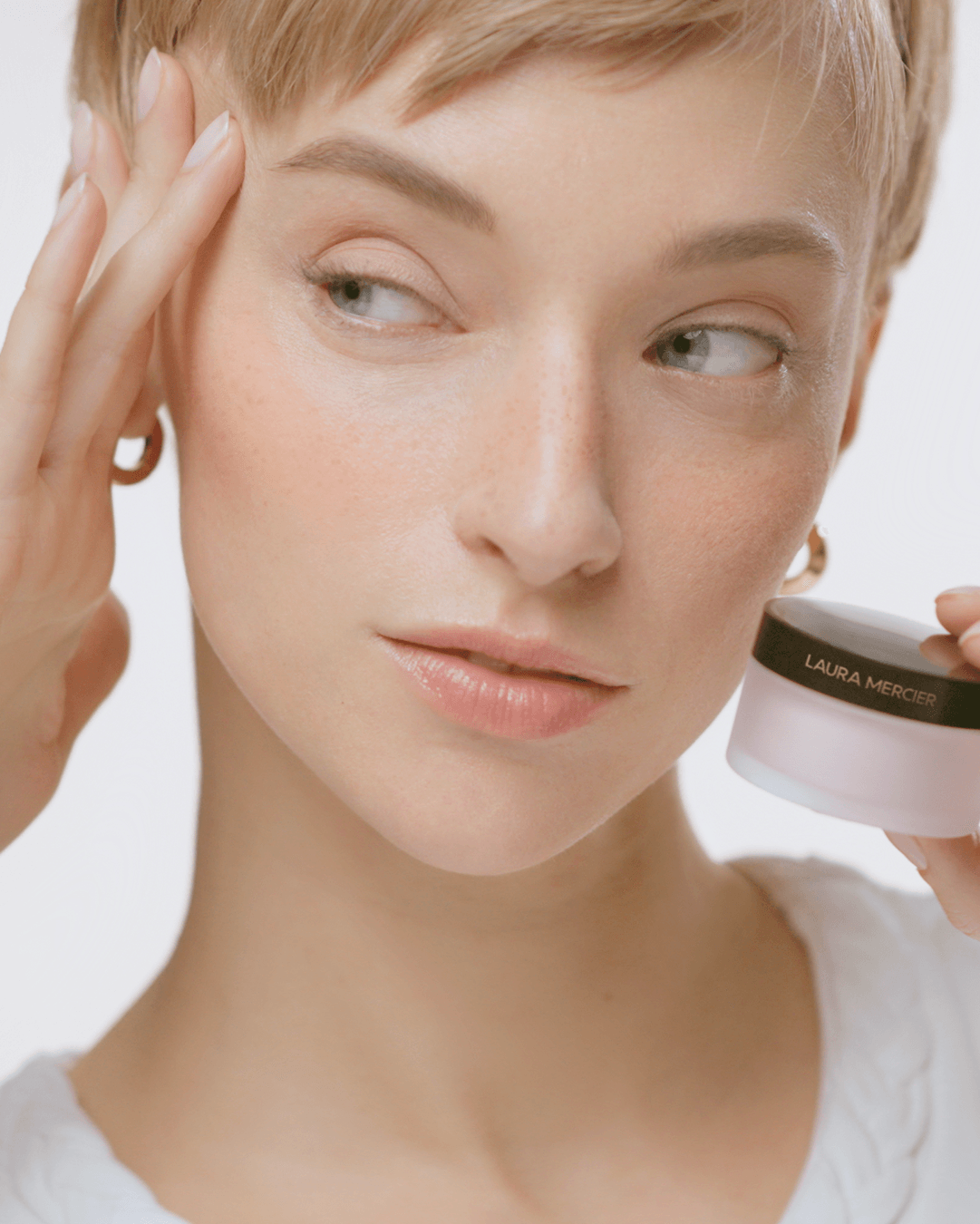
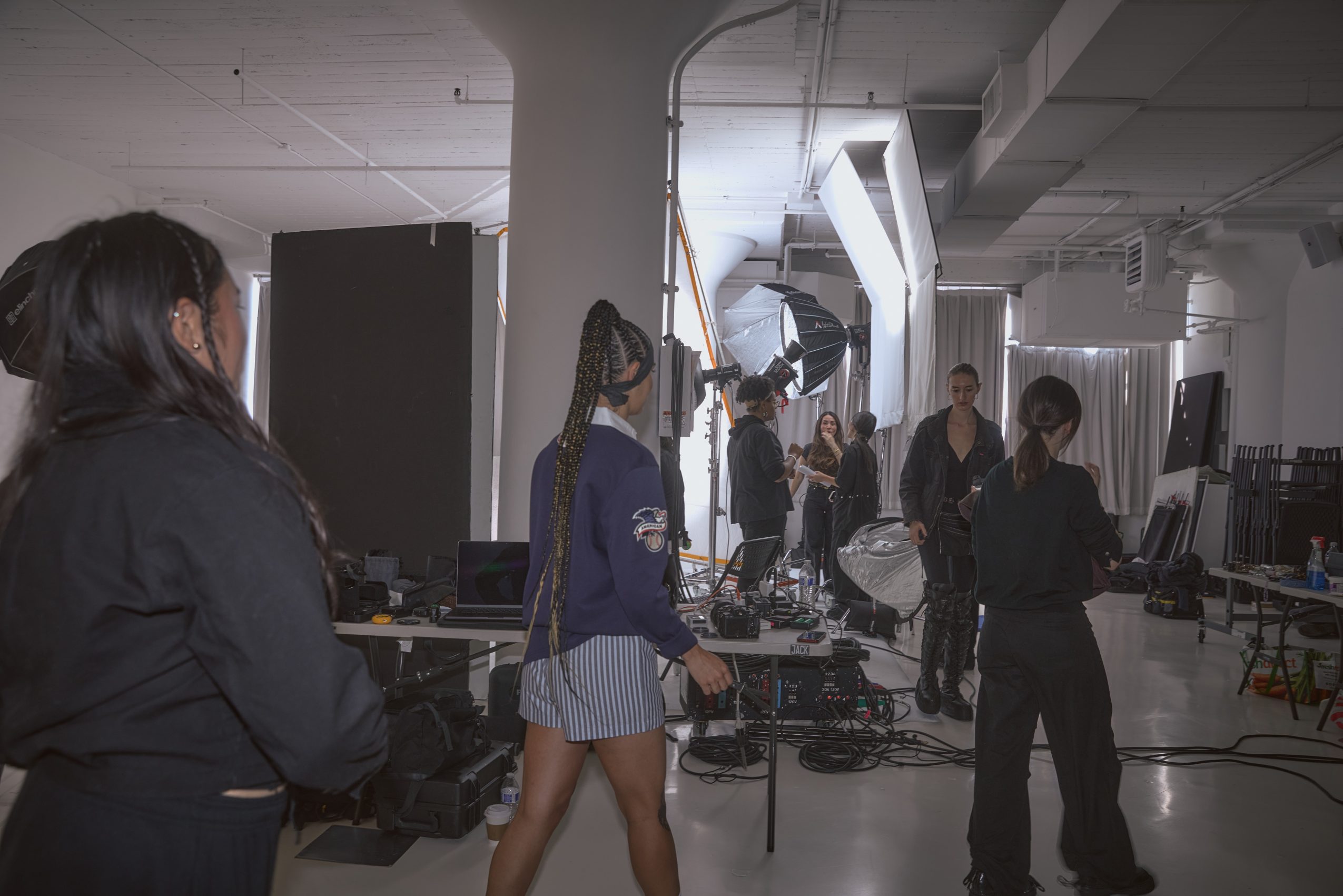
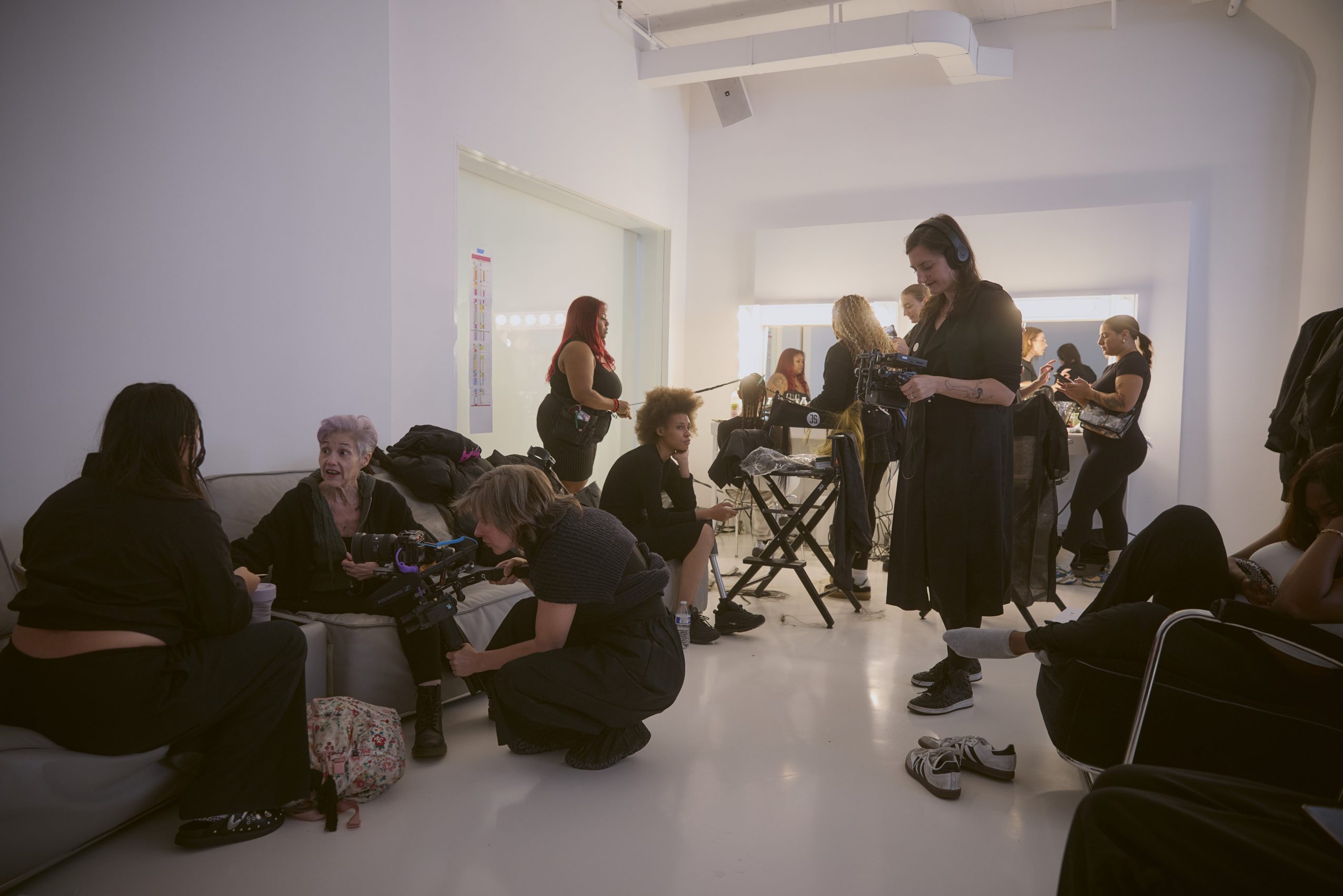
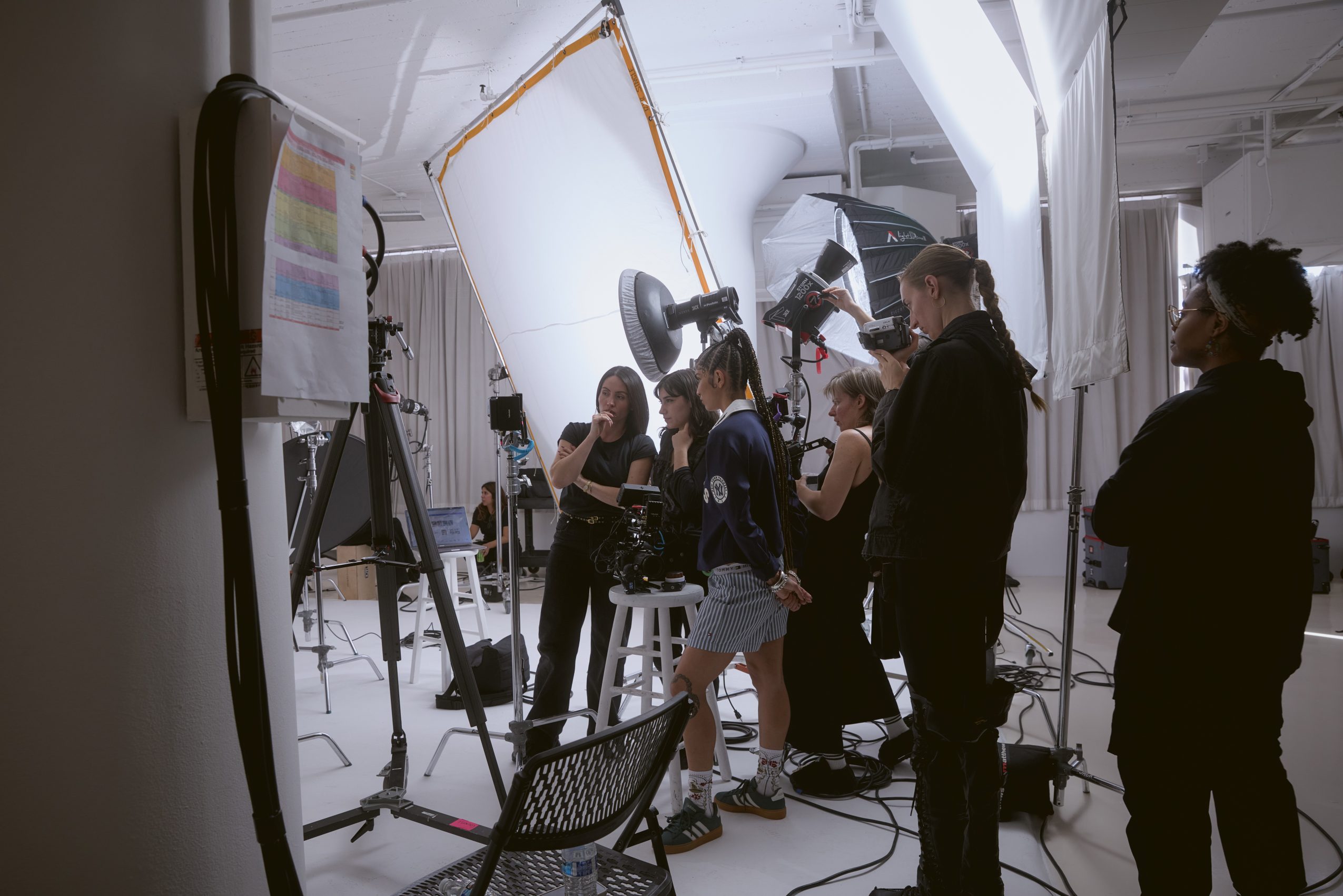
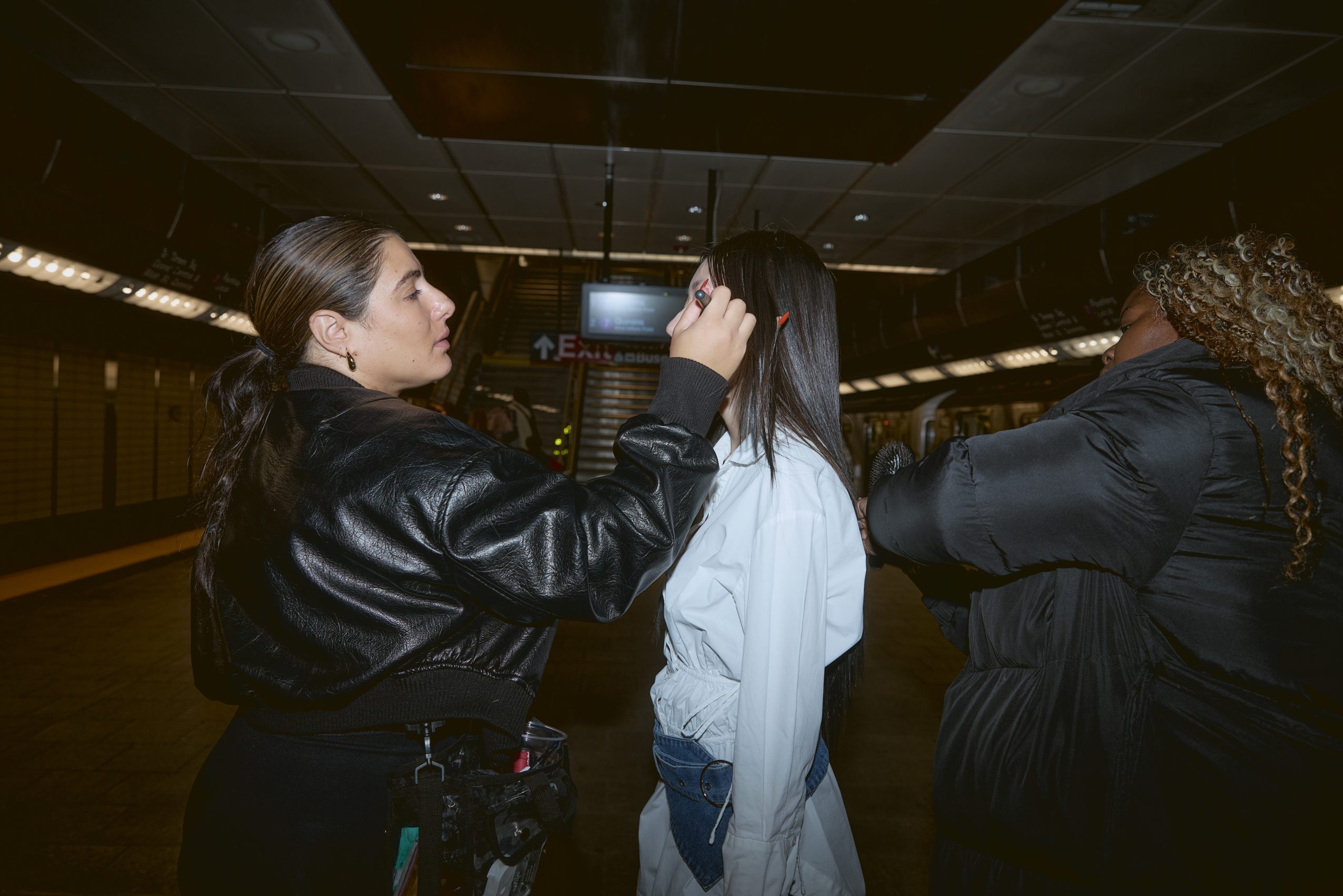
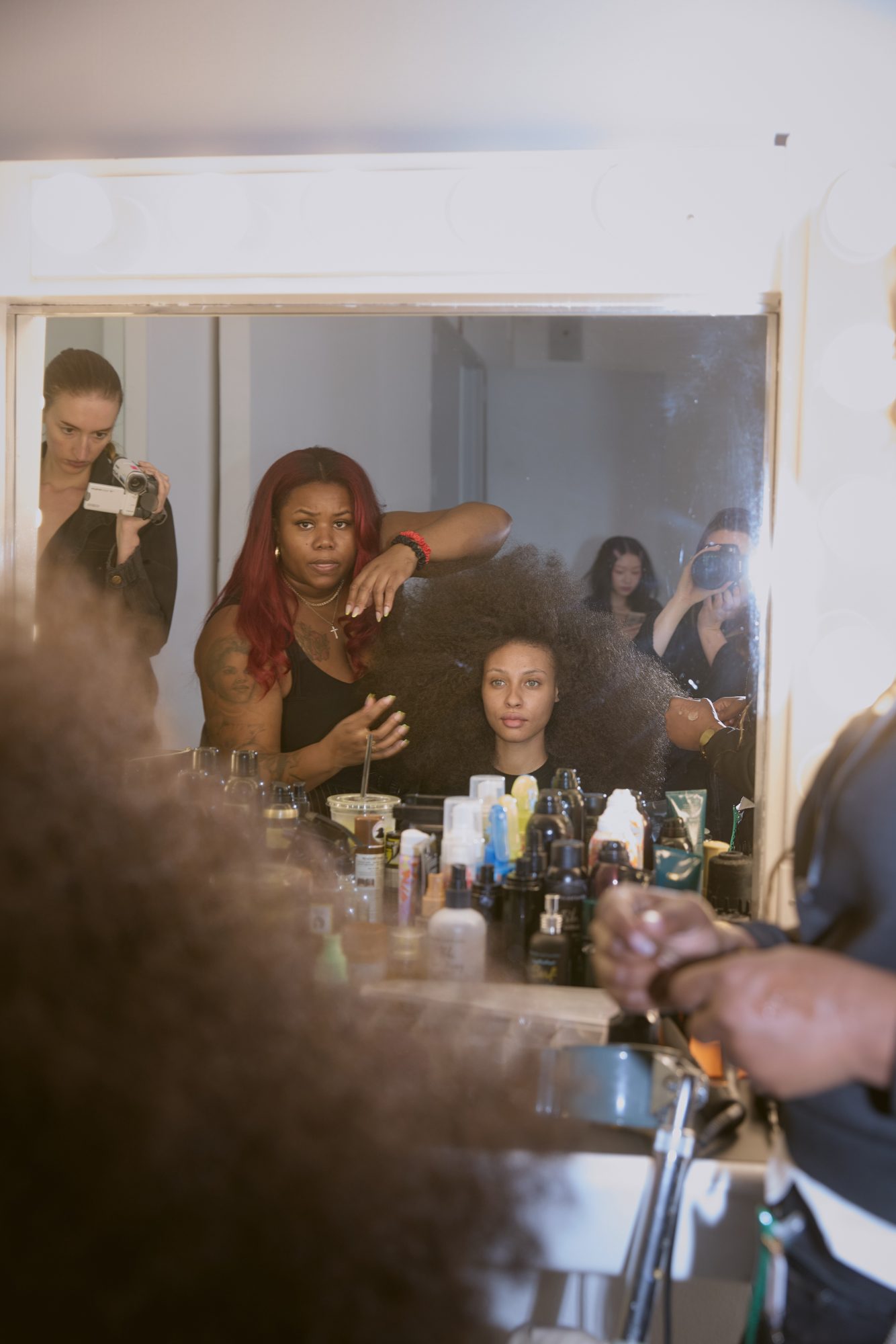
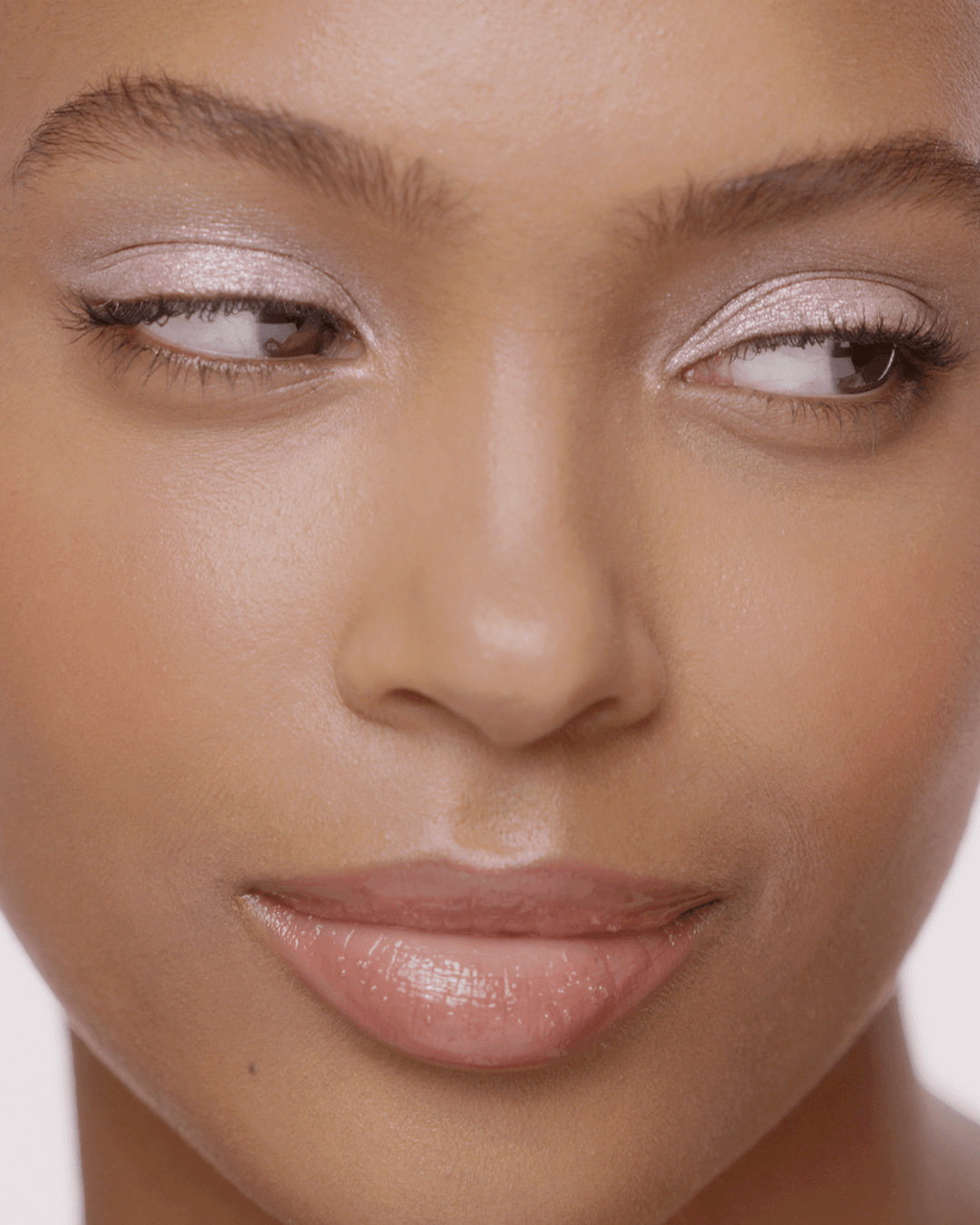
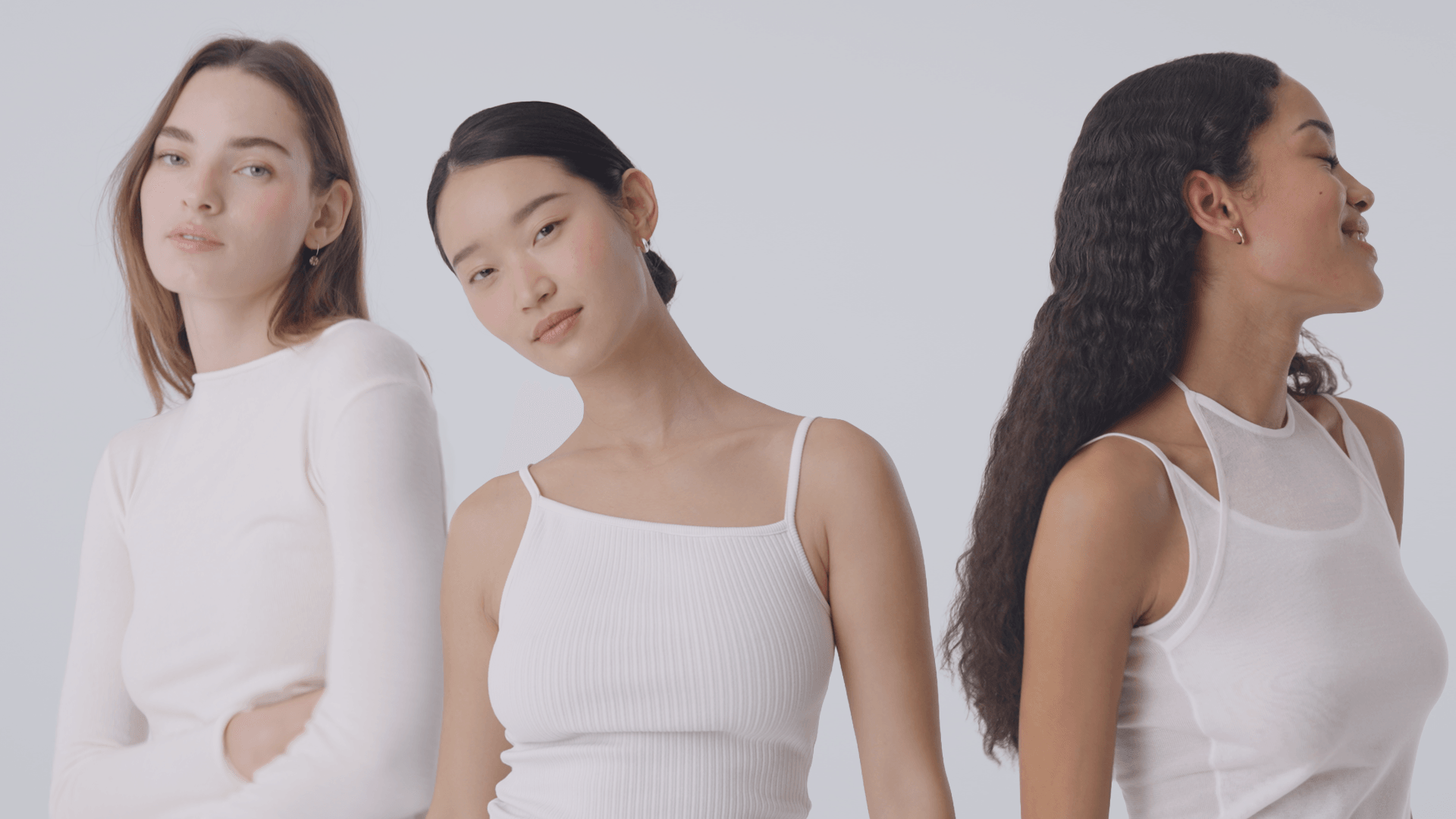
Image Credits
Womankind Creative
Daniela Velasquez- Mora
Chelsea Pepper
Popular
-

Portraits of the Valley
-
LA’s Most Inspiring Stories
-

Mason Ewing Is Bringing a World of His Imagination to Life Through Film
-

Dr. NanaEfua Afoh-Manin Is Rethinking What It Means to Be Healthy, Not Just Healed
-

Greg Hex Is Turning the Everyday Kitchen Knife Into a Modern Design Object
-

Rick Norris Learned That Building a Successful Business Means Building a Life You Actually Want to Live


