




Today we’d like to introduce you to Elizabeth Harris.
Hi Elizabeth, thanks for sharing your story with us. To start, maybe you can tell our readers some of your backstory.
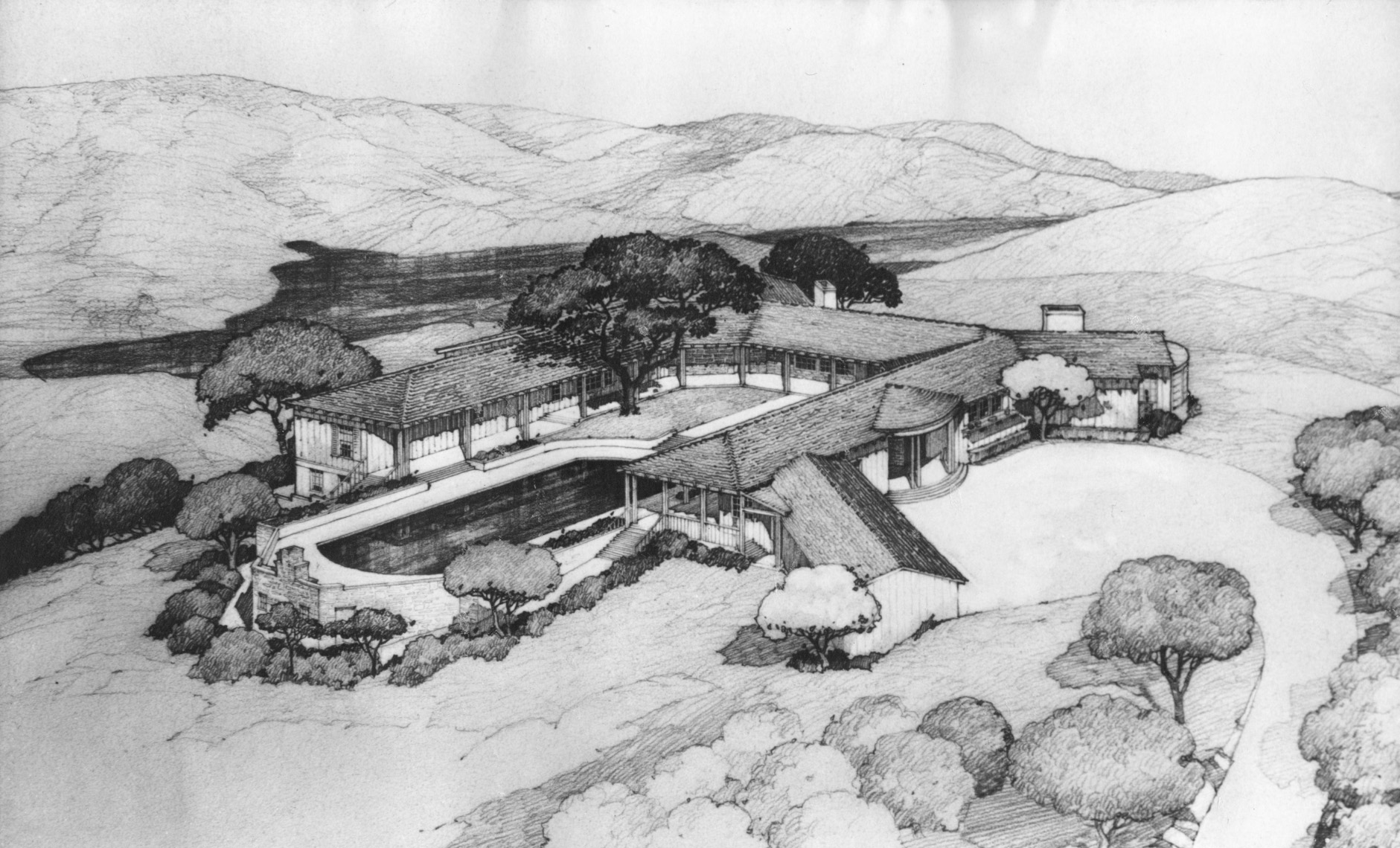
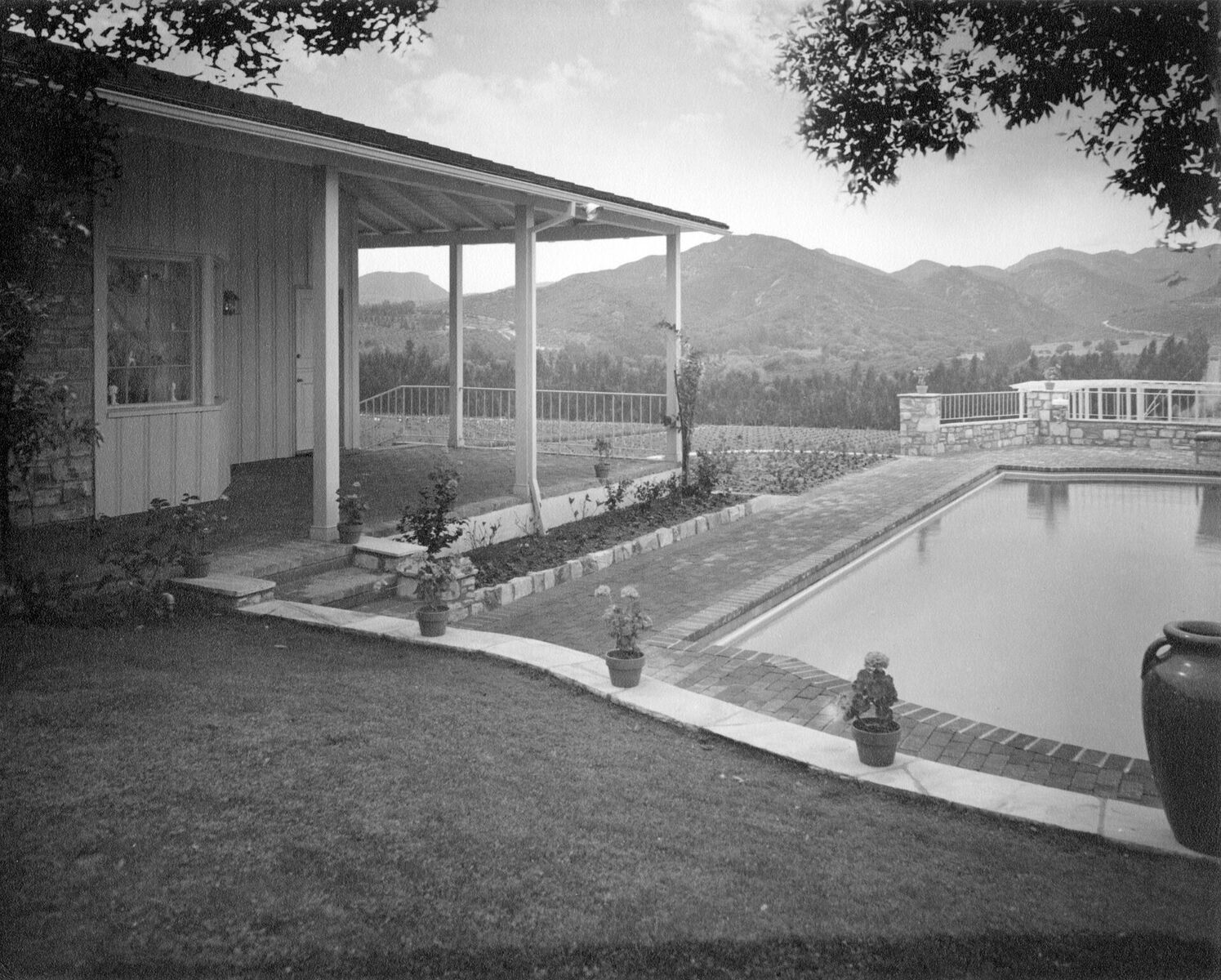
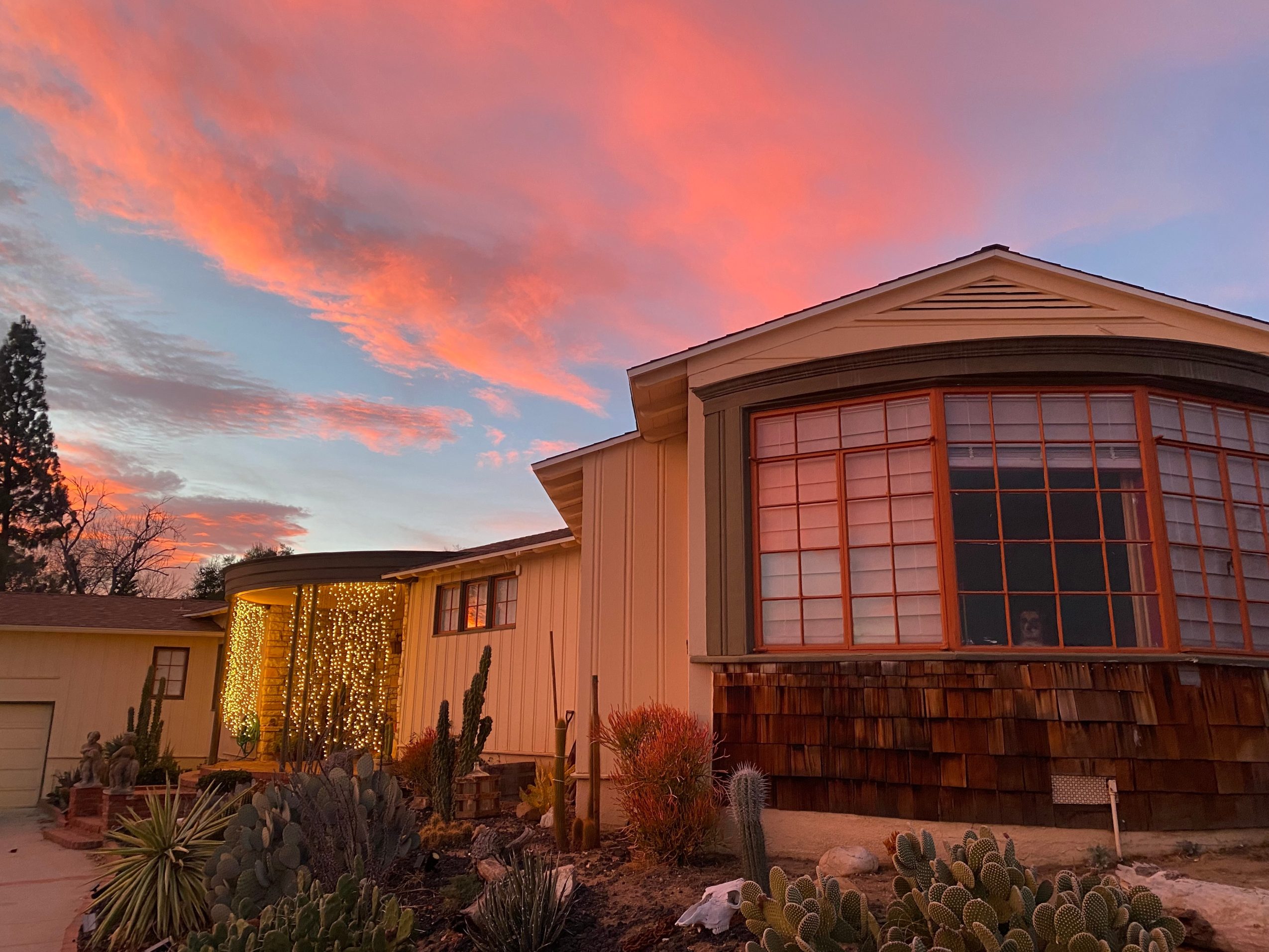
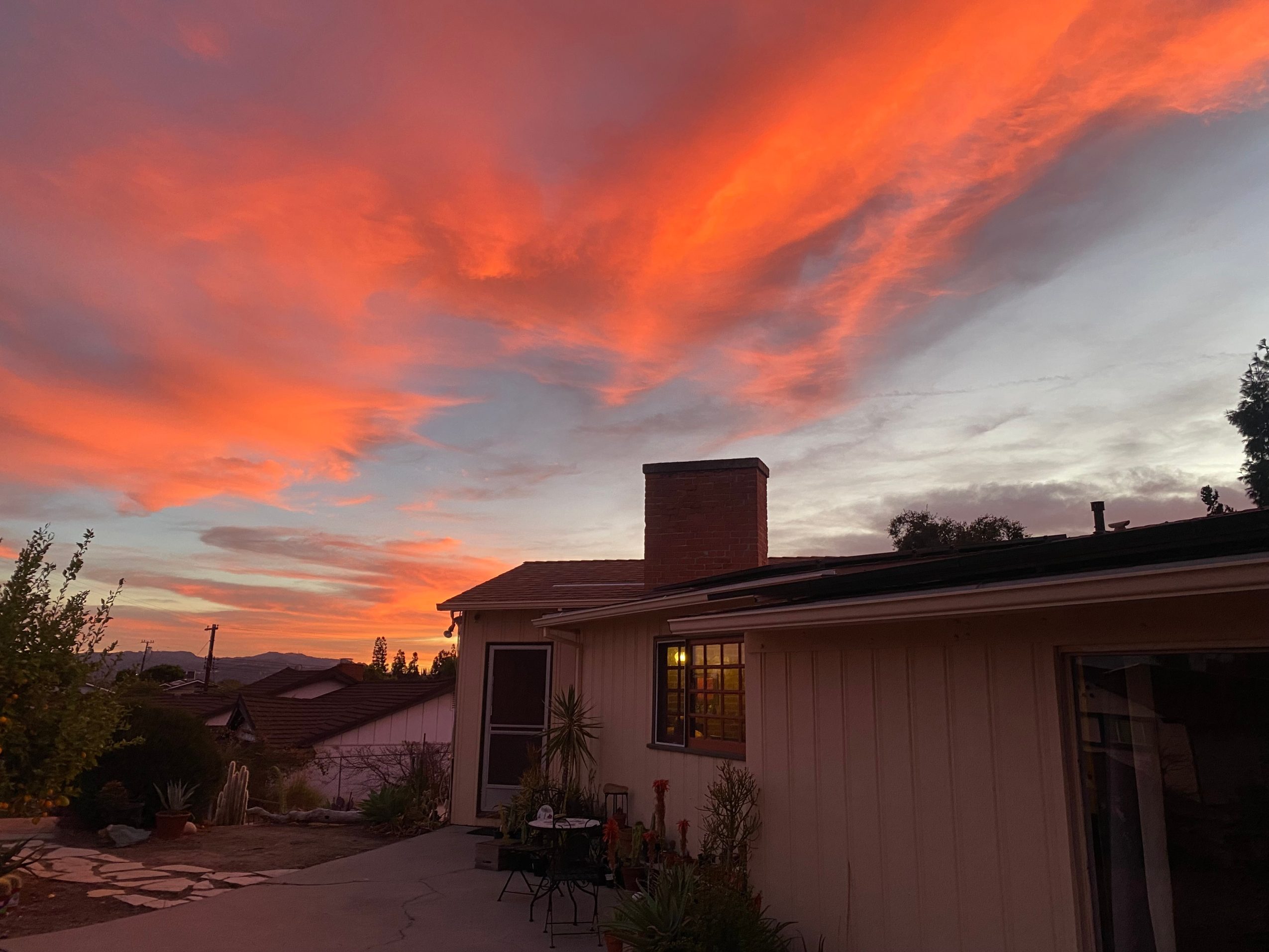
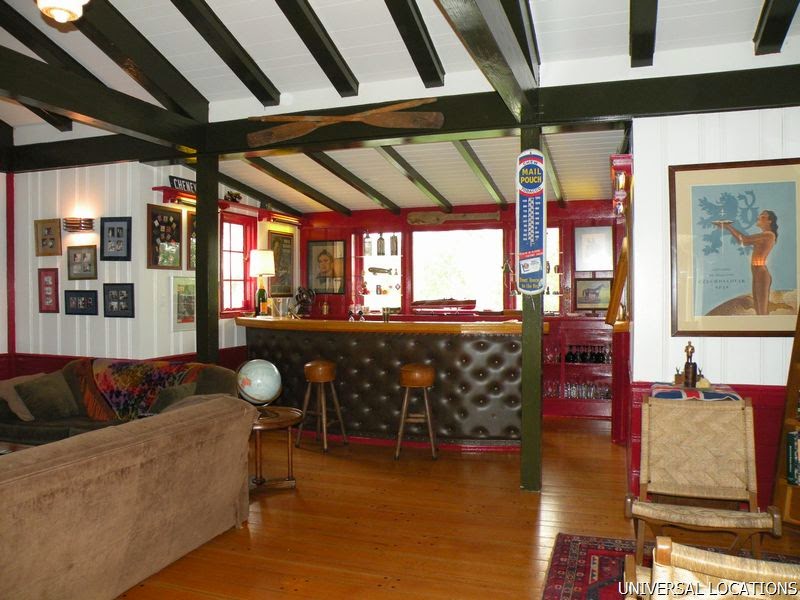
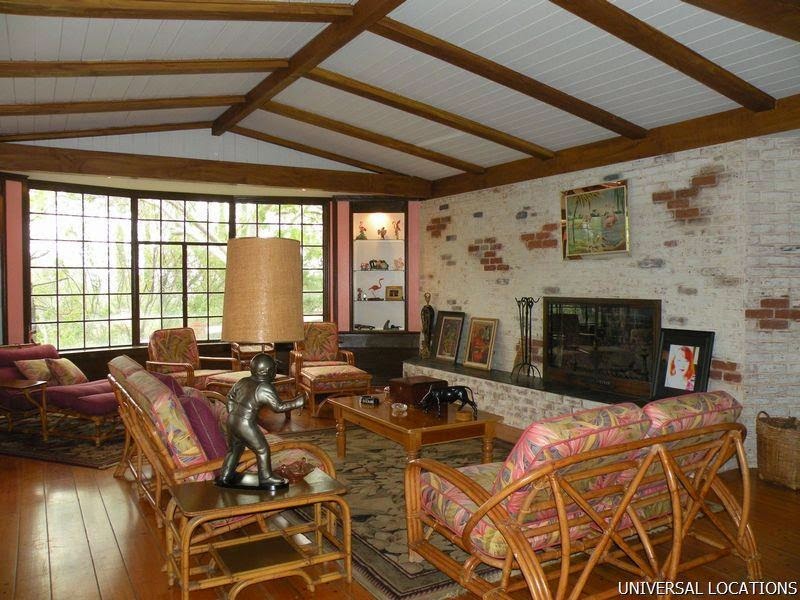
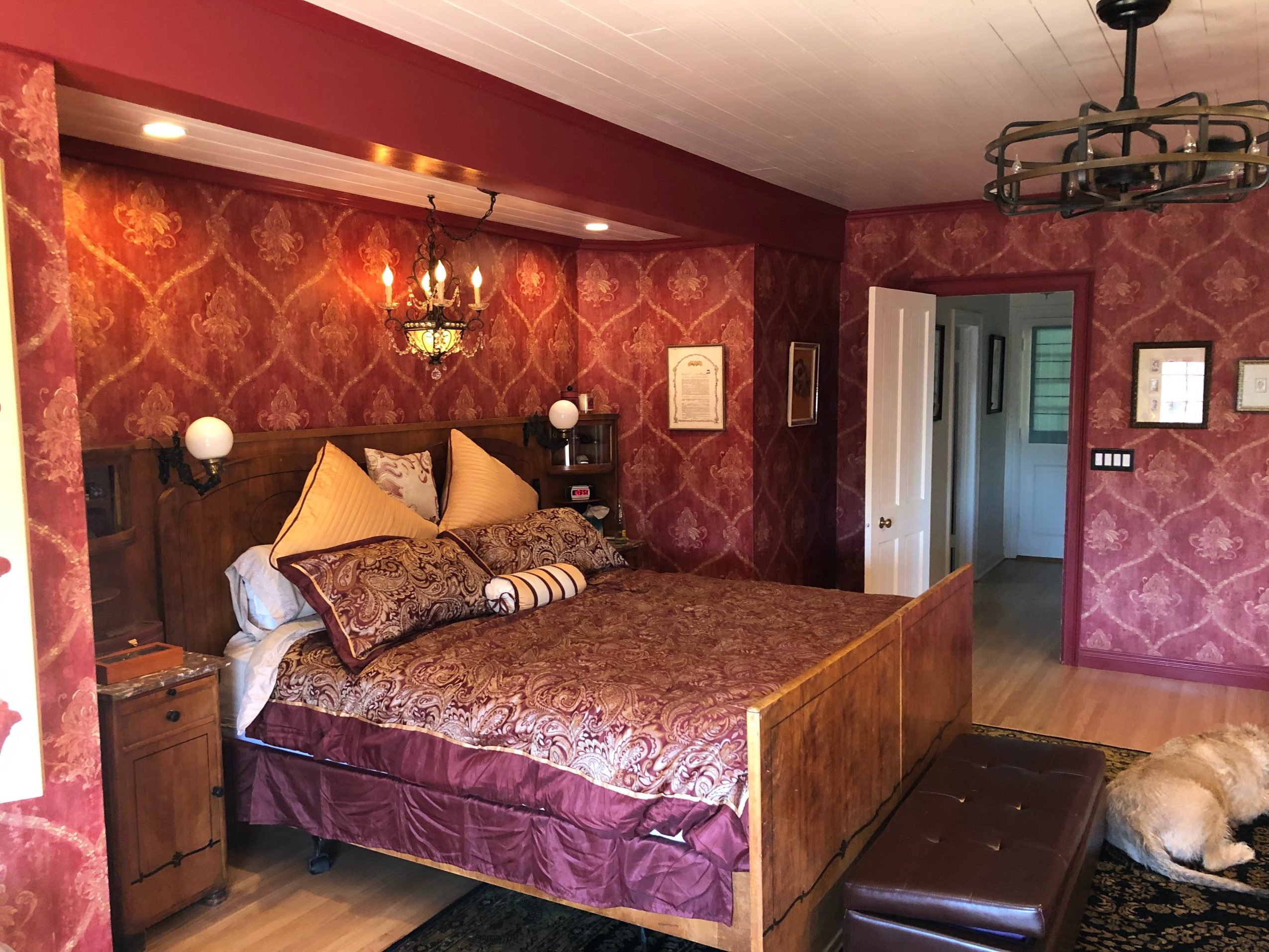
In 2008, my husband and I bought a one-story ranch home built in 1939. The house sprawled over the highest vantage point southwest of the Chatsworth Nature Preserve. Beyond the house lay the towering cathedral spires of the Twelve Apostles formation in the Simi Hills. The dilapidated property was badly in need of restoration. But the bold octagon shape captured our imagination.. Picture it, five sides forming the house itself, wrapping around a sunlit courtyard. The flagstone adorning the walls matched the sunburned stone of the Simi Hills. The remaining three sides, a sparkling skyline pool, like something straight out of Hollywood’s golden age. We heard neighborhood rumors about rock-and-roll parties and a visit from John Lennon, but no information about the family who built the house. After hiring a historian, we learned the house was designed by none other than Paul Revere Williams. You may not know his name offhand, but you definitely know his work. He shaped the look of historic Beverly Hills and even designed the iconic facade of the Beverly Hills Hotel. You know, the one immortalized on the Eagles Hotel California album cover. Mr. Williams designed Peppergate Ranch for Talton Robert Craig, owner of Craig Movie Supply, and his family. In 2011, the ranch was designated Los Angeles Historical and Cultural Monument No. 922. The restoration is ongoing and we open the home annually for tours. And the John Lennon rumor? We found an old photo taken in the primary bedroom of Lennon, May Pang, Neil Sedaka, Nigel Olsson, and a groupie named Josie. The authenticity of the photo was confirmed by Josie and a previous resident.
I’m sure it wasn’t obstacle-free, but would you say the journey has been fairly smooth so far?
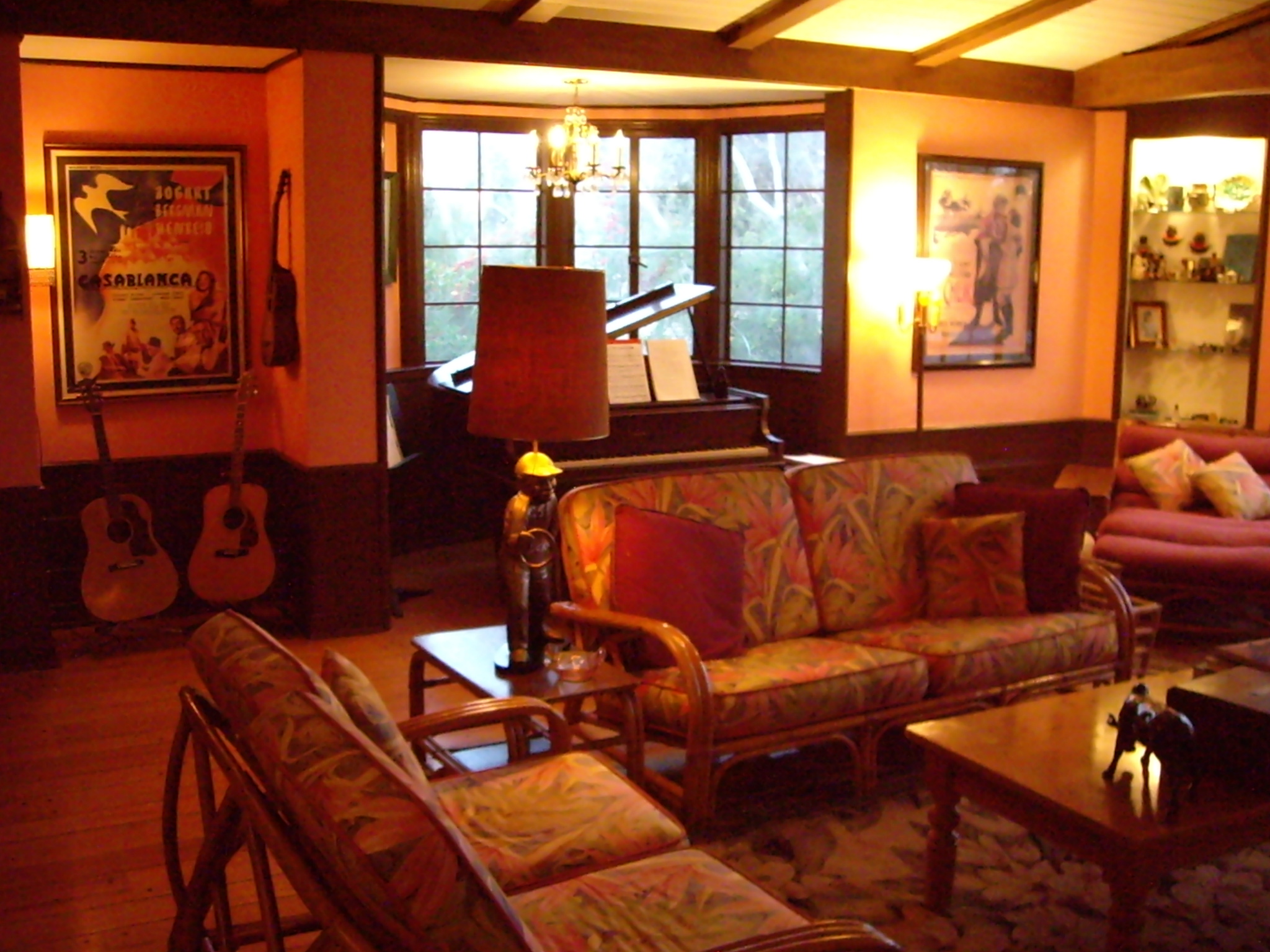
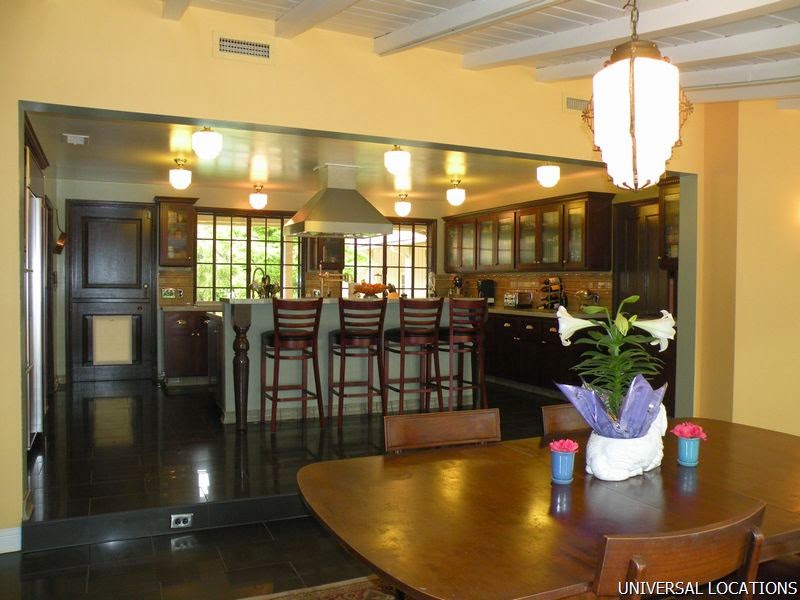
Unless one has an unlimited budget, the monumental task of restoration requires triage. We’d wanted to begin with the primary bedroom, but rotting floors in the children’s wing demanded new oak flooring. The kitchen was a dank, dark, long, narrow room unsuited to my husband’s culinary skills. We demolished it and combined it with the pantry, and moved the kitchen to what was then the dining room. After our historian found the original design plans, we realized we’d put the kitchen back in its original location. A 1949 addition off the now-kitchen was featured in a Better Homes and Gardens article that same year. Underneath the tile we installed is a beautiful terrazzo floor, awaiting the day when we have the funds to restore it. It is presently the dining room, with a view of the San Fernando Valley and the San Gabriel Mountains. Most rooms in the house suffered from roof leaks, so we installed a new roof (the roofer said it was the largest roof he’d ever done). With so many expenses, we didn’t return to the primary bedroom until 2022. As my husband demo’d the drop ceiling and plaster, he uncovered the original wood-beamed ceiling and wainscoting along the walls. The primary bathroom was a claustrophobic rabbit warren, so he demolished it as well, and uncovered the original vanity (hidden in a closet). The next project involves replacing the floor-to-ceiling windows in the dining room with double-paned windows (the summer heat is brutal), and then the laundry room and cellar. Restoration has become our life’s work.
Can you tell our readers more about what you do and what you think sets you apart from others?
I own a small community psychology business, but I’d rather discuss my volunteer life. In 2009 I became involved in an activist group devoted to saving open space in the Simi Hills. In 2011 I became a founding member of the cooperating association charged with organizing volunteer activities in the Santa Susana Pass State Historic Park (SSPSHP). Along with other devoted community members, we designed an interpretive program for third grade students from Title I schools (and have since hosted hundreds of them for field trips, at no cost to the school). A key aspect of the interpretive program involves Native American storytellers. We recruited local elders from the Tataviam-Fernandeno tribe and provide an honorarium as a “thank you” for their time. Our interpretive program also includes the Audubon Society and a replica Stagecoach (the SSPSHP is the home of the National Historic Stagecoach Trail). In 2016, I designed and launched the Simi Hills Naturalist Training Program. The 12-week program includes sessions led by Native American elders, biologists, archaeologists, etymologists, native plant experts, and other experts in the flora, fauna, and history of the Simi Hills. The program is open to adults and to youth ages 12 and older (with a parent). Finally, we designed a public hike program and sponsor weekly hikes for all ages. Volunteers become hike leaders after completing the Naturalist Training Program and field training with a mentor. Because the infamous Spahn Ranch is part of our state park, we designed a movie history-themed hike for visitors. I recently presented at a new volunteer training and a young woman informed me I’d been her hike leader during her third grade field trip! I’m thrilled to see the park thriving, with programs that will live on well beyond my involvement.
Are there any important lessons you’ve learned that you can share with us?
Be fully present. Yesterday is over and tomorrow hasn’t come. There is only now.
Contact Info:
- Website: https://www.fpssm.org
- Instagram: santasusanapassstatehistoricpark
- Facebook: https://m.facebook.com/groups/184725161648914/
Popular
-

Portraits of the Valley
-

LA’s Most Inspiring Stories
-

Mason Ewing Is Bringing a World of His Imagination to Life Through Film
-

Dr. NanaEfua Afoh-Manin Is Rethinking What It Means to Be Healthy, Not Just Healed
-

Greg Hex Is Turning the Everyday Kitchen Knife Into a Modern Design Object
-

Rick Norris Learned That Building a Successful Business Means Building a Life You Actually Want to Live


