




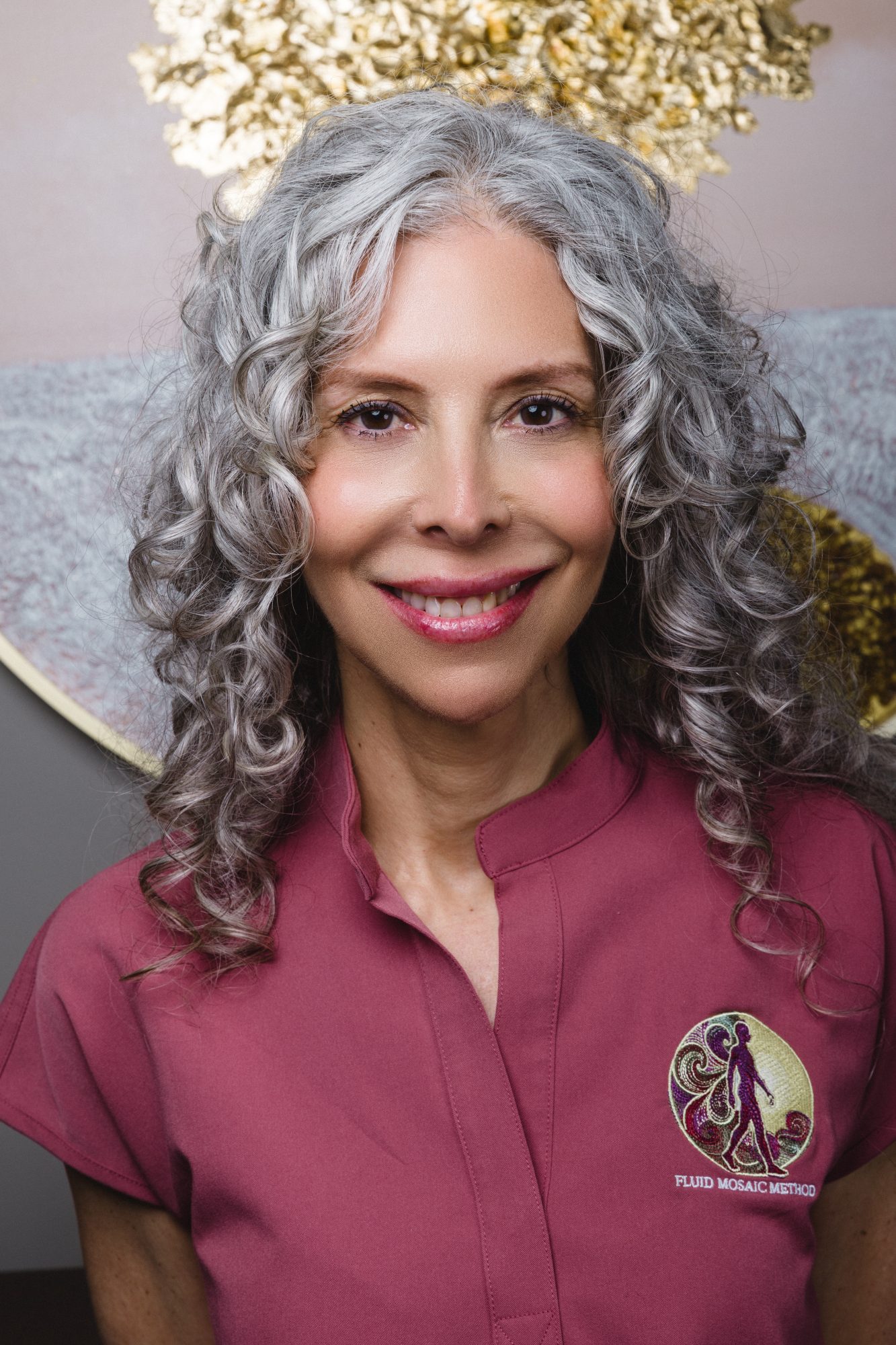
Today we’d like to introduce you to Danielle Aufiero.
Hi Danielle, it’s an honor to have you on the platform. Thanks for taking the time to share your story with us – to start maybe you can share some of your backstory with our readers?
I’ll begin with the here and now and explain the origin story of how it came to be. In August of 2026, I opened my new solo private practice in Beverly Hills: Fluid Mosaic Method, a boutique Physical Medicine and Rehabilitation practice focusing on integrative orthobiologics and kinetic restoration. But the seeds of this new path were initially sown during the COVID pandemic back in early 2020, when my prior practice closed for a couple of months due to state regulations.
During that time, I was only doing telehealth and phone call encounters since patients still needed me despite everything going on, and that was as much as I could offer. It was an incredibly stressful period—between political uncertainty, fear of contracting a deadly virus, and suddenly working remotely from home. Many were navigating the distractions of their kids’ virtual schooling, caring for elderly parents, altered or abandoned workout regimens, and the abrupt scaling back of personal maintenance routines down to a baseline of survival. People felt restless, tired, anxious, overwhelmed, and lonely, with higher stress levels than I’d ever witnessed in my career.
Because of this, I was forced to arrive at solutions for patients’ pain other than with my needle and a physical therapy prescription. I had to tap into my wealth of clinical knowledge to pull from, arriving at solutions based on my advice and expertise alone. The number of patients I was able to help during that time was extremely impactful for what happened next. I had a profound realization: I can help so many people and be of service by simply recommending a path forward. I provided details on how to move strategically throughout their day, sent home exercise programs from an online platform specific to their issues, educated them on proper ergonomic setups at home, recommended over-the-counter modalities or braces that could be ordered online, instructed them on how to tune in to their bodies, and informed them of how their emotional status may be influencing their symptoms. I could literally see patients contracting on camera—tense and rigid, displaying easily identifiable contributing causes of their chief complaints.
Based on my words alone leading to successful outcomes, I felt compelled to share the knowledge I had accumulated over the prior two decades in a more global way. I struggled with the how, the where, and the what, but ultimately arrived at the idea of creating a free educational platform called The Fluid Mosaic. The name was born directly from the biological concept of the Fluid Mosaic Model—the landmark discovery that the cell membrane encompassing every cell in our body is not a rigid, fixed barrier, but a living, dynamic, fluid structure capable of robust cellular operations. To me, this was the perfect metaphor for human anatomy; our musculoskeletal and nervous systems are shifting, adaptable, and deeply interconnected landscapes. I structured this new platform around four distinct channels: Body Attunement, Conscious Movement, Impactful Mind, and Preservation.
My mission statement at the time was clear:
“The Fluid Mosaic represents my accumulated body of knowledge spanning two decades of clinical experience. It is a medical perspective on the relationship between body awareness and state of mind, and its influence on the delicate balance of our structural anatomy and functional movement. By providing the ground and space for knowledge accumulation, empowerment, and growth—change is possible”.
Over the subsequent years, I worked diligently creating blogs, videos, and website structures, including an Anatomy Hub where patients can surmise what possible diagnosis they may be up against. I compiled nutritional and dietary tips based on extensive research of the literature, worked with a psychiatric colleague to build screening questionnaires to determine the likelihood of mood and mental status affecting physical symptoms, and designed creative strategies to stay present using the body and the 6th sense (interoception) as a doorway. Keeping people out of their heads became a critical thread, as the negative impact of intrusive thoughts on the central nervous system’s ability to heal and the distraction it creates in how we move, became blatantly obvious. Naturally, these concepts began to infiltrate the way I practice medicine, and I found myself discussing them with my patients consistently. This led me to a dramatic pivot into prevention and physical preservation. I even presented these concepts at the TOBI/AASIP 2024 Joint Conference, disrupting the paradigm of the regenerative medicine field shifting from strictly reactive treatment to incorporating physical medicine prevention.
In late 2025, I was deciding to either stay at Orthohealing Center (OHC)—my prior practice—or go my separate way and start anew. It was clear that this redefined focus made it essential to launch my own practice, despite the 18 years of clinical success and personal fulfillment at OHC leading up to that point. My goal with The Fluid Mosaic educational website—which was still “in the works”—was to take this philosophy from an educational concept and manifest it into a high-tech, clinical reality. Today, each of those four original channels forms the literal infrastructure of my Beverly Hills practice, which I named after my initial pursuit: Fluid Mosaic Method.
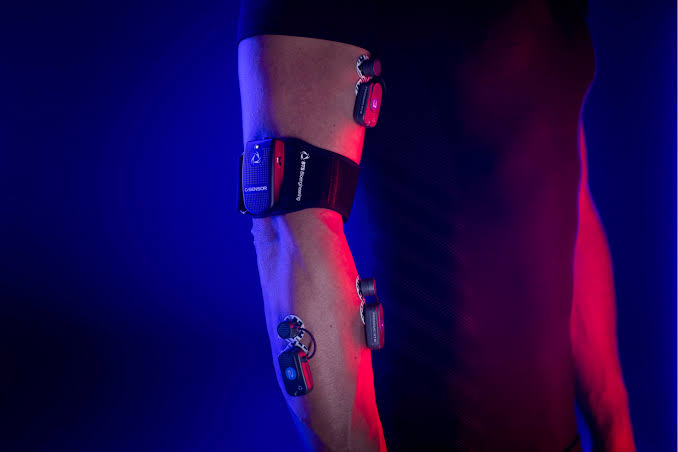
• The Body Attunement Channel: To help patients build deep, internal body intuition and re-educate dysfunctional muscle patterns derived from a lifetime of compensations, I have integrated heart rate neuro-biofeedback alongside advanced BTS neuromuscular biofeedback technology. These rehabilitation therapies can break destructive movement patterns or postures and create healthy new neural pathways, while increasing proprioceptive awareness and body intelligence along the way. This approach taps into the very core of neuroplasticity, proving that you can absolutely teach an old dog new tricks.
• The Conscious Movement Channel: To manifest my theories on intentional mechanics, I built an advanced motion assessment and gait lab. Walking improperly alters upstream forces, which can either wake up dormant pathology or create entirely new structural problems over time. This movement hub allows me to analyze real-time motion arcs and muscle activation symmetry through wireless EMG probes and a wearable G-sensor. I even have patients bring in their real-world triggers—whether it’s their dumbbells, their guitar, or their baby—so I can optimize their body mechanics and structural alignment during the exact activities that cause pain.
• The Impactful Mind Channel: Recognizing the power of the brain-body axis, this channel serves as the foundation for my autonomic health practices. I offer procedures specifically focused on the central nervous system, such as stellate ganglion blocks and vagus nerve hydrodissections, coupled with targeted mindfulness homework like the Body Scan protocol and heart rate variability biofeedback apps. This comprehensive approach establishes a calm, parasympathetic state so true cellular healing can take place.
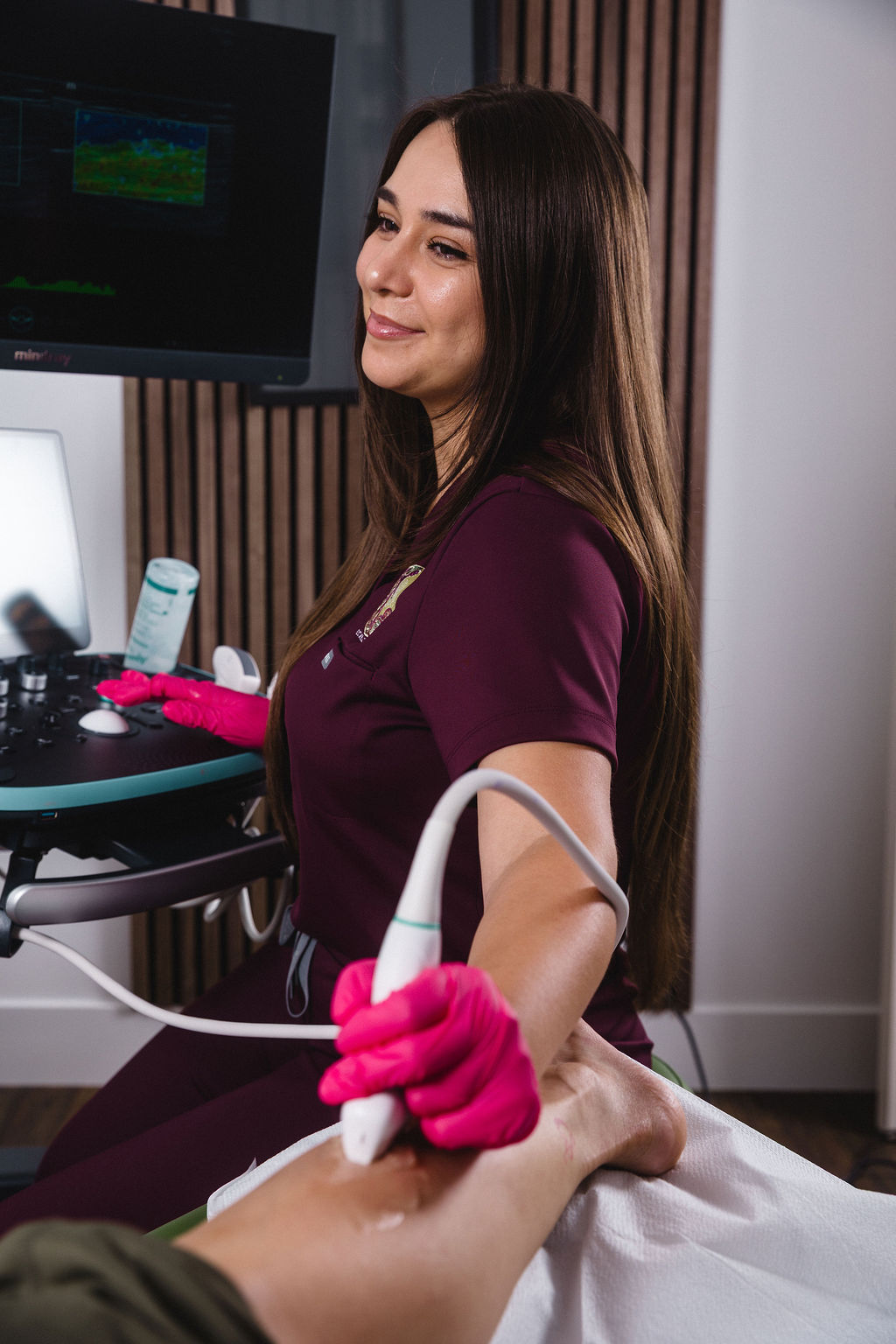
• The Preservation Channel: All of these elements culminate in one of my specialty consult offerings: The Physical Longevity Index. This framework utilizes full-body assessments, focused dynamic musculoskeletal ultrasound screening exams, fascia mapping, and motion assessment triaging—all rooted in published athletic data and mobility metrics. By uncovering the underlying kinetic and structural vulnerabilities that predispose patients to injury and overuse, the predictive model I created allows me to recognize risks and prevent injuries before they ever start.
Alongside this paradigm shift in the way I practice my specialty, I continue to plow forward in advancing the regenerative procedures I offer, constantly evolving and refining them based on the body of literature that I both contribute to and extract from. Whether it’s a patient dealing with deep gluteal sciatic nerve entrapment, resistant moderate knee arthritis, or chronic whiplash who could benefit from PRP or other orthobiologics, someone facing a complex diagnostic dilemma, or an individual who already has a diagnosis but simply needs clarity on a fresh path forward—I have the tools to help guide them. I can go as deep or keep it as simple as the patient prefers. But at the root of it all, I am committed to finding out how they got to that point in the first place, recognizing and unravelling chronic compensations, and generating targeted strategies to retrain detrimental muscle and joint movement. This rigorous exploration provides priceless information for sustaining my procedures and avoiding recurrences in the future. Ultimately, all the content I created over that five-year period will be seamlessly integrated into my new practice website under “Clinical Insights from the Fluid Mosaic Journal.” My vision lives on—just in a far more impactful format than I initially imagined.
We all face challenges, but looking back would you describe it as a relatively smooth road?
The road has certainly had its share of complex terrain, and the obstacles I encountered required a deep reliance on the very principles of resilience I teach. Beyond the expected modern challenges—such as balancing a demanding practice with parenting, personal passions, and avoiding burnout—I had to overcome the vulnerability of introducing an unorthodox approach to regenerative sports medicine and spine care to a traditionally reactive medical community. For a time, I also had to battle my own internal “refusal of the call,” stalling my progression behind a perfectionist mindset that threatened to delay launching this platform before it could even begin.
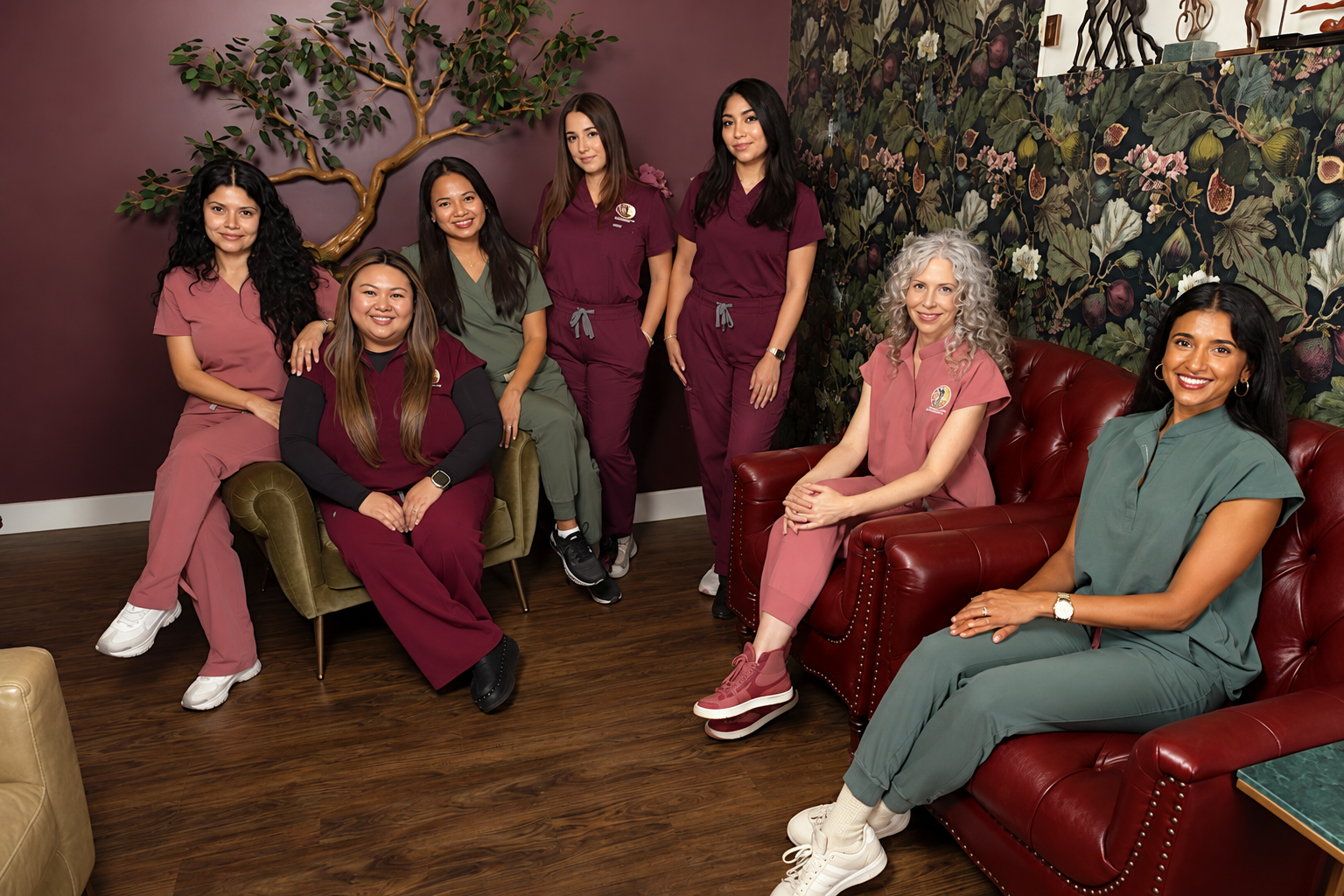
However, the most acute trial arrived during the operational uncoupling of my previous practice. Navigating the formal division of a long-standing clinical partnership and its shared infrastructure meant facing sudden operational shifts that ultimately dismantled my established support team, leaving me with only two key, loyal members of my original staff. Rebuilding a complete medical team from the ground up, while simultaneously managing the logistical and financial burdens of launching a brand-new, cutting-edge private practice in Beverly Hills at 53 years old, was a profound test of leadership. The difficulty wasn’t just finding replacement staff; it was the meticulous process of sourcing a collaborative team fully equipped to carry out the expansive, multi-dimensional vision of this new clinical model.
Ultimately, my saving grace throughout these operational storms has been an abundant, perpetual influx of creative approaches and clinical insights. There was never a shortage of vision, and having a brilliant, hand-selected team now fully aligned with the Fluid Mosaic Method has made the struggle entirely worth it.
Great, so let’s talk business. Can you tell our readers more about what you do and what you think sets you apart from others?
Private practice in the field of Physical Medicine and Rehabilitation specializing in non-surgical orthopedics and functional neurology for musculoskeletal conditions, sports injuries, and chronic pain with spine subspecialty. Advanced diagnostics and treatments are offered including metric-based motion assessments, gait analysis, fascia mapping, neurobiofeedback, dynamic musculoskeletal ultrasound, alternative spine injections, fascia and nerve hydrodissection, prolotherapy, and orthobiologics including PRP, bone marrow concentrate, and autologous adipose procedures.
In terms of your work and the industry, what are some of the changes you are expecting to see over the next five to ten years?
Over the next decade, the progressive landscape of regenerative medicine will continue to be heavily shaped by legislative and regulatory framework changes. Structurally, I predict an intense surge of FDA-regulated, IRB-approved clinical trials aimed at definitively validating safety, data standardization, and efficacy benchmarks across the board. Historically, the field has spent the last ten years hunting for optimal autologous processing and concentration thresholds. Moving forward, the trend will shift from simply seeking a procedural “magic bullet” toward a massive scientific expansion into advanced cellular and acellular platforms. We will see the ongoing discovery and integration of diverse amniotic derivatives, exosomes, mesenchymal stem cells, and Muse cells, alongside rigorous clinical debates comparing autologous tissues to allogeneic sources and off-the-shelf therapies.
Yet, as a physiatrist navigating this technological surge, I believe the most critical shift needed over the next 5 to 10 years isn’t just searching for the best ingredient to inject—it’s a return to our foundational roots. The specialty of Physical Medicine and Rehabilitation was born out of historical necessity during the early-to-mid 20th century. Visionaries like Dr. Krusen and Dr. Rusk forged this field to meet the massive rehabilitation demands of polio epidemics and the profound functional deficits of soldiers returning from World Wars I and II. The very purpose of our existence was to look past structural defects, focus entirely on movement medicine, and lead the multidisciplinary coordination of functional recovery.
Somewhere along the line in the modern orthobiologic space, the “Rehabilitation” component of PM&R has been undervalued. As interventionalists, we have grown accustomed to relying on excellent physical therapists to pick up right where our needles leave off. While this workflow has successfully streamlined outcomes, it has created a distinct clinical void between the procedure itself and active rehabilitation.
A standard physical therapy prescription—no matter how detailed—cannot replace the diagnostic expertise of a physiatrist. Our training uniquely equips us to track objective progress, isolate kinetic imbalances, and map out the precise structural vulnerabilities that cause microscopic wear over time. Mobility and strength are metric-driven biological realities, not just subjective feelings based on patient feedback.
If we are to sustain the long-term success of orthobiologic interventions, we cannot afford to outsource the global assessment of movement. I believe it is the job of the regenerative physiatrist to roll up our sleeves, assess how a patient moves throughout their day, and tease out deficiencies in their kinetic chains. I invite my fellow colleagues, at any stage in their medical practice, to look back at the historical tenets of our specialty to determine how we will move forward. By bridging this void with metric-based, predictive physical medicine solutions, we can elevate the field from merely reactive treatments to true, long-term physical longevity.
Pricing:
- out-of-network
Contact Info:
- Website: https://fluidmosaicmethod.com
- Instagram: @draufiero
Popular
-

Portraits of the Valley
-

LA’s Most Inspiring Stories
-
Mason Ewing Is Bringing a World of His Imagination to Life Through Film
-
Dr. NanaEfua Afoh-Manin Is Rethinking What It Means to Be Healthy, Not Just Healed
-

Greg Hex Is Turning the Everyday Kitchen Knife Into a Modern Design Object
-

Rick Norris Learned That Building a Successful Business Means Building a Life You Actually Want to Live


