



Today we’d like to introduce you to Dana Yoon.
Alright, so thank you so much for sharing your story and insight with our readers. To kick things off, can you tell us a bit about how you got started?
My name is Dana and I make films. Born and raised in Seoul, a bustling city that quietly insists on normalcy while demanding novelty, I was bound to question the traditions, conventions, and norms imposed on me. Film was a glitch in the matrix, one that allowed me to do so.
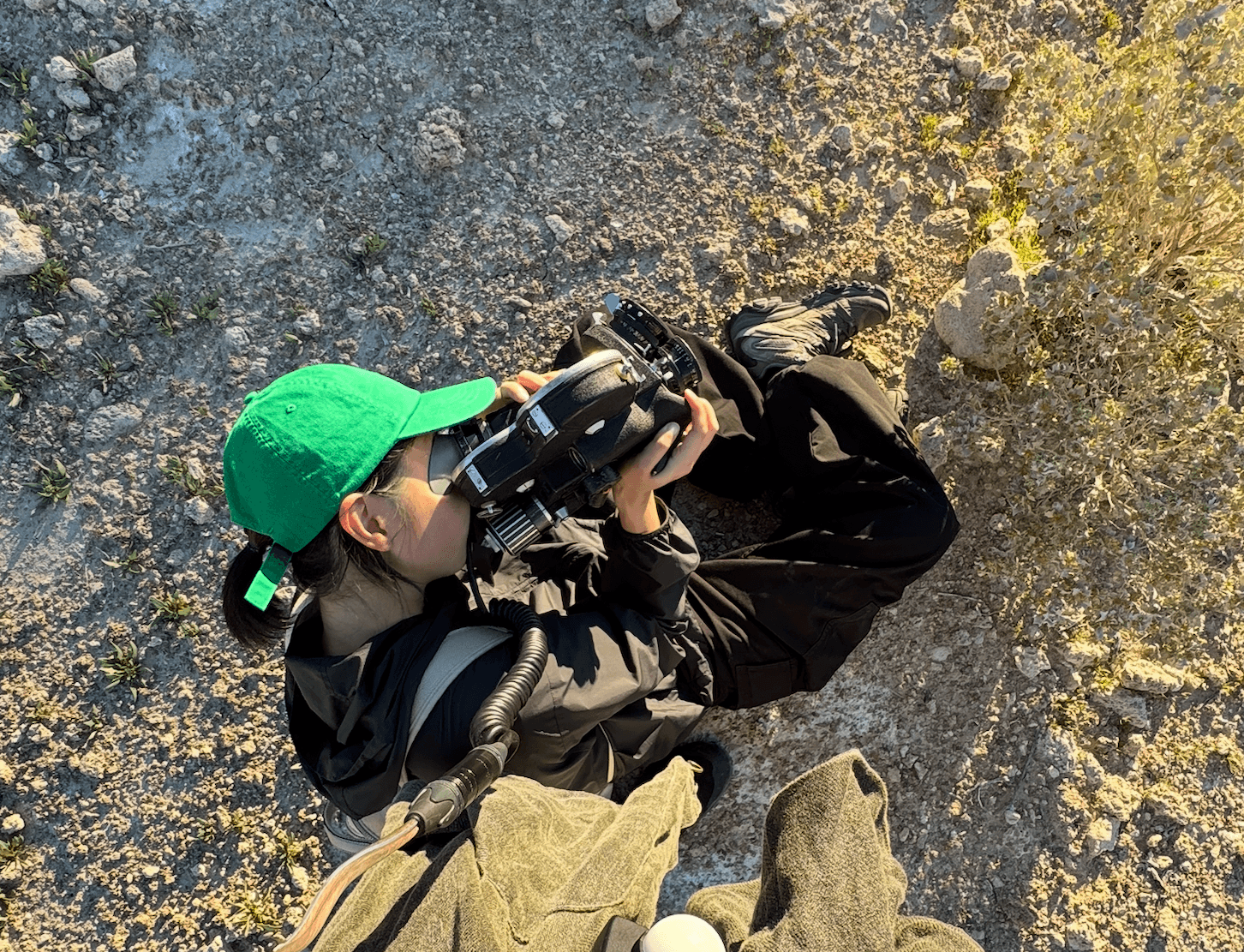
Three years ago, I moved to Los Angeles to pursue a Masters of Fine Art. It was not only my first time in LA but also my first time living abroad, and everything, big and small, was new, thrilling, frightening, challenging, and at times a shock. Art school itself, however, was familiar territory: I had studied graphic design at an art school in Seoul during undergraduate. Even then, I was drawn more to lens-based art than to design. I began by experimenting with photography on a cheap digital camera, and by my third year I was taking more courses in the film school than in my own major.
Studying film felt like a practical extension of the visual communication I had learned, yet the two are fundamentally different. Design offers solutions; film asks questions. Due to its static nature, design often felt solitary to me. Gleaning footage with my body and weaving it together along the axis of time was more enjoyable in itself, and film, as a collaborative art form that brings many people together, felt far more fulfilling.
I chose California for one reason only, CalArts. I have always been drawn to work that resists definition in existing vocabulary; work that blurs boundaries, bridges distant worlds, and splits apart singular worlds. And CalArts was the only place with a program bold enough to support such strange ambitions. The three years passed in a flash but looking back, I believe my thesis film lives up to the aspirations I set for myself at the start. I was delighted when several veteran faculty members I deeply admire told me that the film defied existing categories. To my great joy, the film was named a semifinalist in this year’s Student Academy Awards. To receive recognition from beyond my own circle was deeply meaningful, and I am grateful for it.
Today, I work as a colorist and content creator while continuing my personal practice. I look forward to seeing where this journey leads next.
Can you tell our readers more about what you do and what you think sets you apart from others?
I am basically a one-person-band videographer and filmmaker. For commercial projects, I can handle everything from concept development to shooting, editing, sound, color grading, and graphic design, delivering polished, visually considered videos tailored to each purpose. Lately, I have begun narrowing my focus to post-production, working as a colorist with film directors across genres.
My background lends itself well to this work. Training in graphic design left me acutely sensitive to images, I have experience in photo retouching, and as a filmmaker myself I can readily understand a director’s point of view. Color grading is not simply a matter of touching the surface of the image but it requires a full understanding of the work and the director’s vision, and a complete immersion in it. I enjoy diving into a different world with each project and swimming in it. I also work comfortably across formats. I spent years working in digital media before school, and my time at CalArts gave me deep exposure to 16mm. In my grading, I prioritize creating a distinctive look, maintaining continuity, and never losing sight of the details.
My personal projects as an artist, however, I tend to keep separate. I am currently making two nonfiction films, which could be described as personal documentaries. First-person cinema fascinates me. It represents the “I” as a social subject, one who confronts issues of generation, gender, and labor head-on and whose identity is therefore still taking shape, and in doing so it shows how individual problems are intricately entangled with collective and social ones. The act of making the film is itself a form of self-inquiry. This may sound complicated, but in practice the form can be rather intimate, casual, approachable, and even joyful.
Alright so before we go can you talk to us a bit about how people can work with you, collaborate with you or support you?
I got to learn a strong interdisciplinary spirit during the school years. Collaboration is welcomed by everyone and happens constantly, in every corner of the school. It is where I learned the beauty of working with artists from other fields, and I consider that experience a true blessing. So I am always open to working with musicians, performers, or anyone with an interesting idea. I hope people feel they can approach me easily, and I would love to talk with all kinds of people.
For filmmakers, color grading is an unavoidable step in post-production, so if you know a director who needs a colorist, spreading the word that there is a great one here in town would be the most valuable support I could ask for.
Contact Info:
- Website: https://danayoon.com/
- Instagram: https://www.instagram.com/dhy00n/
- LinkedIn: https://www.linkedin.com/in/dhy00n/
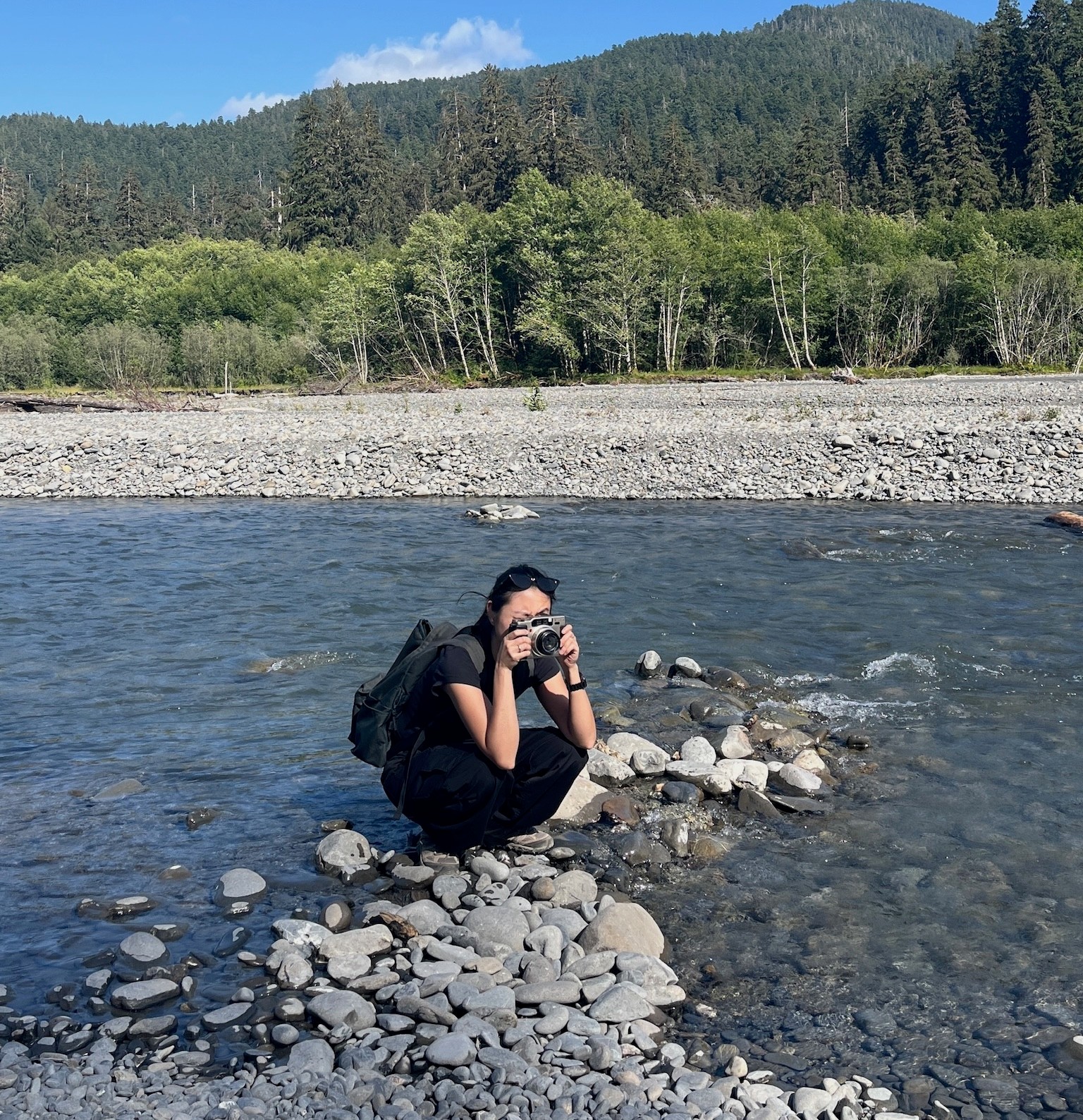
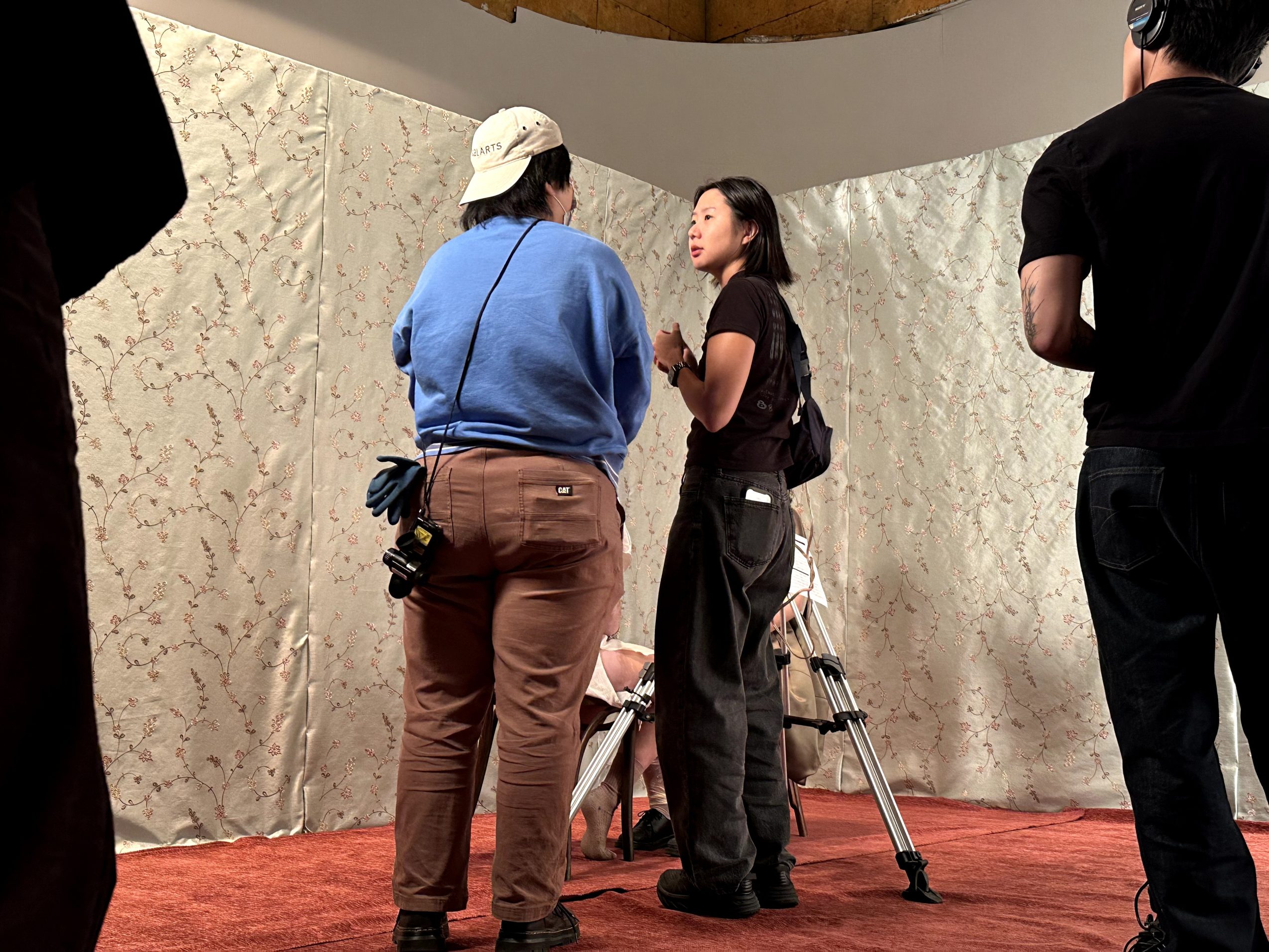
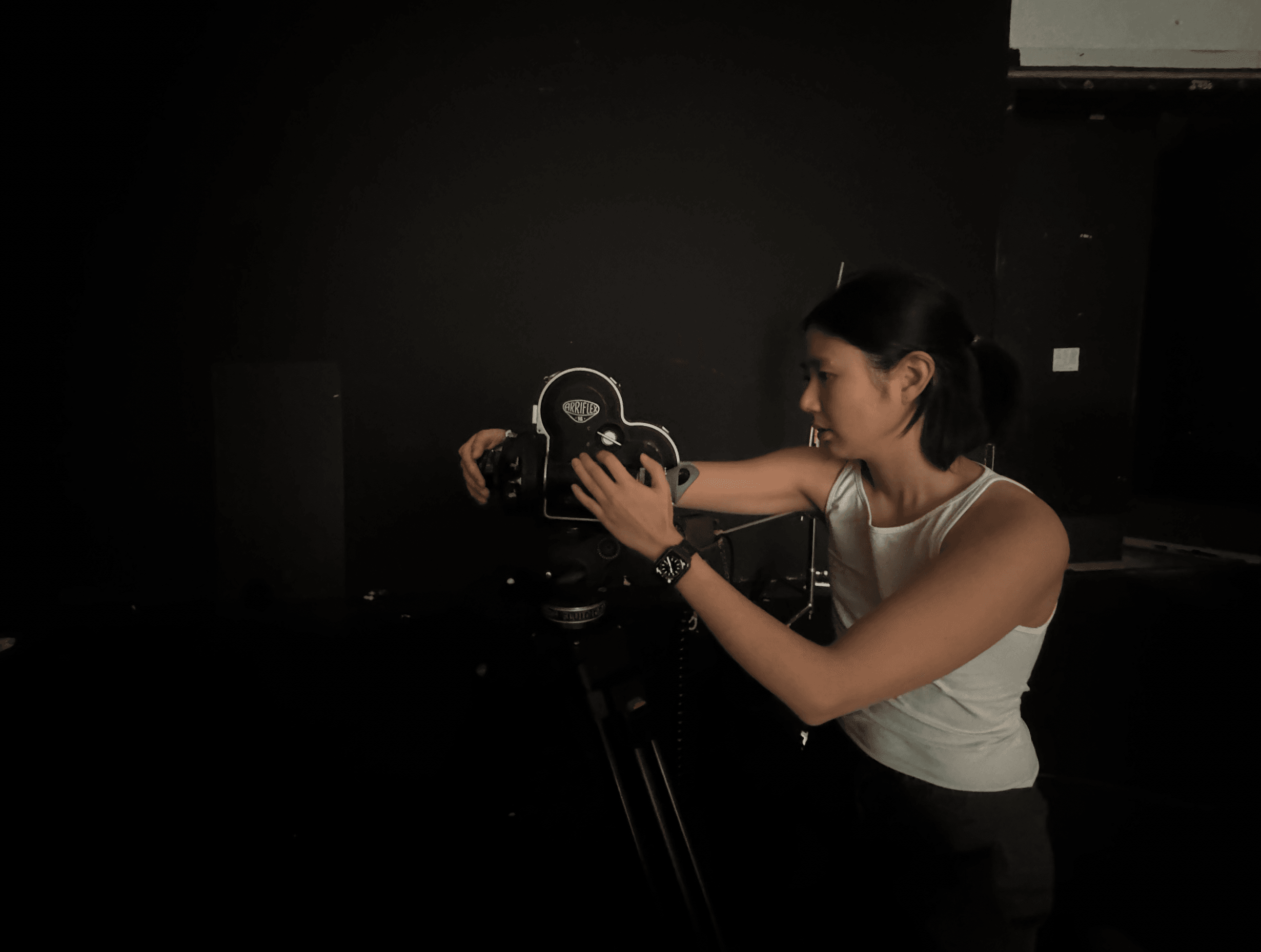
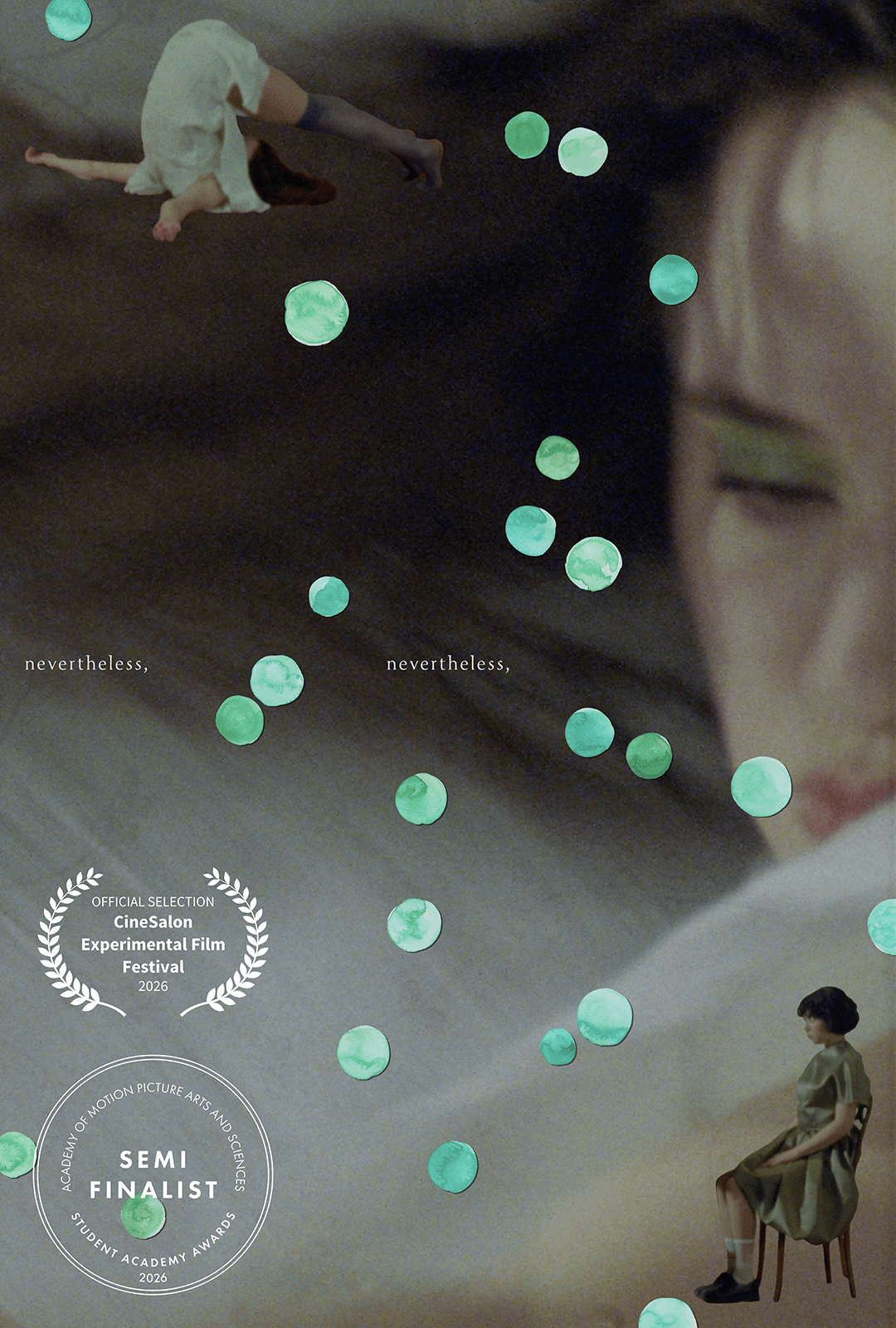
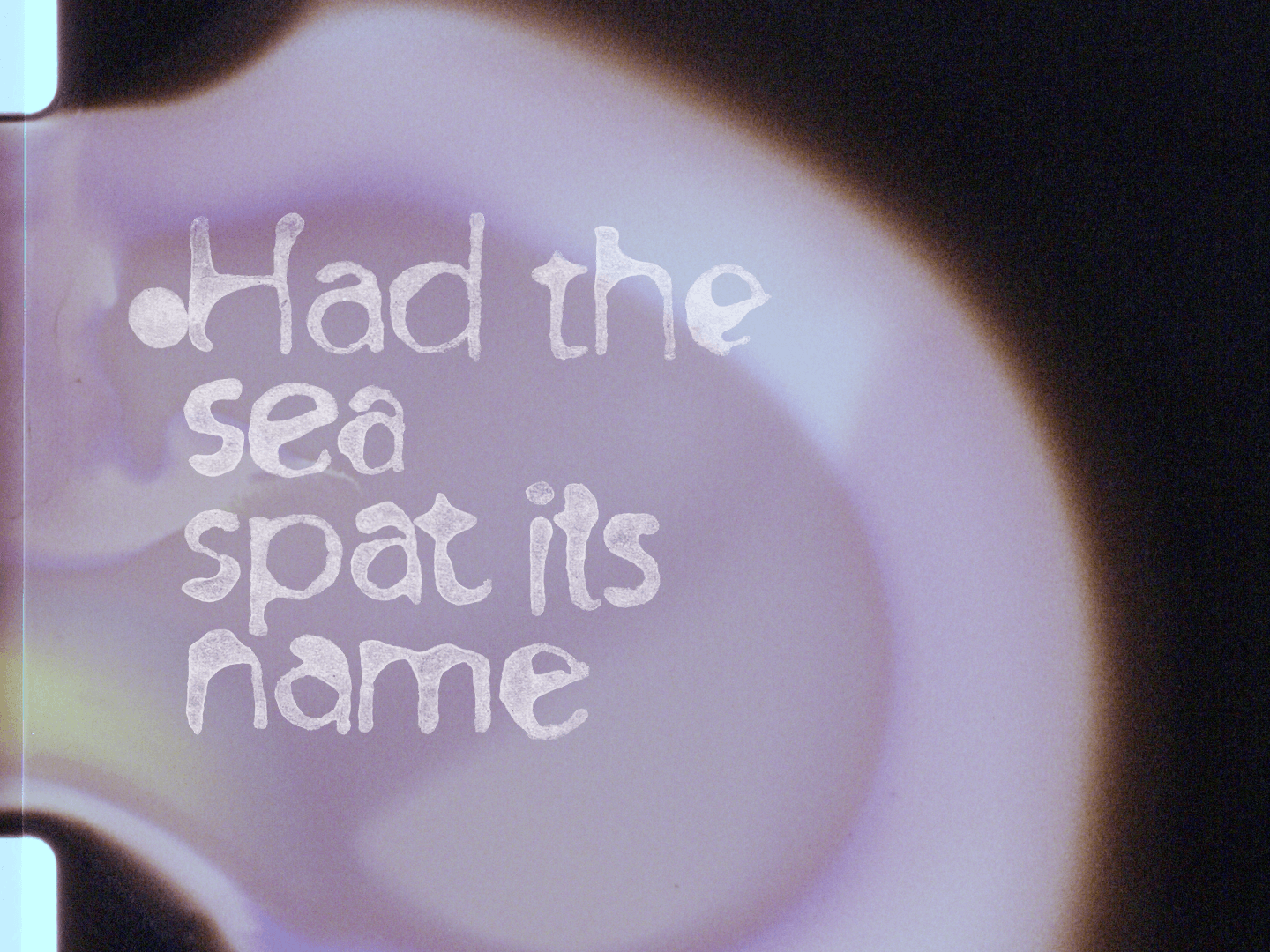
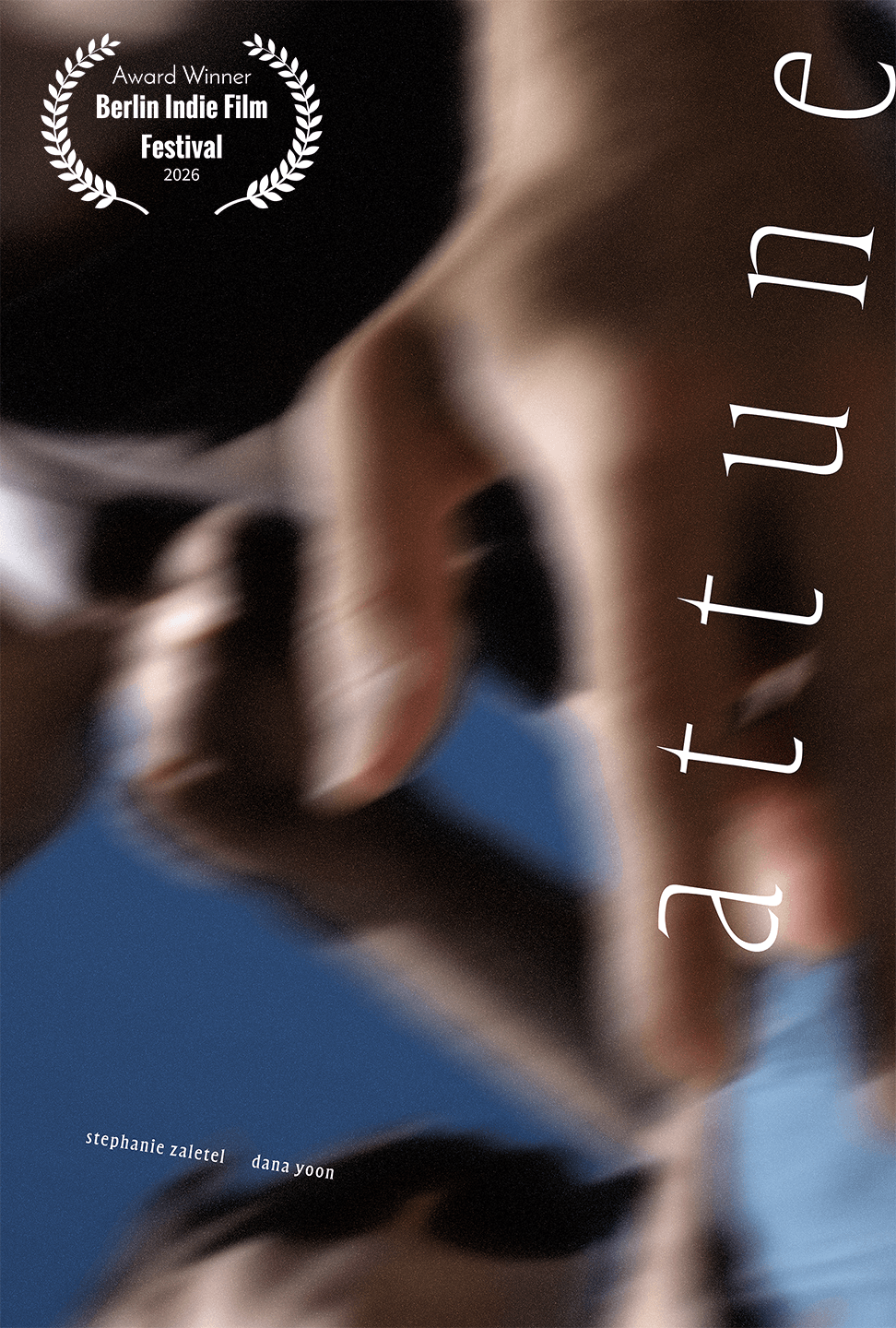
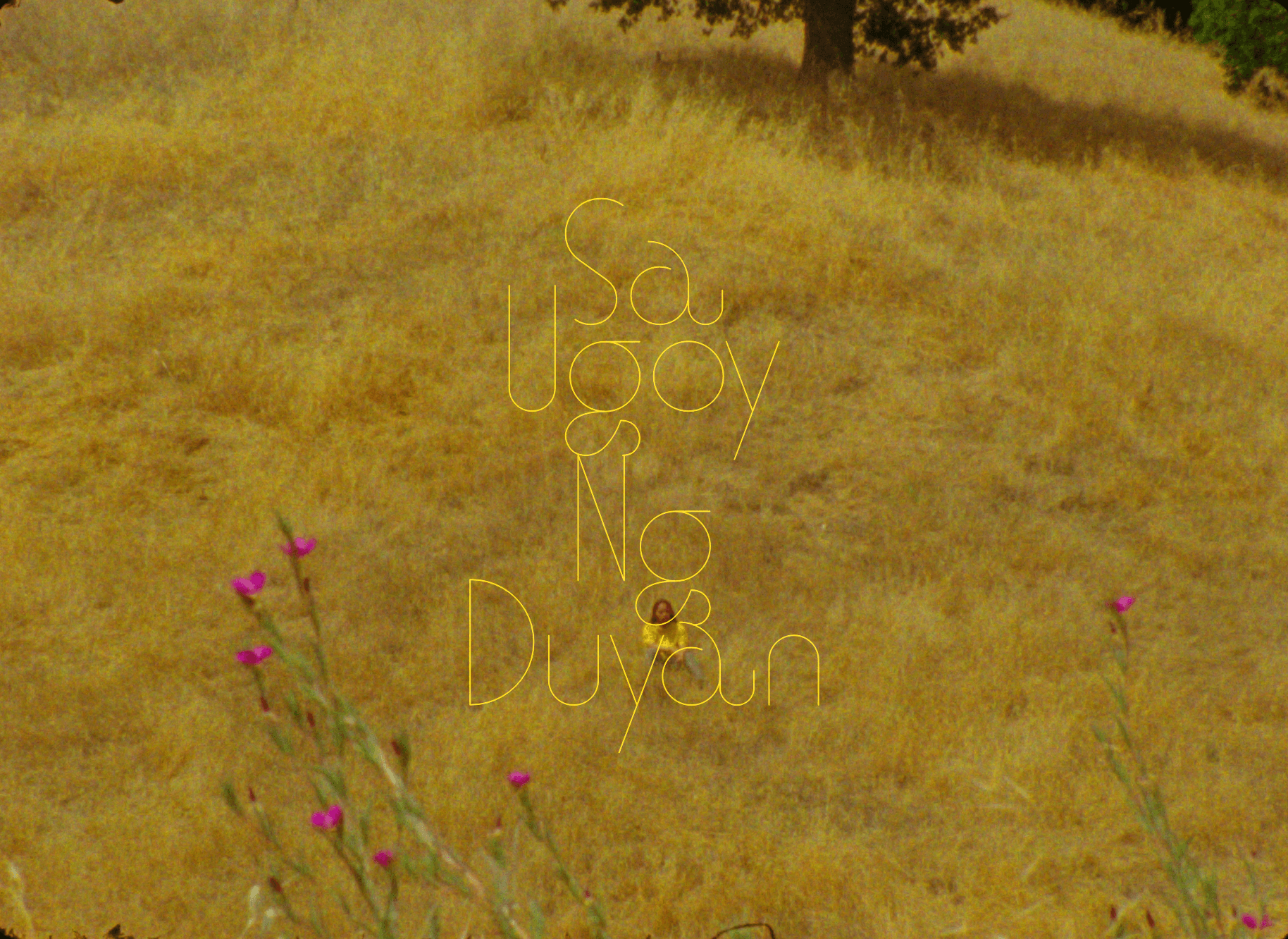
Image Credits
Dana Yoon
Popular
-

Portraits of the Valley
-
LA’s Most Inspiring Stories
-
Mason Ewing Is Bringing a World of His Imagination to Life Through Film
-

Dr. NanaEfua Afoh-Manin Is Rethinking What It Means to Be Healthy, Not Just Healed
-

Greg Hex Is Turning the Everyday Kitchen Knife Into a Modern Design Object
-

Rick Norris Learned That Building a Successful Business Means Building a Life You Actually Want to Live


