



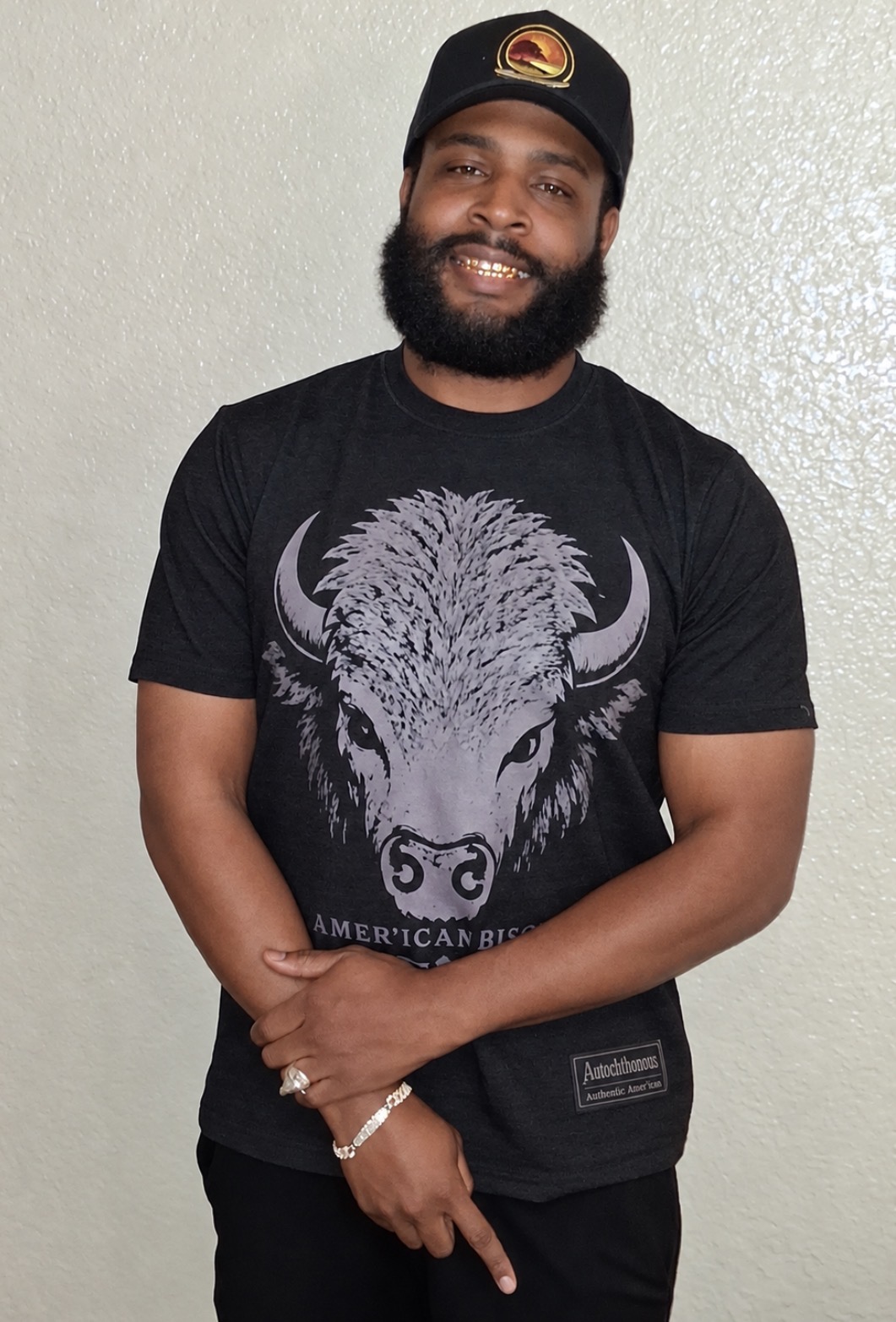
Today we’d like to introduce you to Dwayne Coleman.
Hi Dwayne, can you start by introducing yourself? We’d love to learn more about how you got to where you are today?
My story begins in Las Vegas, Nevada, where I was born and raised. Growing up, I developed an appreciation for community, history, and the importance of knowing who you are and where you come from. Over time, those values became the foundation for the work I’m doing today.
I went on to serve in the United States Army, where I spent more than a decade developing leadership skills, discipline, and a commitment to serving others. My military experience exposed me to different communities, cultures, and ways of life. It also challenged me to think more deeply about my own identity, my responsibilities, and the kind of legacy I wanted to leave behind.
Eventually, my journey brought me to California, particularly Oakland, where I became increasingly interested in community development, economic independence, and cultural preservation. I started asking myself some important questions: How do we rebuild our communities? How do we preserve our history while creating opportunities for future generations? And how do we establish institutions that genuinely serve our people?
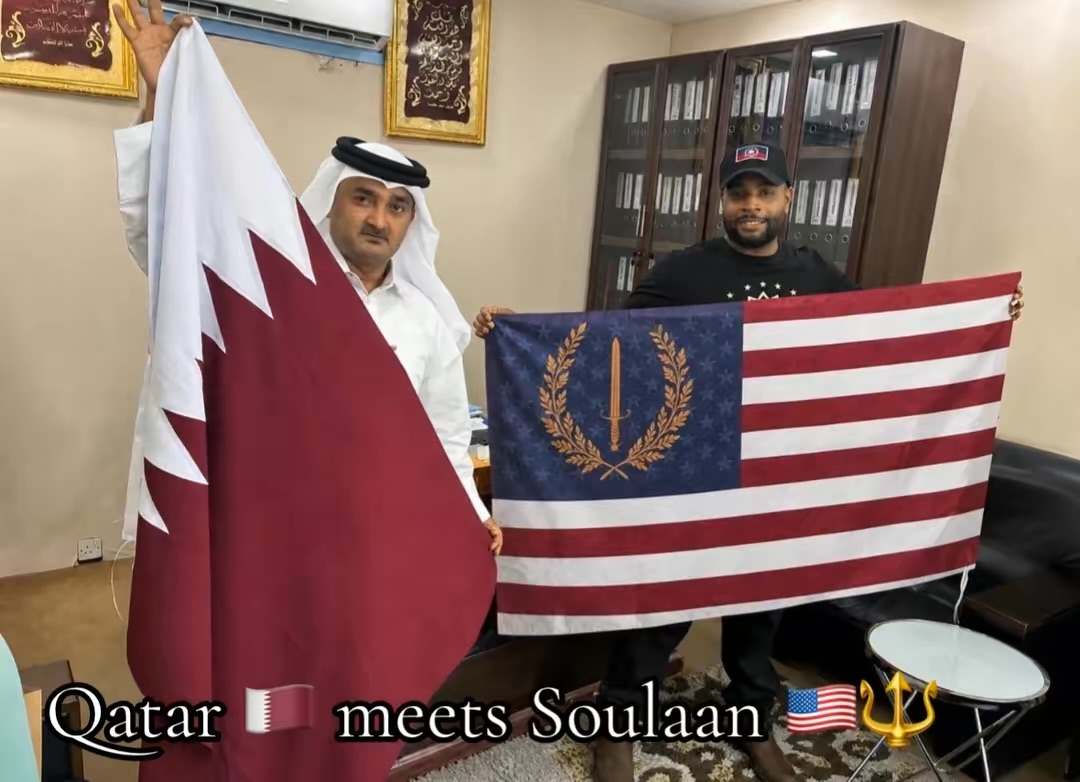
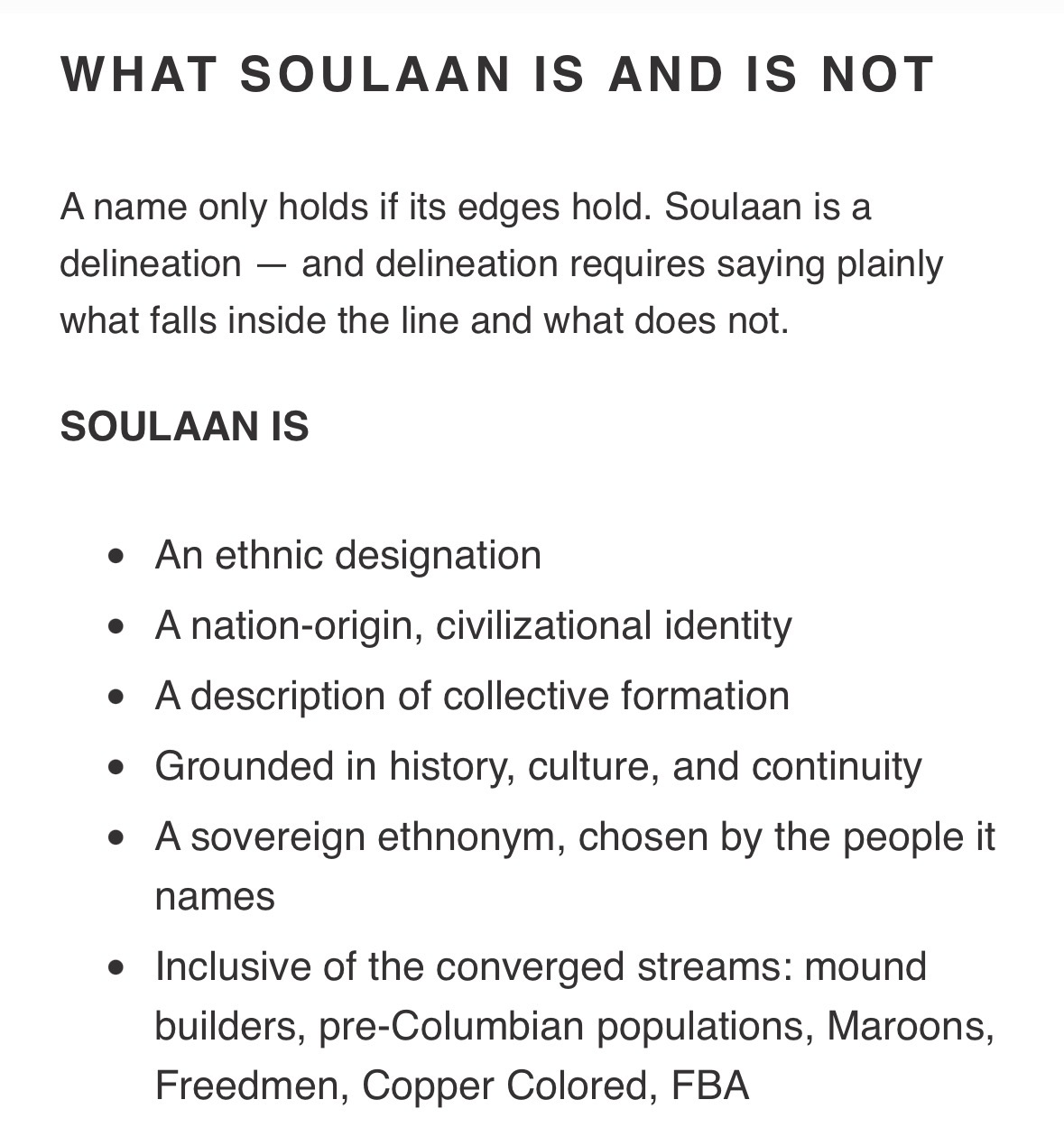
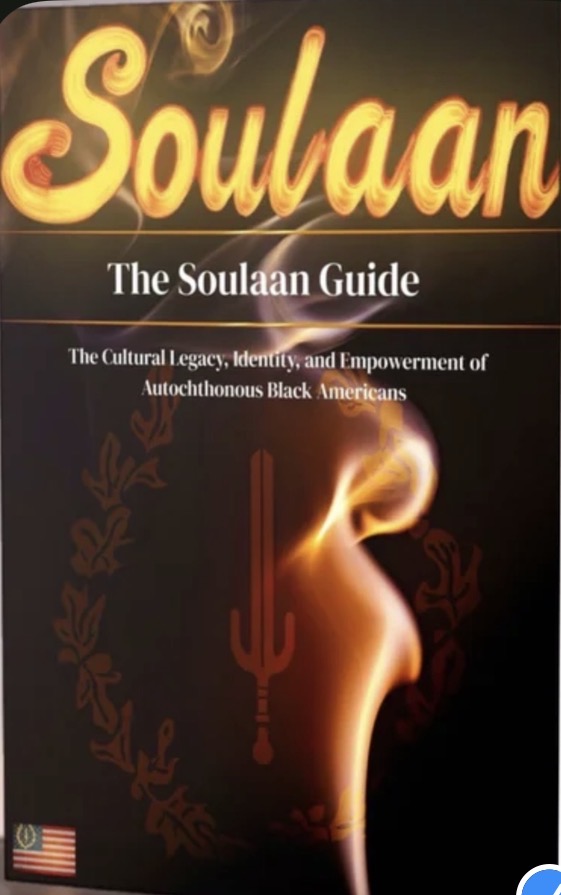
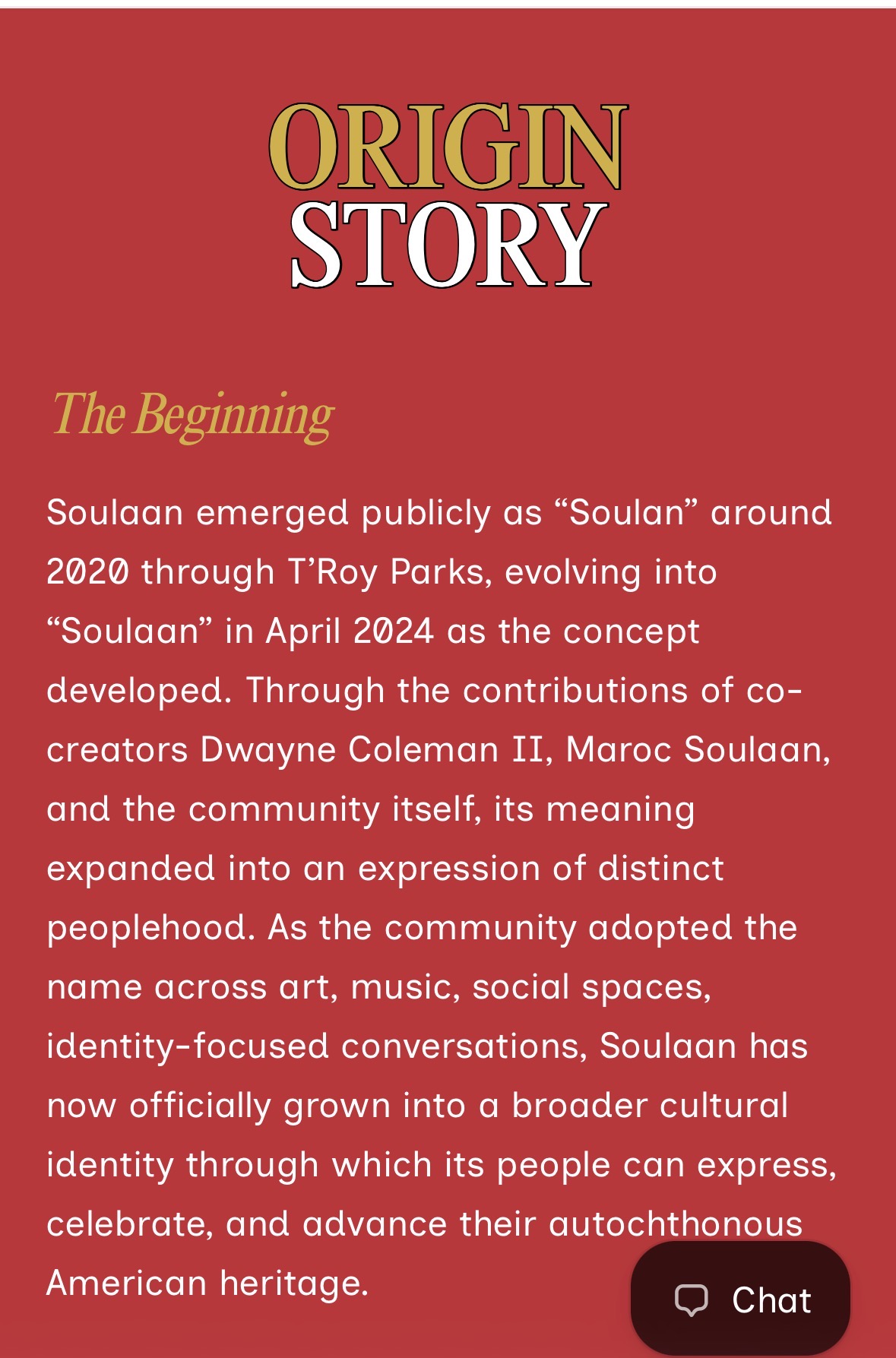
Those questions helped shape my involvement in advancing Soulaan peoplehood, an American-origin ethnocultural and ethnolinguistic identity rooted in generations of historical continuity, cultural development, and community formation on American soil.
My work has grown into several interconnected efforts, including the Soulaan People’s Dictionary, historical and cultural research, cooperative economics, community development, and entrepreneurship. I’m particularly passionate about building institutions that allow our communities to preserve their heritage, create employment, develop businesses, and become more economically self-sufficient.
I’ve also been developing concepts involving community-owned grocery stores, housing cooperatives, educational institutions, cultural spaces, and businesses that reconnect people with their history, environment, and local economies.
The journey hasn’t always been easy. I’ve experienced personal setbacks, financial challenges, and periods where I’ve had to reconsider my direction. But those experiences have taught me that progress isn’t always about having the resources to do everything immediately. Sometimes it’s about having a vision, remaining consistent, and building something meaningful from the ground up.
Today, I see myself as a soldier, entrepreneur, cultural advocate, and community builder. I’m still learning, still developing, and still working toward the larger vision.
Ultimately, I don’t want my story to be measured only by what I’ve accomplished personally. I want it to be measured by the opportunities I’ve helped create, the institutions I’ve helped establish, and what future generations will be able to build upon.
For me, success is about creating something that outlives you.
We all face challenges, but looking back would you describe it as a relatively smooth road?
No, it definitely hasn’t been a smooth road. I’ve experienced financial hardships, personal setbacks, career transitions, and moments when I had to rebuild my life while still trying to figure out my next chapter.
One of my biggest challenges has been transitioning between military and civilian life. After serving more than a decade in the Army, I realized that the discipline and leadership skills I developed didn’t automatically translate into financial stability or opportunities outside the military. There were periods of unemployment and uncertainty where I had to reconsider my direction while still managing everyday responsibilities.
Another major challenge has been trying to build something meaningful without having the financial resources, institutional support, or connections to make it happen overnight. I’ve had to learn about entrepreneurship, community development, cultural preservation, intellectual property, and organizational development largely through independent research, trial and error, and conversations with people who share similar goals.
Advancing Soulaan peoplehood has also presented its own challenges. When you’re working to document and preserve an identity, history, and cultural traditions that haven’t always received adequate institutional recognition, you encounter skepticism, misunderstandings, and disagreements. I’ve learned that having a strong conviction isn’t enough. You also need research, documentation, relationships, and institutions that can support your work.
Perhaps the hardest lesson has been accepting that I can’t accomplish everything at once. I have ambitious ideas involving cooperative businesses, education, housing, cultural preservation, and economic development, but I’ve had to learn how to prioritize, start small, and work with the resources available to me.
What keeps me going is knowing that I’m not simply building for myself. I want to create opportunities that my children and future generations can benefit from. I want them to inherit more than stories about what our communities once had. I want them to inherit institutions, resources, and opportunities that we took responsibility for building.
I still face challenges today, and I don’t pretend to have everything figured out. But I’ve learned to be resourceful, remain disciplined, and keep moving forward even when progress feels slow.
The Army taught me how to lead under difficult circumstances. Life has taught me how to keep building when the circumstances aren’t ideal. Both lessons continue to shape who I am today.P
Can you tell our readers more about what you do and what you think sets you apart from others?
My professional background combines military leadership, entrepreneurship, cultural preservation, historical research, and community development. I’ve served in the United States Army for over a decade, where I’ve developed experience in healthcare, personnel management, organizational leadership, and coordinating operations. Those experiences shaped how I approach problem-solving, building teams, and creating systems that serve a larger purpose.
Outside the military, much of my work focuses on advancing Soulaan peoplehood, preserving our cultural heritage, and developing institutions that support long-term community independence and economic opportunity.
One of my most important projects is the Soulaan People’s Dictionary, an ongoing effort to document and preserve our language traditions, cultural expressions, historical terminology, and collective identity. I’m particularly interested in researching Soulaan autochthony, which examines our historical rootedness, cultural continuity, and development as a distinct American-origin peoplehood formed in place.
My work also extends into entrepreneurship and cooperative economics. I’m developing Amer’ican Bison, a lifestyle and apparel brand that connects American cultural heritage with contemporary fashion, athletic wear, and eventually food products. Beyond that, I’m exploring community-owned grocery stores, housing cooperatives, workforce development, educational partnerships, and cultural institutions that can create jobs while keeping resources circulating within our communities.
What makes my approach different is that I don’t view cultural preservation, education, and economic development as separate responsibilities. I believe they should reinforce one another. Preserving a language means creating opportunities for educators, researchers, writers, and publishers. Preserving food traditions means supporting farmers, restaurants, food producers, and entrepreneurs. Rebuilding communities means developing housing, businesses, and institutions that people can collectively participate in and benefit from.
I’m especially proud of taking ideas that many people only discuss and beginning the process of turning them into organized projects, research initiatives, and practical development plans. I don’t have unlimited financial resources or a large institutional network behind me, but I’ve learned to research independently, establish relationships, and work toward building those connections.
I’m also proud of helping articulate a vision of Soulaan identity that emphasizes our achievements, cultural inheritance, and historical continuity rather than defining our people solely through the hardships we’ve experienced.
Ultimately, what sets me apart is my long-term perspective. I’m not interested in building a business simply to generate personal income. I want to help develop an interconnected network of businesses, educational resources, cultural institutions, and cooperative organizations that can provide lasting opportunities.
I’m still in the early stages of accomplishing much of this vision, but I believe meaningful change begins when people take responsibility for building the institutions they want future generations to inherit.
My goal is to move beyond simply preserving our history and begin building the next chapter of it.I’m
So maybe we end on discussing what matters most to you and why?
What matters most to me is my family, my people, and the responsibility we have to leave something meaningful behind for future generations.
As a father, I think a lot about the world my children will inherit. I want them to grow up knowing who they are, understanding their history, and having access to opportunities that previous generations worked hard to create. I don’t want them to feel like they have to start from scratch every generation.
My Soulaan identity is also deeply important to me. I believe our people deserve to understand and preserve our own history, language traditions, culture, and institutions. We’re an American-origin people, rooted in the soil, with generations of cultural continuity and development in this country. That heritage deserves to be documented, celebrated, and carried forward on our own terms.
Community self-determination matters just as much. I’ve seen how communities can lose their businesses, cultural institutions, housing, and economic opportunities over time. Growing up in Las Vegas and later spending time in Oakland made me appreciate the importance of preserving historic communities while creating new opportunities for the people who call them home.
I believe economic independence and collective responsibility go hand in hand. We should be developing our own businesses, supporting entrepreneurs, investing in education, creating cooperative institutions, and making sure the resources generated within our communities help sustain them.
Another thing that matters to me is our relationship with the land and environment. Our food traditions, agricultural knowledge, music, language, and cultural practices developed through generations of living and building communities here. I want future generations to understand those connections and recognize that cultural preservation isn’t just about remembering the past. It’s also about protecting the places, resources, and traditions that sustain us.
My military service taught me that leadership is ultimately about responsibility to others. I try to carry that same principle into my civilian work. Leadership isn’t just having a title or being recognized for what you’ve accomplished. It’s being willing to do the work, especially when nobody is watching.
I’m not motivated solely by personal success or financial wealth. Of course, I want stability and a good life for my family, but I also want to help create opportunities for other families to achieve the same.
At the end of the day, what matters most to me is continuity, self-determination, and leaving something behind that genuinely improves people’s lives.
I want my children and future generations to inherit more than our struggles. I want them to inherit our accomplishments, our institutions, our knowledge, and the freedom to build upon everything we’ve created.
That’s what gives my work meaning, and it’s what keeps me moving forward.
Contact Info:
- Website: https://Soulaan.com
- Instagram: https://www.instagram.com/soulaanofficial?obrf=eWhvcmRjbWhwa3hj
- Other: https://freedmennation.org
Popular
-

Portraits of the Valley
-

LA’s Most Inspiring Stories
-
Mason Ewing Is Bringing a World of His Imagination to Life Through Film
-

Dr. NanaEfua Afoh-Manin Is Rethinking What It Means to Be Healthy, Not Just Healed
-

Greg Hex Is Turning the Everyday Kitchen Knife Into a Modern Design Object
-

Rick Norris Learned That Building a Successful Business Means Building a Life You Actually Want to Live


