



Today we’d like to introduce you to Michael Hsueh.
Alright, so thank you so much for sharing your story and insight with our readers. To kick things off, can you tell us a bit about how you got started?
My story begins in my freshman year of high school. For English class, we had an assignment on the book, “The Lord of the Flies.” My friend, who was in a different class but had the same teacher, wanted to collaborate together on a video project. After receiving approval from our teacher, we ventured out into the woods, armed with a Hi8 video camcorder, and we reenacted select scenes from the book. Whenever we wanted to redo a shot, we would rewind the tape and record over it with a new take. It was old-school, in-camera linear editing. We had a blast. This experience was a significant event in my life that started my journey into filmmaking.
Throughout high school, my friends and I continued to make short films. As my interest grew, I dreamed of working with real celluloid film. Born and raised in Virginia to Taiwanese immigrants, my parents, like many Asian parents, wished for me to become a lawyer, doctor, or accountant, but ultimately, they supported my decision to pursue filmmaking. So, I applied for the Master’s degree program at Chapman University in Orange, California.
Like many aspiring filmmakers, I wanted to be a director; however, Chapman accepted me into its Cinematography program instead. I tried switching to the directing track, unsuccessfully, so I took directing electives as an alternative. Ironically, it was through those directing courses that I realized directing was not for me. I really love working with cameras and lights. So, in a way, Chapman always knew where I belonged and I am extremely grateful for my time there.
After graduation, a friend and mentor took me under his wing, and I worked as a gaffer and key grip. I spent the next few years further honing my skills and developing my craft. Eventually, opportunities to shoot came my way and I began taking on more projects as a cinematographer.
Can you talk to us a bit about the challenges and lessons you’ve learned along the way. Looking back would you say it’s been easy or smooth in retrospect?
My early years in the film industry coincided with a recession, and finding paid work was a challenge. There were countless non-paid and low-paying gigs, often with long hours on set. One of the most grueling stretches was a 22-hour day, followed by an 8-hour turnaround into a 19-hour day, before heading to the next production without sleep. It really tested my limits, physically and mentally, and made me question whether it was all worth it.
Eventually, I ran out of money and had to turn to my family for help. Through friends, I was able to secure a job at a film school that helped pay the bills while I continued to work gigs on the side. That period expanded my knowledge and deepened my understanding of the many intricacies of filmmaking. Having my family’s support during my lowest point, along with a steady income stream, allowed me to dig myself out of a difficult time.
I am passionate about filmmaking. I love being on set, being creative, and telling stories. At the same time, I have learned that maintaining a healthy work-life balance is extremely important.
Thanks for sharing that. So, maybe next you can tell us a bit more about your work?
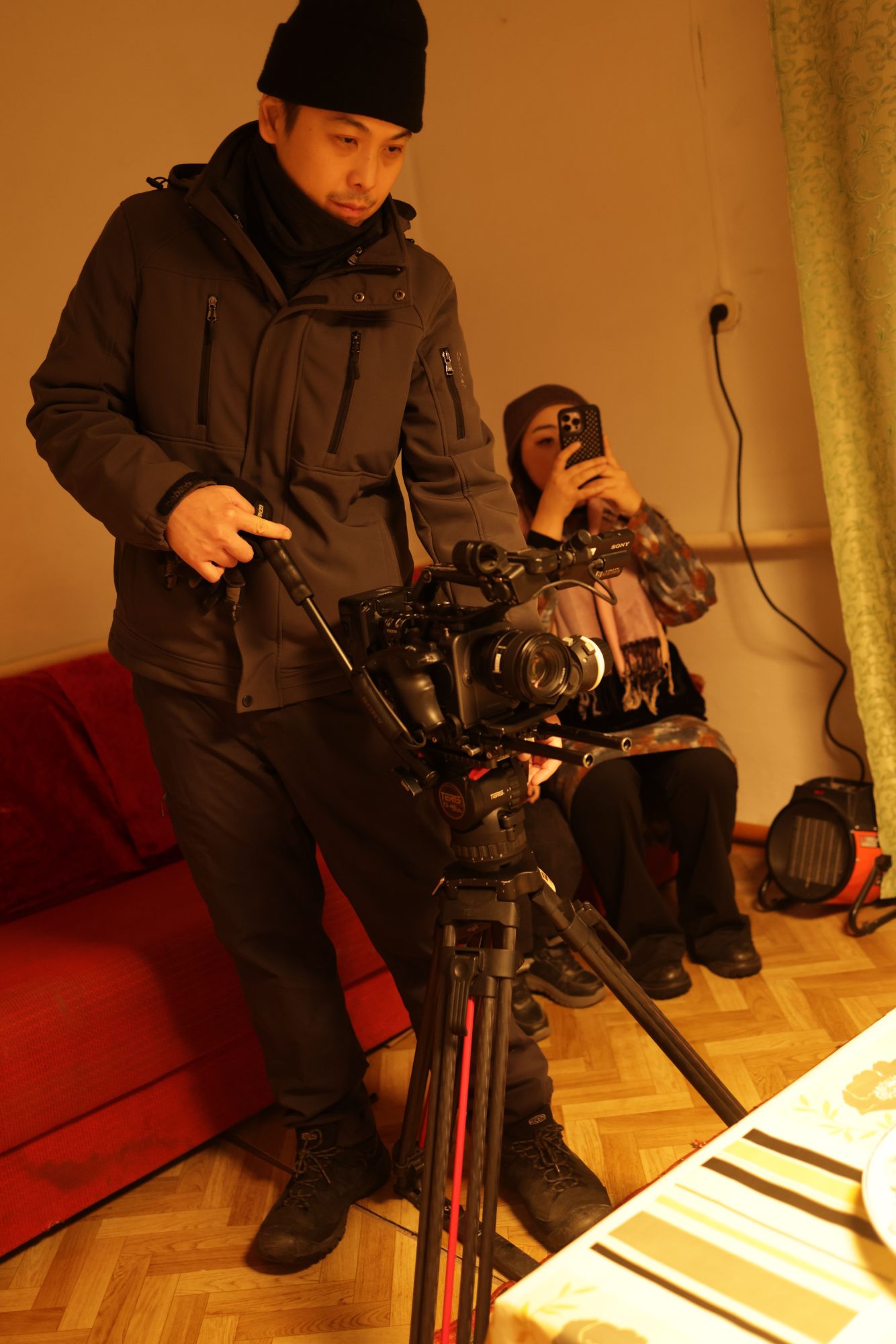
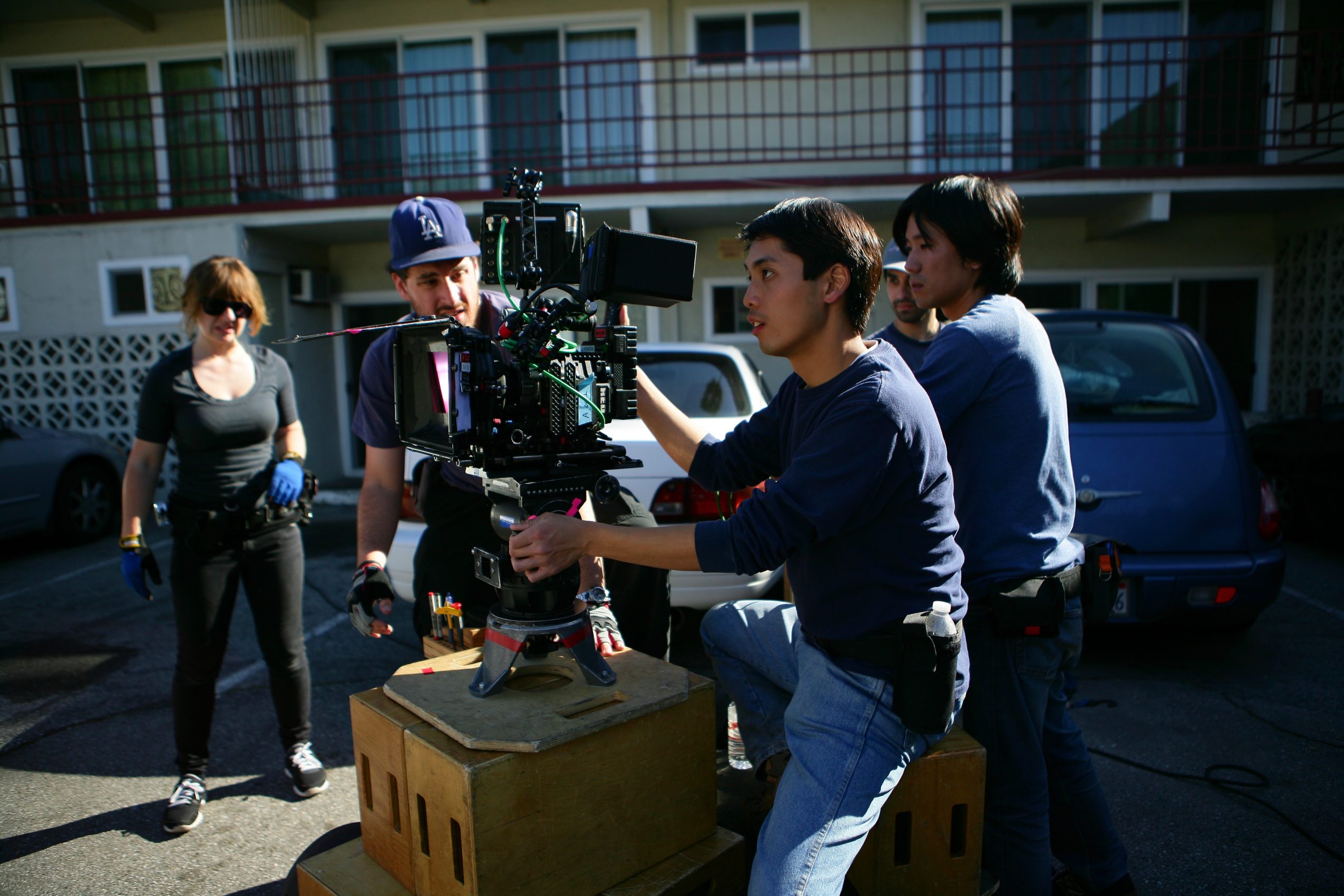
Over the years, through my various roles as a cinematographer, gaffer, and key grip, I have worked on hundreds of projects ranging from feature films and short films to commercials, music videos, corporate videos, and web series. I enjoy working across different genres and subject matters, as each project presents its own unique voice and identity.
My approach to cinematography is rooted in visual storytelling. I believe everything in the frame should serve a purpose. Influenced by my training, I tend to gravitate toward soft lighting and a natural look, where light feels like a part of the environment. However, if the material calls for something much more stylized, I enjoy exploring light in fun and creative ways.
When I read a script, I try to connect with the characters on an emotional level. Their actions, reactions, motivations, and conflicts need to make logical sense to me. From there, I develop a visual language that best conveys those feelings and allows the audience to experience the story through the characters’ perspectives. For me, one of the most rewarding aspects of cinematography is bringing individual images together in a cohesive way that creates an emotional experience for the audience. There should always be an intention behind the choices we make.
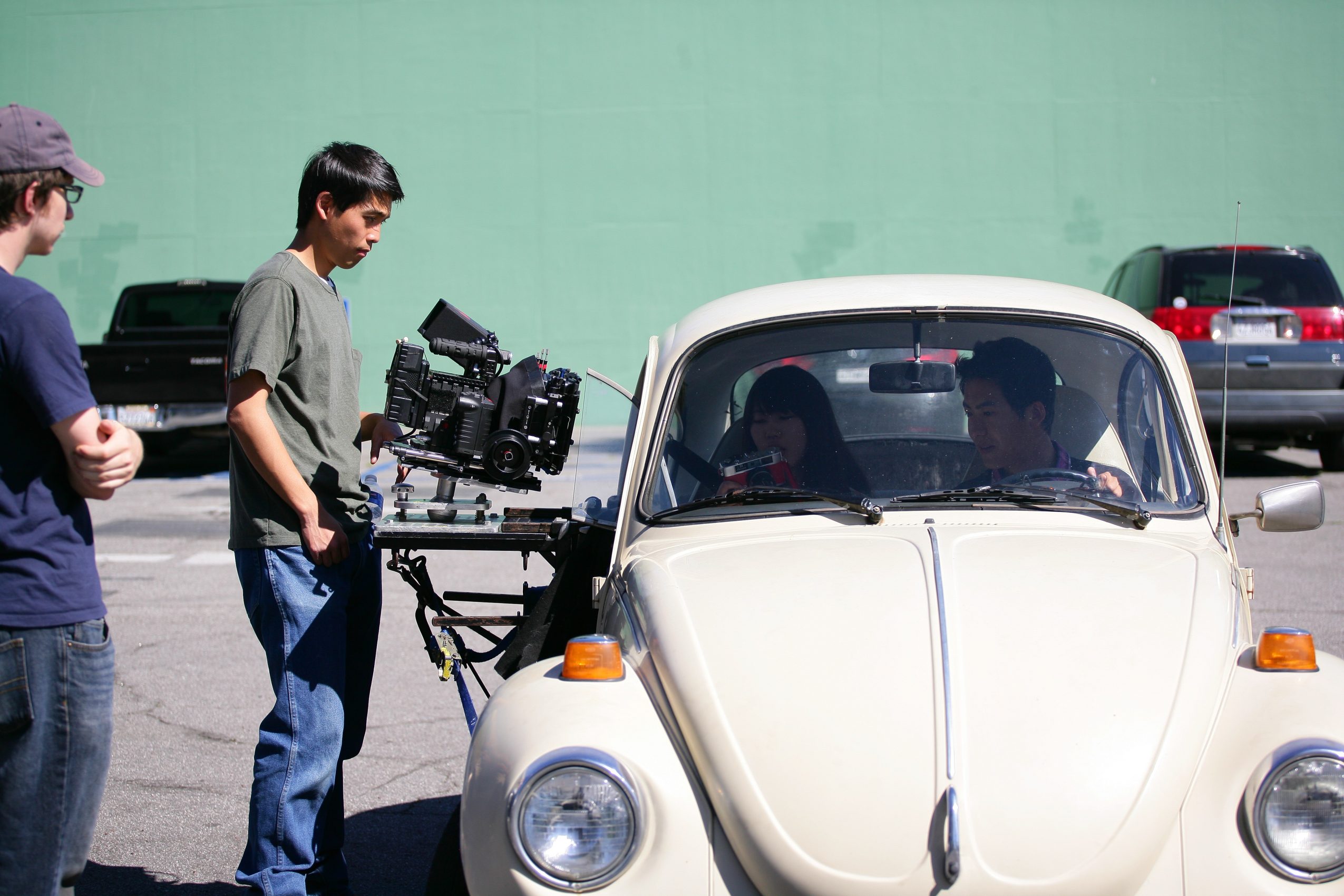
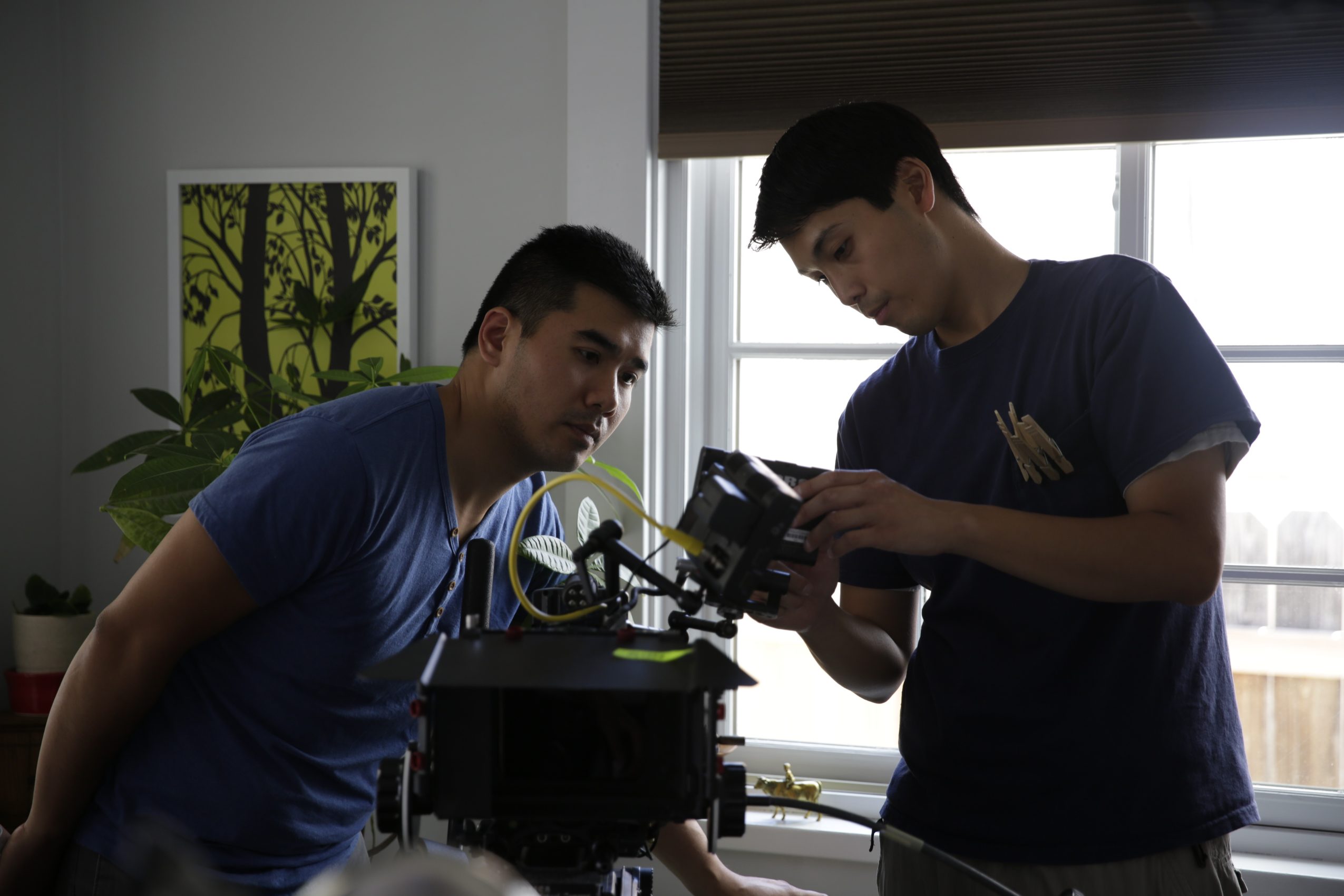
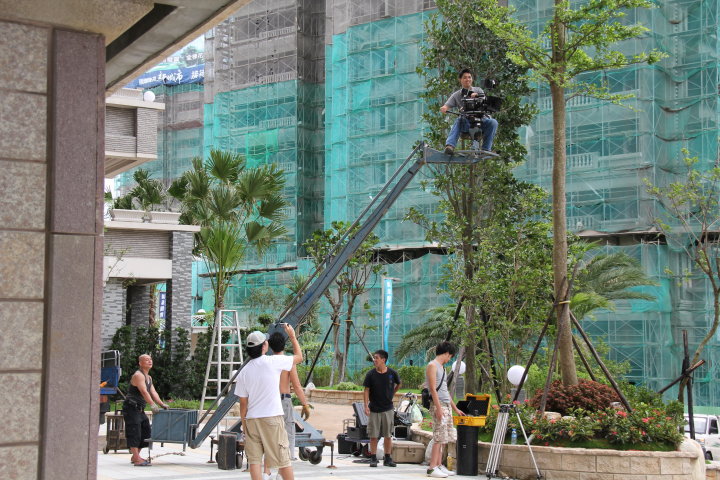
My background as a gaffer and key grip has played an important role in shaping me as a cinematographer. I am very hands-on and enjoy finding creative solutions to challenging setups, such as figuring out how to rig cameras and lights into difficult places. My trusty light meter, along with a waveform monitor, are essential tools I use to maintain lighting consistency. Teaching has also strengthened my ability to exchange ideas, offer constructive critiques, and challenge creative decisions when I feel there is an opportunity to better serve the story.
Some of my most recent projects include a body horror short film called “Eyes On Me,” which is now available on YouTube; a Kazakh drama called “Lamb’s Heart,” which has screened at film festivals; and “Ánkhō,” a film that explores anxiety metaphorically and is coming soon.
What does success mean to you?
I believe true success is in finding happiness and fulfillment in life, both personally and professionally. When it comes to filmmaking, it is loving what you do and being proud of the work you have accomplished. Recognition is rewarding, but sometimes having the opportunity to keep doing what you love is a success.
Contact Info:
- Website: https://www.michaelhsueh.com/
- Instagram: https://www.instagram.com/michaeljhsueh/
- Facebook: https://www.facebook.com/michaeljhsueh
- LinkedIn: https://www.linkedin.com/in/michael-hsueh-940b9b13/
- Youtube: https://www.youtube.com/@MichaelJHsueh
Popular
-

Portraits of the Valley
-

LA’s Most Inspiring Stories
-
Mason Ewing Is Bringing a World of His Imagination to Life Through Film
-

Dr. NanaEfua Afoh-Manin Is Rethinking What It Means to Be Healthy, Not Just Healed
-

Greg Hex Is Turning the Everyday Kitchen Knife Into a Modern Design Object
-

Rick Norris Learned That Building a Successful Business Means Building a Life You Actually Want to Live


