



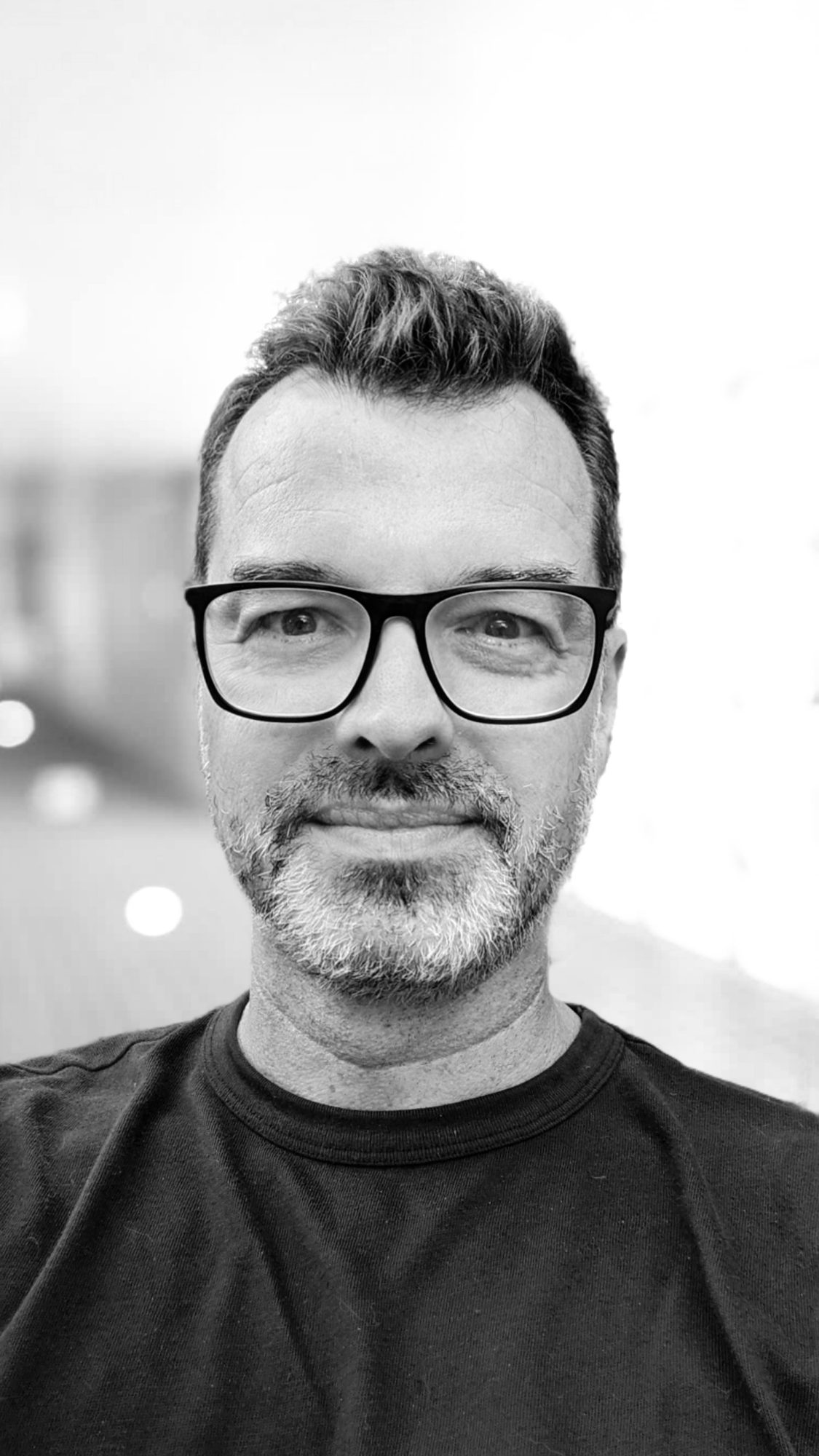
Today we’d like to introduce you to Matt Murray.
Hi Matt, thanks for joining us today. We’d love for you to start by introducing yourself.
I grew up in LA with parents in the music business so I was always surrounded by creative weirdos. Writers, comedians, actors, musicians, and their goofball community. Pursuing a creative life always felt like the default option with that kind of permission structure.
I studied Theater at UCSB and aside from the academics of it all, I learned how to be a creative: observing with intention, committing to bold choices, accepting feedback, protecting your process and developing taste. Not long after college I made the lateral move from the performing arts to the visual arts. Designing posters became a passion I couldn’t ignore and wanted to develop. I went back to school to formalize my design education and started working as a print designer for the local newspaper, The LA Daily News.
What came next was a series of trade-ups. Moving from print to digital, from design to UX, from individual contributor to Creative Director, and most recently, from agency work to in-house design.
Some might disagree, but I find in-house work to really be the pinnacle for a full-time working designer. You are given all the information you need to make good design decisions, your clients are on the same team, and you have more time to experience how a brand evolves through different eras of style, leadership and cultural context. I’m now the Sr. Director of Brand and Design for Horizon3, a tech company that specializes in hacking into our client’s systems to safely reveal how real hackers would break in and helping them fix all the holes before it happens.
I do all this from my garage with my wife just a few steps away and my 11-year old son and 2 dogs always close by.
Can you talk to us a bit about the challenges and lessons you’ve learned along the way. Looking back would you say it’s been easy or smooth in retrospect?
A lot of designers struggle with anxiety and imposter syndrome, myself included. Being surrounded by talented peers is both inspiring and intimidating and that’s a hard dynamic to navigate without a good leader on your side. It takes a very long time to find the confidence to defend your work without “being defensive” and to recognize which battles are worth fighting and which are best to simply move on from. Everyone will have their own version of these struggles, but we all have them.
Appreciate you sharing that. What else should we know about what you do?
As a creative leader, my job is to manage a team of designers and partner with stakeholders outside the design department. Most days, that’s what I do — but I’d be lying if I said that’s all I do. I love working in the trenches. Taking a design from idea to finished piece is the most energizing part of the job, and it’s something I never want to lose completely.
I think my strongest skill is untangling complicated business stories into clean, compelling messages and visuals that make sense and feel human. Business people can easily get wrapped around the axle when they communicate one-to-many, whether in advertising, user experience, scripts, or (especially) slide presentations. Working with subject matter experts to unburden their message and help it find effortless expression is a wonderful job.
We’d love to hear about how you think about risk taking?
Accepting promotions is risky. It’s something many designers both want and don’t want. I’ve been reluctant to move up the ladder over my career. Getting good at what you do feels like the point, but in many corporate jobs, they want you to keep advancing or leave. Personally, I’m a small-risk taker. Big risks scare me too much. And I think that’s fine. We tend to glamorize big risk-takers and I think its fine for people to just do what’s comfortable for them. Let people enjoy things on their own terms.
Contact Info:
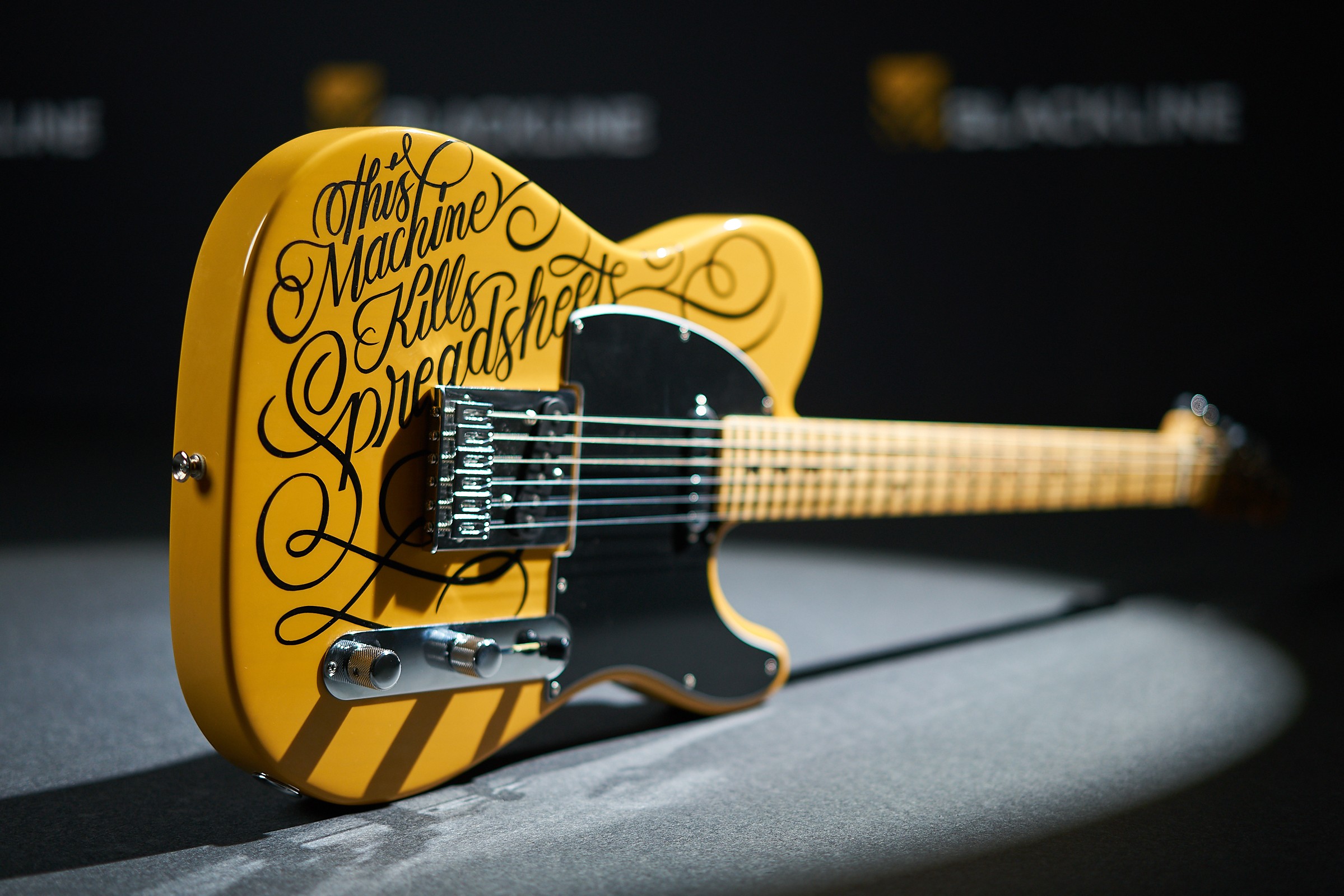
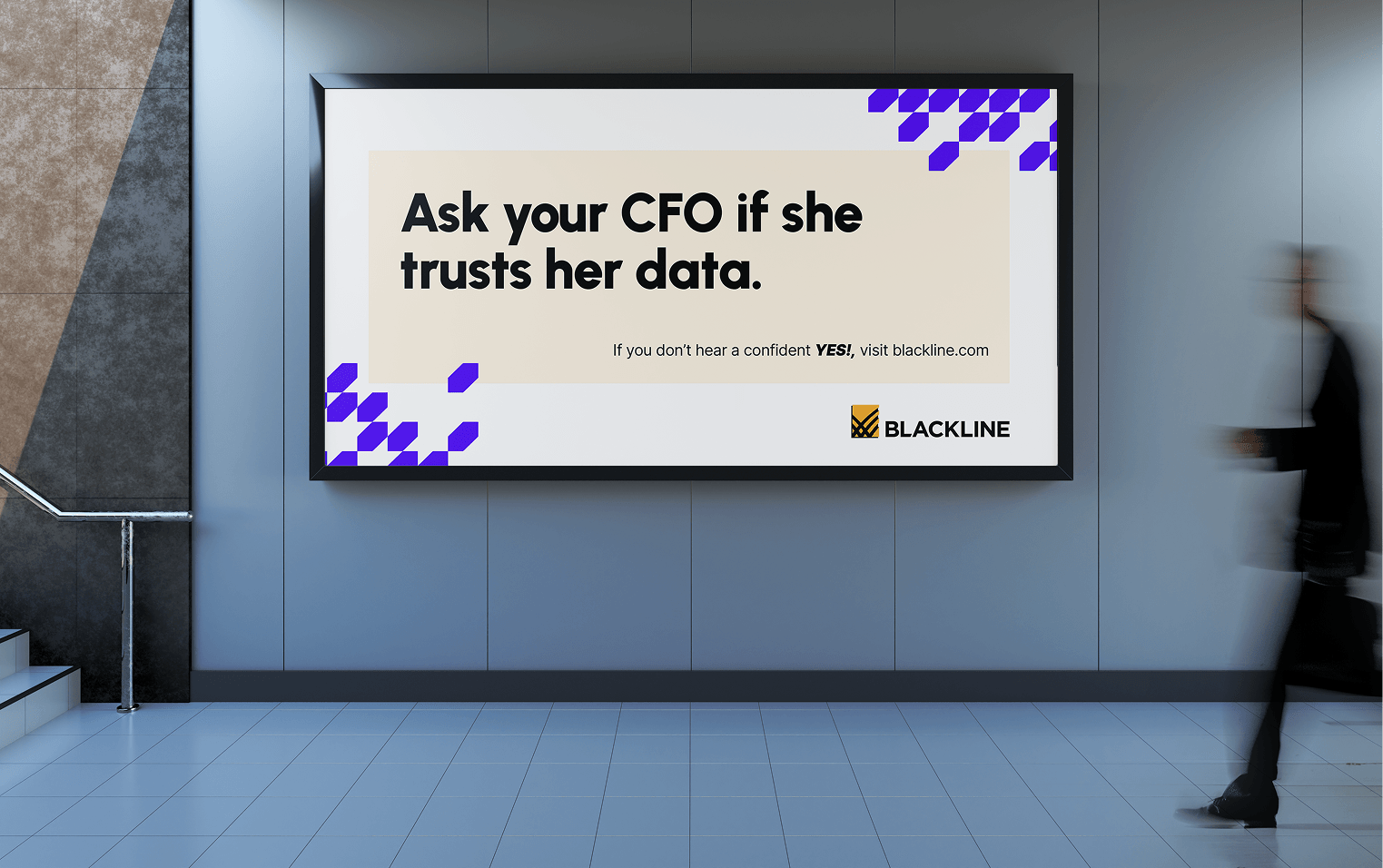
Image Credits
Photo: Brian Cummings
Popular
-

Portraits of the Valley
-

LA’s Most Inspiring Stories
-

Mason Ewing Is Bringing a World of His Imagination to Life Through Film
-

Dr. NanaEfua Afoh-Manin Is Rethinking What It Means to Be Healthy, Not Just Healed
-

Greg Hex Is Turning the Everyday Kitchen Knife Into a Modern Design Object
-

Rick Norris Learned That Building a Successful Business Means Building a Life You Actually Want to Live


