



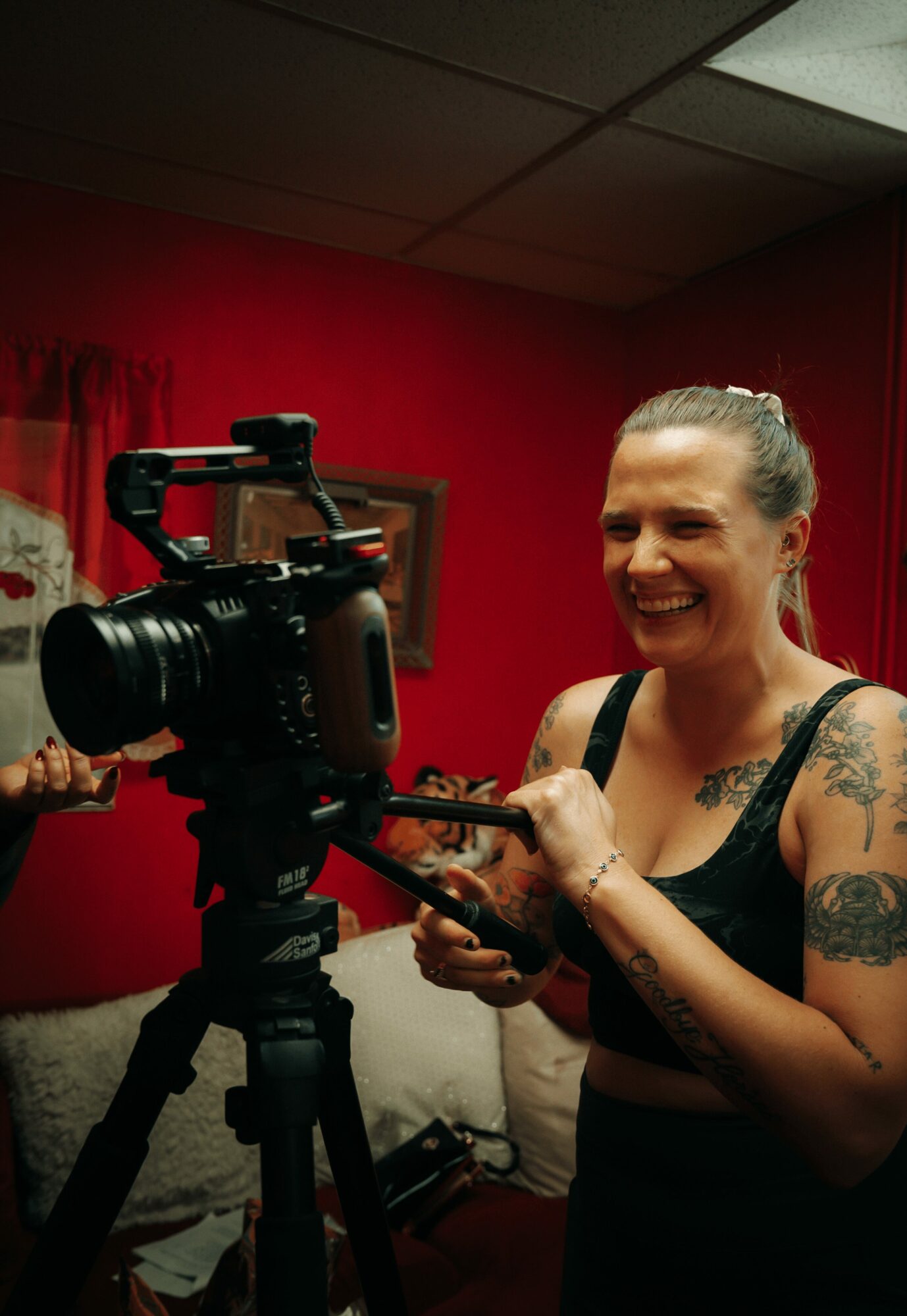
Today we’d like to introduce you to Sarah Bitely.
Hi Sarah, it’s an honor to have you on the platform. Thanks for taking the time to share your story with us – to start maybe you can share some of your backstory with our readers?
I started making films while I was studying in Ithaca, New York, and very quickly fell in love with directing—not only with telling stories, but with all of the different elements that come together to create a film. I loved the way an image, a piece of music, a performance, an edit, or even a moment of silence could completely change the way an audience experiences a story.
When I moved to Los Angeles at 21, I didn’t have much money or many resources, but I had a movie I desperately wanted to make called Pimpkillah. Since I couldn’t afford to make the feature I was imagining, I started creating the world of the film in whatever ways I could. I made zines and comic books based on the story and sold them at local comic book shops—including the much-missed Meltdown Comics—as well as zine festivals and WonderCon. Eventually, I was able to turn Pimpkillah into a short film. That experience taught me something I still carry with me: sometimes being a filmmaker means finding another door when the one you originally imagined isn’t open yet.
I’ve been creating ever since, moving between horror and psychological thrillers, music films, fashion videos, and more experimental work. Although the forms have changed, I’ve found myself continually drawn to stories that engage with uncomfortable or complicated parts of our society. Some of my previous work has explored trauma, gender-based violence, and women’s autonomy. My current work has brought me to climate change—an issue so enormous that it can sometimes feel abstract, even though its consequences are increasingly part of our everyday lives.
I’m interested in what filmmaking can do in that space. I don’t believe a film alone can solve a crisis, but I do believe art can make something we intellectually understand become emotionally tangible. It can create empathy, discomfort, conversation, and maybe even a greater sense of responsibility. After nearly two decades of making things—sometimes with resources and sometimes simply through persistence—I’m still optimistic about storytelling. The world is facing difficult questions, but I think artists have an opportunity to engage with them honestly, to challenge complacency, and to imagine what could still be possible.
I’m sure it wasn’t obstacle-free, but would you say the journey has been fairly smooth so far?
One of the biggest challenges throughout my career has been learning how to create without always having access to the money, resources, or connections that can make filmmaking easier. There have definitely been moments when an idea felt much bigger than what I realistically had available to me. But over time, I learned not to see those limitations as a reason to stop creating.
I’ve been incredibly grateful to find fellow filmmakers, artists, performers, and musicians who are just as passionate about making something meaningful and who are willing to come together to help bring an idea to life. Some of my favorite creative experiences have come from working with people who believed in a project because they connected with the vision, not because there was a huge budget behind it. That sense of community has been invaluable to me.
I also became much more independent as a filmmaker along the way. I started shooting and editing many of my own projects, which initially came out of necessity but eventually became an important part of my creative process. Learning those skills gave me more freedom to experiment, make decisions instinctively, and continue creating without always having to wait for the perfect circumstances or a large team to come together.
Of course, having more resources can open doors, but I’ve also learned that limitations can sometimes lead to unexpected ideas. They force you to problem-solve and think differently. I still have much bigger things I hope to create, but I’m grateful that the journey has taught me how to take an idea and find some way—however small at first—to make it exist.
Appreciate you sharing that. What else should we know about what you do?
I’m a director, editor, and cinematographer, and I’ve always been drawn to the entire process of filmmaking rather than just one part of it. I love building a project from its earliest idea through the final image—thinking about performance, cinematography, rhythm, music, editing, and how all of those elements can work together to create a feeling.
I’m probably best known for Pimpkillah, an action film that began as a comic and zine series before I was able to bring the story to the screen. That project represents a lot of what has shaped me as a filmmaker: creating independently, working with what I have, and finding unconventional ways to build a world when traditional resources aren’t necessarily available.
My work has since moved through action, horror, psychological thrillers, music films, and fashion, but I think the common thread is that I’m interested in visually driven storytelling that explores something beneath the surface. I’m drawn to atmosphere, music, movement, and juxtaposition, but also to subjects that reflect larger issues—whether that has involved trauma, addiction, gender-based violence, women’s autonomy, or, most recently, climate change.
The project I’m most proud of right now is Our Brilliant Destruction, an immersive music film fueled by a powerful album about climate change. The film charts a journey through the disasters we’ve created and the fragile hope that we might still save our collective home. Blurring the line between concert cinema, visual art, and narrative storytelling, it brings urgent lyrics to life through imagery that confronts the climate crisis while also asking audiences to emotionally engage with something we often experience through statistics and headlines.
What probably sets me apart is that I’ve learned to be very hands-on. Because I direct, shoot, and edit much of my own work, I’m able to carry an idea through multiple stages of its creation and experiment without feeling confined to one role. I don’t necessarily think filmmaking has to fit neatly into one genre or format. I’m most excited by finding the form that best serves the idea.
What I’m proudest of, ultimately, is that I’ve continued to create. Every project has taught me something new, and I still feel like I’m evolving as a filmmaker. I’m excited about making work that is visually ambitious while also engaging with the world we’re living in—and hopefully contributing, even in a small way, to conversations that matter.
Do you have any advice for those looking to network or find a mentor?
My biggest advice is to put yourself out there and be open about what you want to create. So many opportunities and relationships can start simply by talking about what you’re passionate about and letting people know what you’re working toward. I think networking feels much more natural when you approach it as finding a community rather than trying to make a connection for a specific purpose.
What has worked best for me is surrounding myself with people who are genuinely excited about creating. Find collaborators who are just as passionate, curious, and motivated as you are, and continue supporting each other as you grow. Some of the most valuable relationships aren’t necessarily traditional mentor relationships—they can be fellow filmmakers and artists who share knowledge, encourage you, introduce you to new people, and challenge you creatively.
I also think it’s important to stay open to learning from everyone you work with. Mentorship can come from unexpected places. If you keep showing up, making things, asking questions, and being generous with other creatives, you tend to find yourself surrounded by the right people.
Contact Info:
- Website: https://www.sarahbitely.com
- Instagram: @ourbrilliantdestructionfilm
- Youtube: https://youtu.be/Vfi1LYA_ZCk
- Other: https://vimeo.com/sarahbitely
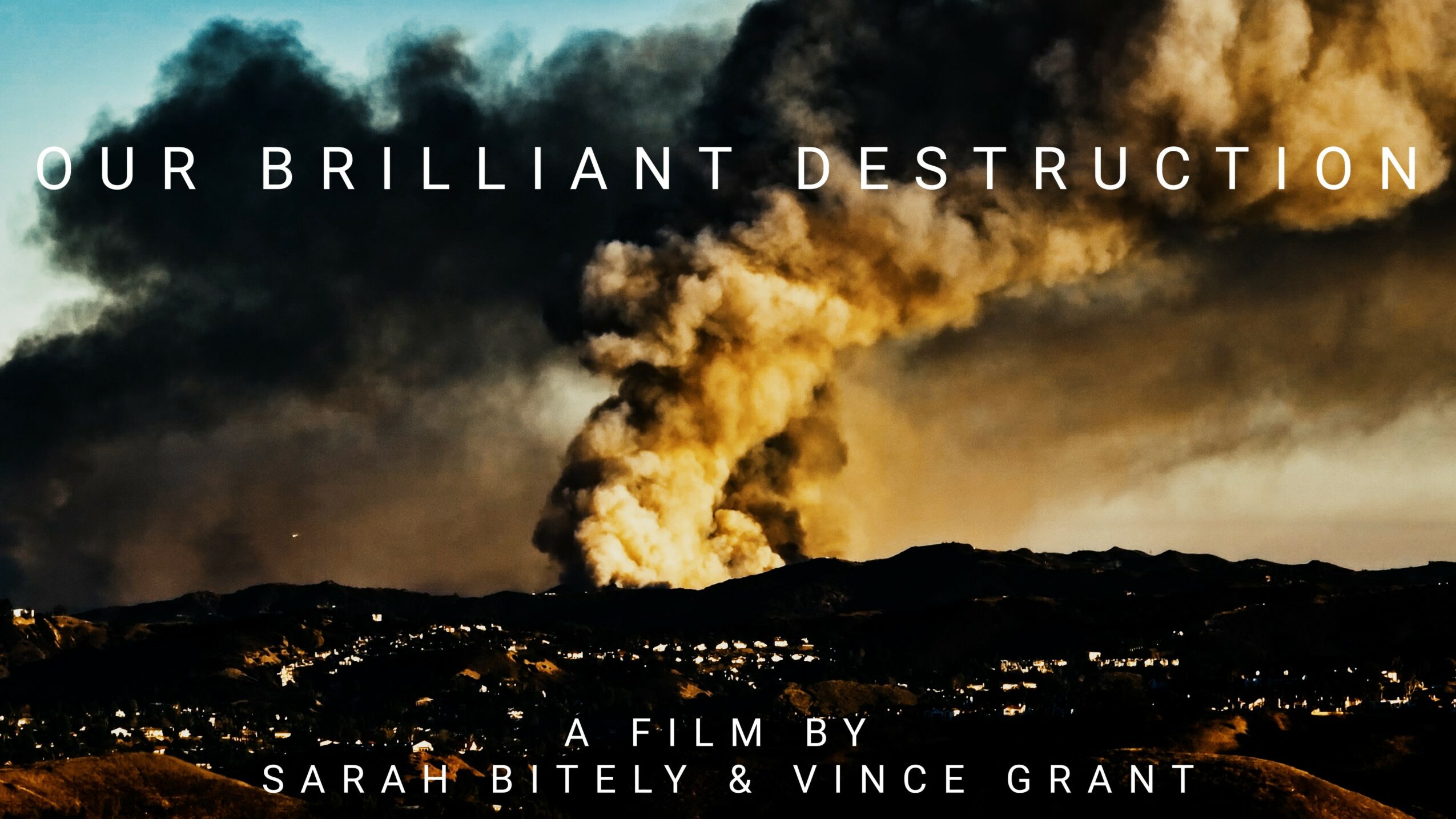
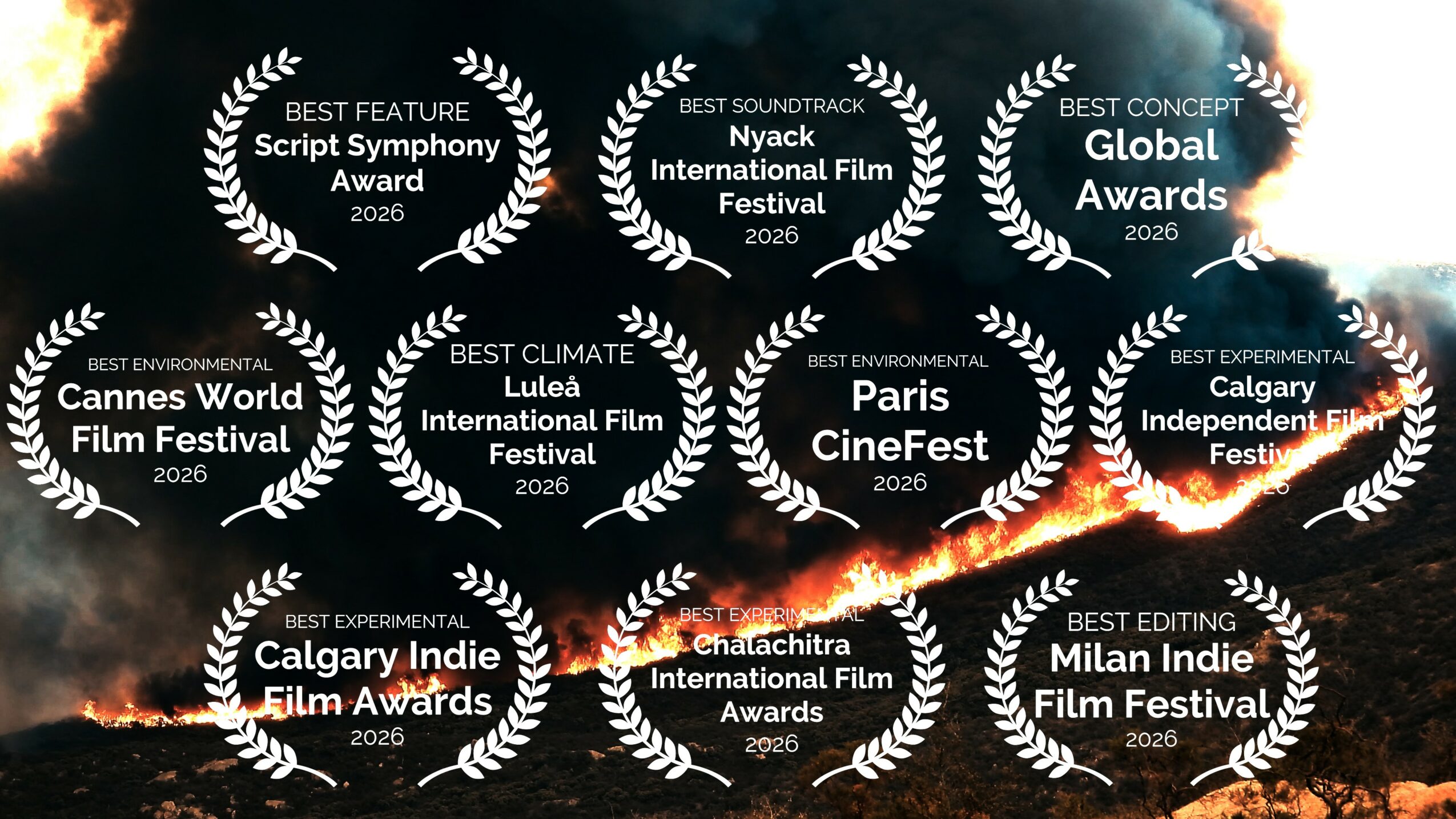
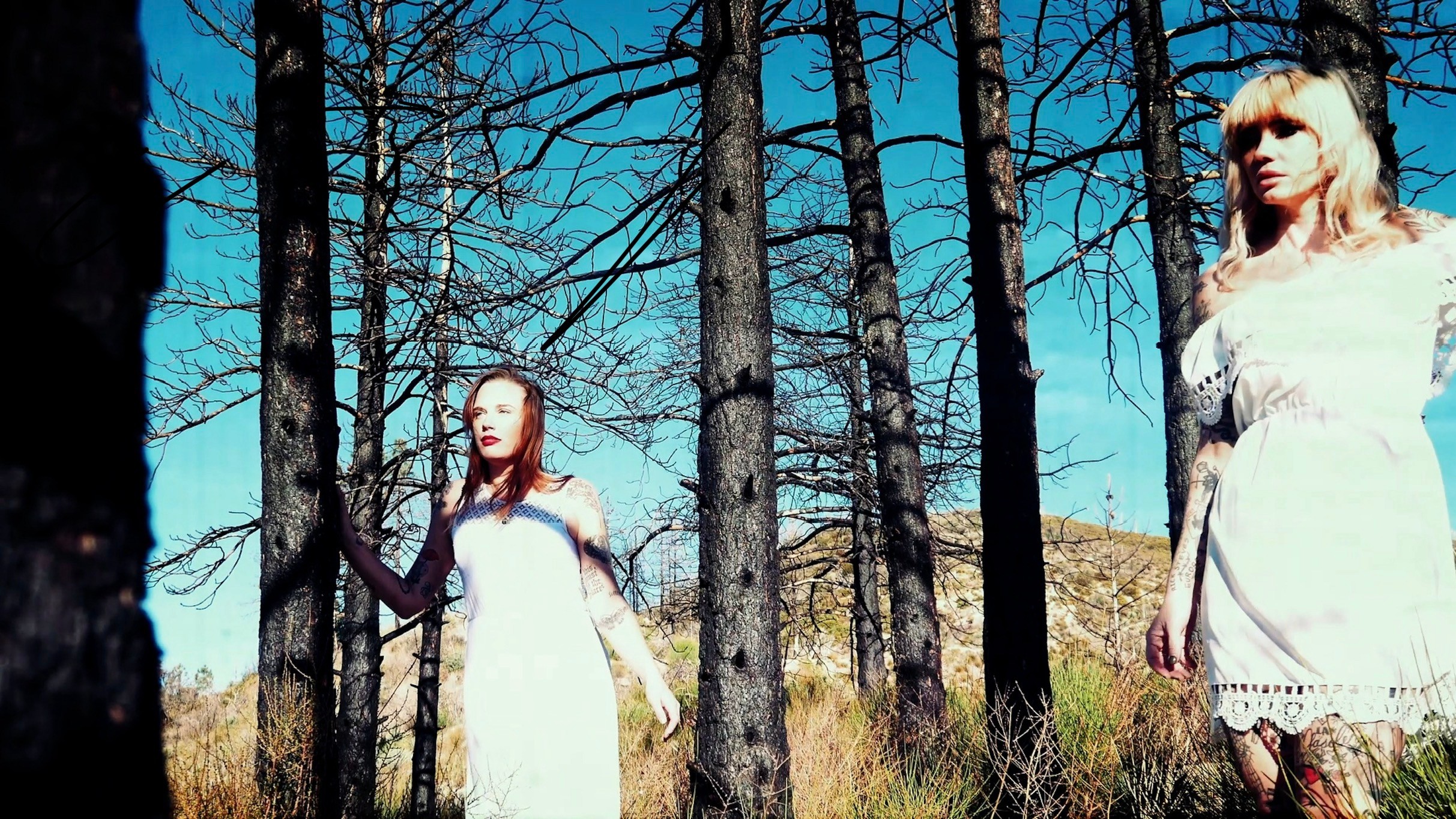
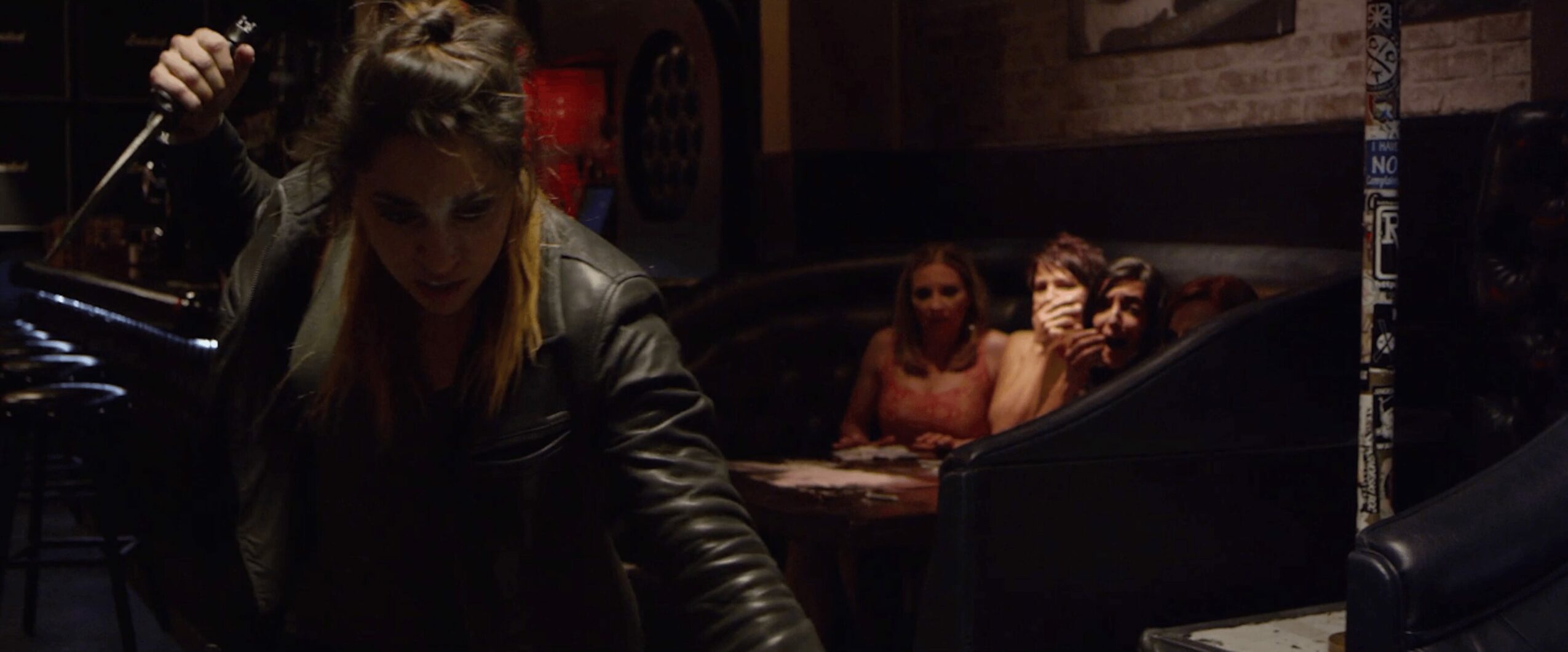
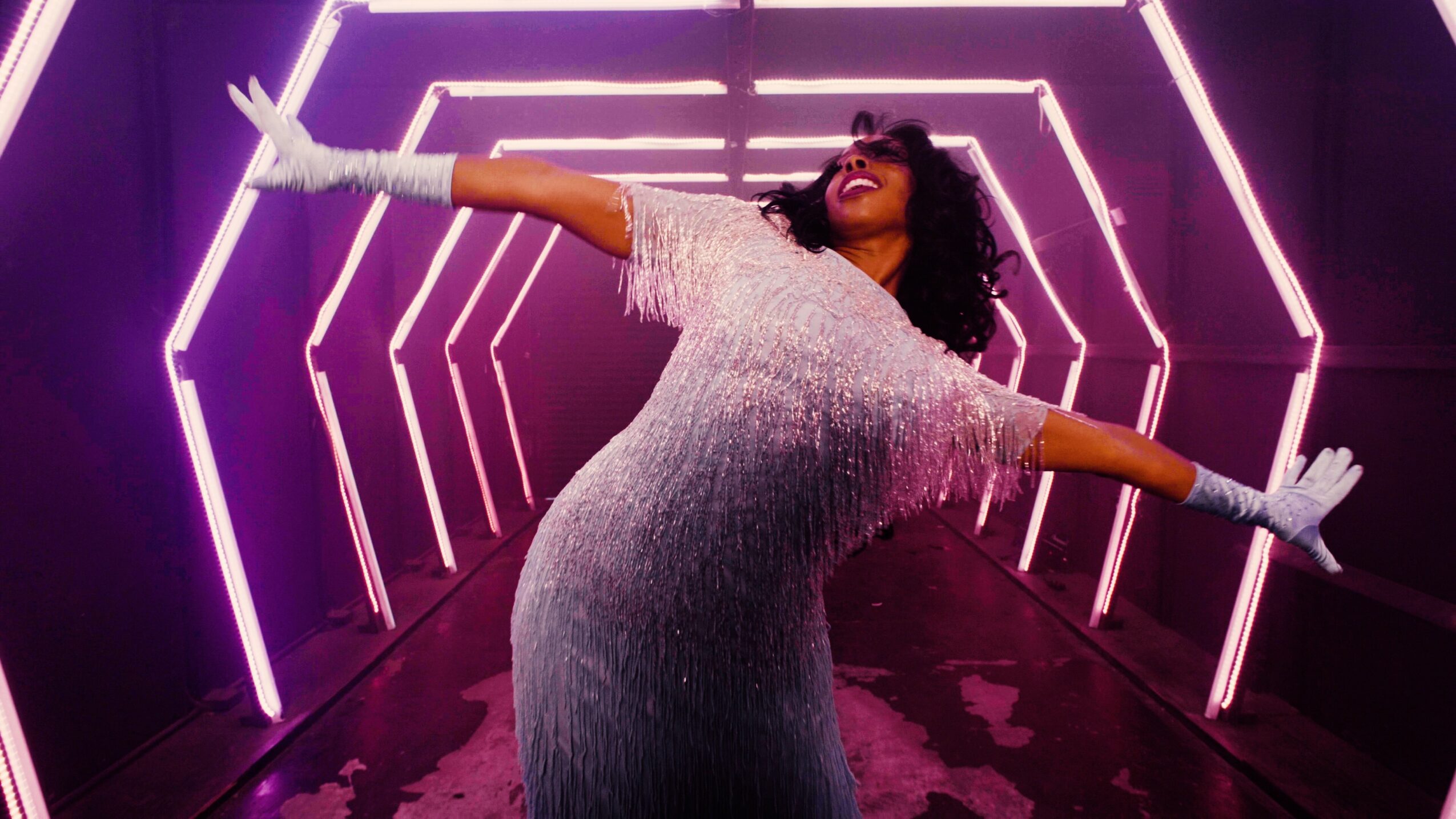
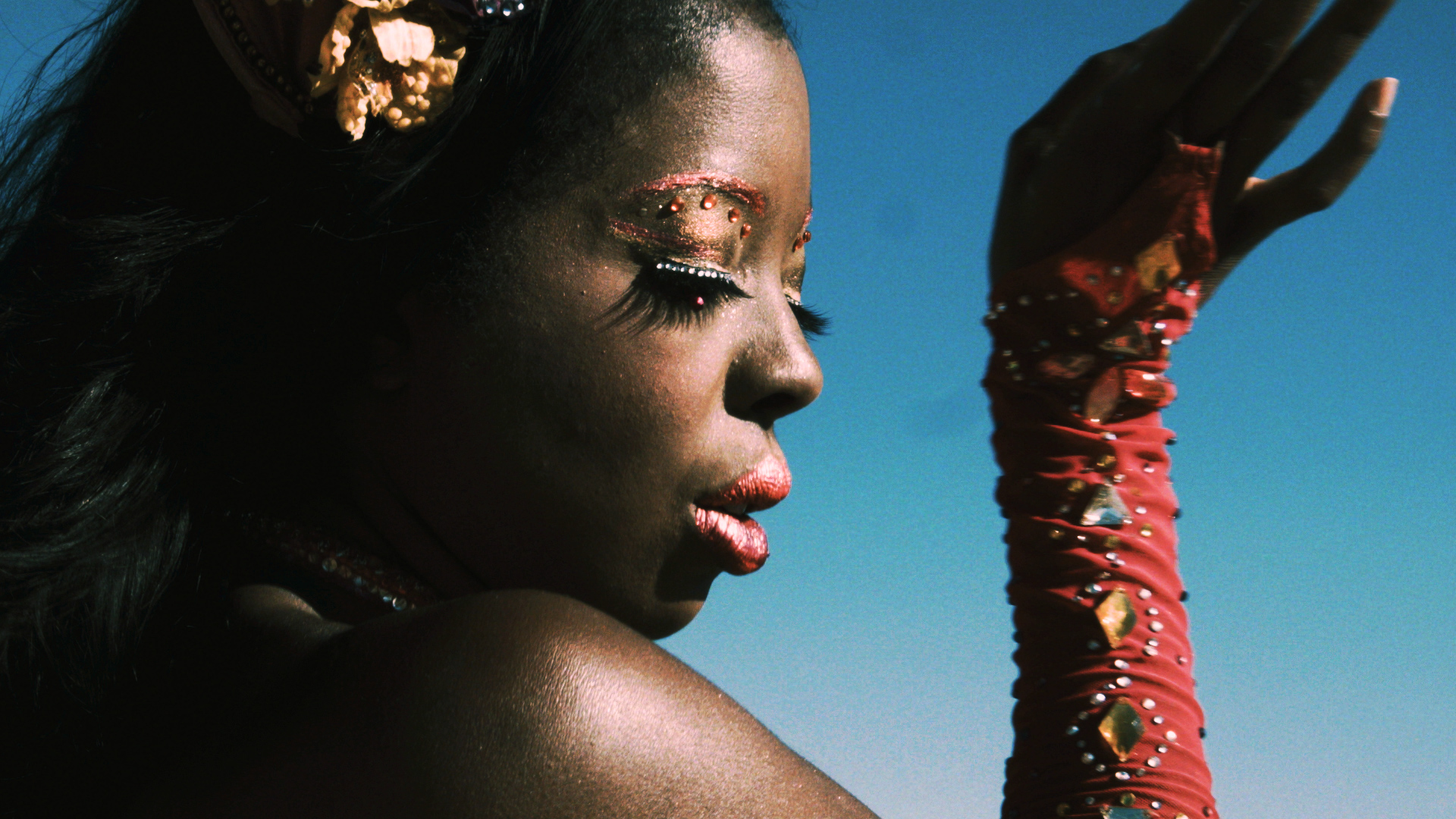
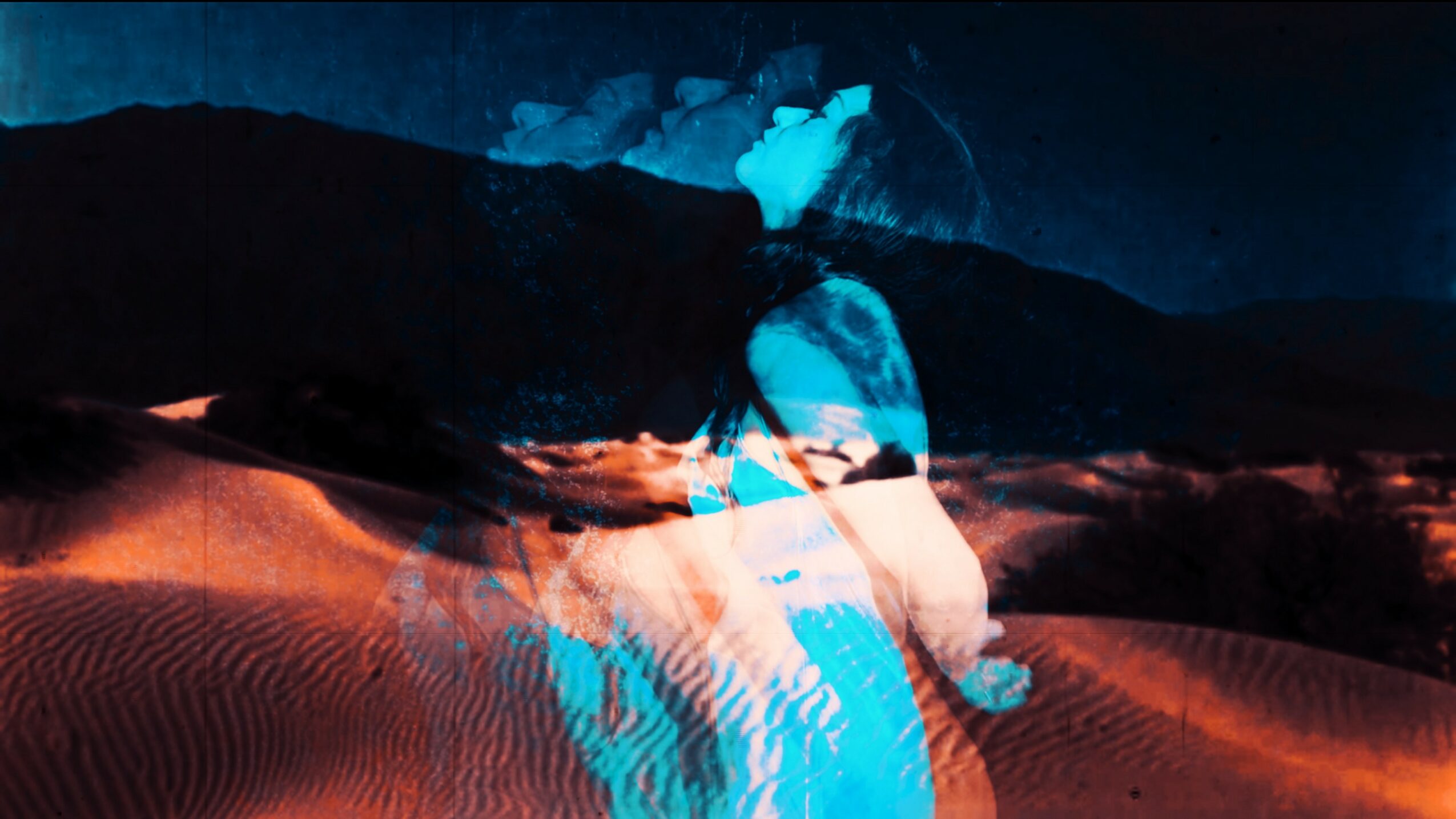
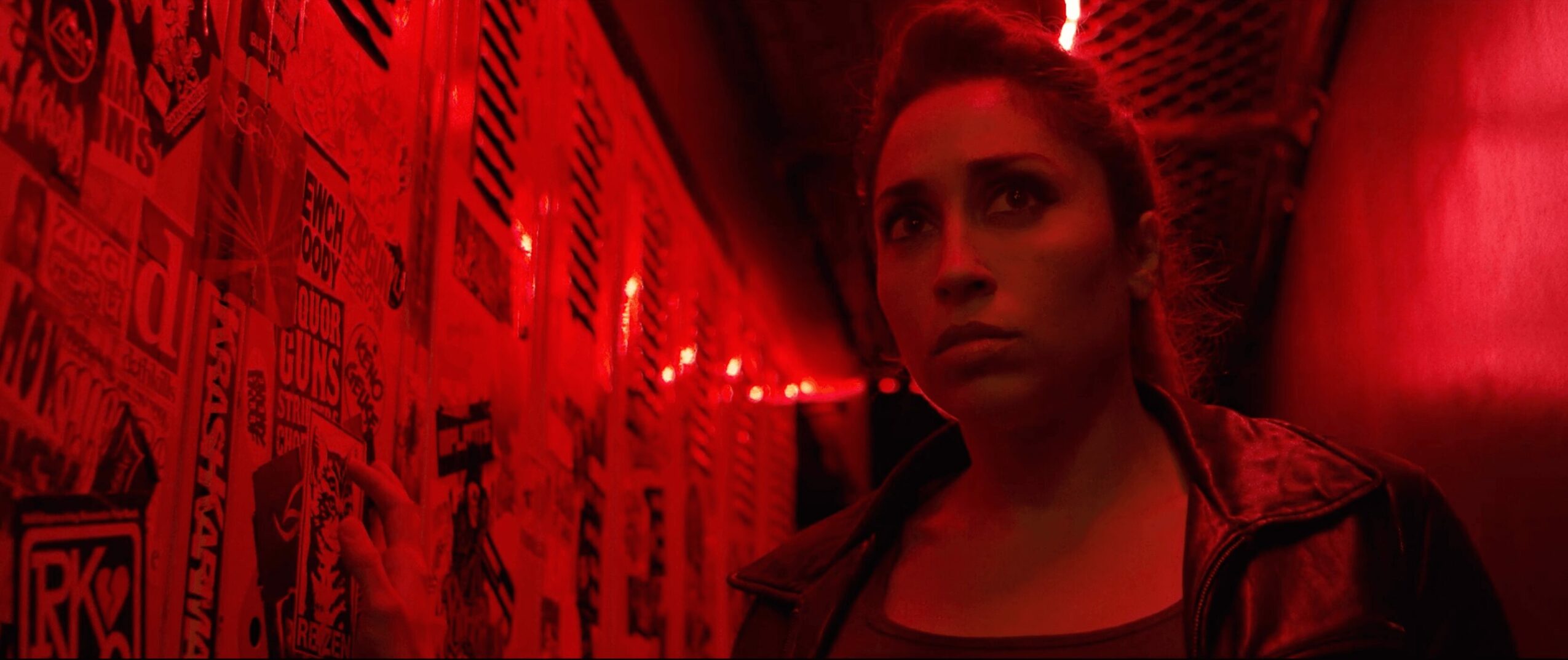
Image Credits
Hannah Dimas
Cale Nichols
Popular
-
Mason Ewing Is Bringing a World of His Imagination to Life Through Film
-

Dr. NanaEfua Afoh-Manin Is Rethinking What It Means to Be Healthy, Not Just Healed
-

Portraits of the Valley
-

LA’s Most Inspiring Stories
-

Greg Hex Is Turning the Everyday Kitchen Knife Into a Modern Design Object
-

Rick Norris Learned That Building a Successful Business Means Building a Life You Actually Want to Live


