



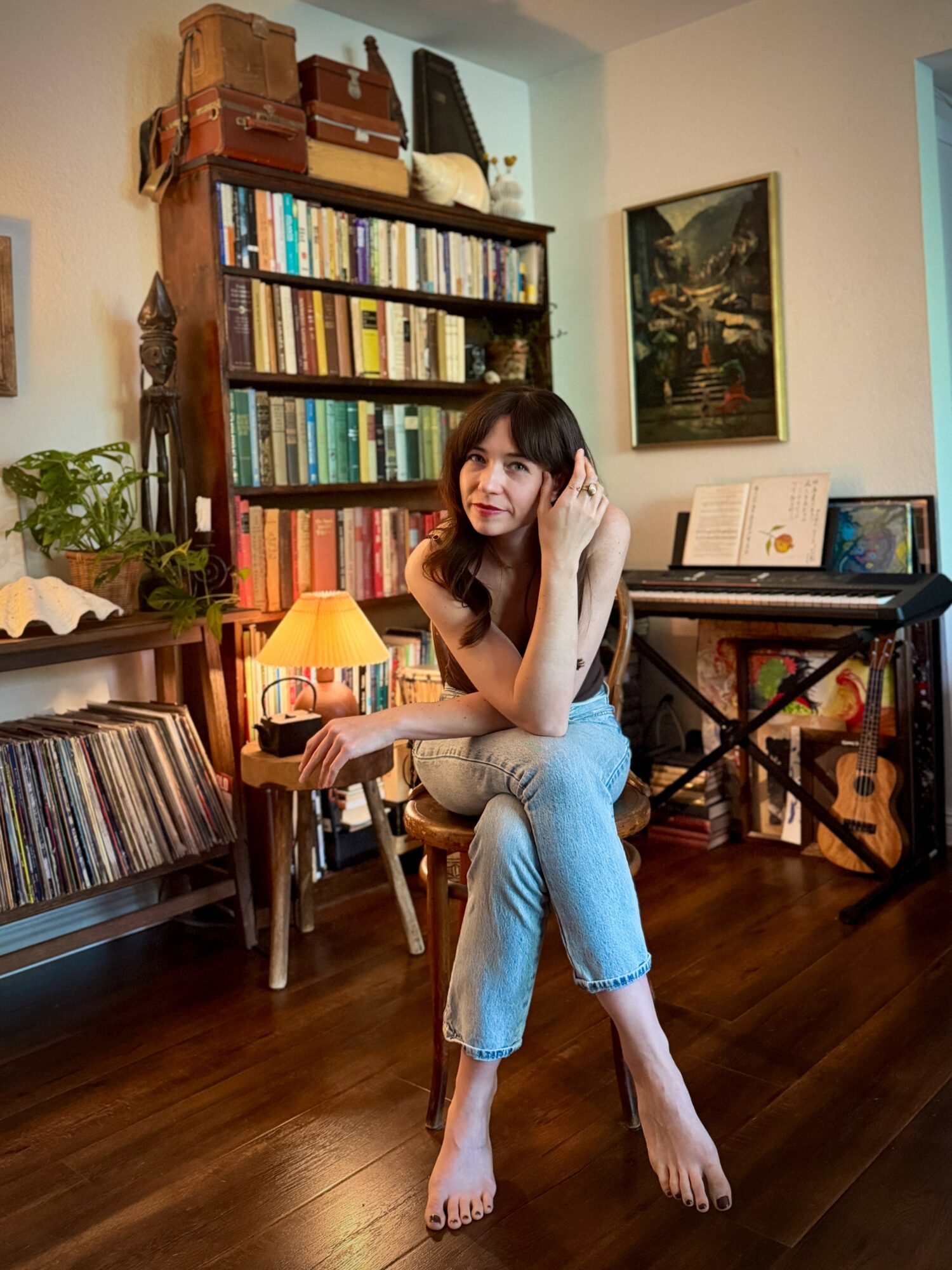
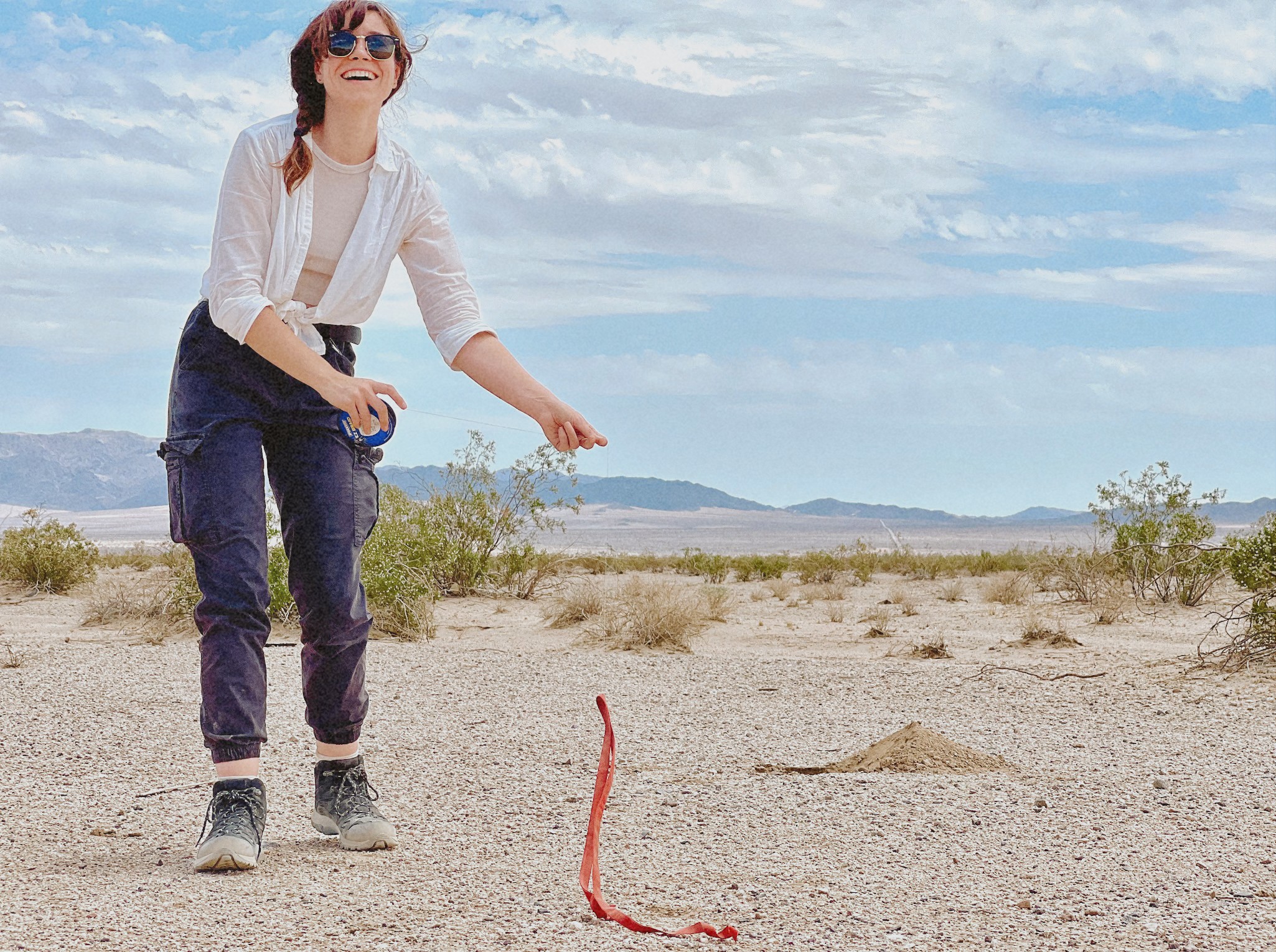
Today we’d like to introduce you to Reka Vivien Szabo.
Hi Reka Vivien, we’d love for you to start by introducing yourself.
Like many others, I’ve been drawn to Art from a very young age and had a very vivid imagination. Growing up between Hungary and Long Beach, California I loved anything creative: painting surrealist abstract art, photography, singing, poetry, ballet, designing house floor plans instead of studying, and I was also a competitive ice dancer /figure skater.
After high school I had major decision overwhelm. My biggest challenge wasn’t finding something that I loved – it was choosing just one thing.
I attended an Arts Management program at Oxford Brookes University in Budapest, Hungary, where I was exposed to many of the creative industries. At the time, I thought the answer to finding my career path was as simple as going to school.
But my real epiphany moment had nothing to do with college.
I was 19 years old, when I went to see a Tim Burton film in the movie theater, and I remember thinking “I could have done better” – For the record, I absolutely most definitely could not! Lol – but I felt a calling and had a grand realization: that Film was such a complex art form that it embodied nearly every creative interest I had been juggling my whole life.
Film became my master plan.
I decided I wanted to become a film director, despite being told that as a woman and an immigrant with no connections I would have a very difficult time making it in the industry. The fact that female filmmakers were so rare at the time, only made it more intriguing to me. I wanted to be the exception.
What I didn’t realize at the time, was that the people designing these incredible worlds I was infatuated with weren’t in fact directors. They were production designers, set decorators and an entire crew of creatives who worked behind the scenes without a spotlight on them. Once I discovered this, I could not imagine a more fitting profession. I felt like suddenly my entire life made sense. I’ve been designing worlds in my backyard and making secret hidden homes for my toys in my closet since I was a kid. In high school I was a full time “architect” for The Sims – spending more time designing houses, cutting out pics from interior design magazines, than doing my homework. It truly seemed like everything I’ve ever done led me to this path and I was somehow predestined to become a designer for film.
From that point on, I became determined to find my way into the film industry. Every time life threw me an obstacle or things seemed impossible I kept repeating my mantra: ‘You can’t fail, if you don’t give up”.
After I graduated university in 2013, I volunteered at film festivals and grabbed every opportunity to meet people in Film. When I came across film students, I would simply ask them if they had a production designer for their projects, and when they said no, I asked if I could be their Production designer. I never got to attend film school, I just simply decided that I was a production designer. I went on to design about a dozen short films over the next 2 years while working full time jobs at a shoe store and later I became a producer’s assistant and production coordinator at a Budapest based Film Production company.
In 2015, I quit my job and moved back to Long Beach, Ca with my dog to live with my elderly father. I left family, friends, film connections, and a steady film job behind. But for me, this was for the greater good and it was finally coming home. Being a daughter of two countries, who lived the last 19 years in Hungary, the longing I felt to come back to my birthplace was like a gravitational pull.
I arrived in Los Angeles with zero film connections, so I volunteered to be a set dresser on an AFI student film. That is when I met the now highly acclaimed director Feng-i Fiona Roan who asked me to design her next project. Her trust in me led to more referrals and opportunities and over the next 2 years the American Film Institute became my unofficial film school.
The first indie feature film I ever day-played on, I met my dear late friend Bianca. I believe meeting her was one of the biggest turning points of my career. Through her recommendations I was finally able to break out of the student film world and get real paying film jobs. Sometimes you just need one person, who truly believes in you and to be your biggest cheerleader in rooms where you aren’t there to speak for yourself. I am forever grateful to her.
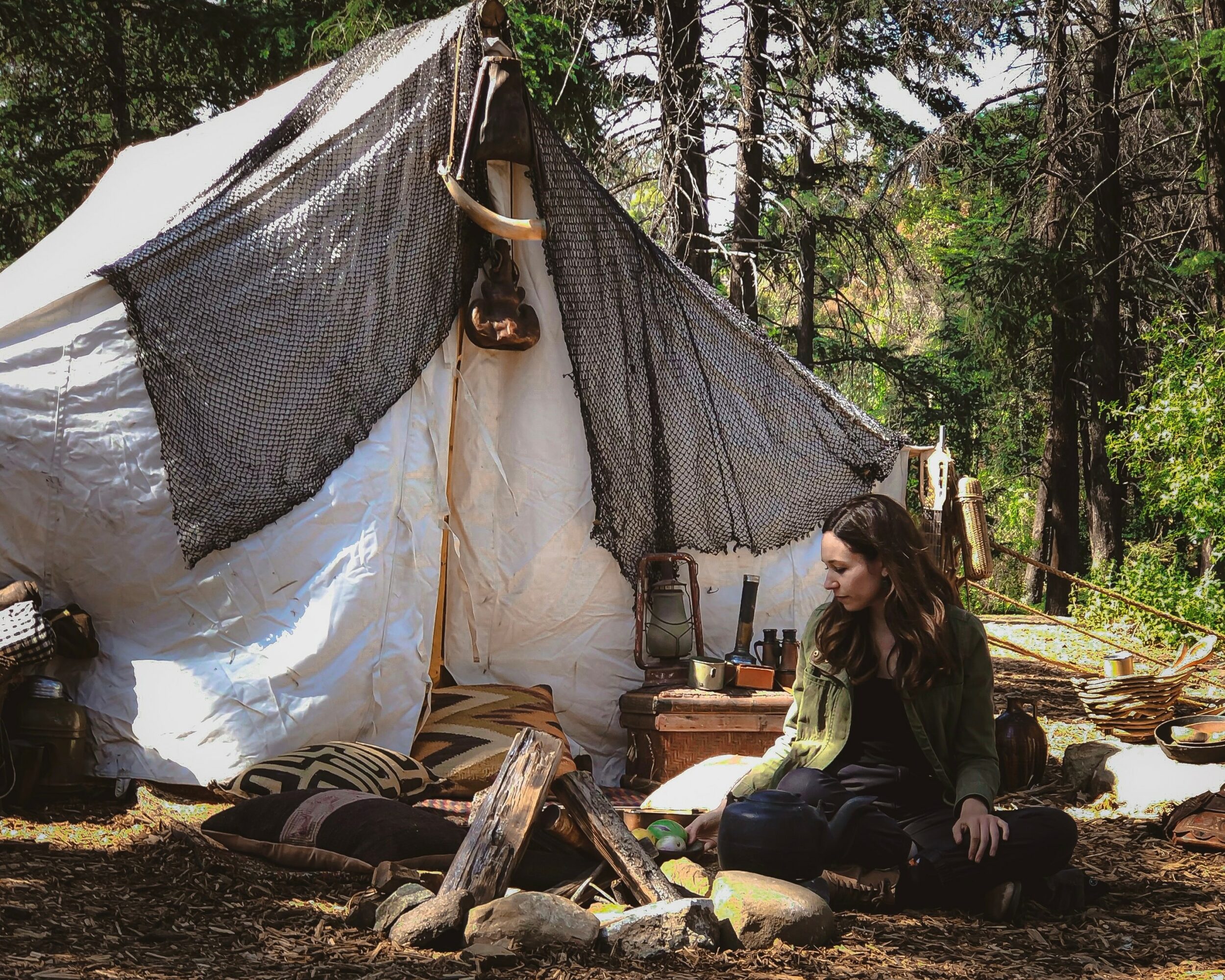
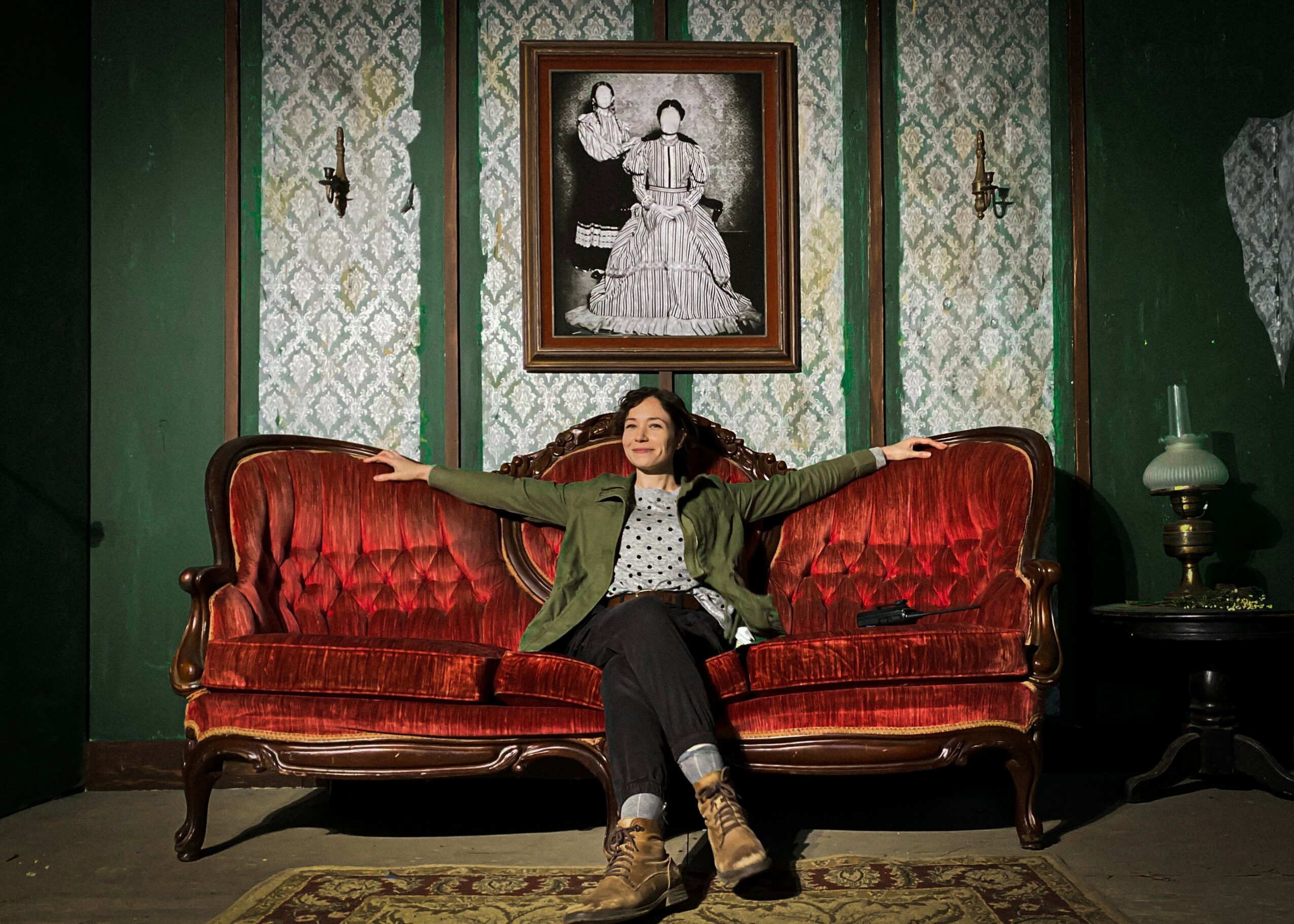
Today I work both as a Production Designer and Set decorator. I love contemporary interior design, but my specialty and true passion lies is period narratives and character driven stories.
Can you talk to us a bit about the challenges and lessons you’ve learned along the way. Looking back would you say it’s been easy or smooth in retrospect?
Definitely not!
Being a freelancer in the film industry is the opposite of a smooth and painless path. lol
Personally one of my biggest challenges was definitely moving to California from across the world and starting over in a somewhat familiar but still foreign place. I still dealt with a language barrier, despite being bilingual with nearly no accent. I had to learn to understand everyday slang and do taxes, find work when I didn’t know a single soul…
Then It is one thing to get into the industry, and then staying in it is another thing.
Even once you get hired on a project the obstacles never stop.
Sometimes we experience a roller coaster of emotions and more problems to solve in 24 hours than in 3 months or years otherwise. There are of course easier projects than others!
But it is also all about perspective. Life and film jobs will always have problems. You have to be able to recognize when you have good problems that are solvable, so you can accept it as part of the process, and not see it as a conspiracy against you.
Losing parents, my dog and a close friend in the past 5 years have definitely affected me both in my personal life and career. It was difficult to navigate and stand up from each one of those traumas. If anything, it made me see life and my work from a different perspective.
That’s why when we bump into challenges on set and it seems like the end of the world, we have to remind ourselves not to take it too seriously. Doesn’t matter how passionate we are about a project, life is too short and precious to be frustrated about mundane things, problems are there to be solved and they can’t be nearly as bad as any real life problem.
That being said, I still do everything I can to resolve issues, and I still stress and probably care too much about my projects. I tend to be a perfectionist and I can be pretty hard on myself. That is something I am working on is trying to find a healthy work – life balance and take care of myself when on a job, while still feeling like I gave it my all. I guess those are the struggles I am actively dealing with today. But these are good struggles 🙂
Thanks for sharing that. So, maybe next you can tell us a bit more about your work?
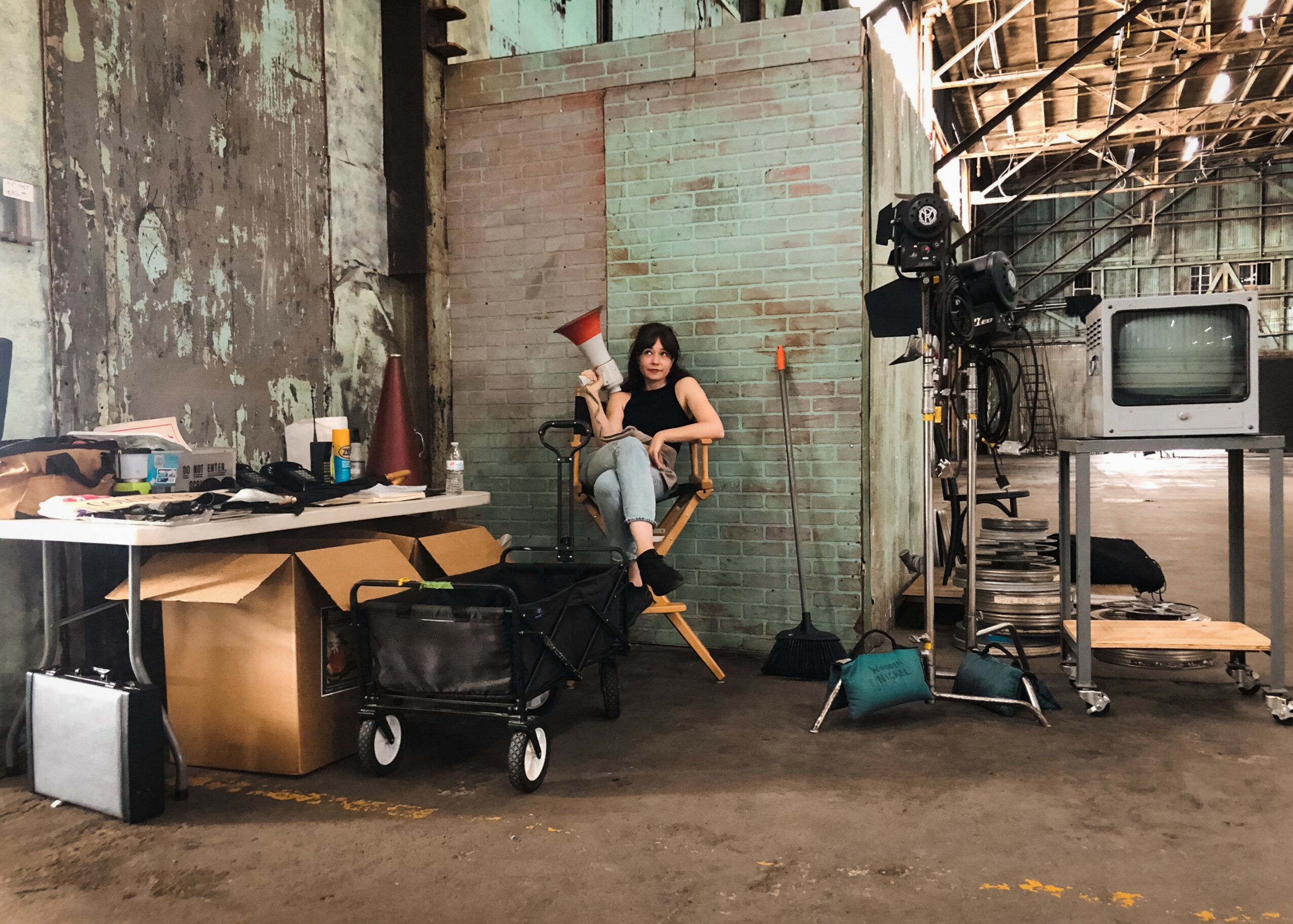
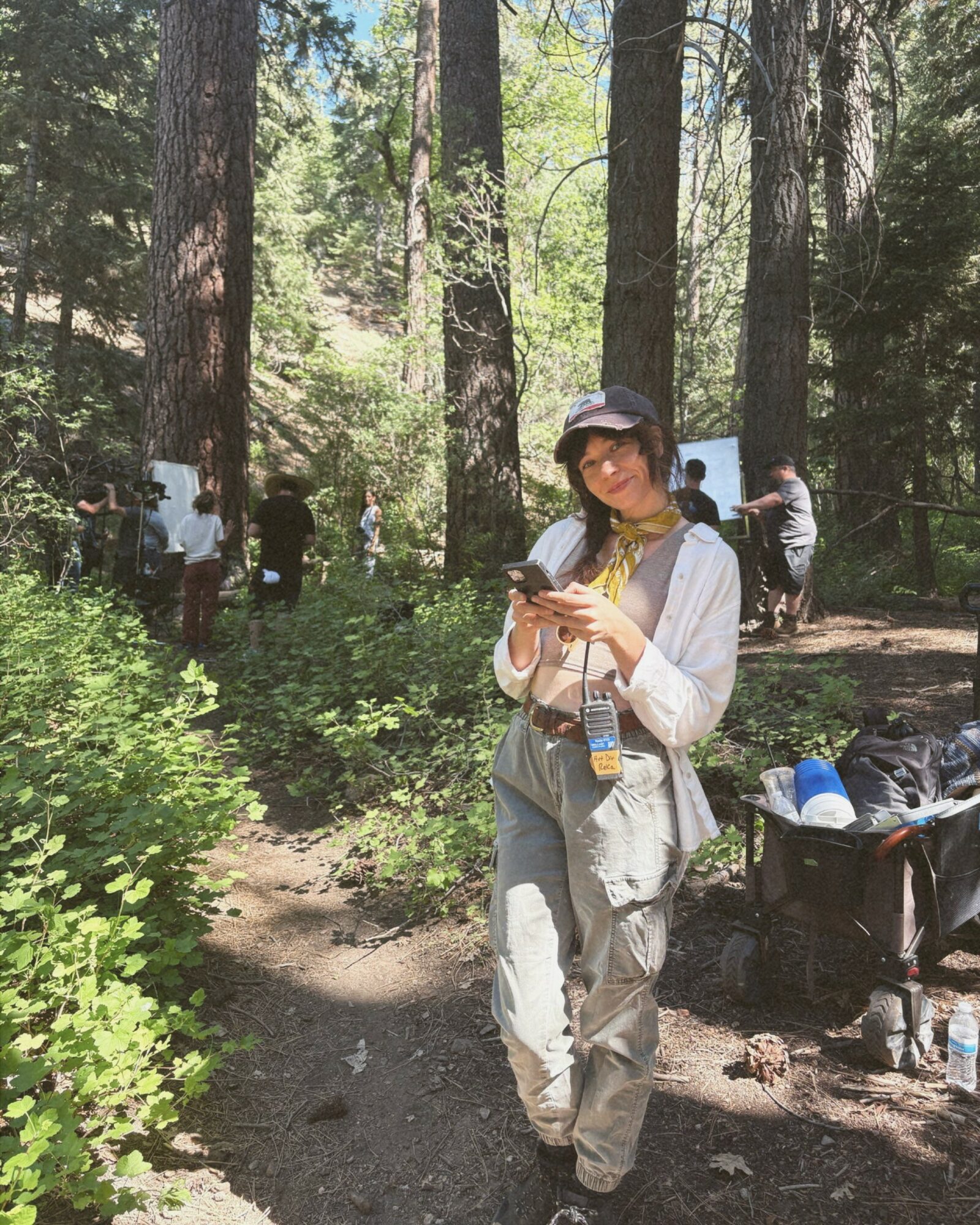
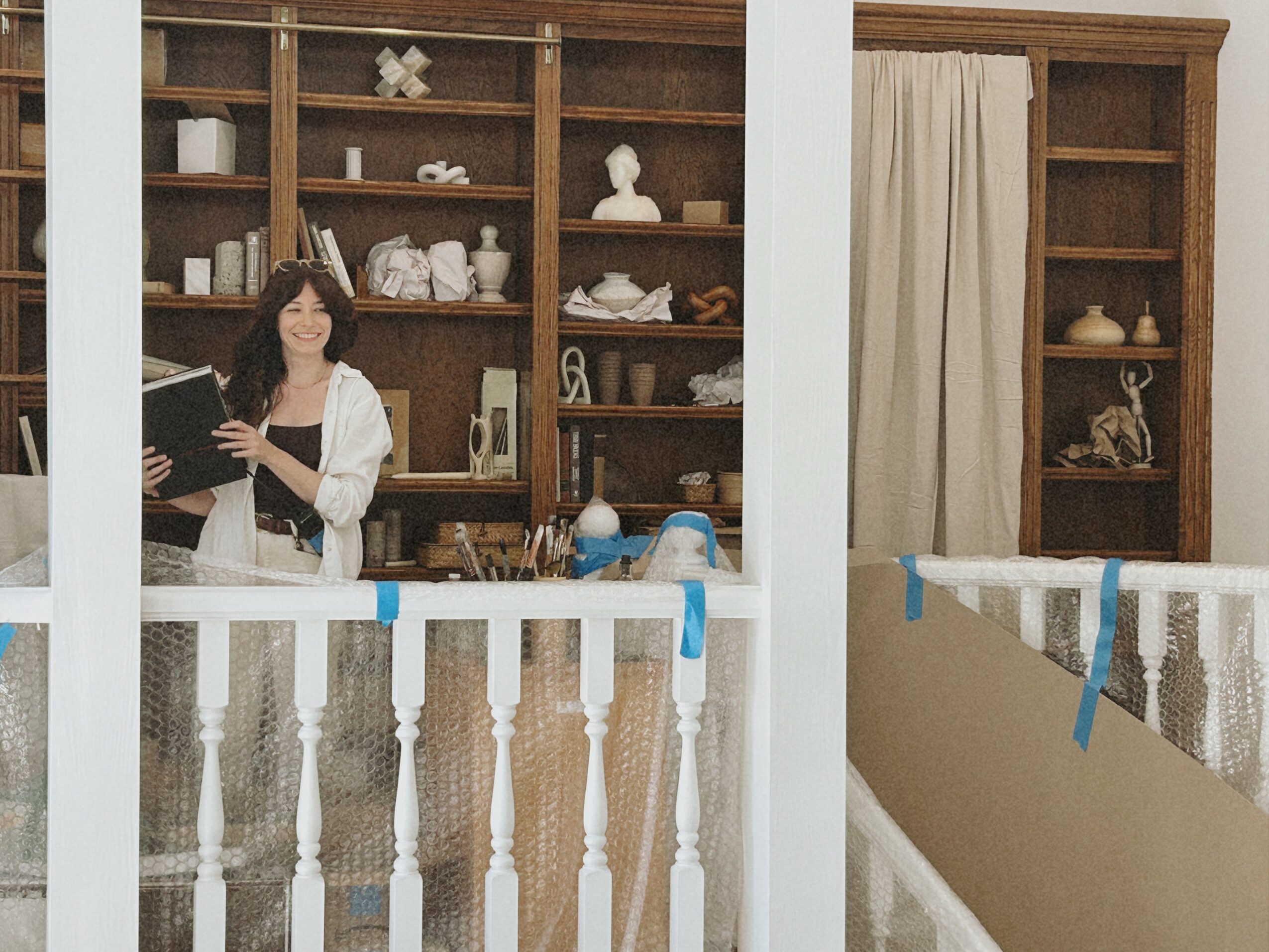
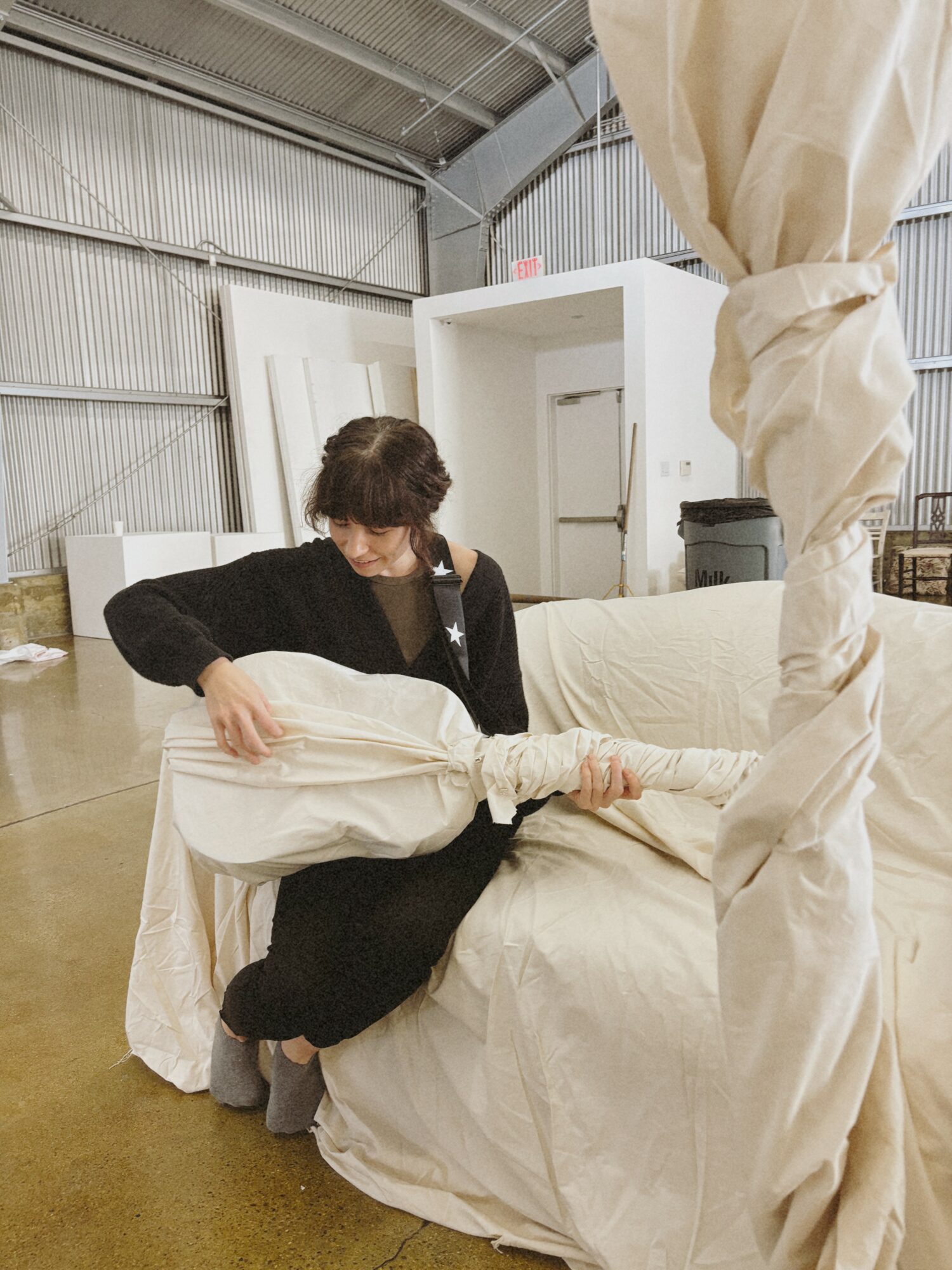
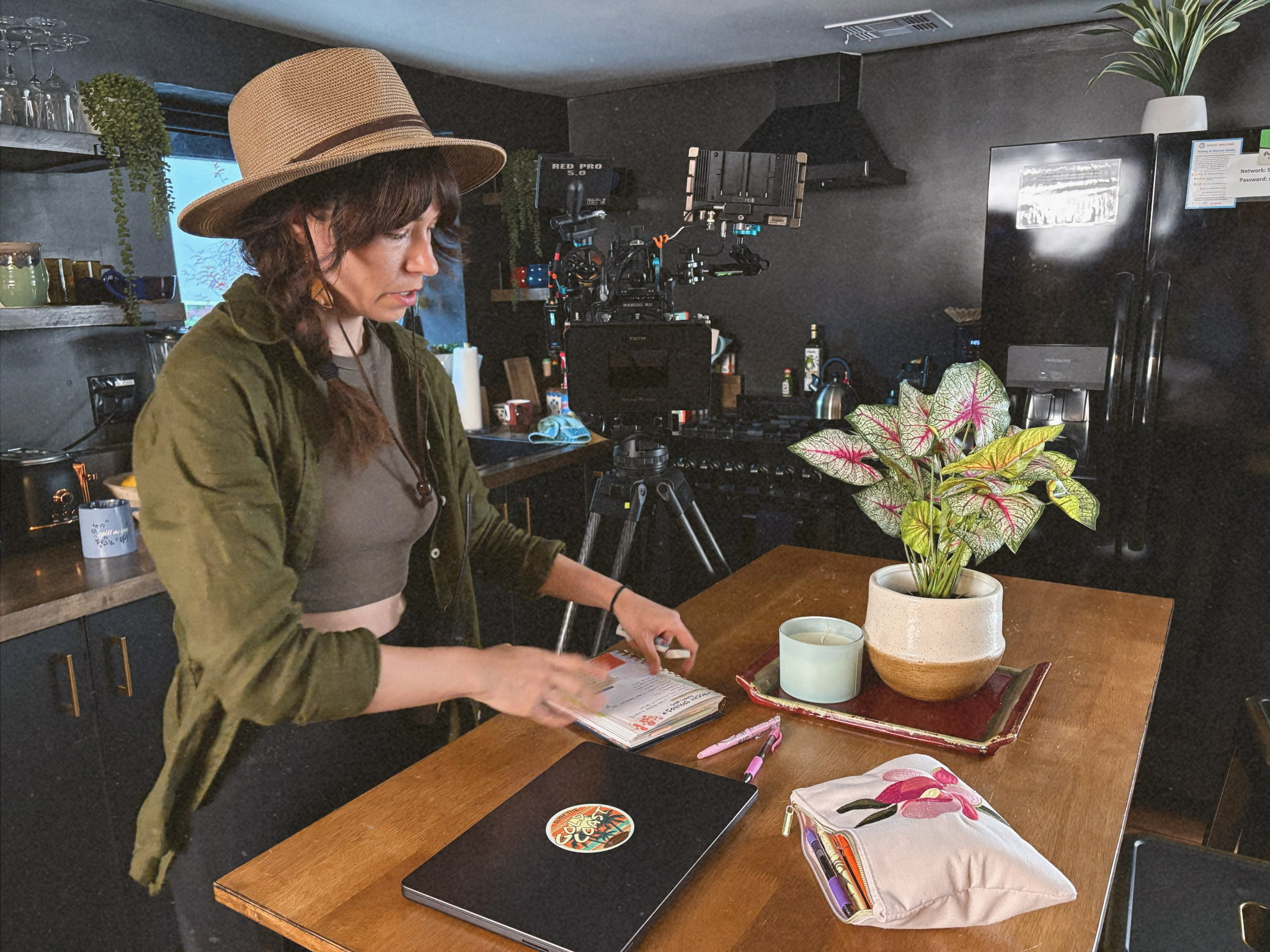
I am a Production Designer and Set Decorator and I sometimes work as a Buyer.
I do a lot of contemporary designs for commercials and projects across different formats, however my true passion lies in period narratives and character-driven stories.
I would say period pieces are my specialty. I have designed every decade from the 20th century so far.
I have a background in Art history, so that comes in handy.
For the most part though, any time I get to design or decorate a character’s personal space, I thrive in exploring the emotional development throughout the script and analyzing their psyche and character and translating that into my sets.
I love the collaboration between the department heads and talking through the script itself, and then based on those convos, coming up with ideas of how that is reflected in color palettes, textures and compositions.
I love figuring out the intricacies and details that silently tell the story in the background and layering textures to create a more lived-in eclectic visual within the story world. Many of my character builds in my sets are deeply personal to me as I always strive to find a personal connection to them. It’s sort of method production designing if you will!
I am most proud of the jobs where my art team and I had to overcome a lot of challenges and despite it all ,we created something beautiful. Sometimes the team collaborations and the camaraderie makes a project more memorable because you can tell from the end results on screen, the love – or the blood and tears -we poured into it!
I feel every production designer has their own approach in their work, so it’s hard to distinguish in what way am I different from others. I am self taught, and didn’t have any mentors till I had already production designed about 20 narrative short films. So I had to learn a lot of things the hard way. However, the most I’ve learned from other designers later on was logistics, which is a big part of the job. My artistic approach was all self- developed, so I guess maybe that sets me apart from others. And perhaps my international background and life experiences.
Do you have recommendations for books, apps, blogs, etc?
I don’t necessarily have favorites. It depends on what is needed for each job.
For research and inspiration in my work, I use a variety of tools and mediums. I rely heavily on the internet for information and for visual references I use Pinterest a lot or Film stills archival websites, vintage books I inherited and of course actual films.
When I did Eastern European or World War movies I used to dig through my grandfather’s WW2 pics or family photos from that time or browsed through my dad’s extensive photo collection.
As for organization in my work and everyday life, I use google calendar and google drive apps all the time!
All this being said, the research and mood-boarding process has been rapidly changing in the past few months with AI in the mix. You can’t google anything without AI generated answers and now every other director I work with sends me AI concept images before we even have a design meeting. I know this is currently a controversial topic within the artist world.
I am trying to stay open minded and looking at it as, this is probably what people felt like when they invented cars or computers. People are afraid of its potential. I think AI has a lot of useful features, but it is important that AI is used to support our work and not replace it.
AI is a fast moving train, and if we don’t jump on it and learn to use it, it will leave without us.
Contact Info:
- Website: https://www.rekavivien.com/
- Instagram: https://www.instagram.com/rekavivien/
- Other: https://www.imdb.com/name/nm6373260/?ref_=nv_sr_srsg_0_tt_0_nm_5_in_0_q_reka%20vivien%20szabo
Popular
-
Mason Ewing Is Bringing a World of His Imagination to Life Through Film
-

Dr. NanaEfua Afoh-Manin Is Rethinking What It Means to Be Healthy, Not Just Healed
-

Portraits of the Valley
-

LA’s Most Inspiring Stories
-

Greg Hex Is Turning the Everyday Kitchen Knife Into a Modern Design Object
-

Rick Norris Learned That Building a Successful Business Means Building a Life You Actually Want to Live


