





Today we’d like to introduce you to Andrew Coughlin.
Hi Andrew, we’d love for you to start by introducing yourself.
My path into filmmaking is a bit unconventional compared to the traditional route, but I was first exposed to it when I was 17 years old and spent time on location in the locations department on Ang Lee’s “Ride with the Devil.” Even then, before I fully understood what I was seeing, I remember feeling drawn to the environment and knowing I wanted to pursue filmmaking in some form. However, I didn’t attend film school, but I graduated from Gonzaga University with a major in broadcasting, which was the closest available path to filmmaking at the time. After graduating, I didn’t see filmmaking as something realistically accessible, so I explored a variety of roles — from early jobs in office work and youth programs to production assistant work at a local NBC news station. I then spent time teaching English in South Korea, and later worked in technical and operations roles at a pharmaceutical company. While there, I eventually began creating training videos, which became my first consistent experience working directly with visual storytelling and content creation.
Despite these experiences, filmmaking still didn’t feel like something I had fully found my way working towards. That changed in the summer of 2012 when I responded to a Craigslist ad looking for crew for a 48 Hour Film Project. At that point, I had been so removed from how quickly filmmaking technology had evolved — with affordable digital cameras and accessible editing tools — that I didn’t realize how possible it had become to actually make films independently. Working on that project, primarily in the camera department, reintroduced me to filmmaking in a hands-on way and showed me what was now possible outside of traditional gatekeepers.
After that experience, I wrote and directed my first short film, which led me into working across writing, directing, producing, editing, and cinematography from 2012 to 2016. During that time, I made a series of short films, learning every part of the process through necessity and working in low-budget, highly collaborative environments.
Life then pulled me away for nearly nine years. I got married, had a child, and went through a divorce. In the spring of 2025, I made the decision to return fully to filmmaking in continuing to develop my voice as a writer and director focused on character-driven, emotionally grounded storytelling.
Would you say it’s been a smooth road, and if not what are some of the biggest challenges you’ve faced along the way?
It’s not that the path hasn’t been smooth, just not as linear as I would have liked – at least not after graduating. From 2012 to 2016, things were relatively consistent creatively. Working on a $0 budget with limited crew, I made 11 short films beginning in Kansas City (where I’m from), then moving through Seattle, the Bay Area, and finally Los Angeles.
I would say the biggest struggle during that period wasn’t production itself, but learning the craft through necessity and figuring out how to keep making work with limited resources, small teams, and constant adaptation across different places.
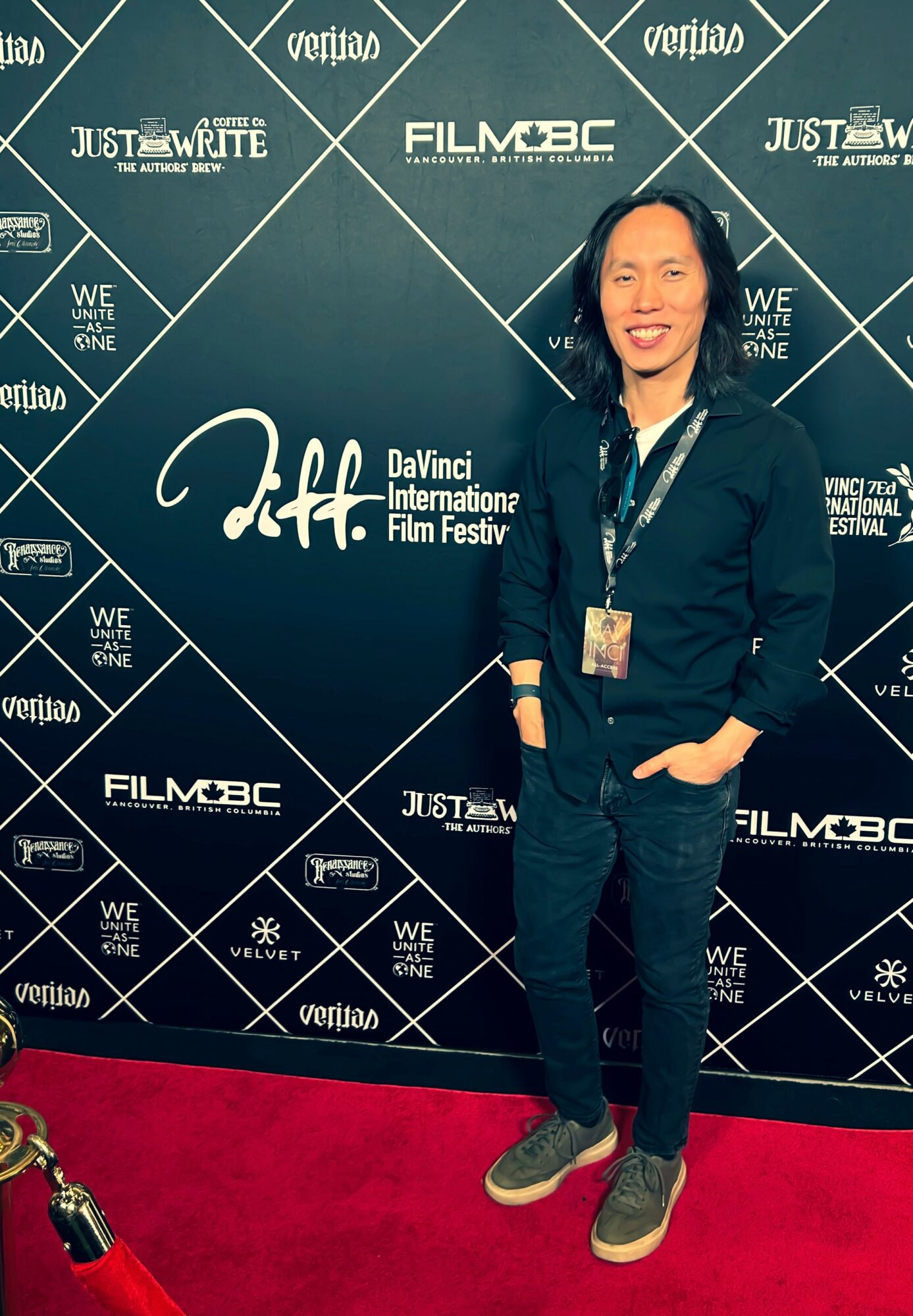
The most significant challenge, in hindsight, was finding my way back to filmmaking after a nine-year hiatus. Stepping away from the craft for that long made returning feel both unfamiliar and intimidating, especially as the industry and technology had continued to evolve. Rebuilding momentum and discipline in 2025, essentially from scratch, was the real test. Since returning, I’ve also taken on the responsibility of being a full-time single father to a young child, which has required a significant amount of structure, discipline, and intentional time management while independently rebuilding my filmmaking practice. Since then, I’ve made four short films entirely on my own, which has been both challenging and ultimately rewarding, as it’s forced me to be very intentional about every part of the process. Two of those recent films have gone on to screen at festivals and receive awards, which has been a meaningful and encouraging sign that the work is connecting.
Appreciate you sharing that. What else should we know about what you do?
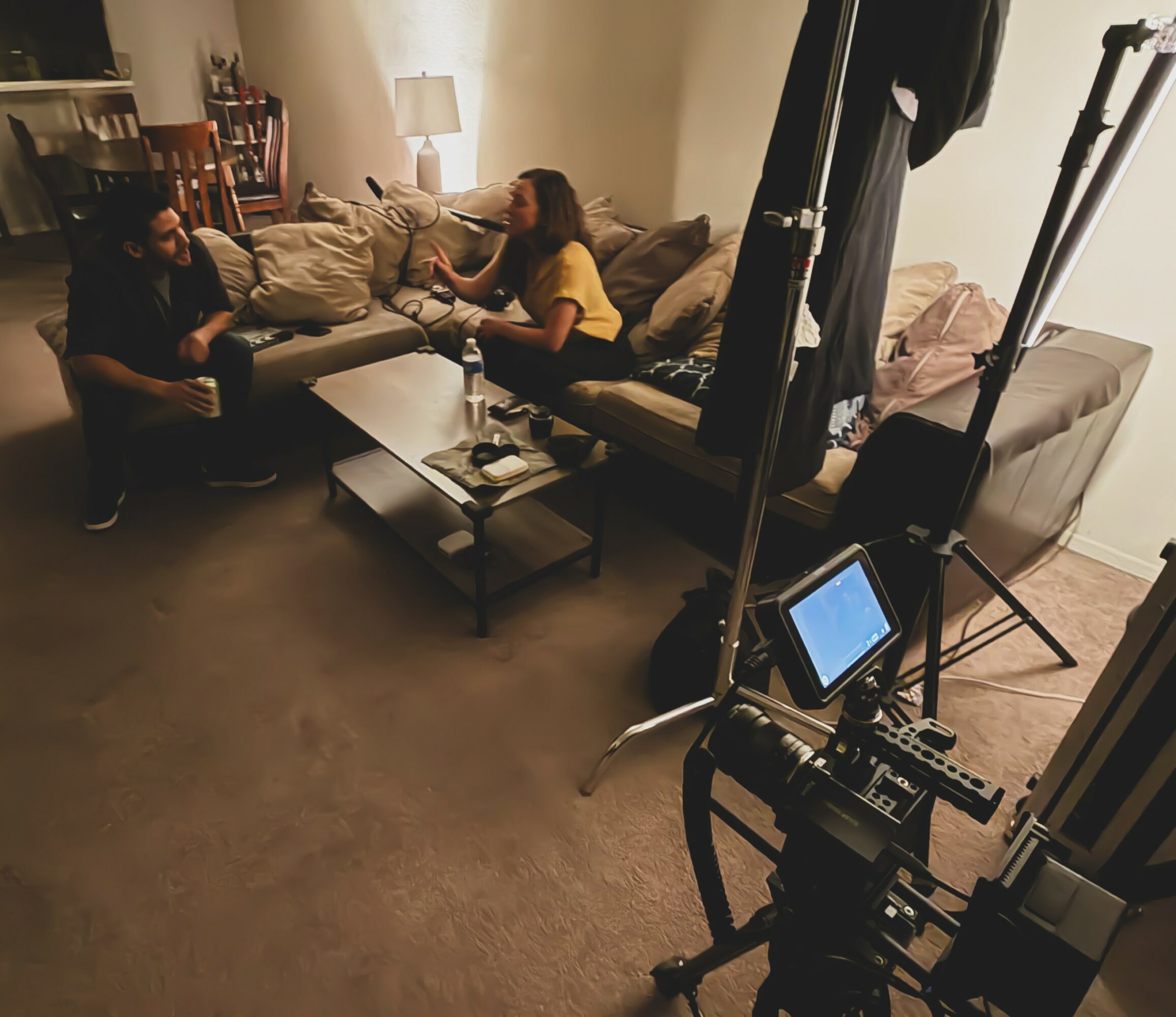
I’m a filmmaker working primarily as a writer, director, editor, and cinematographer, focused on character-driven stories that are emotionally grounded and intimate in scale. My work tends to explore internal conflict and the complexities of human relationships through contained, performance-driven narratives that lean more on atmosphere than spectacle.
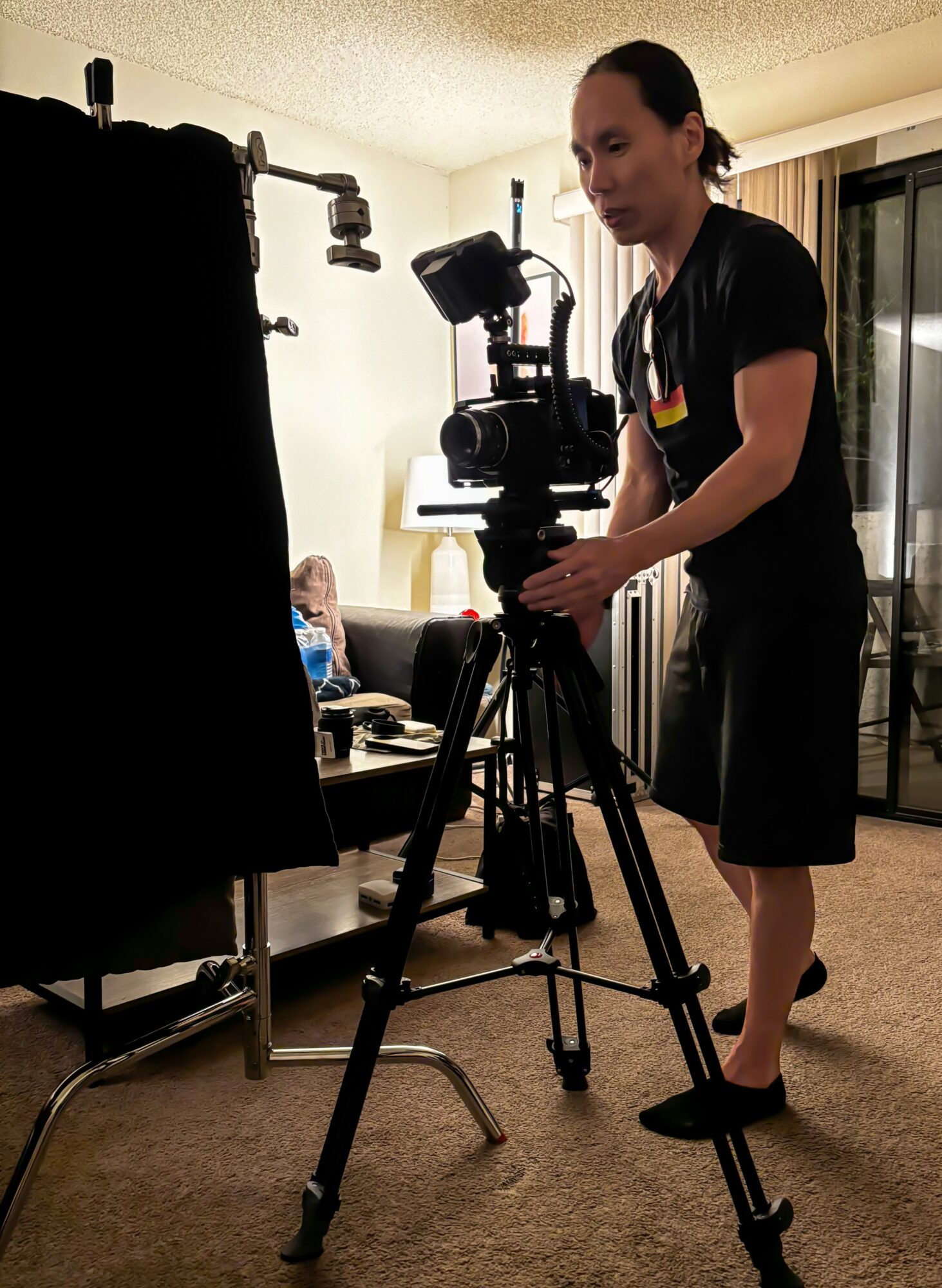
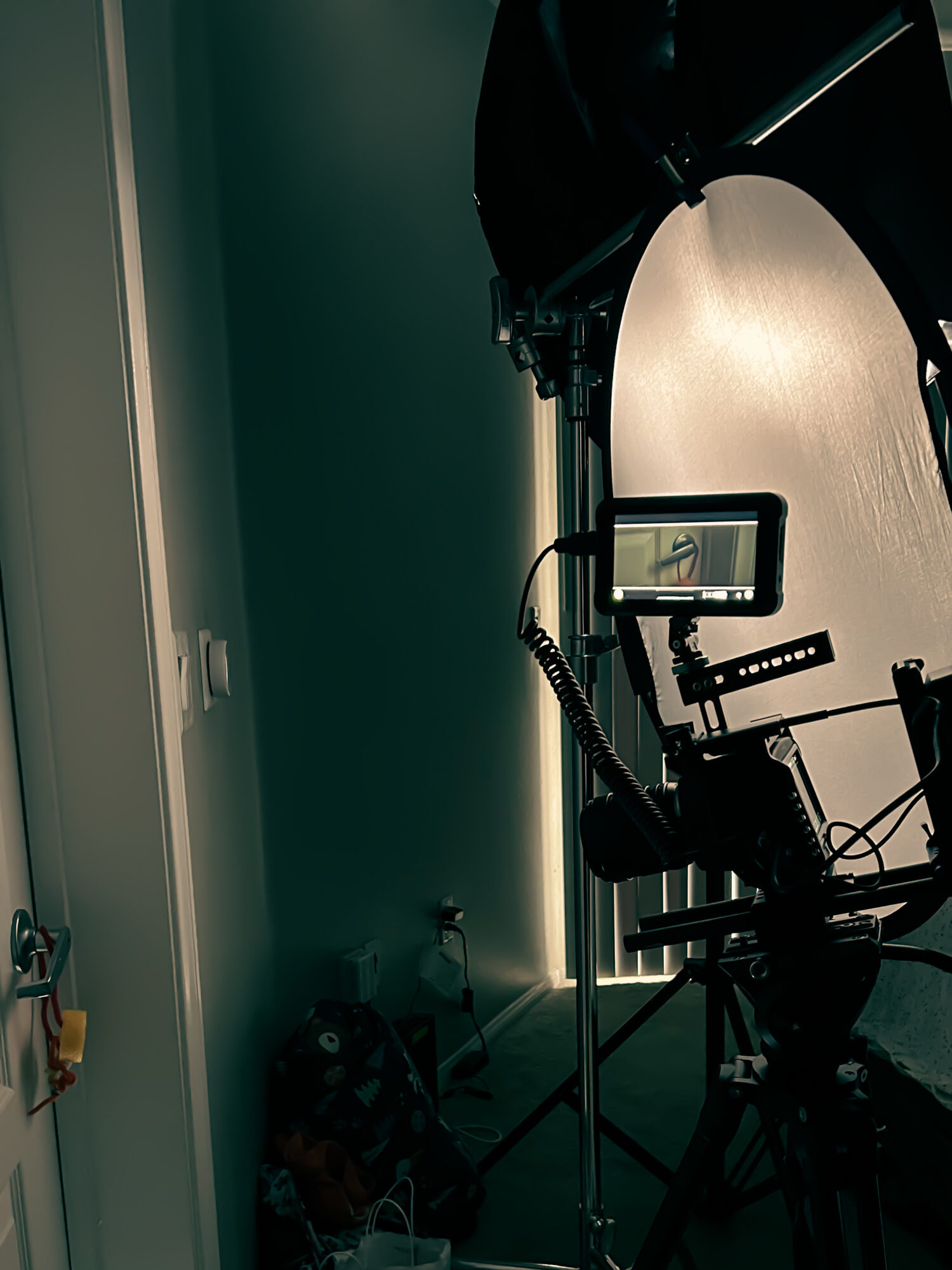
What I’ve become known for, at least in my own practice, is a very hands-on approach to filmmaking. I’ve worked both with small crews and, more recently, completely independently directing, shooting, and editing my most recent films myself. That level of involvement has shaped the way I think about storytelling, because every decision becomes intentional when you’re responsible for every part of the process.
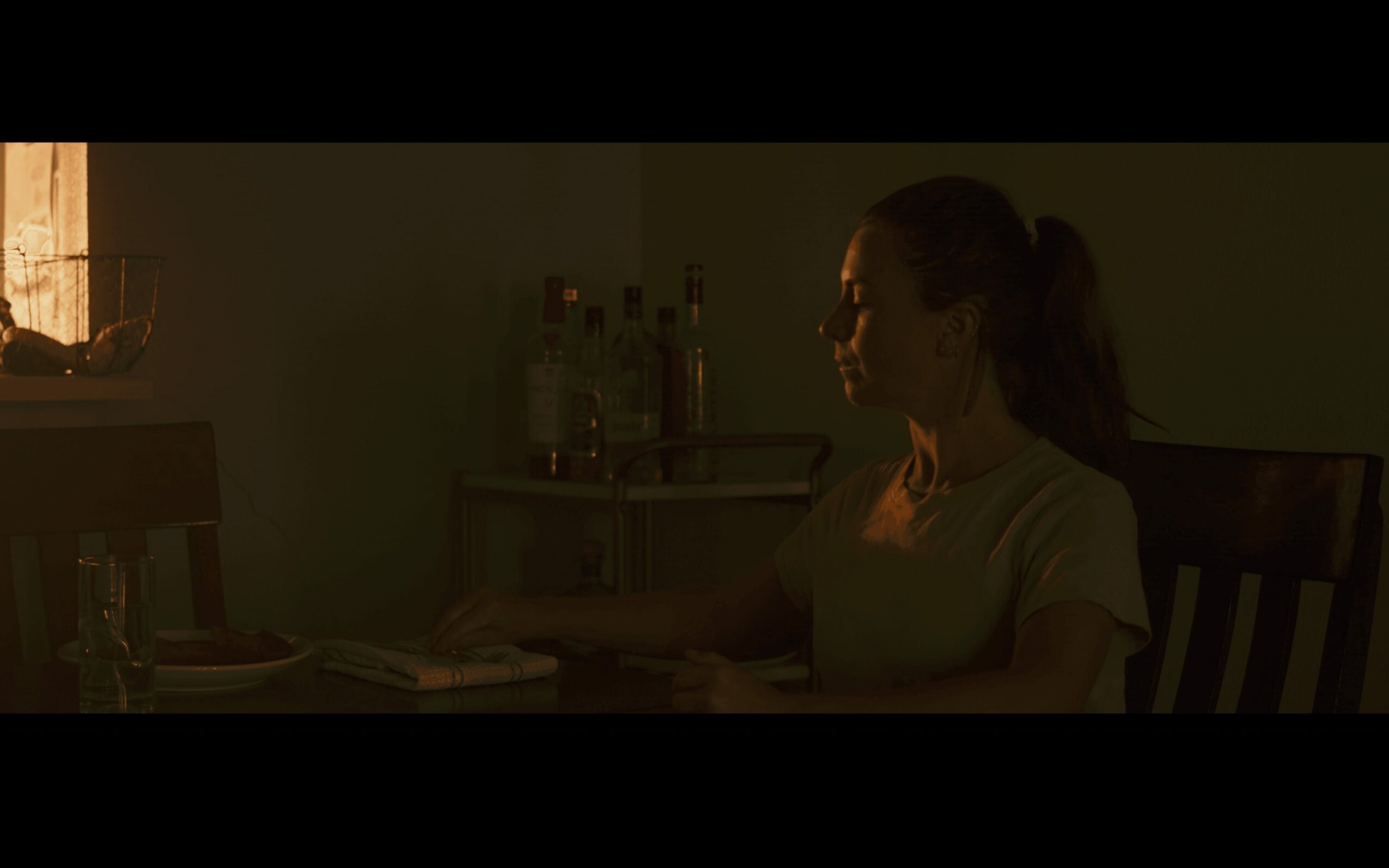
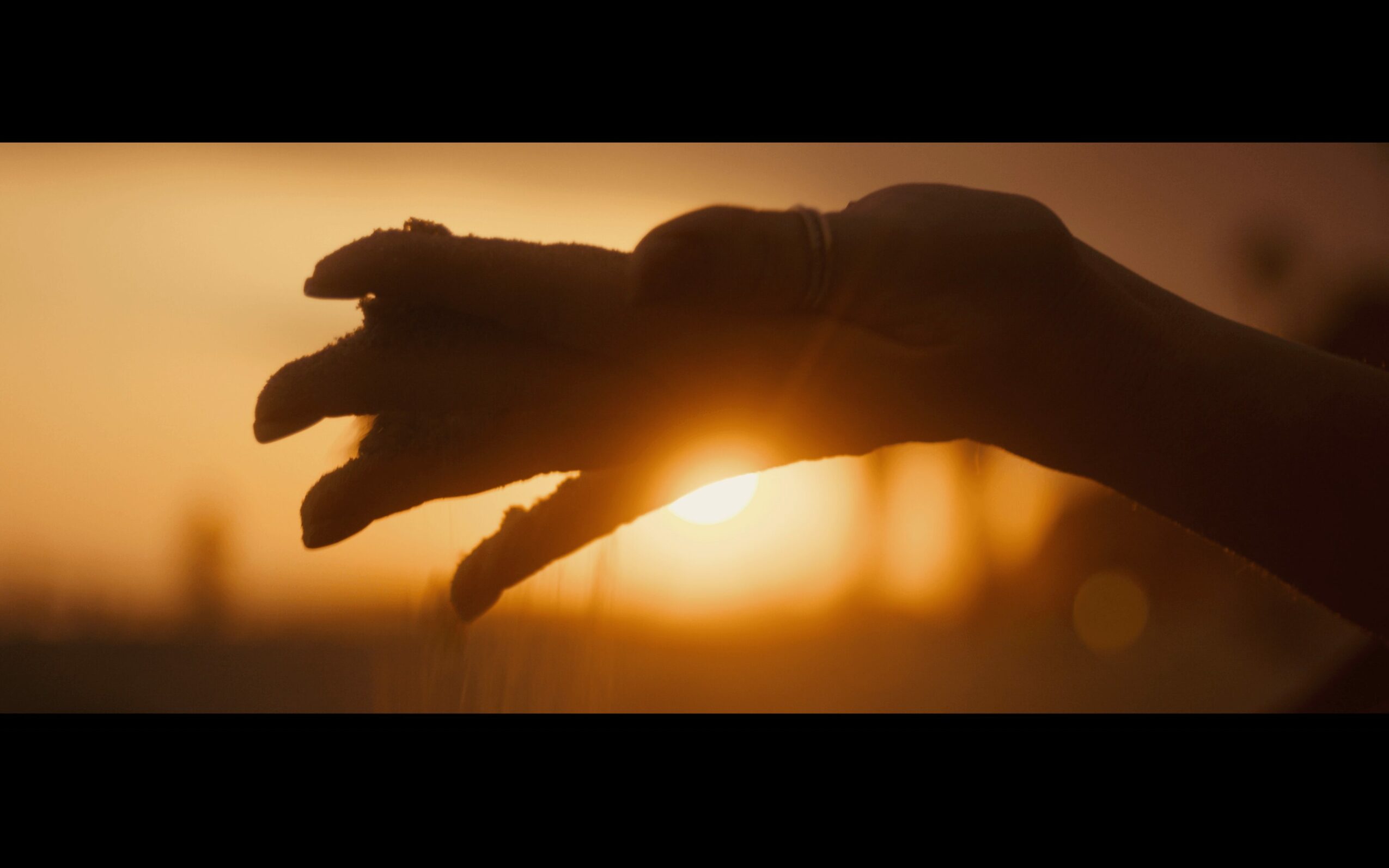
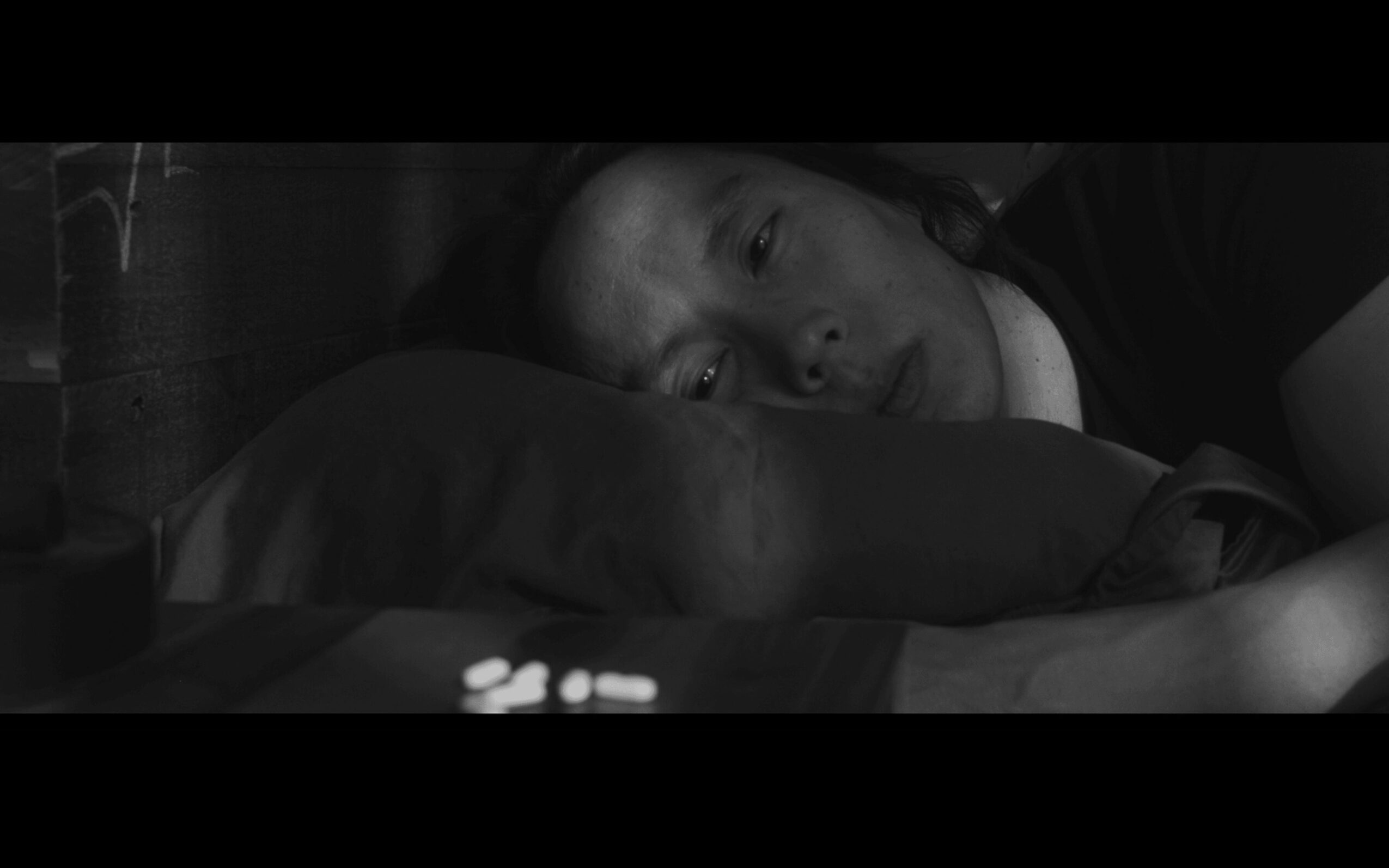
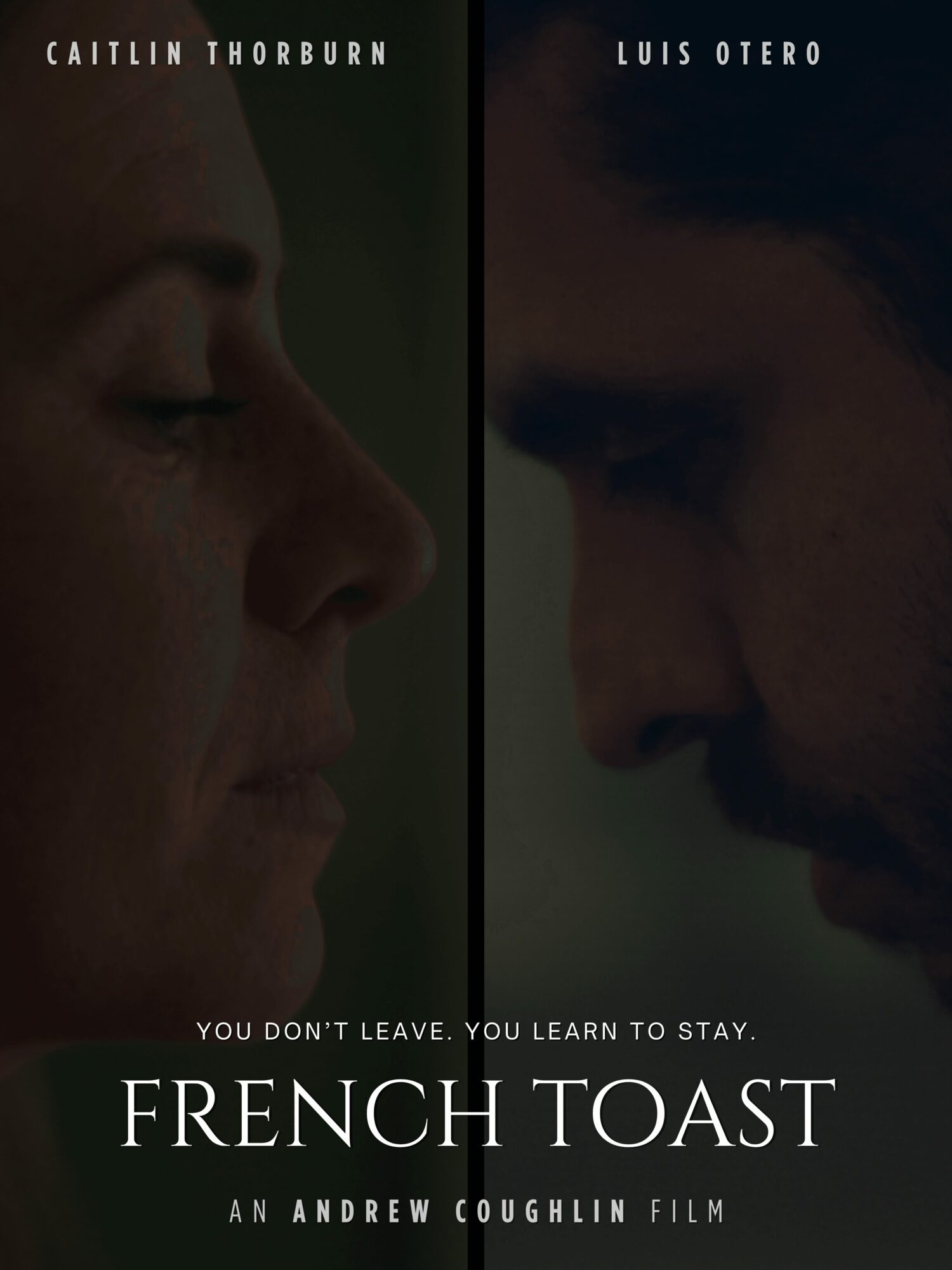
What I’m most proud of is returning to filmmaking after a long gap in my career and rebuilding my practice from the ground up. My most recent short, “French Toast,” reflects the intimate, character-driven storytelling I’ve been focused on. I’m currently developing a new short film, “Session,” which I’ve written for the same actors. While it’s been meaningful to see recent work begin to screen at festivals, what matters most to me is continuing to make the work itself and refine my voice as a filmmaker.
What sets me apart is less about any single achievement and more about the path itself. I didn’t come through a traditional film school or industry pipeline, and I’ve had to learn filmmaking by doing it repeatedly across different stages of my life. That has made me very intentional, resourceful, and deeply connected to the process of actually making films, regardless of scale or resources.
Who else deserves credit in your story?
I’ve never really had formal mentors in filmmaking, and my path has largely been self-directed from the beginning. Early on, especially during the 2012–2016 period, I worked with a rotating group of small crews and collaborators across Kansas City, Seattle, and the Bay Area. Those were very collaborative, hands-on environments where everyone was learning through doing, and that experience played an important role in shaping how I approach filmmaking.
Outside of that period, I don’t really have a consistent filmmaking circle or ongoing creative partner, so most of my more recent films have been developed and executed independently. In that sense, my process has shifted over time from collaborative, small-crew work to a more self-contained approach built around repetition, discipline, and persistence.
That said, I do have a small group of people in my life who consistently show up to watch the films once they’re finished. They’re not part of the creative process, but their willingness to engage with the work and spend time with it does mean something to me. Filmmaking can be a very internal and solitary process at times, so having people who are open to experiencing the finished pieces is something I don’t take for granted.
Contact Info:
- Website: https://www.andrewcoughlin.com/
- Instagram: @andrew_coughlin8
- Other: https://www.imdb.com/name/nm6044957/?ref_=nv_sr_srsg_0_tt_1_nm_7_in_0_q_andrew%20coughlin
Popular
-
Maagic Collins on Building a Fearless Publishing Platform for Truth, Advocacy, and Underrepresented Voices
-
Los Angeles Barea on Turning Green Superheroes into a Global Movement for Youth-Led Change
-

Trisha DuVivier on Bridging the Franchisor–Franchisee Divide with Workhero and “Franulate”
-

Portraits of the Valley
-

LA’s Most Inspiring Stories
-
Cedar Boschan on Elevating Black Music Rights and Driving Urgent Conversations Around Credit, Equity, and Artist Protection


