





Today we’d like to introduce you to Youssef Ramili.
Hi Youssef, it’s an honor to have you on the platform. Thanks for taking the time to share your story with us – to start maybe you can share some of your backstory with our readers?
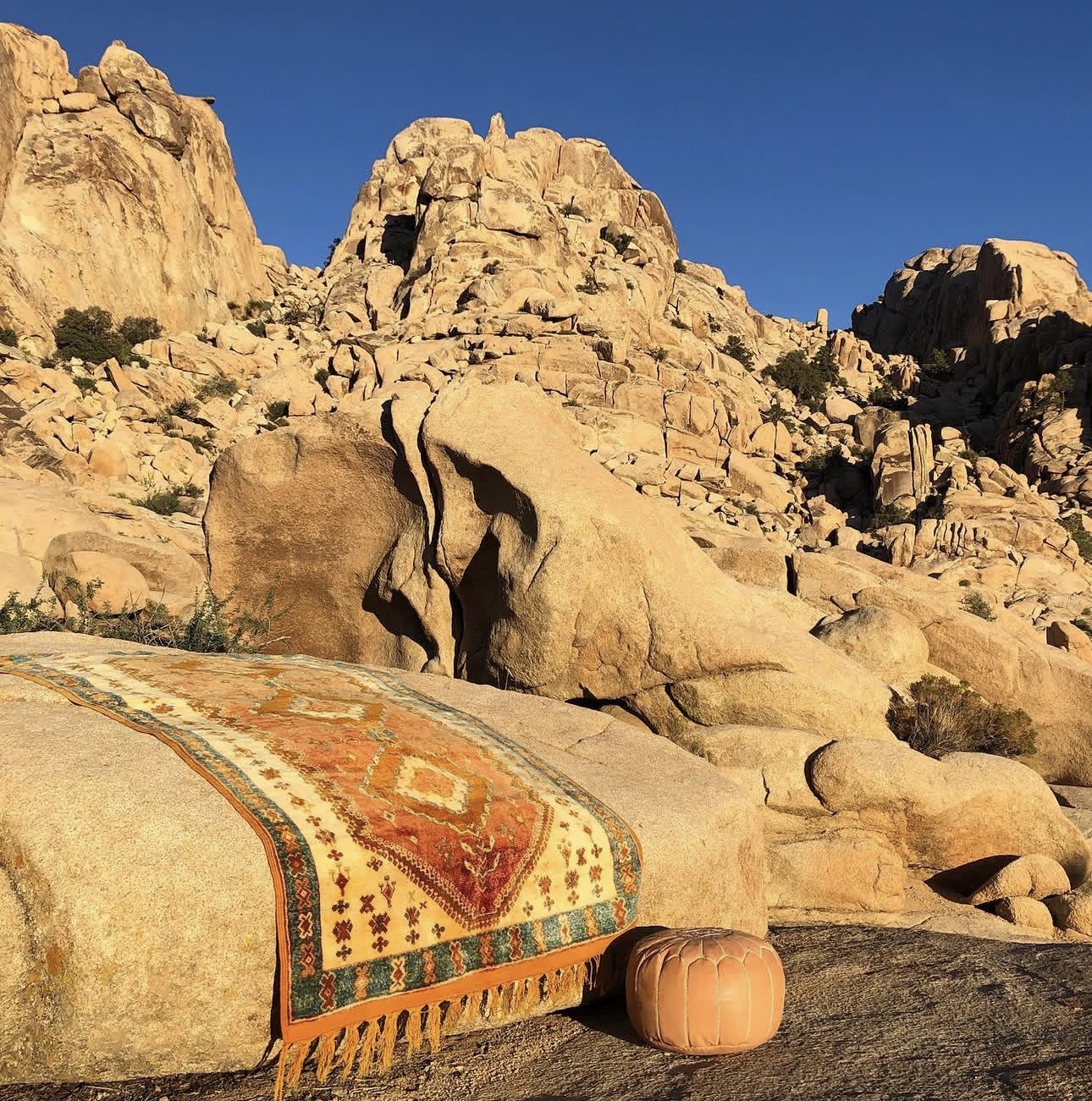
I started my business in 2014 by bringing small handmade items from Morocco to the U.S. I quickly realized that people were deeply drawn to Moroccan textiles and rugs, not only for their beauty but also for the craftsmanship and story behind them. Over time, I educated myself about the quality, materials, and traditional weaving techniques, and I became passionate about offering authentic Moroccan handmade goods created by local artisans.
From the beginning, I focused more on quality than quantity. My goal has always been to share the true beauty of Moroccan culture while providing customers with meaningful, high-quality pieces for their homes. My first market was the Santa Monica Antique & Vintage Market, and from there I expanded to other well-known markets such as the Palm Springs Vintage Market, Alameda Antiques Fair, and the Rose Bowl Flea Market.
As the business grew, I had the opportunity to work with interior designers from the Bay Area, Santa Barbara, Los Angeles, New York, and other parts of the country. Along the way, I also met many inspiring people and even had the chance to meet celebrities such as Julia Roberts at the Alameda Antiques Fair.
One of the most rewarding parts of this journey has been connecting with customers and helping them discover unique handmade Moroccan pieces that carry history, artistry, and culture. This experience not only taught me about the American market, but it also deepened my appreciation and understanding of my own Moroccan heritage. I’ve worked closely with women’s cooperatives in different regions of Morocco and learned firsthand about the craftsmanship, materials, and traditional process behind creating high-quality rugs and textiles.
We all face challenges, but looking back would you describe it as a relatively smooth road?
It definitely has not been a smooth road. One of the biggest challenges came during and after Covid, when the handmade rug market changed dramatically. Before, many customers were looking for authentic vintage Moroccan rugs and cared deeply about quality, craftsmanship, and the story behind each piece. After Covid, financial struggles changed buying habits, and many people could no longer afford high-quality handmade rugs.
At the same time, the market became flooded with “Moroccan-style” rugs that were not actually made in Morocco. I started seeing rugs produced in countries like Pakistan, India, Turkey, as well as machine-made versions sold by major rug brands in the United States. This made it harder for customers to recognize the difference between authentic Moroccan handmade rugs and mass-produced imitations.
Customer preferences also shifted over time. In the past, most of my clients were searching for vintage, one of a kind rugs with history and character. Today, many people are more interested in contemporary styles that fit modern interior trends.
As a small business owner, adapting to these changes has been challenging, but it also pushed me to evolve while staying committed to authenticity, quality, and supporting Moroccan artisans and women’s cooperatives.
We’ve been impressed with Darna Design, but for folks who might not be as familiar, what can you share with them about what you do and what sets you apart from others?
Darna Design is a small business focused on authentic handmade Moroccan rugs, textiles, and home goods sourced directly from local artisans and women cooperatives across Morocco. “Darna” means “our home” in Moroccan Darija, and the name reflects the warmth, comfort, and sense of connection I hope each piece brings into people’s homes.
Since 2014, I have worked to bring high-quality Moroccan craftsmanship to the American market while preserving the traditions and stories behind each handmade piece. What sets Darna Design apart is the focus on authenticity, quality, and personal connection. Every rug and textile is carefully selected for its craftsmanship, materials, and uniqueness rather than mass production or trends.
One thing I am most proud of is building direct relationships with artisans and helping support traditional handmade work in a world increasingly filled with machine-made products and imitations. Through Darna Design, I want people to experience the true beauty, craftsmanship, and spirit of Morocco in an authentic and meaningful way.
What are your plans for the future?
I plan to continue growing Darna Design by expanding access to authentic Moroccan handmade crafts and supporting artisan communities in Morocco. One of my long-term goals is to create a cultural space where people can experience Moroccan craftsmanship, music, food, and design in an authentic and meaningful way.
I would like this space to serve as a bridge between cultures, introducing the richness of Moroccan heritage to the American community through carefully curated handmade products, cultural events, and educational experiences. I also plan to continue developing the brand’s online presence and building collaborations with designers, artists, and businesses that value craftsmanship, quality, and cultural tradition.
In addition, I am beginning to develop a travel experience business focused on Morocco, where visitors can explore the country beyond tourism by connecting directly with local artisans, learning about traditional craftsmanship, and experiencing Moroccan culture firsthand. My goal is to create meaningful cultural experiences that support artisans and help people better understand the history, artistry, and daily life of Morocco.
Contact Info:
- Website: https://www.darnadesign.com
- Instagram: Darna_design
- Facebook: Darna Design
Popular
-

Maagic Collins on Building a Fearless Publishing Platform for Truth, Advocacy, and Underrepresented Voices
-

Los Angeles Barea on Turning Green Superheroes into a Global Movement for Youth-Led Change
-

Trisha DuVivier on Bridging the Franchisor–Franchisee Divide with Workhero and “Franulate”
-

Portraits of the Valley
-

LA’s Most Inspiring Stories
-

Cedar Boschan on Elevating Black Music Rights and Driving Urgent Conversations Around Credit, Equity, and Artist Protection


