




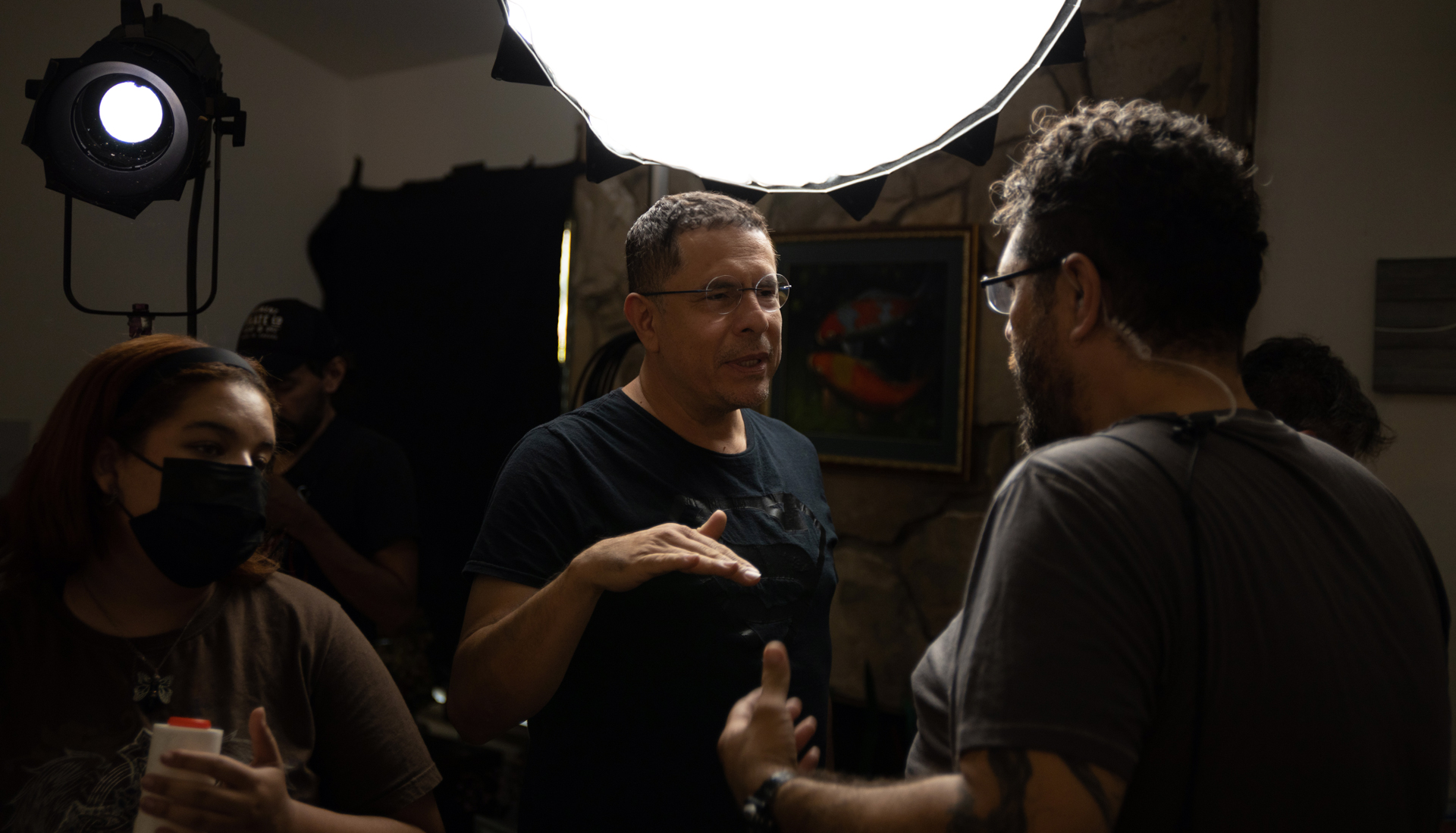
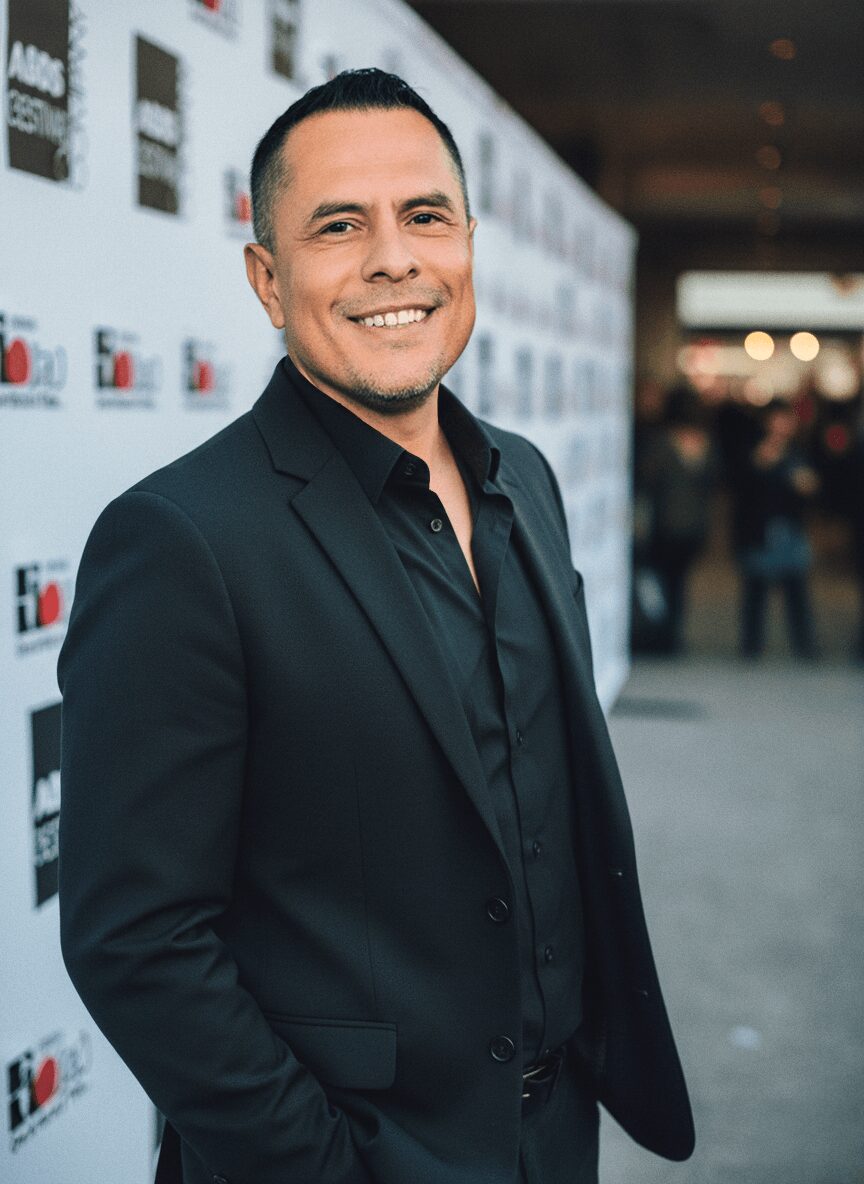
Today we’d like to introduce you to Marc Martinez.
Alright, so thank you so much for sharing your story and insight with our readers. To kick things off, can you tell us a bit about how you got started?
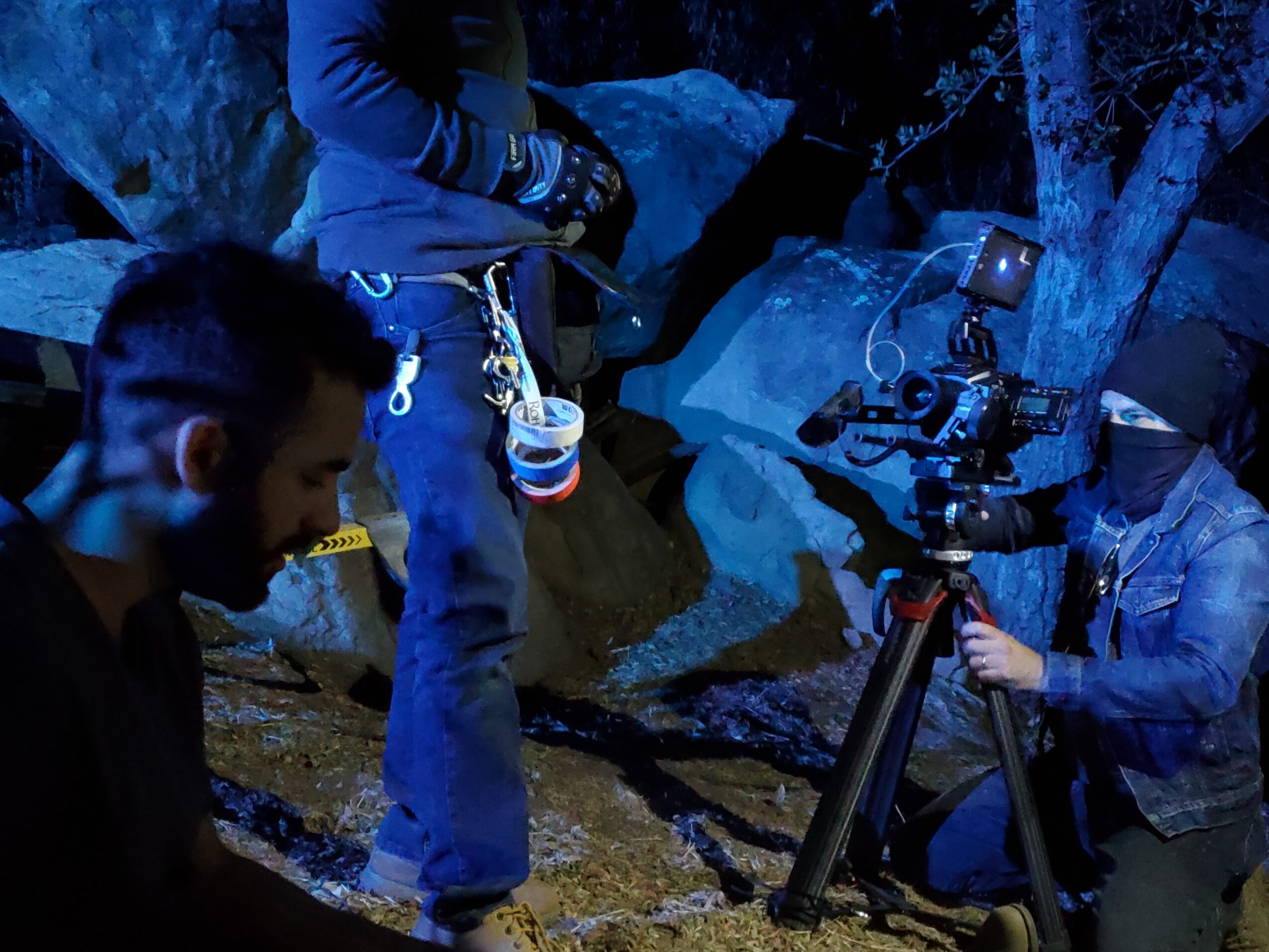
I started out with a love for movies and a need to create. I did not come from the traditional studio path, so a lot of my early journey was built on learning by doing. I taught myself the process from the ground up: writing, directing, producing, shooting, editing, and figuring out how to get projects finished when resources were limited.
My first feature, 50K, was a major turning point for me. I directed, produced, shot, and edited the film, and it eventually streamed on Amazon Prime Video. That experience taught me how much discipline it takes to carry a feature from script to delivery, especially as an independent filmmaker.
From there, I continued building my voice as both a director and cinematographer. I served as Director of Photography on the feature film Cold Blows the Wind, which went on to earn me a Best Cinematography award. That recognition meant a lot because cinematography has always been a big part of how I tell stories. I’m drawn to images that feel raw, emotional, and cinematic without losing their realism.
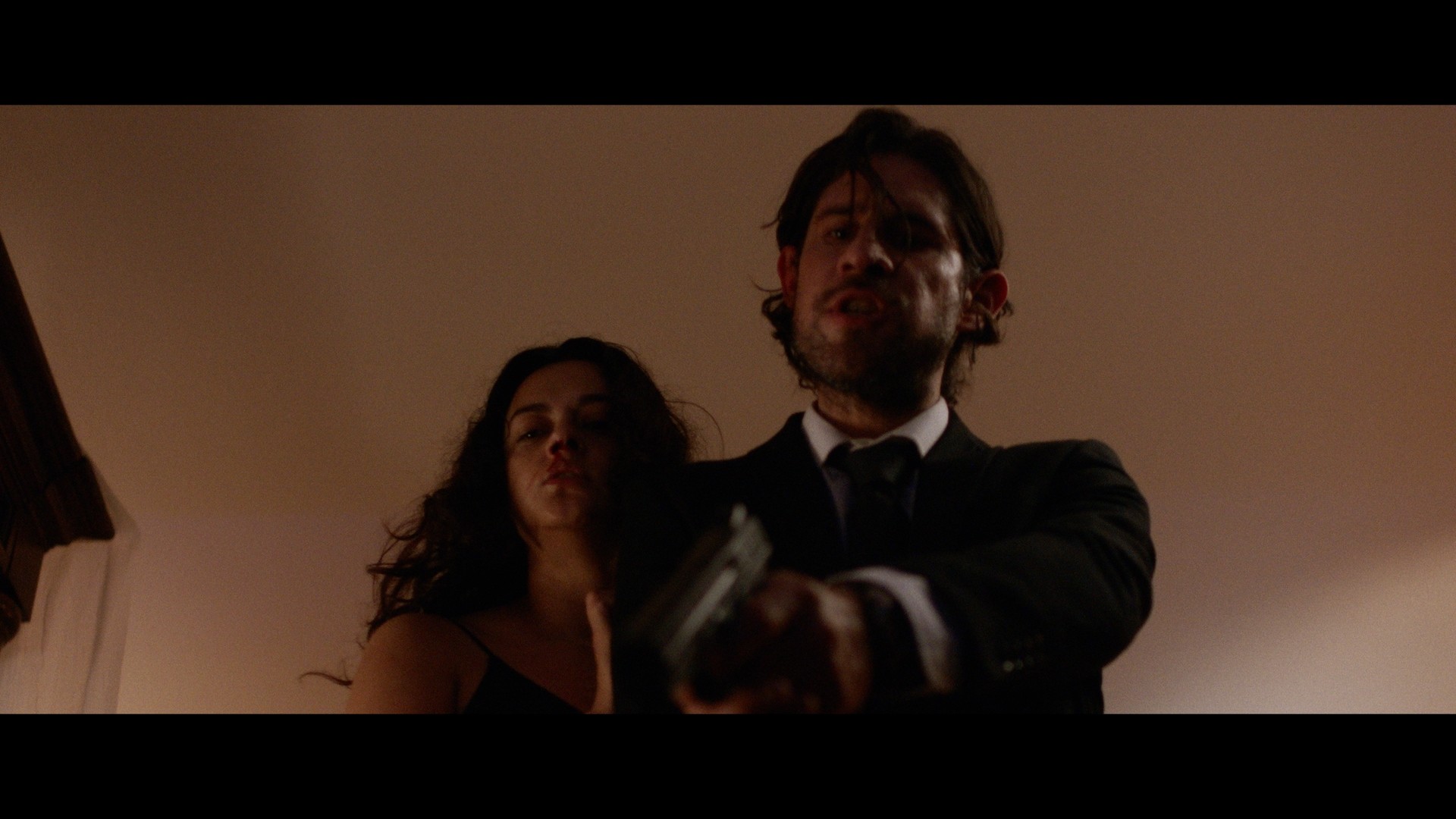
My sophomore feature as a filmmaker, The Memory in My Heart, became another important chapter. It pushed me creatively and professionally, and it helped clarify the kind of stories I want to tell: emotionally driven, grounded, thrilling, and visually striking films with a strong sense of atmosphere.
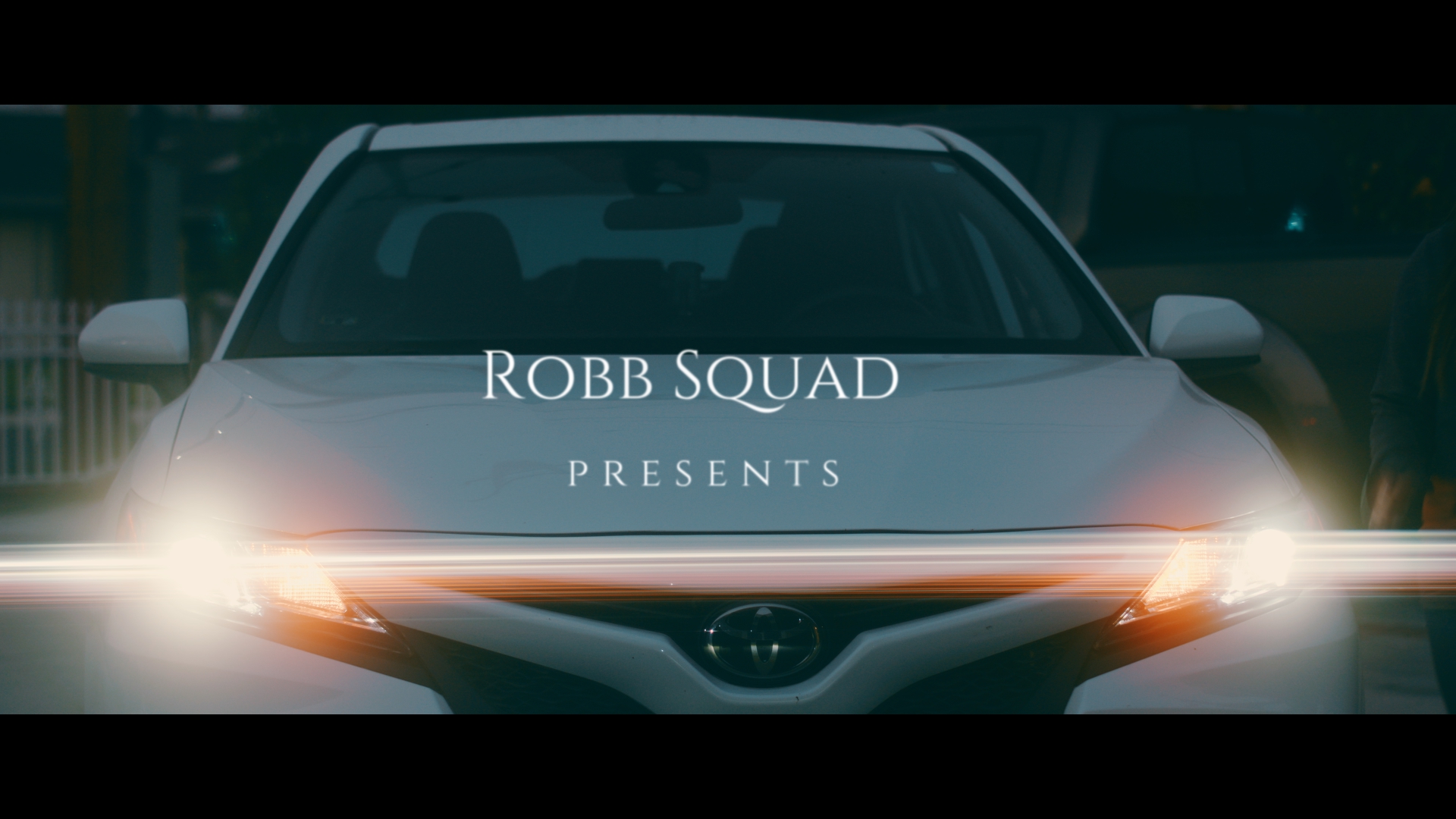
Today, I run Robb Squad Film Company, and I’m continuing to build as a director, producer, cinematographer, editor, and AI-native filmmaker. I’m also developing Braindrop Studios, a cinematic studio focused on blending traditional filmmaking with new AI-assisted production workflows. For me, the goal is not to replace the craft. It is to move faster, develop stronger visual ideas, and create high-quality cinematic work with more control and efficiency.
My path has been unconventional, but that has become one of my strengths. I know what it means to build something from nothing, to wear every hat when necessary, and to keep pushing even when the industry does not make it easy. Where I am today is the result of persistence, resourcefulness, and a deep belief that great stories can come from outside the traditional system.
Can you talk to us a bit about the challenges and lessons you’ve learned along the way. Looking back would you say it’s been easy or smooth in retrospect?
It definitely has not been a smooth road, but I think that is true for most independent filmmakers. A lot of my journey has been about learning how to keep going when there is no clear path, no big machine behind you, and no guarantee that the work will lead anywhere.
One of the biggest challenges has been resources. Independent filmmaking forces you to become extremely resourceful. You learn how to stretch budgets, solve problems quickly, and wear multiple hats because the project depends on it. I have directed, produced, shot, and edited my own work, not because it is easy, but because sometimes that is what it takes to get the film made.
Another challenge has been navigating the business side of the industry. Making the movie is only one part of the process. Distribution, marketing, financing, deal structures, relationships, and long-term strategy are all their own battles. As an independent filmmaker, you have to learn those lessons while still protecting the creative side of yourself.
There have also been personal challenges. The film business tests your patience, confidence, and stamina. You deal with rejection, delays, setbacks, and moments where you have to decide whether you still believe in the vision enough to keep pushing. For me, the answer has always been yes.
The road has been difficult, but it has also shaped me. It made me more disciplined, more self-reliant, and more committed to building a career on my own terms. I would not say the obstacles made things easier, but they made me sharper. They forced me to become the kind of filmmaker who can survive outside of ideal circumstances and still get the work done.
Appreciate you sharing that. What else should we know about what you do?
I specialize in building projects from the ground up. Because I’ve directed, produced, shot, and edited my own features, I understand the full life cycle of a film. I’m not just thinking about one piece of the process. I’m thinking about story, performance, camera, lighting, rhythm, tone, post-production, marketing, and how the finished piece will live in the world.
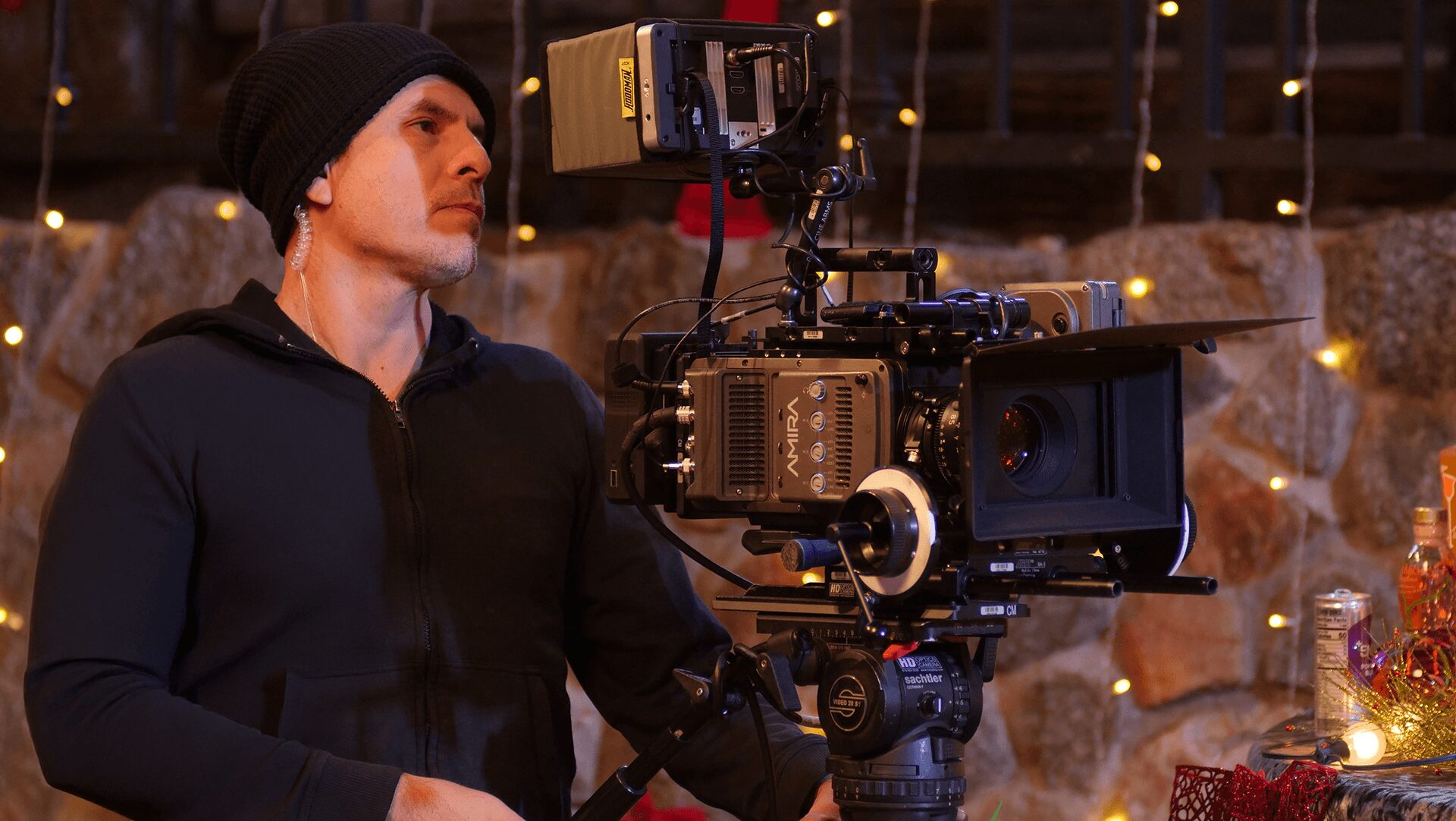
As a cinematographer, I’m known for a gritty, cinematic style that still feels emotionally honest. I care a lot about mood, texture, framing, and the way light can carry subtext. Winning Best Cinematography for the feature film Cold Blows the Wind was a proud moment because it recognized a part of the craft that means a lot to me.
As a director, I’m most proud of completing my own feature films, including 50K and The Memory in My Heart. Getting a feature made independently takes a level of persistence that people do not always see from the outside. You have to protect the story, lead the team, solve constant problems, and still deliver something that feels intentional.
What sets me apart is that I’m both creative and technical. I can think like a director, shoot like a cinematographer, edit like a storyteller, and produce with a realistic understanding of what it takes to finish. I also work with emerging AI-assisted filmmaking tools, but I approach them through a traditional filmmaker’s lens. For me, the technology is not the identity. The story is the identity. The tools simply help move the vision from thought to frame.
At the center of everything I do is a simple goal: to make work that feels cinematic, emotionally direct, and built with purpose. I want the audience to feel the craft, but more importantly, I want them to feel the story.
Before we let you go, we’ve got to ask if you have any advice for those who are just starting out?
My advice is to start before you feel ready. A lot of people wait for permission, perfect circumstances, the right budget, the right camera, the right connections, or the right moment. In filmmaking, that moment rarely arrives on its own. You have to begin with what you have and let the work teach you.
I wish I understood earlier that finishing is its own skill. Starting a project is exciting, but finishing a project is where you really grow. You learn discipline, problem-solving, communication, humility, and endurance. Whether it is a short film, a feature, a music video, or a proof of concept, finishing something teaches you more than talking about ten ideas.
I would also tell people to learn as many parts of the process as they can. You do not have to do everything forever, but understanding writing, directing, cinematography, editing, producing, sound, and post-production makes you a stronger collaborator. It also gives you more control when resources are limited.
Another thing I wish I knew is that the business side matters. Talent is important, but talent alone is not enough. You have to understand relationships, contracts, marketing, distribution, money, and how to protect your work. The creative and business sides are not enemies. They need each other.
Most importantly, do not let rejection or slow progress convince you that you are not supposed to be doing this. The road is difficult for almost everyone. The people who last are usually the ones who keep learning, keep adapting, and keep making things even when it is uncomfortable.
At the end of the day, no one is coming to hand you a career. You build it piece by piece. Make the work, finish the work, learn from it, and then make the next thing better.
Contact Info:
- Website: https://www.marcmartinezfilms.com
- Instagram: https://www.instagram.com/moviemusicman/
- Facebook: https://www.facebook.com/marc.martinez
- LinkedIn: https://www.linkedin.com/in/moviemusicman/
- Twitter: https://x.com/moviemusicman
- Youtube: https://www.youtube.com/@marcmartinezfilms
- Soundcloud: https://soundcloud.com/moviemusicman
Popular
-

Portraits of the Valley
-

LA’s Most Inspiring Stories
-

Robin Olive on Building an Inclusive Performing Arts Movement and Expanding Opportunities for Every Student
-

Que Johnson on Building Brands That Last: From Visibility to True Market Authority
-

Christina Wren Steps Into the Director’s Chair to Tell Stories That Feel Like Home
-

JordanL on ‘Breathe,’ Belief, and Building a Movement Beyond the Music


