




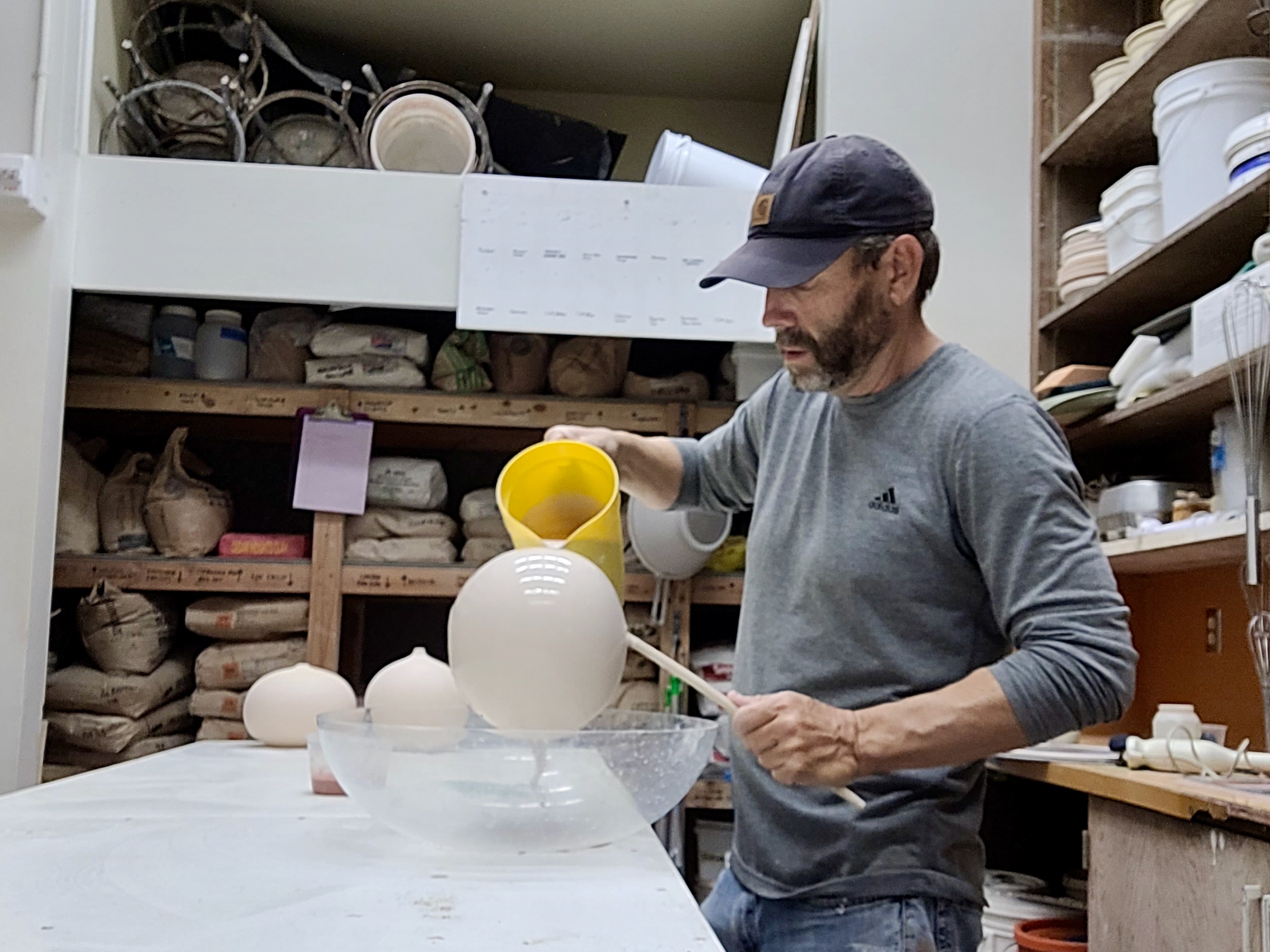
Today we’d like to introduce you to Tim Keenan.
Hi Tim, it’s an honor to have you on the platform. Thanks for taking the time to share your story with us – to start maybe you can share some of your backstory with our readers?
I work as the studio technician for the ceramics program at Santa Ana College. At the same time, I maintain my own studio practice, making both functional work and sculpture. I was born in 1968 in Long Beach and grew up in Orange County during the 70s and 80s, which probably explains a lot about how I see things.
Most of my early education had nothing to do with school. It came from surf, skate, and dirt bike culture—building skateboards and ramps, modifying bikes, and repairing surfboards with my friends. Through that, we learned about tools, materials, and design. That hands-on, trial-and-error way of working stuck with me.
I found ceramics in high school and got hooked on the wheel right away. There was something about it that made sense to me. I didn’t go straight into it, though—I went to UC Irvine and studied history, which ended up circling back in a useful way. It gave me a way to think about objects not just as things, but as part of larger systems—connected to specific moments, ideas, and ways of living. In other words, it gave me the insight to be able to place my own work within the context of the broader California studio ceramics movement.
UCI itself left a mark too. The campus, designed by William Pereira, felt like something out of a science fiction set—big, concrete, a little utopian, a little strange. That mix of optimism and unease is something I still think about when I’m making sculpture.
Southern California in general has that feeling for me. The freeway system—the scale of it, the logic—is impressive but also kind of overwhelming. Then there are places like the San Onofre nuclear power plant sitting right on the coast, these massive engineered forms that are both necessary infrastructure and completely surreal. I have spent a lot of time in the ocean swimming and surfing, immersed in the natural environment but always aware of what surrounds it—looking out at container ships and offshore oil rigs, and back toward land at the built environment. That constant overlap between nature and infrastructure continues to shape how I think about form, scale, and space.
Another important influence on my work came from the time I spent as an antique dealer specializing in modernist furniture, art, and design. Being able to live with and study those objects first hand taught me what makes them succeed or fail. It trained my eye, clarified my sense of form, and connected me to a broader community of collectors and dealers, which also became an early audience for my own work.
The final and most crucial step in my artistic path came when I got a job as the studio technician at Santa Ana College. For many years, I took ceramics classes at a number of Orange County community colleges, initially to gain access to kilns and equipment, but also to be part of a shared studio environment and work alongside other artists. Being in that setting exposed me to a wide range of approaches, styles, and ways of thinking about clay.
Those classes led to volunteer positions in the studio, which eventually evolved into my current role as studio technician. Being fully immersed in the material, maintaining the equipment, and handling a constant flow of student work has had a direct impact on my own practice. It has pushed my technical understanding, sharpened my eye, and ultimately elevated the level of my work.
Would you say it’s been a smooth road, and if not what are some of the biggest challenges you’ve faced along the way?
Pretty much smooth sailing. There are no serious obstacles. Keeping old kilns running and adapting to the ever-changing availability and consistency of raw materials are the main challenges.
Thanks for sharing that. So, maybe next you can tell us a bit more about your work?
I make both functional pottery and sculpture, but I’m probably best known for my wheel-thrown stoneware decorative bowls and bottles. I fire them to cone 10 in a gas reduction kiln. The forms are meant to feel refined, but still have a bit of looseness or spontaneity. They also serve as a kind of canvas for the glazes, which I’m constantly experimenting with, mixing new recipes and seeing how they interact with the clay and the firing.
My sculpture comes from a different place. I usually build those forms by pressing clay into molds made from everyday materials—discarded foam or cardboard packaging, plastic cups, things like that. I’m drawn to the way these mass-produced, machine-designed objects carry an underlying architectural or technological feeling. When translated into clay, they start to shift—they become heavier, more permanent, and take on a kind of presence that feels closer to something ancient or excavated. The rough surfaces and glaze play a big role in that, creating a patina of age and a timelessness that’s unique to ceramics.
I think the thing that sets my sculptures apart is that I take a potters approach to finishing them. I fire them to a very high temperature and cover them entirely in glaze.
Honestly, the thing I’m most proud of isn’t just my own work—it’s my role as the studio technician at Santa Ana College. Keeping the studio running and creating a space where students can learn, experiment, and make strong work is incredibly rewarding. Being part of that process and seeing people develop their skills and confidence over time means a lot to me.
Alright so before we go can you talk to us a bit about how people can work with you, collaborate with you or support you?
If people are interested in sculpture they can contact me by e-mail:
[email protected]
Decorative pottery available
Archive 20th Century at the Pasadena Antique Center
480 S Fair Oaks Ave
Pasadena, Ca 91105
archivehome.net/collections/tim-keenan-ceramics
Pricing:
- $300- 520 for wheel thrown work
- $650-3,000 for sculpture
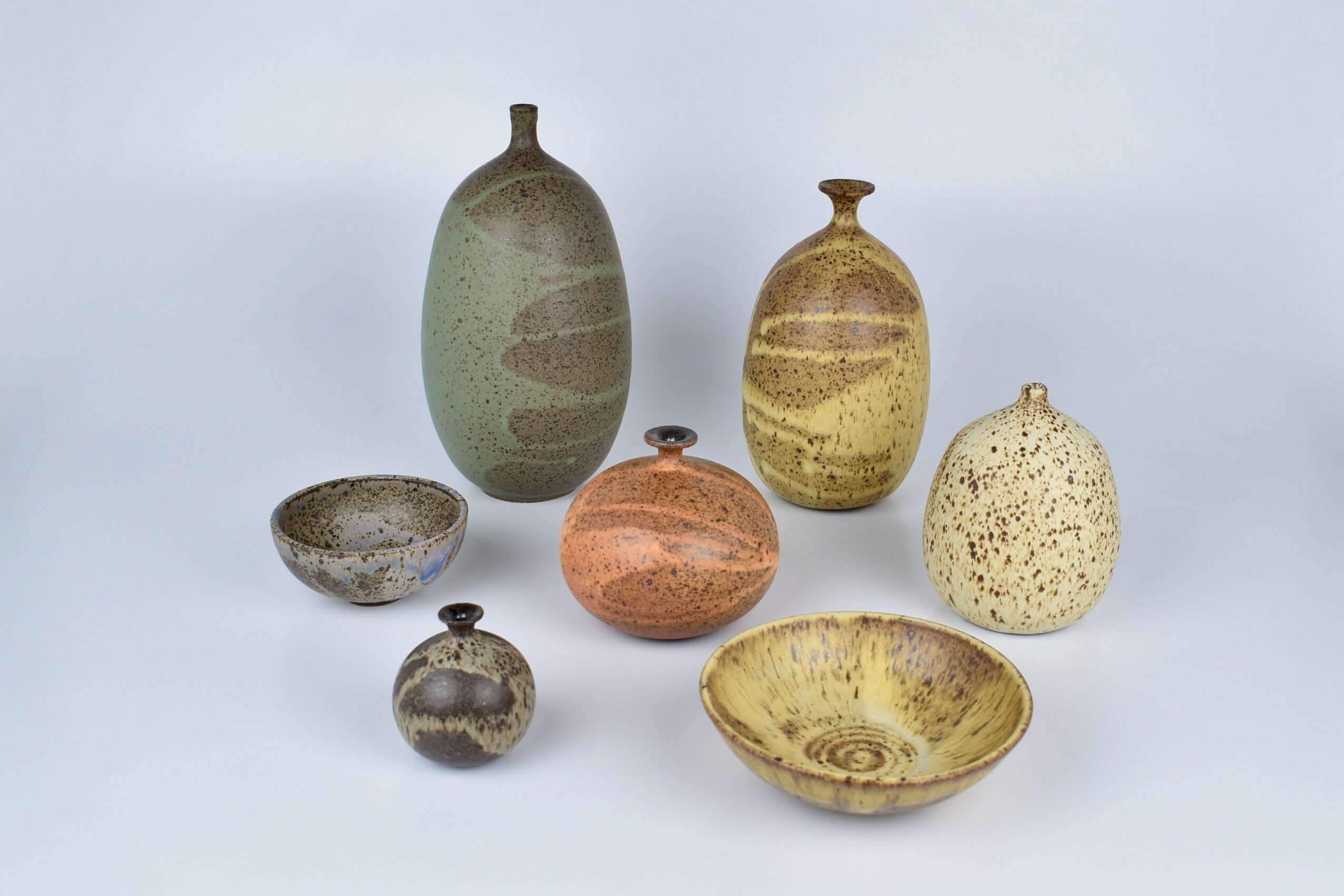
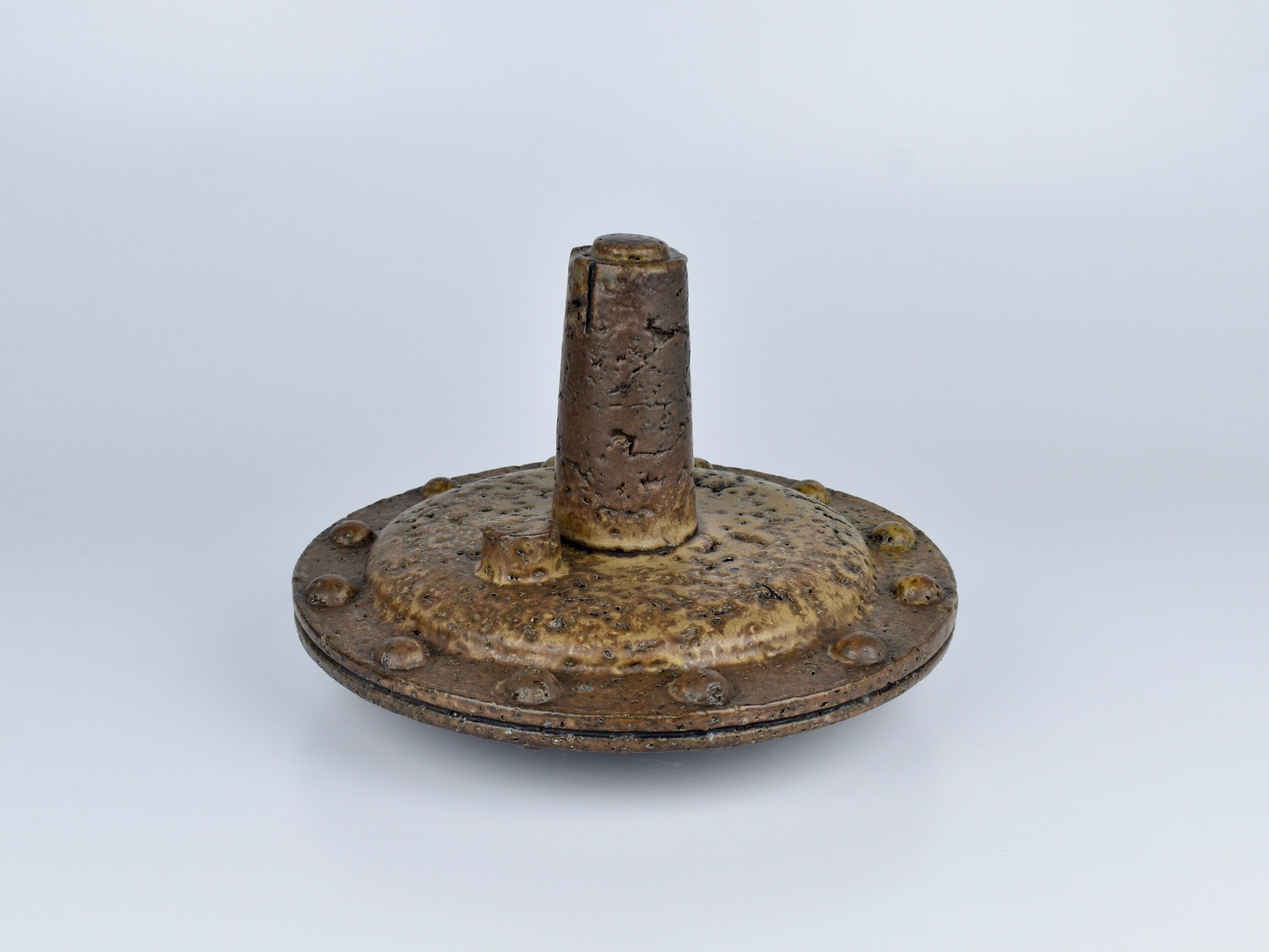
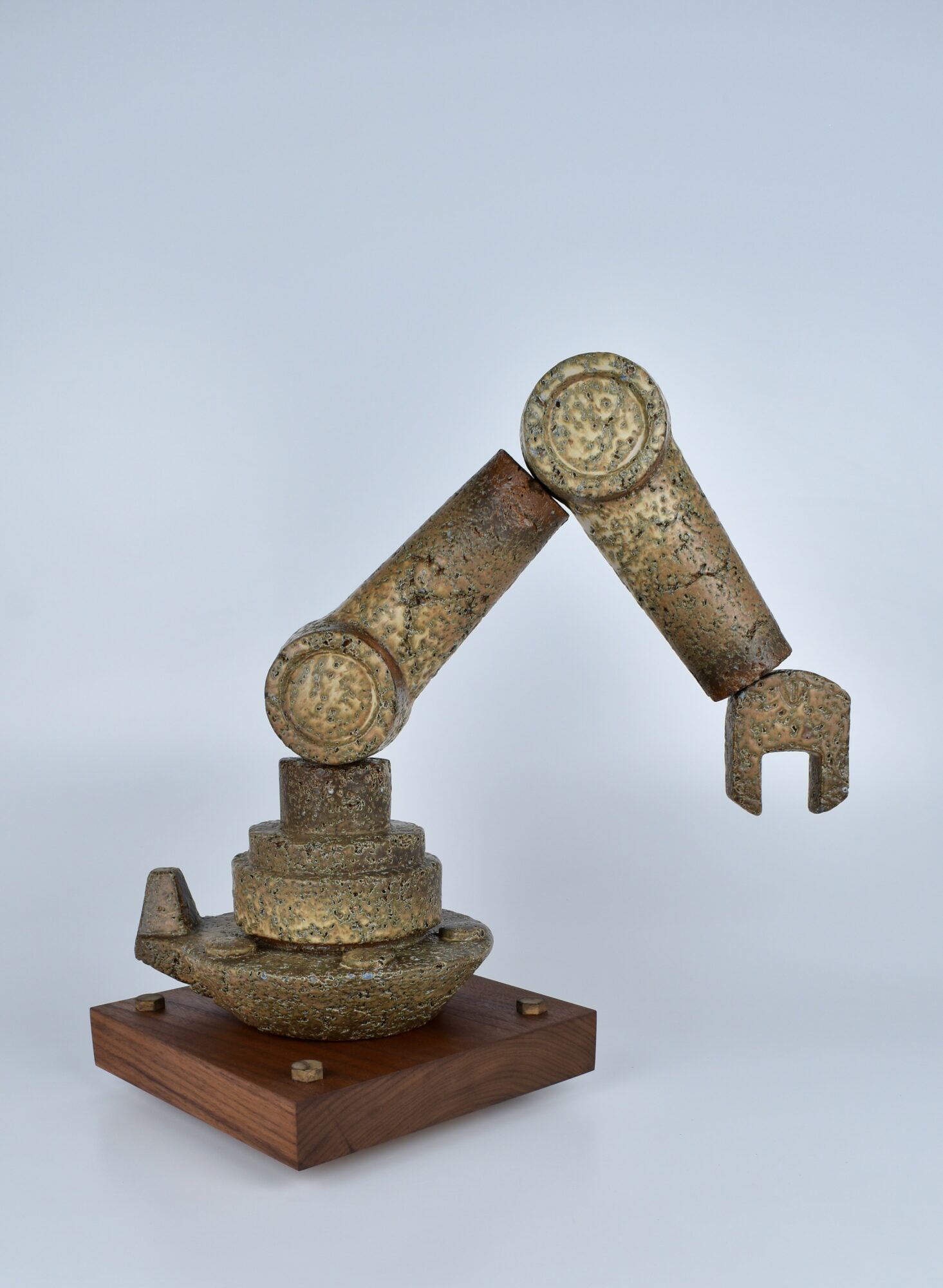
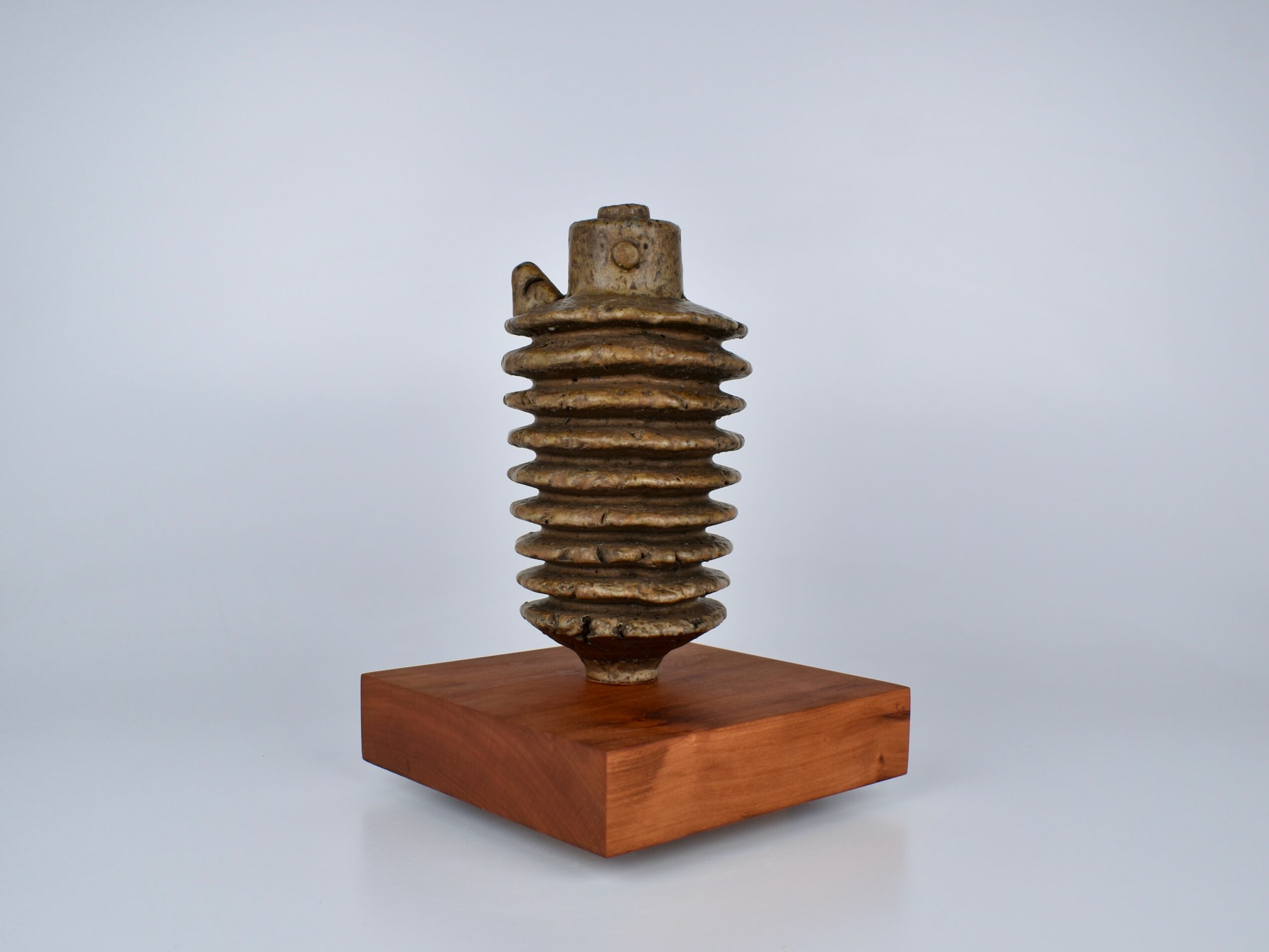
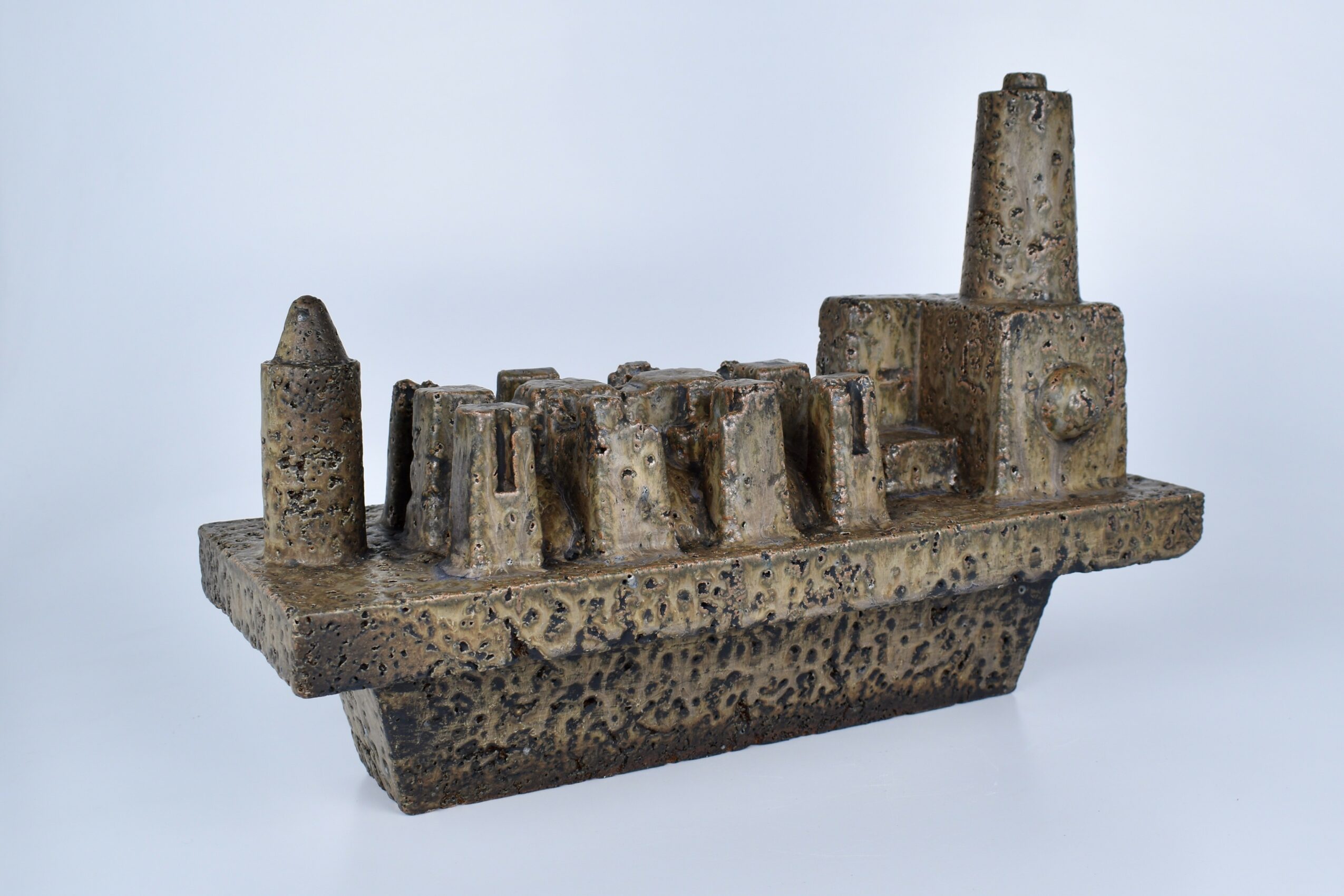
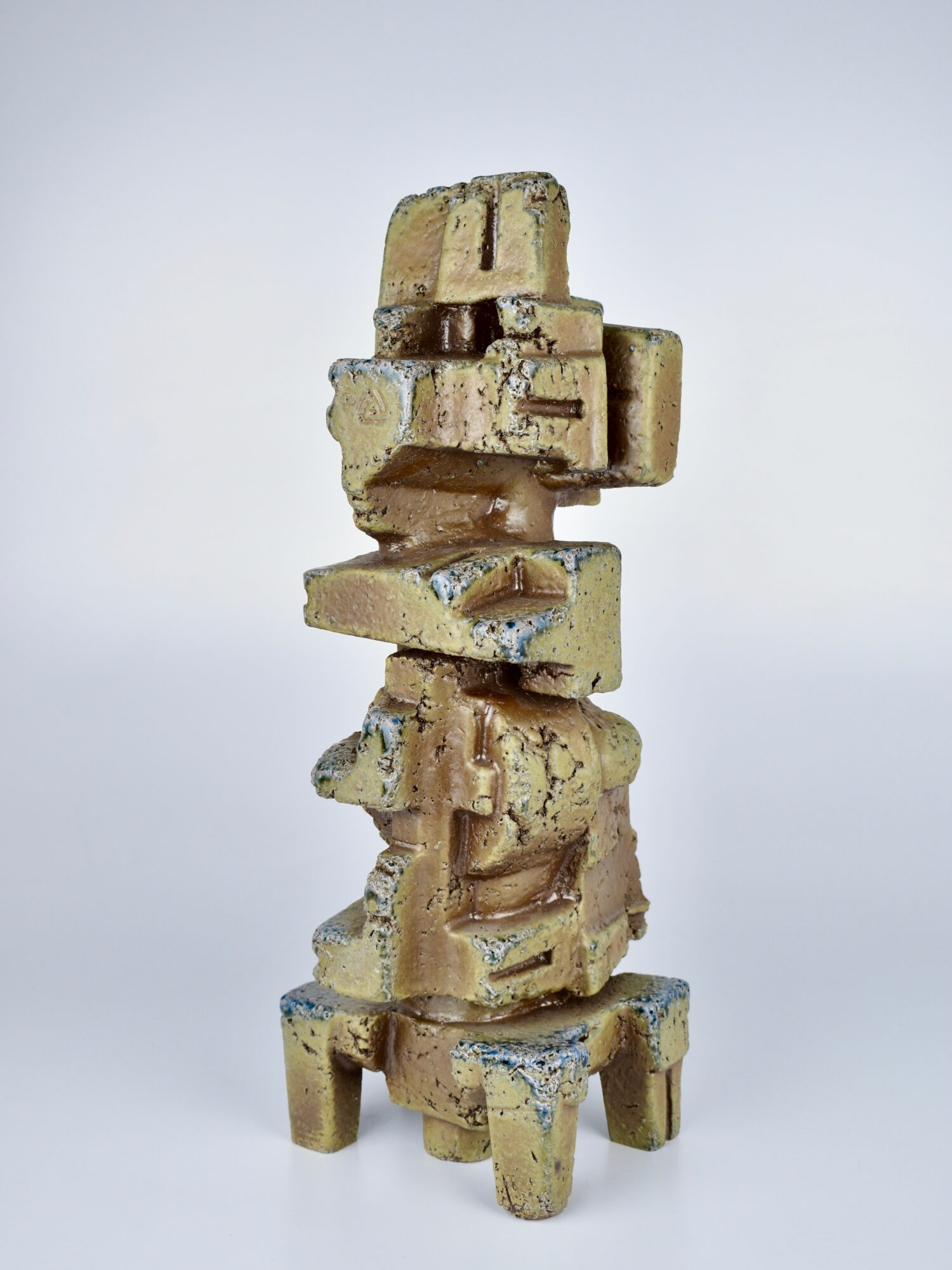
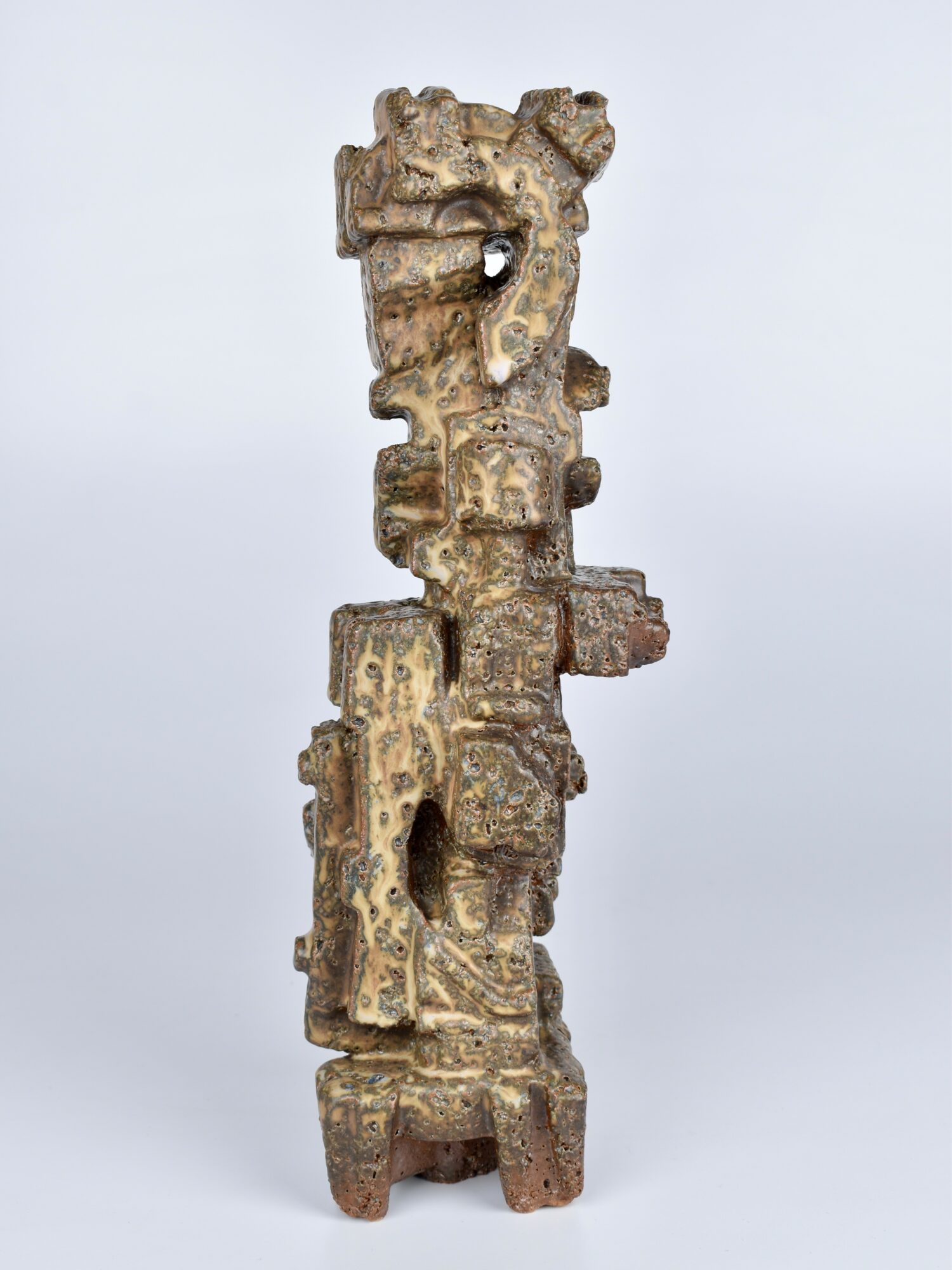
Image Credits
Tim Keenan
Popular
-

Portraits of the Valley
-

LA’s Most Inspiring Stories
-
Robin Olive on Building an Inclusive Performing Arts Movement and Expanding Opportunities for Every Student
-

Que Johnson on Building Brands That Last: From Visibility to True Market Authority
-

Christina Wren Steps Into the Director’s Chair to Tell Stories That Feel Like Home
-

JordanL on ‘Breathe,’ Belief, and Building a Movement Beyond the Music


