




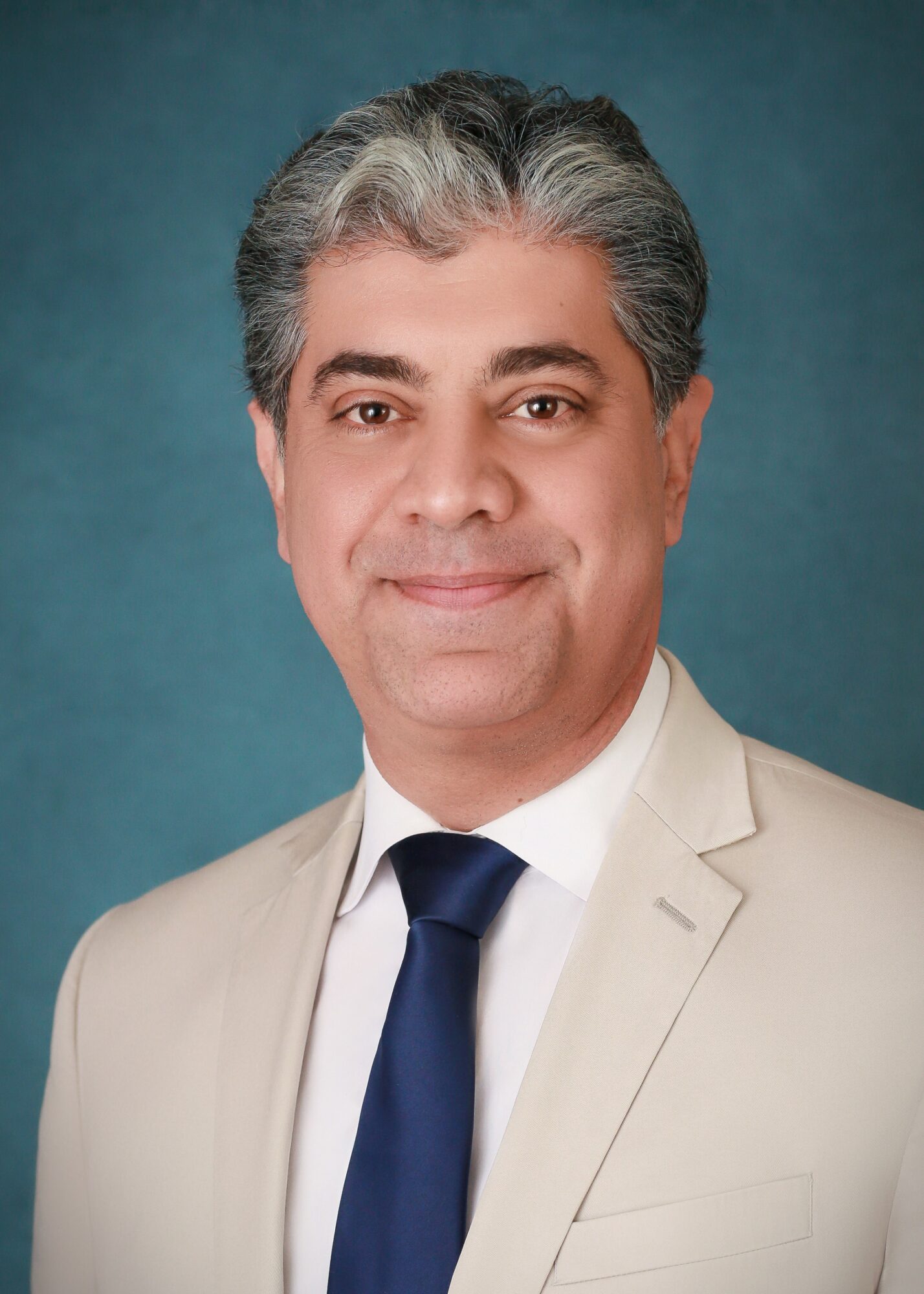
Today we’d like to introduce you to Peyman Raoofi.
Hi Peyman, we’d love for you to start by introducing yourself.
My journey began with a deep curiosity about people, psychology, and the human capacity for resilience and growth. As an Iranian-American immigrant, I learned early on how culture, adversity, and community shape identity and mental health. That passion led me to study psychology at California State University, Northridge, where I graduated with Summa Cum Laude honors, before continuing my graduate and doctoral training in Clinical Psychology at Alliant International University.
Over the years, I dedicated my work to helping individuals, couples, families, and older adults. My clinical work expanded into community advocacy, disaster psychological response, humanitarian efforts supporting disadvantaged children, and defending human rights and mental health awareness globally. Along the way, I became a leader with organizations including Los Angeles County Psychological Association, Iranian Psychological Association of America, California Psychological Association, UNICEF, and Global Children Health.
My advocacy work also led me to participate in multiple sessions of the United Nations Human Rights Council in Geneva, where I helped organize side events, delivered oral statements, and advocated for human rights, dignity, and mental health awareness on international platforms.
Today, I continue my work as a licensed clinical psychologist, speaker, humanitarian, and advocate focused on mental health, human rights, community empowerment, and education. I have had the privilege of speaking at universities and media platforms internationally and receiving recognition including the President’s Volunteer Service Award and the Mental Health Hero Award. More importantly, my path has always been driven by one goal: using psychology not only to heal individuals, but also to strengthen communities, defend human dignity, and inspire hope.
We all face challenges, but looking back would you describe it as a relatively smooth road?
The path was not always easy. Like many first-generation professionals, I faced financial pressures, cultural expectations, long years of education and training, and the emotional weight that comes with working in mental health and humanitarian fields. Balancing clinical work, advocacy, leadership responsibilities, and community service often required sacrifice, resilience, and persistence. There were also moments of disappointment, burnout, and witnessing human suffering up close — from trauma and mental illness to stories of injustice and displacement that deeply affected me personally and professionally.
Thanks – so what else should our readers know about Therapy Zone?
My therapy practice is centered on helping people navigate emotional pain, life transitions, trauma, anxiety, depression, relationship challenges, cultural identity struggles, and the complexities of human resilience. As a licensed clinical psychologist, I work with individuals, couples, families, older adults, and individuals with developmental and cognitive challenges, always focusing on compassionate, culturally sensitive, and evidence-based care.
One of the areas I am especially known for is combining clinical psychology with deep cultural understanding and community-centered care. Being an Iranian-American psychologist has allowed me to connect with diverse populations, particularly immigrant and multicultural communities who may struggle to find mental health services that truly understand their experiences, values, and family dynamics. I also integrate advocacy, education, and humanitarian perspectives into my work, recognizing that mental health does not exist separately from social, cultural, and human rights realities.
What sets me apart is my belief that therapy should not feel cold, rushed, or purely clinical. I strive to create a space where people feel genuinely heard, respected, and empowered. My work is not only about reducing symptoms — it is about helping people rediscover meaning, connection, dignity, and hope. I bring together clinical expertise, empathy, cultural awareness, leadership experience, and years of work in both community mental health and international advocacy.
I am also deeply committed to serving older adults, underserved communities, and individuals facing significant life adversity. My experience in disaster response, humanitarian work, and human rights advocacy has shaped the way I approach healing: with compassion, patience, and an understanding that resilience often grows through hardship.
Brand-wise, what I am most proud of is building a professional identity rooted in trust, integrity, service, and social impact. I wanted my work to stand for more than private practice alone. Through therapy, speaking engagements, leadership roles, media appearances, and international advocacy — including participation in sessions of the United Nations Human Rights Council — I have tried to create a bridge between psychology, community empowerment, and human dignity.
What I want readers to know most about my practice and brand is that mental health care should be human, culturally informed, accessible, and empowering. My goal is not simply to help people survive difficult moments, but to help them build healthier relationships, stronger self-awareness, emotional resilience, and a greater sense of purpose and hope in their lives.
What were you like growing up?
Growing up, I was naturally curious, thoughtful, and deeply observant of people and emotions. Even from a young age, I was drawn to understanding why people think, feel, and behave the way they do. I often found myself reflecting on human relationships, fairness, suffering, resilience, and the emotional experiences of others. That curiosity eventually became one of the foundations of my path into psychology, advocacy, and humanitarian work.
One of the most formative experiences of my childhood was living through the eight-year Iran–Iraq War while I was in middle school in Iran. Experiencing war, uncertainty, fear, and the emotional impact it had on families and communities left a lasting impression on me. Witnessing how conflict affects mental health, human dignity, and everyday life at such a young age deeply shaped my sensitivity toward trauma, resilience, and the importance of compassion and human rights. Those experiences gave me an early understanding of both human suffering and the strength people can show in the face of adversity.
Personality-wise, I was sensitive, empathetic, and introspective, but also determined and driven. I cared deeply about people and often felt a strong sense of responsibility toward helping others or standing up for those who were struggling. At the same time, adapting to life as an immigrant later on taught me resilience, independence, and perseverance. Navigating different cultures and environments shaped my ability to connect with people from diverse backgrounds and helped me develop both emotional awareness and adaptability.
One of the defining experiences of my early adulthood was becoming a medical journalist and advocate for patients with kidney disease at the age of 20. That experience exposed me to the realities of illness, healthcare disparities, and the emotional struggles patients and families endure. It also strengthened my passion for advocacy, education, and giving a voice to vulnerable populations. Long before becoming a psychologist, I was already deeply involved in efforts to support and empower individuals facing medical and emotional hardship.
I was also interested in education, community involvement, and meaningful conversations about society, culture, and human behavior. Beyond academics, I was drawn to causes related to justice, human dignity, and helping underserved communities. Those interests gradually expanded into leadership, humanitarian work, mental health advocacy, and international human rights work later in life.
Growing up, I was not someone motivated only by achievement or titles — I was more driven by purpose and impact. I wanted my work and life to contribute to something meaningful. Looking back, many of the qualities that shaped my professional identity today — empathy, persistence, cultural awareness, advocacy, and a desire to help people heal and grow — were already present early in my life, even before I fully understood where that path would lead.
Contact Info:
- Website: https://www.raoofi.com
- Instagram: @DrRaoofi
- LinkedIn: https://www.linkedin.com/in/drraoofi
- Twitter: http://twitter.com/praoofi
- Youtube: https://m.youtube.com/channel/UCPyGpHsg6fWlJ0TmzmSP5xg
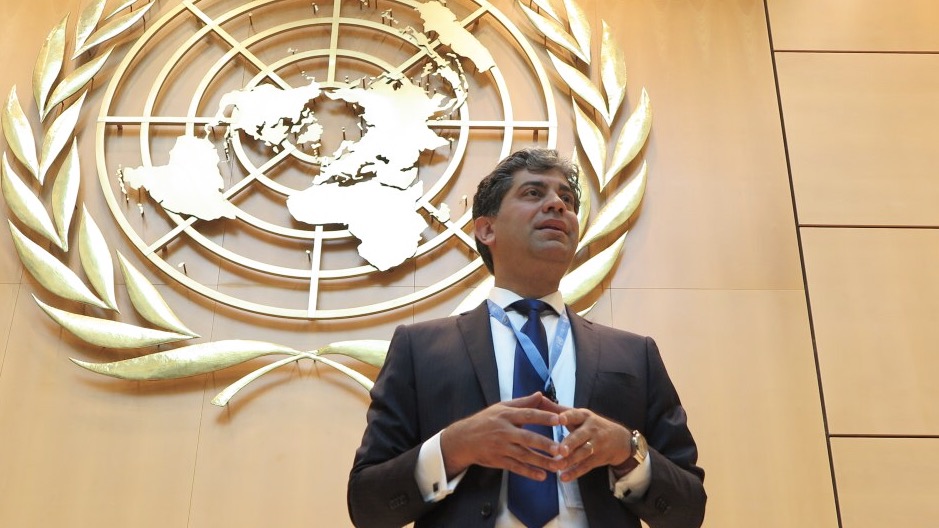
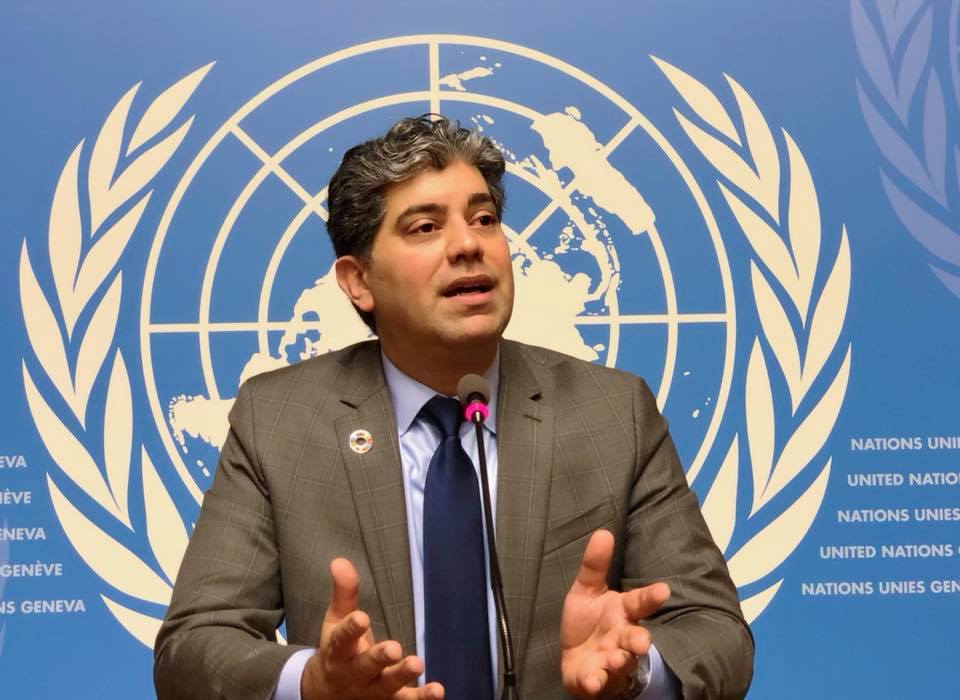
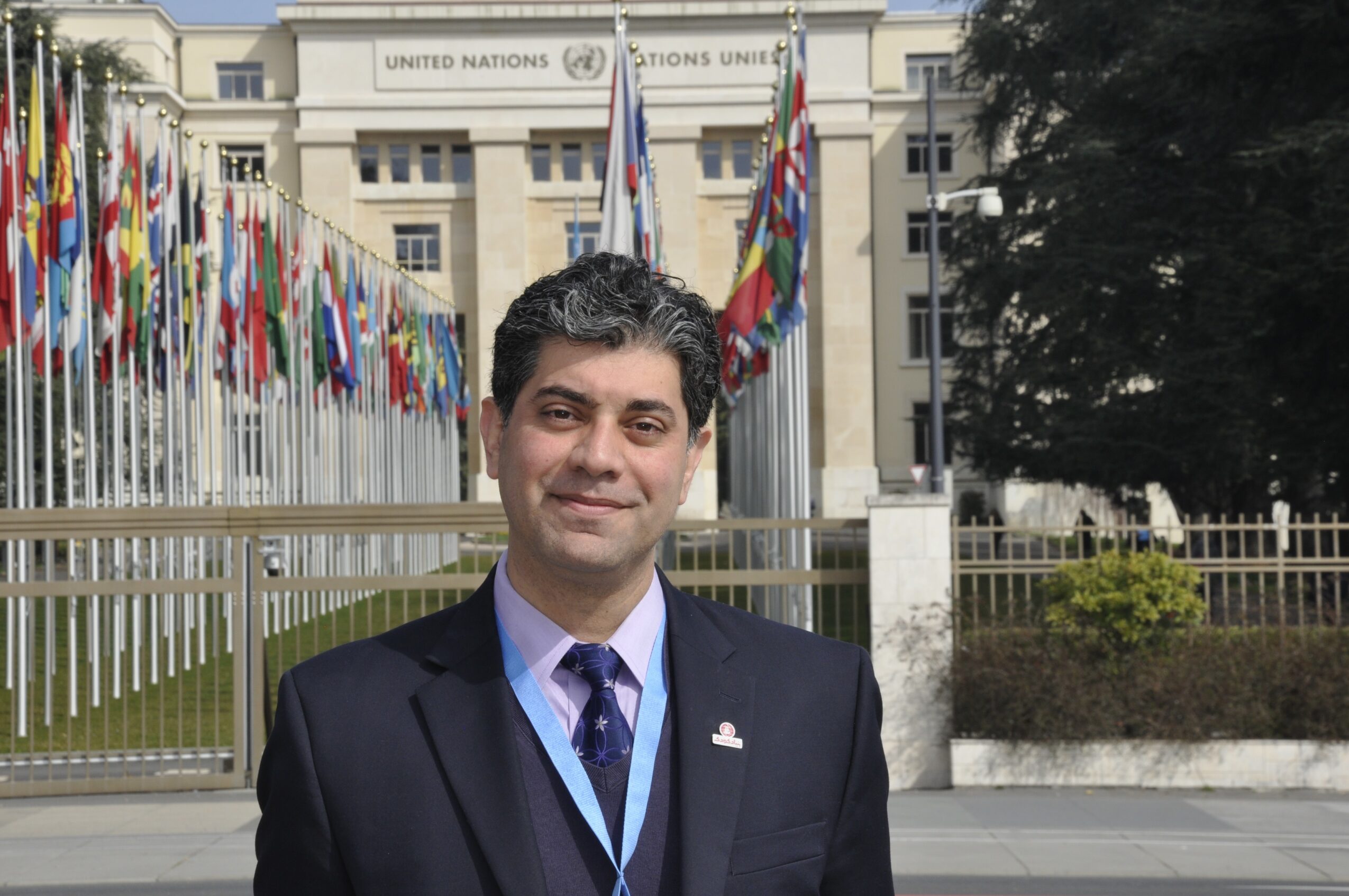
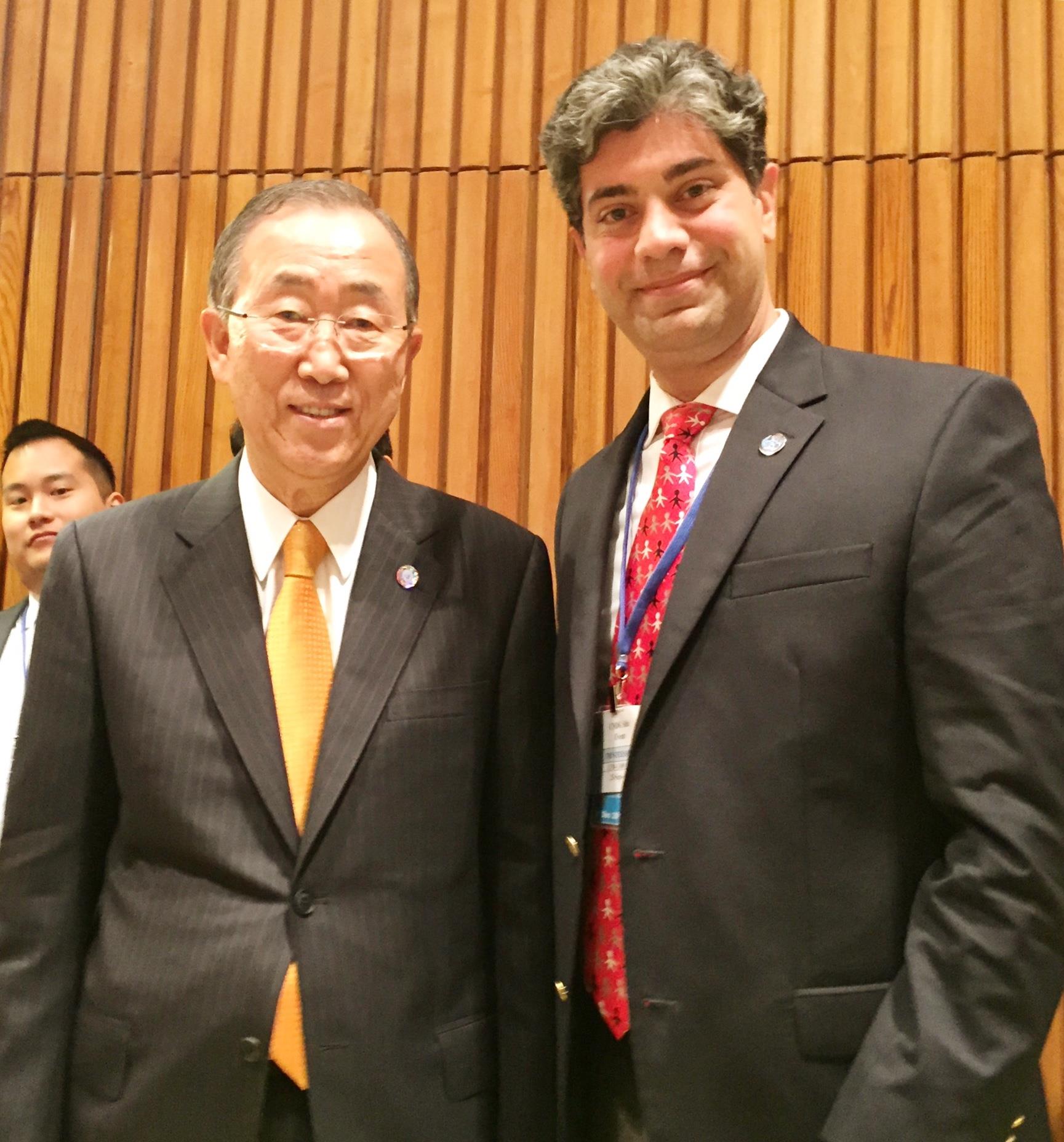
Image Credits
UN Secretary General Ban Ki Moon
Popular
-

Portraits of the Valley
-

LA’s Most Inspiring Stories
-

Robin Olive on Building an Inclusive Performing Arts Movement and Expanding Opportunities for Every Student
-

Que Johnson on Building Brands That Last: From Visibility to True Market Authority
-

Christina Wren Steps Into the Director’s Chair to Tell Stories That Feel Like Home
-

JordanL on ‘Breathe,’ Belief, and Building a Movement Beyond the Music


