




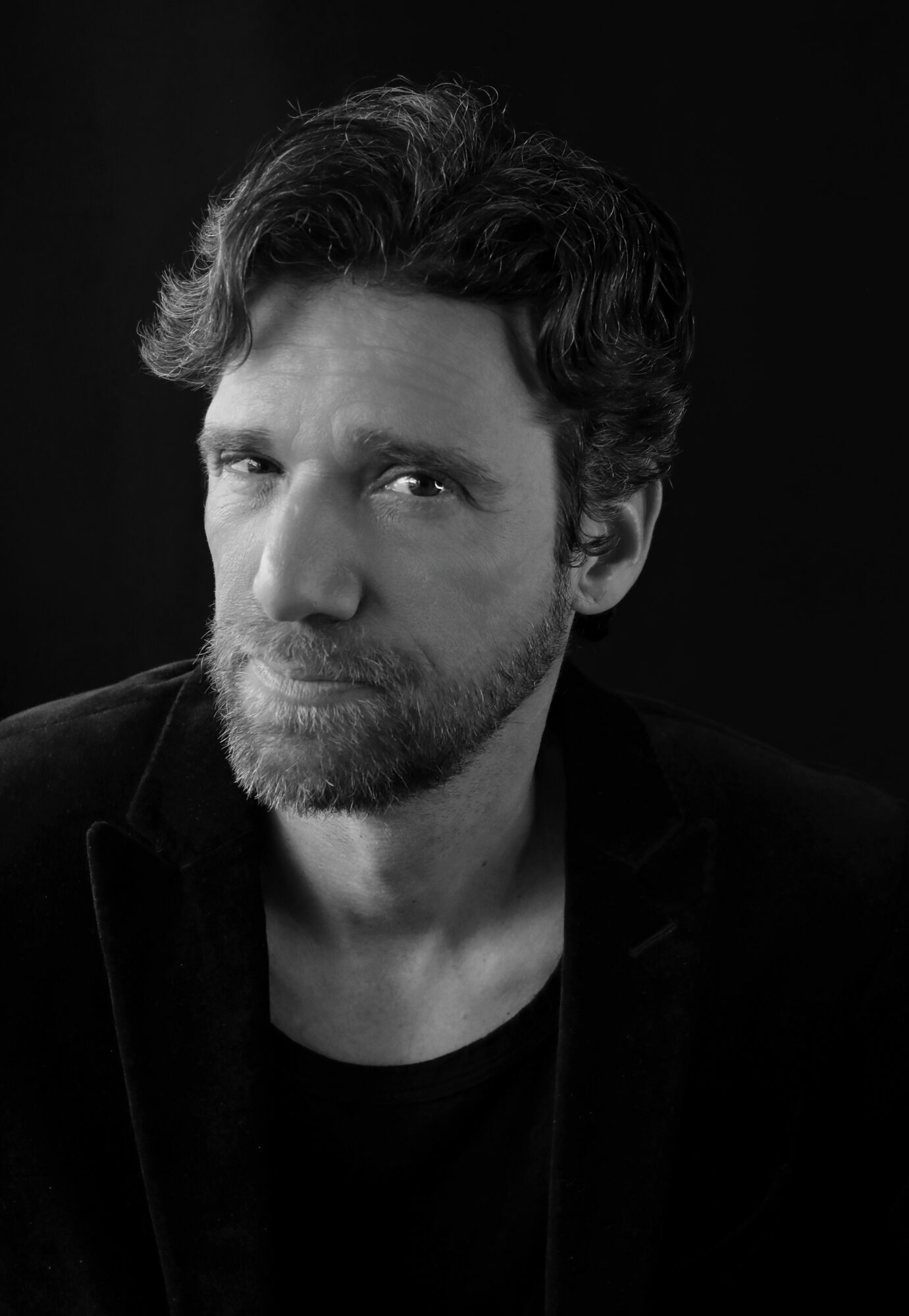
Today we’d like to introduce you to Gregg Stewart.
Hi Gregg, please kick things off for us with an introduction to yourself and your story.
I grew up in New Jersey and in my teens moved to Southern California to attend art college. I had always loved drawing and had high hopes of becoming an animator. I lasted one semester.
After so much preparation and a total upheaval of my life, it turns out drawing for fun was radically different than drawing for a grade. So I left college and got a job working in a factory. I learned how to drive a forklift. I like to consider this phase of my life a return to my New Jersey trailer park roots and a character-building exercise.
The silver lining was that I met a bunch of musicians at the factory. I’d always played guitar, but never thought I’d do it as a vocation. A year later, I had signed my first publishing deal with EMI as a songwriter.
After spending another year recording demos at the legendary Sound City and gigging at The Whiskey, The Roxy, The Viper Room, The Coconut Teazser and every other club on the Sunset Strip and beyond, my band landed a deal with Elektra Records. All the musicians I knew told me I had “made it” but for the next five years I watched them all release albums on indie labels, go on tour, and build followings online, while I labored in the record company machine, going to writing sessions, demoing tracks, and ultimately, having only one song released in all that time as part of a movie soundtrack.
When I finally got out of the deal, I considered walking away from music, but sometimes the muses have other plans for us. I dreamed entire songs. I dreamed I was playing them on stages around the world. Music haunted my waking hours, until I decided to play a few of these new songs for some musicians friends. These guys were in other bands, but they were so excited for these new songs I was writing that they insisted I record them, and they offered to help.
With my borrowed band, I made the first Stewboss album and launchd my own independent label—taking my years of education inside the record industry and finally putting it to use. Six months after the release of that first record, we started hearing from fans in the UK. Turns out, legendary BBC Radio2 presenter, “Whispering” Bob Harris was playing songs from our record and had called us “his favourite new band.”
As a grassroots indie band, it was nice to know we were getting some traction somewhere, but we lamented that it was so far away. Then someone gave us the powerful life advice “go where the momentum is taking you”. We reached out to fans and they were ager to help us book our first UK tour. We took a “one new fan every day” work ethic, and over the next six years, we released six albums, and had toured the UK and Europe seven times.
Back home in California, we also placed a dozen songs in films and television shows from the cult classic “3,000 Miles to Graceland” to family shows like “Hart of Dixie.” Our alt-country sound took us to many places, and I am grateful for my time with the band. Still, what made it work was our commitment to have fun together, no matter what, and that if it ever stopped being fun, or if any of us had an opportunity to do something “more fun”—we’d do that instead. Being in the band was always an invitation, not a demand.
Soon after our seventh tour, our bassist wanted to pursue other life goals. We tried to soldier on with a few other bassists, but the chemistry never felt right. I looked around and saw my daughter was turning three, and I wondered if this was all a sign to figure out how to spend more time at home. I transitioned to writing songs for other artists and placed a number of songs on various albums, but without any “hits”, it was important to diversify my talents and creativity.
I’ve learned, if you want to live a creative life, it’s best to put ALL your strengths and skills on the table. I worked as a session player, I wrote songs, and I also had the epiphany that I could write more than songs. I began to write newsletter and catalog copy for small businesses. I wrote articles for magazines, I began writing speculative short stories for print anthologies. I went where my creative momentum took me.
I also decided there would always be something new to learn about the writing process, so why not dedicate myself to learning everything I could and sharing the “best of” those lessons with others. I started leading songwriting and creative writing workshops to foster and connect with a larger creative community. My creativity continued to flourish and expand into new avenues and ventures. I began composing for indie films, cowriting screenplays, and writing novels. I gave a TEDxTalk about my creative journey and how to reclaim your creativity—even if you don’t see yourself as creative—and it became an Editors Pick with over 30,000 viewers in the first few months.
To date, I have released over 100 songs, have had 20+ song placements in film and tv, scored a dozen films, had another two-dozen short stories and articles in magazines and anthologies, and am about to release my third book in October 2026—a scifi-thriller, The Isochron Treatment.
There have been many times along this journey where I’ve questioned my sanity. It is not a “mainstream” life by any means, but with all its ups and downs and side-quests, it has felt like a life worth living. My creativity has shown me every strength, every glaring weakness, and taught me to accept myself. With all these successes and failures, I know in my heart, the greatest gift of living a creative life is the chance to feel more comfortable in my own skin. I believe this is everyone’s life journey—to learn to accept ourselves as we are and as we aren’t. Creativity is one of the most profound tools I have found to keep me on this path of constant discovery. So, I keep writing and exploring.
We all face challenges, but looking back would you describe it as a relatively smooth road?
Once I began to understand that everything that could go wrong, will go wrong, it made me extremely grateful whenever anything went right. There are pros to being secretly pessimistic and having super-low expectations for everyone except yourself.
I’m about to paraphrase here, but I think it was the filmmaker Werner Herzog who once said, “Every day will come with its sucker punch out of nowhere, and once you know that, you won’t worry once it happens. It’ll be done and over with. You’ll think, ‘ah, there it is’ and you can move on.”
I’ve lost record deals, I’ve had gigs cancelled after traveling a thousand miles to be there, I’ve had song placements that promised $30,000 only to become $300 ‘take it or lead it’ contracts. I’ve been cut-loose from gigs, passed over, and not even considered on many, many occasions. I’ve had rejection after rejection, so many that the word “no” feels so common, I do a double-take anytime I hear “yes.”
Also, I always hear people talking about their fear of releasing their work into the world. What if someone hates my songs? What if I lose friends? What if my family gets mad after they read my memoir?
I can tell you, without any hesitation, there is a 99.9% chance your family will never read your memoir. There is also a 99.9% chance no one will hate your music, and if they do, it’s only because there are a hundred times that many people who love it and you won’t care about the haters at that point. What no one tells you is that no one get haters until they’re successful to care.
The hard truth is, when you share your creative voice, the thing you will be met with, more than anything, is ambivalence. That’s the thing you need to get over as a creative. Yes, you’ll have friends who come to every gig, art opening, and book signing. Those are awesome friends, and I hope you’re there for them when they need you. But most people in your life won’t care about what you made. They’re not required to care. Often, they can’t relate to it, they’ve never written a song, a novel, or memoir in their lives. They don’t have your vulnerability or your courage, so to be concerned about their “not-yet expressed opinion” is an absolute waste of time.
That’s my biggest lesson on failure, or hesitating to put work into the world for any fear of failure. Everyone who you think will care, likely won’t, so you need to go find the people that will care. I’ve made so many powerful connections and friendships by sharing my creativity. Enemies? Haters? None that I am aware of, and who cares? Everyone has more important work to do in this life. I don’t have time to hate on anyone, and those who do, bore me. Shut up and go put that energy to better use. The life-long connections I’ve made far outweigh any interest I have in haters.
The bigger discovery is that every “loss” was leading me closer to success. Every sucker punch was not a mandate against me or my creative vision, but a necessary redirection to invite me to create something better.
As uncomfortable as it can feel, the most meaningful breakthroughs of my life all came through heart-wrenching breakdowns. They did not come from coasting easy down the highway of life. Nothing ever changes when you coast. Life just passes you by. So, I implore you not to live that life. Let things get messy, Fail. Fail big. Pause to get the lesson, then move on, and keep going until you succeed.
Alright, so let’s switch gears a bit and talk business. What should we know about your work?
As a writer, my supernatural-horror novella KIM REAPER launched last year as the first in a planned trilogy. This first book follows 14-year-old Kim Morse—lover of unicorns, rainbows, and cupcakes, and loathe of anything dark and scary. Through a strange twist of fate, she must moonlight as the Grim Reaper for a week, or until the world ends, whichever comes first. She’s trying to get through her first week of High School and thinks having to be Death is super-lame, but the job is also teaching her how to grieve and accept the loss of her parents. In many ways, Kim is an amalgam and celebration of my daughter’s, wife’s, and my teen years all rolled into one character. I loved writing her and infusing my family into this badass (albeit reluctant) heroine. It was also important to me to explore the idea of loss in a way that younger people could relate to. The writing process also helped me to finally grieve the loss of my father—a man who always encouraged me to share my stories.
Also, my sci-fi thriller THE ISOCHRON TREATMENT is being adapted into a six-episode podcast series and print edition slated for release this fall. It is a near-future dystopian story that takes place in 2044, where a prisoner in San Quentin, with no memory of his crime volunteers for experimental drug testing to evade death row. The vivid nightmares he experiences while under the drug’s effects lead him to suspect he is either going insane or time traveling. This was a fun way to explore the subject of identity—how we perceive ourselves, how others perceive us, and the inevitable gap in those two perspectives.
I am also the author of LET IT OUT: Unlocking Creativity to Access Authentic Expression. This book came about quickly—written via dictation, edited, and released all within six weeks. It covers all the things I’ve been talking about for over a decade when I talk about living a creative life, so it kind of erupted out of me. It was good to have all those ideas and lessons in one place. I self-published this book because I wanted to honor the same momentum that wrote it, and didn’t want to wait in a release queue, so out into the world It went. I was beyond thrilled when it reached #7 on Amazon’s Creativity best-seller list in it’s debut week.
When I am not writing, I offer 1:1 creative consulting services from developmental editing to script punch-ups to writing workshops, and really, anything a person might need too feel supported on their creative journey.
We all have a different way of looking at and defining success. How do you define success?
Success is such a subjective thing, isn’t it? I think, you just need to define what you want your life to look like—family, home, career, community, whatever—then you do what enlivens you most to attain it.
It’s different for everyone, but if you don’t pursue what you love with wild enthusiasm, you’ll never appreciate the journey, and you may not even appreciate the things once you attain them.
I look at my life in this moment and I don’t want to change any of it. I am not have attained many of the markers people tend to measure success by: Am I famous? And I a multi-millionaire? No, but I didn’t ask for any of that when I designed the life I wanted, so it’s fine. Will I be okay if those things happen? Yes, but I won’t allow my life to be defined by those measures, because they are not as important as getting to be a husband and father and writer, regardless of whether it’s all going well or not. These are the things that matter to me, and while I have control over how I show up in those roles, I have no control over outside circumstances, so I won’t allow those things to define my success.
I guess what I’m saying is that my integrity—my commitment to keep my word to myself—how well I do that is how I define success.
Contact Info:
- Website: https://thatgreggstewart.wixsite.com/workshops
- Instagram: thatgreggstewart
- Youtube: thatgreggstewart
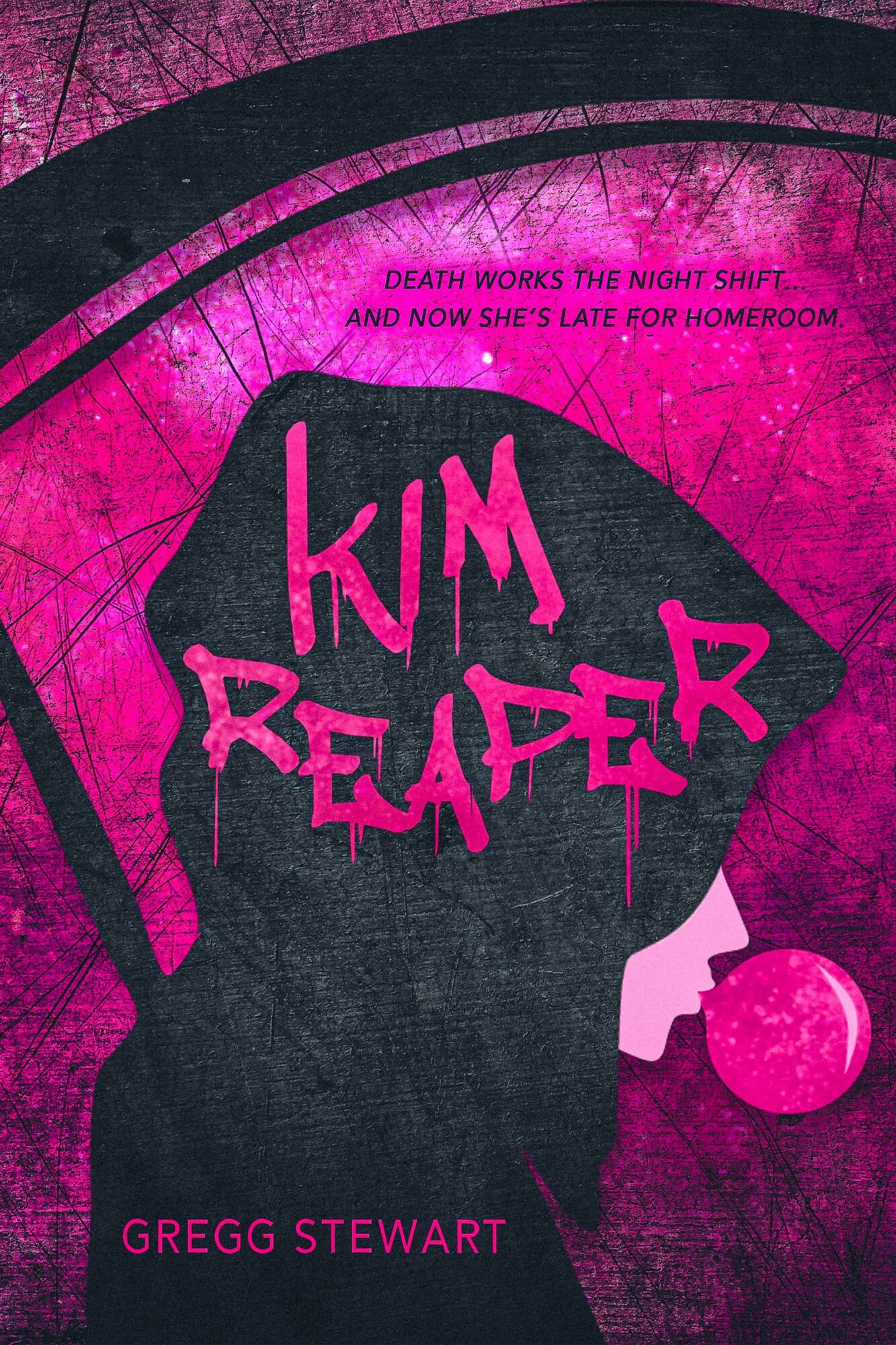
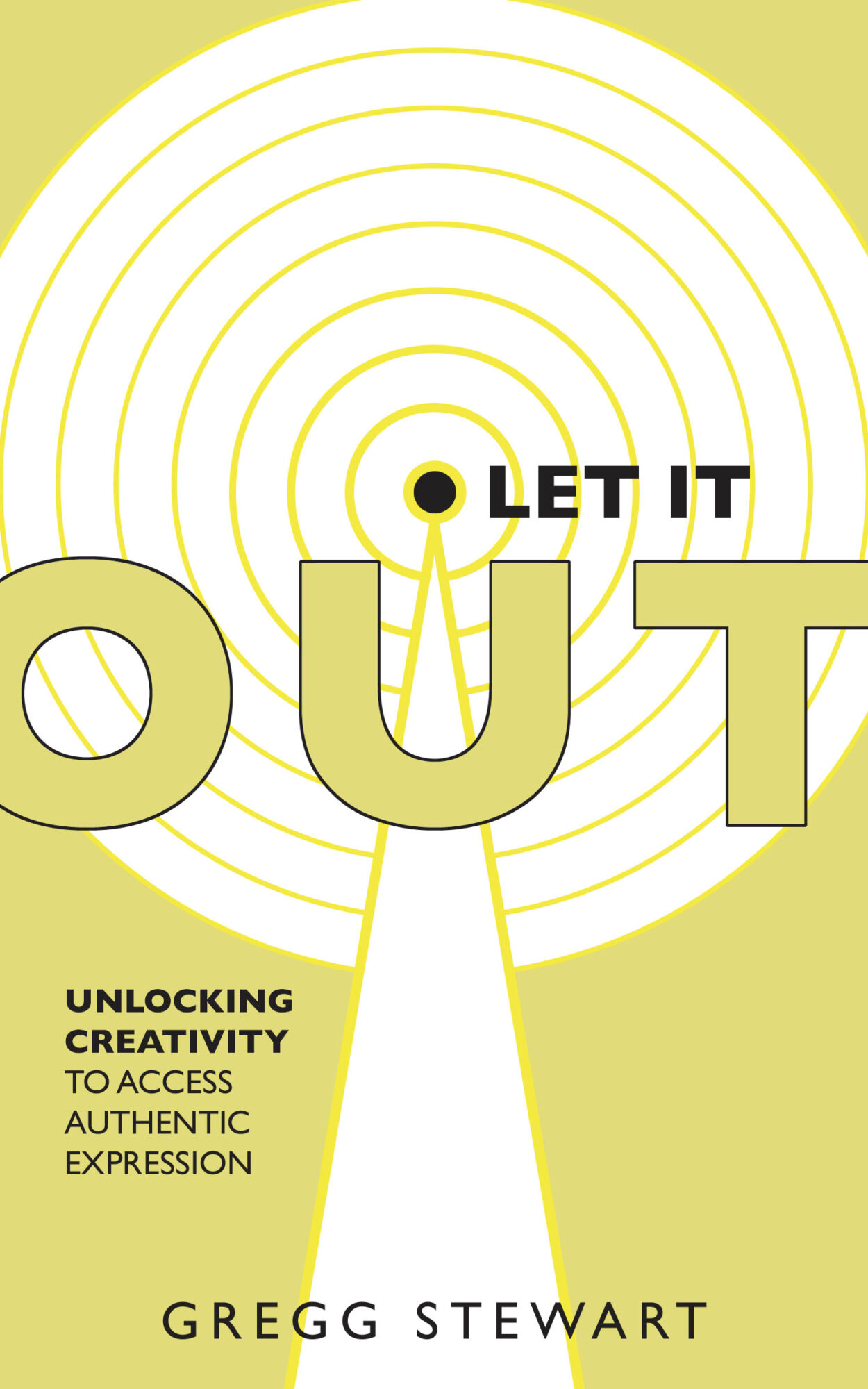
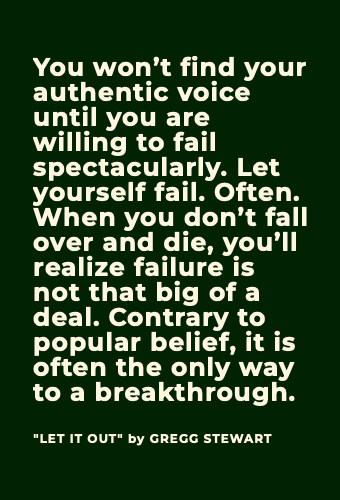
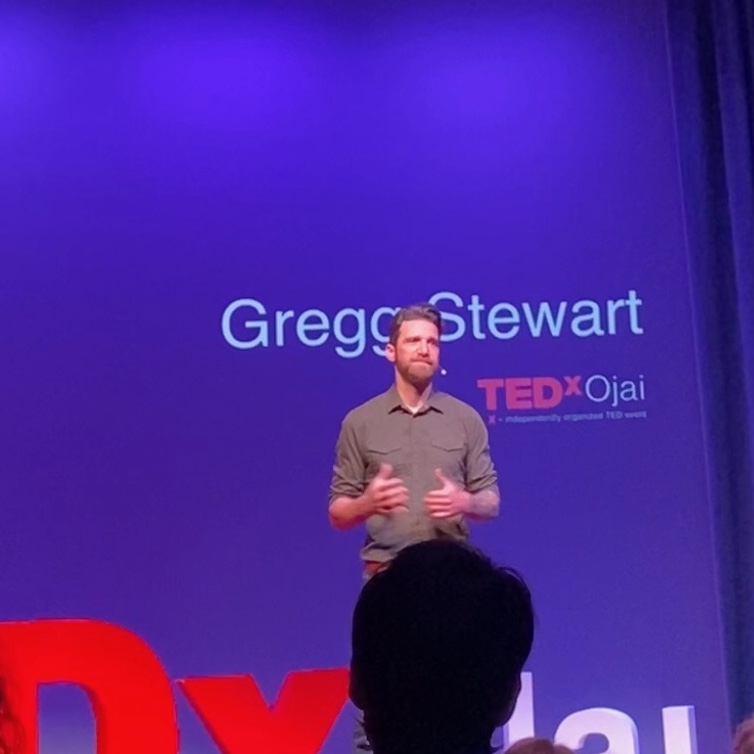
Image Credits
Author image courtesy of Renee Faia
Kim Reaper cover design by Kelley York
Let It Out cover design by Renee Faia
TEDxOjai stage image by Renee Faia
Popular
-

Portraits of the Valley
-

LA’s Most Inspiring Stories
-

Robin Olive on Building an Inclusive Performing Arts Movement and Expanding Opportunities for Every Student
-

Que Johnson on Building Brands That Last: From Visibility to True Market Authority
-

Christina Wren Steps Into the Director’s Chair to Tell Stories That Feel Like Home
-

JordanL on ‘Breathe,’ Belief, and Building a Movement Beyond the Music


