




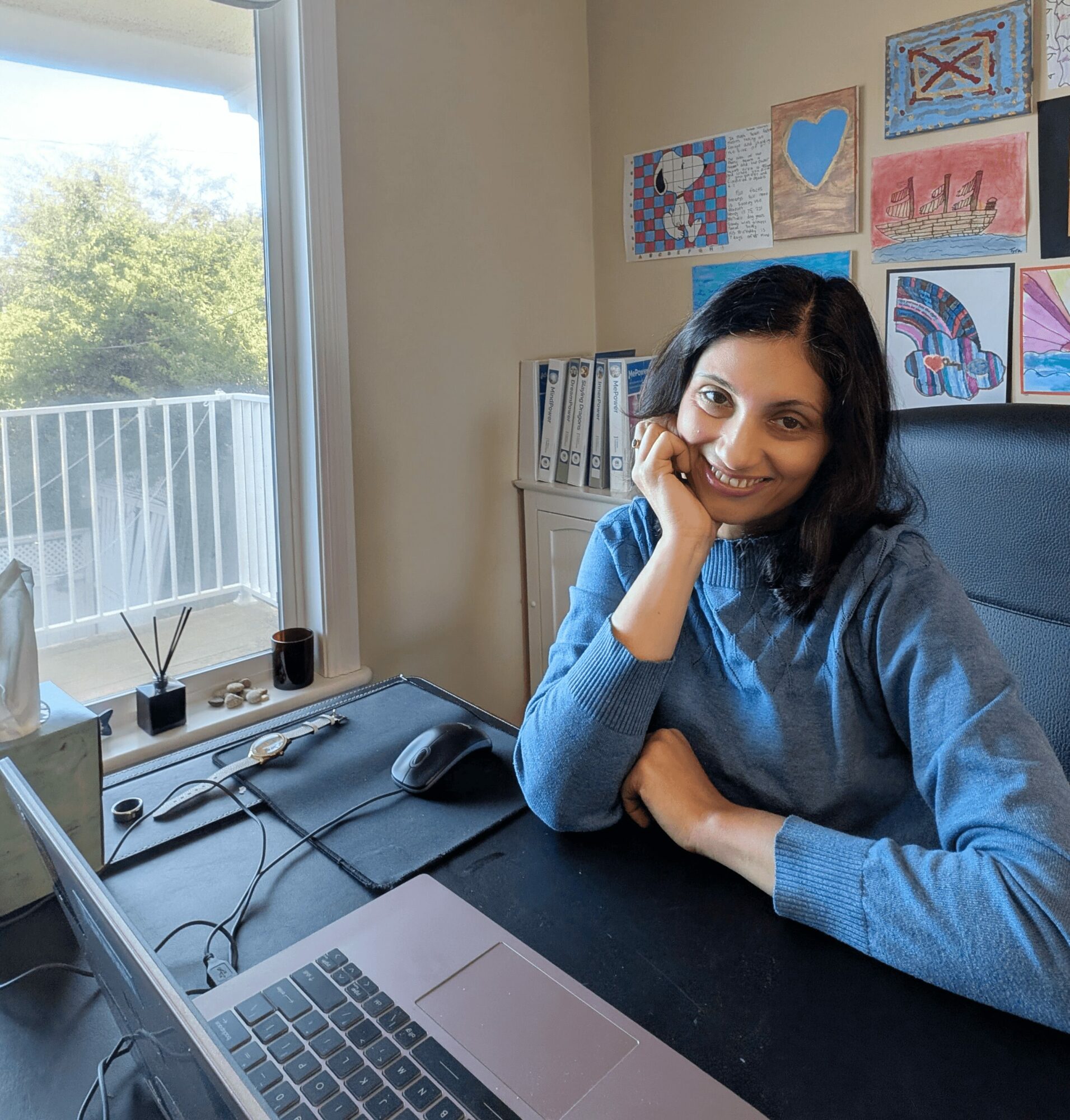
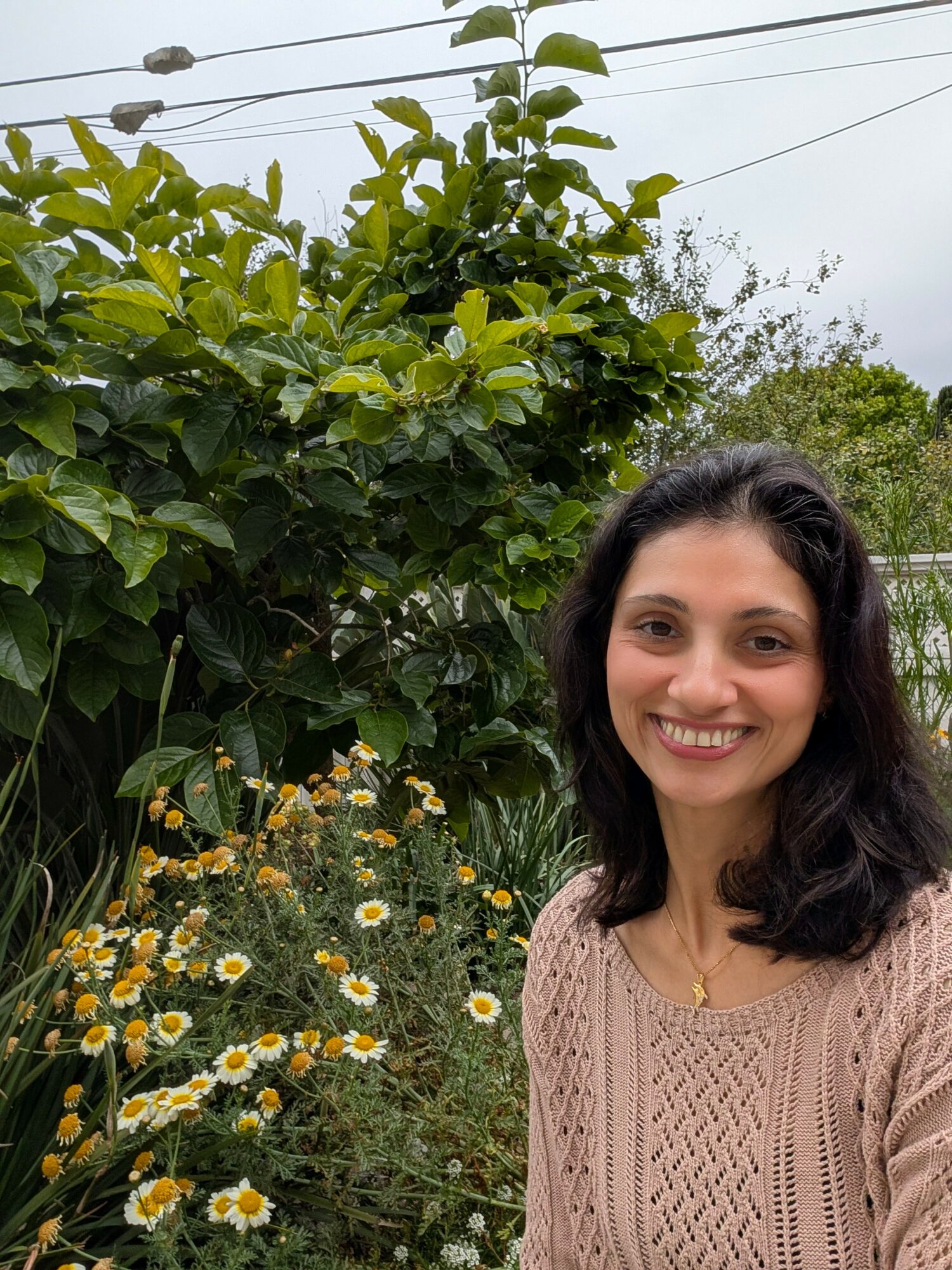
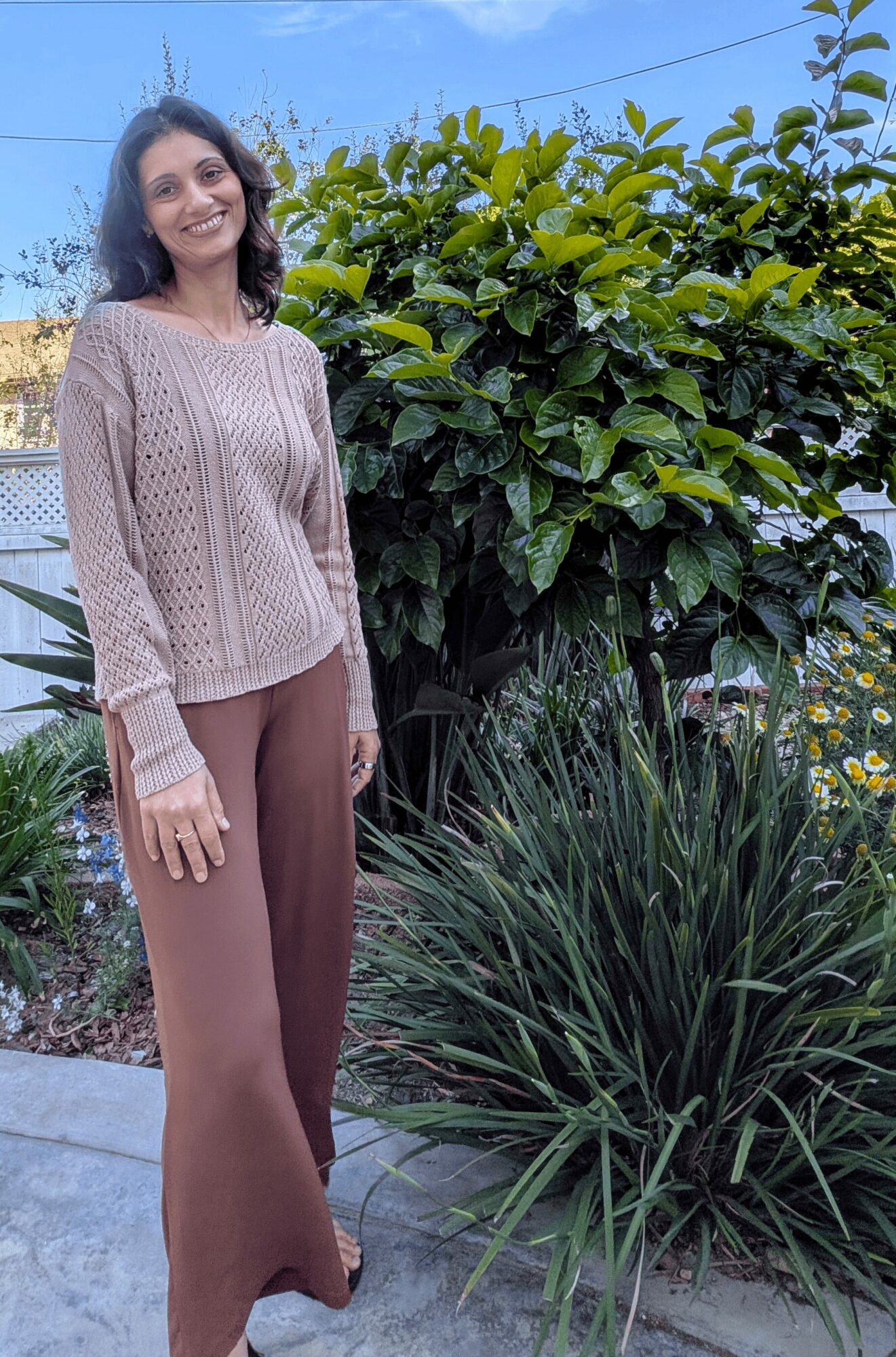
Today we’d like to introduce you to Parinaz Kharas.
Hi Parinaz, we’re thrilled to have a chance to learn your story today. So, before we get into specifics, maybe you can briefly walk us through how you got to where you are today?
Honestly, this work started very personally.
I’ve always been a reader, a researcher, a “save the article for later” kind of parent. When we moved from Sydney to California, it was a huge transition for our whole family and in that same year, my older daughter was starting middle school. That combination made me stop and really pay attention.
I remember thinking, I don’t want to just react to what’s coming. I want to understand what’s really happening as she grows.
Around that time, I’d already been following Adventures in Wisdom a kids coaching style. The way they taught life skills through story felt different. Practical, but also deep. And what surprised me was how much it resonated with me personally. Not just as a parent. As an adult.
I had done some of my own personal development work with coaching and shadow work and at this point, something became very clear to me. So many of the struggles we carry as adults like the self-doubt, the fears, the patterns we keep bumping into, they don’t start in adulthood. They begin in early experiences that were never properly interpreted. Moments we didn’t fully understand as children, that quietly became the stories we told ourselves.
And I remember thinking, what if children could get the right interpretation early? What if instead of spending decades unlearning limiting beliefs, they grew up with healthier internal narratives from the start?
That idea stayed with me.
I felt if I had been taught these frameworks as a child, I think I would have moved through life differently. Not perfectly but with more awareness, more self-trust, more ease. That’s when it shifted from “this is helpful for my daughters” to “I want other children to have this too.”
So I decided to get certified. And here I am.
I don’t believe children just need coping strategies. I believe they need perspective early on so they can become adults who don’t have to untangle quite as much later.
I’m sure it wasn’t obstacle-free, but would you say the journey has been fairly smooth so far?
Let’s call it a challenge – because challenges can be overcome 🙂
The practical side of building a business from scratch has been real – the tech, the marketing, figuring out visibility when you’re just starting out and nobody knows your name yet. There’s a lot of learning that happens quietly, behind the scenes, before anything looks polished from the outside. And with all the tech available today, I’m still learning 🙂
But honestly, the challenge that sits closest to my heart is a different one.
It’s helping parents understand that coaching exists in the space before things get serious.
So much of the time, families wait. They notice something with their child like they are worrying a lot, pulling back, struggling after setbacks and they either hope it passes or they wait until it becomes significant enough to need professional intervention. And I completely understand that. Parents are doing their best with what they know. (I would like to underline ‘with what they know’)
But what I want people to understand is that coaching is proactive, not reactive. It’s not a sign that something is wrong with your child. It’s actually giving them tools before the struggles become harder to untangle. It’s building the inner foundation early, while they’re still at an age where it feels natural and playful.
The other piece is the perception of what kids coaching actually looks like. A lot of parents picture a child sitting across from someone being asked “so, how does that make you feel?” and honestly, kids don’t enjoy that. Neither would I at that age.
What I do is completely different. It’s story-based, warm, and genuinely fun. Kids don’t even realize they’re building life skills because they’re too busy being engaged in the story and the activity. That shift in understanding from “coaching as interrogation and advice” to “coaching as something kids actually look forward to”, that’s been part of the journey too.
It’s a never ending conversation, but it’s one I’ll keep having, because I believe in it 🙂
Alright, so let’s switch gears a bit and talk business. What should we know?
I work with children aged 6 to 14 who are quietly carrying more than they show.
The child who worries before school every morning. The one who gives up on themselves the moment something gets hard. The one who has so much to offer but somehow always holds back. The one who desperately wants to fit in and is starting to lose themselves in the process.
These kids aren’t broken. They’re not “problem children.” They’re just missing something, a set of tools that nobody has taught them yet. And that’s exactly what I do.
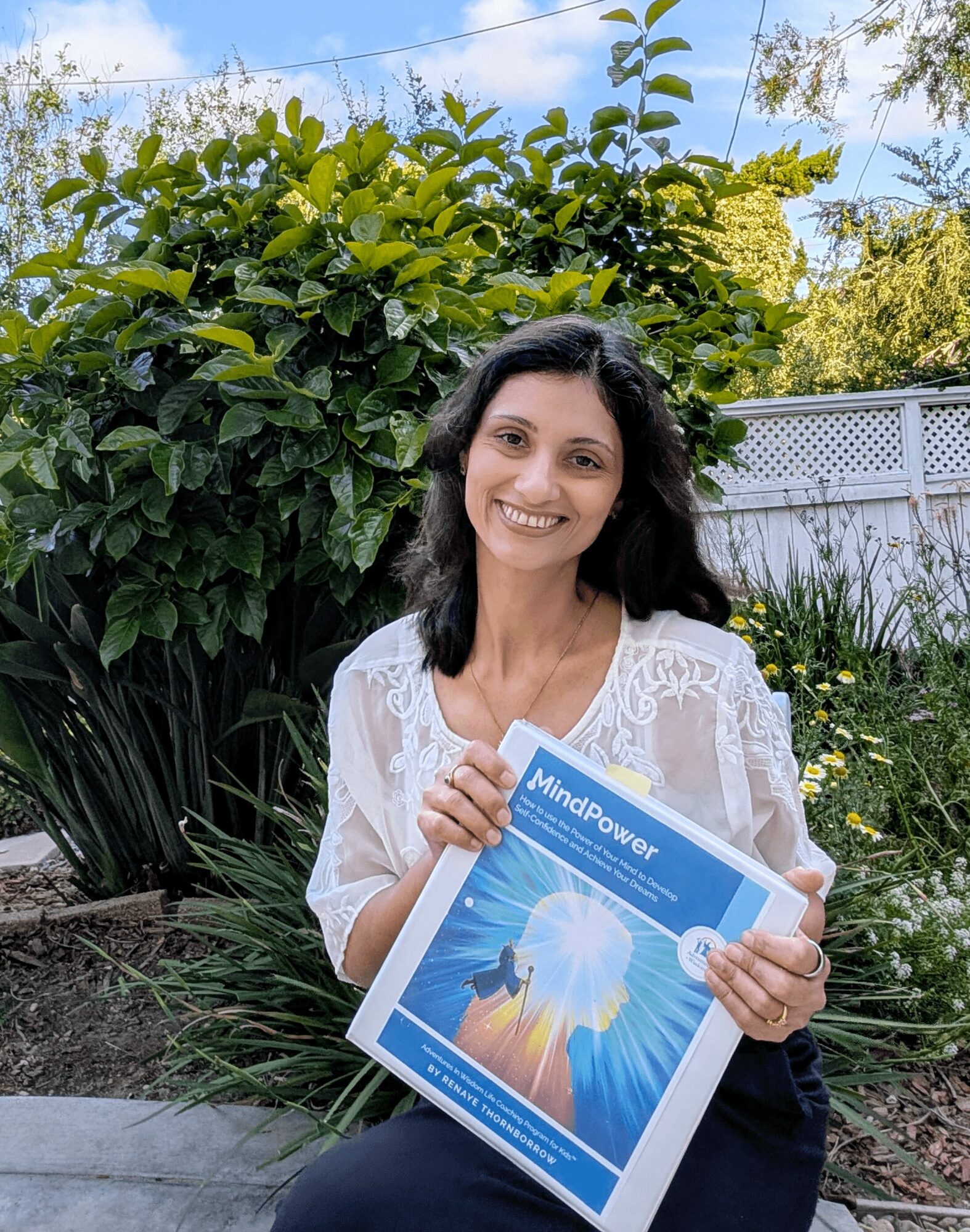
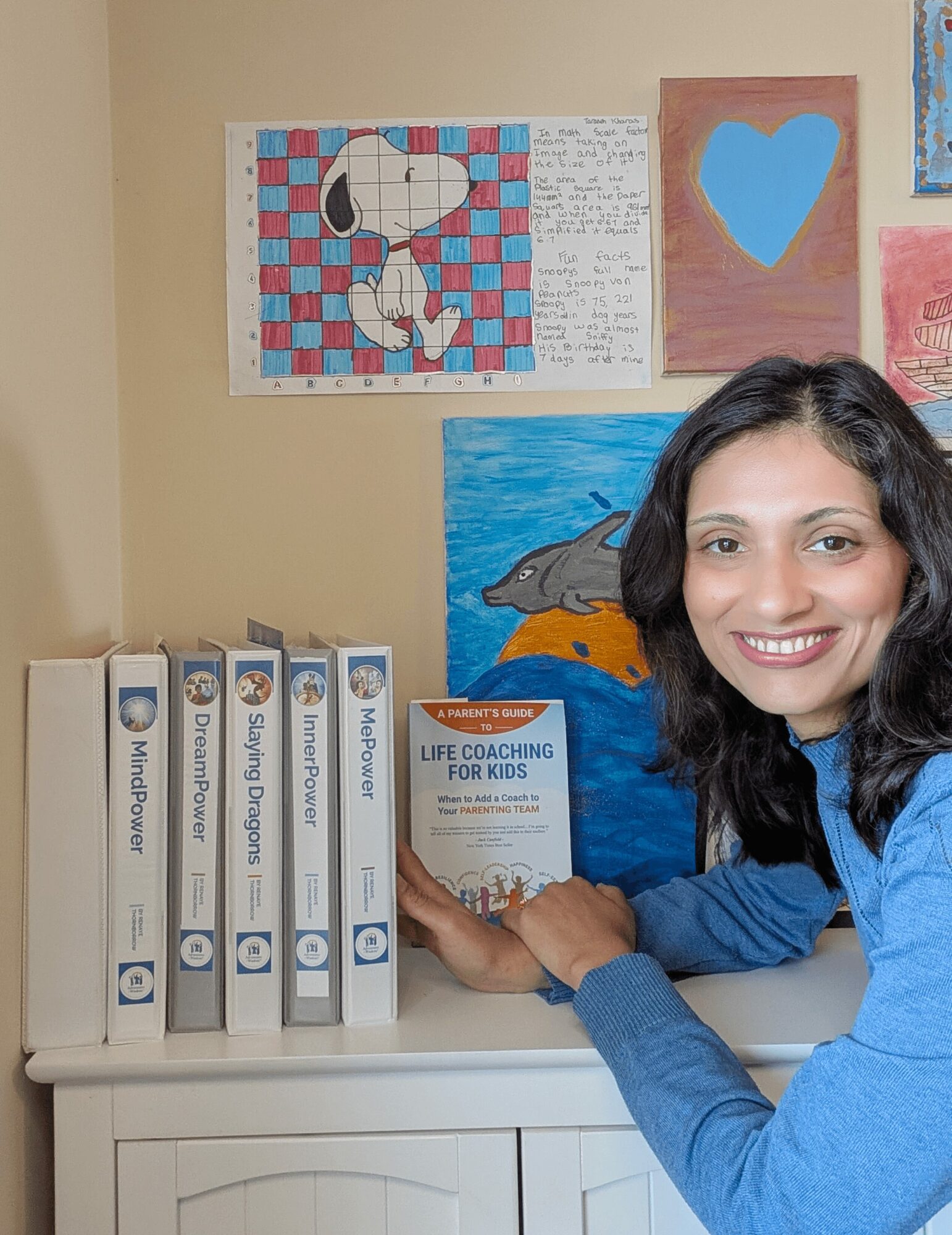
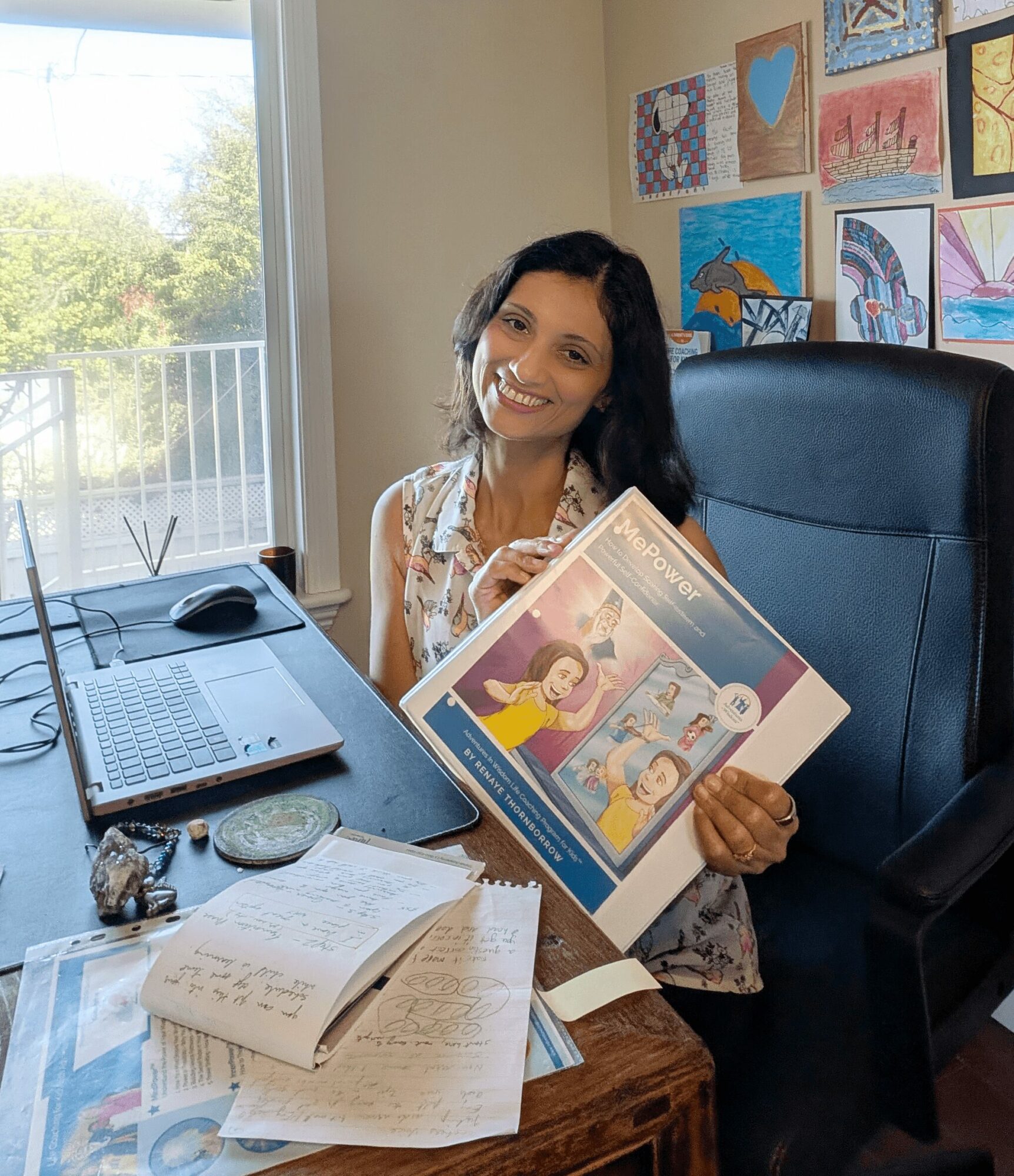
I’m a certified Confidence and Resilience Coach for children, and I use the Adventures in Wisdom® curriculum a story-based coaching approach that teaches kids real, lasting mindset skills in a way that actually works for how their minds are built. No lecturing. No “how does that make you feel?” Instead, every session feels like a warm conversation to them – playful, engaging, and genuinely something kids look forward to.
What sets me apart is the combination of what I teach, how I teach it, and why I do this work. I came to coaching as a parent first, someone who did her own inner work and realized that so many adult struggles begin in childhood. I believe that if children are given the right tools early, they don’t have to spend decades unlearning what could have been shaped differently from the start.
My programs/Mindset Journeys are focused coaching packages built around a specific challenge or goal your child is facing right now. Each one is a guided journey with a clear beginning, real skill-building along the way, and a graduation to celebrate your child’s growth at the end.
Mindset Journeys I offer:
Back-to-School Mindset Bootcamp — for kids heading into a new school year feeling nervous or unsettled
Move to Middle School Mindset Bootcamp — for the big transition to middle school
Creating Confidence and Courage — for kids who hold back, doubt themselves, or sit on the sidelines
Building Resilience — for kids who struggle to bounce back from mistakes or setbacks
Standing Up to Peer Pressure — for kids navigating friendships, belonging, and staying true to themselves
Creating Soaring Self-Esteem — for kids who need to feel good about who they are, from the inside out
And if none of those feel like quite the right fit, I also build fully personalized journeys tailored to your child’s unique situation.
Everything starts with a free discovery call. No pressure, no commitment, just a chance to talk, for your child to feel comfortable, and for you to ask anything at all.
Because every child deserves to take up space, fully and without holding back.
Before we go, is there anything else you can share with us?
Never underestimate the power of a story.
Stories are powerful because they work with the way a child’s mind naturally develops. Children don’t learn through logic first, that comes later. They learn through imagination, identification, emotion.
When a child hears advice, they step back and analyze it. But when a child hears a story, they step inside it. They see the character. They feel what the character feels. They start wondering, “What would I do?”
And that’s why stories are sticky.
We forget lectures quickly. But we remember stories from childhood decades later. If your parents wanted to teach you not to lie, they probably didn’t just say “Don’t lie. It’s bad.”
Even if they did, that sentence didn’t stick. But the story of The Boy Who Cried Wolf? You remember that. You remember the fear. You remember the villagers ignoring him. You remember the consequence. And most of us haven’t heard that story in 30 or 40 years and it’s still there. Somehow that lesson felt earned, not imposed.
That’s the difference. Stories don’t tell us what to think. They let us experience something and draw our own conclusion.
And here’s the fascinating part. Neurologically, the brain doesn’t fully separate a vividly imagined experience from a lived one. So when a child enters a story, their imagination activates, they feel tension, they feel relief. The story becomes a safe rehearsal for life. They experience courage before they need courage. They experience consequences before making a real mistake. They experience perseverance before facing real frustration. So when life presents something similar, it doesn’t feel entirely new. Their brain has been there before.
This is why, in my sessions, I’m not telling a child who they are. I’m not saying “you need to be braver” or “you shouldn’t give up.” I’m helping them build an internal story about themselves one that’s rooted in possibility, not limitation.
Because the stories we tell ourselves shape everything. So let’s make sure they’re good ones.
Contact Info:
- Website: https://www.coachparinaz.com
- Instagram: @growwithparinaz
- Facebook: @growwithparinaz

Popular
-

Portraits of the Valley
-

LA’s Most Inspiring Stories
-

Robin Olive on Building an Inclusive Performing Arts Movement and Expanding Opportunities for Every Student
-

Que Johnson on Building Brands That Last: From Visibility to True Market Authority
-

Christina Wren Steps Into the Director’s Chair to Tell Stories That Feel Like Home
-

JordanL on ‘Breathe,’ Belief, and Building a Movement Beyond the Music


