




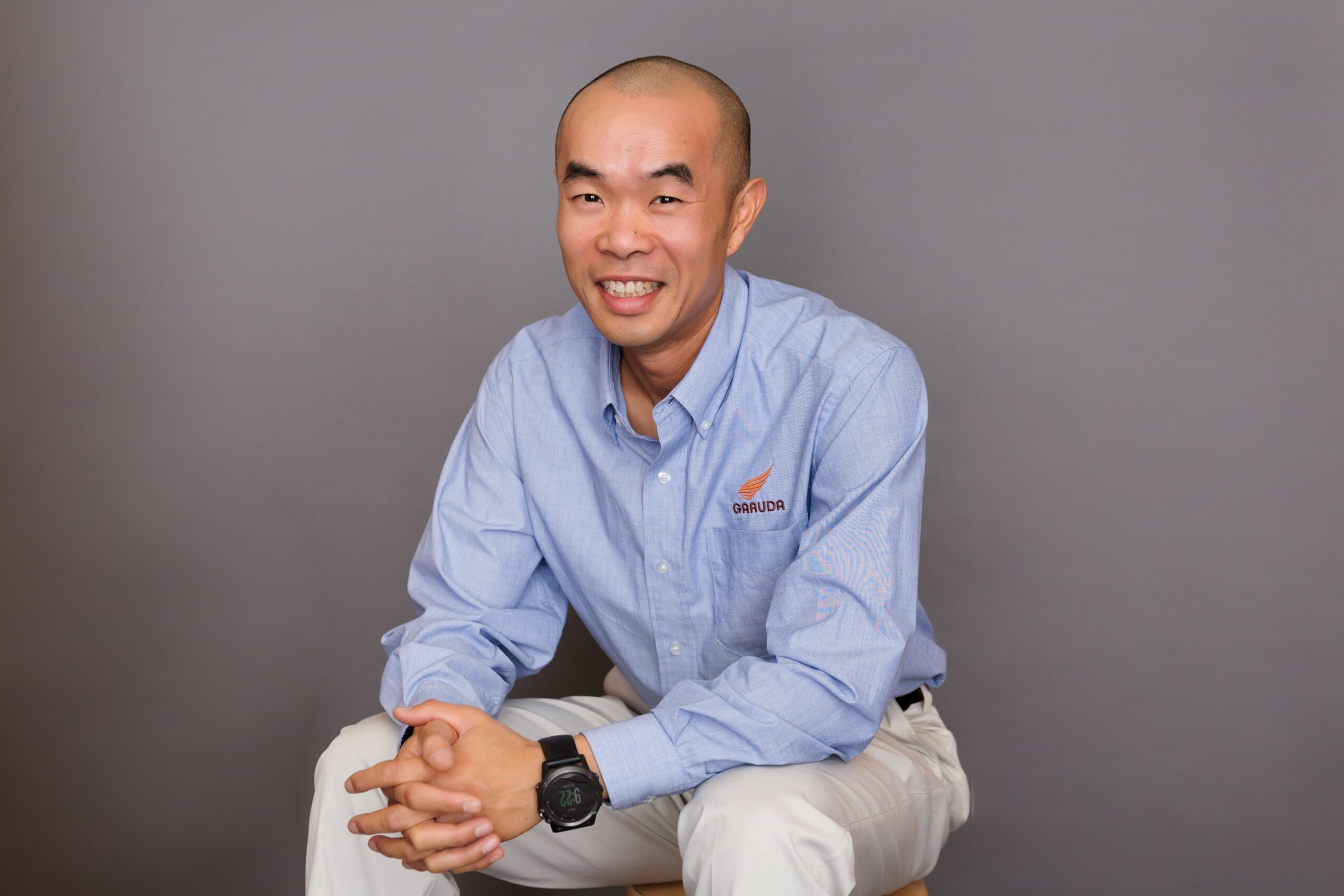
Today we’d like to introduce you to Swire Ho.
Hi Swire, so excited to have you on the platform. So before we get into questions about your work-life, maybe you can bring our readers up to speed on your story and how you got to where you are today?
I was born and raised in Hong Kong and came to Los Angeles when I was 17 years old after high school. Originally, I wanted to work in the music industry, so in my late teens and early twenties, I went to recording school and worked in recording studios around LA.
A major turning point happened on the day of my honeymoon. I found out the recording studio company I was working for had gone out of business. At the time, it felt like the rug got pulled out from under me, but looking back, that moment pushed me into entrepreneurship.
That led me to start my first company, Hellman Production, which focused on CD and DVD replication. Back then, Los Angeles had a huge market for physical media. We worked with movie studios, musicians, and entertainment companies that needed CDs, DVDs, and packaging produced for releases, promotions, and events.
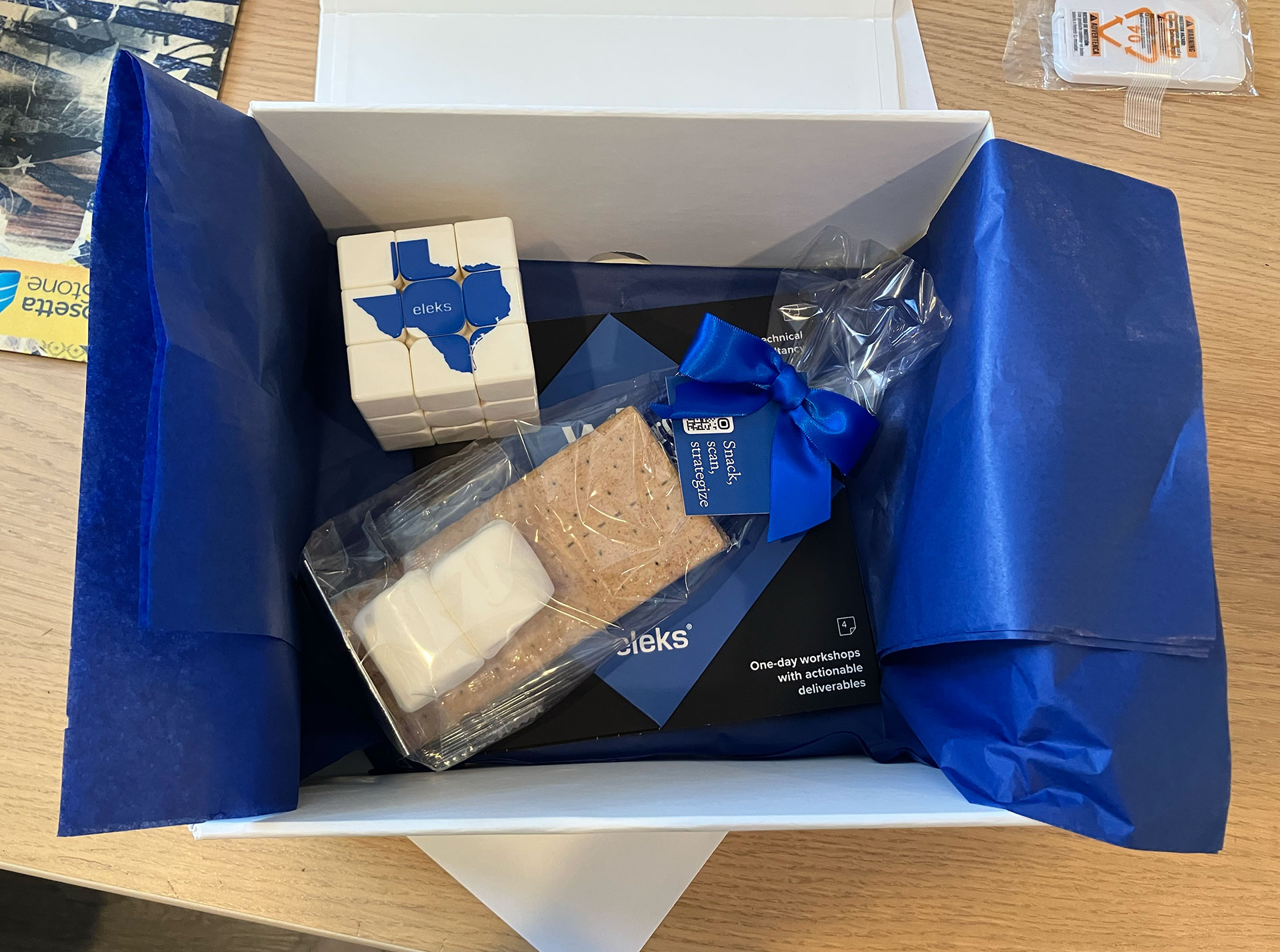
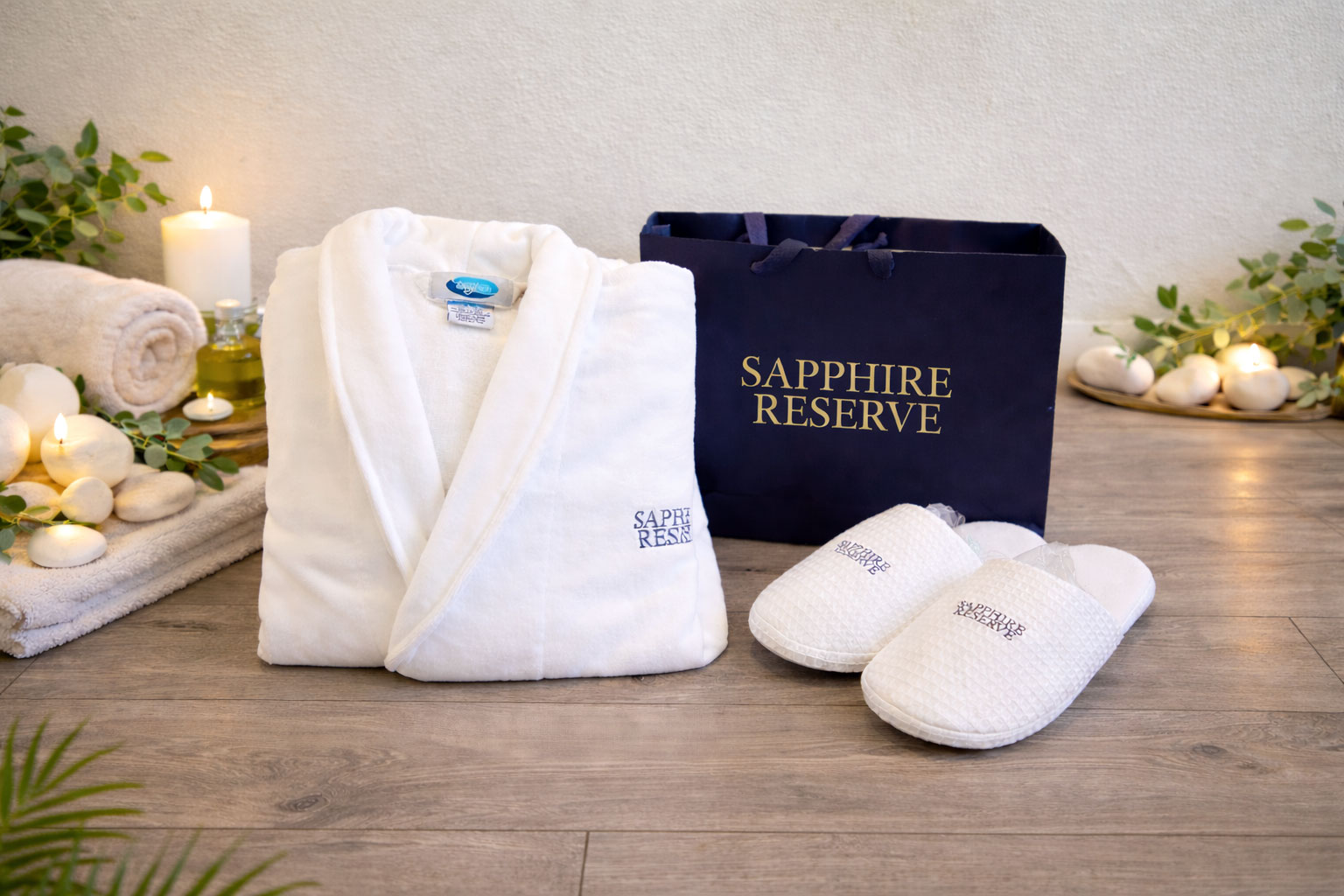
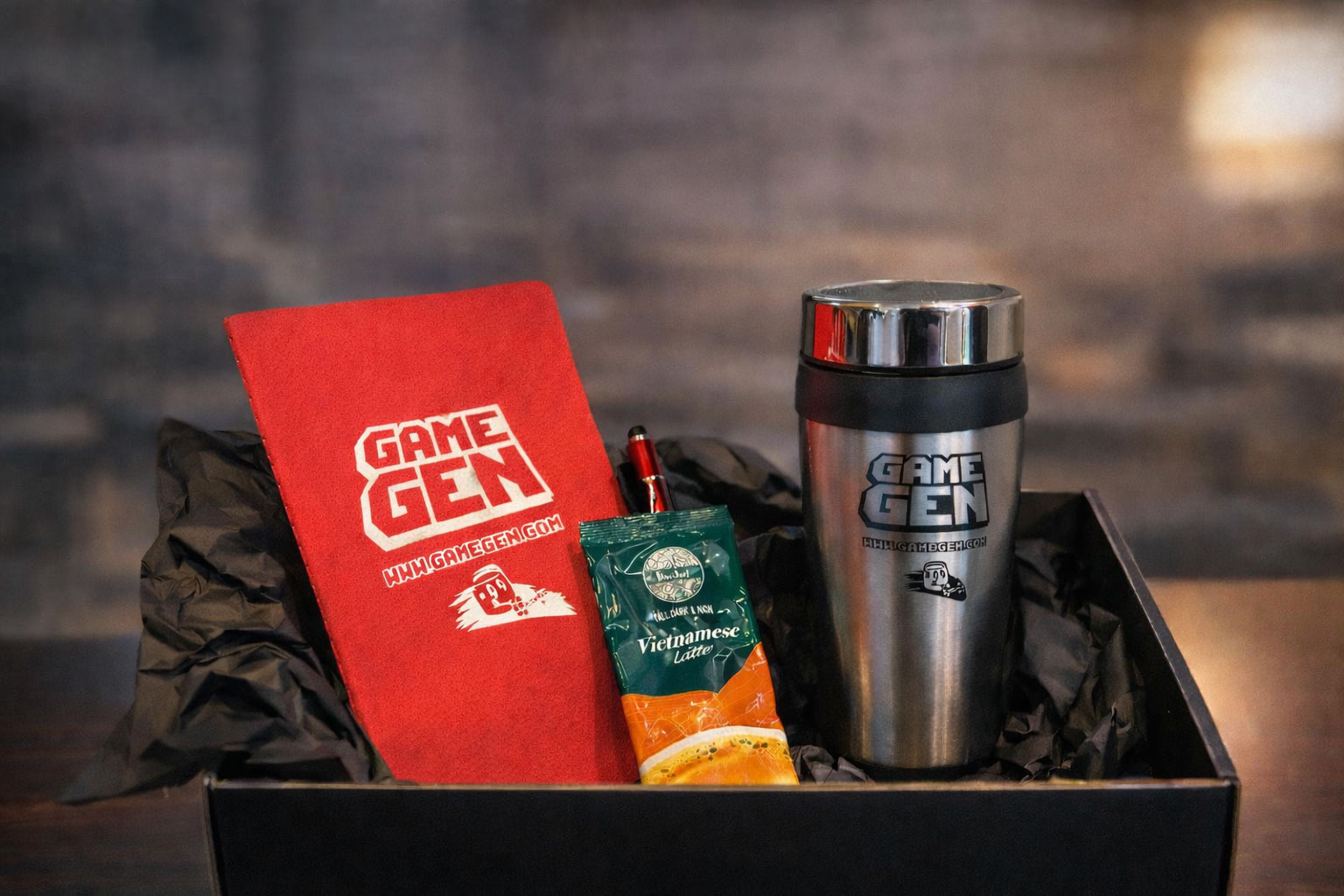
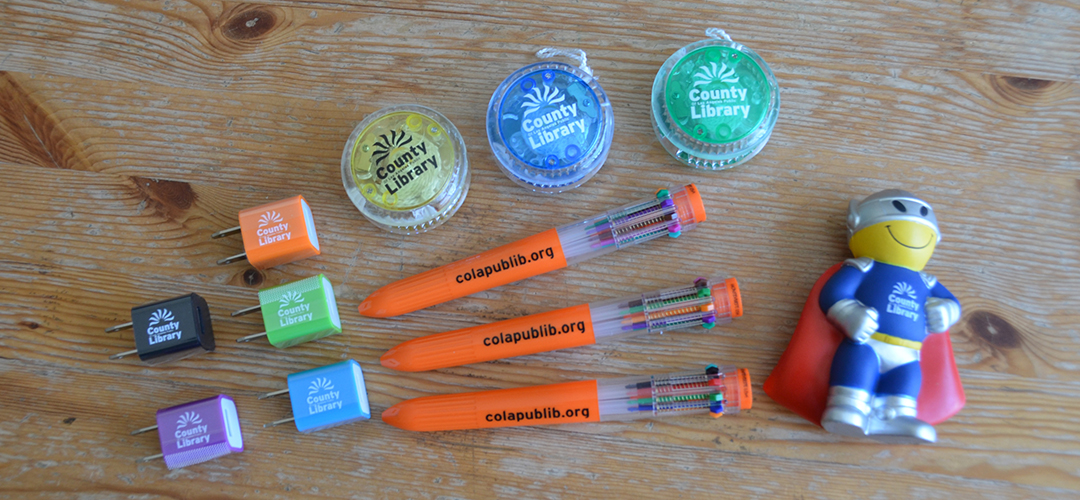
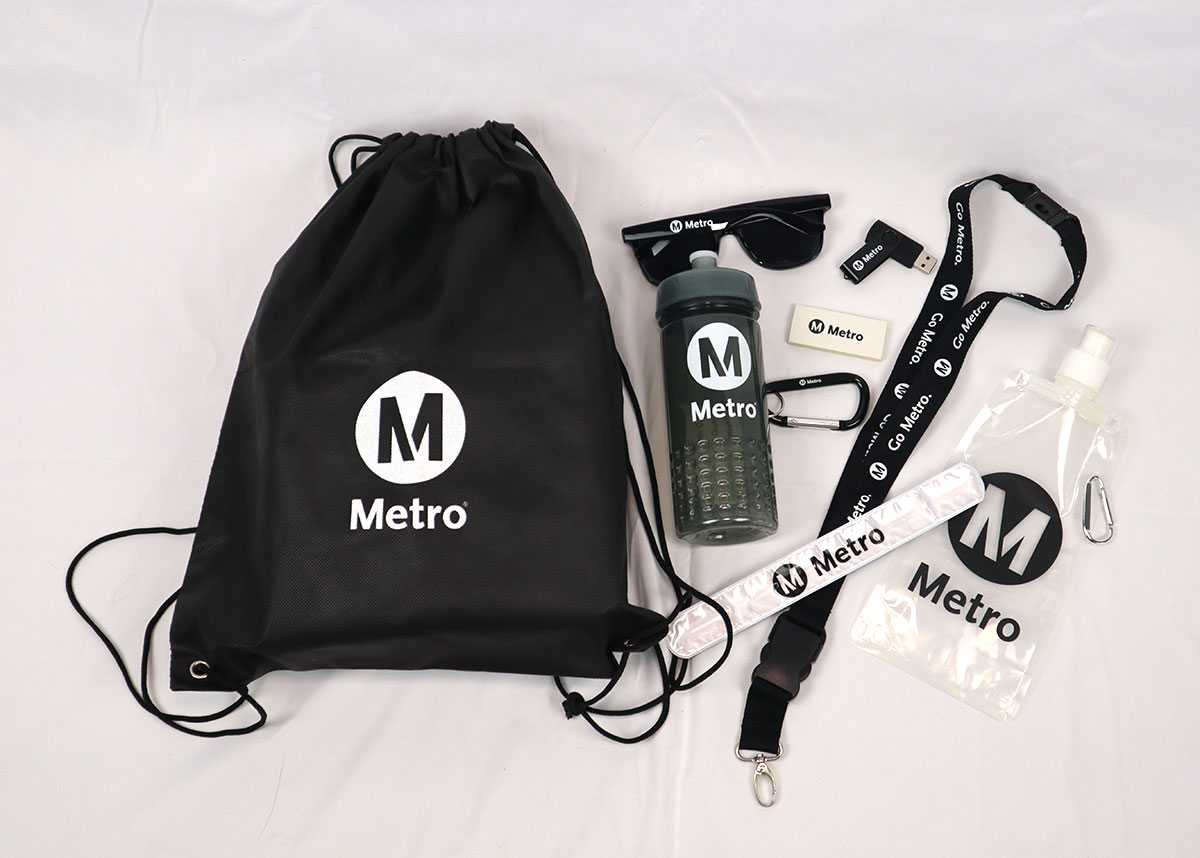
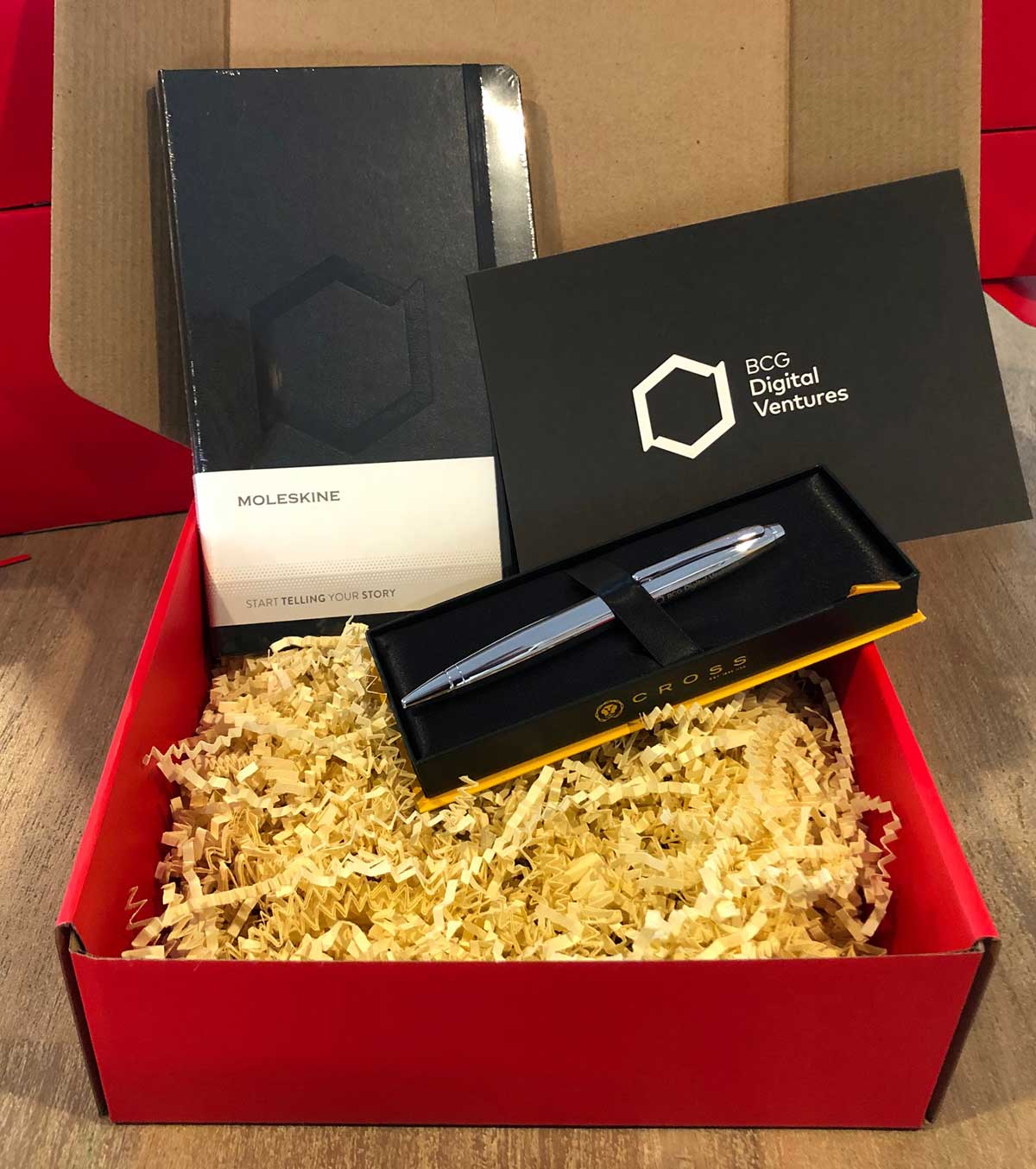
As we worked more with musicians going on tour and entertainment clients, the conversations naturally started shifting. Artists would ask us if we could also help with merchandise like branded apparel, hats, and products they could sell during tours. Movie studios started asking us to create gift packs and promotional items for premieres and red carpet events.
Along the way, my wife Shirley — who is also the co-founder of Garuda Promo — joined me in the business. We really built everything together over the years.
In 2013, a competitor acquired the CD/DVD replication side of our business. By then, we could already see the industry changing and physical media declining, so we decided to focus completely on promotional products, branded merchandise, and print marketing. That eventually evolved into what Garuda Promo & Branding Solutions is today.
What started as a technical production business slowly became more about branding, storytelling, and helping companies create real connections through physical experiences and products.
Can you talk to us a bit about the challenges and lessons you’ve learned along the way. Looking back would you say it’s been easy or smooth in retrospect?
I think if any entrepreneur tells you the road has been smooth, they’re probably not telling you the truth.
Looking back, one of the biggest struggles was really my own self-development. When we first started the business, I honestly had no idea how to run a company. I had some exposure to sales from a previous job, but beyond that, I didn’t have a formal business background, marketing strategy, or even a real business plan.
We learned a lot of things the hard way. Even simple things like opening business bank accounts, managing cash flow, customer service, shipping, production, and sales. Suddenly, all of it was on us. As an entrepreneur, especially in the beginning, you don’t get the luxury of specializing. You have to do everything yourself and figure it out while moving at full speed.
There were definitely a lot of mistakes, wrong turns, and moments where it felt like we were running in circles trying to figure things out. I think people often underestimate how lonely entrepreneurship can feel in the early years. You quickly realize there are many things you are not an expert in.
One thing I still remember clearly was sitting down with a phone list and forcing myself to make around a hundred cold calls in a day. Even today, that still stands as my personal limit. At the time, it taught me that business development is really about discipline and consistency more than confidence.
Over time, I realized growth as an entrepreneur is less about trying to know everything yourself and more about finding people who are better than you in specific areas and learning from them. Looking back, I probably would have saved myself a lot of time and frustration if I had asked for guidance earlier instead of trying to figure everything out alone.
Alright, so let’s switch gears a bit and talk business. What should we know?
Our company is Garuda Promo & Branding Solutions, and we’ve been based in the Mid-Wilshire area of Los Angeles since 2003. We were also recognized by the City of Los Angeles as a Legacy Business, which means a lot to us because LA has really shaped how we operate as a company.
Los Angeles is a unique market. It’s the entertainment capital of the world, but it’s also a major hub for trade shows, conferences, hospitality, and live events. A lot of our clients come from out of state — sometimes even from outside the country — to run events in LA, Anaheim, Orange County, or the surrounding areas. One of the things we’ve become known for is helping companies navigate the fast-moving LA event landscape, especially when timelines are tight or projects become complicated.
We’re in the promotional products industry, but one thing that sets us apart is that we actually try not to use the word “swag.” A lot of people don’t realize the term originally stood for “Stuff We All Get.” To me, that mindset creates disposable marketing — products people forget about or throw away.
Instead, we focus heavily on helping clients identify who they actually want to reach and how to create a more meaningful experience around their brand. I always tell clients that the best promotional product is something that gives people a taste of the actual experience of working with your company.
A good example is how companies approach digital marketing. In digital campaigns, businesses are usually very focused on demographics, audience targeting, keywords, and customer behavior. But when it comes to promotional products, many companies suddenly try to give everything to everyone. We encourage clients to step back and ask: “Who are we really trying to impress or move the needle with?”
I often compare it to the red carpet culture in Los Angeles. Not everyone walks the red carpet — it’s designed as a VIP experience. Branding should work similarly. When you thoughtfully create something for the right audience, it becomes more memorable and impactful.
A lot of our business today comes from trust and relationships. We’ve become known as a reliable partner for rush projects, complex events, and situations where clients need guidance rather than just a catalog of products. Because we understand both the creative side and the operational side — from branding to logistics to corporate purchasing processes — clients rely on us to help them execute projects smoothly, especially under pressure.
At the end of the day, we’re not just trying to put logos on products. We’re trying to help companies create physical experiences people actually remember.
What quality or characteristic do you feel is most important to your success?
I think the three qualities that have contributed most to our success are curiosity, adaptability, and consistency.
Believe it or not, promotional products is actually a very creative business. Clients come to us looking for ideas and ways to create a memorable brand experience, so curiosity has always been important to me. I’m naturally someone who asks a lot of questions, especially when I’m working with clients in industries I’m less familiar with. I’m not afraid to say, “I don’t know — explain this to me.”
A lot of times, the deeper conversations reveal what clients are really trying to achieve beyond just putting a logo on an item. I’ve also learned a lot by observing trends across industries. I remember there was a period where tech companies started embracing more industrial or mechanic-style apparel and aesthetics. Because we had experience working with automotive and body shop brands, we were able to connect ideas from one industry to another. That curiosity and willingness to explore outside your own field become valuable creatively.
Adaptability is another huge one because business is constantly changing. In our industry, clients are always balancing pricing, turnaround time, and quality — and usually you can only maximize two out of the three. Budgets change, deadlines shift, artwork gets revised late, and corporate approval processes can slow things down. A lot of our role is adapting internally and helping clients navigate those moving pieces without losing momentum.
Consistency is probably the biggest reason clients continue to trust us. We get many calls from companies that previously ordered products elsewhere, where the logo colors were off, branding was inconsistent, or projects arrived late. Because of our background in print production from the CD/DVD industry, we’re very detail-oriented when it comes to branding guidelines, color consistency, and communication between different departments.
A lot of clients we work with are not design or print experts, so part of our job is helping translate technical production requirements into something manageable and understandable. At the end of the day, consistency builds trust, and trust is really what keeps long-term business relationships going.
Contact Info:
- Website: https://www.garudapromo.com
- LinkedIn: https://www.linkedin.com/company/garudapromo/
- Other: https://www.linkedin.com/in/swirehothepromoguy/
Popular
-

Portraits of the Valley
-

LA’s Most Inspiring Stories
-
Robin Olive on Building an Inclusive Performing Arts Movement and Expanding Opportunities for Every Student
-

Que Johnson on Building Brands That Last: From Visibility to True Market Authority
-

Christina Wren Steps Into the Director’s Chair to Tell Stories That Feel Like Home
-

JordanL on ‘Breathe,’ Belief, and Building a Movement Beyond the Music


