




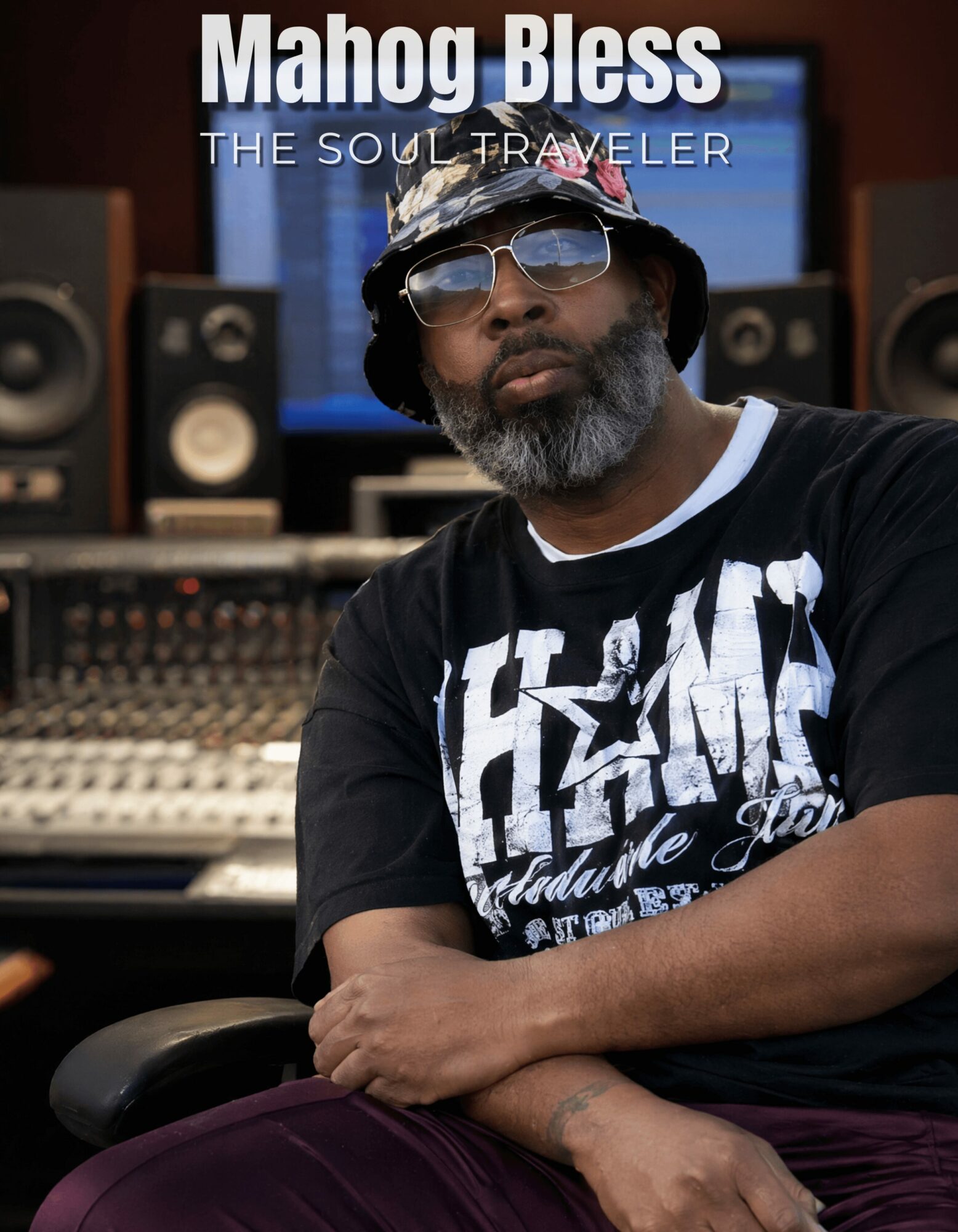
Today we’d like to introduce you to Matthew “Mahog Bless” Smiley.
Matthew “Mahog Bless”, we appreciate you taking the time to share your story with us today. Where does your story begin?
**Craft Over Noise**
I’m a curator and producer first. That’s how I move in everything I do.
I was raised in the birth of Hip Hop and came up studying the Golden Era—when records had weight, when you couldn’t hide behind volume, and when being dope actually meant something beyond numbers. That foundation never left me. It shaped how I hear sound, how I see visuals, and how I carry myself in the work.
I started as a kid—around 12 or 13—just watching. Not talking, not rushing to be seen, just absorbing everything around me. I watched DJ Scratch in Los Angeles move like it was second nature. I watched Candy Man before “Knocking Boots” was even a moment. I watched my brother T.L. create magic out of nothing, just pieces of sound and instinct stitched together in real time. That’s where my education started—not in a classroom, but in observation.
My mother bought me my first drum machine when I was young—a Casio RZ-1. That was the first time I had something in my hands that let me translate what I was hearing in my head. Later, my brother T.L. put an Akai MPC60 in front of me when I was about 16. That changed everything. That wasn’t a toy—that was responsibility. That was structure. That was discipline disguised as creativity.
My first recording that made it into a real mom-and-pop store was called *“UnReleased Leaks,”* through the connections of my late brother Dajuan “Bubba” Thompson. That wasn’t about fame or rollout—it was just movement. Proof that what I was building could leave the room and still live outside of it.
My first full project came in 2011—*“Elevator Music.”* That wasn’t done alone either. I had guidance and mentorship from the great Makeba MoonCycle, who helped shape not just the sound, but the understanding of what it meant to actually finish and release something with intention.
That’s my foundation. That’s where I come from.
Now I’m in a time where anybody can drop music every second of the day. Flood the internet. Chase attention. Stay “relevant.” But I never adapted to that mentality. I still believe in slowing it down and building something that actually holds up after the scroll.
I’m not here to compete in noise.
I’m here to create pieces.
I approach everything I do—production, wordsmanship, style—with the same standard: it has to feel intentional. If it doesn’t carry weight, I don’t put it out. I’m not interested in throwing things into the world just to say I did. I care about how it lands, how it lasts, and what it represents when I’m not in the room.
That’s the difference for me. I’m not chasing content. I’m building craft.
Even as I step into food and culture storytelling, that same mindset stays locked in. I don’t just record what I see—I frame it like it matters. Like it has context. Like it belongs somewhere bigger than a timeline.
Because it does.
I’m not trying to be everywhere.
I’m trying to be undeniable where it counts.
And I’m not done building yet.
I’m sure it wasn’t obstacle-free, but would you say the journey has been fairly smooth so far?
Not at all.
From the beginning, I wasn’t stepping into this with a roadmap—I was just creating. When I first got my hands on my brother’s drum machine, I didn’t even know I was “good” at anything yet. I wasn’t reading manuals or studying structure. I was just pulling sounds out of my head and trying to make them real. That was it. Pure instinct.
At the time, my brother would get frustrated with me—especially when I wasn’t producing his music the way he wanted or showing his wife how to use the equipment. But the truth is, I wasn’t operating from instruction. I was operating from something deeper than that. What I was doing didn’t feel learned—it felt received. Like I was translating something that was already there. Even as a teenager, I didn’t fully understand it, but I knew it wasn’t ordinary.
That early space came with a lot of missed moments. Opportunities passed by because I didn’t yet know how to manage what I was building or how to balance helping others with protecting my own creative direction. Even into my early 20s, that pattern followed me—wanting to assist, wanting to support, sometimes at the cost of my own forward movement.
I can still remember one specific moment that sticks with me.
I got in contact with Mike Caren at Atlantic Records. This was someone I actually would call and bug back when he was an intern and would answer the phone at the label when I called as a kid in 10th or 11th grade. Fast forward, at this point he was running things. He told me directly—bring the music to him.
At that point, I was burnt out from wearing every hat imaginable. Producer, hook writer, assistant engineer, arranger—everything. I just wanted to produce. That part came naturally to me. That was the only space where I felt completely locked in.
So I put together what I thought was a solid plan. I had artists I was working with, and my brother was handling the business side. We prepared three separate CDs for Mike. I gave him mine directly, but I also tried to be strategic—I slipped the other two into the package, thinking I was being resourceful.
Mike never called.
Later I found out what actually happened—the order of the CDs had been switched. Something as simple as that changed everything. A detail. A placement. A small mistake that shifted the entire outcome.
That moment stayed with me.
But I wouldn’t call the road smooth or perfect—I’d call it instructional. Every missed opportunity, every misstep, every situation where timing or execution didn’t line up… it all built a different kind of discipline in me. It conditioned me for the journey I’m still on.
Because even now, I move differently.
I don’t just create to finish things.
I create to make sure they land correctly.
Thanks for sharing that. So, maybe next you can tell us a bit more about your work?
I’m a producer first—of music, of sound, of ideas, of energy. I don’t box myself into one genre because I never came from one lane. I work across music in all forms, but beyond that I’m a poet, writer, visualizer, curator, and overall creator. Multifaceted isn’t a branding word for me—it’s just how I operate.
With the tools available today, I’m proud that I can still create at a high level without losing intention. I don’t just make content or records—I build complete experiences. I come from a foundation where music had structure, storytelling, and meaning, and I still carry that same discipline into everything I touch now.
Recently, I started building a multimedia company that brings all of that together. Not just music production, but film, graphic arts, visual storytelling, and creative direction. Everything I went to school for, everything I studied, everything I’ve picked up along the way—it all lives in one ecosystem now instead of separate lanes.
Over the years, I’ve also stepped into content creation more seriously, which led to launching my food and culture platform, *“Bless My Belly.”* But even that isn’t traditional. I don’t just review food—I tell stories through it. I connect meals to culture, history, and real-life experience. It’s cinematic in approach, even if it starts with something as simple as a plate of food. I also use modern tools, including AI, not to replace creativity but to push it further and expand what’s possible visually and narratively.
What sets me apart is that I don’t separate any of it. Music, visuals, storytelling, culture—they all come from the same place in me. I’m not switching identities depending on the platform. I’m building one continuous creative language across all of them.
What I’m most proud of is that I’ve stayed true to that core—even as the industry changed around me. I didn’t chase trends or abandon the craft for speed. I adapted my tools, not my values.
And I’m still evolving. The long-term vision is to move deeper into film and larger-scale storytelling—projects where sound, visuals, and narrative all live together at a higher level. This is still the beginning of that expansion.
What were you like growing up?
Growing up, I was into art, culture, and history more than anything. That was always my real interest before anything else had a name or direction attached to it. I was your average kid from the Eastside of South Central Los Angeles—always outside, always observing, always finding my way into something, whether I was supposed to be there or not.
Ironically, my first real passion wasn’t music—it was visual art. Drawing, painting, sketching anything I could get my hands on. I liked sports like most kids around me, but art is what I was naturally drawn to. That was the space where I felt most like myself before I even had the language to explain it.
But growing up in a tough neighborhood changes how you present yourself to the world. You learn quickly that the softer parts of you—the creative parts, the parts that make you smile or get excited about expression—aren’t always safe to show. So you start to hide them. You build a tougher exterior. Not because it’s who you are, but because it’s what helps you move through your environment without being targeted or misunderstood.
So I learned how to switch modes early. One version of me had creativity, curiosity, and imagination. The other was about survival, awareness, and not being caught off guard. That duality shaped a lot of who I am today. Even now, I realize I didn’t lose the creative side—I just had to protect it until I had the space to fully live in it again.
Contact Info:
- Website: https://MahogBless.com
- Instagram: https://instagram.com/mahogbless/
- Facebook: https://facebook.com/MahogBless
- Twitter: https://x.com/BlessSoRetro
- Youtube: https://youtube.com/@MahogBless
- Other: https://tiktok.com/@mahogbless
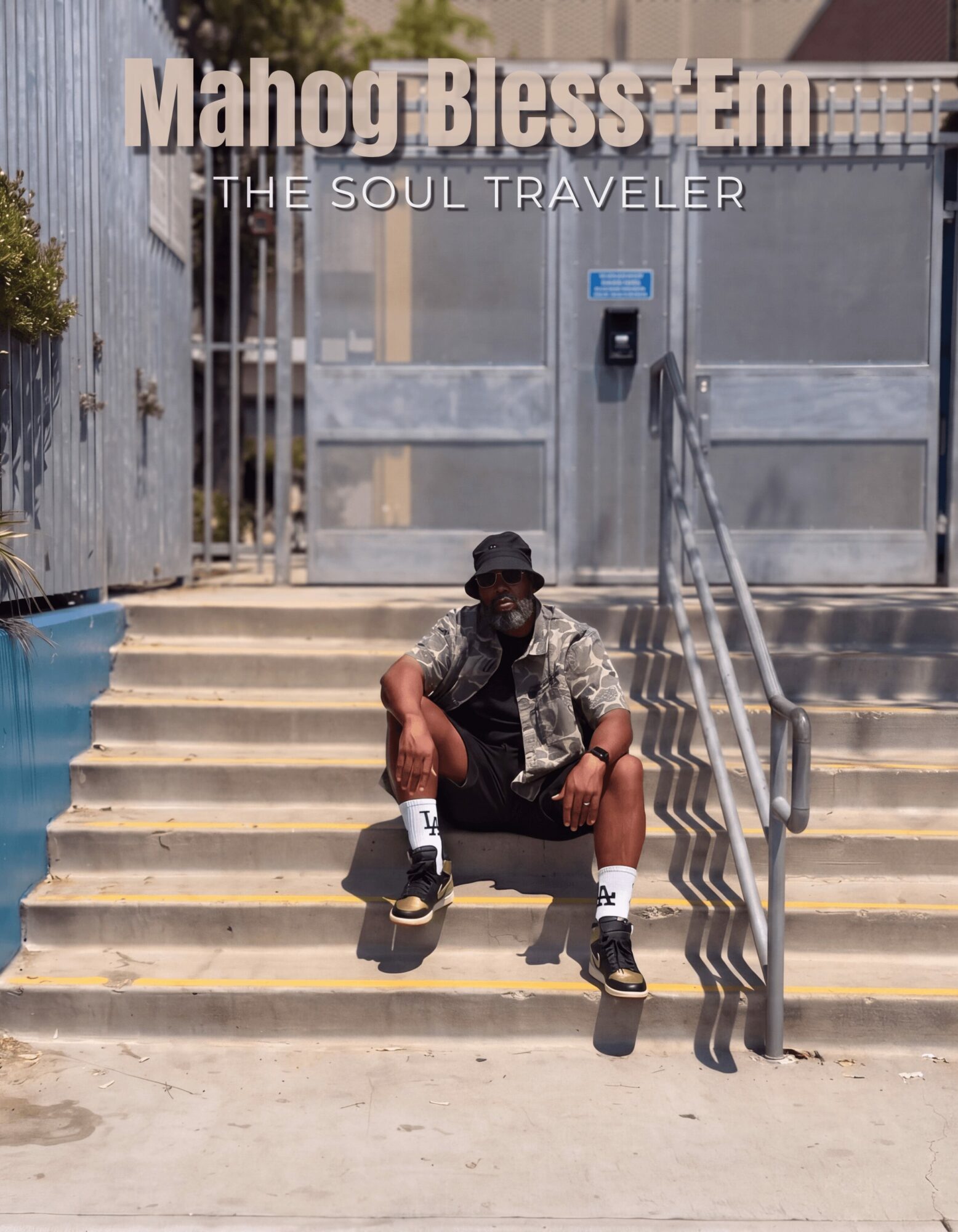
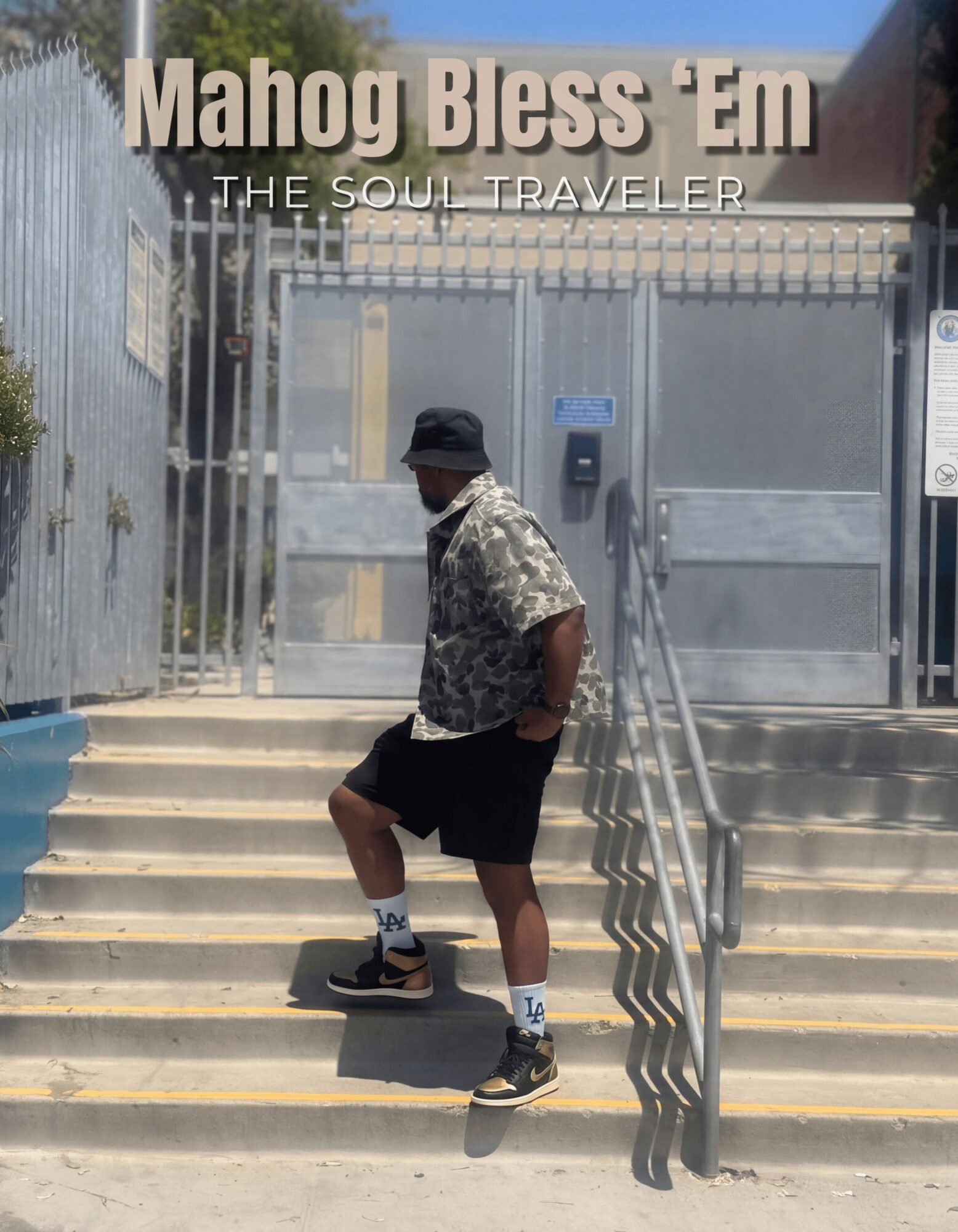
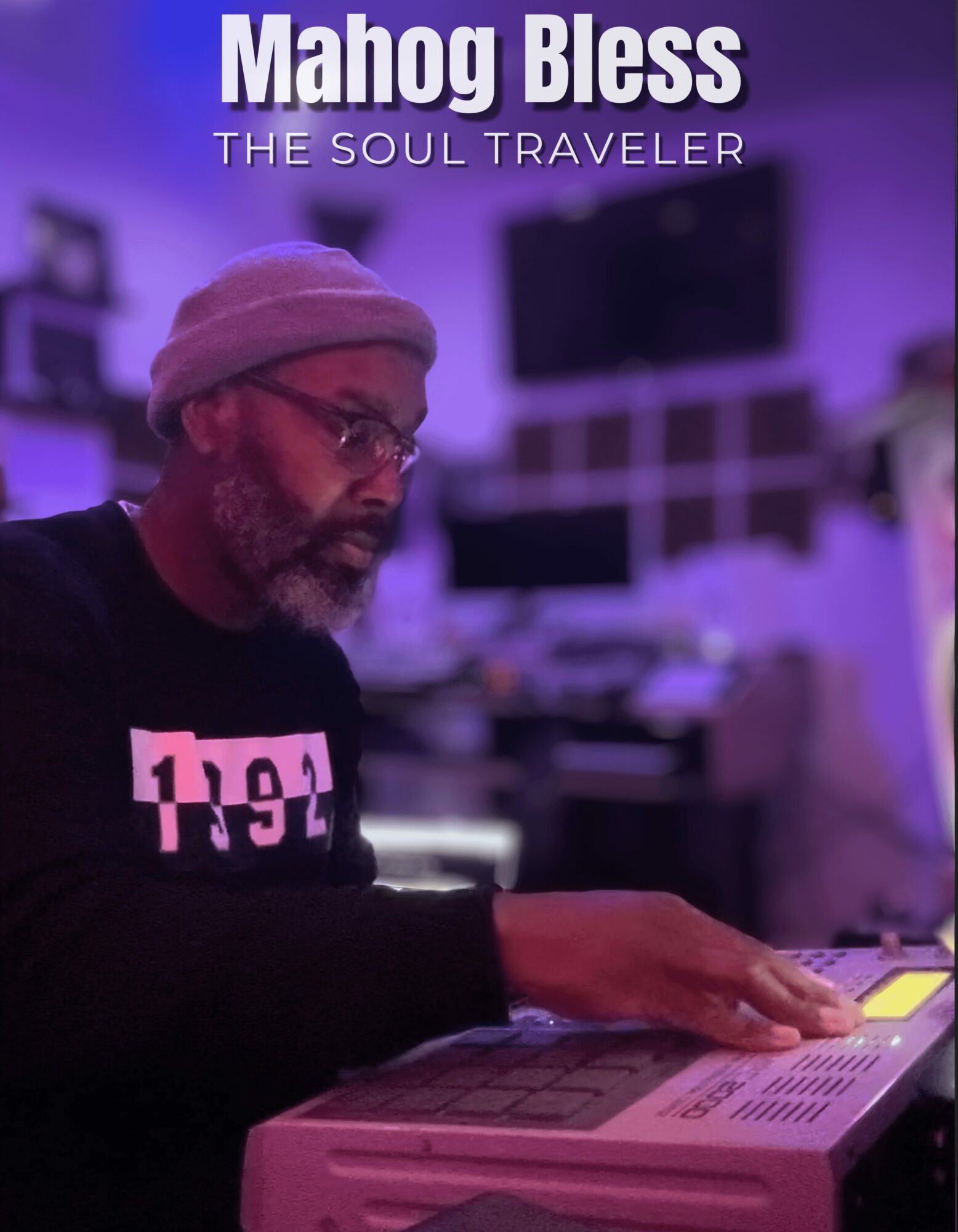
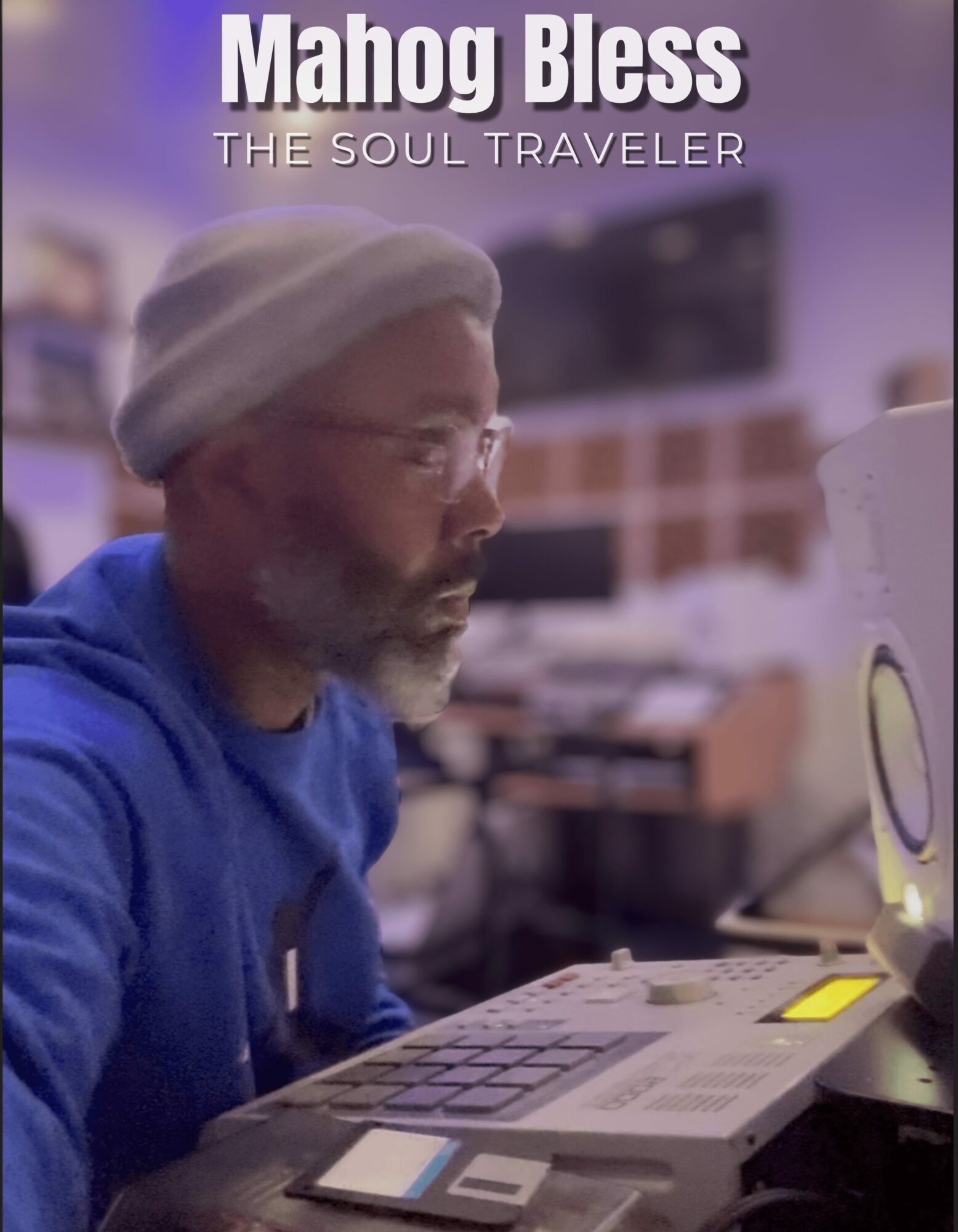
Image Credits
Photos taken by Christina “SunShyne” Smiles
Popular
-

Portraits of the Valley
-

LA’s Most Inspiring Stories
-

Robin Olive on Building an Inclusive Performing Arts Movement and Expanding Opportunities for Every Student
-

Que Johnson on Building Brands That Last: From Visibility to True Market Authority
-

Christina Wren Steps Into the Director’s Chair to Tell Stories That Feel Like Home
-
JordanL on ‘Breathe,’ Belief, and Building a Movement Beyond the Music


