




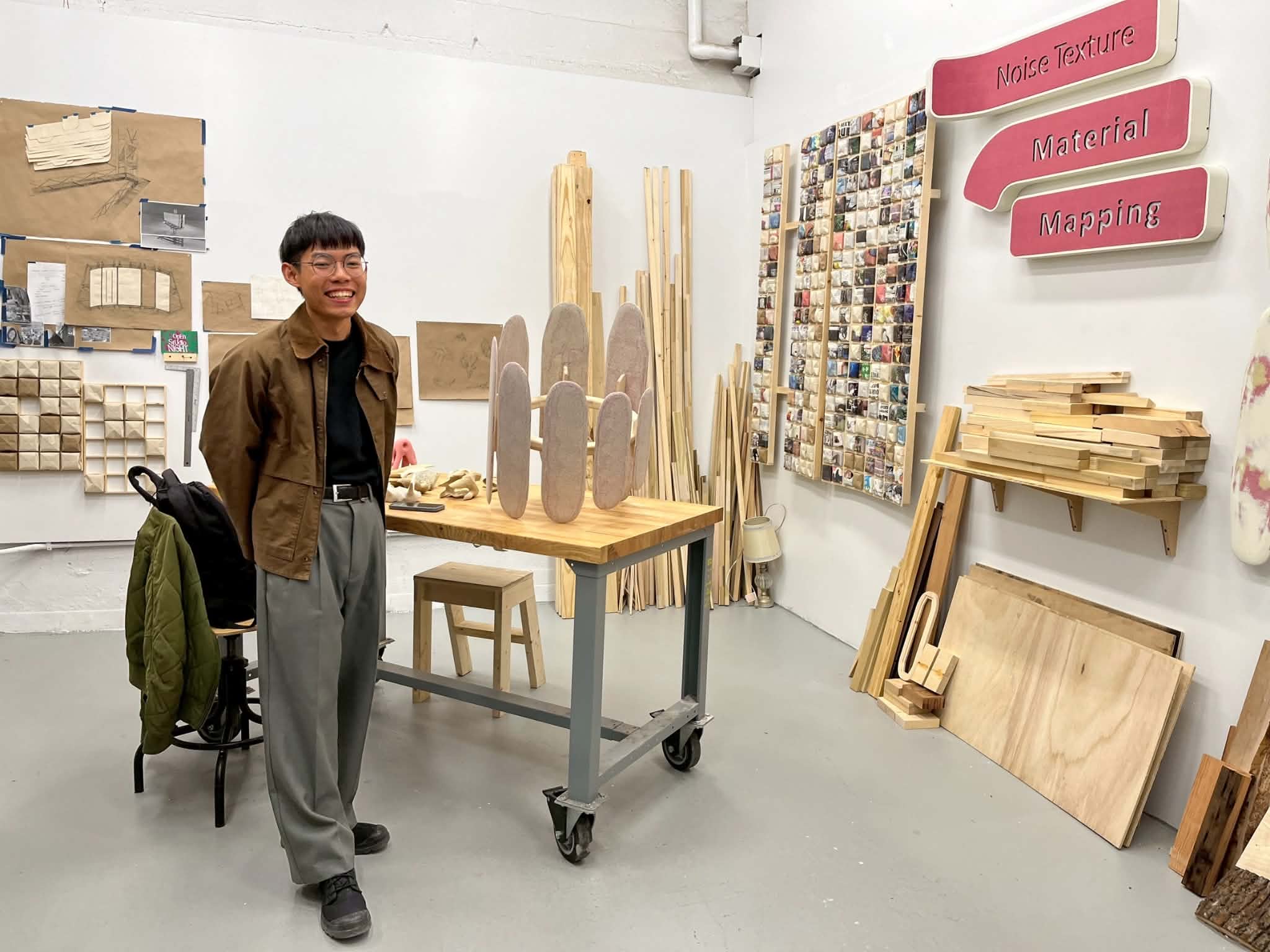
Today we’d like to introduce you to Liang Yu Huang.
Liang yu, we appreciate you taking the time to share your story with us today. Where does your story begin?
Born in Taiwan(1998), Liang-Yu Huang is currently based in Chicago and LA. He received his MFA in sculpture at the School of the Art Institute of Chicago(2025) and Bachelor of Fine Art from Taipei National University of the Arts (2021), majoring in sculpture. Deriving from his heritage of Taiwanese orality and foreign awkwardness in the US, Liang Yu Huang invites the embarrassment of mistranslations and distorted understandings between himself and environments. In response to these experiences, Liang’s work re-imagines the functionality of objects as being “useless” because of their foreign placement and relationship to environment, people, and vain labor.
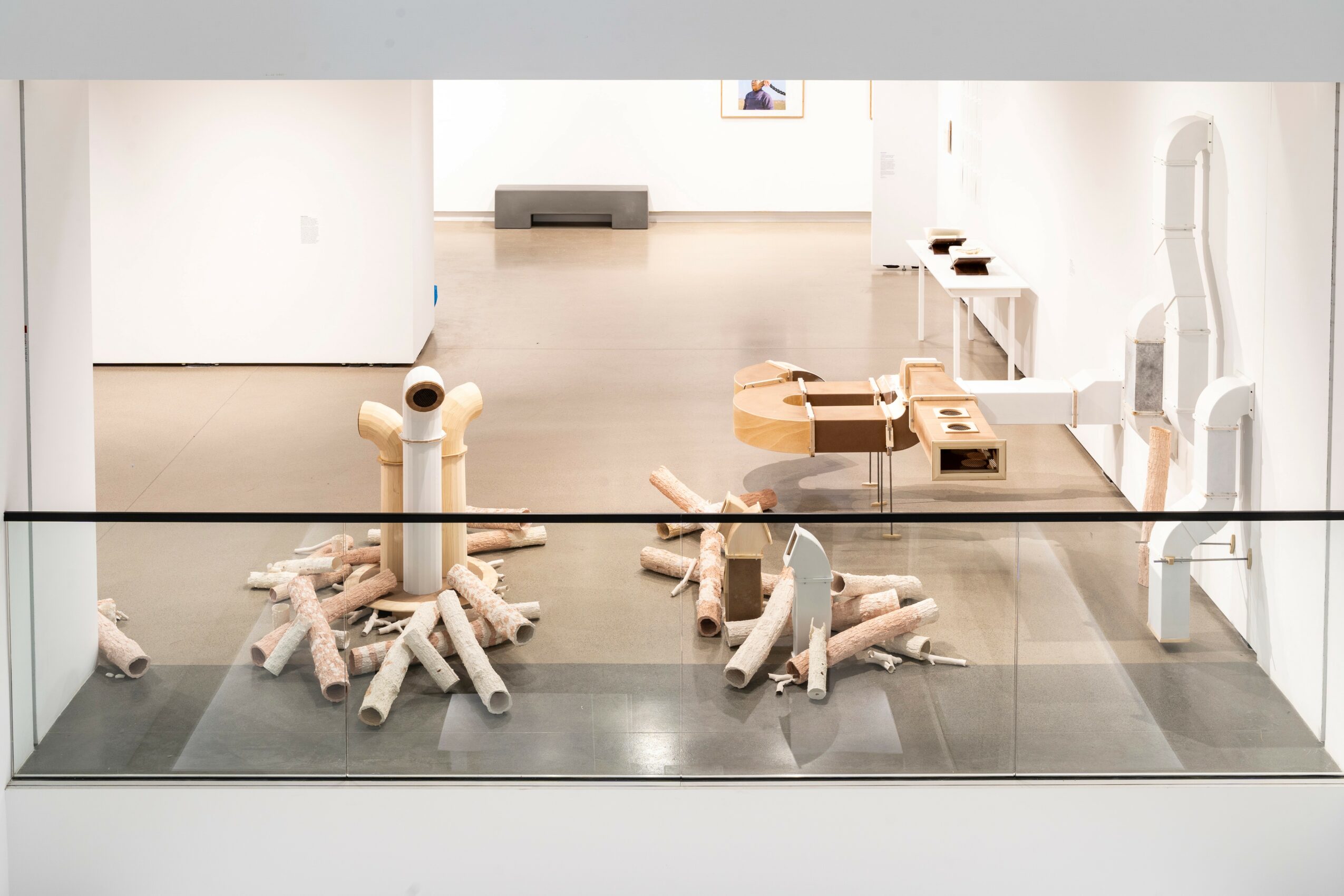
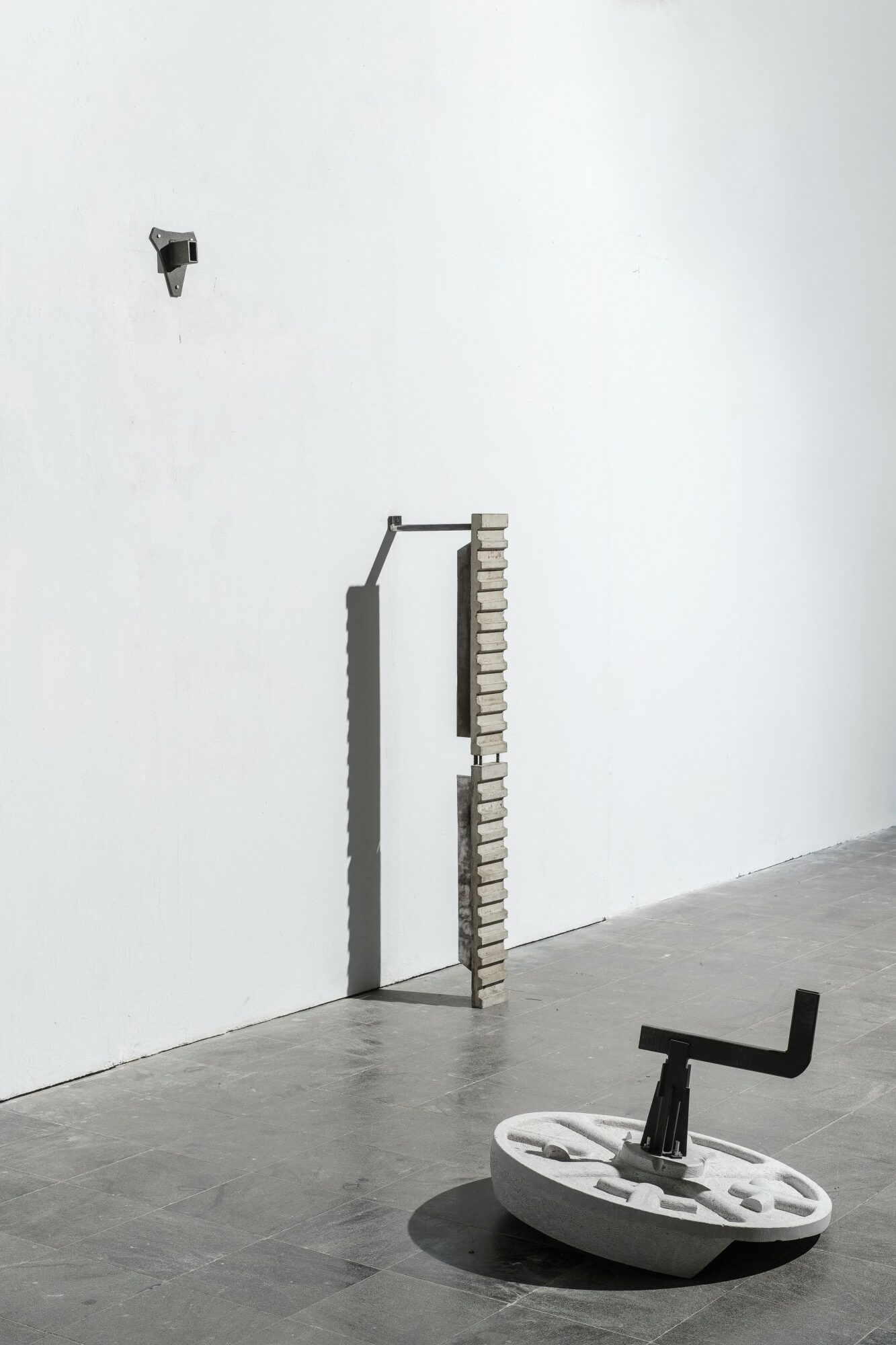
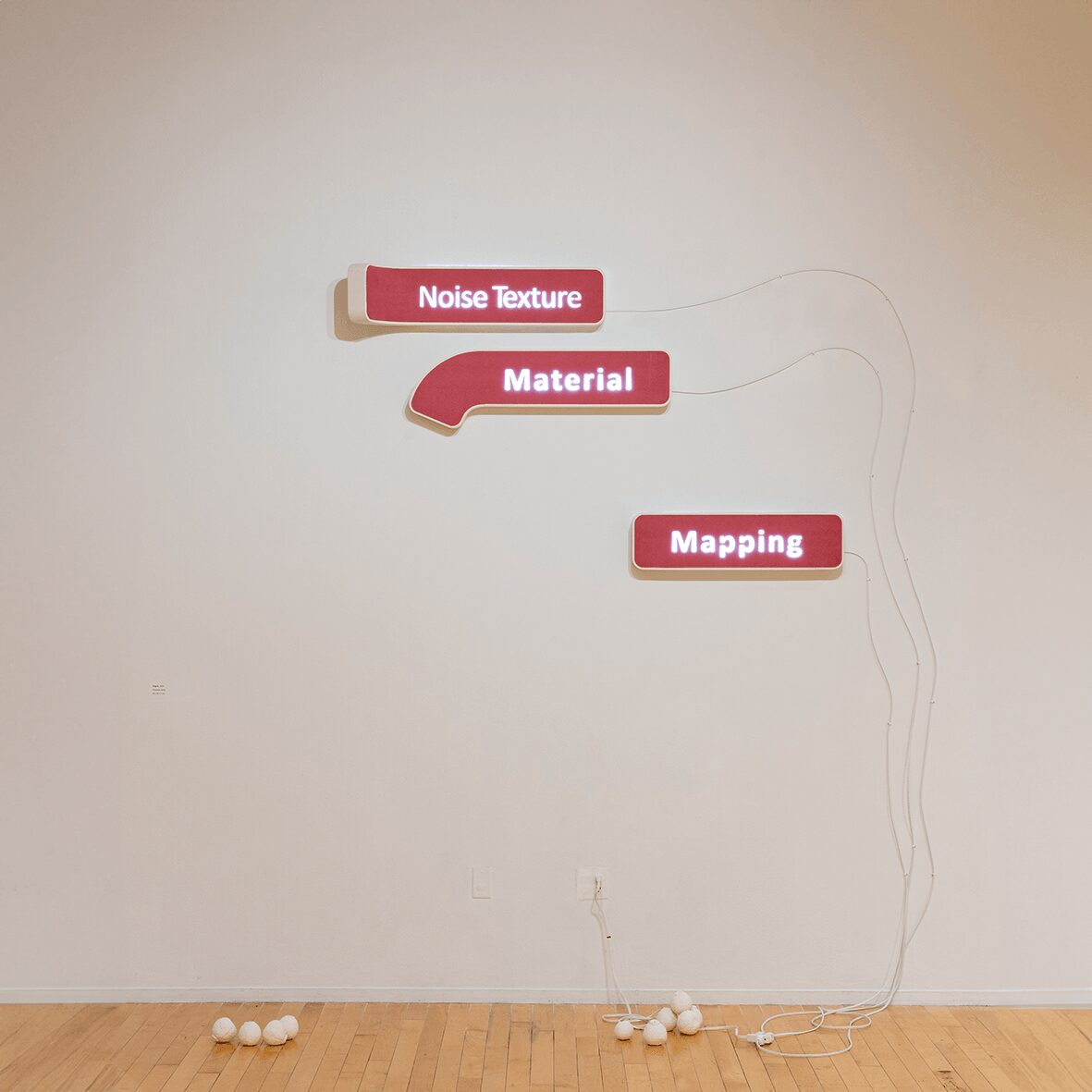
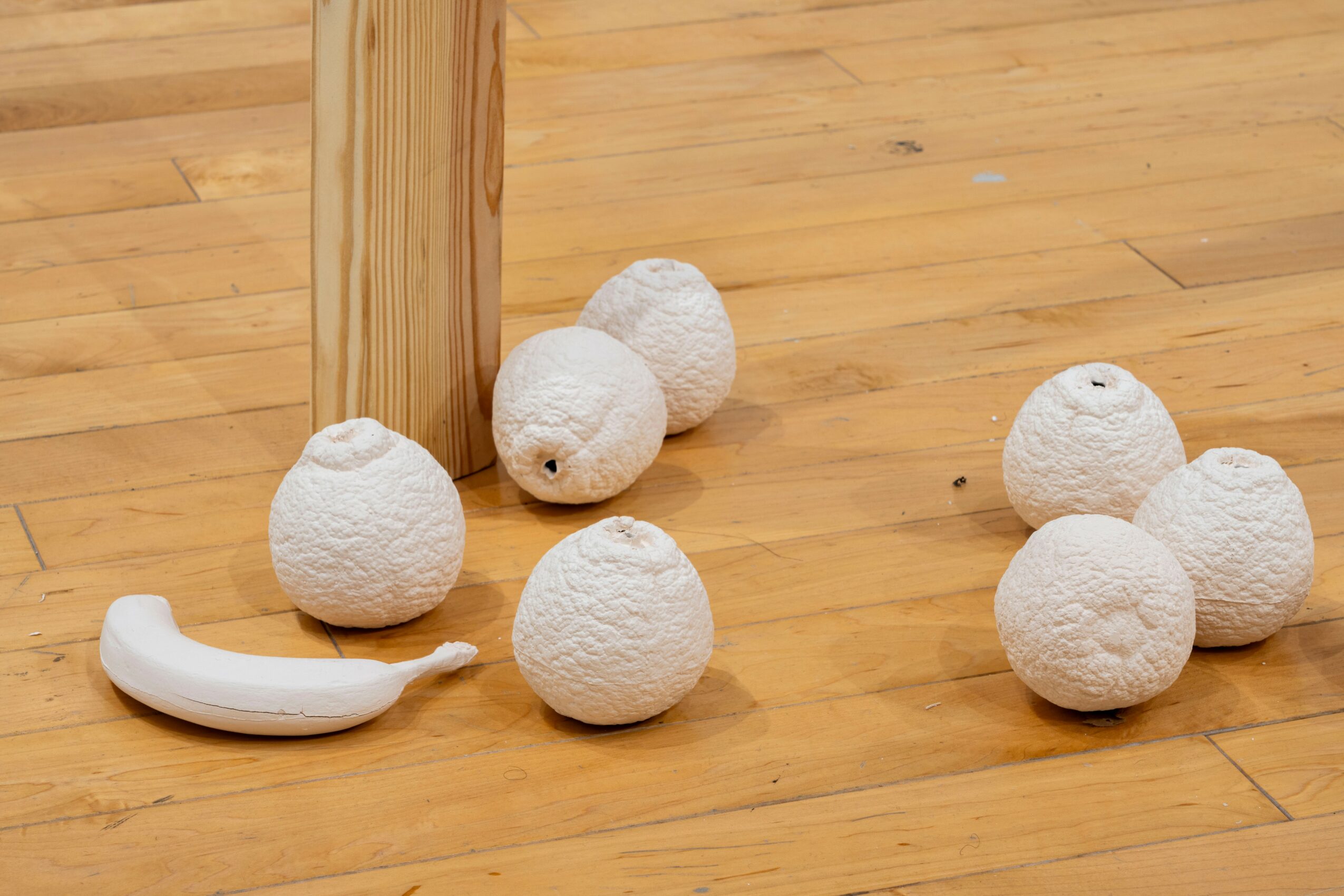
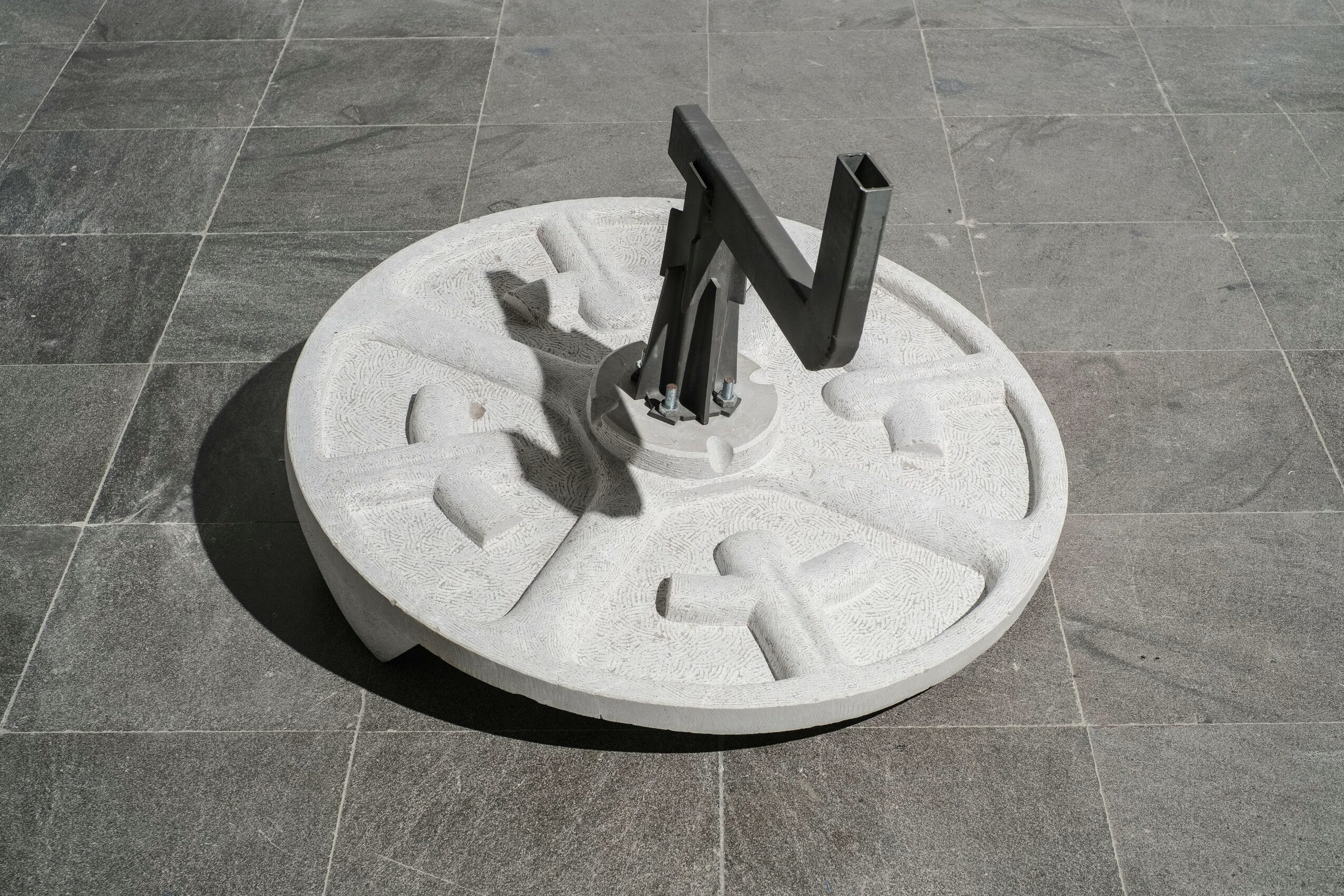
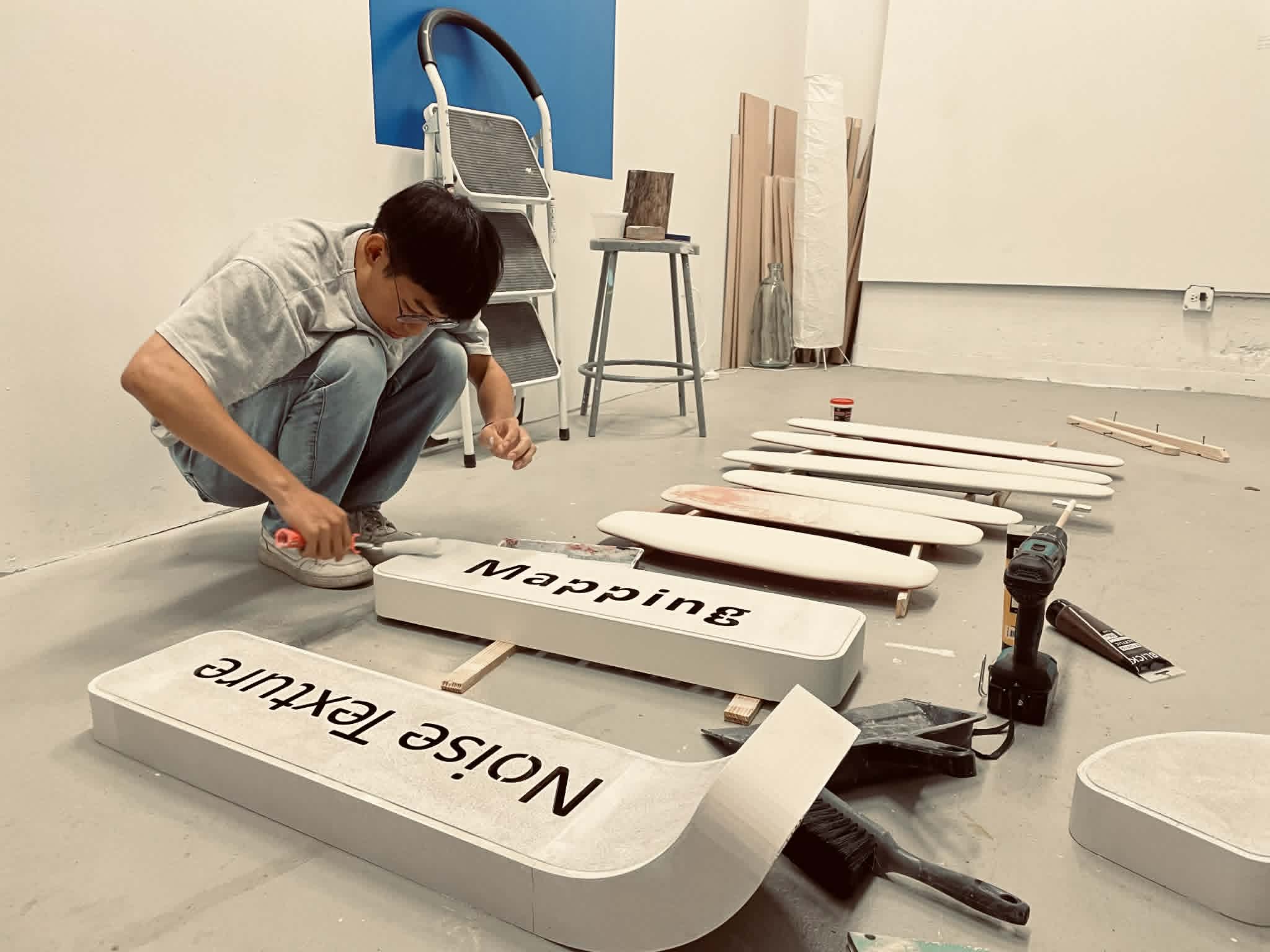
Through skilled craftsmanship of raw woodworking and clay, Liang uses these materials to rebuild manmade and natural infrastructures specific to his current domestic living spaces in Chicago as well the memories of his home and community in Taiwan. By defunctioning and decontextualizing the everyday nuances that are unnoticed, Liang recovers the existence of a structure by presenting their external form as falsely playful or unique. The final object is a hybrid of the object’s reality and the imagined ignorance between audience, object, and intended service. There is always a submissive affection for self initiated labor, despite the nonfunctional production of the structure. Such as an HVAC system made only of wood, removed from its intended location, with no ability to ventilate air. It is only a form foreign to its own meaning and use.
We all face challenges, but looking back would you describe it as a relatively smooth road?
No, it’s not. It is never easy to move to another country and start your career from scratch. You don’t know anyone, and at first, even the language can be a barrier. Everything you were once familiar with changes.
For me, the most challenging part has been finding a place within the art community. It takes hundreds of trials and errors to build my own approach to truly connect with the art community. It requires time to meet people, to introduce myself, and to slowly build meaningful relationships. It’s not something that happens immediately.
As you know, we’re big fans of you and your work. For our readers who might not be as familiar what can you tell them about what you do?
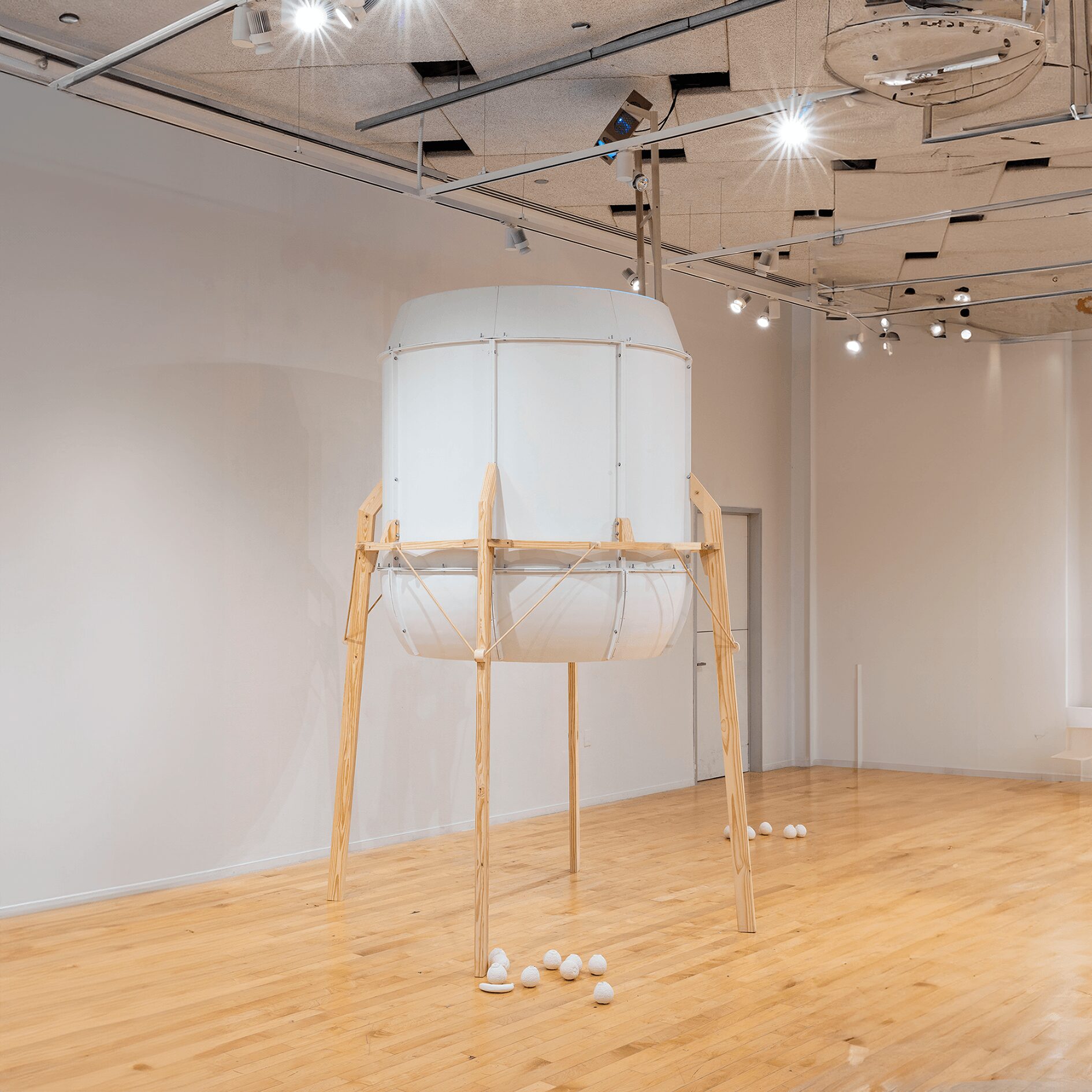
I am a sculptor whose practice centers on the reconstruction of everyday objects and post-industrial forms, with a particular focus on surface, texture, and perception. I am particularly known for creating hollow, replicated structures that sit between sculpture and infrastructure. My work often references elements from urban environments—such as ventilation systems, tunnels, or fragments of architecture—transforming them into objects that question ideas of utility, authorship, and mass production.
What I am most proud of is my ability to realize ambitious, large-scale installations through intensive labor and material sensitivity. I take pride in maintaining a strong balance between conceptual rigor and craftsmanship, allowing the making process itself to guide the development of ideas.
What sets me apart is my commitment to working through contradiction: handmade versus industrial, original versus replica, presence versus absence. Rather than emphasizing expression through gesture, I intentionally minimize personal traces, allowing meaning to emerge through repetition, surface, and spatial experience. This approach creates a subtle but persistent tension that invites viewers to reconsider how they perceive and relate to objects.
So, before we go, how can our readers or others connect or collaborate with you? How can they support you?
I actively seek opportunities to work with studios and residency programs that offer access to well-equipped facilities and dedicated space for material experimentation. My practice is highly process-driven and often involves large-scale fabrication, working with wood, clay, and casting techniques. Access to tools such as woodworking shops, kilns, and mold-making equipment is essential for me to fully realize my ideas. These environments not only support the physical production of my work but also allow me to test new approaches, scale up projects, and push the boundaries of form and material. Being in a shared studio context also creates opportunities for dialogue, critique, and exchange, which are vital to my development.
I am especially interested in developing larger-scale projects that require collaboration, technical support, and shared expertise. Because of this, I am eager to work with individuals and institutions that have strong backgrounds in fabrication, installation, and spatial practice. Being in a shared studio or production environment creates opportunities for dialogue, critique, and exchange, which are vital to my development and help expand the scope of what my work can become.
Contact Info:
- Website: https://ryan721811.wixsite.com/liangyuhuang
- Instagram: https://www.instagram.com/liang_11281998/
Popular
-

Portraits of the Valley
-

LA’s Most Inspiring Stories
-
Robin Olive on Building an Inclusive Performing Arts Movement and Expanding Opportunities for Every Student
-

Que Johnson on Building Brands That Last: From Visibility to True Market Authority
-

Christina Wren Steps Into the Director’s Chair to Tell Stories That Feel Like Home
-

JordanL on ‘Breathe,’ Belief, and Building a Movement Beyond the Music


