




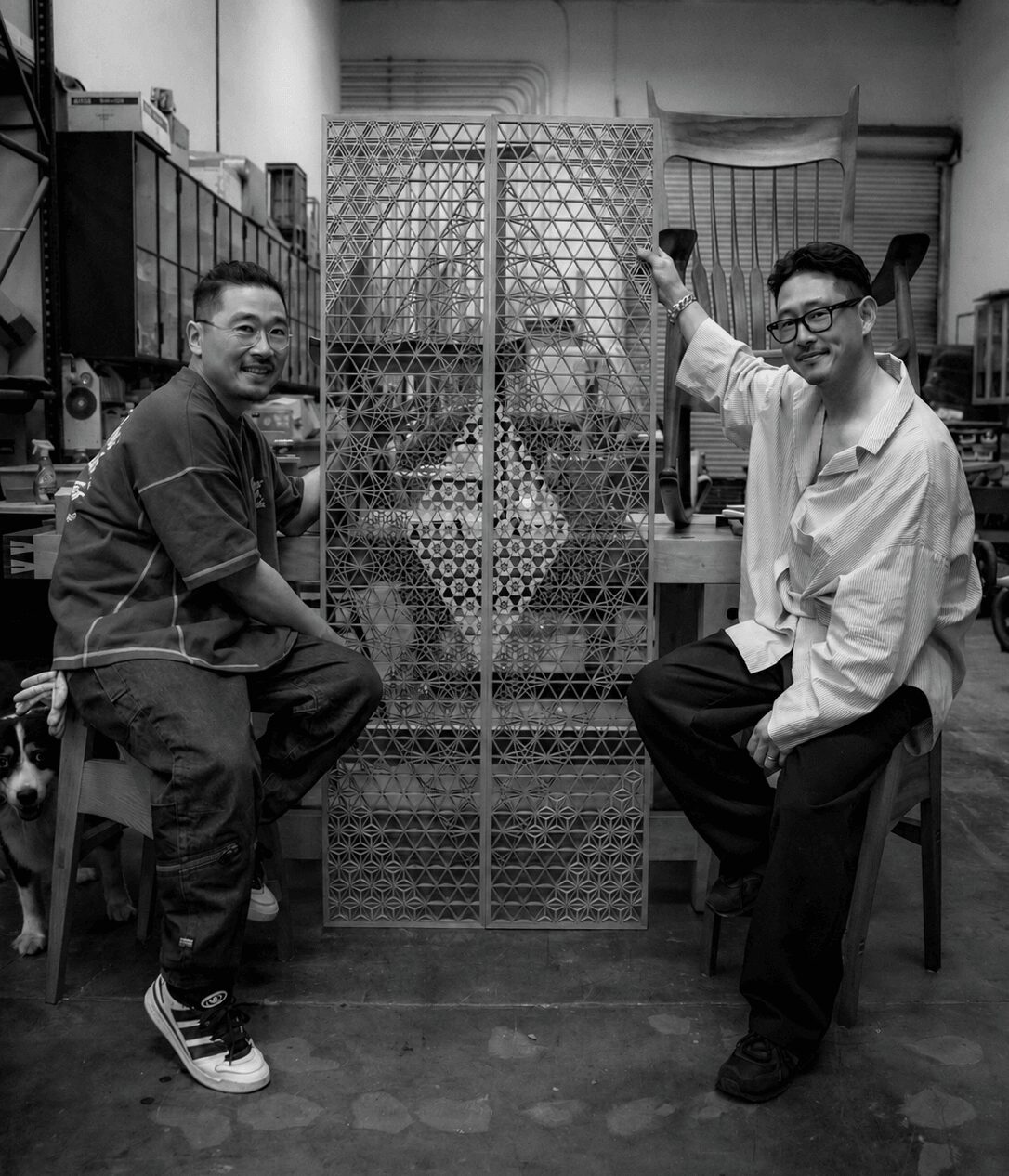
Today we’d like to introduce you to Taek Oh.
Taek, we appreciate you taking the time to share your story with us today. Where does your story begin?
Redraw began in 2013 in the Arts District of Downtown Los Angeles, on the grounds of an old foundry on Mateo Street. It started with me, my older brother, and three younger friends who had been close to us for years. At the time, it was never meant to become a serious company. We simply opened a small shop where we displayed and sold inexpensive imported furniture and unusual objects we found interesting.
But the furniture market in Los Angeles was changing very quickly around that time, and before we really knew what we were getting into, we suddenly found ourselves taking on custom furniture and millwork projects. Looking back, it was almost reckless. We had very little experience, and we were learning everything as we went — design, fabrication, installation, materials, all of it. There were countless mistakes and a lot of uncertainty, but I think that lack of formal structure also pushed us toward a more experimental and creative direction.
The name “Redraw” comes from a combination of the words Resourceful, Draw, and Raw Material. From the beginning, we were interested in reinterpreting existing spaces — especially overlooked, aging, or forgotten spaces — and reshaping them in ways that reflected the personality and philosophy of the people using them. We wanted our work to feel creative, but also deeply personal and human.
We were also interested in working beyond furniture itself. We wanted to build a studio that could work with reclaimed architectural materials and explore a wide range of mediums — wood, steel, glass, textiles, paper — and eventually shape entire environments rather than isolated objects.
In reality, almost nothing worked out the way we imagined in the beginning. For the first seven or eight years, the studio struggled financially almost every year. Eventually, all of our early partners left, and only my brother and I remained. We moved into a much smaller workshop in Gardena and basically started over again.
During that period, we met a furniture craftsman who was also a traditional Korean hanok carpenter, and he became an important mentor to us. Through him, we became deeply interested in traditional Korean woodworking techniques and aesthetics. Even while struggling financially, we kept trying to find ways to reinterpret those traditions within contemporary furniture and spatial design.
Then in 2017, we unexpectedly received an opportunity to build the conference office for Barack and Michelle Obama for The Obama Show, a project being developed through Netflix and Raleigh Studios in Hollywood. We completed the project successfully, but because of the pandemic, the show itself was eventually canceled, so the office was never really introduced publicly through the media.
Even so, that project became a turning point for us. It led to collaborations with a number of well-known architects and designers. Through that process, we met Suchi Reddy, founder of Reddymade in New York, and later became involved in the millwork and cabinetry for Ivy Ross’s Sea Ranch home. Ivy Ross is Google’s Chief Design Officer for Consumer Devices, and working on her home connected us deeply with the Sea Ranch community.
Through Ivy, we were also introduced to David Ross, formerly a partner at Frederick Fisher and Partners. More recently, we participated in the millwork for the Four Square House by David Ross and Mark Dutcher, which was featured in Dwell magazine.
Today, our work continues to focus on integrating traditional Korean craftsmanship and sensibilities into contemporary spaces through materials like wood, steel, glass, textiles, and paper. What began as a small furniture shop has gradually evolved into a multidisciplinary studio that now brings together furniture making, millwork, interior design (Atelier OHYO), and both commercial and residential general contracting.
We all face challenges, but looking back would you describe it as a relatively smooth road?
Running the business was incredibly difficult. More than anything, we had to survive through seven or eight years of very serious financial hardship. There were long periods where we were simply trying to keep the studio alive.
I think the hardest part was that, even during those difficult years, we could never fully let go of the quality of the work. To be honest, when things become financially overwhelming, there’s always a temptation to lower your standards, simplify the work, match the budget more aggressively, and finally try to make enough profit to breathe a little easier. I had those thoughts constantly.
But my older brother was very persistent about maintaining the quality of the work. Quietly, without saying much, he kept insisting that we stay committed to the level of craftsmanship and depth we believed in. As a result, there were many projects where we barely made any profit at all. Still, we kept trying to create work that felt thoughtful, lasting, and genuinely valuable.
Looking back, I think the most difficult part was not the physical work itself, but the constant internal doubt. When you struggle financially for that long, you begin questioning your beliefs, your direction, and whether any of it is actually sustainable. There were many moments where giving up felt much more realistic than continuing.
So in many ways, the hardest battle was continuing to believe in what we were trying to build — and finding the strength to hold onto that belief even when everything around us suggested otherwise.
Alright, so let’s switch gears a bit and talk business. What should we know about your work?
First of all, Redraw is not a studio sustained by me alone. It exists because of my brother and the people around us who have continued to share the same beliefs and direction with us over a long period of time. Technically, it’s a company, but personally, I value the idea of it being a collective much more than simply a business.
I originally studied fine art, specifically painting, so my background naturally led me toward the design side of our projects. I’m usually responsible for the artistic direction, spatial and furniture design, and the overall creative value of the work. I also handle a lot of the more delicate finishing work and specialized fabrication, including detailed metalwork and custom welding.
My older brother, on the other hand, is truly like a craftsman who devoted his entire life to woodworking. He’s not someone who enjoys being in the spotlight or constantly meeting people. Instead, he spends his time deeply focused on understanding wood itself — traditional joinery, craftsmanship, and overseeing the entire production process. He’s incredibly committed to preserving and recreating traditional techniques with precision and integrity.
As I mentioned earlier, quality has always been the most important value for us. I think what makes us different is that we’re able to work across multiple layers simultaneously — from architectural construction and interior execution to custom furniture, millwork, finishing, and material experimentation — while maintaining a balance between traditional craftsmanship and contemporary design.
More than anything, I think our greatest strength is that we carry both sides at the same time: the creativity to pursue modern design, and the technical understanding needed to connect it back to older traditions and ways of making.
Do you have any memories from childhood that you can share with us?
I wasn’t someone who had many friends when I was young. I think I lived very much inside my own world.
I was born and raised in Seoul, the capital of South Korea, but in one of the city’s more underdeveloped neighborhoods at the time. Back then, there was no internet, so our days were very simple. We spent our time running around outside playing games like tag, climbing the hills behind the neighborhood, catching insects, and just wandering through nature.
I often went into the mountains alone. Sometimes I would stay there until sunset, piling up fallen leaves in the forest to make a kind of bed and just lying there for hours. I remember being deeply fascinated by the sunlight filtering through the trees and leaves in the evening. There was something incredibly beautiful and emotional about that light.
Looking back, I think that was when I first began spending a lot of time alone in nature, and I realized how much I loved silence and solitude. Even now, I still enjoy walking through forests in the evening and quietly observing the warm sunset light passing through the trees. It’s probably one of the feelings that has stayed with me the longest throughout my life.
Contact Info:
- Instagram: https://www.instagram.com/re.draw_taek/
- Other: https://www.threads.com/@re.draw_taek?xmt=AQG0Z7s2adaW7WGQy10FjrDSChFK7s1nJhHq5Z8r3SA-vRY
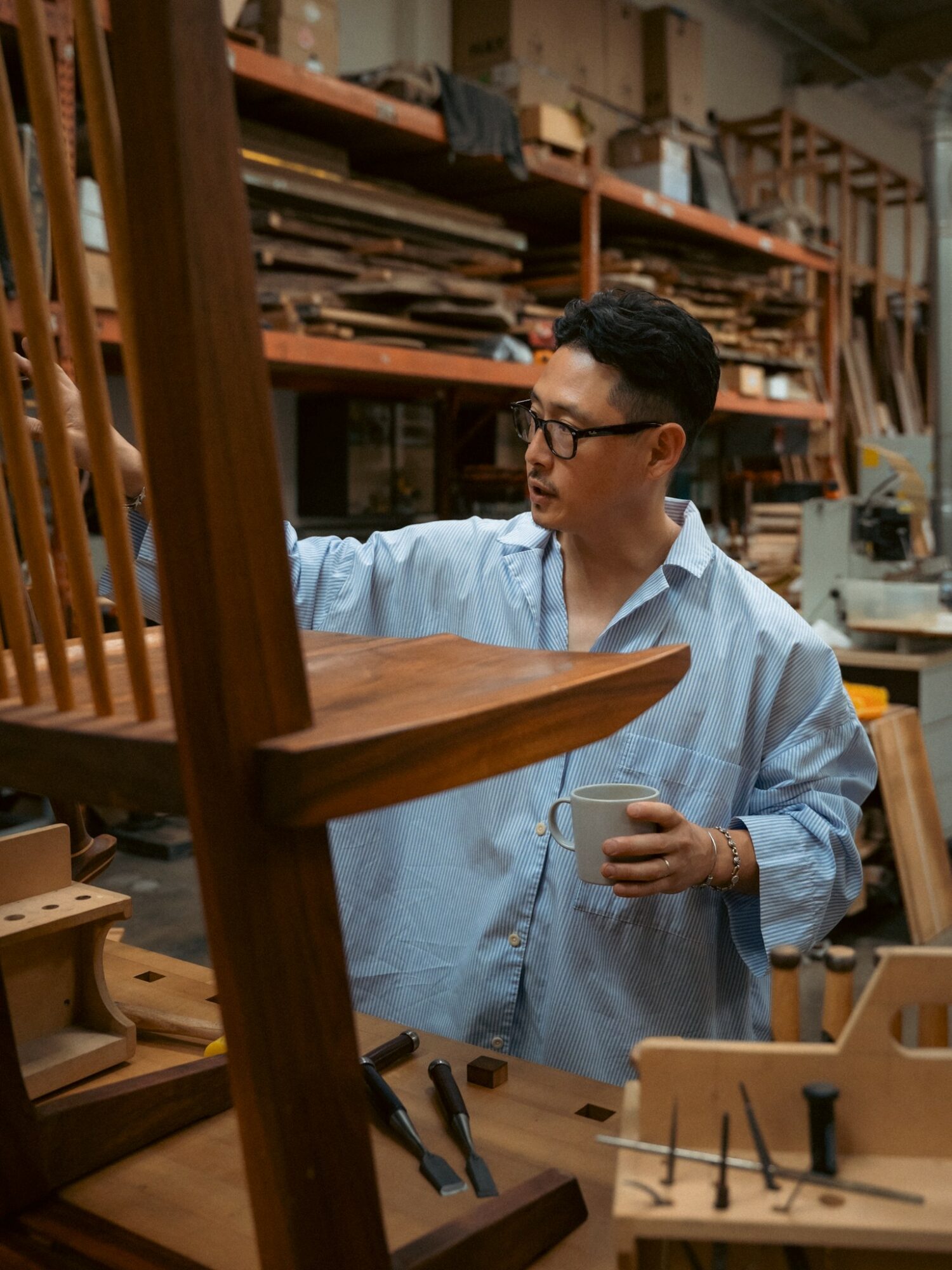
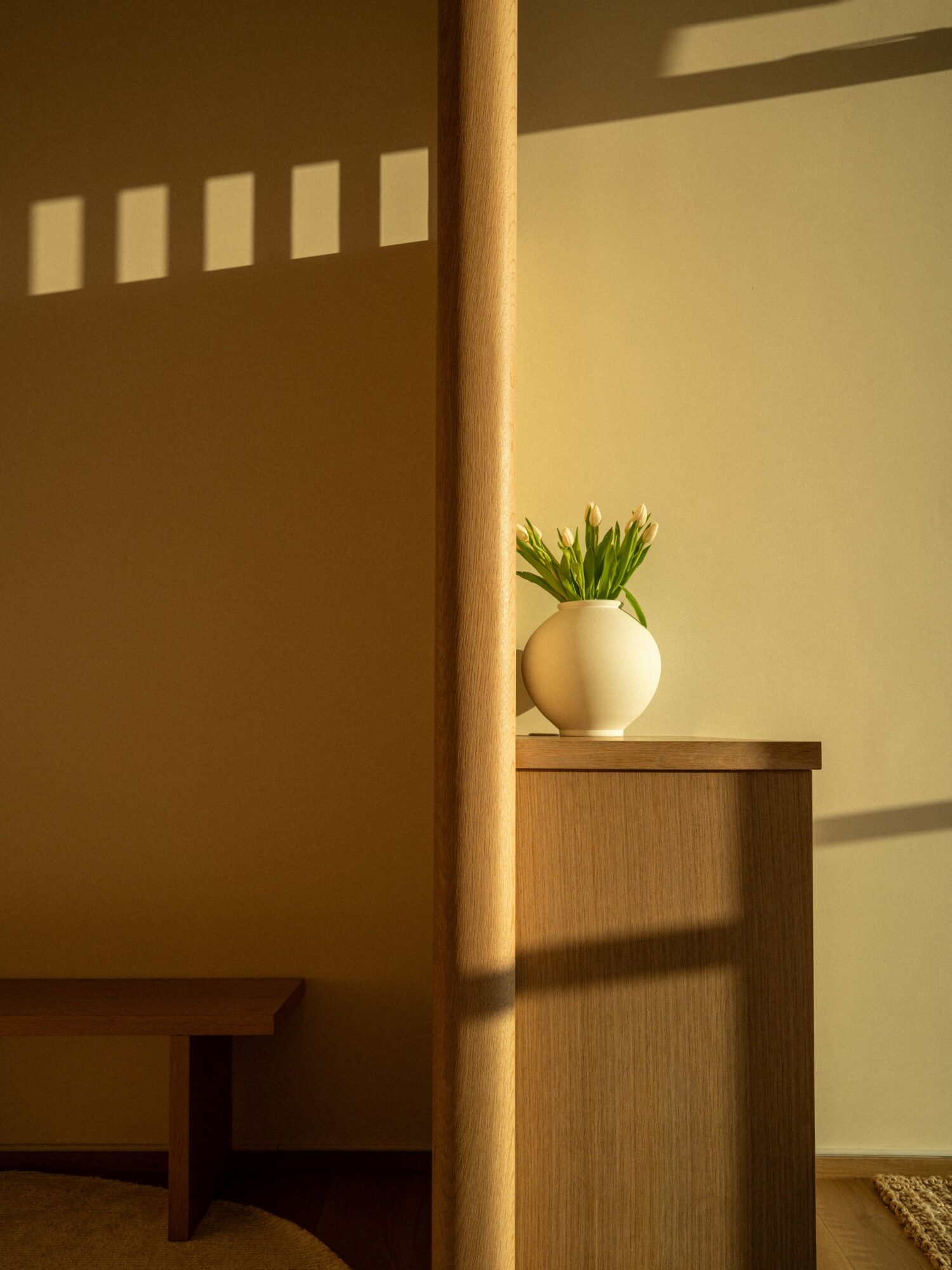
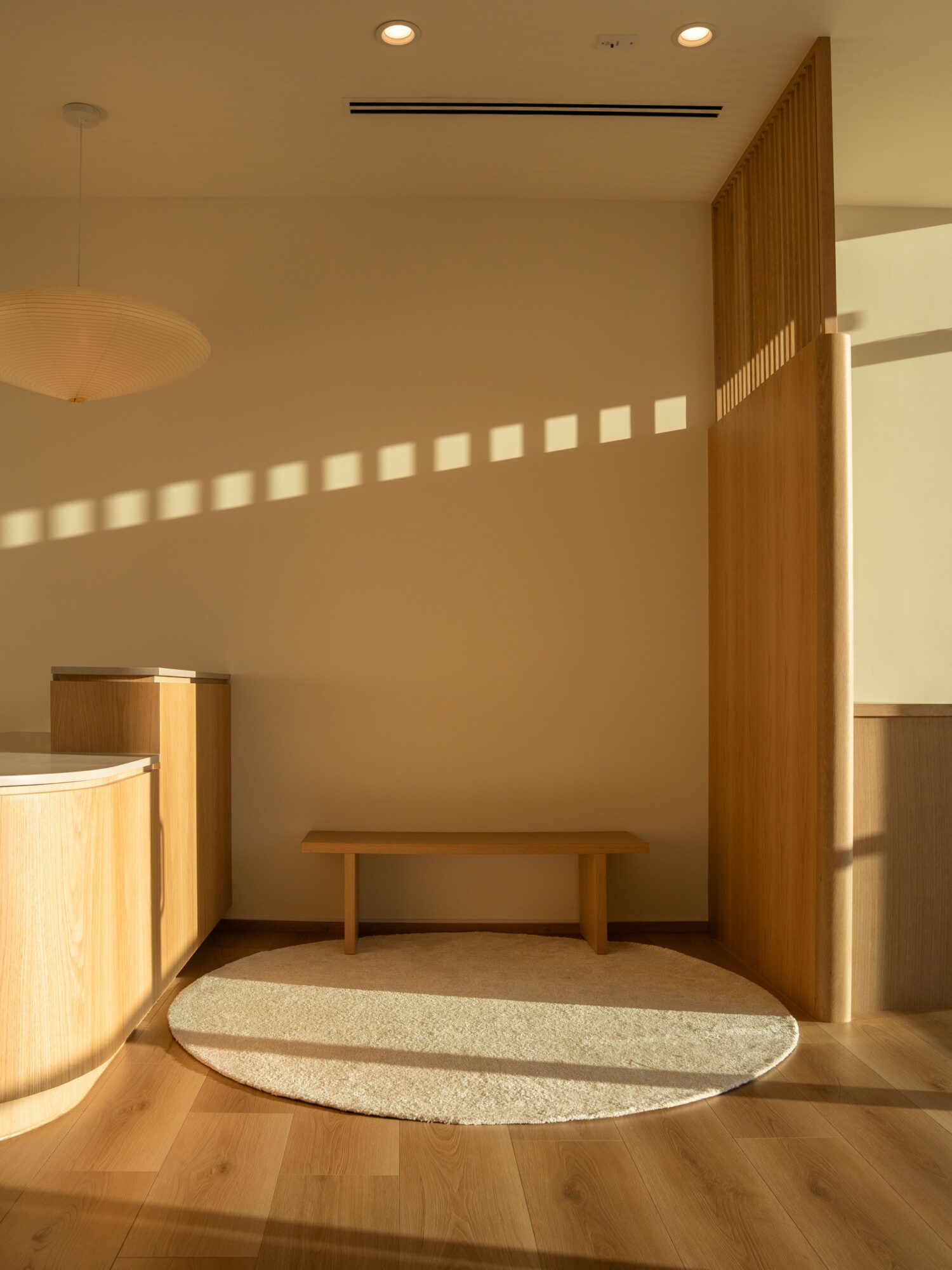
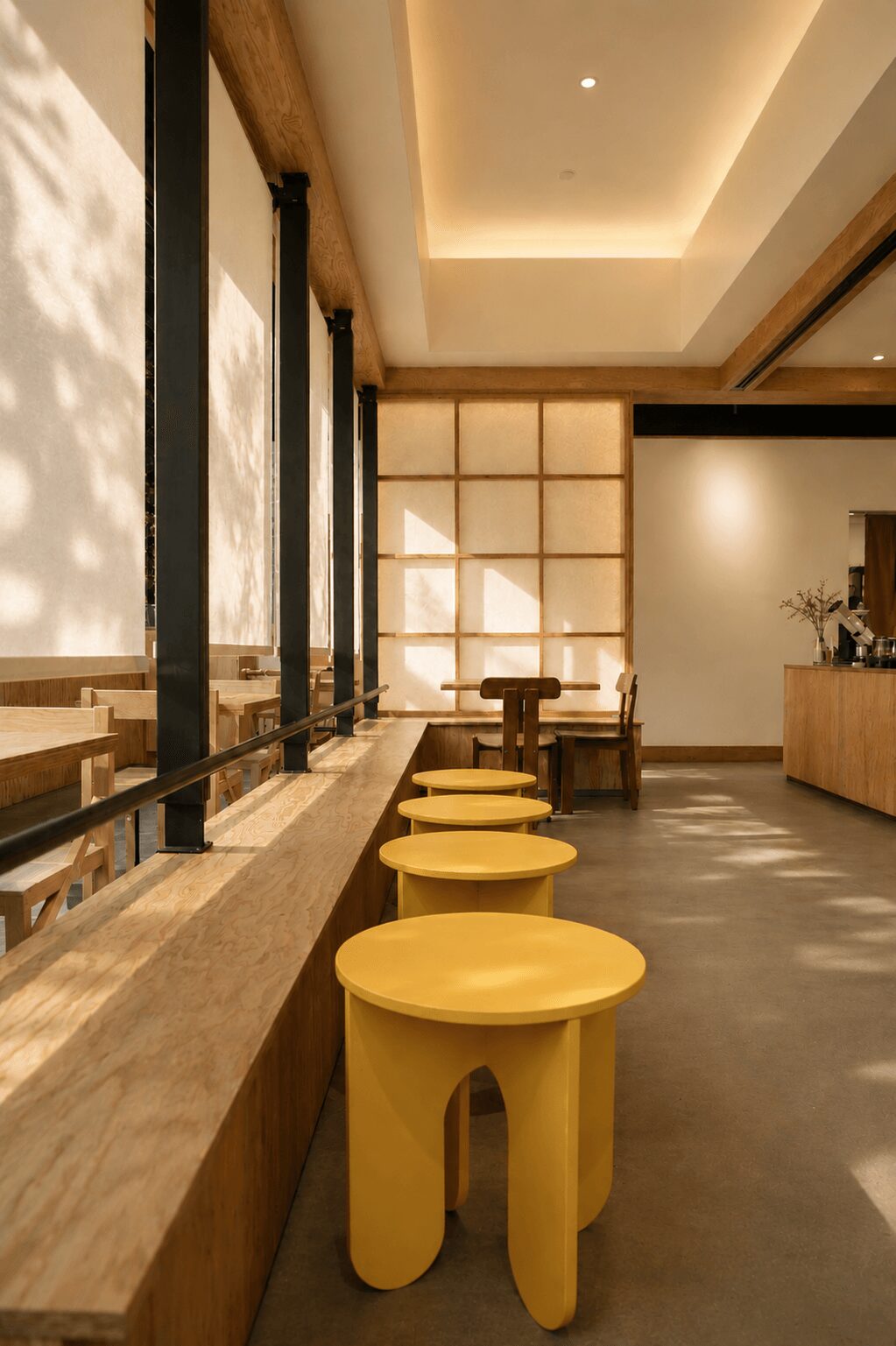
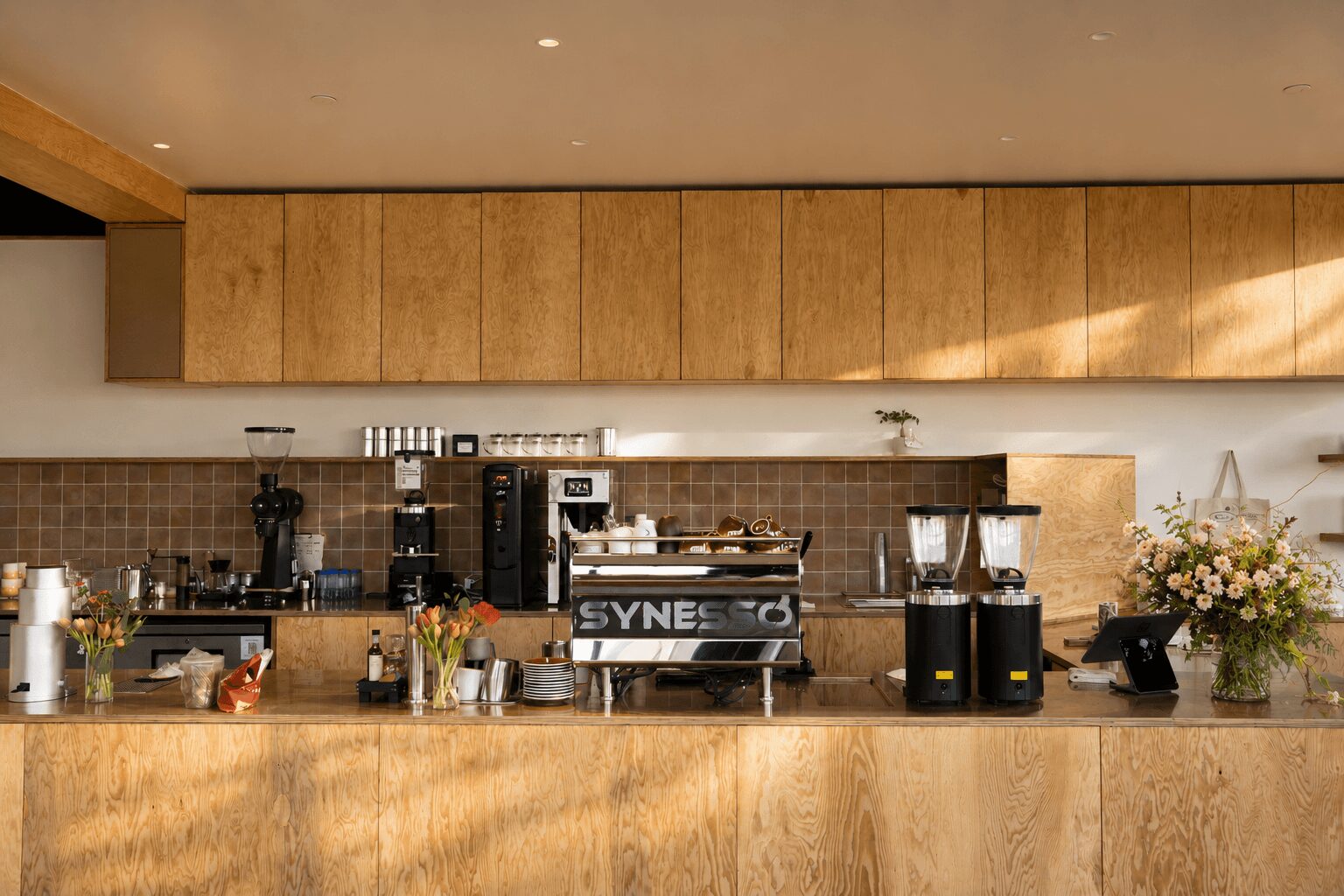
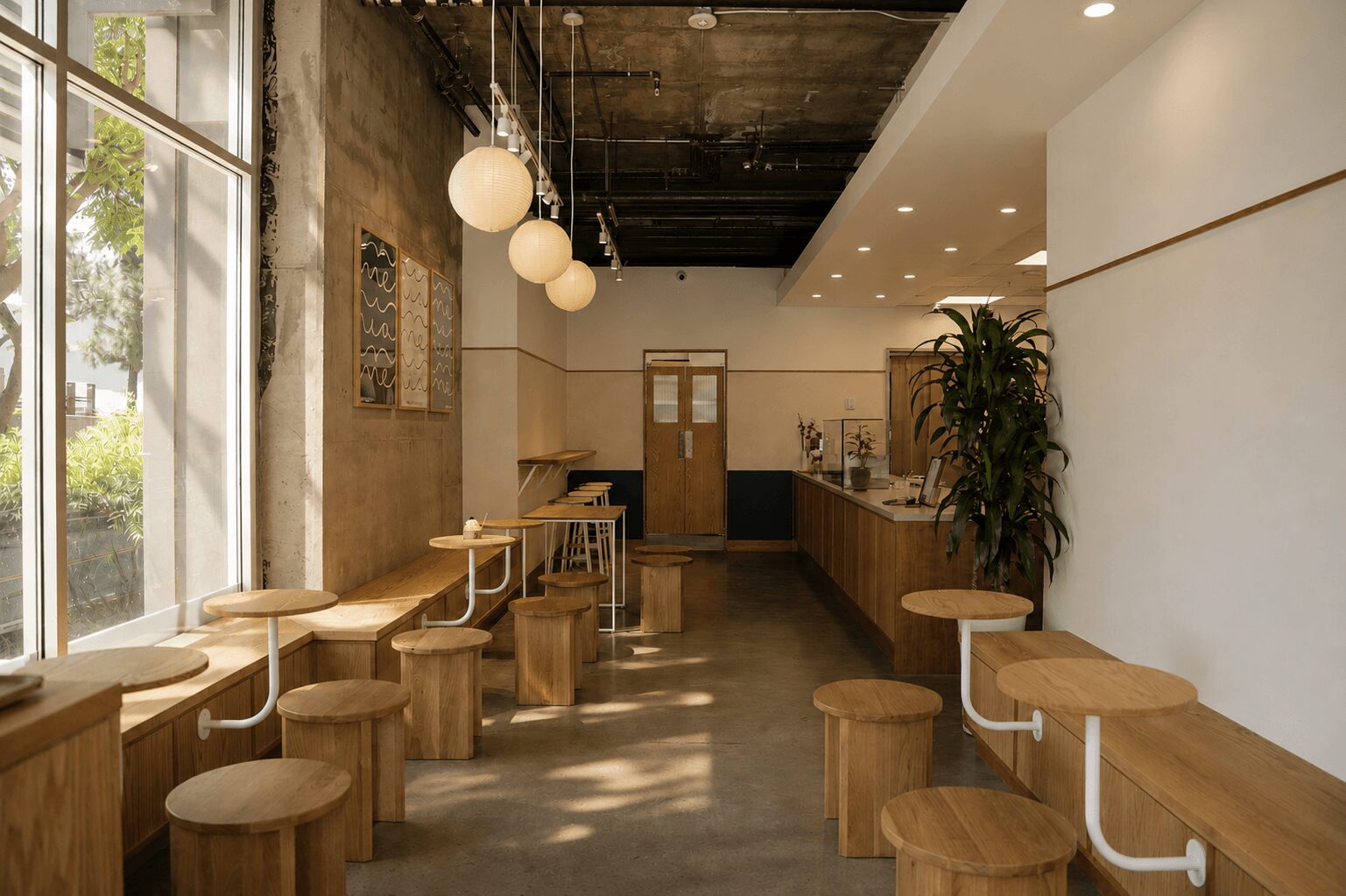
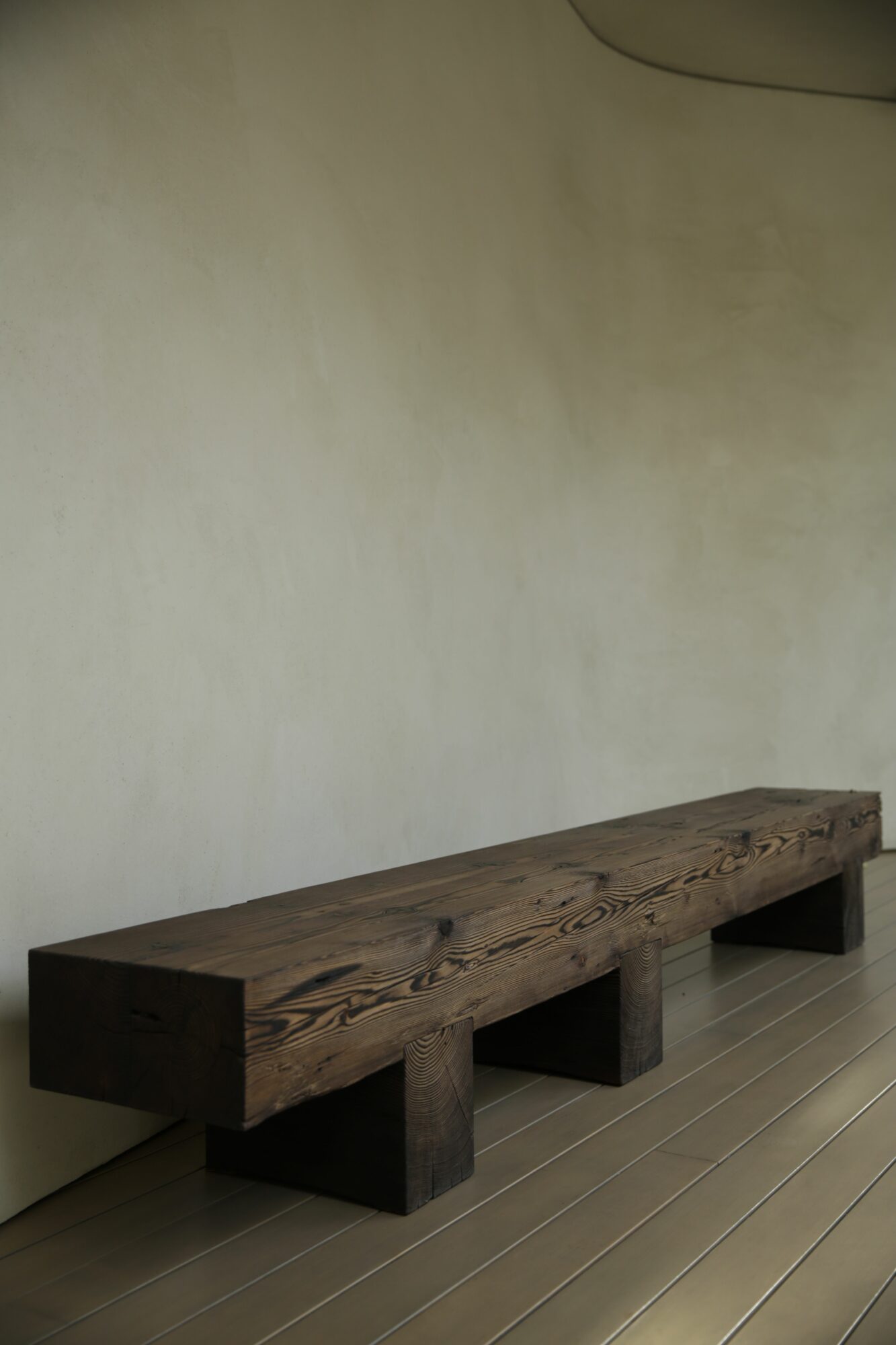
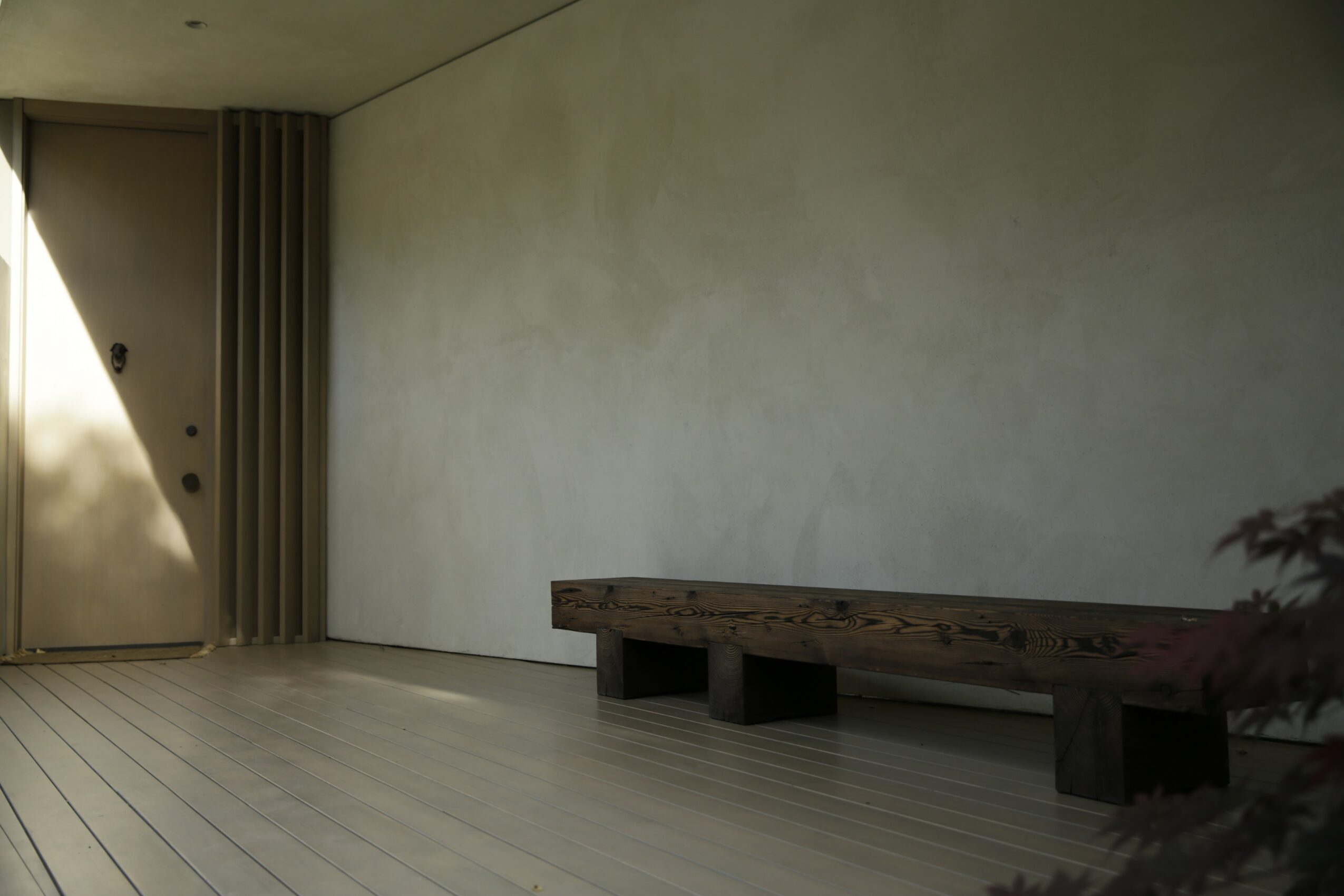
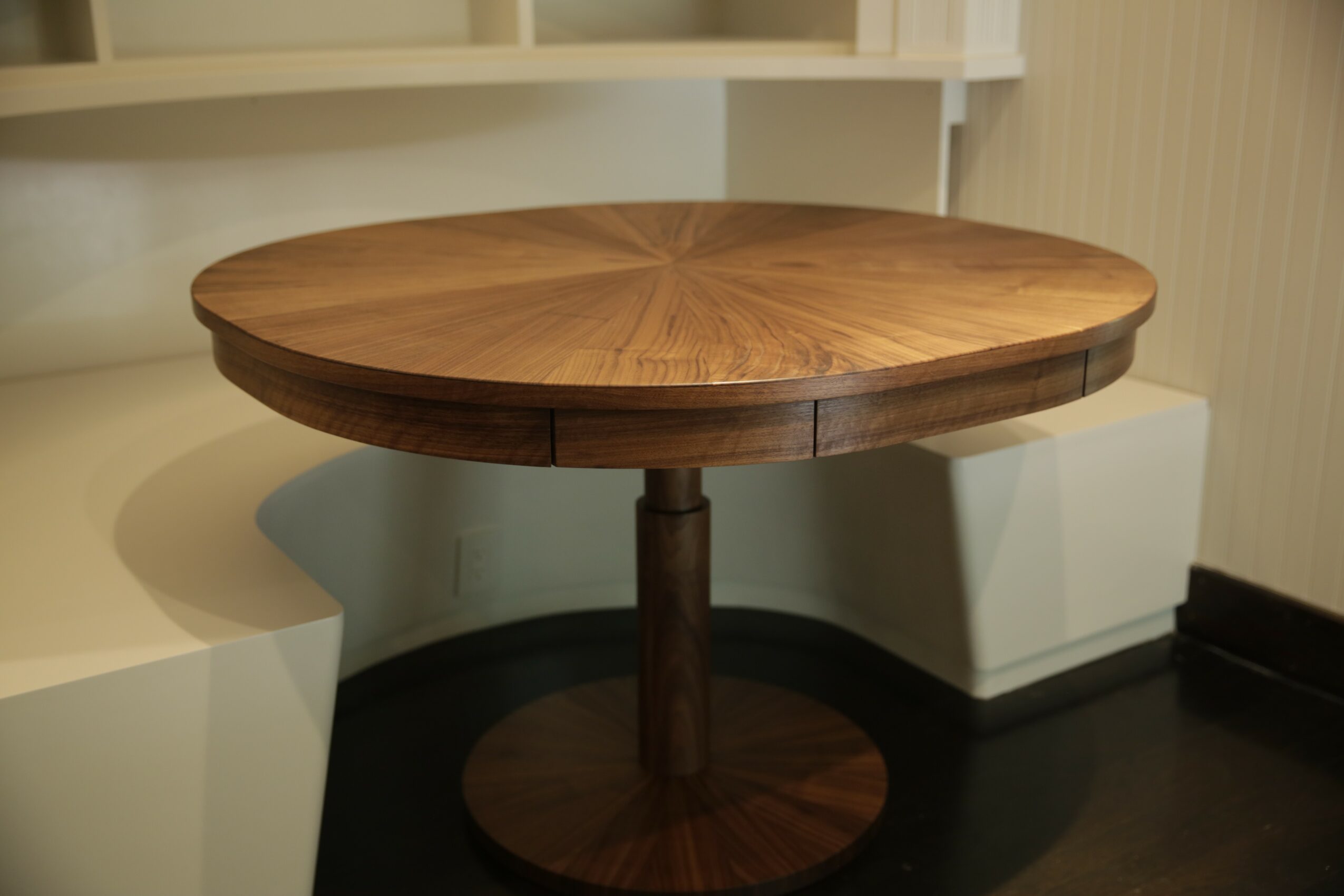
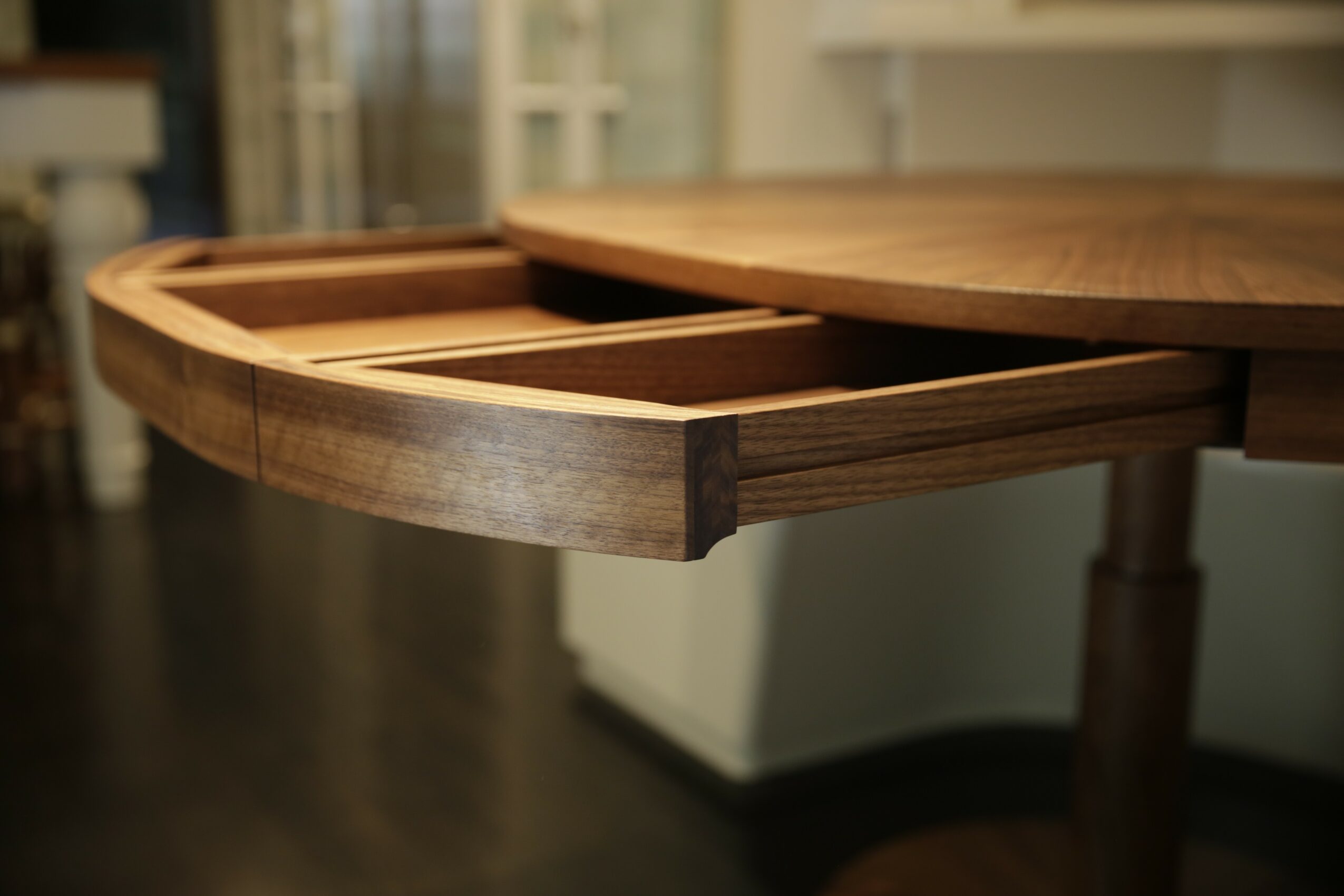
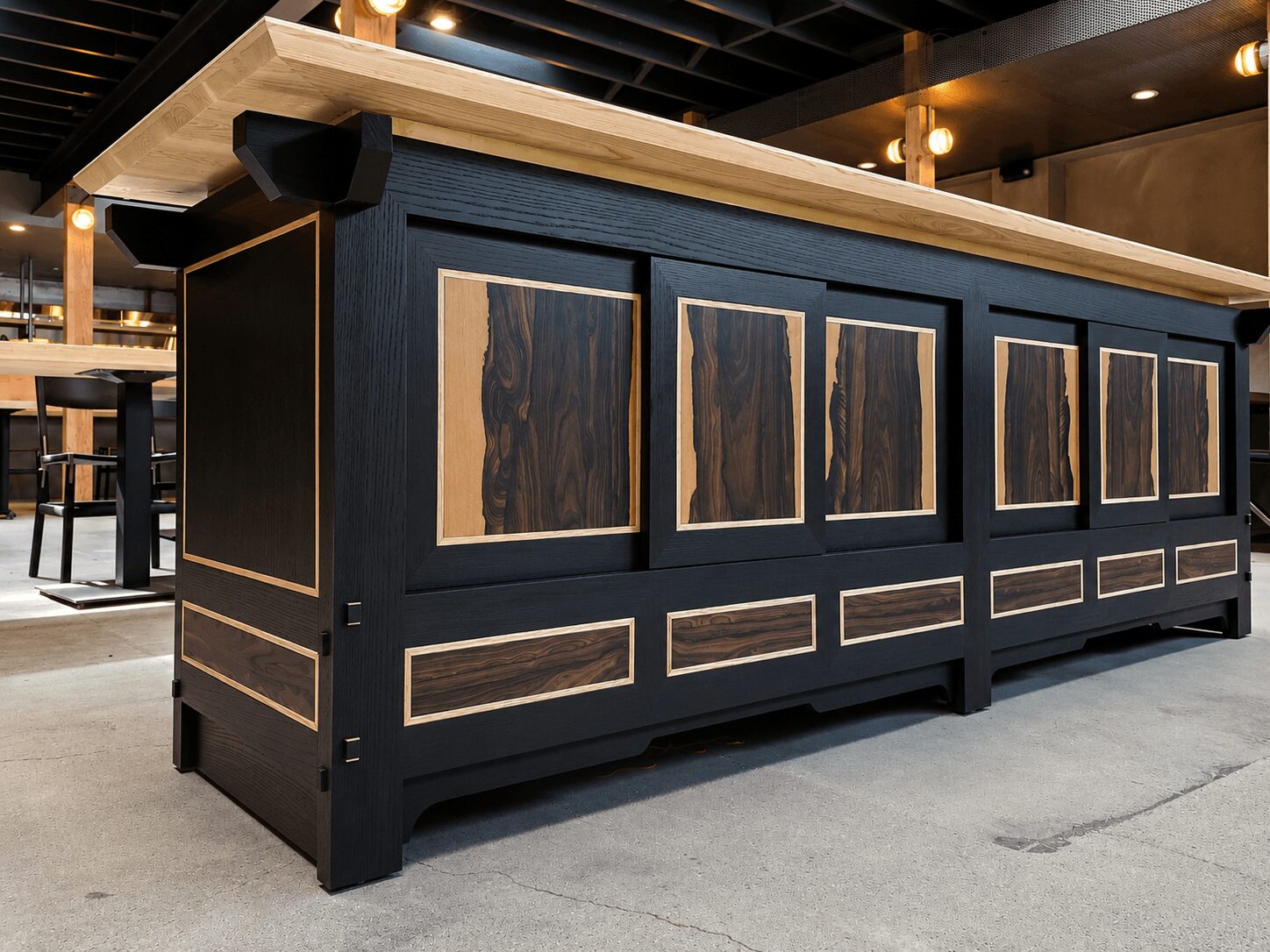
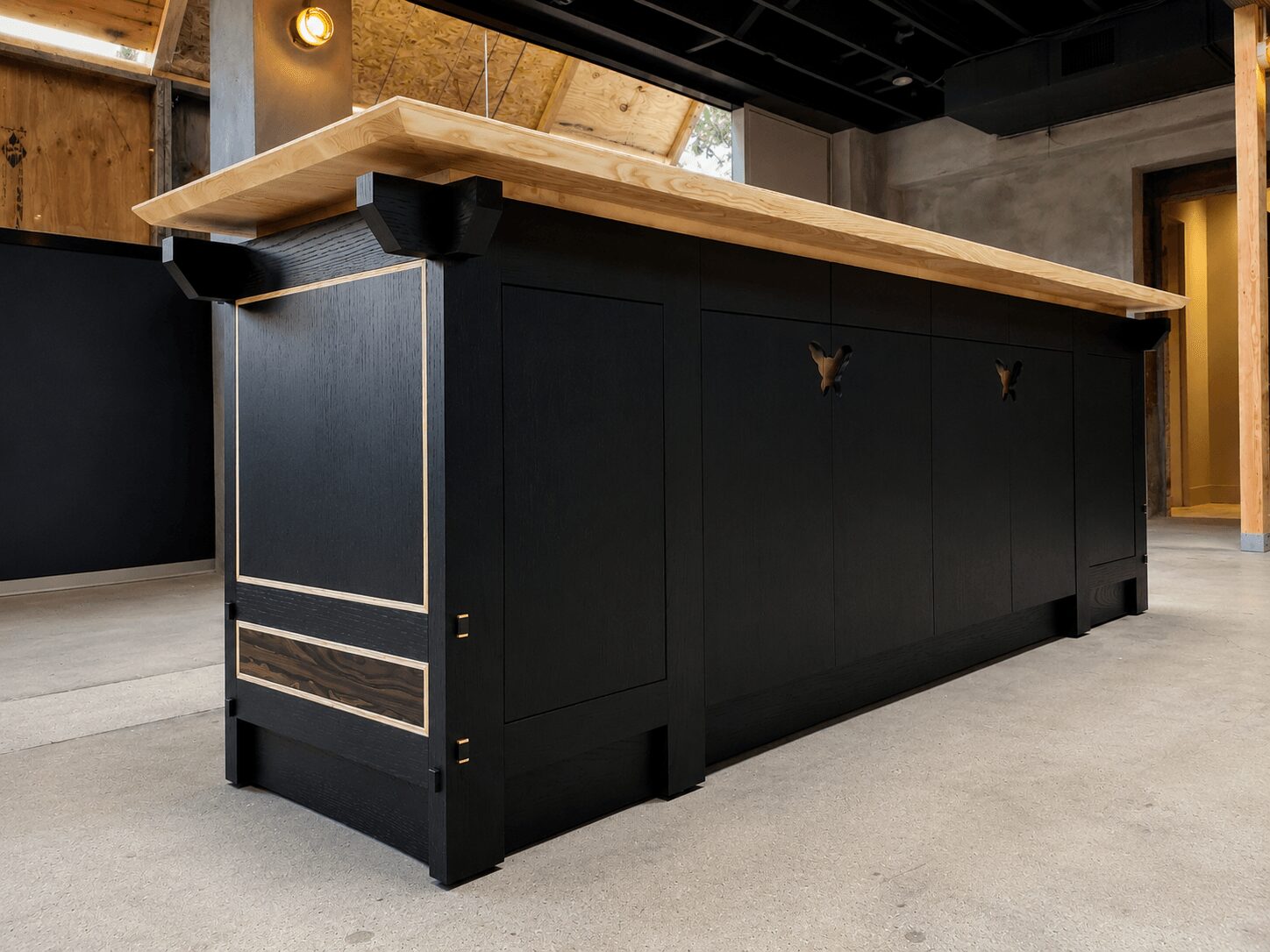
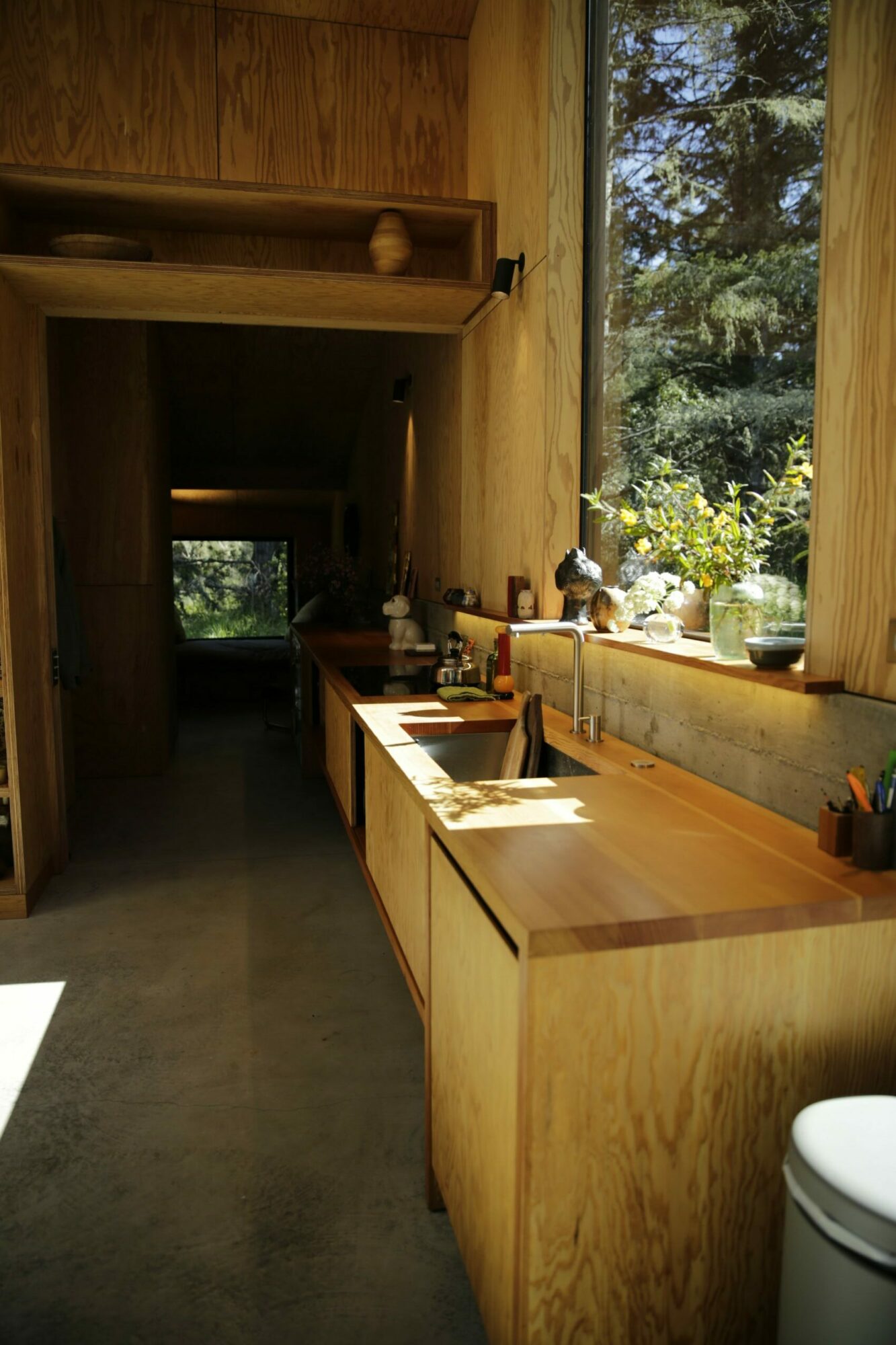
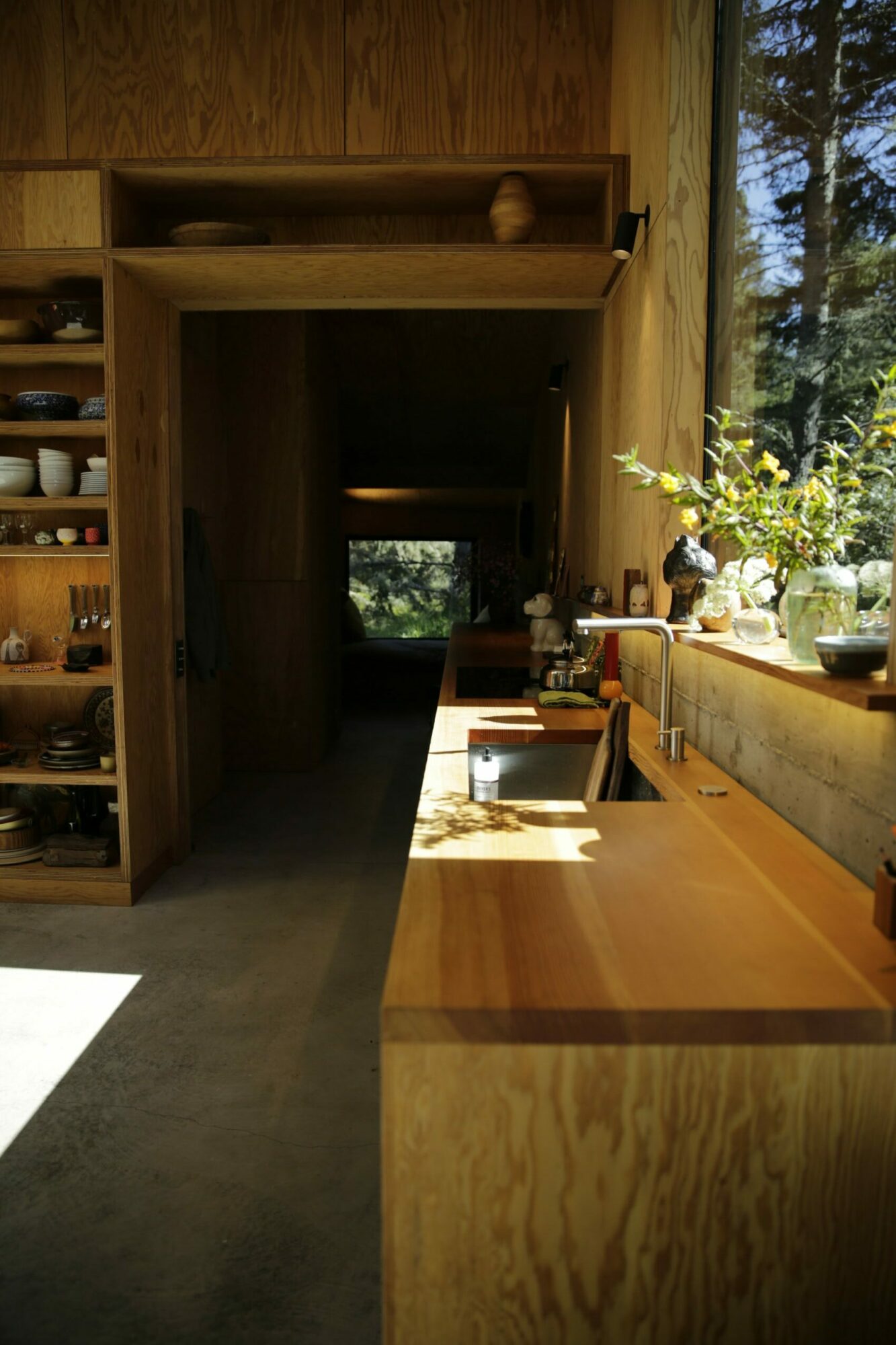
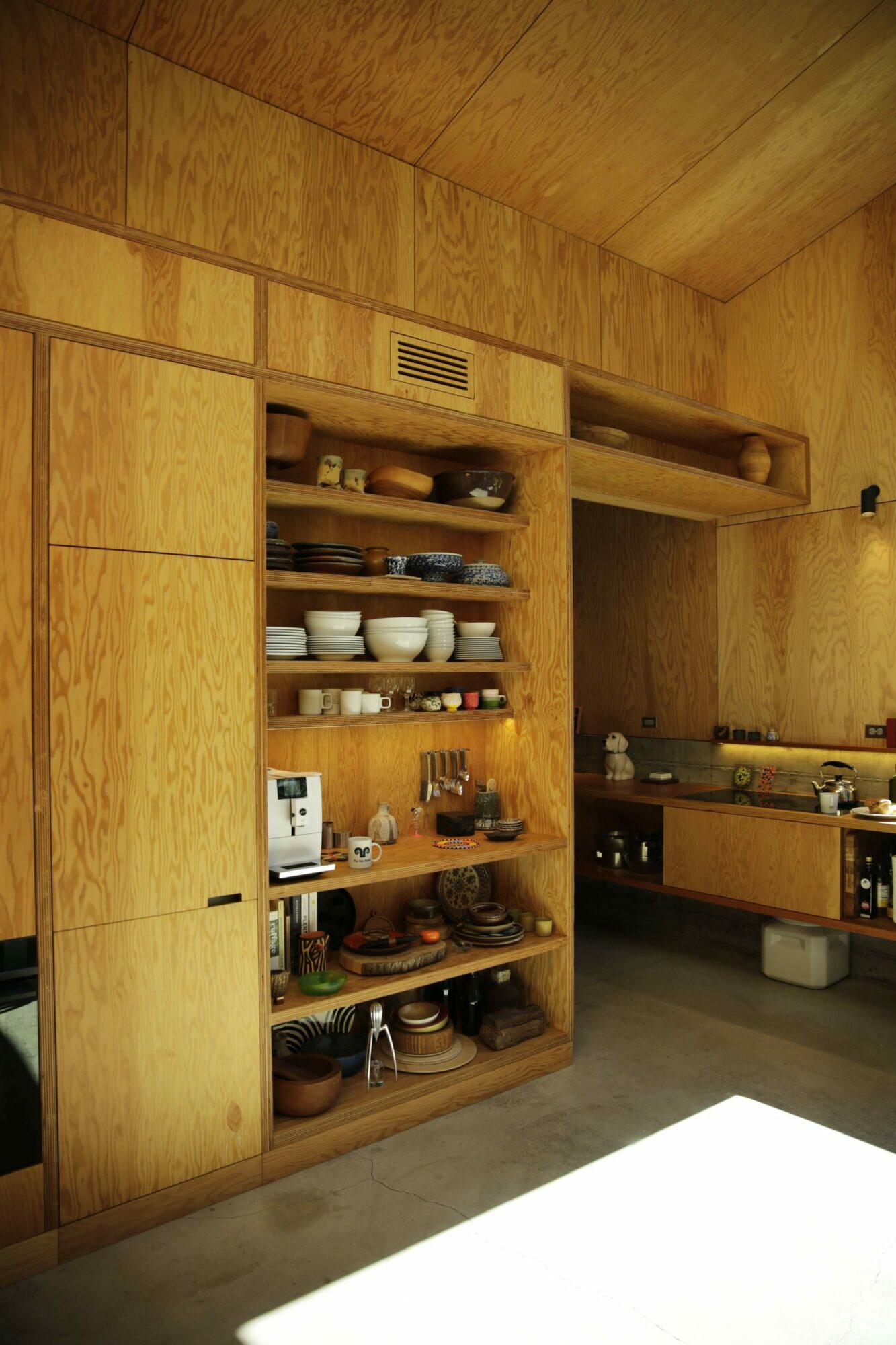
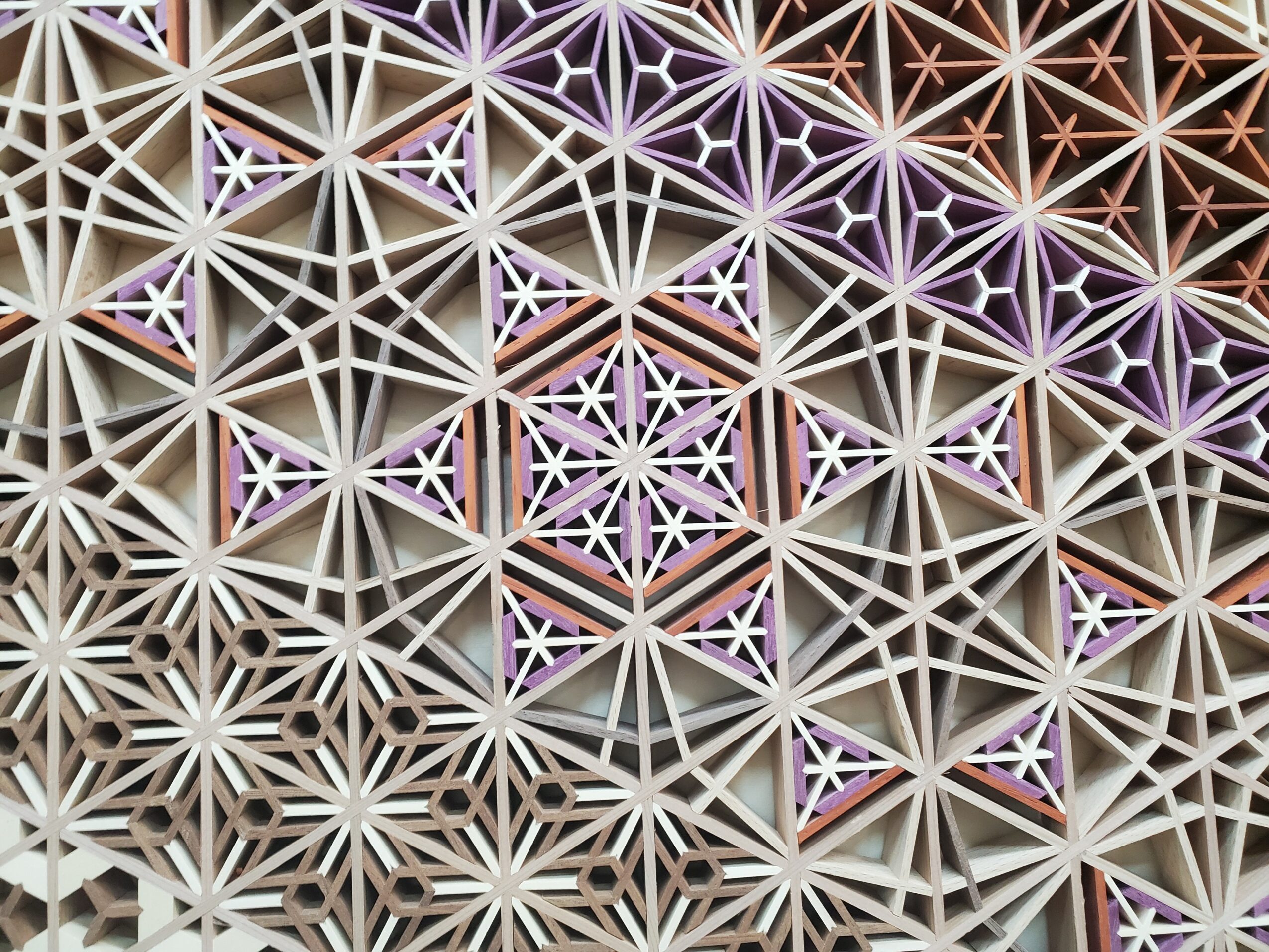
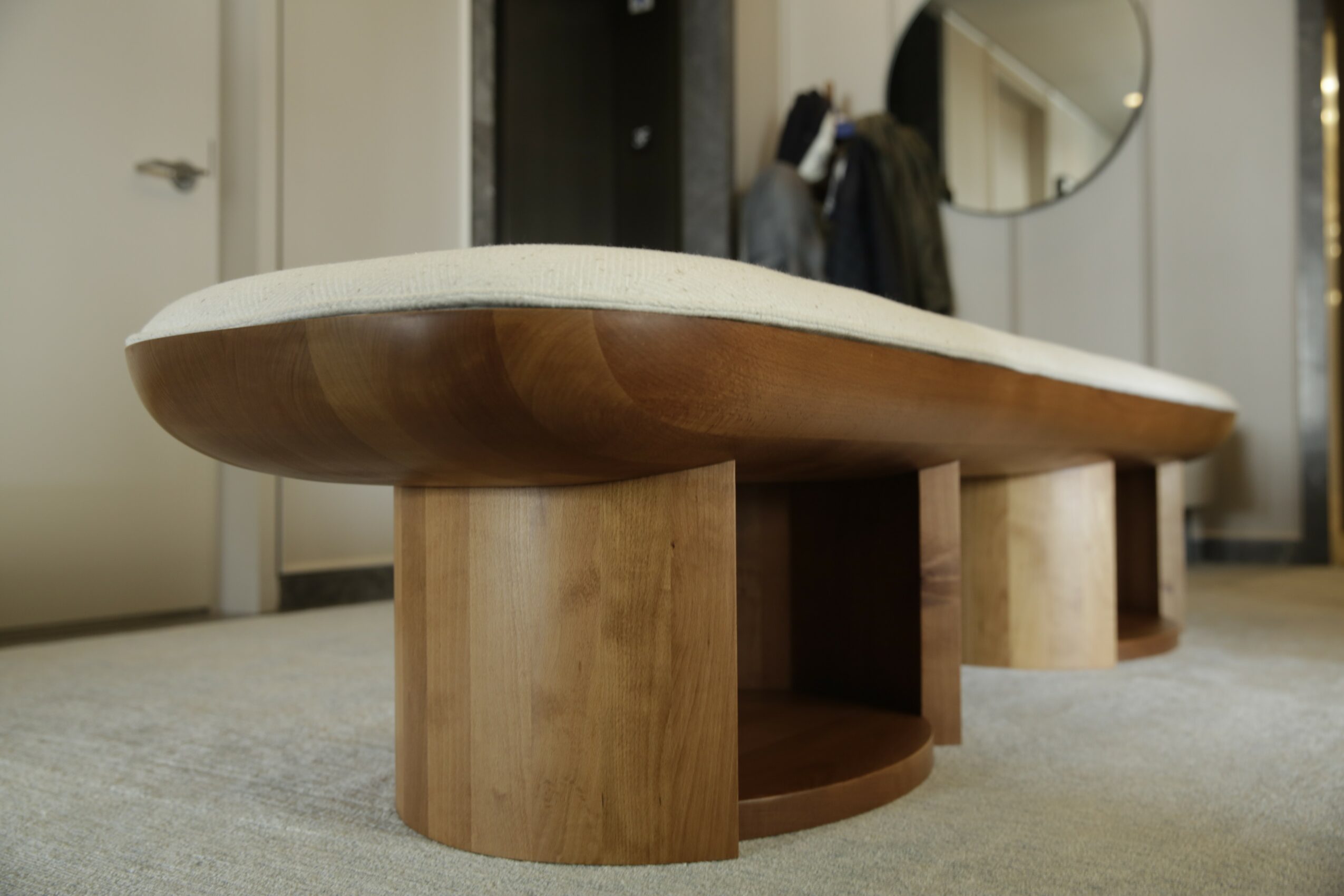
Image Credits
Instagram @re.draw_taek
Instagram @eden_momento
Popular
-

Portraits of the Valley
-

LA’s Most Inspiring Stories
-

Robin Olive on Building an Inclusive Performing Arts Movement and Expanding Opportunities for Every Student
-

Que Johnson on Building Brands That Last: From Visibility to True Market Authority
-

Christina Wren Steps Into the Director’s Chair to Tell Stories That Feel Like Home
-

JordanL on ‘Breathe,’ Belief, and Building a Movement Beyond the Music


