




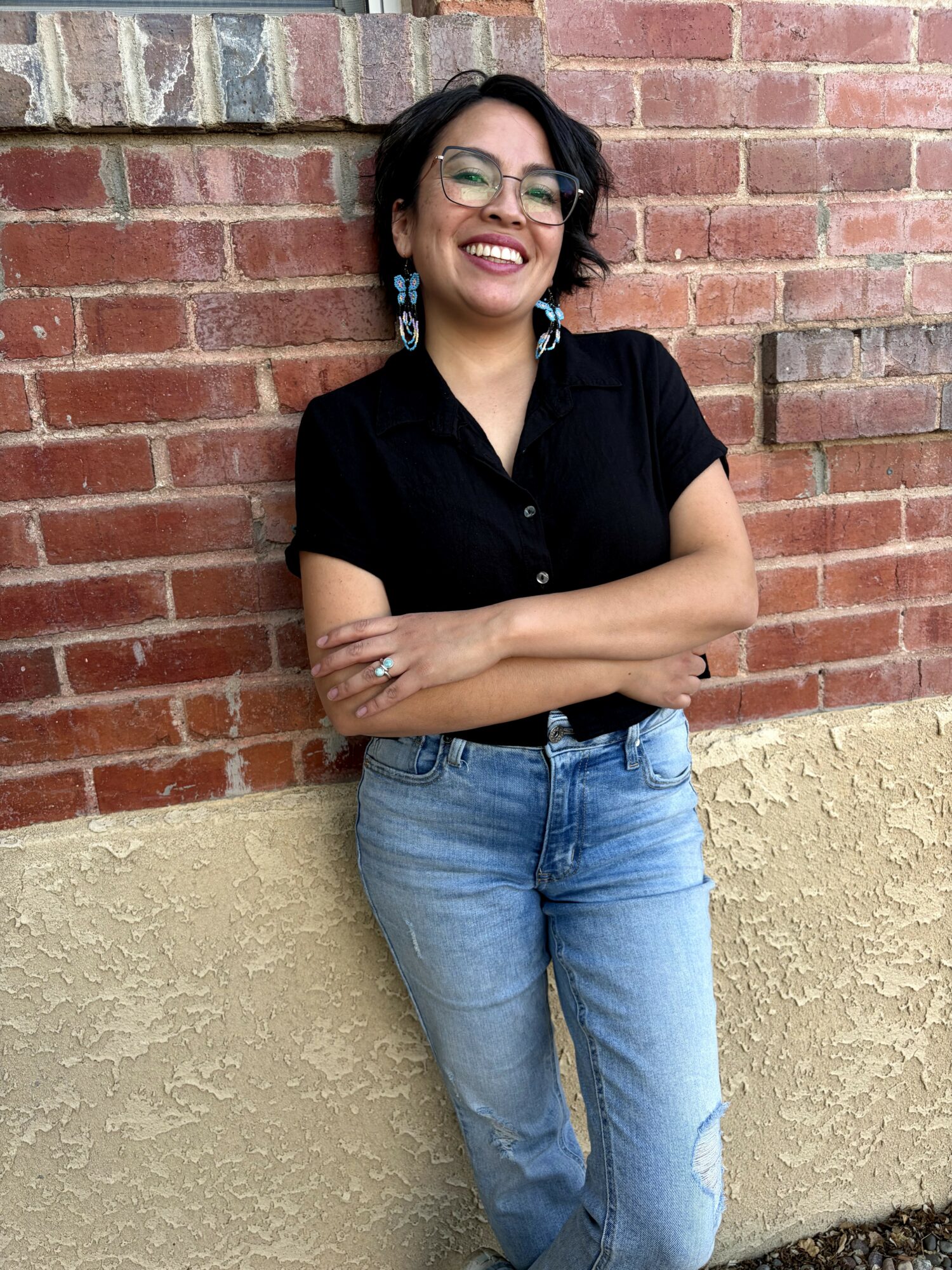
Today we’d like to introduce you to Gabriella Cuaderes.
Hi Gabriella, so excited to have you on the platform. So before we get into questions about your work-life, maybe you can bring our readers up to speed on your story and how you got to where you are today?
I was a sensitive child who grew up in a large family in central Nuevo Mexico. My love for people started in childhood at a very young age and I had a natural gift for understanding complexity. My experience in the mental health field started when I volunteered as a sexual assault advocate at Strength United, a family justice center located in Van Nuys, where I learned that I could handle complexity in a professional setting. I was a Sociology student at that time, attending Los Angeles Valley College and would eventually earn an MSW at CSUN, with the plan to become a school-based Social Worker. During my internships in graduate school, I worked with young children and their family systems to address their behavioral issues in the home and school settings. This work was intimidating and familiar. I saw my own family history reflected in the Latin@ and Indigenous families I worked with. I saw parents who loved their children but were tired, impatient, and mis-attuned to their child’s emotional needs. It was during this time that my understanding of intergenerational trauma deepened and I became passionate about bridging the gap between parent and child or grandparent and child. Since then, I have worked in grade schools, higher education, non profit organizations and private practice. I am now a Licensed Clinical Social worker and have a full time private practice. I get to work with the people who are drawn toward my forms of healing and I truly love what I do.
We all face challenges, but looking back would you describe it as a relatively smooth road?
Absolutely not. I am myself a survivor of CSA and other forms of violence. I am brown, queer, mestiza and was not out or accepting of my queer identity when I started as a Social Worker. I came to graduate school without a clear sense of how to advocate for my own needs or set clear boundaries with others relationally. I have navigated many of the systems that my clients have and so I often resonate with pieces if not whole parts of my client’s stories. I have struggled with being a part of a profession that has its roots in settler colonialism with it’s violent history of taking Indigenous children from their families.
I have learned that as a HSP (highly sensitive person), self care is not an option but an occupational hazard if not tended to, in this work. Part of the training as a social worker at that time was to, “check yourself at the door” and not make the healing space about you. One of my favorite professors, Dr. Allen Lipscomb used to say, “It’s not about you but it is.” Back then, I thought that I had to tolerate disrespect and homophobic remarks from clients, because after all ‘it wasn’t about me.’ I didn’t know where the line was in between being uncomfortable and being disrespected. The more I become open with my supervisors about my identities and the ways I felt uncomfortable, the more options were presented for me to take care of myself professionally.
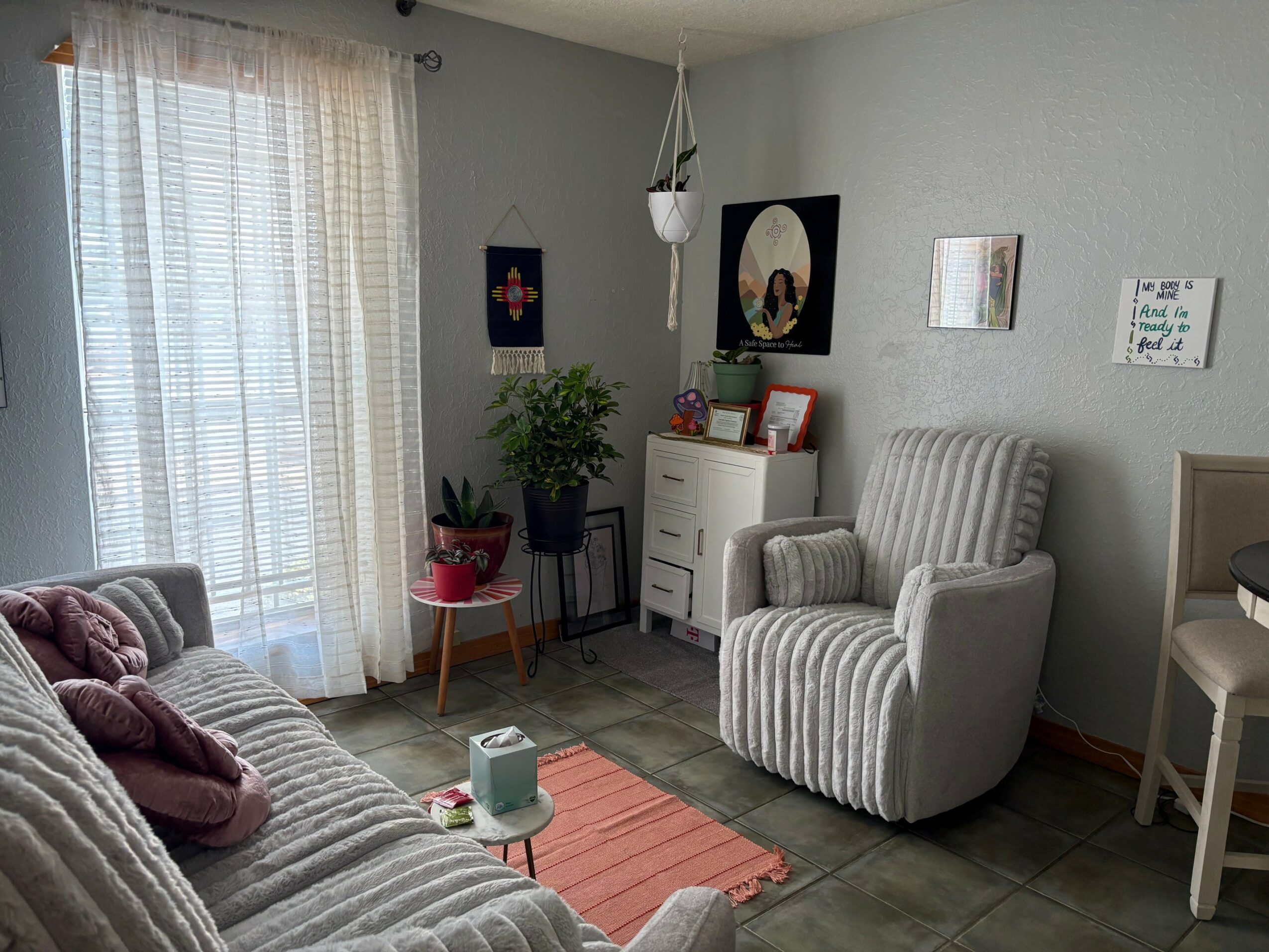
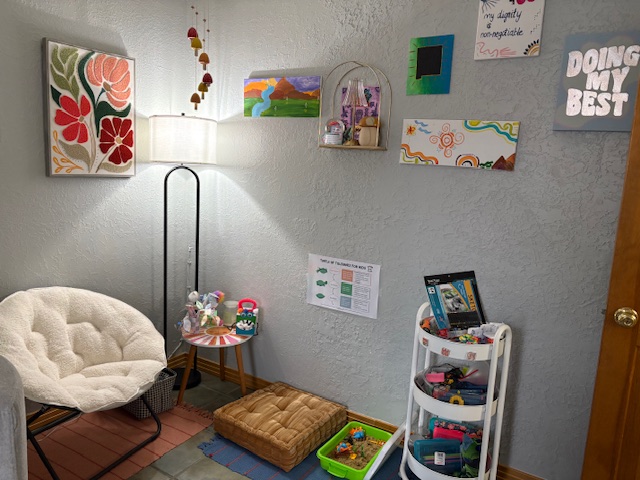
We’ve been impressed with A Safe Space to Heal, L.C, but for folks who might not be as familiar, what can you share with them about what you do and what sets you apart from others?
In short, I provide mental health services that promote intergenerational healing. When I’m working with a client or a group, I care about their parents, grandparents and the story of their great grandparents.
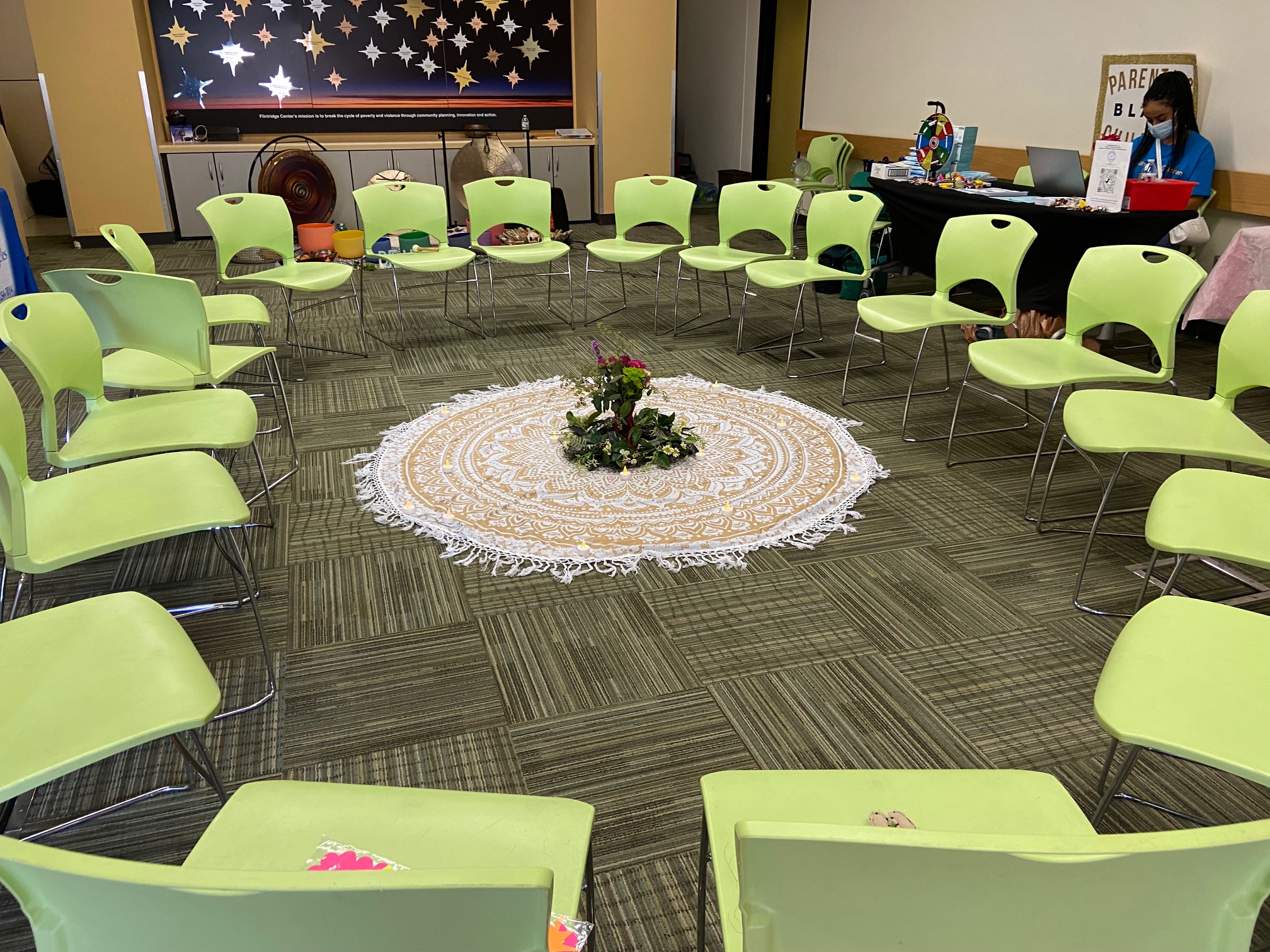
I specialize in complex/developmental trauma for queer and neurodivergent Native and Chican@ folks. I hold an Autism Spectrum Disorder Clinical Specialist certificate and am certified in EMDR, which is a structured trauma therapy aimed to help people living with post traumatic stress to reduce the amount of disturbance associated with their traumatic memories. I often work with activists, healers, educators and people seeking a deeper level of healing than what they have experienced in previous therapy spaces. I love incorporating mindfulness, art, poetry, curanderismo and somatics into my services.
I am most proud that I work with survivors of violence, whether that be racialized, cultural, sexual, age-specific or interpersonal. I truly believe in the power of story telling, the body’s wisdom and desire to heal, the strength in an individual or family owning their healing journey and working with others to end violence.
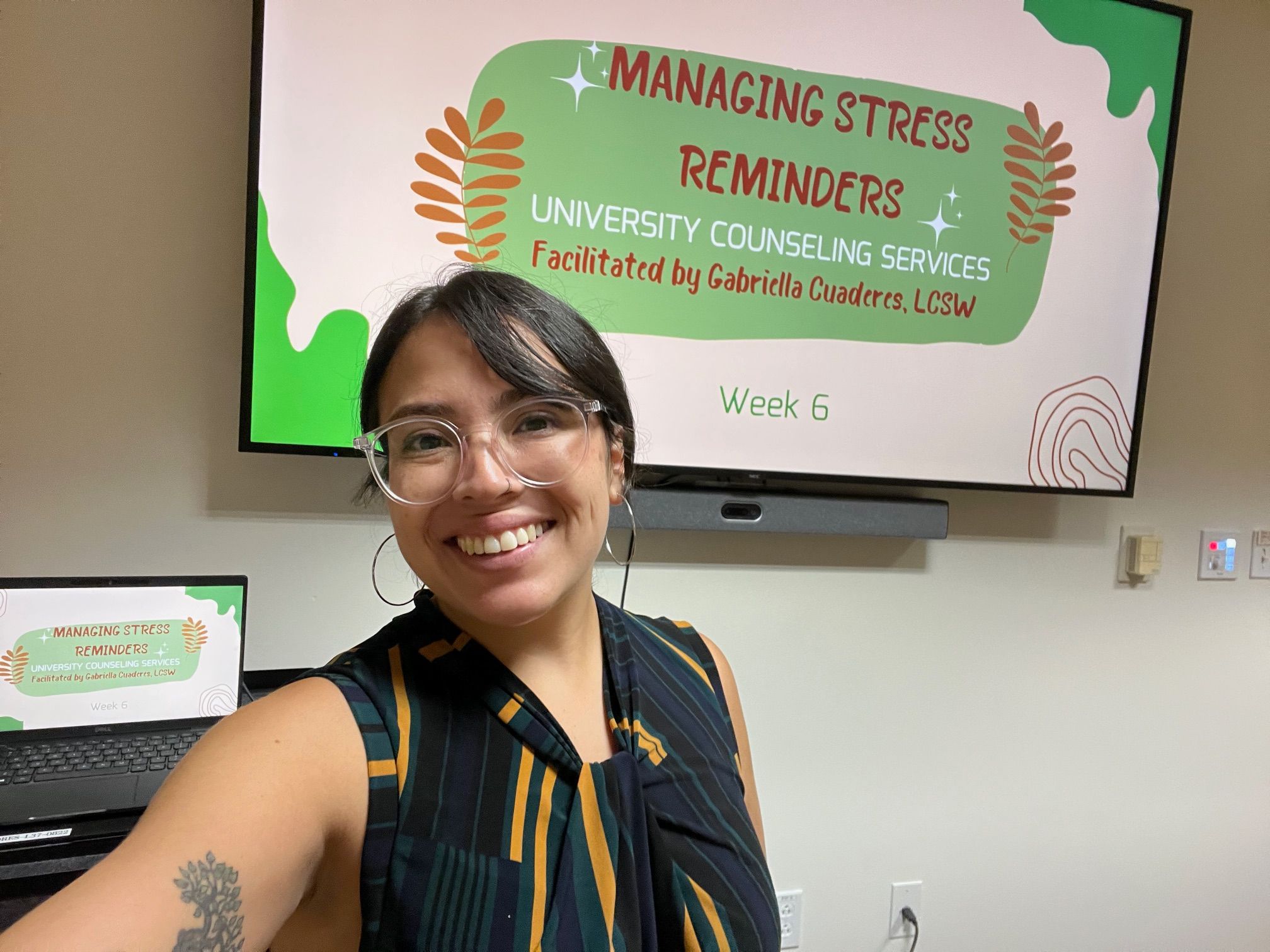
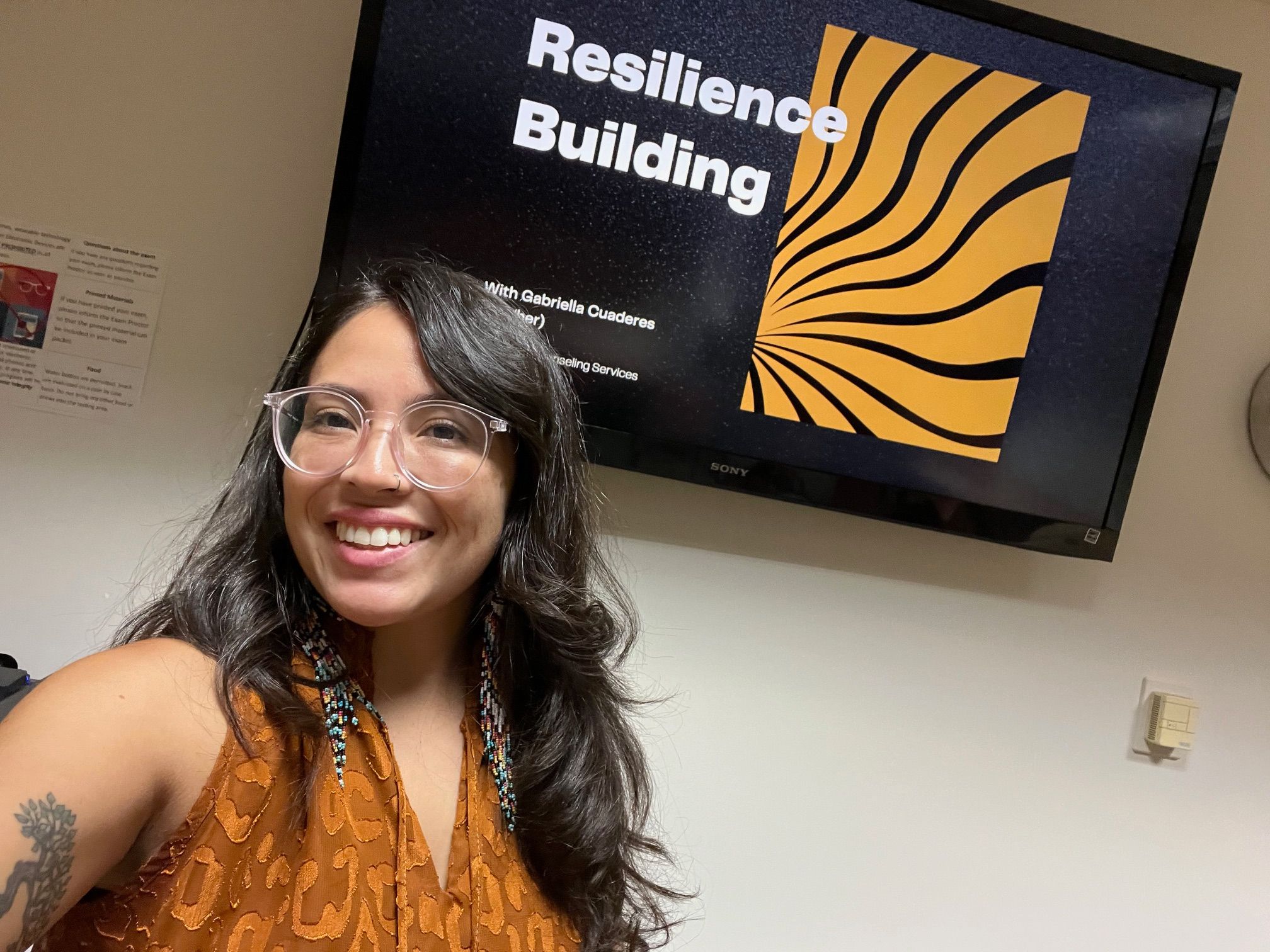
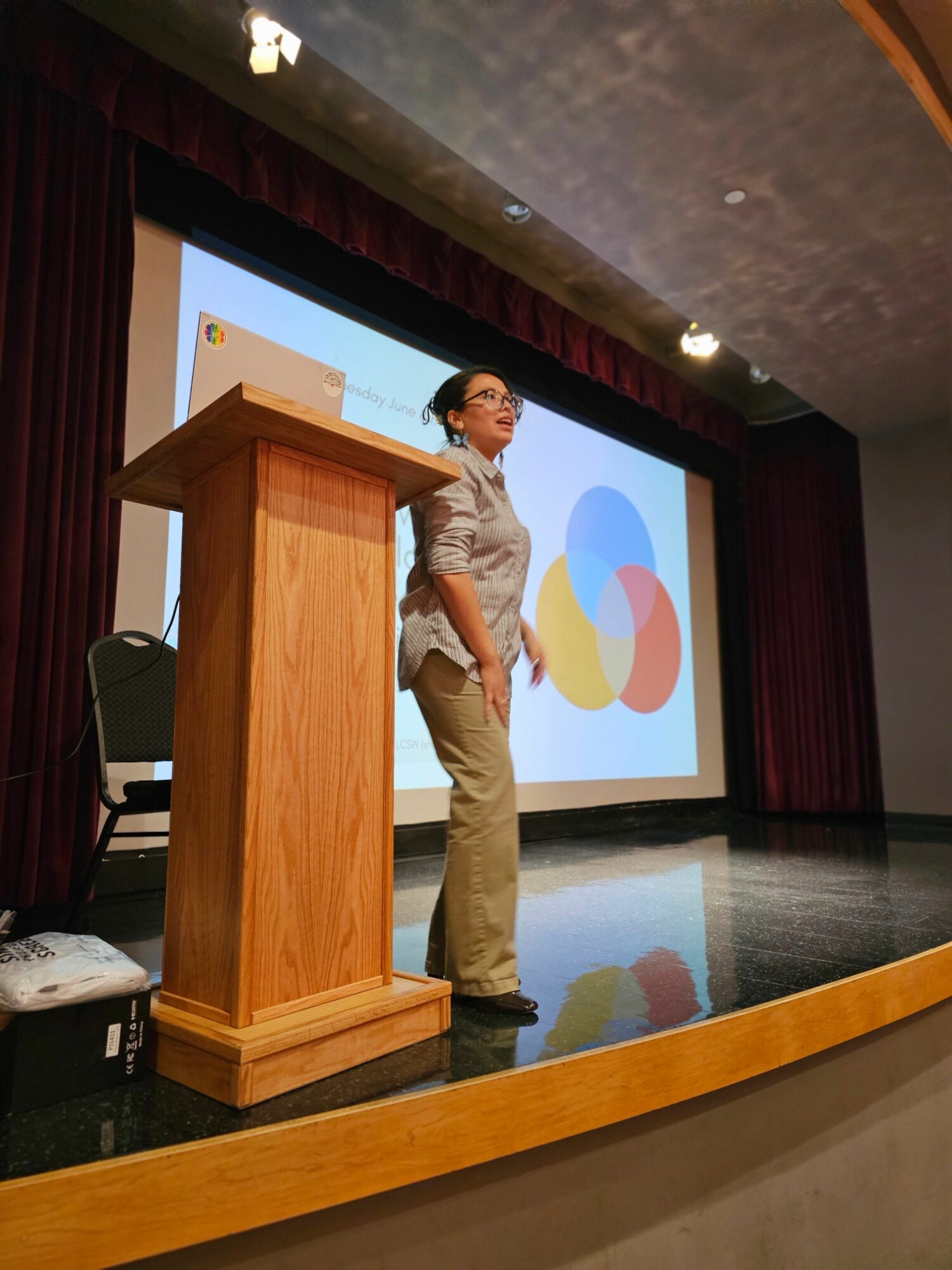
I work in person and virtually in New Mexico and virtually in California. I provide consultation, workshops and group trainings on mental health topics that I specialize in (complex and/or historical trauma, neurodivergence, healthy relationships, intergenerational healing).
We’d be interested to hear your thoughts on luck and what role, if any, you feel it’s played for you?
I have had phenomenal educators. Middle School Counselor: Ms. Miriah Affentranger. Undergraduate professor: Dr. Marquita Gammage. Graduate professors: Dr. Allen Lipscomb, Dr. Wendy Ashley, Professor Julie Gould. Supervisors: Susana Bustamante, Patricia Alba, Diana Villena. Each of these educators treated me with dignity and were honest, direct and generous with their mentorship.
I can say that I also have a history of bad luck in my personal life, which has at times been a source of shame. Fortunately, I am a person that will take any life experience and be a student to it. My parents taught me to look at situations as learning opportunities to show up to with intention and integrity. If you can call privilege “luck,” then yes, I have light-skinned privilege, I grew up with socioeconomic privilege, I grew up in an environment that was more culturally aligned to my own, plus many more I could name.
Pricing:
- $200/hour for speaking engagements
- $130/hour Consultation on sensitive topics
- Individual/Family therapy: $200
- $250 EMDR Therapy
- I accept multiple insurances in CA (United, BCBS, Cigna, Kaiser Norcal and Socal
Contact Info:
- Website: https://www.asafespacetoheal.net
Popular
-

Portraits of the Valley
-

LA’s Most Inspiring Stories
-
Robin Olive on Building an Inclusive Performing Arts Movement and Expanding Opportunities for Every Student
-
Que Johnson on Building Brands That Last: From Visibility to True Market Authority
-
Christina Wren Steps Into the Director’s Chair to Tell Stories That Feel Like Home
-
JordanL on ‘Breathe,’ Belief, and Building a Movement Beyond the Music


