




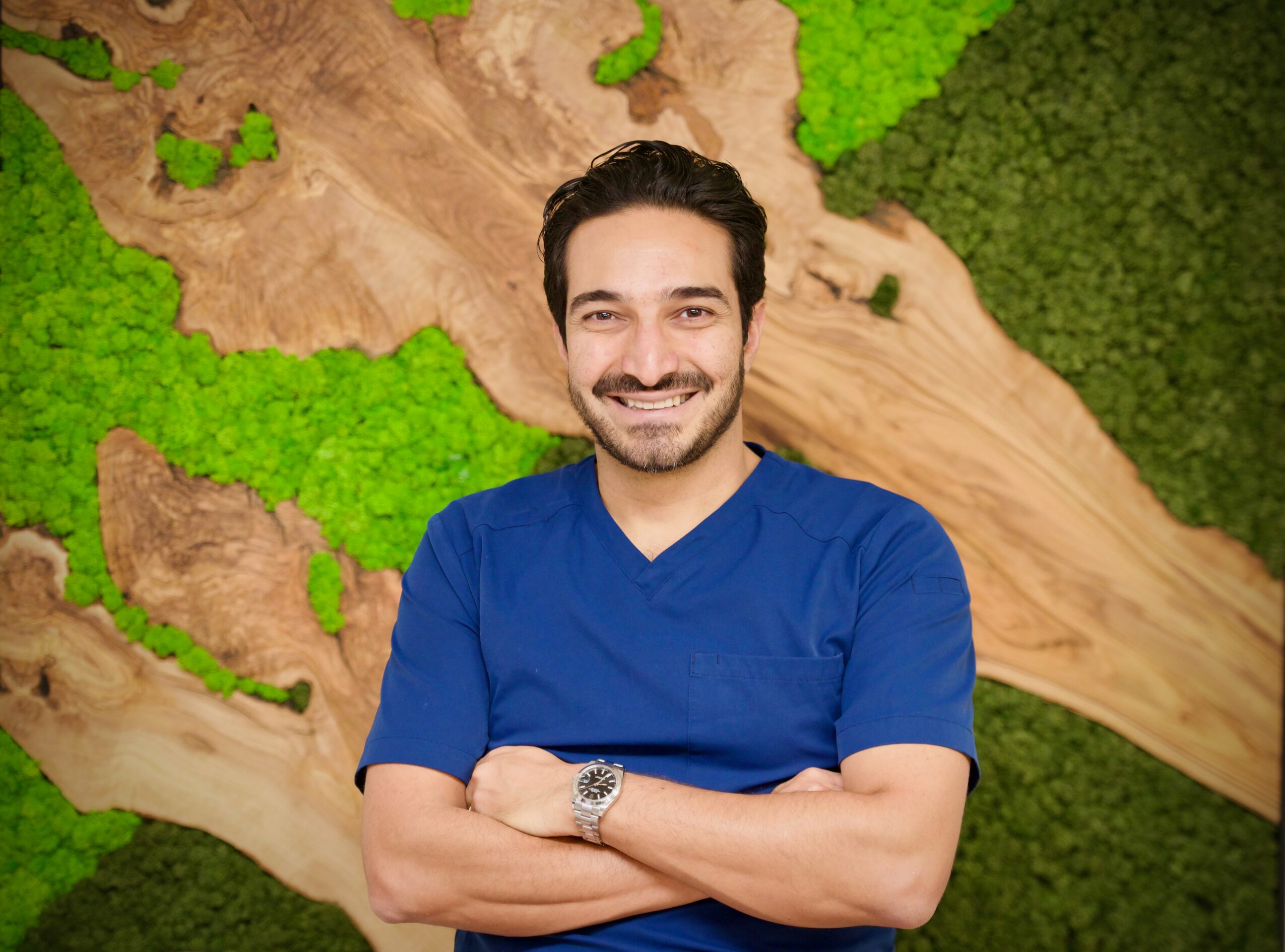
Today we’d like to introduce you to Alireza Chizari.
Alireza, we appreciate you taking the time to share your story with us today. Where does your story begin?
My journey into functional neurology wasn’t a straight line—it was shaped by curiosity, reinvention, and a moment that quietly changed the course of my life.
I began in a completely different world. My background was in electrical engineering, where I spent years immersed in systems, patterns, and precision. It was logical, structured, and predictable. But over time, I felt a growing pull toward something more human—something that couldn’t always be measured on paper.
That turning point came through my mom.
She suffered a concussion, and like so many others, we were told everything was “normal.” Her scans, her MRIs—nothing showed anything wrong. But the reality we were living told a very different story. She wasn’t herself. There was a disconnect between what the tests showed and what she was experiencing, and we found ourselves searching for answers in a system that didn’t have them.
It was a frustrating and deeply personal experience—watching someone you love struggle, while being told there’s nothing to fix.
We refused to accept that as the end of the story.
Eventually, our search led us to a functional neurologist—someone who approached the brain not just through structure, but through function. For the first time, we saw a different kind of medicine. Through detailed neurological testing and a personalized treatment plan, my mom began to improve. Gradually, but unmistakably, she started getting her life back.
That experience stayed with me.
It revealed a gap in healthcare that I hadn’t seen before—a space where patients fall through simply because their symptoms don’t fit neatly into what imaging can capture. And I realized I wanted to be part of bridging that gap.
So I made the decision to start over.
I left my path in engineering and went back to school to pursue my Doctor of Chiropractic degree, eventually continuing my training to become a Diplomate of the American Chiropractic Neurology Board. It wasn’t the easiest path, but it was the right one.
Today, as the Clinical Director and Owner of California Brain & Spine Center, I work with patients who often arrive with the same story—told everything is “normal,” yet living with very real symptoms. Concussions, dizziness, brain fog, migraines—conditions that don’t always show up on scans, but profoundly impact daily life.
Our approach is centered on function—understanding how the brain and nervous system are actually operating, not just how they appear. Through advanced diagnostics and targeted, non-invasive therapies, we help patients reconnect with a version of themselves they thought they had lost.
But beyond the science, this work is deeply personal.
Every patient reminds me of where this all began—the uncertainty, the unanswered questions, and the quiet hope that someone, somewhere, would truly understand.
Helping people get their lives back isn’t just what I do.
It’s the reason I chose this path.
We all face challenges, but looking back would you describe it as a relatively smooth road?
It definitely wasn’t a smooth road—especially because I chose to walk away from a path that, on the outside, already looked successful.
Coming from an engineering background, I had built a stable career grounded in logic and predictability. Deciding to leave that behind and start over in healthcare meant stepping into uncertainty—years of education, financial pressure, and the emotional weight of rebuilding from scratch.
But the deeper challenge wasn’t just the transition itself—it was what I had already witnessed before making that decision.
Seeing my mom struggle after her concussion, being told everything was “normal” while knowing something was clearly wrong, left a lasting impact on me. It exposed a gap in the system that I couldn’t unsee. And once you become aware of something like that, it’s difficult to go back to what’s comfortable.
As I moved into this field, another challenge became clear: helping people understand a model of care that most have never been introduced to.
Many of the patients I see have already been through multiple providers. They’ve had imaging, tests, and consultations, often leaving with more questions than answers. So part of my role isn’t just clinical—it’s rebuilding trust, helping them understand that their symptoms are real, even if they haven’t shown up on traditional tests.
There’s also the responsibility that comes with that.
When patients come to us, they’re often at a vulnerable point—physically, emotionally, and mentally. That requires not just technical skill, but a level of presence, patience, and precision that goes beyond standard care.
And of course, building something of your own always comes with its own set of challenges—creating a clinic, developing systems, earning trust in a space that is still not widely understood.
But in many ways, those challenges are what shaped everything.
They forced me to be intentional. To question more. To listen more closely. And to build something that reflects not just clinical expertise, but a deeper understanding of what patients actually go through.
Looking back, I wouldn’t describe the journey as difficult in a negative way—I’d describe it as necessary.
Because every obstacle brought me closer to the kind of work I was meant to do.
As you know, we’re big fans of California Brain & Spine Center. For our readers who might not be as familiar what can you tell them about the brand?
California Brain & Spine Center was built around a simple but often overlooked idea—that just because something doesn’t show up on a scan doesn’t mean it isn’t real.
We specialize in functional neurology, focusing on patients who are often left without clear answers. Many of the individuals we see are dealing with concussions, dizziness, brain fog, migraines, and complex neurological symptoms that don’t always appear on traditional imaging. They’ve often been told everything is “normal,” yet their day-to-day experience tells a very different story.
What sets us apart is our focus on function over structure.
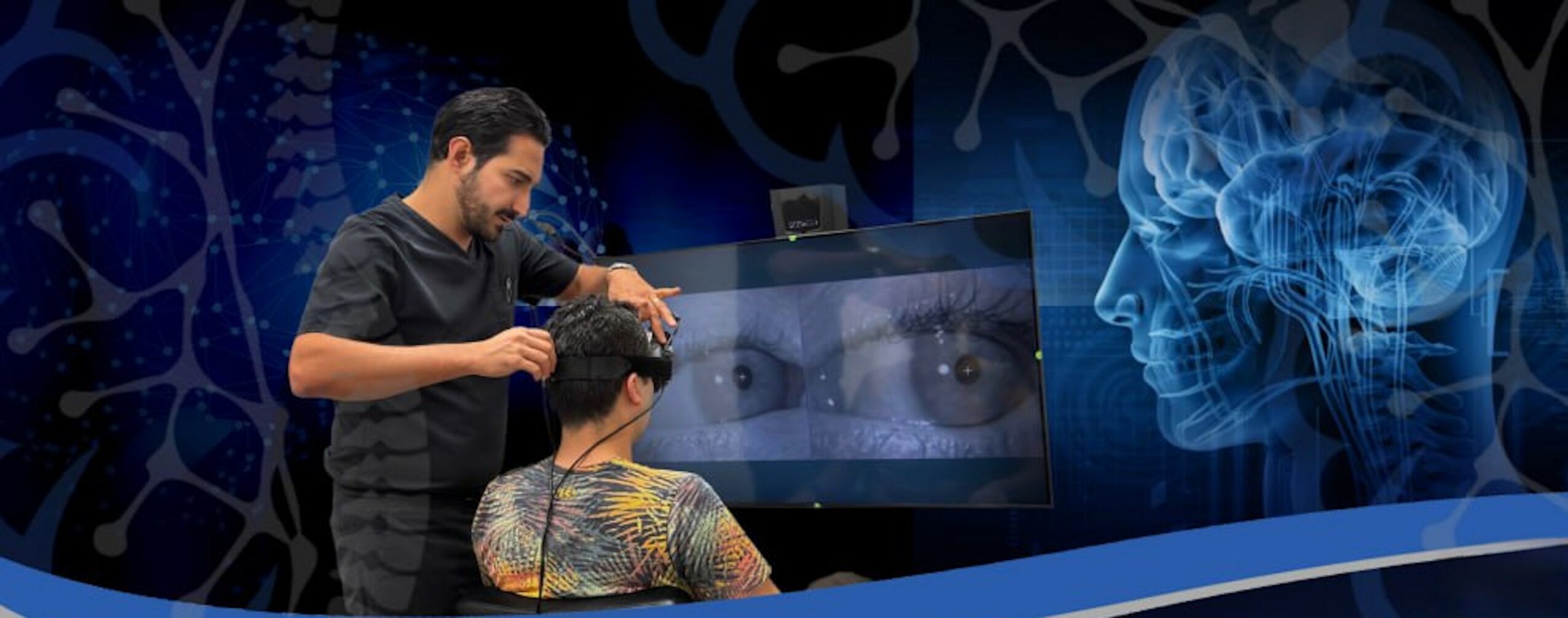
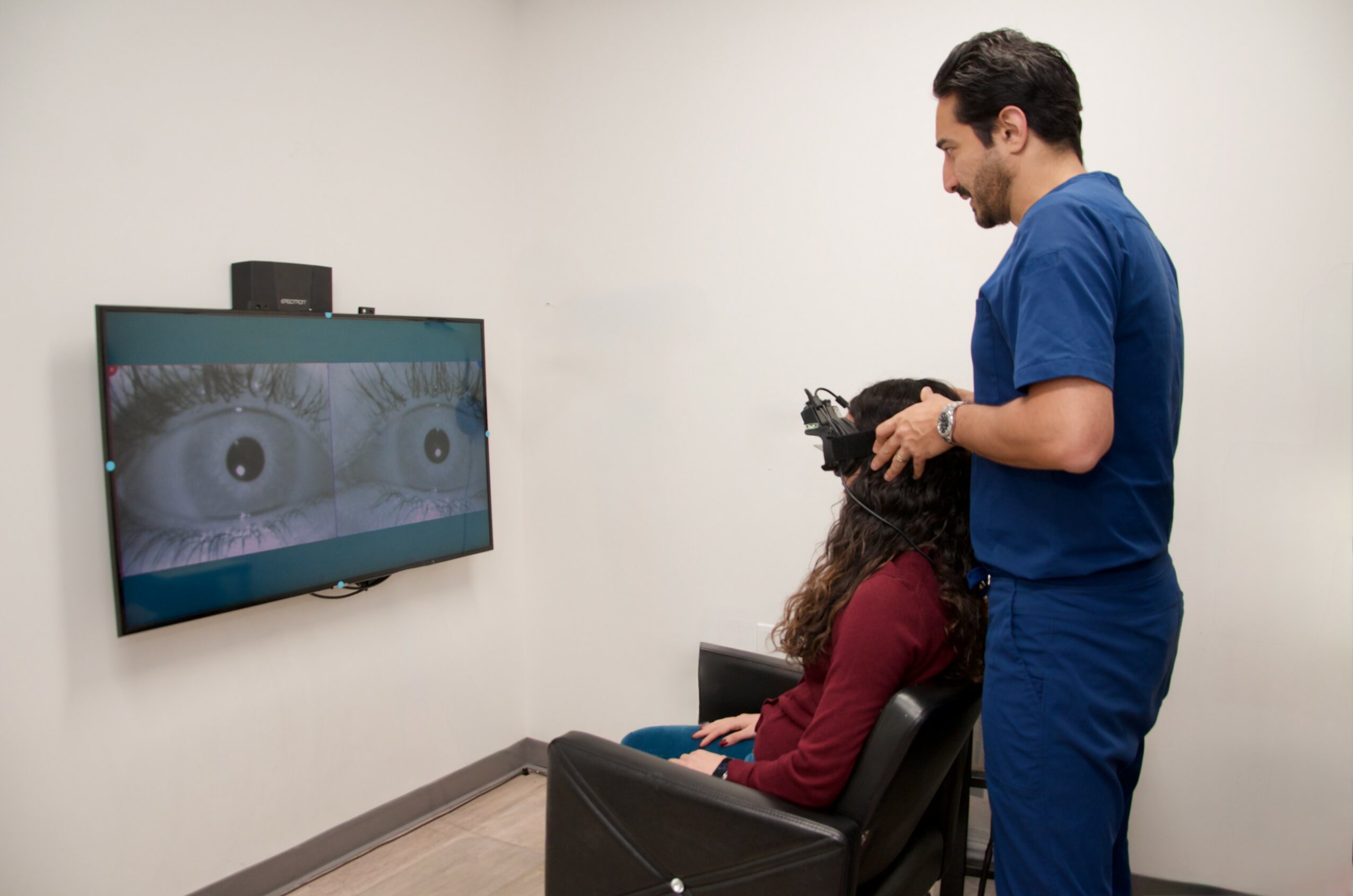
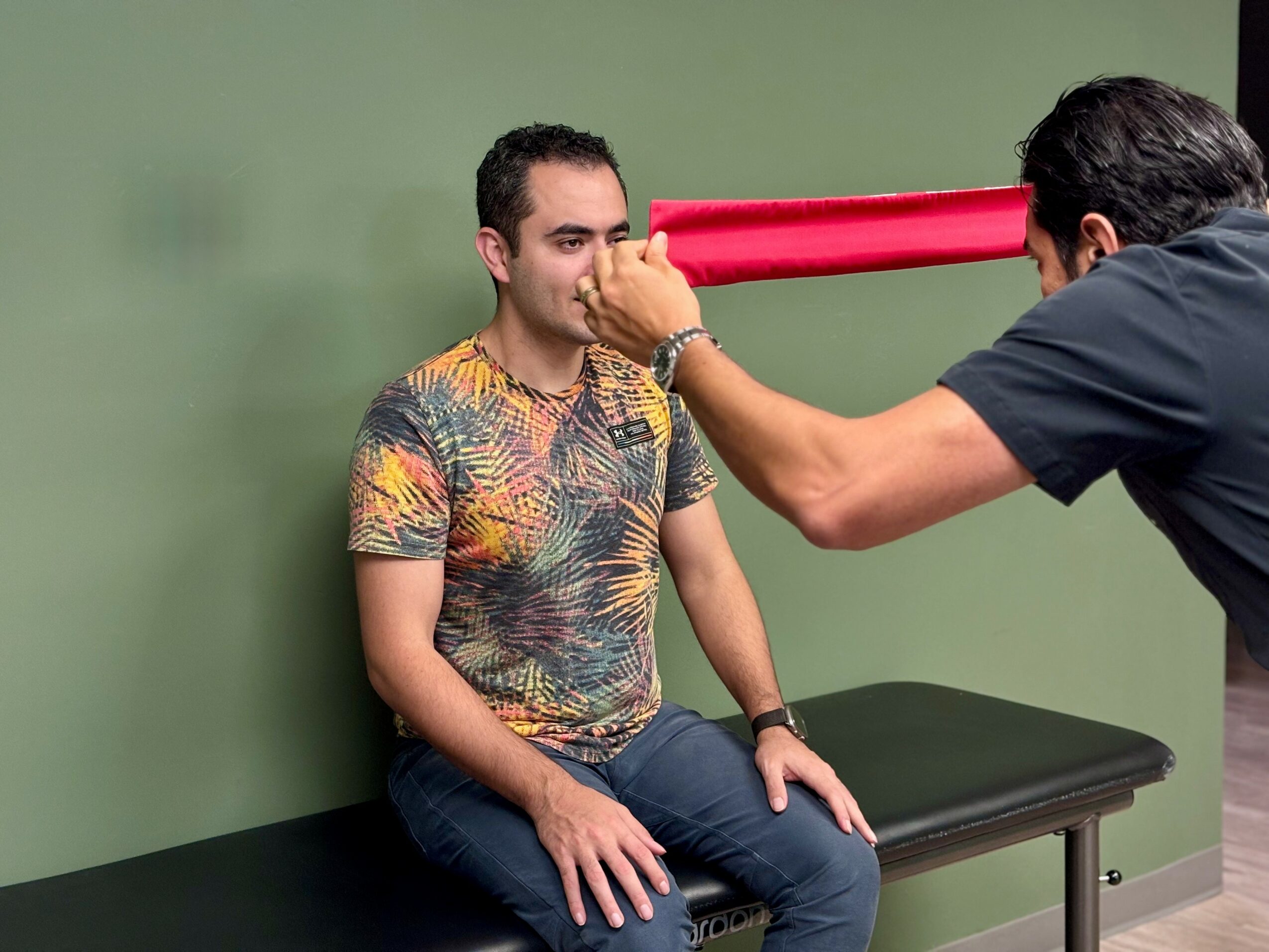
Rather than only asking what the brain looks like, we ask how it’s actually working. Through advanced neurological diagnostics—including eye movement analysis, balance testing, and objective brain-based measurements—we’re able to identify subtle dysfunctions within the nervous system that are often missed in conventional settings.
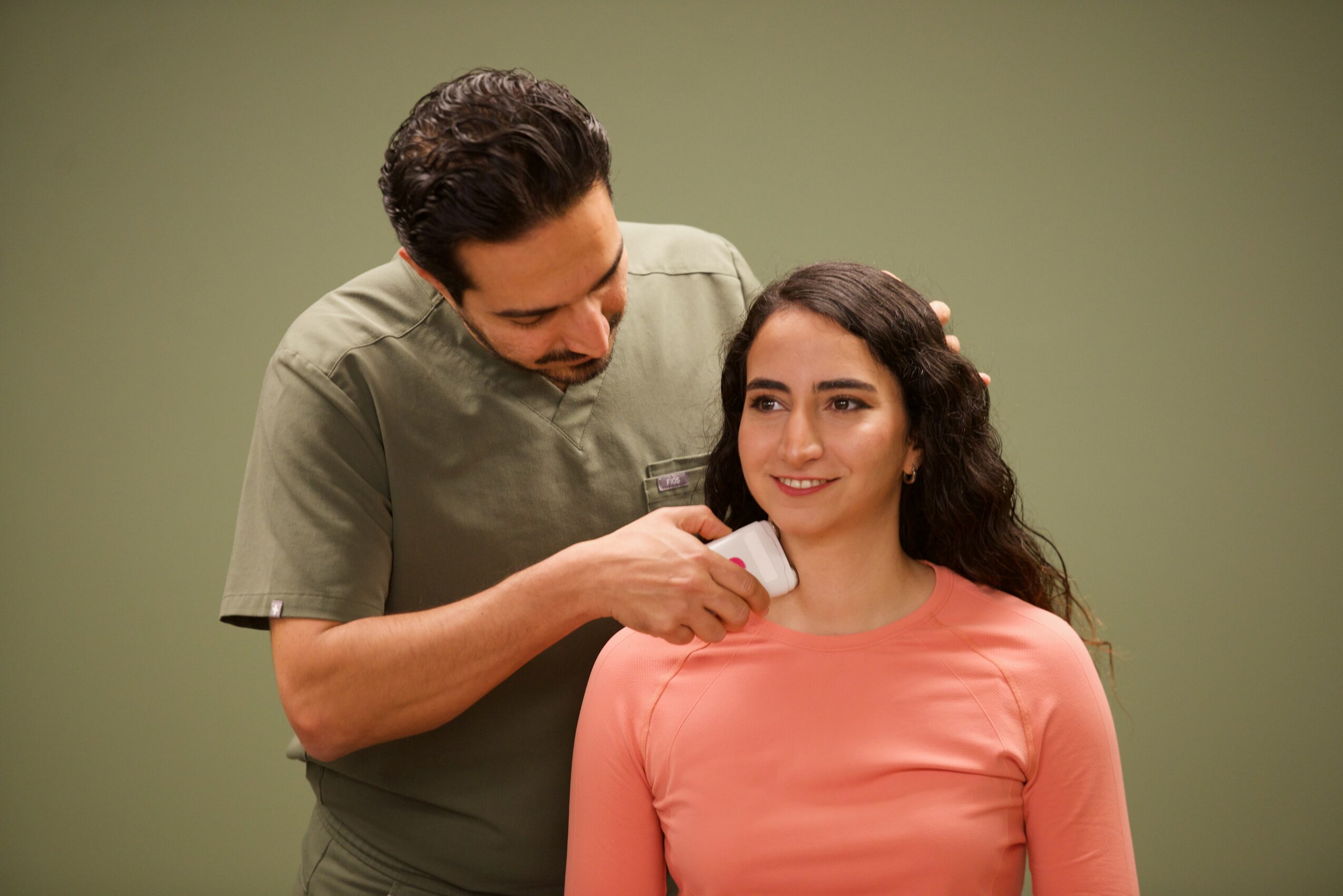
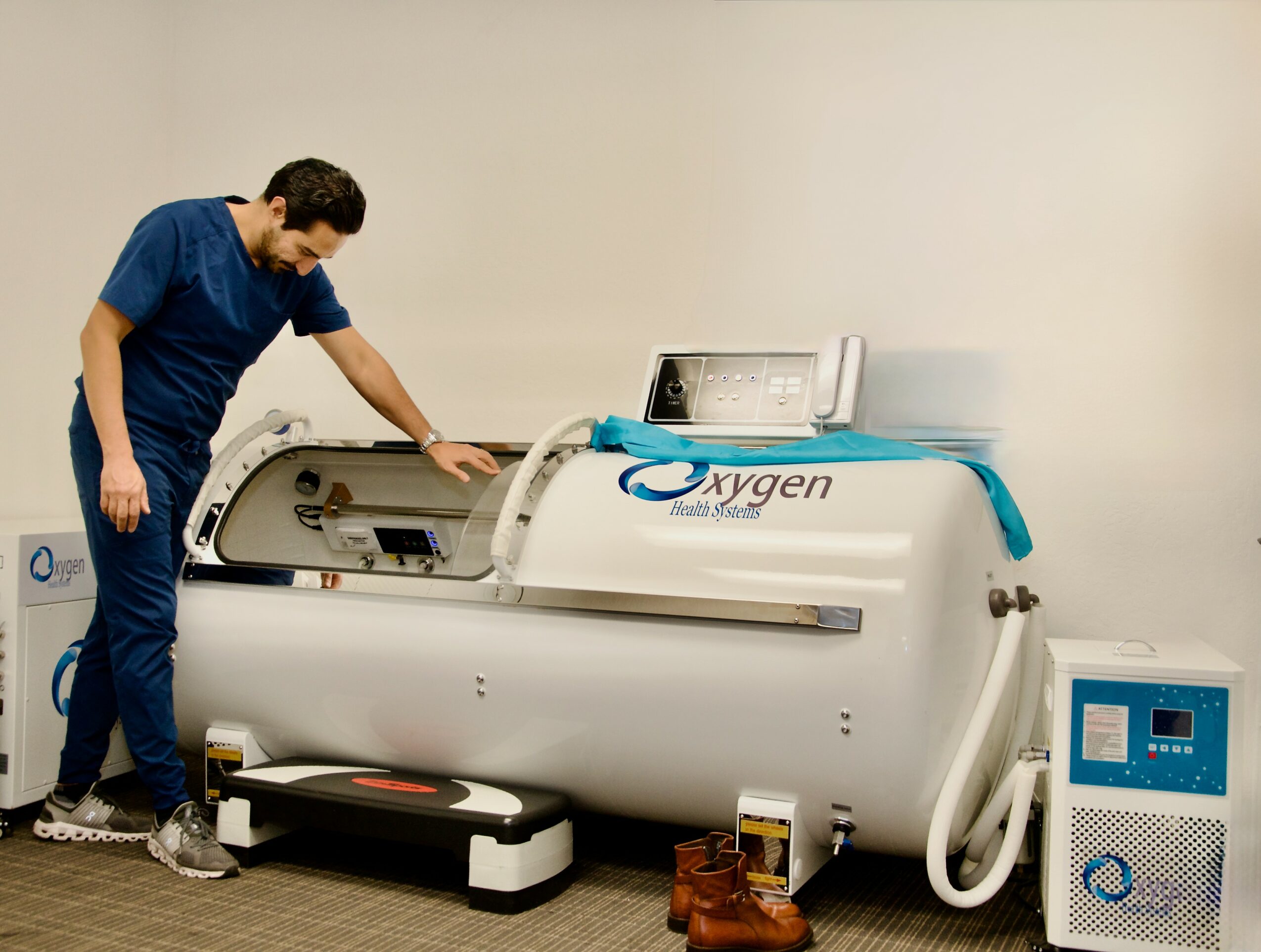
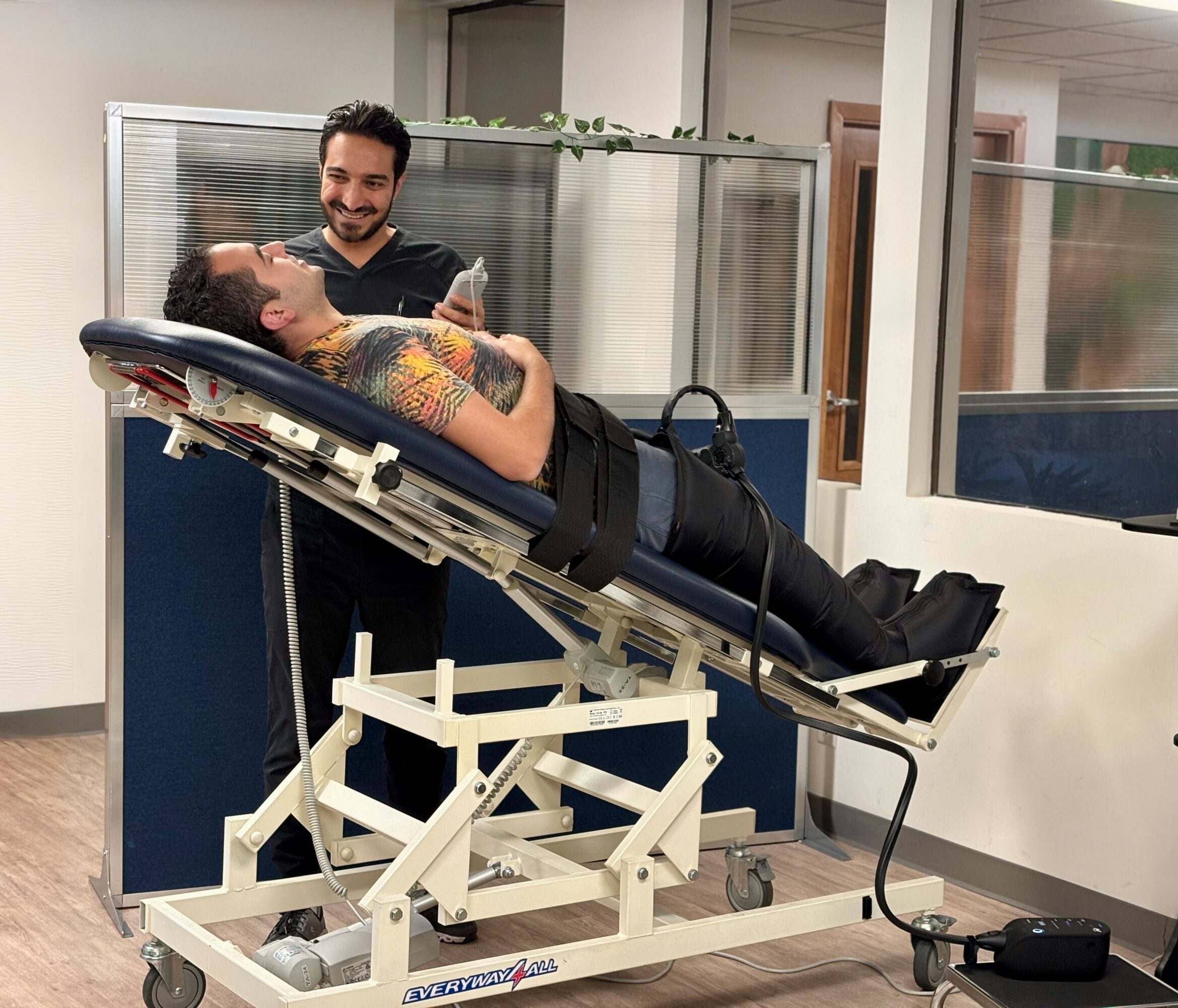
From there, we design highly personalized, non-invasive treatment programs that are tailored to each individual patient. These may include vestibular rehabilitation, visual therapies, neurological stimulation, and hyperbaric oxygen therapy—all aimed at restoring function and helping the brain heal.
But beyond the clinical side, what defines our work is the patient experience.
We’ve created an environment where patients feel heard, understood, and guided—especially those who have spent months or even years searching for answers. There’s a level of intention in how we approach care, from the depth of our evaluations to the precision of our treatment plans.
What I’m most proud of is the transformation we see.
Patients who couldn’t drive due to dizziness, return to work because of brain fog, or tolerate daily activities due to symptoms—gradually reclaiming those parts of their lives. Those moments are what define our brand more than anything else.
At its core, California Brain & Spine Center exists to bridge a gap in healthcare—to bring clarity to the “invisible” conditions, and to offer a path forward for people who have been told there isn’t one.
Is there anything else you’d like to share with our readers?
I think the most important thing I’d want readers to take away is this—just because something hasn’t been explained yet doesn’t mean it isn’t real.
There are so many people quietly living with symptoms that affect their daily lives—dizziness, brain fog, fatigue, headaches—while being told everything is “normal.” That experience can be incredibly isolating.
But “normal” doesn’t always mean optimal. And it certainly doesn’t mean there isn’t a path forward.
The brain is incredibly adaptable. With the right approach, the right testing, and the right guidance, meaningful change is possible—even in cases where people have lost hope.
At the same time, I think it’s important to approach health with curiosity rather than frustration. Sometimes the answers aren’t immediate, but that doesn’t mean they don’t exist.
For me, this work has always been about more than treatment—it’s about restoring a sense of possibility.
Because when someone starts to feel like themselves again, even in small ways, it changes everything.
Contact Info:
- Website: https://www.CaliforniaBrainSpine.com
- Instagram: https://www.instagram.com/californiabrainspine/
- Facebook: https://www.facebook.com/Californiabrainspine
- LinkedIn: https://www.linkedin.com/company/california-brain-spine-center
- Youtube: https://www.youtube.com/CaliforniaBrainSpine
- Yelp: https://www.yelp.com/biz/california-brain-and-spine-center-calabasas-3
- Other: https://share.google/VYKautVO6rgch9jsm
Popular
-

Portraits of the Valley
-

LA’s Most Inspiring Stories
-

Que Johnson on Building Brands That Last: From Visibility to True Market Authority
-

Christina Wren Steps Into the Director’s Chair to Tell Stories That Feel Like Home
-

JordanL on ‘Breathe,’ Belief, and Building a Movement Beyond the Music
-
Megan Birney Rudert on How Access to Light Is Powering a More Sustainable and Equitable Future


