



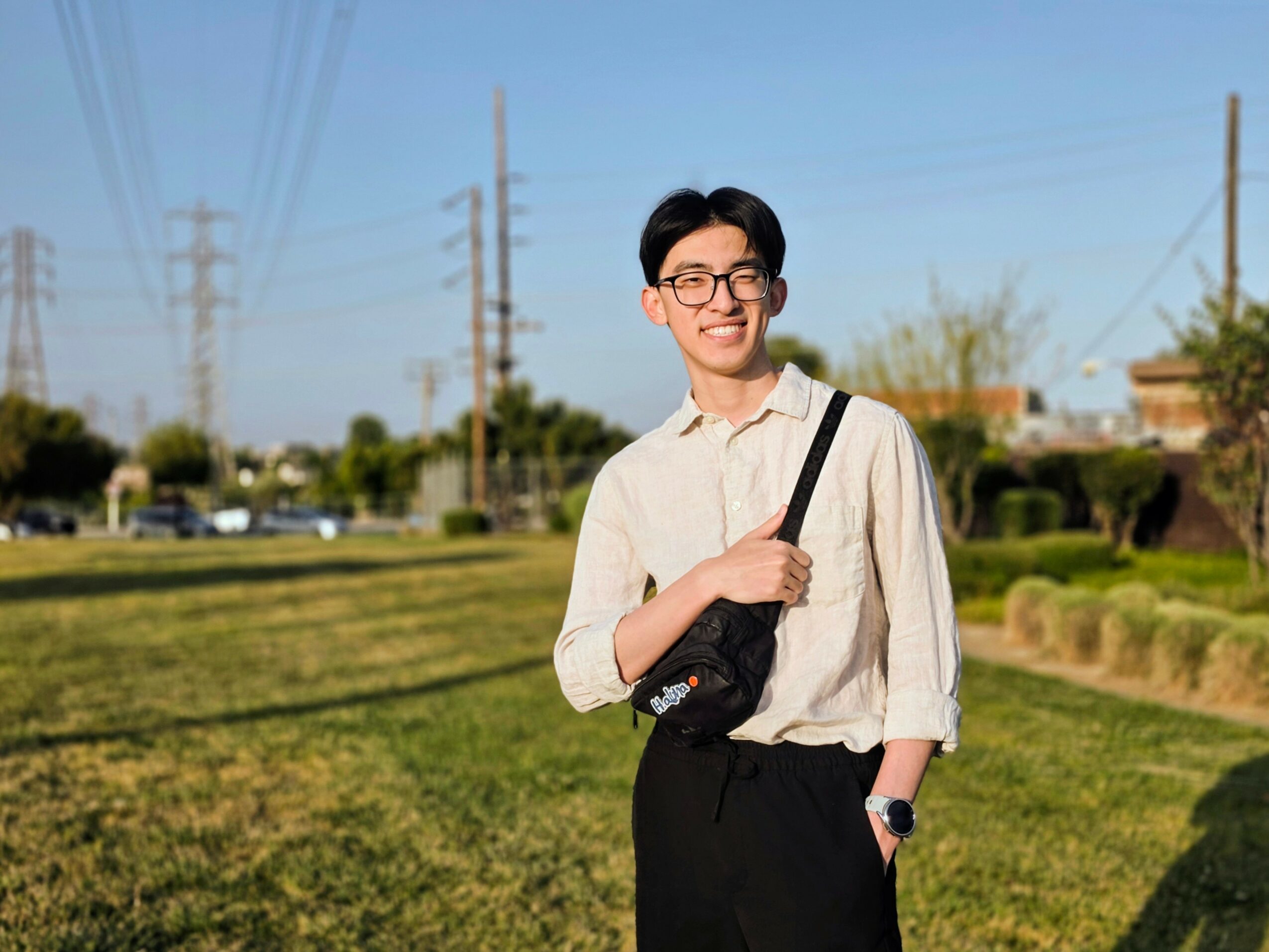
Today we’d like to introduce you to Regis Lee.
Hi Regis, thanks for joining us today. We’d love for you to start by introducing yourself.
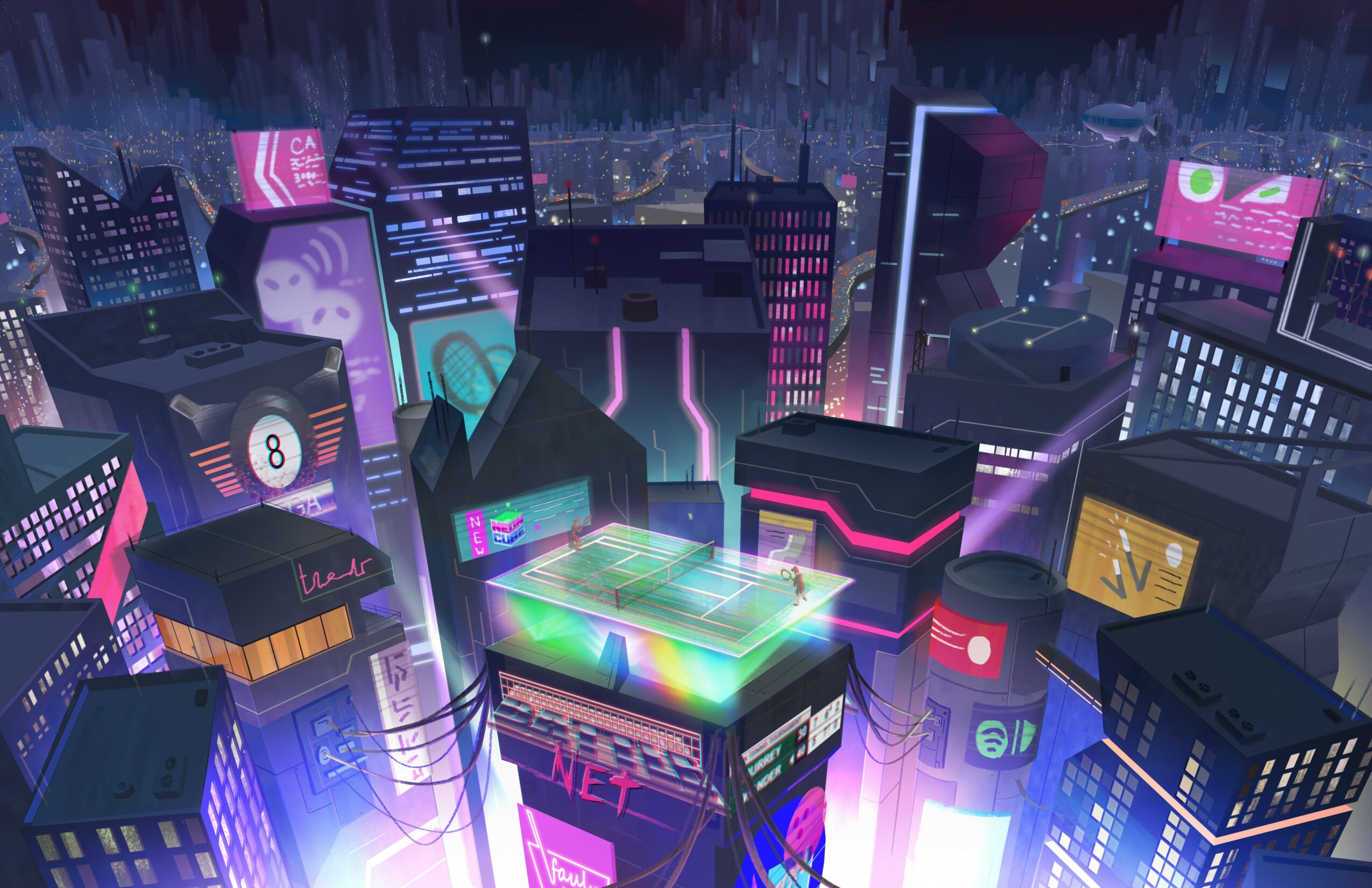
Growing up, I’ve always been drawn to storytelling, even if I wasn’t the best at expressing those ideas through words. I found it much easier to communicate through creative mediums. As a child, I would build dioramas out of LEGO, creating small worlds and scenes that told their own stories. That early interest naturally evolved into a passion for digital art and 3D environments, where I could continue shaping narratives through visual design in a 3D space.
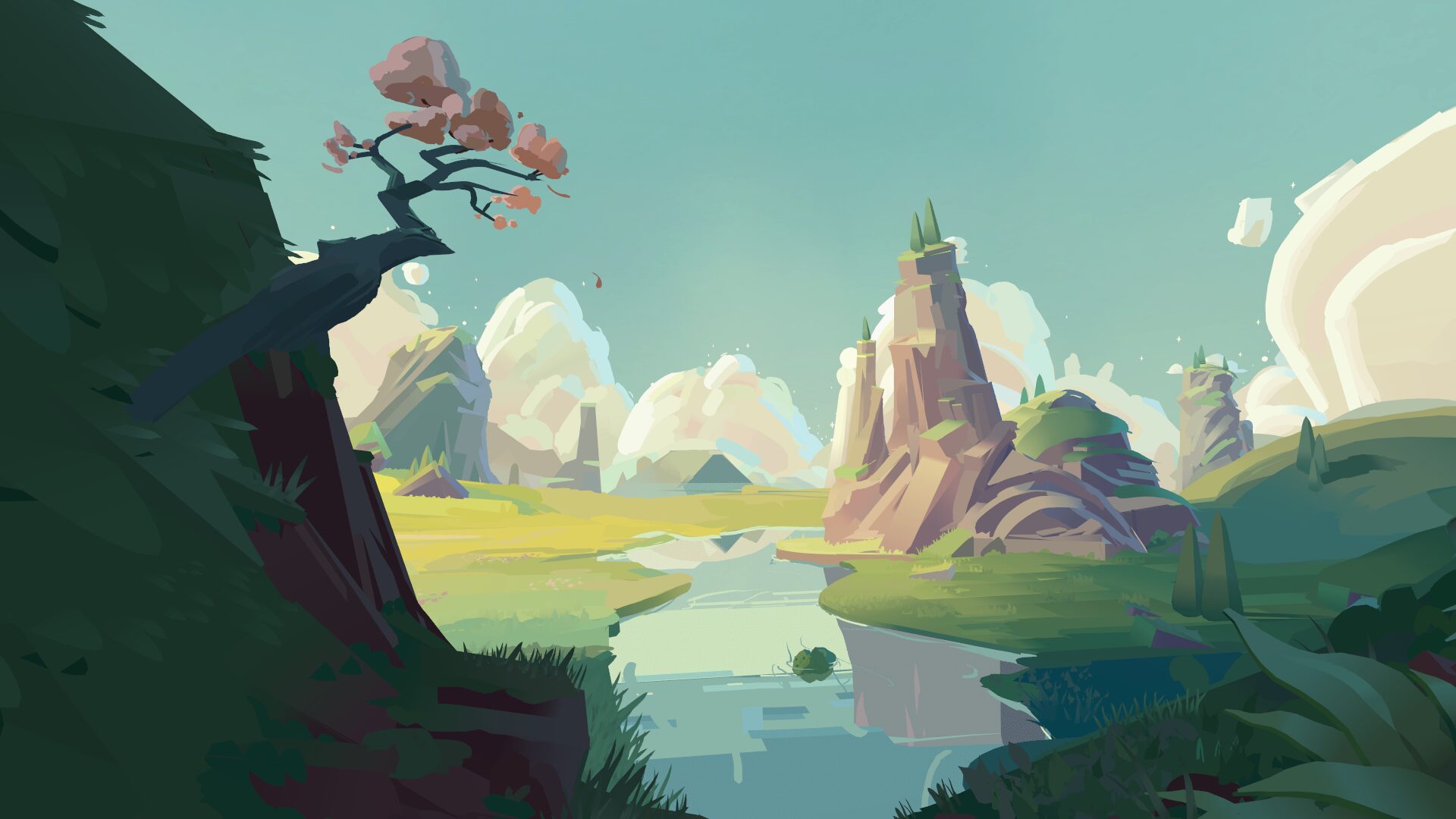
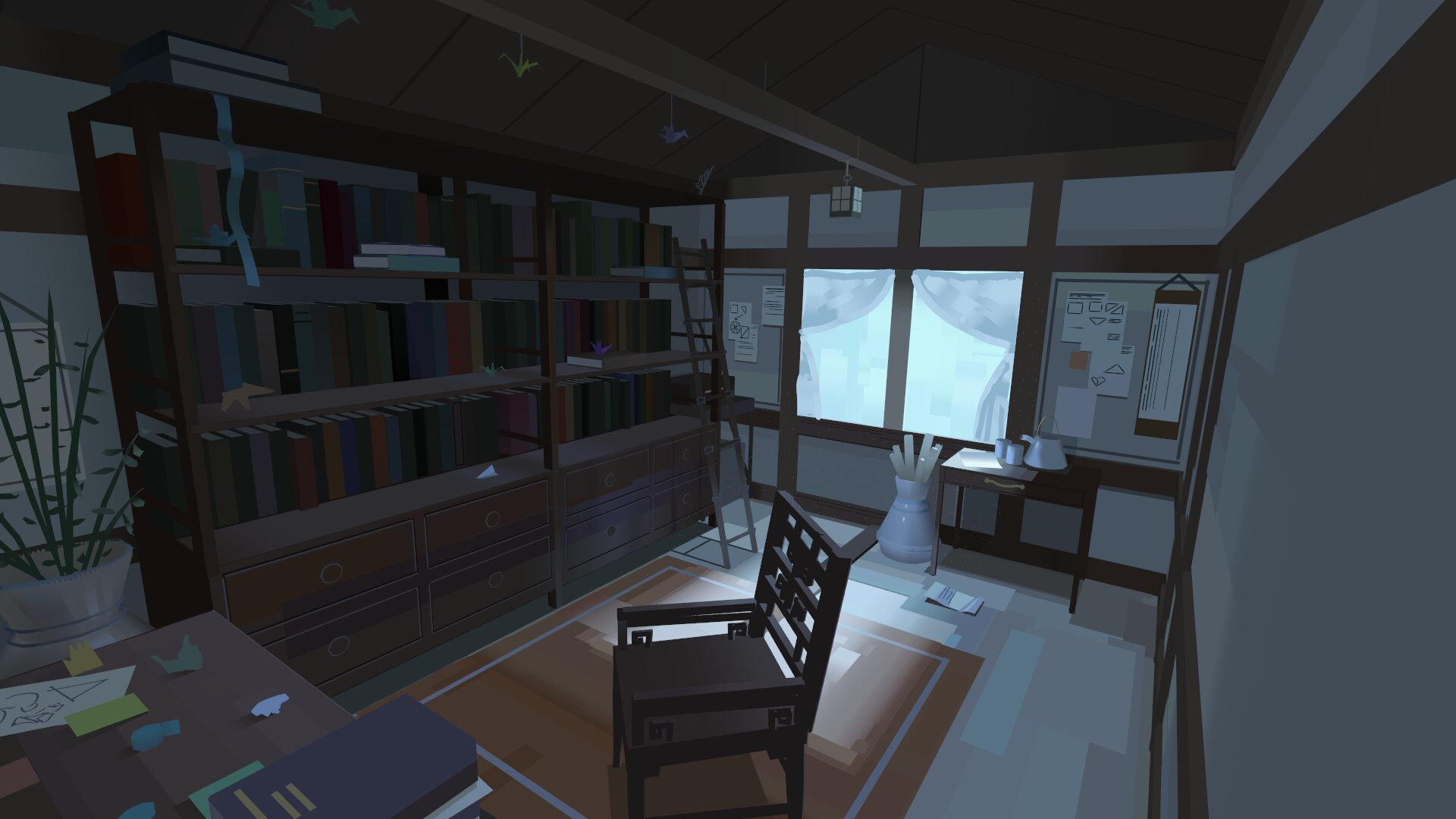
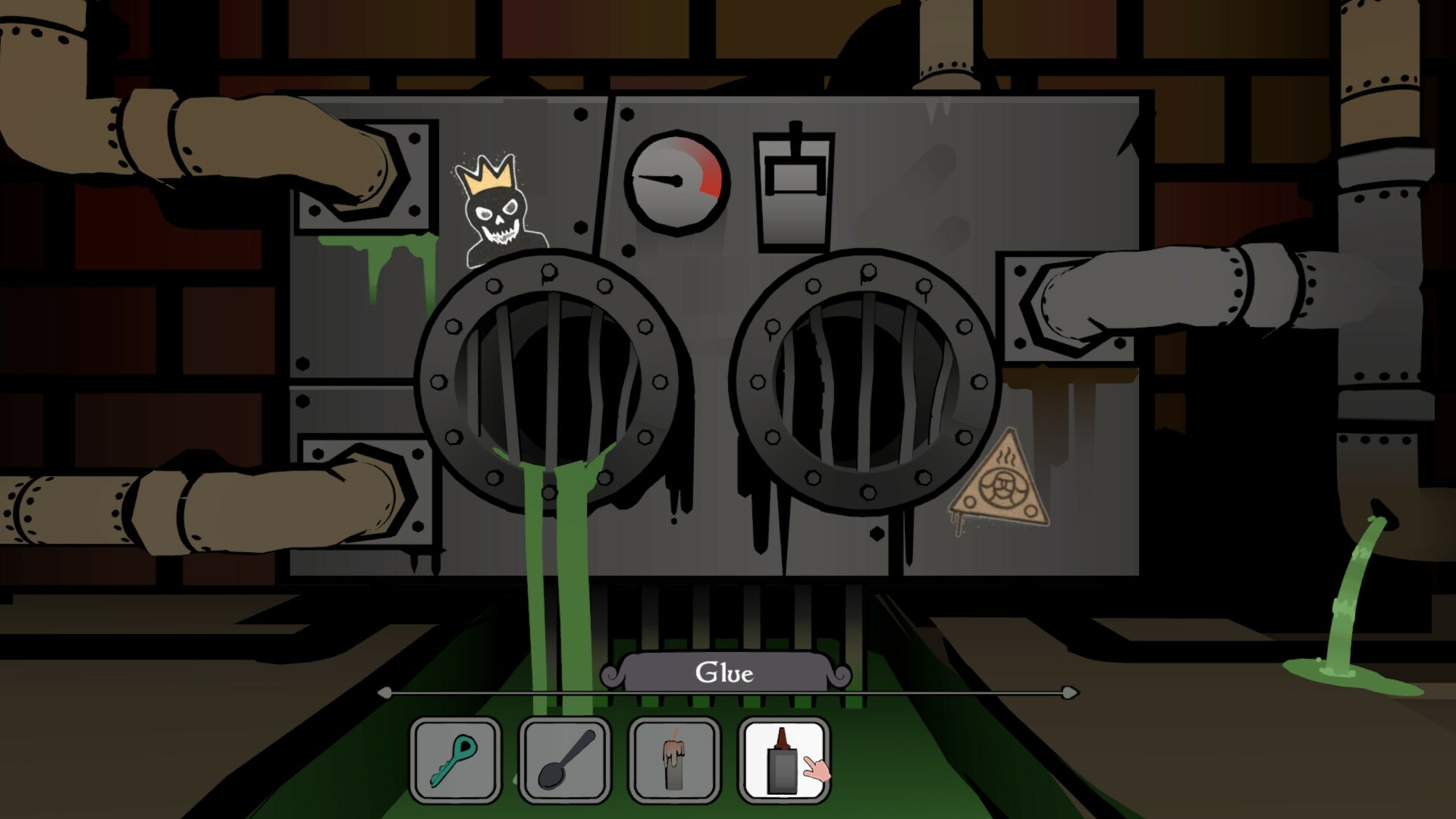
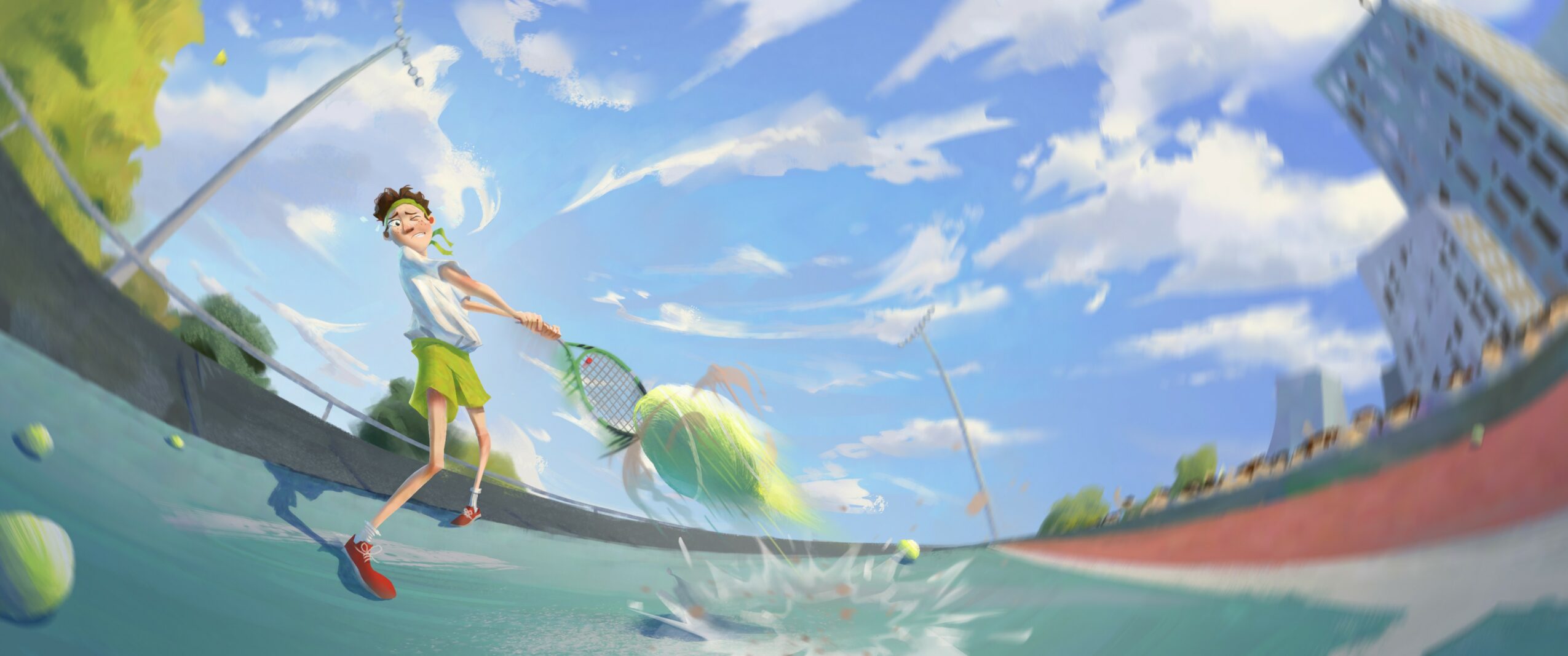
Around 2020, I bought a Quest 2 and discovered Quill animations from Studio Syro. I immediately fell in love with the immersive storytelling and started experimenting with Quill as a spatial painting tool. It felt so much more natural to paint a scene in actual space than on a flat screen. For my grad show project at ArtCenter College of Design, I put together a short film called “Unfolding” to showcase what the program could really do. I managed to handle the entire production from start to finish by myself in just a month, which really proved to me how efficient this workflow is.
Since then, I’ve joined a community focused on bringing Quill into professional projects. It’s been a great way to make connections and collaborate on indie films and games. I’m still pushing my technical skills by learning new programs like Blender and Unity, but my heart is still in that “inside-out” way of building worlds.
We all face challenges, but looking back would you describe it as a relatively smooth road?
Choosing to dive into VR environment design was definitely a bold move. It’s such a specialized niche that you almost never see a job posting specifically asking for a “Quill Artist.” But even with that risk, the creative freedom has been something worth working towards.
In Quill, I’m literally standing inside my canvas. There’s no “translation” delay between what’s in my head and the 3D space around me. I can sketch out a massive environment in minutes; something that would take a traditional modeler hours of pushing vertices on a flat screen. That speed alone has made me a bit of a “secret weapon” for things like pre-visualization and concept art.
The biggest hurdle, honestly, was the tech gap. For a long time, trying to get a VR “painting” to actually work inside a game engine like Unity or Blender was a total headache. It was a manual, frustrating process. But being part of a proactive community of pioneers changed everything. We’ve built our own bridges and tools to convert these scenes into optimized, production-ready assets.
Working with studios like Studio Syro and Peanut Button Games was where I began to understand what it took to make Quill be a professional tool. It allowed me to refine these workflows in real-world projects, finding that sweet spot between the “hand-drawn soul” of the art and the strict performance needs of a game or film. At this point, the challenge isn’t making the tech work, it’s just showing the rest of the industry how much faster and more expressive we can be when we build from the inside out.
Can you tell our readers more about what you do and what you think sets you apart from others?
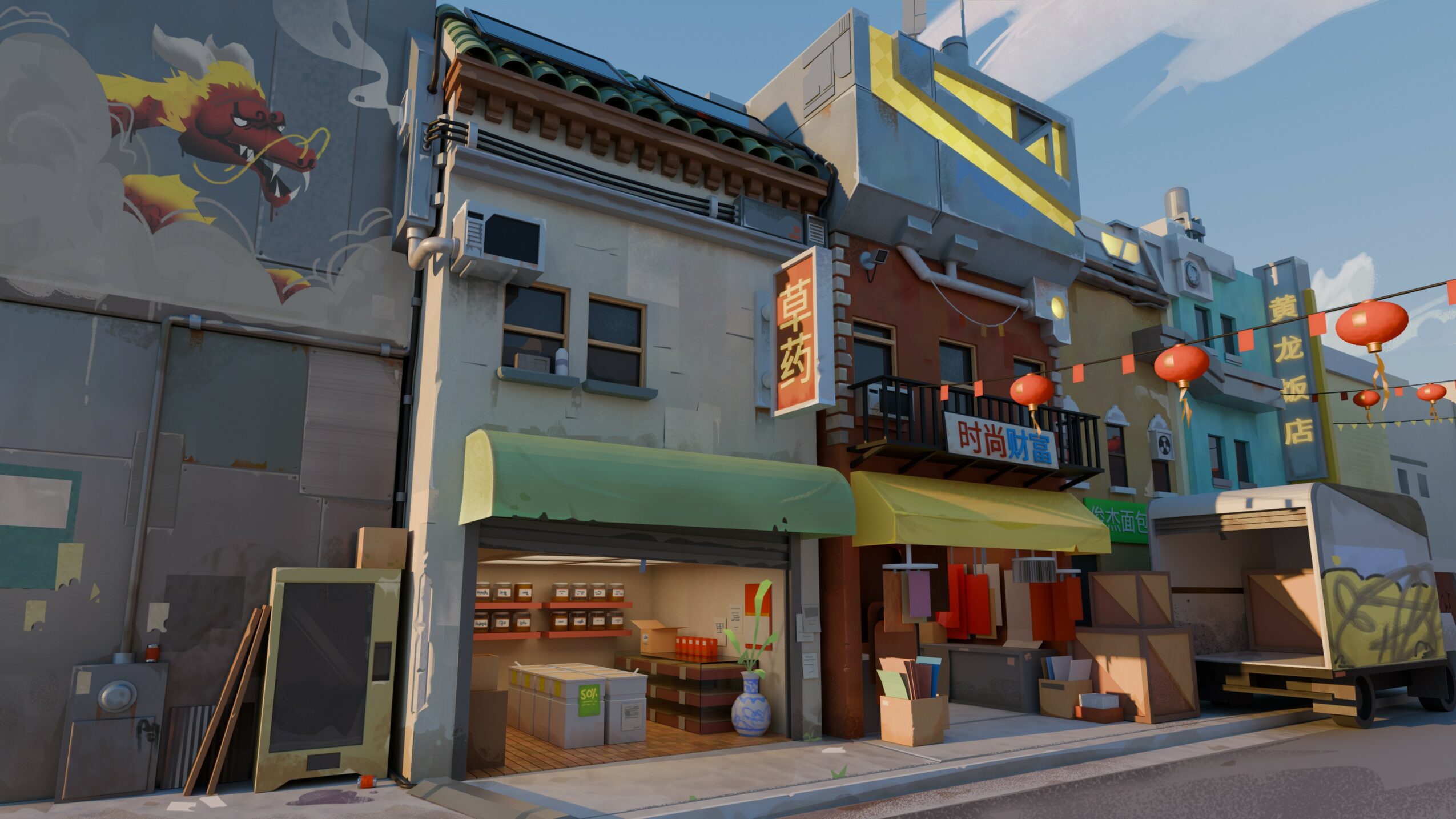
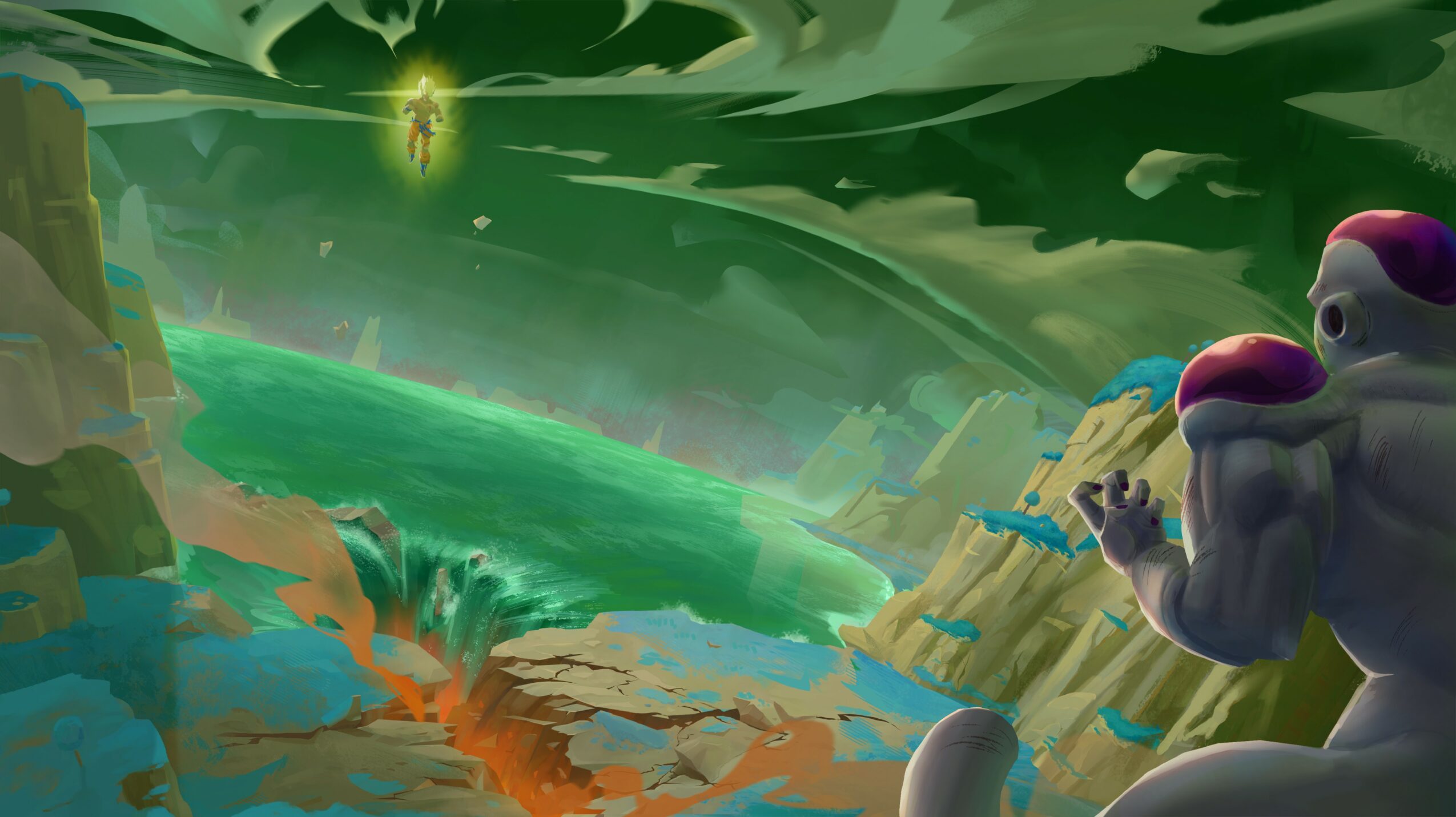
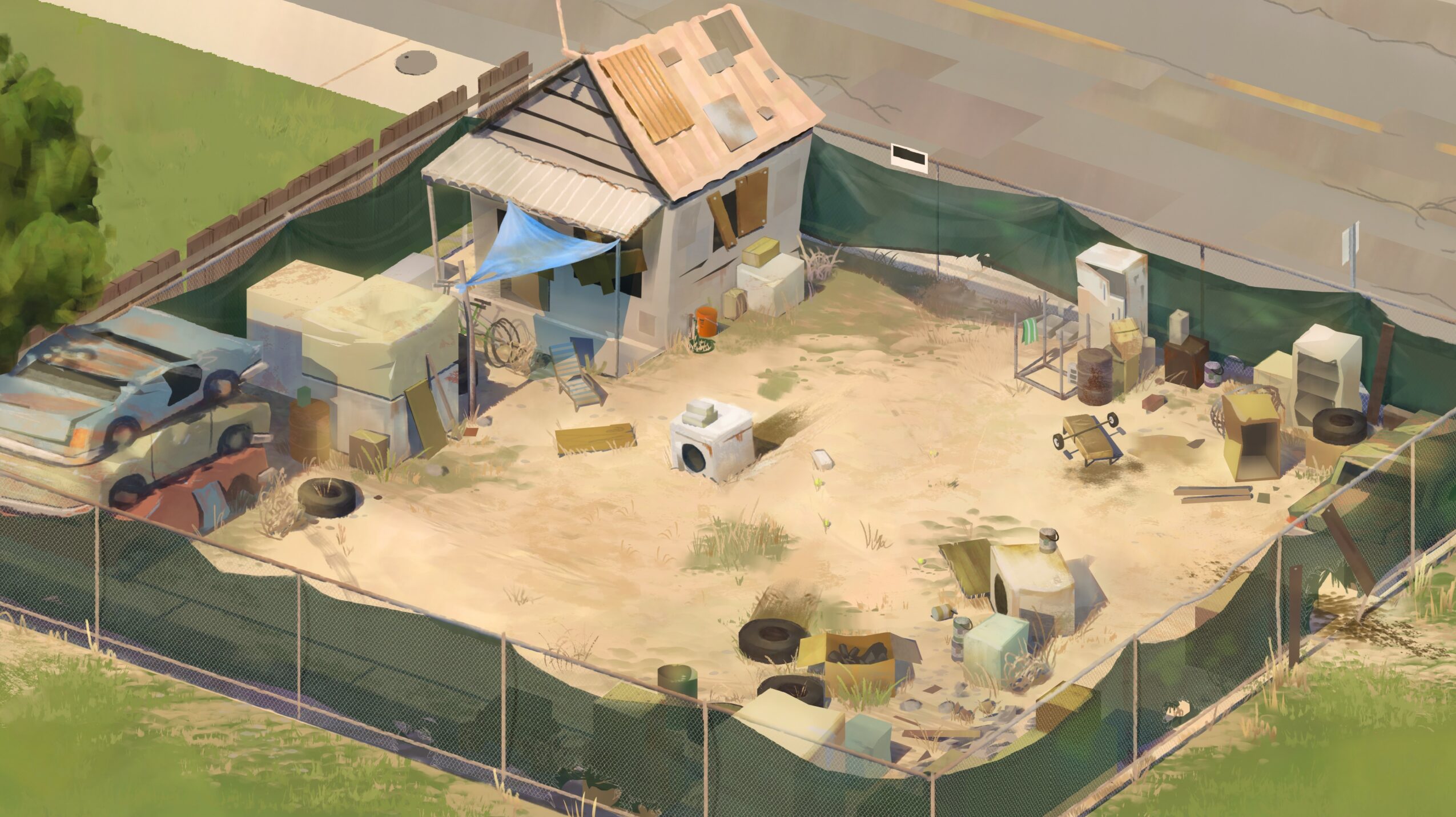
I work in the weird and wonderful world of VR Environment Art. Specifically, I use a tool called Quill to hand-paint 3D spaces while I’m actually standing inside them. It’s a bit of a bridge between the “old school” feel of traditional painting and the high-tech side of game development. My goal is always to create immersive, story driven worlds that feel organic and alive rather than just digitally manufactured.
Most people in the industry know me for figuring out how to get these “painterly” VR worlds out of the headset and into professional pipelines like Blender or Unity. During my time with teams like Studio Syro and Peanut Button Games, I spent a lot of time “building the map” creating the technical workflows that let hand-painted brushstrokes actually function in a film or a game engine without losing their soul.
What sets me apart is that I’m half-artist, half-instructor. I love taking these dense, experimental processes and breaking them down into something anyone can understand. I’m probably most proud of the work I’ve done to help the VR creative community grow; there’s nothing cooler than seeing a fellow artist successfully bring their vision to life using a workflow I helped refine. It’s about making sure the art stays beautiful, even when the tech behind it is complicated.
In terms of your work and the industry, what are some of the changes you are expecting to see over the next five to ten years?
I think the industry is at a really interesting crossroads right now. Over the next five to ten years, the initial hype around VR might continue to cool down, but I actually see that as a positive for the craft. While some big companies seem to be shifting their investments, the technology is maturing into something much more practical. We are moving toward a spatial computing middle ground where VR and AR essentially meet. For an artist, this is a huge opportunity because the skills built painting in 3D space are completely transferable to AR. Instead of just building closed-off worlds, I will be designing assets that live and react within our physical reality.
Unfortunately, as AI becomes more integrated into this landscape, I am more committed than ever to preserving the human effect in my work. While AI can generate images quickly, it often lacks the intentionality and emotional nuance that comes from a person making specific creative choices. In my VR process, every brushstroke is a physical movement I made while standing in the space. That physical connection to the canvas creates a painterly soul that is difficult to replicate with an algorithm.
I used my “Unfolding” project as a way to prove this point. I handled the entire production from start to finish by myself in just a month. Because I was building from the inside out, I was able to maintain a level of expressive detail and personality that felt deeply personal. It showed that even with a fast turnaround and high tech tools, the work does not have to feel automated or cold.
The big trend moving forward will likely be the democratization of these tools. As headsets get lighter and software becomes more intuitive, building from the inside out will become a standard workflow rather than a specialized one. My goal is to use tools like Quill and Blender to amplify my creativity rather than replace it. People can tell when a world has been carefully curated by a human eye versus when it has been generated by a prompt. Staying focused on that hand crafted quality is how I plan to stay relevant and keep my work feeling authentic as we shift toward spatial creation as a whole.
Pricing:
- Hourly Rate: $35/Hour
Contact Info:
- Website: https://www.regisleeart.com/
- Instagram: https://www.instagram.com/regis_lee_art/
- LinkedIn: https://www.linkedin.com/in/regis-lee/
- Other: https://www.artstation.com/reggie_lee
Popular
-

Portraits of the Valley
-

LA’s Most Inspiring Stories
-
Cedar Boschan on Elevating Black Music Rights and Driving Urgent Conversations Around Credit, Equity, and Artist Protection
-

Robin Olive on Building an Inclusive Performing Arts Movement and Expanding Opportunities for Every Student
-

Que Johnson on Building Brands That Last: From Visibility to True Market Authority
-

Christina Wren Steps Into the Director’s Chair to Tell Stories That Feel Like Home


