




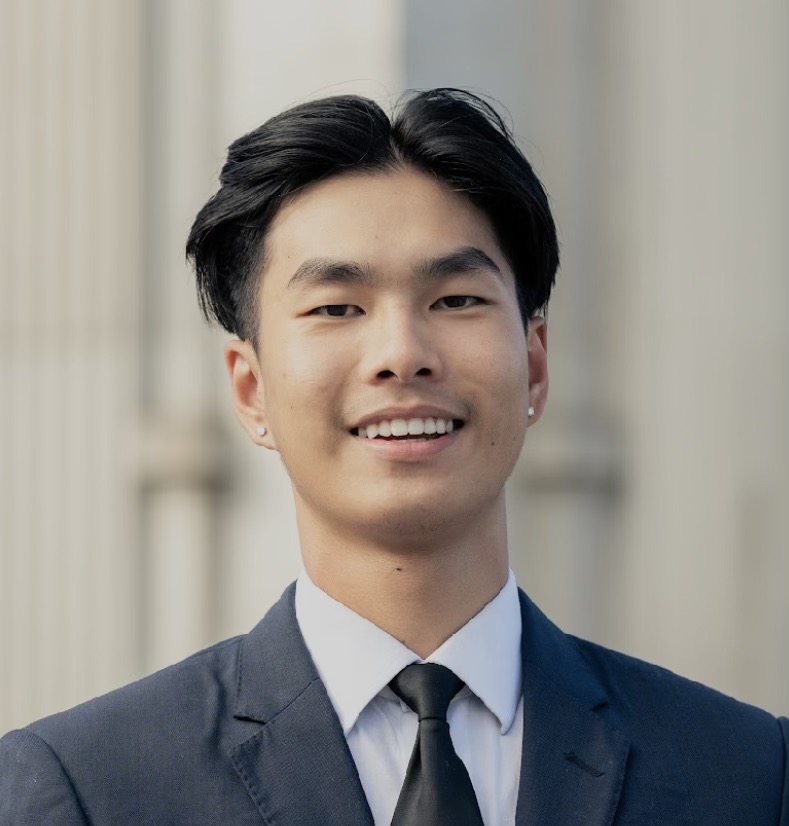
Today we’d like to introduce you to Dylan Pung.
Hi Dylan, please kick things off for us with an introduction to yourself and your story.
I grew up around fine jewelry. It’s been the family trade for three generations, so I was exposed to diamonds, gold, settings, and wholesale pricing long before I fully understood the business side of it. When I got to UC Berkeley, I double-majored in data science and economics, and studying markets and business structure gave me a new lens on an industry I had basically grown up inside. What I started seeing clearly was the markup chain. A diamond can leave the source at one price and reach the customer at several times that amount after passing through wholesalers, distributors, retailers, and showroom floors. The customer pays for every layer of that.
Two things came together at roughly the same time. Lab-grown diamonds had matured into stones that are physically and optically identical to mined ones — same carbon structure, same hardness, graded on the same IGI scales — at a fraction of the cost. And the technology I had been building with on my own had matured too, to the point where a small operator with the right sourcing and technical setup could actually run what used to require entire departments. I realized that combination opened a door that had not existed before: a lean, direct-to-consumer brand that could offer certified lab diamond jewelry at a structurally lower price than traditional retail. Lihara came from that realization: fine jewelry could be high quality, transparent, and more fairly priced without losing what makes it feel special.
Would you say it’s been a smooth road, and if not what are some of the biggest challenges you’ve faced along the way?
No, it hasn’t been a completely smooth road. One of the biggest challenges has been entering an industry where trust matters so much. Jewelry is emotional, expensive, and personal, so people naturally want to feel confident about who they are buying from. Even though I come from a wholesale jewelry background and have access to the same quality materials and production networks that supply much larger brands, building that trust from the ground up as a new consumer-facing brand takes time.
We also learned quickly that price alone does not build trust. Even if the value is real, customers still need strong photography, clear education, social proof, and a brand experience that feels credible from the first click. A big part of the process has been learning how to translate the wholesale side of jewelry into something that feels clear and approachable for everyday buyers.
There have also been the normal startup challenges: building the website, figuring out marketing, creating content, product photography, ads, and shaping the customer experience. But those struggles are also what shaped the brand. Lihara came from seeing how inefficient and outdated parts of the jewelry industry can be, especially when customers are paying large markups without always understanding what they are paying for. Every obstacle has pushed us to be more intentional about transparency, pricing, and the overall customer experience.
Alright, so let’s switch gears a bit and talk business. What should we know?
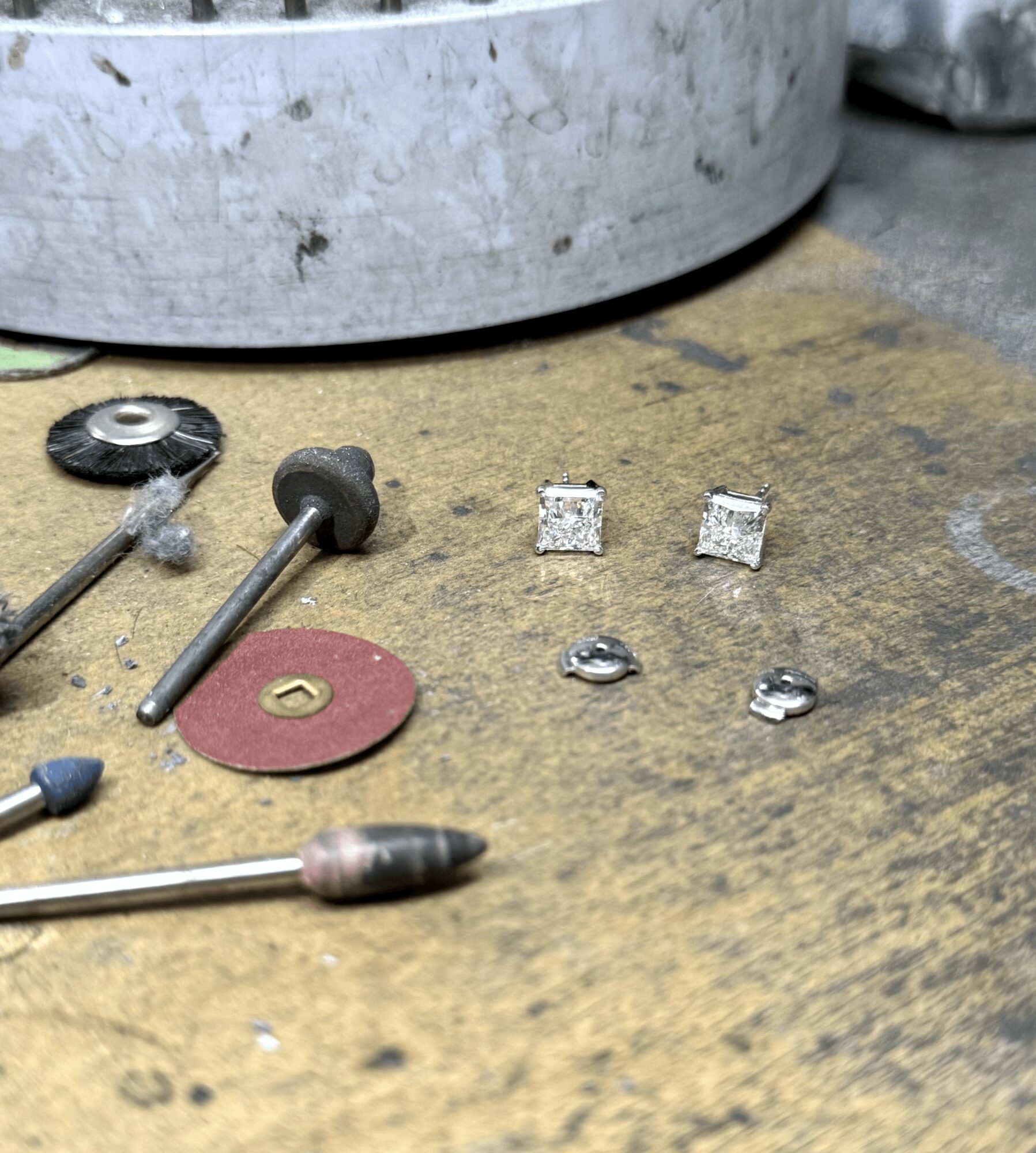
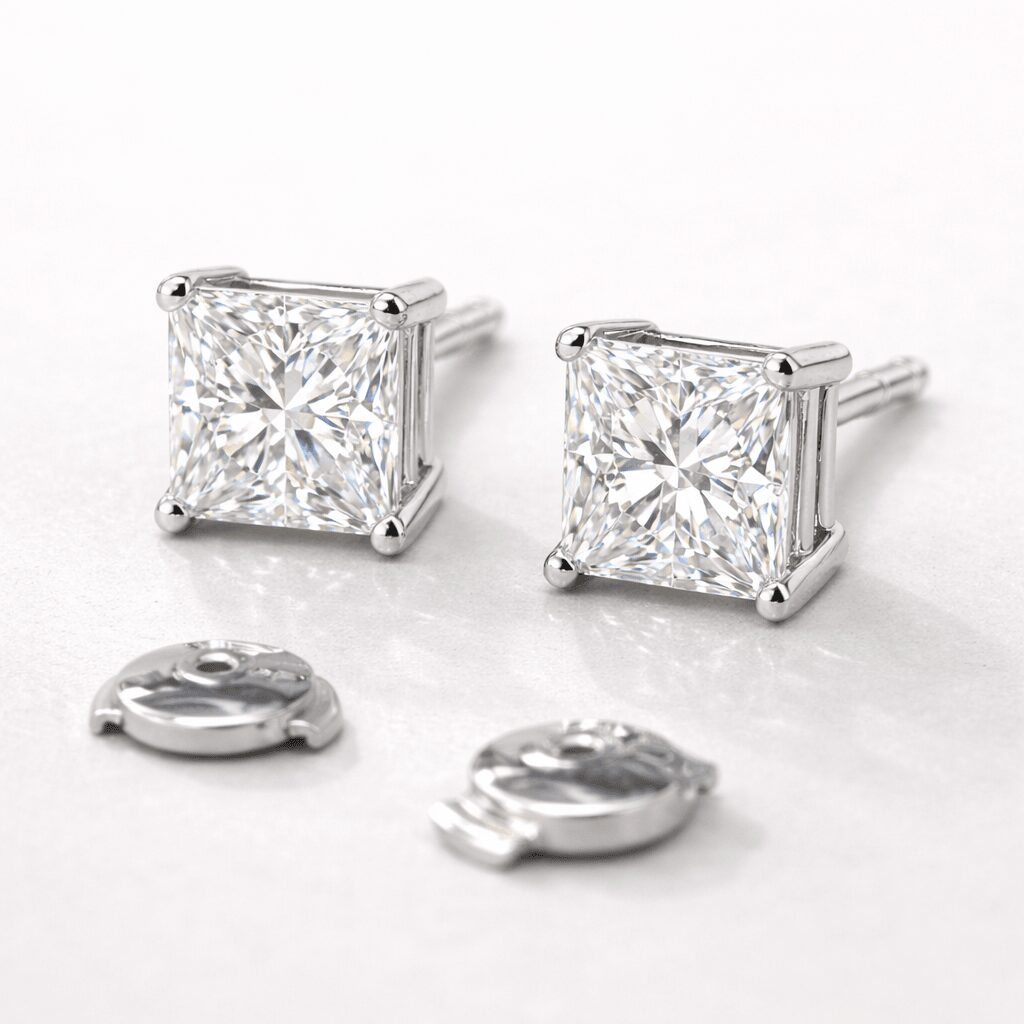
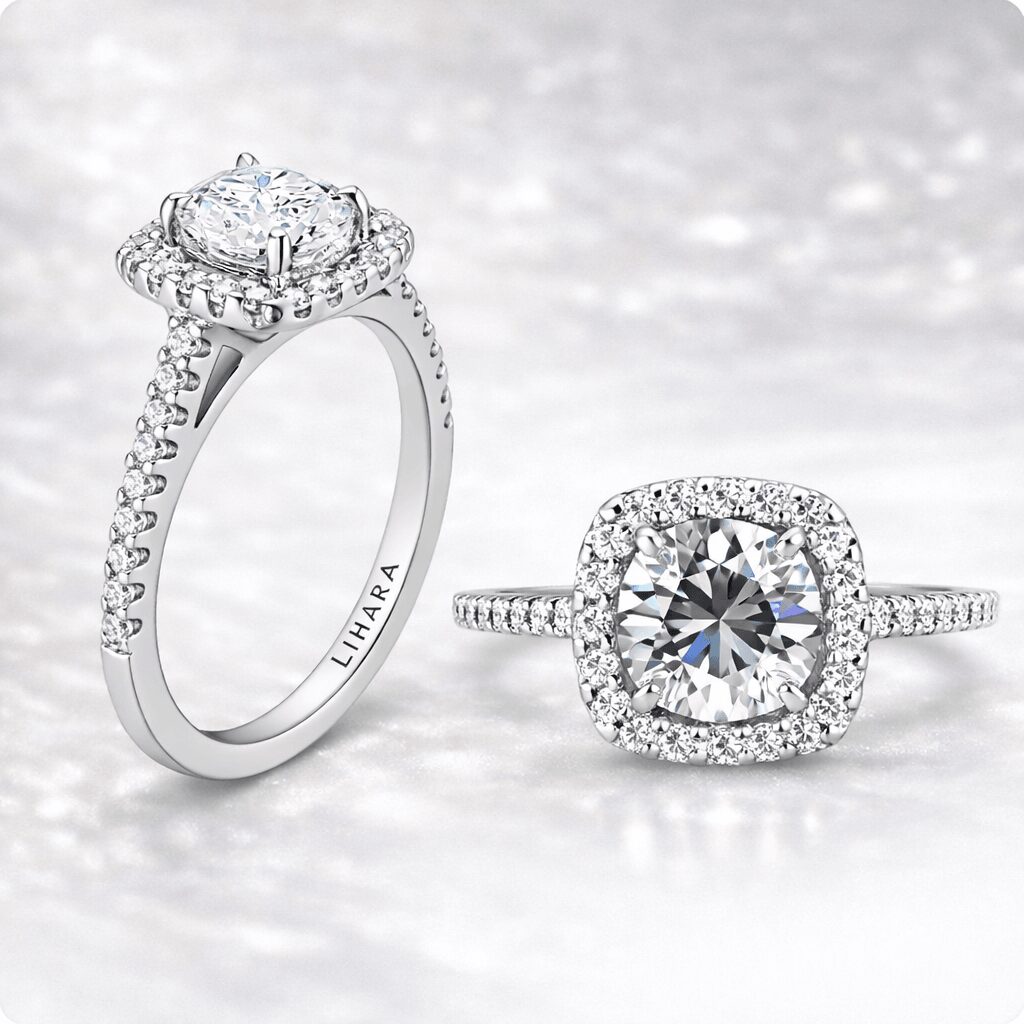
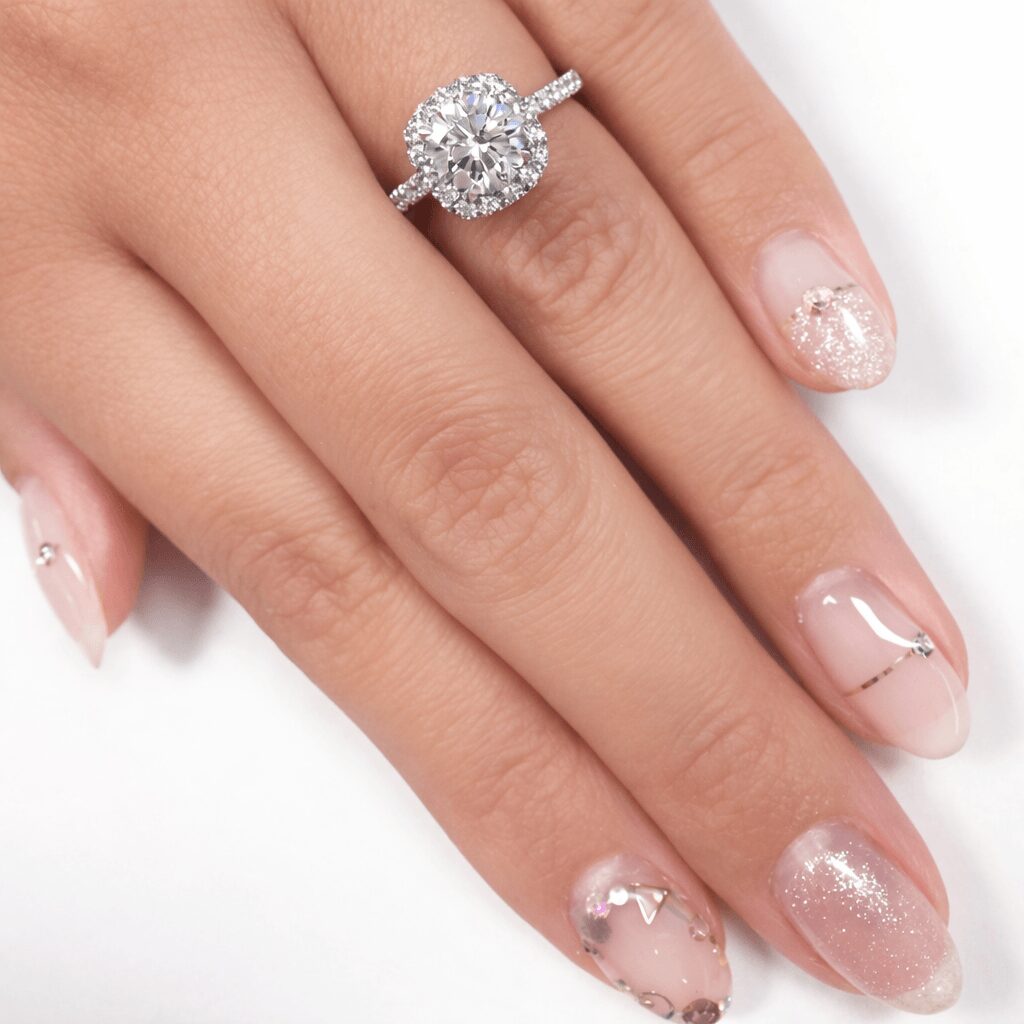
Lihara is a direct-to-consumer fine jewelry brand focused on lab-grown diamond jewelry that is high quality, transparent, and more fairly priced. We specialize in IGI-certified lab-grown diamond earrings, pendants, and engagement ring settings made with real 14K gold and high-quality stones.
What makes Lihara different is the way the business is built. I come from a three-generation jewelry background, but my experiences at Berkeley have enabled me to build much of the brand’s technical infrastructure myself. That combination lets us operate much leaner than a traditional jewelry company. Instead of relying on showrooms, large teams, agencies, or layers of middlemen, we use technology to streamline sourcing, fulfillment, content, and customer experience. That lean structure is a big part of how we keep pricing significantly lower. A lot of jewelry markup comes from overhead, retail infrastructure, and inefficient supply chains. Lihara is built to reduce those costs and pass more of the value back to the customer. Brand-wise, I’m most proud that Lihara brings together traditional fine jewelry knowledge with a modern, more efficient way of operating. We are not trying to make jewelry feel cheap. We are trying to make luxury feel smarter, more transparent, and less inflated.
Let’s talk about our city – what do you love? What do you not love?
What I like best about LA is the mix of creativity and ambition. There are so many different industries here: fashion, entertainment, design, technology, media, and of course, jewelry. And they all overlap in interesting ways. For a brand like Lihara, that energy is exciting because LA has people who care about style, aesthetics, and self-expression, but also people who are open to new ways of doing business.
What I like least is probably how spread out and expensive everything can be. LA has so much opportunity, but the traffic, cost of living, and distance between communities can make it harder to build real connection. At the same time, I think that’s part of what makes strong brands and communities here meaningful, you have to be intentional about earning people’s attention and trust.
Contact Info:
- Website: https://lihara.com
- Instagram: https://www.instagram.com/liharaofficial/
- Email: dylan@lihara.com
Popular
-

Portraits of the Valley
-

LA’s Most Inspiring Stories
-

Que Johnson on Building Brands That Last: From Visibility to True Market Authority
-

Christina Wren Steps Into the Director’s Chair to Tell Stories That Feel Like Home
-

JordanL on ‘Breathe,’ Belief, and Building a Movement Beyond the Music
-

Megan Birney Rudert on How Access to Light Is Powering a More Sustainable and Equitable Future


