




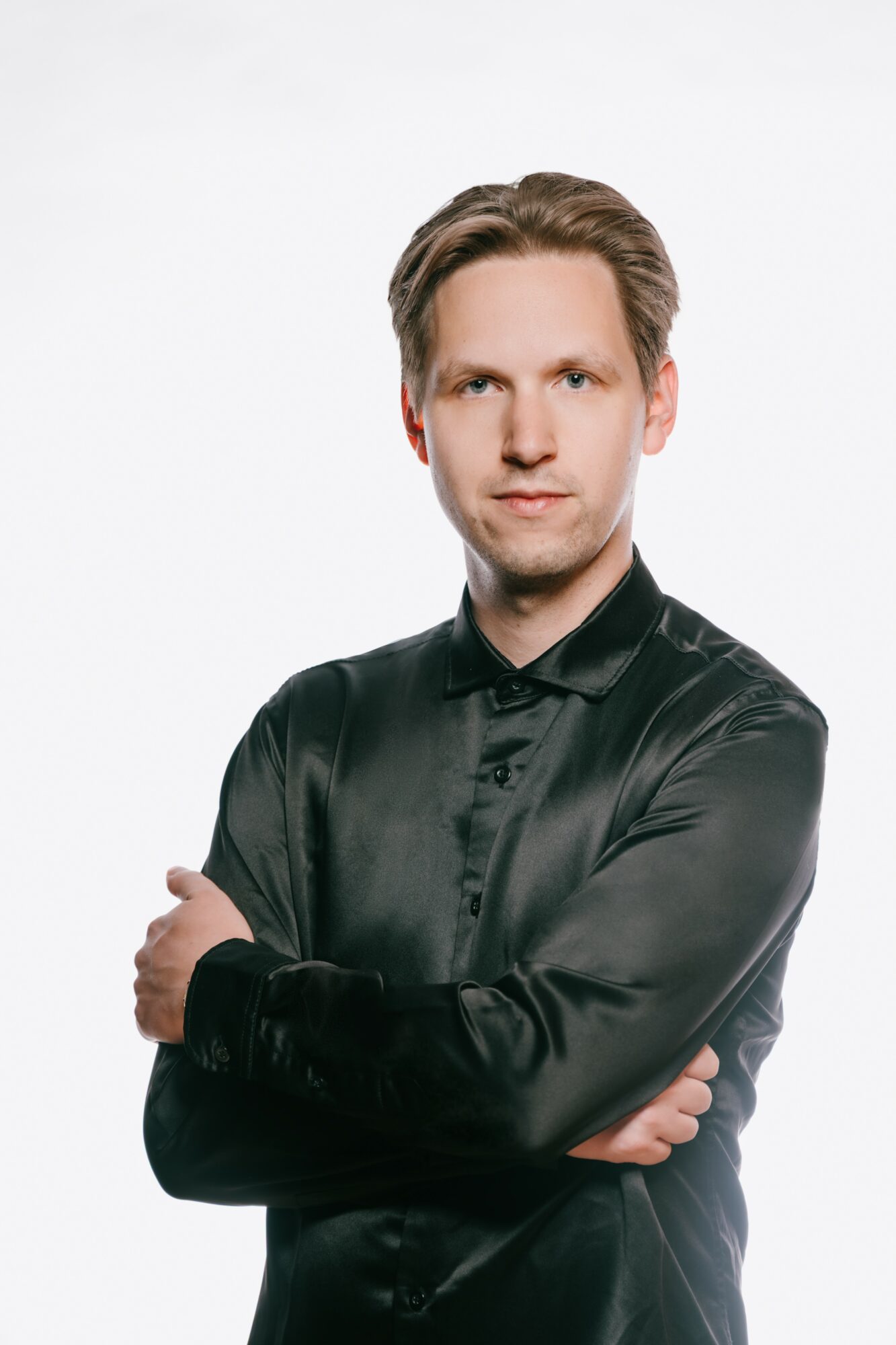
Today we’d like to introduce you to Lukáš.
Hi Lukáš, can you start by introducing yourself? We’d love to learn more about how you got to where you are today?
I realize how much this early aspiration to become a firefighter and save lives still resonates with me: While my path quickly turned toward music, I see a throughline in my desire to help spark a meaningful change. Over time, I’ve come to view music as a transformative tool: fostering empathy, bridging divides, and inspiring connection.
Growing up in a small Czech mountain village, my world was shaped by tradition and cultural homogeneity. While these roots instilled a deep respect for heritage, they also limited my exposure to diverse perspectives. I was lucky to have an early access to an upright piano through my father’s former profession, receiving a liberating guidance from my piano mentor as well as being deeply rooted in a family tradition of singing in a local and high-intensity and quality children’s choir. Subsequently, I felt inspired to pursue composition and for that I had to seek guidance in the capital city. After formative musical years in Prague, my outlook changed dramatically when I moved to San Francisco to continue graduate studies in Music Composition.
Immersing myself in a vibrant, multicultural environment revealed to me music’s ability to address complex social questions—identity, empathy, and connection—beyond personal artistic expression. These discoveries reshaped my philosophy as both an artist and educator: that music’s beauty lies in its power to create resonance between individuals, ideas, and cultures.
And this concept of resonance has become a guiding principle in my work. My creative life has been shaped by four factors: composing, educating, performing, and directing/organizing. Somehow form early stages of wanting to just compose, this fluency and complexity of who I am and who I am not became the ever-changing and defining factor of my identity as an arts-citizen.
We all face challenges, but looking back would you describe it as a relatively smooth road?
The road was overall full of emotional support for which I am extremely grateful to everyone around me.
However, the path itself has been far from smooth.
Just the decision itself to move half-a-globe away to California is a major step out of comfort zone that many expats can resonate with. As an international artist in the U.S. one can imagine the constant pressure on performing, which is both aiding the right focus but also keeping the demands for measurable outcomes always present.
Contemporary music composition is in its essence a nonprofit business—what you earn, you quickly reinvest or drown in the next project. Especially in my industry, many artists just wish to have the freedom to create meaningful art without any need to perform, and so this struggle for the balance between meaning and sustainability is very real.
After being majorly scammed upon moving to San Francisco in 2017, my path drastically changed, but also pushed me toward an intense focus mode that—along with an increasing growth as a human and arts-citizen with awareness—has completely transformed me. And it is the combination of failure and success that makes the transformation evermore impactful.
So all in all, I am grateful to every hiccup and mess up, especially when being vigilant and ready to learn. It is similar to education: there is so much pressure in the education environment to perform flawlessly, and not much of the education system favors failure as the inevitable part of the process.
As you know, we’re big fans of you and your work. For our readers who might not be as familiar what can you tell them about what you do?
I’ve always had a hard time separating what I do into clean categories. I’m a composer, but also a performer, a director, an educator, and often the person putting together the conditions for projects and experiences to happen and bridge various gaps. Over time, those roles stopped feeling separate. They’re just different ways of approaching the same thing.
Composing is where it started for me, and it clearly still defines how I think. My thinking has never really settled, however. Once something feels fixed, I start questioning myself—where is the curiosity to stretch and explore? That usually means it’s time to shift, or to question it from within.
Recently, my work has evolved in the realm of process. Not necessarily through the lens of strict compositional process techniques, but by understanding music as a process that transcends the framework of viewing a piece of music as a static artefact. The process, which I like to call a magical triangle, is integral to the perception, production, and reception of any aesthetic artefact, and understanding that every participant has as much agency as the creator is a powerful concept that I still keep unraveling—
As a doctoral researcher at UC Santa Cruz, I ask questions about how musical experience and creativity relates to empathy, attention, and connection through the lens of music cognition. That connects to my role as a board member of The Resonance Project, a Bay Area nonprofit exploring how live music can be used in settings like mediation, where communication is fragile. It’s still evolving, but it grows directly out of my experience as a musician.
My background is quite mixed. I grew up singing in a children’s choir, played in progressive metal bands and swing orchestras, spent time with funk and jazz, and then trained within a more traditional European conservatory environment. That mix probably explains why I’m comfortable moving between different contexts, and why I tend to look for inspiration outside of whatever feels familiar.
What I’m very grateful for is that I’ve allowed all of these parts of my work to stay in conversation concurrently. I haven’t had to reduce things down to a single identity. The in-between space—between composing, performing, directing, teaching, and research—is where I feel most at home.
That flexibility is also, in a way, my individuality. I am fluent in moving between roles depending on what a situation calls for, and I’m used to building things from the ground up—whether that’s an artistic work, a process, or a framework for people to meet inside.
I think of myself as an arts citizen that hopes to stay curious. Working with sound, people, in various forms and structures and in real time is what makes me creatively fulfilled and happy. And I try to channel this fulfillment through my work, contributing to creating situations where something meaningful can happen in a shared space.
We’d love to hear about any fond memories you have from when you were growing up?
This one I have to give to my parents: from my early childhood, I have so much gratitude. My father would rock me on his knee, listening to cassette tapes of Mike Oldfield. I would be about three years old, and that memory is deeply ingrained in me, perhaps then making natural to record countless of tapes of my early improvisations, leading up to more focused composition processes later.
And my mother, without her, I would not remain focused at the piano. Because of her care and diligence, I passed the threshold of self-motivation and then developed quickly, steadily, and most importantly, fluently aiding my creative processes.
In addition to it, formative years in my childhood bands with great friend collective as well as singing in a childrens’ choir with my beloved sister—all these experiences lead toward music’s conviviality and community-oriented.
Contact Info:
- Website: www,lukasjanata.cz
- Instagram: https://www.instagram.com/lukasjanata/
- LinkedIn: https://www.linkedin.com/in/lukasjanatamusic/
- Youtube: https://www.youtube.com/channel/UCWjgf07ODmM05ECrooM6CHw
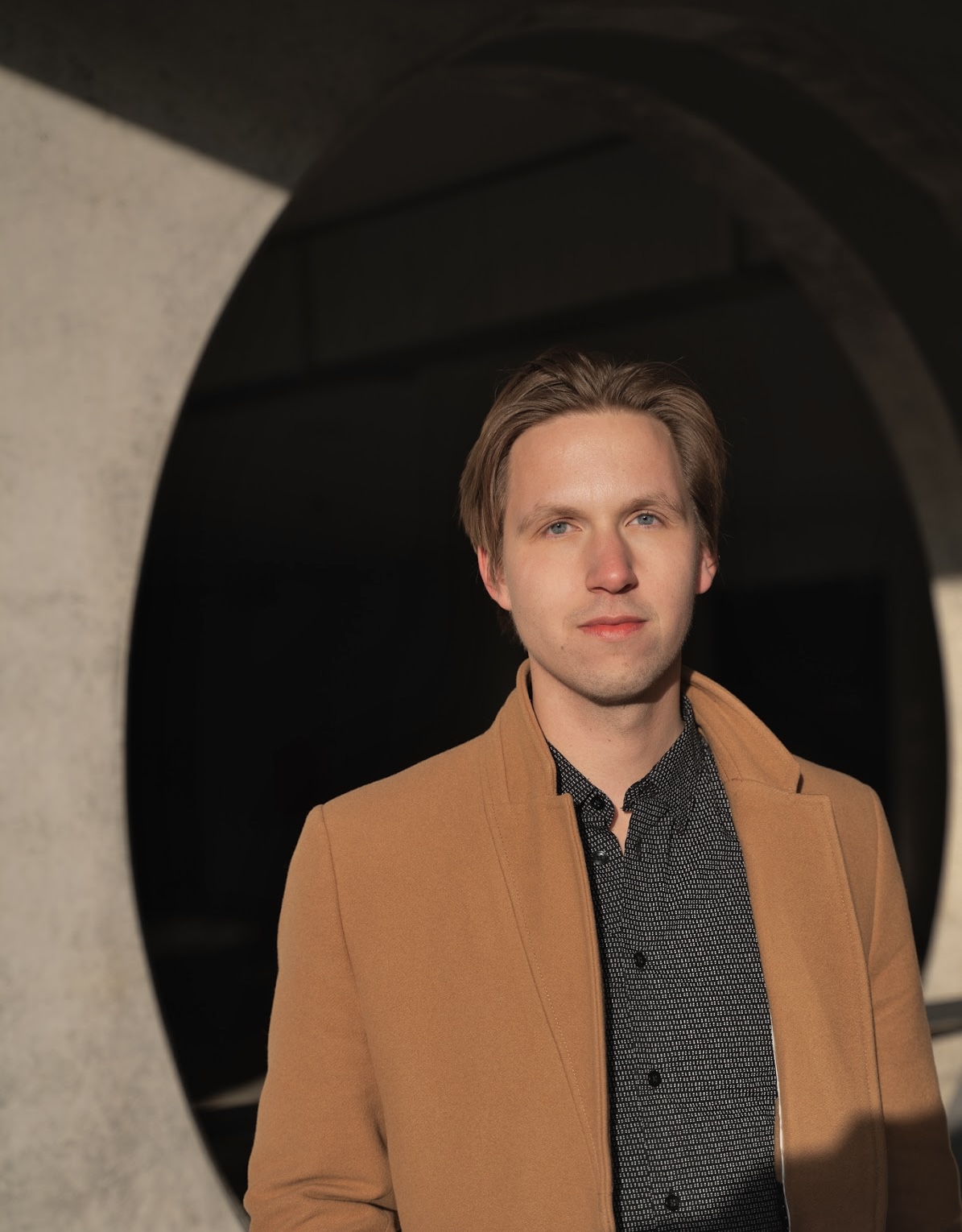
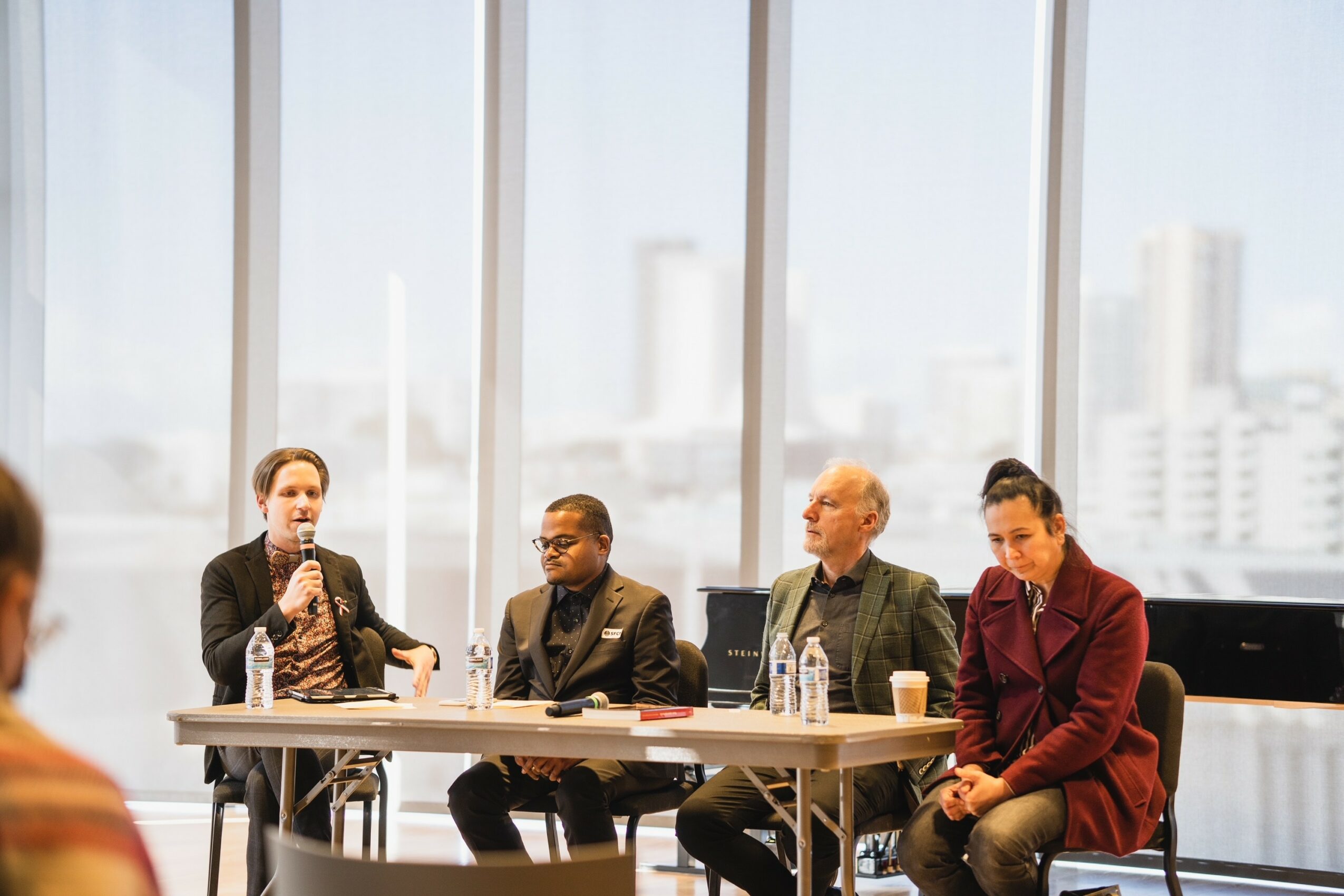
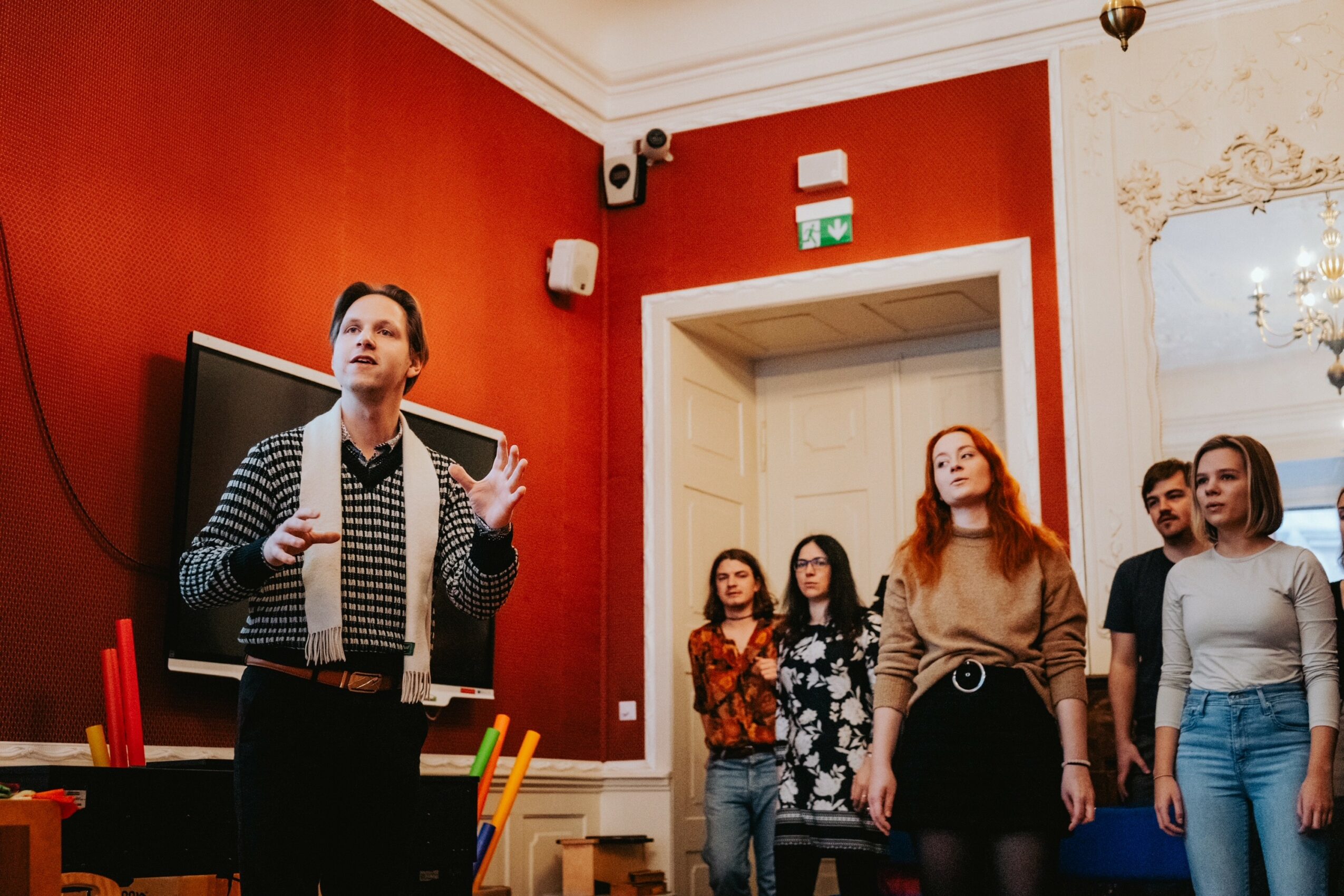
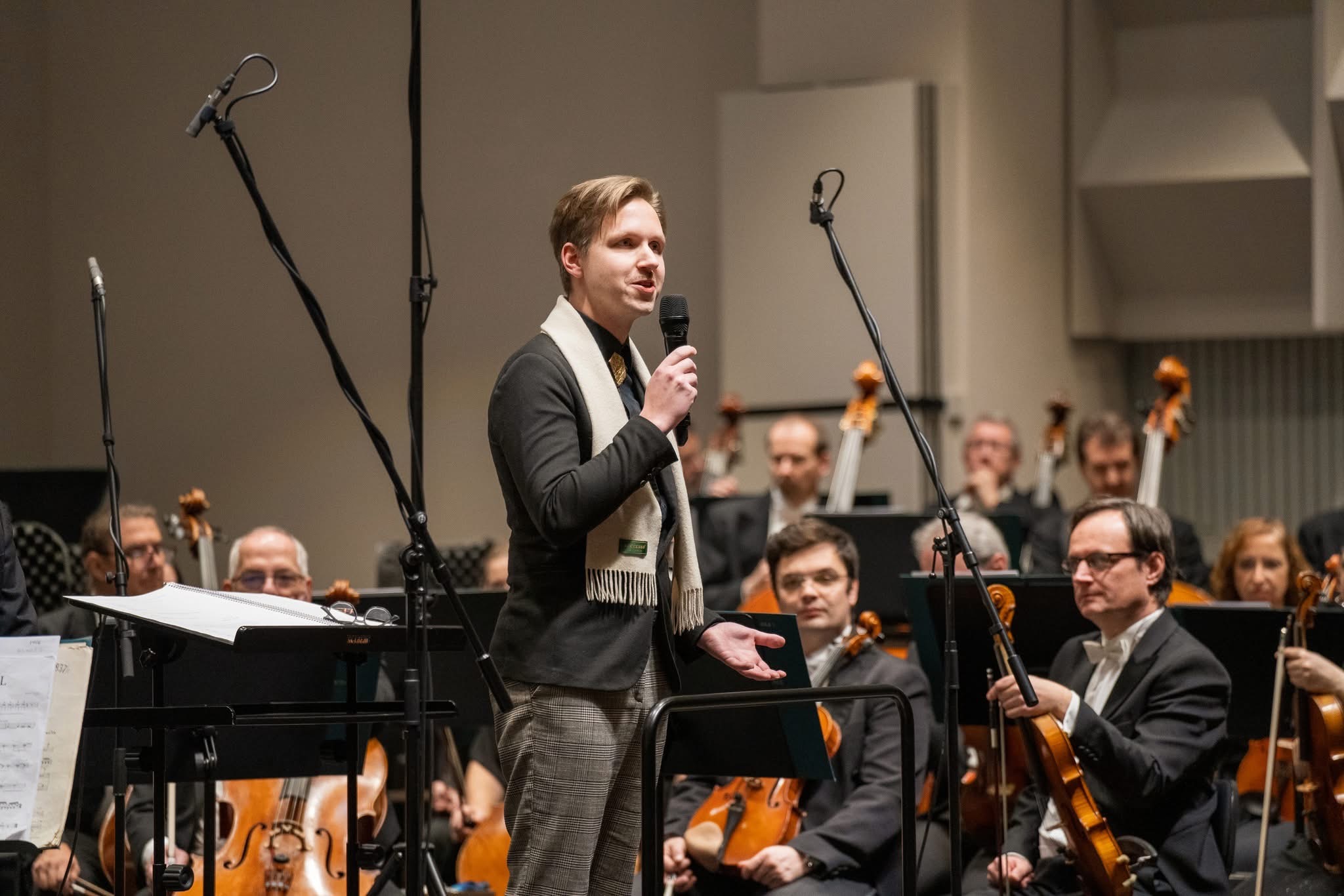
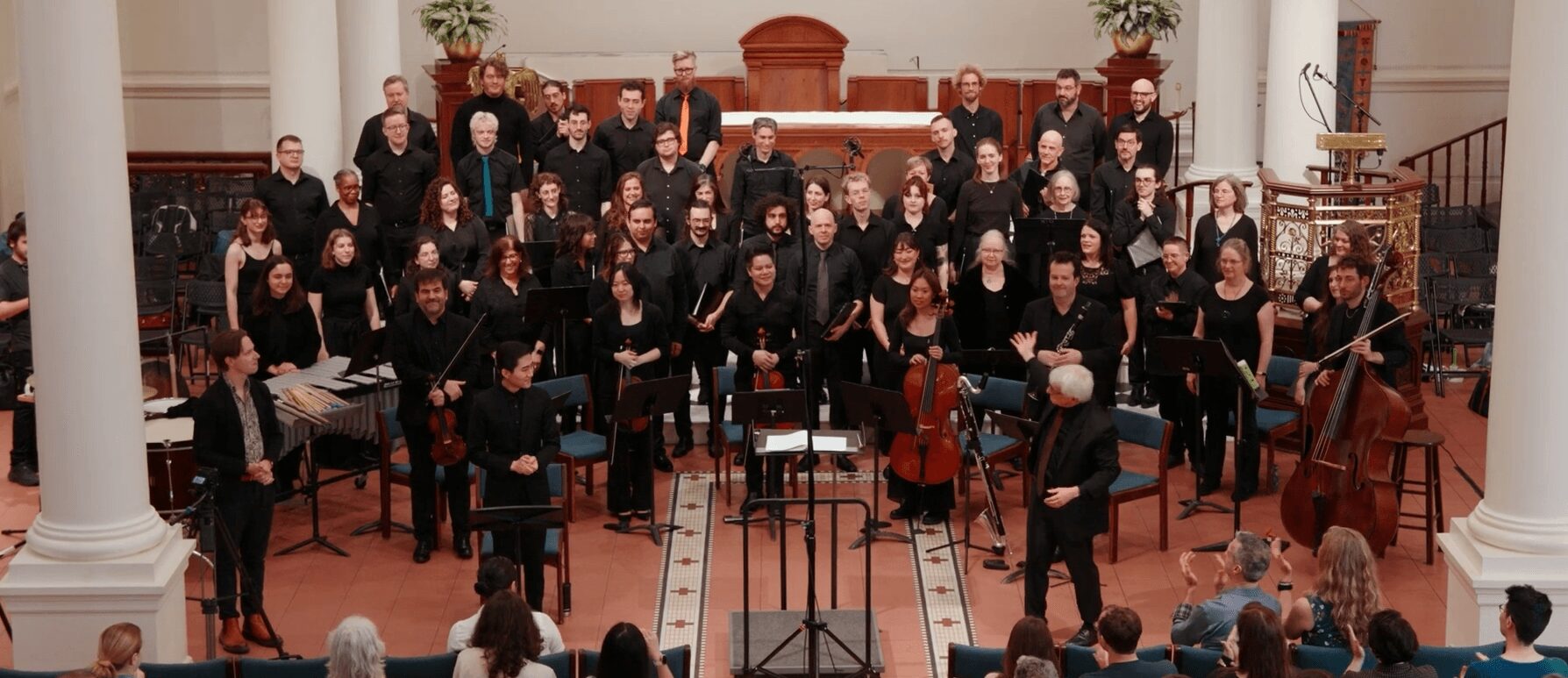
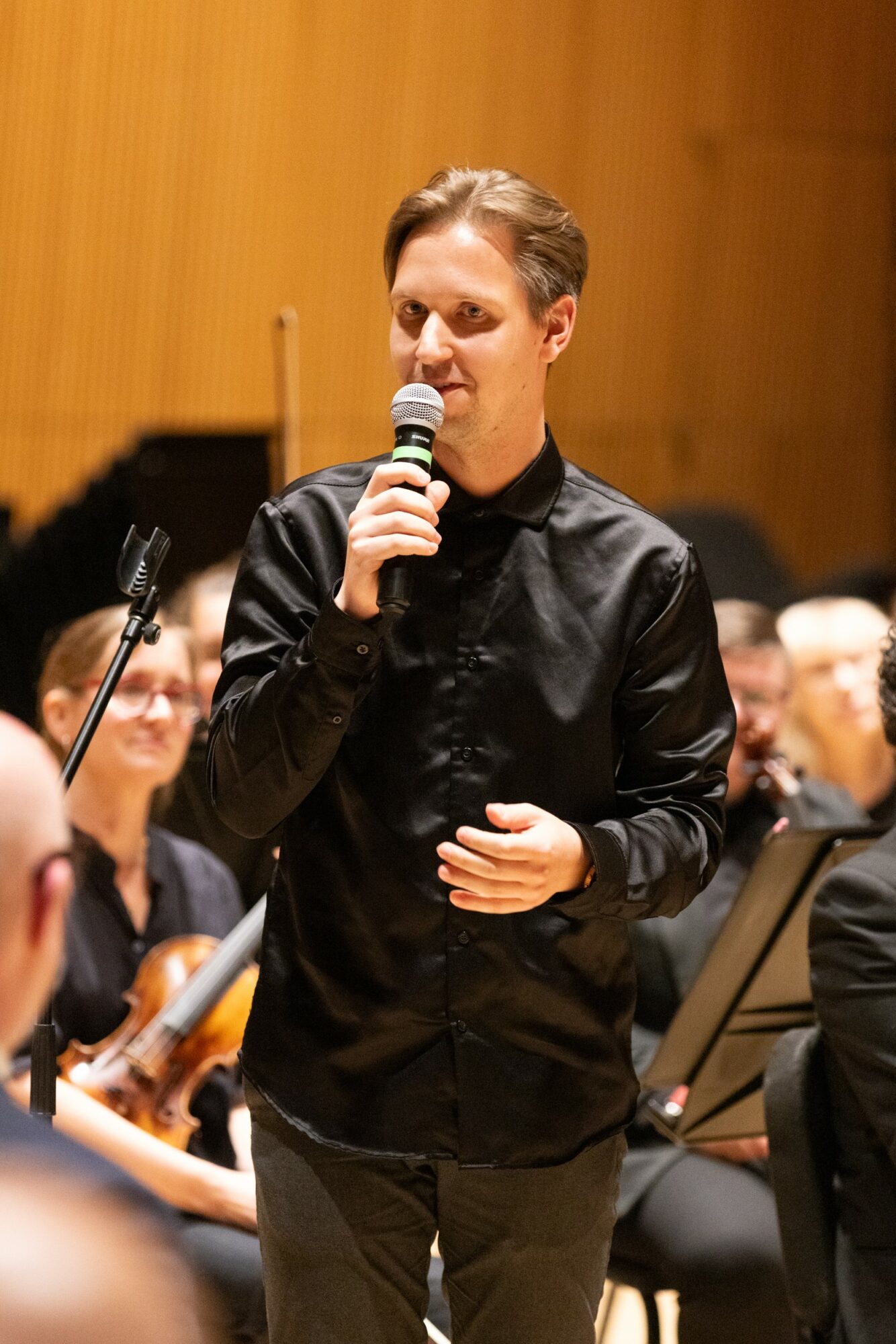
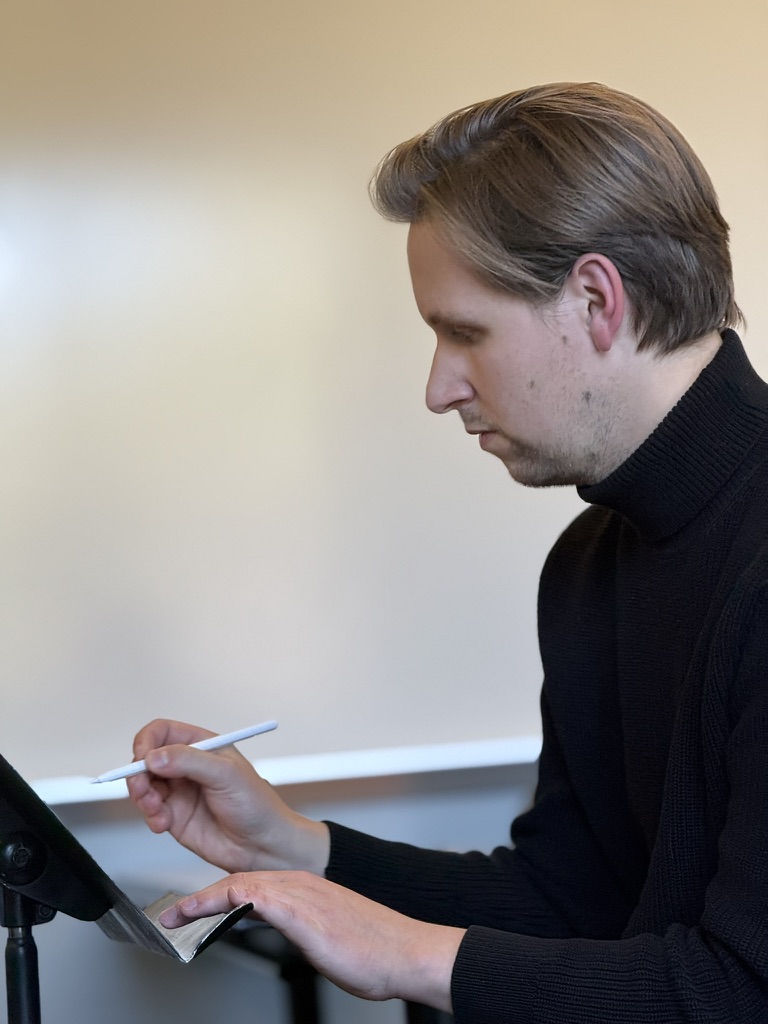
Image Credits
—Fadi Kheir
—Eliška Havlenová
—P.R. Frank
—FFUK Prague
—SFCM Hot Air Festival
Popular
-

Portraits of the Valley
-

LA’s Most Inspiring Stories
-

Que Johnson on Building Brands That Last: From Visibility to True Market Authority
-

Christina Wren Steps Into the Director’s Chair to Tell Stories That Feel Like Home
-

JordanL on ‘Breathe,’ Belief, and Building a Movement Beyond the Music
-
Megan Birney Rudert on How Access to Light Is Powering a More Sustainable and Equitable Future


