




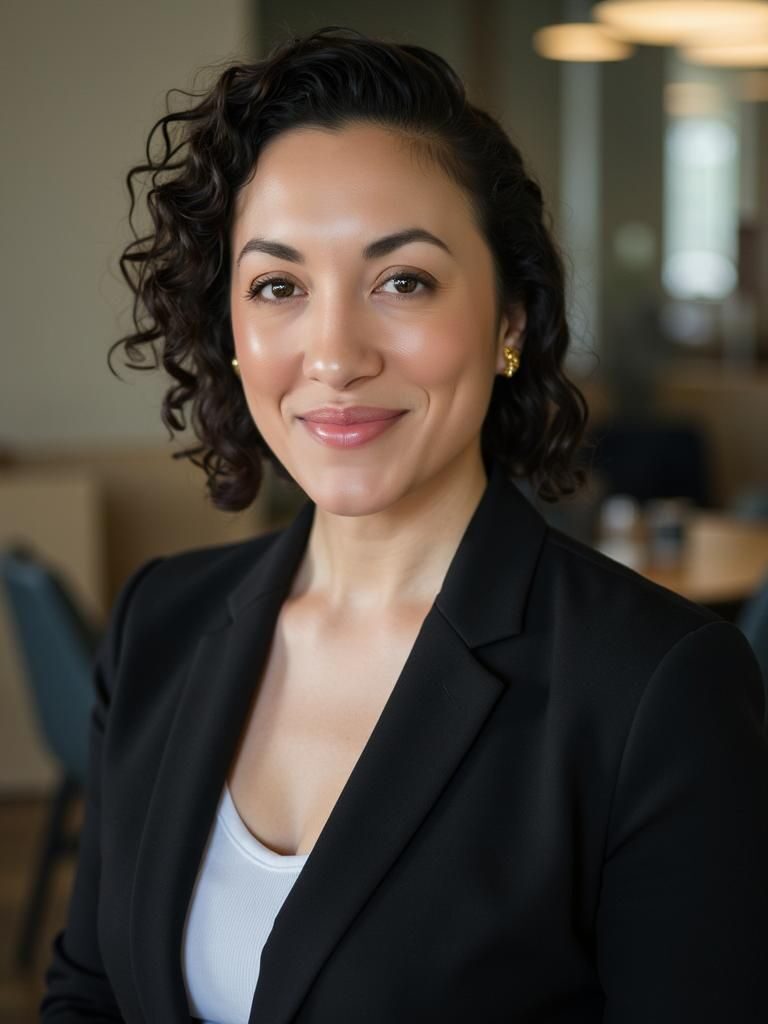
Today we’d like to introduce you to Rebekah Diaz.
Rebekah, we appreciate you taking the time to share your story with us today. Where does your story begin?
I often say that my relationship with the arts started as something very personal before it ever became professional. I grew up in New York in a single-parent household—my mother was raising us while also battling breast cancer—and from a young age, I needed to help care for both her and my younger siblings. There was a real sense of responsibility in our home. Even in the middle of that, my mother always made space for the arts. It became a constant for us. For me, it was both an outlet and a way to make sense of what was happening around me, and I saw firsthand how powerful it could be in helping people move through difficult circumstances.
I was the first in my family to leave New York for school, and I ended up at Carnegie Mellon University studying music. It was an incredible opportunity, but also a significant financial stretch—I came from a humble background and was stepping into an elite, expensive program. To make it work, I balanced my studies with a job as a furniture mover and a full-time role as an office assistant. It was demanding, but it also grounded me. During that time, I was fortunate to study with two teachers who left a lasting impression on me. Beyond the training, they instilled a very simple but important idea: that whatever path you take, you bring others along with you. That has stayed with me and continues to shape how I approach my work.
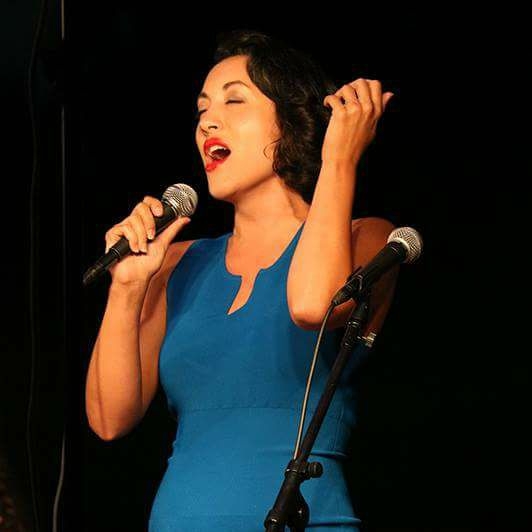
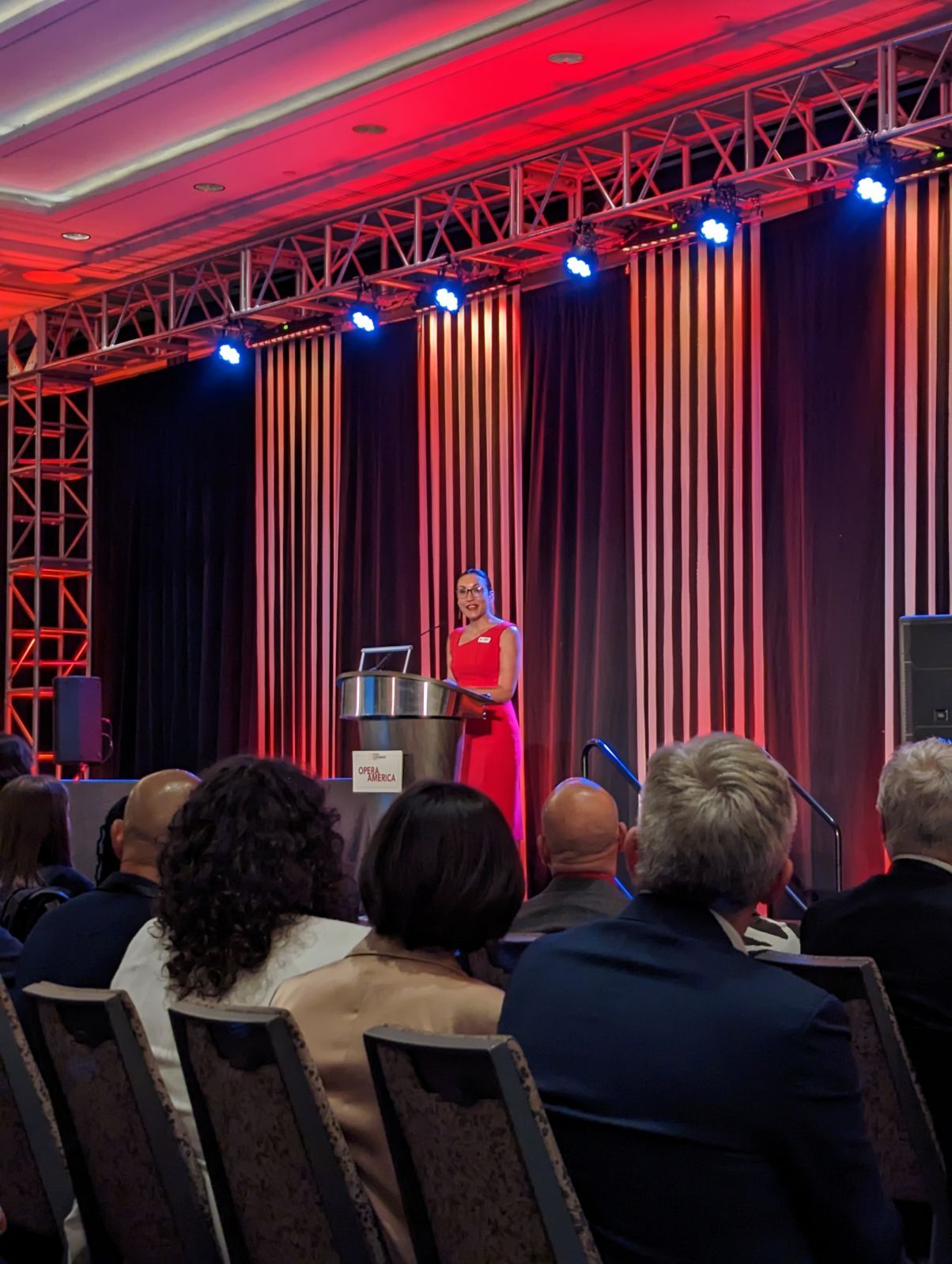
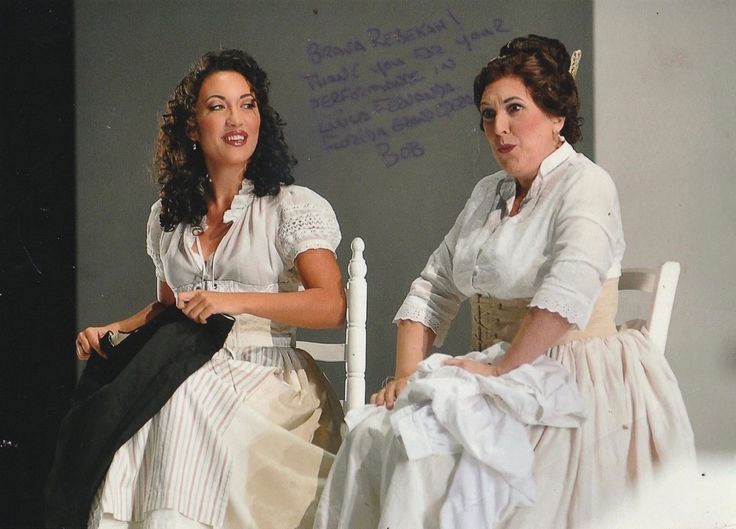
I went on to train as an opera singer, continuing my studies at Manhattan School of Music, and had a meaningful career performing in the U.S. and South America. I loved the work, but over time it became clear that what energized me most wasn’t just the performance—it was the connection. Opera gave me access to people, communities, and conversations, and I found myself more drawn to that side of the work.
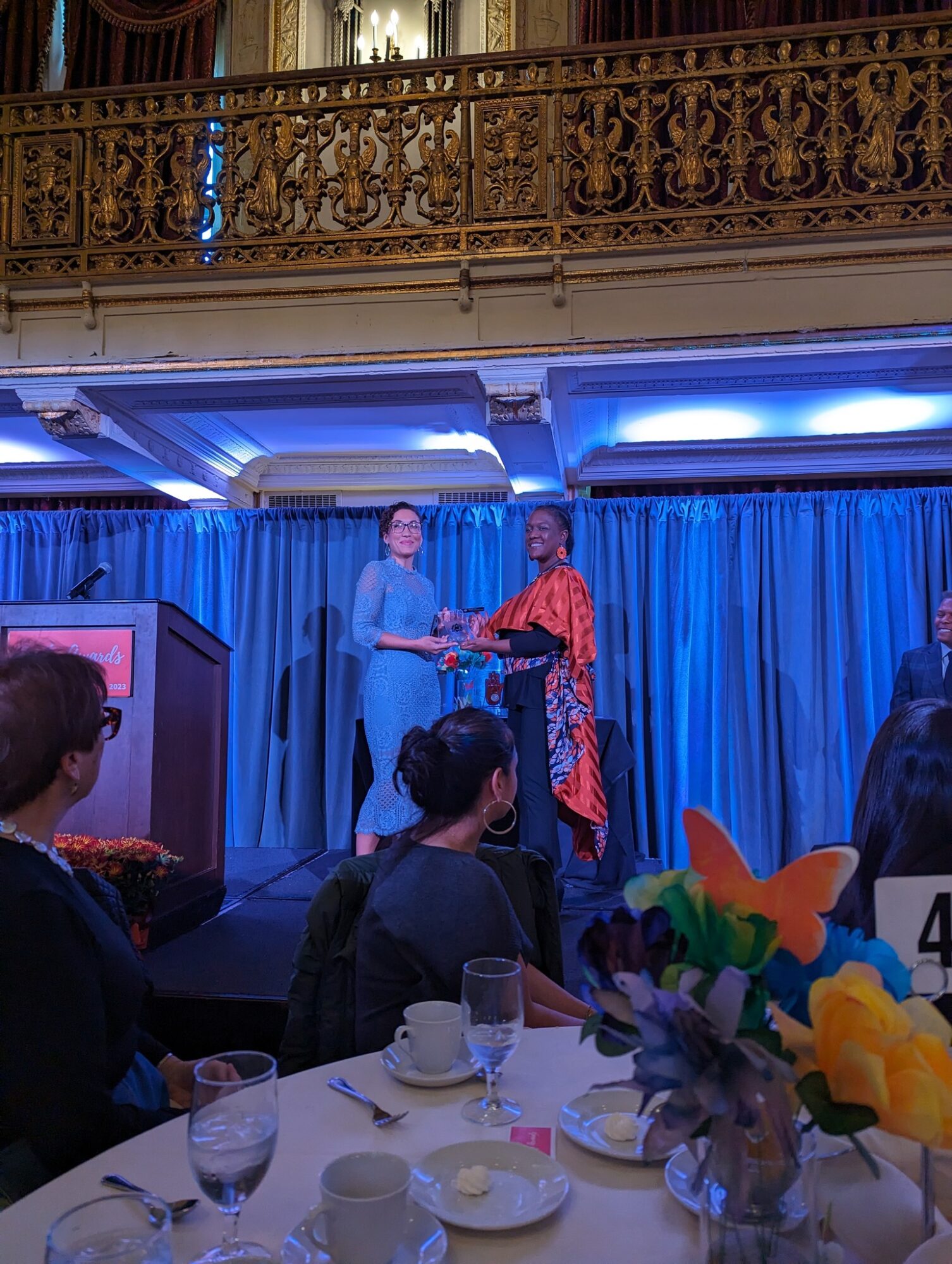
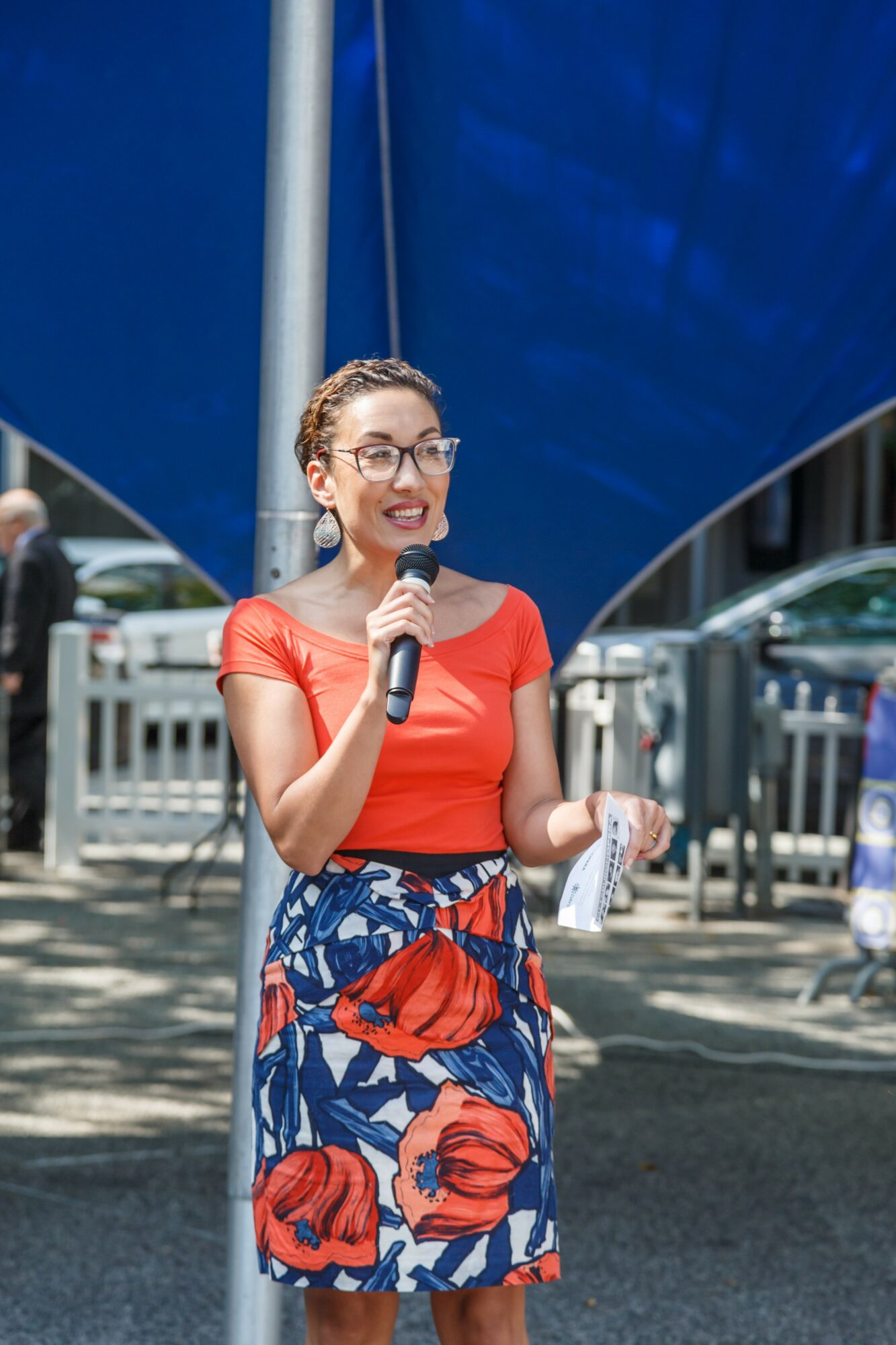
That realization led me to transition out of performing and into work at the intersection of civic engagement, education, and community engagement through the arts. I began developing programs that used the arts as a tool for access and opportunity. One of the programs I’m most proud of, Cadenza, focused on supporting young women and girls who had experienced human trafficking, helping them rebuild through career development and access to the arts. That work led to an international opera award nomination in education, and a short time later I was honored by the YWCA of Greater Pittsburgh for Equity in Creativity and Innovation, and named to Pittsburgh’s 40 Under 40. Those moments were meaningful, but more than anything, they reinforced that this kind of work was needed.
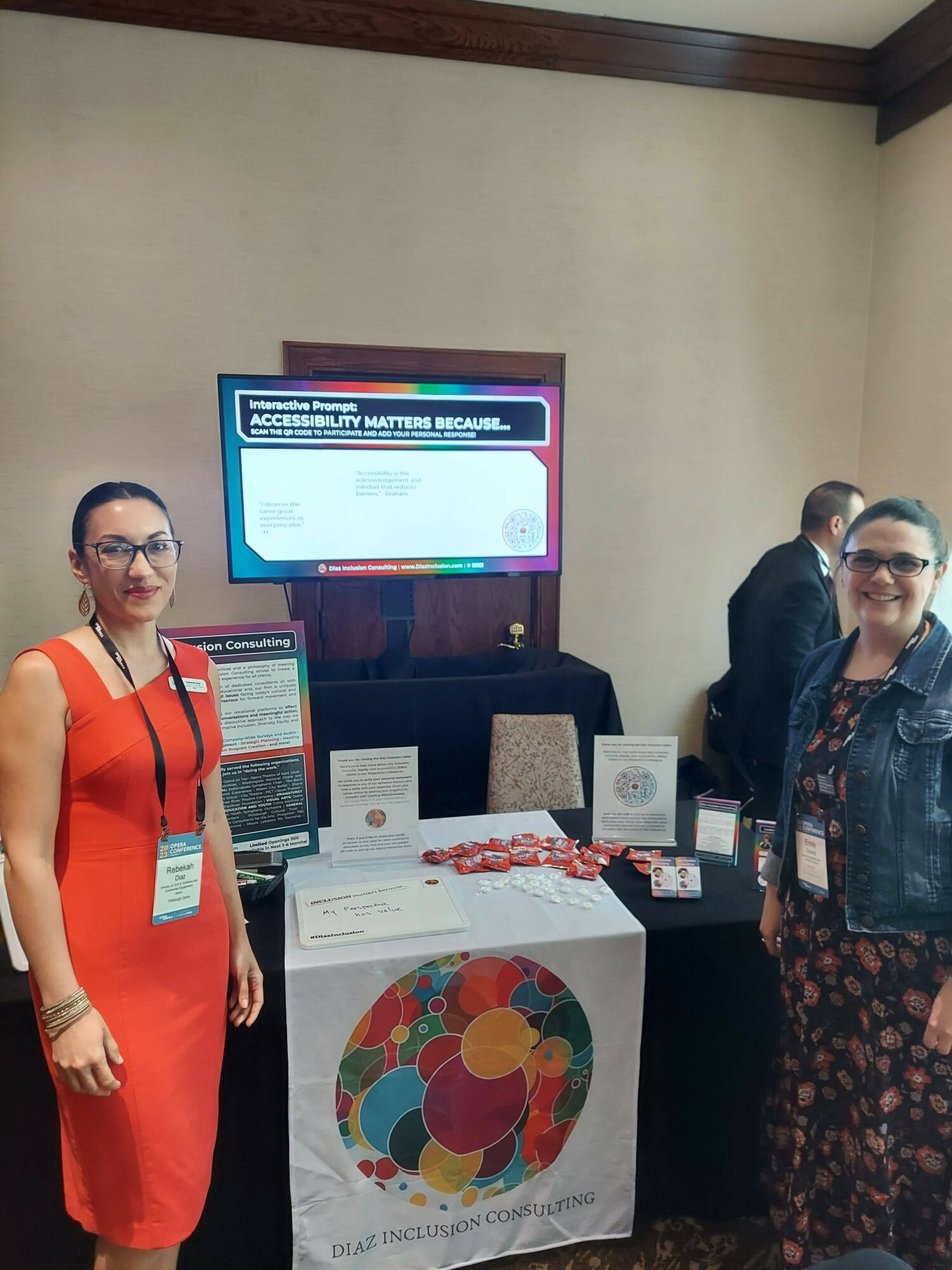
From there, I founded Diaz Inclusion Consulting to bring those same human-focused approaches into a more strategic context. The work is grounded in a simple idea: when people are aligned, supported, and clear on how they contribute, organizations don’t just function—they become places where meaningful, lasting work can take root.
Earlier this year, my business partner and I expanded that vision by acquiring Management Consultants for the Arts, a longstanding firm in the field. It was an opportunity to honor a strong legacy while also helping to shape what comes next—creating pathways for organizations to think more expansively about leadership, connection, and what it means to build cultures that can evolve without losing their core purpose.
At this point in my career, I’m still guided by the same core idea that started everything: curiosity about people and a desire to be of service. I’m not particularly interested in the “cult of personality” or in who has access to which rooms. I’m far more interested in what becomes possible when people feel connected to their work, to one another, and to a shared sense of purpose—and in helping organizations create the conditions where that kind of alignment can thrive.
We all face challenges, but looking back would you describe it as a relatively smooth road?
It definitely hasn’t been a smooth road—and in many ways, I don’t think the most meaningful paths ever are.
A lot of the early challenges were structural. I came from a background where access—financial, professional, and social—wasn’t a given. Entering elite spaces, whether in education or the arts, often meant learning how to navigate environments that weren’t built with people like me in mind. As a Latina and as a woman, there were moments where I was aware of being the only one in the room, or where expectations—spoken or unspoken—felt different.
At the same time, I’ve had to navigate what it means to show up fully as both a mother and a leader. That comes with its own set of assumptions and, at times, stigma—questions about availability, commitment, or how you “balance” it all. Those dynamics aren’t always explicit, but they’re present, and they shape how women, especially women of color, are perceived in leadership spaces.
But I don’t think of those experiences only as obstacles. They forced me to develop a different kind of awareness—of people, of systems, and of how opportunity actually shows up (or doesn’t). They made me more attuned to where things break down for others, and more intentional about how to help fix them.
As you know, we’re big fans of Management Consultants for the Arts. For our readers who might not be as familiar what can you tell them about the brand?
At its core, my work has always been driven by curiosity and connection. I’ve found that when we are genuinely curious—about people, about systems, about how organizations actually function—we’re able to break down barriers that otherwise feel immovable. That mindset has shaped everything I’ve built. Because of the “cognitive dissonance” of my upbringing and background, and the elite spaces to which I found access, it’s been rewarding to be able to highlight the connections people have to one another over the differences and act as a bit of a translator between (perceived) dissonant groups.
I founded Diaz Inclusion Consulting to bring that lens into a more structured, strategic context. Many organizations already have a strong sense of purpose, but they don’t always have the clarity or alignment needed to carry that purpose through their day-to-day work. What we do is help them ask better questions—about how decisions are made, how people experience the organization, and where disconnects may exist—and then translate those insights into practical, sustainable ways of working. It’s not about quick fixes; it’s about creating the conditions where people can do their best work and feel connected to it.
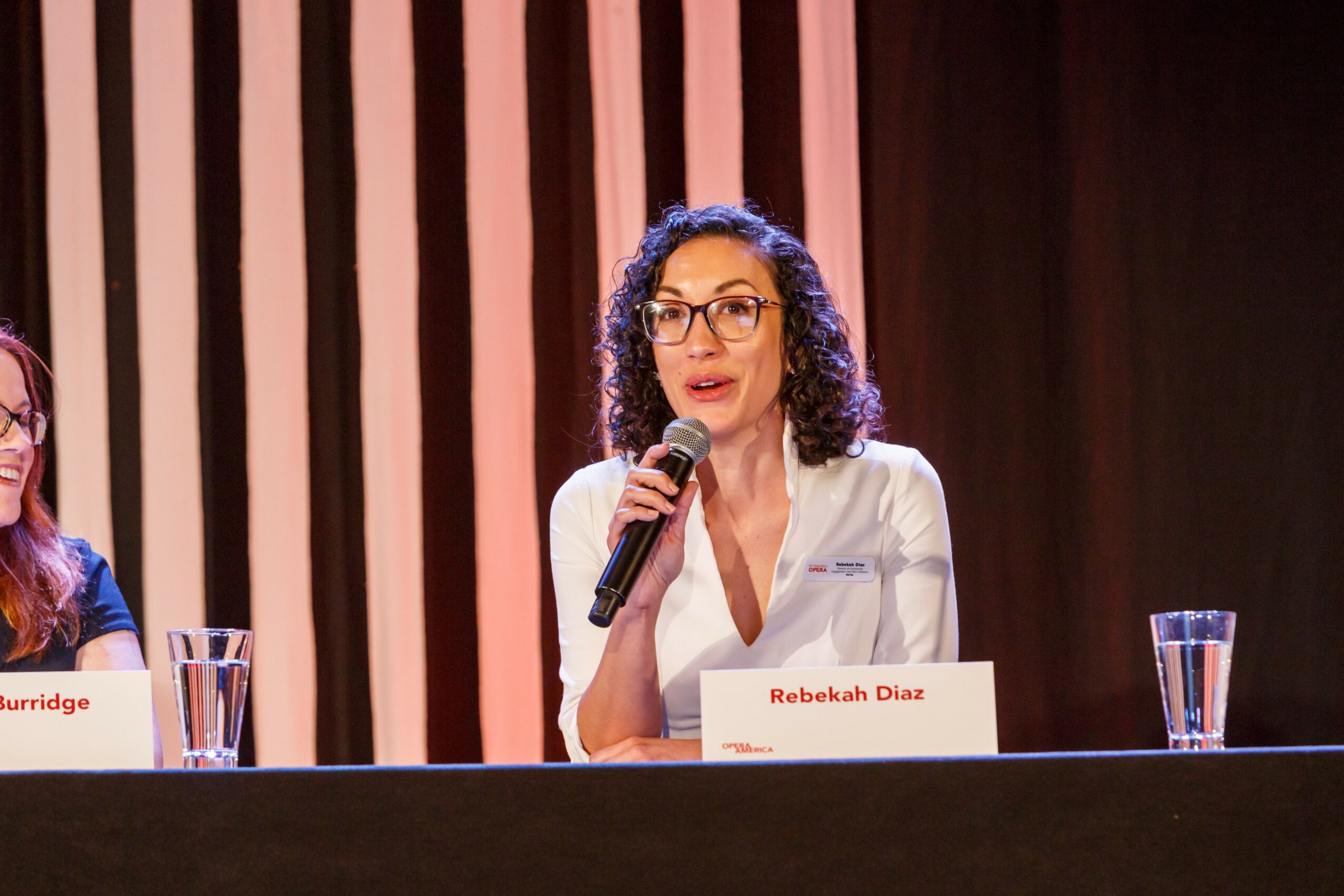
That same philosophy now carries through in Management Consultants for the Arts, which my business partner and I acquired earlier this year. MCA has a long-standing reputation in the field, particularly in executive search and organizational strategy, and what excited us about stepping into that work was the opportunity to build on that foundation while expanding how organizations are supported. We’re thinking more holistically about leadership—how individuals are selected, supported, and set up for success within the broader ecosystem of an organization.
What sets our work apart is that we don’t separate people from process. We approach organizations as interconnected systems, where leadership, culture, governance, and strategy all influence one another. By staying curious and asking the right questions, we’re able to help organizations move beyond surface-level solutions and get to what’s actually driving their challenges—and their opportunities.
Brand-wise, what I’m most proud of is the level of trust we’ve built. We’re often invited into moments that are complex or uncertain, and we’re able to bring both clarity and steadiness to those spaces. There’s a real emphasis on listening, on understanding context, and on meeting organizations where they are before moving them forward.
What I’d want readers to know is that our work is ultimately about connection—helping people feel more connected to their roles, to one another, and to the mission of their organization.
Can you talk to us a bit about the role of luck?
I’ve been incredibly lucky—and I don’t say that lightly.
There’s a narrative, especially in professional spaces, that success is purely the result of hard work or talent. And while those things matter, I don’t believe in the idea of a true meritocracy. So much of what shapes a person’s path comes down to timing, access, and the people who choose to invest in you along the way.
When I look back, I can point to very specific moments where someone took the time to open a door, offer guidance, or simply see potential in me. Teachers, mentors, colleagues, friends—those relationships didn’t just support me, they fundamentally shaped the direction of my life and career. That’s luck.
Because of that, I feel a real sense of responsibility in how I show up now. I try to be intentional about creating those same moments for others, even in small ways. If someone reaches out and asks for time, I’ll almost always give them at least half an hour. It’s a simple thing, but those conversations can matter more than we realize.
I think a lot about how access is created—who gets opportunities, how decisions are made, and how we can be more intentional about the pathways we’re building for others.
I’ve been fortunate in the people who showed up for me. The least I can do is make sure I’m doing the same for someone else.
Contact Info:
- Website: https://www.mcaonline.com
- LinkedIn: https://www.linkedin.com/in/rebekah-diaz-cde-883b00199/
- Other: https://www.diazinclusion.com
Popular
-

Portraits of the Valley
-

LA’s Most Inspiring Stories
-

Robin Olive on Building an Inclusive Performing Arts Movement and Expanding Opportunities for Every Student
-

Que Johnson on Building Brands That Last: From Visibility to True Market Authority
-

Christina Wren Steps Into the Director’s Chair to Tell Stories That Feel Like Home
-

JordanL on ‘Breathe,’ Belief, and Building a Movement Beyond the Music


