




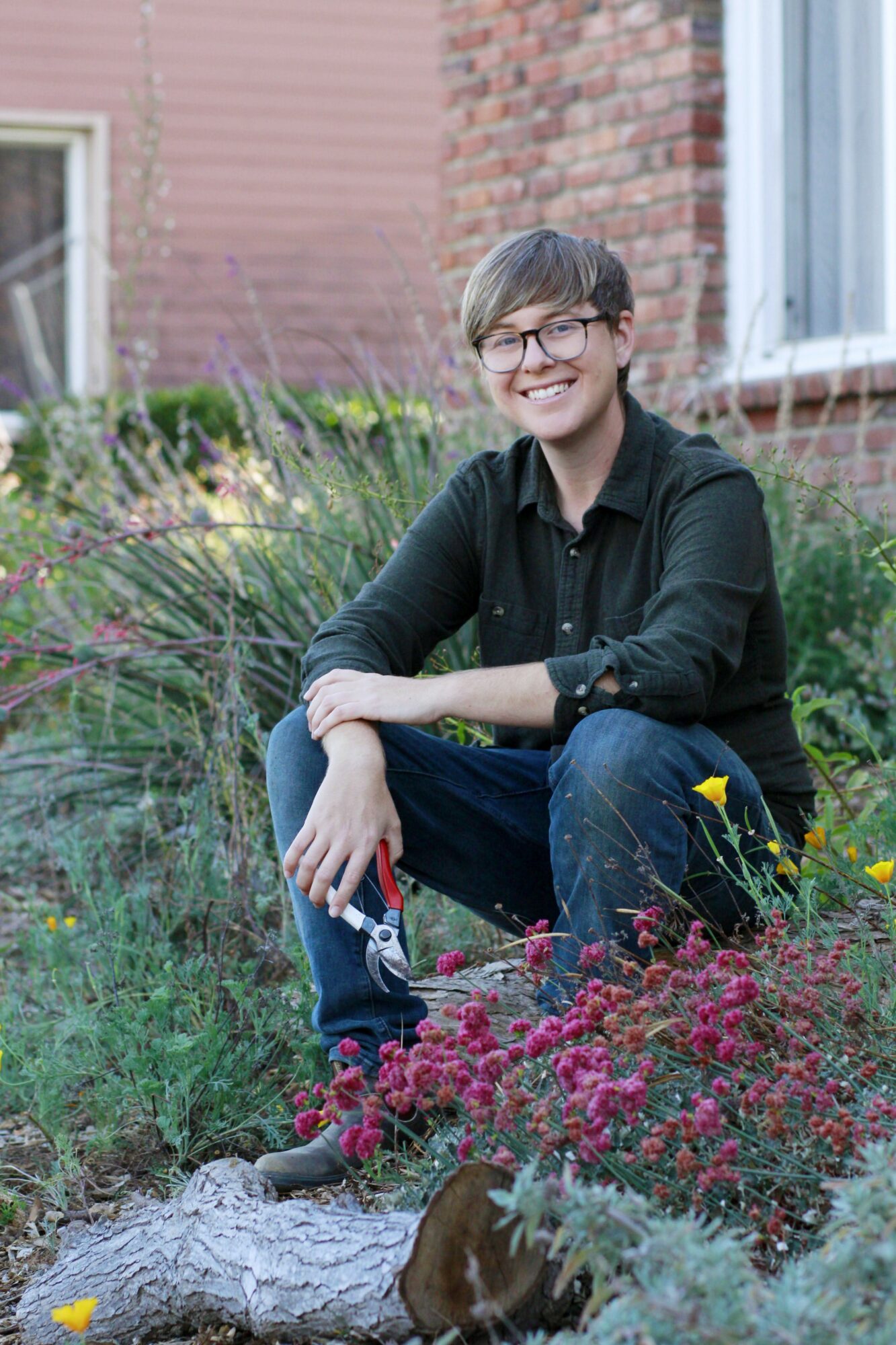
Today we’d like to introduce you to Stephanie Sun.
Alright, so thank you so much for sharing your story and insight with our readers. To kick things off, can you tell us a bit about how you got started?
I never planned to work in landscaping. I was an artist first. About ten years ago, I had my first solo gallery show, and the woman who owned the gallery also owned a sustainable landscaping company. She offered me a job, and I took it without realizing it would completely change my life.
At the time, I was struggling deeply with grief, identity, and mental health after losing a family member. Working outdoors with the soil and plants brought me a kind of peace I hadn’t felt before. Gardening gave structure to my days, but more importantly it gave me a relationship to the living world. I started paying attention to seasons, insects, birds, soil, water. My whole perspective shifted.
Discovering native plants was a turning point. Learning about sustainable landscaping opened my eyes to many possibilities in which I could use my life force to do good, and so I dedicated myself to the work completely. I took on every opportunity I could to learn, often working seven days a week, building both hands-on experience and technical knowledge.
Over time, I moved into a management role at another landscaping company, where I oversaw their maintenance program. When the pandemic hit, I decided to step out on my own and start a small independent service. Demand grew quickly, and what began as a solo operation evolved into a full team. That’s how Holistic Gardening Company was born.
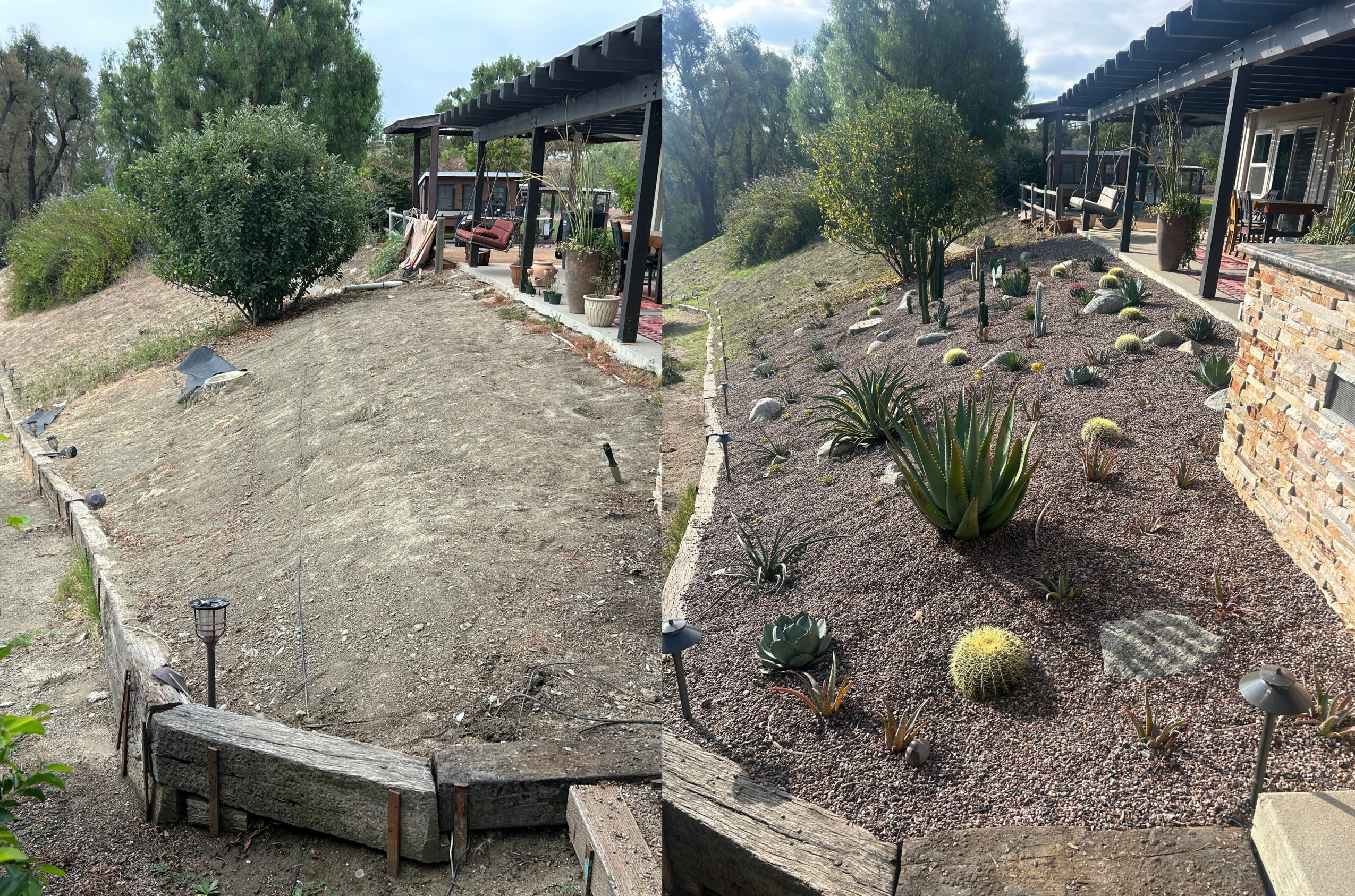
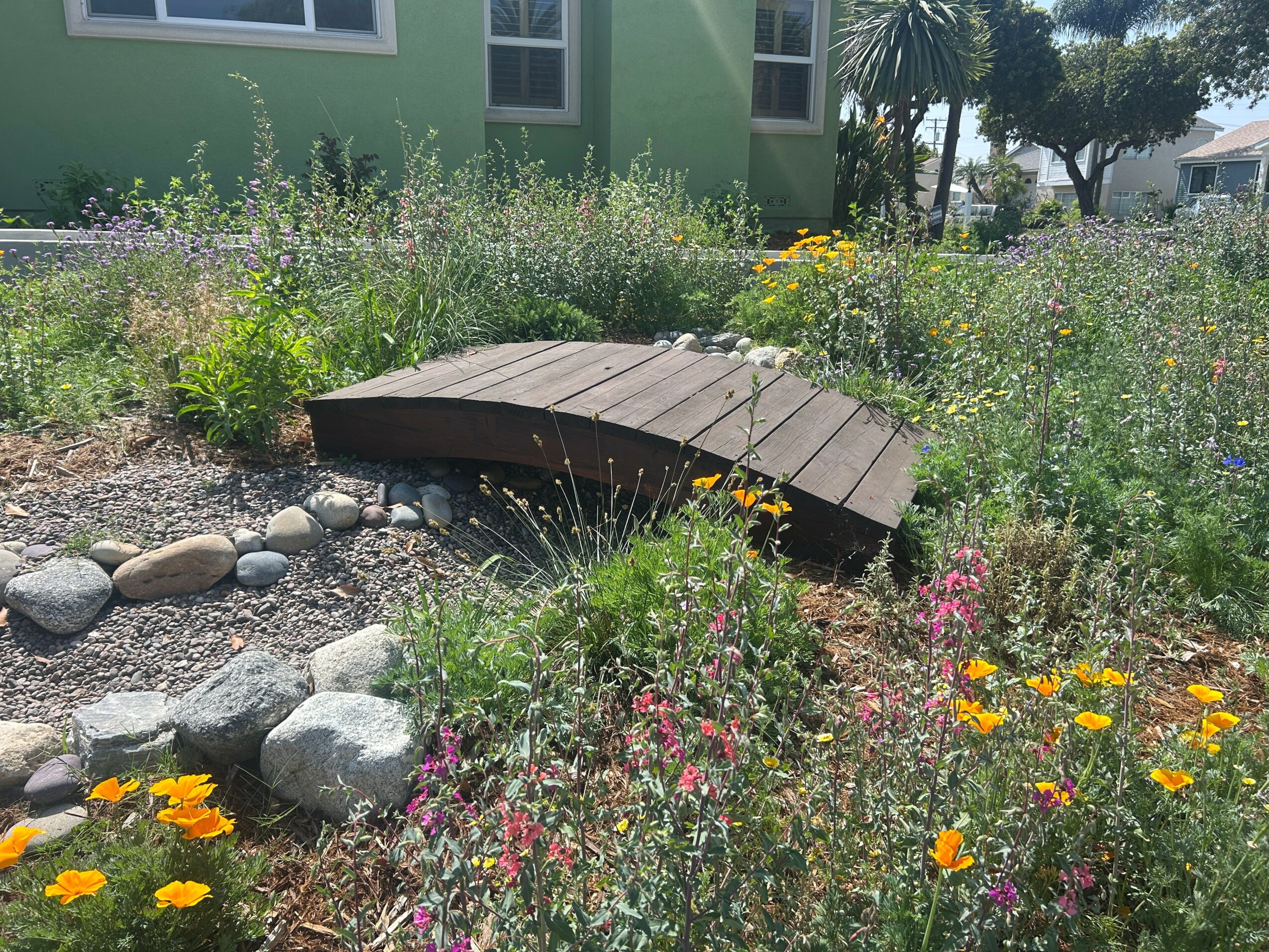
I started with twelve personal clients, and now we service about seventy-five maintenance clients throughout Long Beach and Orange County. In the past ten years I have planted thousands of California native plants. I have designed and built so many gardens that I’ve simply lost count. Where we are today is really the result of that journey, and a strong belief that this work can be done in a way that’s better for both people and the planet.
We all face challenges, but looking back would you describe it as a relatively smooth road?
One of the biggest challenges has honestly been re-educating people on what a healthy garden actually looks like.
Most of us were raised around a very controlled idea of landscaping: perfectly trimmed shrubs, bare soil, constant watering, chemical fertilizers, leaf blowers, everything neat and uniform. A lot of sustainable gardening practices can initially feel strange or even wrong to people because they go against what we’ve been taught a garden is supposed to be. I’m always mindful not to make anyone feel wrong or uninformed about how they’ve cared for their garden, as most people are simply working from what’s been commonly taught. I understand why people feel resistant, but part of my job is helping people see that a garden can be alive, ecological, and all the more beautiful.
For example, we don’t use synthetic fertilizers, and we avoid tilling the soil whenever possible. That surprises people. Instead of forcing growth chemically, we focus on building healthy soil, pruning properly, improving irrigation, and letting plants grow more naturally.
Some ideas are even harder for people to embrace. In California, many native plants truly do not need regular irrigation once established, but the idea of not watering a garden can make people nervous. Leaving leaf litter on the soil is another one. People often see fallen leaves as mess, while we see them as habitat and nourishment for the earth.
A big part of our role is helping clients understand the “why” behind what we do, and meeting them where they are. We have to strike a balance between advocating for what’s best for the land and respecting that every homeowner has their own comfort level, preferences, and goals.
That process has taught me a lot about letting go of ego and staying open. Everyone has different opinions, and I think it’s important to be respectful of that. Just because I have ten years experience doesn’t mean I know everything, and what’s right for one garden might be wrong for another, so there’s never a “one size fits all” approach. The challenge is to let go of ego and remain open minded, observing the conditions and needs not just of the land, but also the homeowners or people involved with it.
Alright, so let’s switch gears a bit and talk business. What should we know?
Holistic Gardening Company was founded three years ago out of a dream to challenge the mainstream paradigm for landscaping practices.
We live in a culture of what some call “mow, blow, and go” gardening: loud machines, plants hacked into unnatural shapes, chemical sprays, rushed maintenance crews moving from property to property as quickly as possible. I think that approach disconnects people from the land, and over time it’s harmful not just for the environment, but for the people doing the work as well.
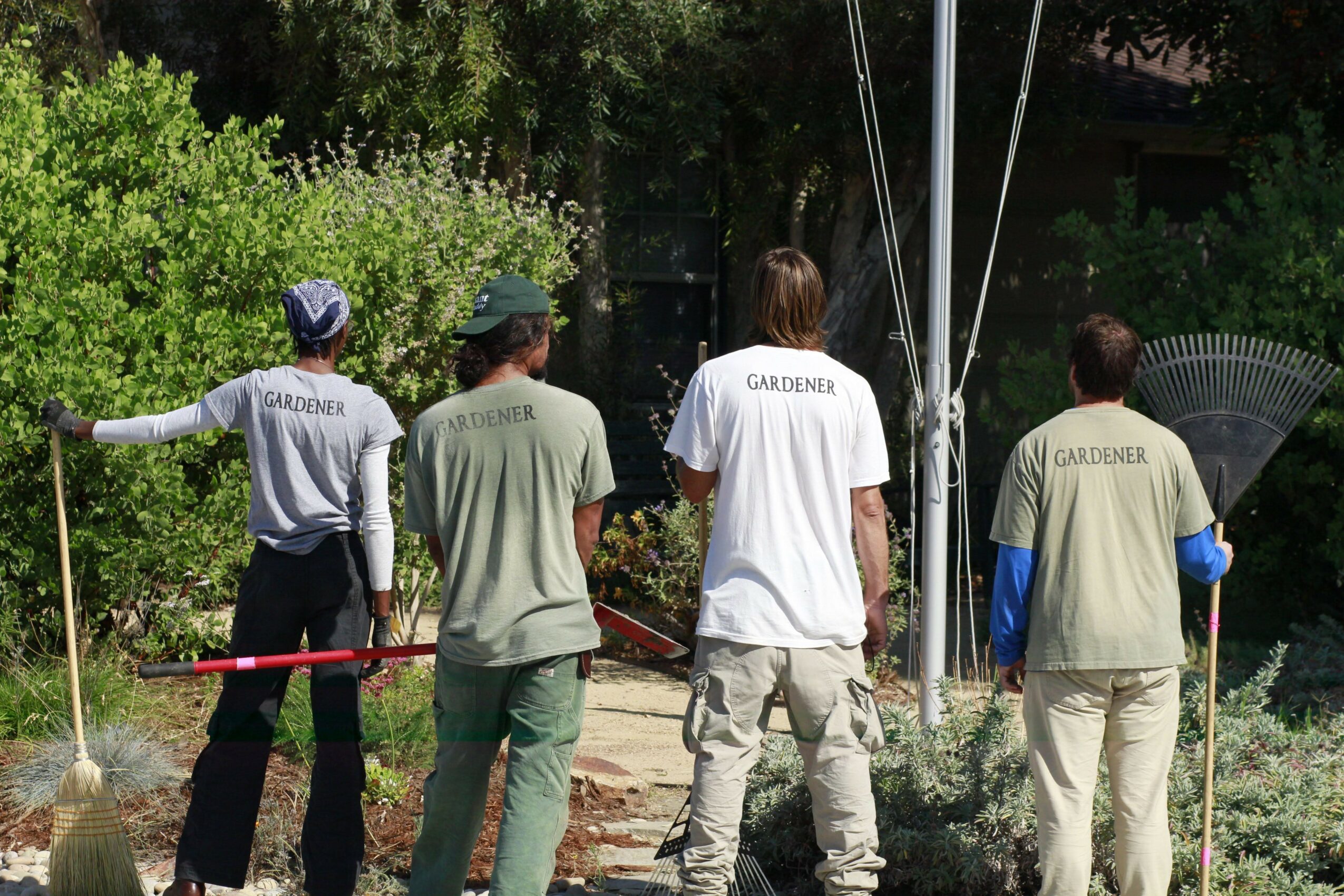
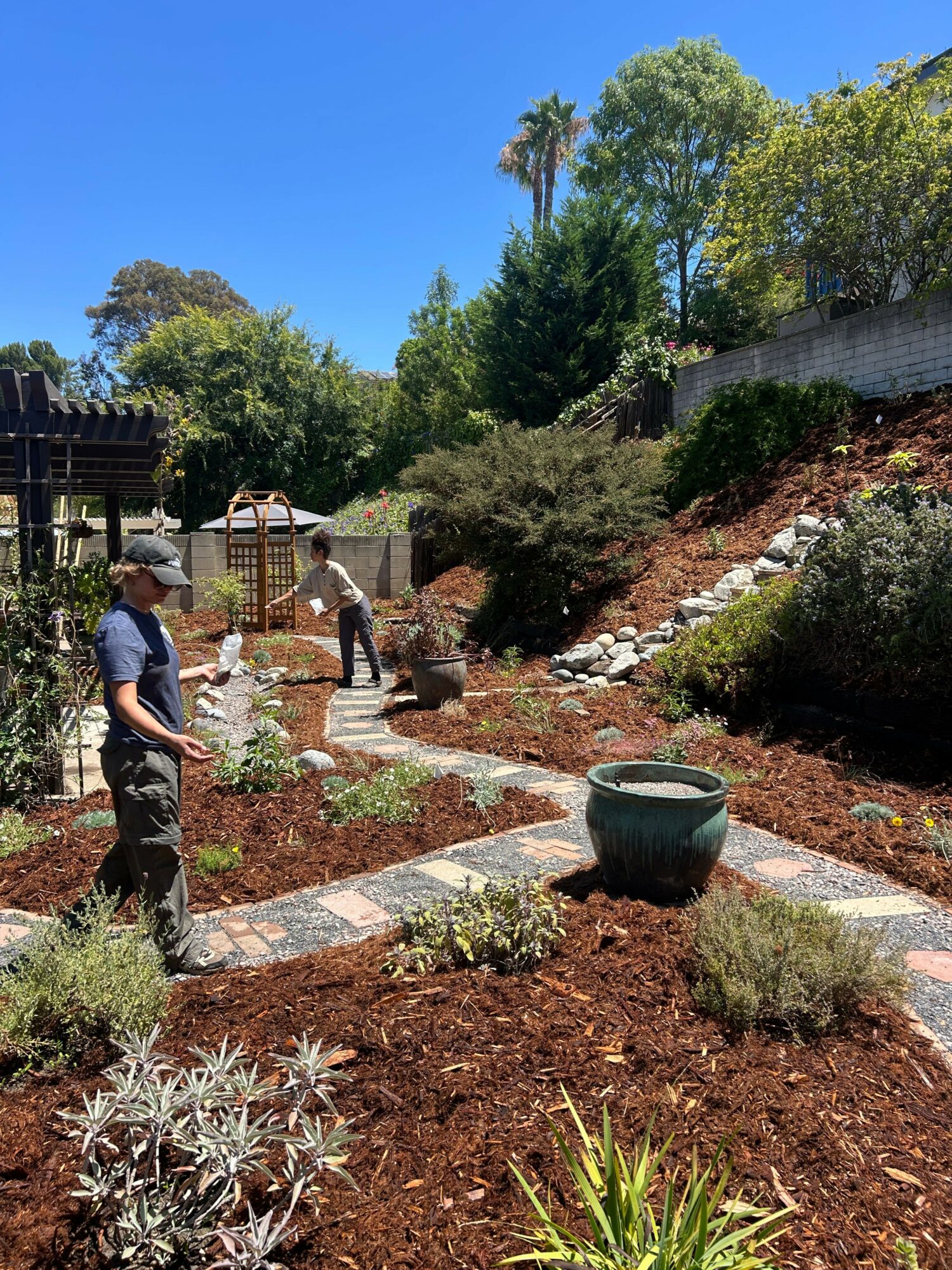
The thing I’m most proud of is our maintenance service because it completely reimagines what “garden care” can look like. We work by hand whenever possible. We prune plants carefully and intentionally instead of forcing them into rigid shapes. We sterilize our tools to avoid spreading disease between plants. We sweep instead of using leaf blowers whenever we can, because we want the experience of being in a garden to feel peaceful rather than chaotic, in addition to reducing noise pollution.
A lot of people are surprised by how personal our approach is. We communicate closely with homeowners so they feel connected to what’s happening in their outdoor space instead of disconnected from it. We want people to actually have a relationship with their garden.
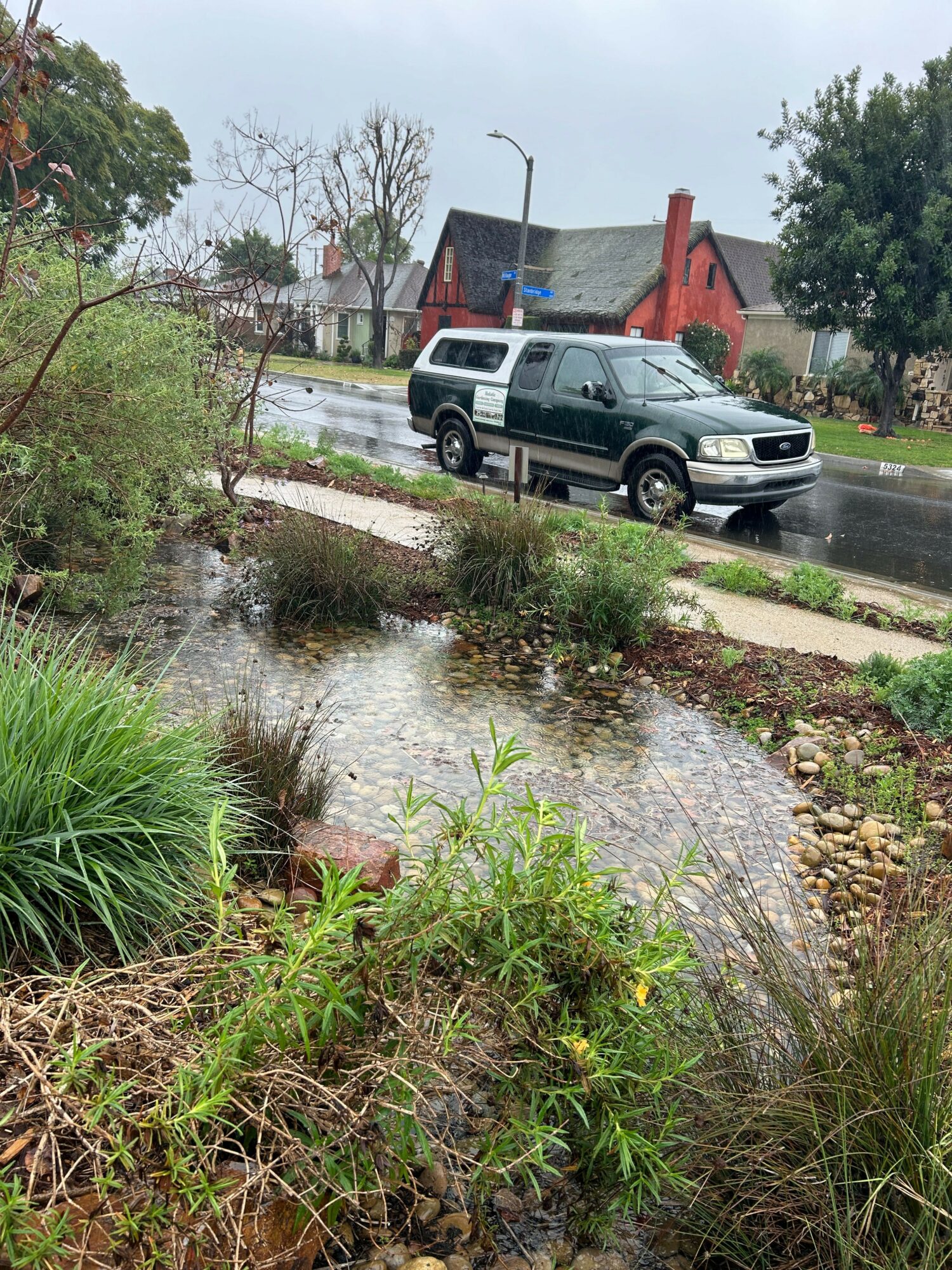
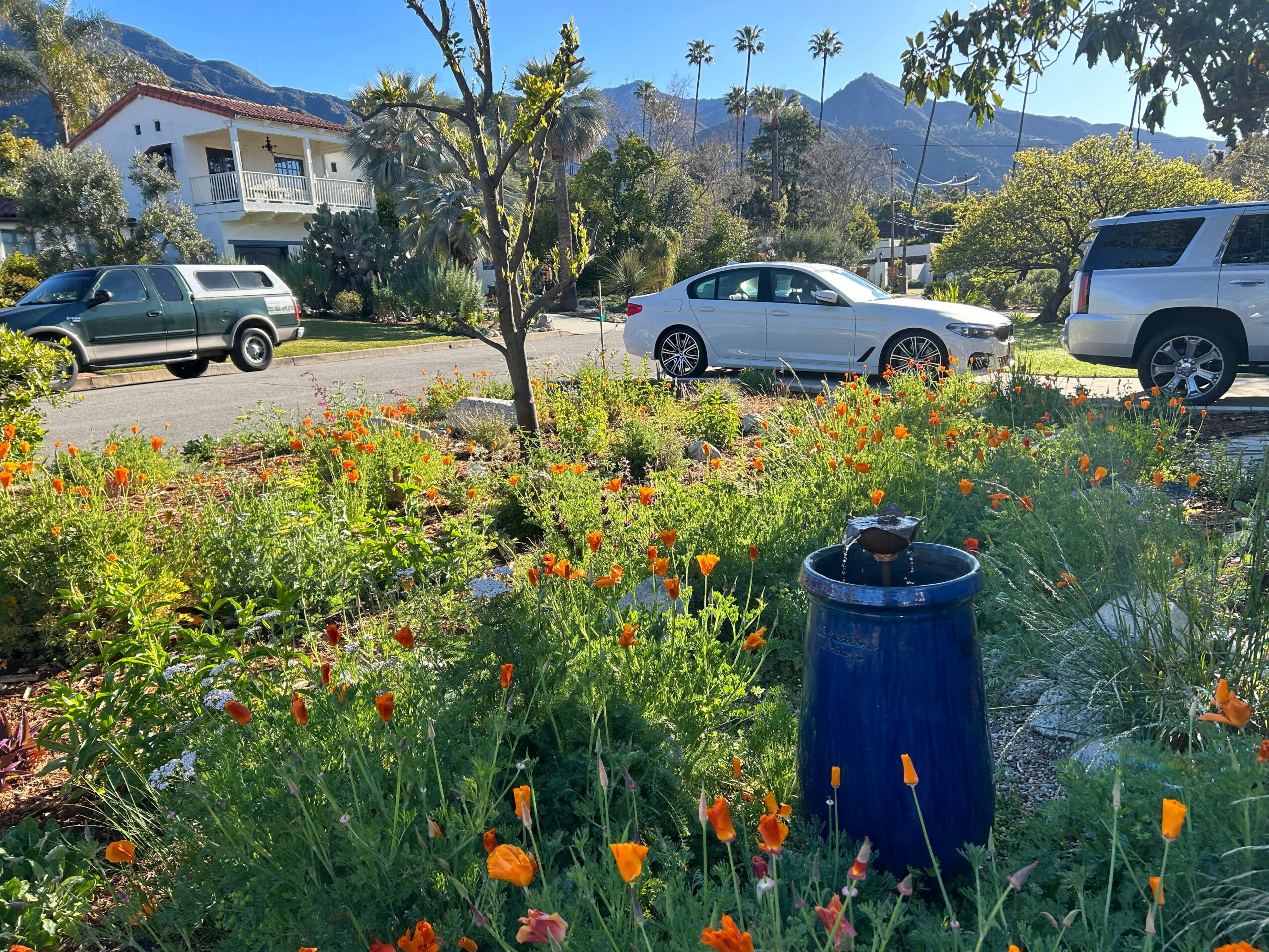
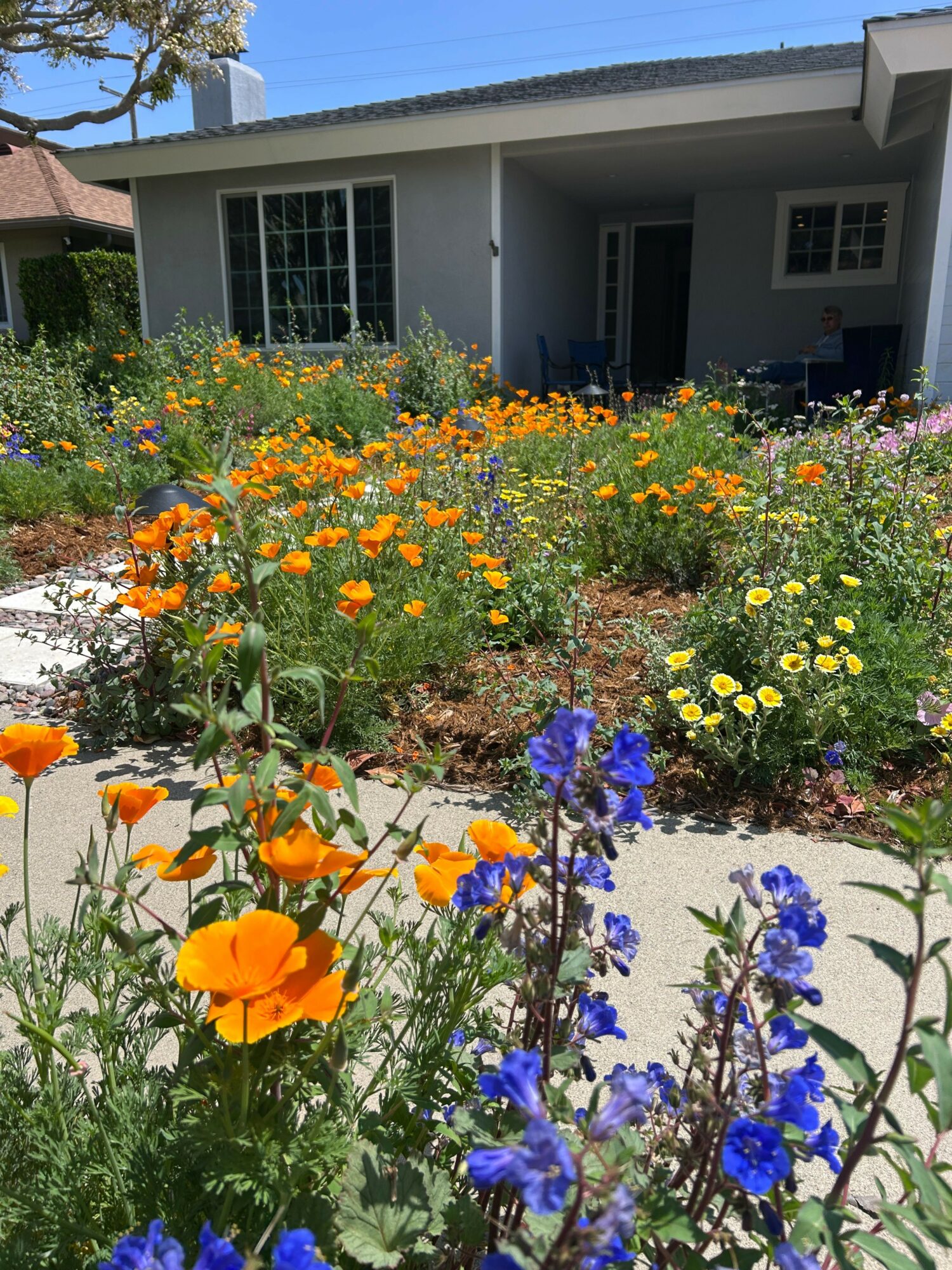
We also offer garden design and consultation services, with a strong focus on California native plants, permaculture principals, beauty, and ecological function.
For us, holistic gardening means caring for a landscape as a living system. That includes the soil, the plants, pollinators and wildlife, the people who live in the space, and the gardeners maintaining it. Our guiding principle is simple: “Care for the Earth, Care for Each Other.”
Any advice for finding a mentor or networking in general?
My path has honestly been very serendipitous. I just kept following the things that felt meaningful and alive to me, and gardening was one of the first things in my life that felt unquestionably meaningful.
A lot of the opportunities and relationships that shaped my career came naturally from that. I spent a lot of time at native plant nurseries, taking classes, volunteering, asking questions, and meeting people who cared. The sustainable landscaping and native plant community is actually very welcoming because most people in it are motivated by the same thing: the genuine want to do good for the environment and reconnect people with nature. Because we share the same values, we are all already friends.
I think people sometimes imagine networking as this transactional thing, but for me it’s mostly been about shared curiosity and shared values. Some of my best connections happened simply because I kept showing up in spaces that inspired me.
Mentorship can come in many forms. I learned a lot through classes, workshops, books, and podcasts, and I’m grateful for all of that. But the greatest education came from actually doing the work every day. Nothing replaces hands-on experience. The most impactful learning happens in the garden.
If someone wants to learn how to care for the land, my advice is simply to begin. Work in a garden. Volunteer. Plant something and pay attention to it. Spend time outside. The plants, insects, and soil will teach you things no classroom can. Nature is constantly communicating, but most of us have forgotten how to listen.
Contact Info:
- Website: https://holisticgardeningcompany.com
- Instagram: holisticgardeningcompany
- Yelp: https://www.yelp.com/biz/holistic-gardening-company-long-beach-2
Popular
-

Robin Olive on Building an Inclusive Performing Arts Movement and Expanding Opportunities for Every Student
-

Portraits of the Valley
-

LA’s Most Inspiring Stories
-

Que Johnson on Building Brands That Last: From Visibility to True Market Authority
-

Christina Wren Steps Into the Director’s Chair to Tell Stories That Feel Like Home
-

JordanL on ‘Breathe,’ Belief, and Building a Movement Beyond the Music


