




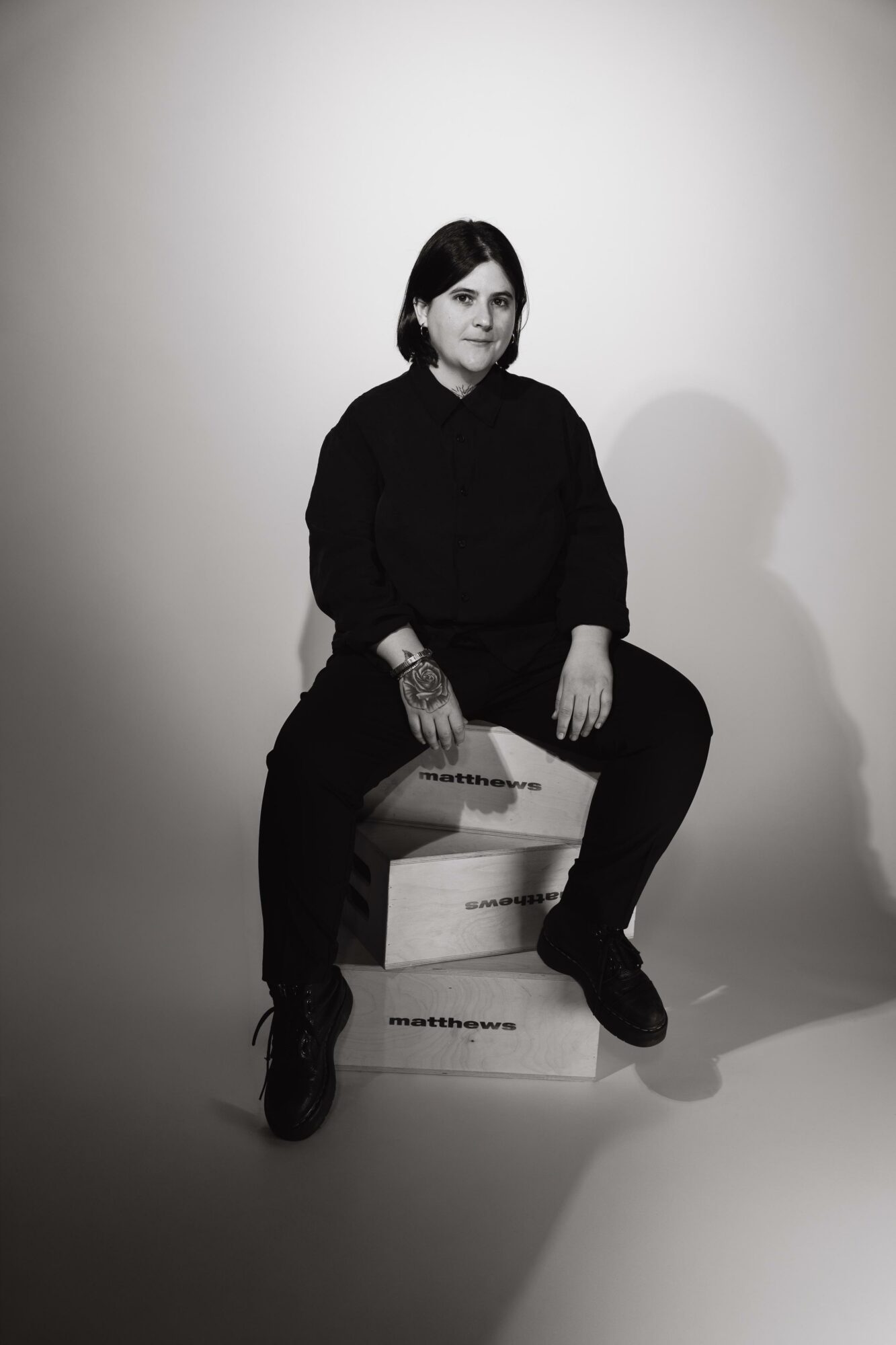
Today we’d like to introduce you to Victoria Mussi.
Hi Victoria, please kick things off for us with an introduction to yourself and your story.
I’m originally from São Paulo, Brazil, where I started my career in the underground party scene. I worked as a producer while developing my audiovisual skills. From a young age, I have been fascinated by the relationship between sound, image, lighting and atmosphere, and particularly by the technical aspects behind the scenes and how immersive experiences are created.
When I moved to the United States to study, I had the opportunity to expand my practice within a more structured creative environment. I worked on the visual identity of spaces, technical setups, and scene development for exhibitions and events.
Today, I head up the audiovisual department at a creative production studio, where I collaborate with artists on art fairs, multidisciplinary events and artist residency programmes. These experiences have strengthened my ability to create immersive environments that connect sound, image and space.
Would you say it’s been a smooth road, and if not what are some of the biggest challenges you’ve faced along the way?
It hasn’t been an easy journey. As an immigrant, there are always challenges, particularly internal ones. Working in another country often made me question my abilities and feel as though I had to prove my worth repeatedly.
However, as I became more involved in the audiovisual scene and collaborated with other artists, my perspective began to shift. I realised that there is a strong sense of support within the emerging creative community. Being surrounded by people who are also learning, experimenting, and forging their own paths has helped me to overcome feelings of inferiority and to have more confidence in my own process.
Moving to a new country was undoubtedly one of the biggest challenges, mainly due to the fear of not being understood or of not finding my place. At the same time, this experience ended up being one of the things that contributed most to my personal and creative growth.
I believe that curiosity and a constant desire to challenge myself have been the most important factors in my personal and professional growth. From a young age, I have always been curious to understand how things worked, so that I could adapt them artistically. I paid close attention to details such as lighting effects, sound quality when the radio was playing, how effects were created, and how different elements could transform an experience.
It was this need to explore, test and learn independently that led me to develop my creative and technical skills simultaneously. Without this curiosity and willingness to step outside my comfort zone, I don’t think many of the opportunities and paths I have built up to now would have been possible.
Appreciate you sharing that. What else should we know about what you do?
As a multidisciplinary artist, my work focuses on creating immersive audiovisual experiences that bring together sound, images, effects, lighting and space. I specialise in the technical and creative development of environments for exhibitions, events, and collaborative projects. I am most proud of my ability to transform abstract ideas into real, shared experiences and create atmospheres that evoke emotion.
I am part of a collective studio called SoMad, which supports and empowers artists and curators by providing physical, mental and digital spaces in which to create, develop and exhibit work. Within this context, I created the audiovisual elements for projects that helped build one of the largest digital archives of drag performance.
I am also involved in producing multidisciplinary events that bring together music, performance, audiovisual work and experimental art. These events create spaces for artistic expression, community and new forms of collaboration. I also contribute to the technical and creative development of artist residencies, working directly with artists to showcase their work at some of the world’s largest art fairs.
I’ve had the chance to work across a range of fairs and events over the past few years, starting with Felix Art Fair in Los Angeles, which was an important entry point for me into that ecosystem. From there, my work expanded into other international contexts like NADA New York, where I’ve directed audiovisual systems and helped shape how artworks are experienced by collectors and curators, and Milan Design Week at Alcova, where I developed the lighting design and photographic environment for visual artist David Aliperti’s Mother Tree.
More recently, I’ve been involved in projects connected to AIPAD and Upstate Art Weekend in New York, as well as festivals like MadWorld and MadPride, where I oversee technical direction and collaborate closely with artists on the spatial and sensory development of their work. Each of these contexts is very different, but what connects them for me is the opportunity to build the conditions that allow the work to exist.
I am very proud of my journey and of having left Brazil without knowing anyone and yet taking the risk of building a new life by following my beliefs. Today, I have the opportunity to work in my chosen field, collaborate with incredible artists, and continue to learn more and more about art, creative processes, and different forms of expression.
I’m not sure if there’s anything that sets me apart, but I believe that it is my curiosity and constant desire to challenge myself that have always led me to places of great growth, recognition, and new creative possibilities.
Do you have any memories from childhood that you can share with us?
One of my favourite childhood memories is being surrounded by cables, devices and connections and being completely absorbed in trying to understand how everything worked. I was fascinated by how signals travelled and how systems connected. I was also drawn to the idea that all of that could create something expressive or beautiful. It wasn’t just curiosity about technology. Perhaps it was an intuitive sense that an artistic language was hidden inside those structures.
The adults (parents, family) around me didn’t always see it that way at first, though. They thought it was more of an unusual fixation than a creative impulse. Over time, however, my parents began to recognise that this curiosity wasn’t random, but a way to combine experimentation with imagination. They supported me in exploring this, even though it didn’t fit the conventional idea of what it meant to be “artistic” at the time.
Contact Info:
- Instagram: https://www.instagram.com/victoriamussii/
- LinkedIn: https://www.linkedin.com/in/victoriamussii/
- Other: https://somad.nyc/community/victoria-mussi
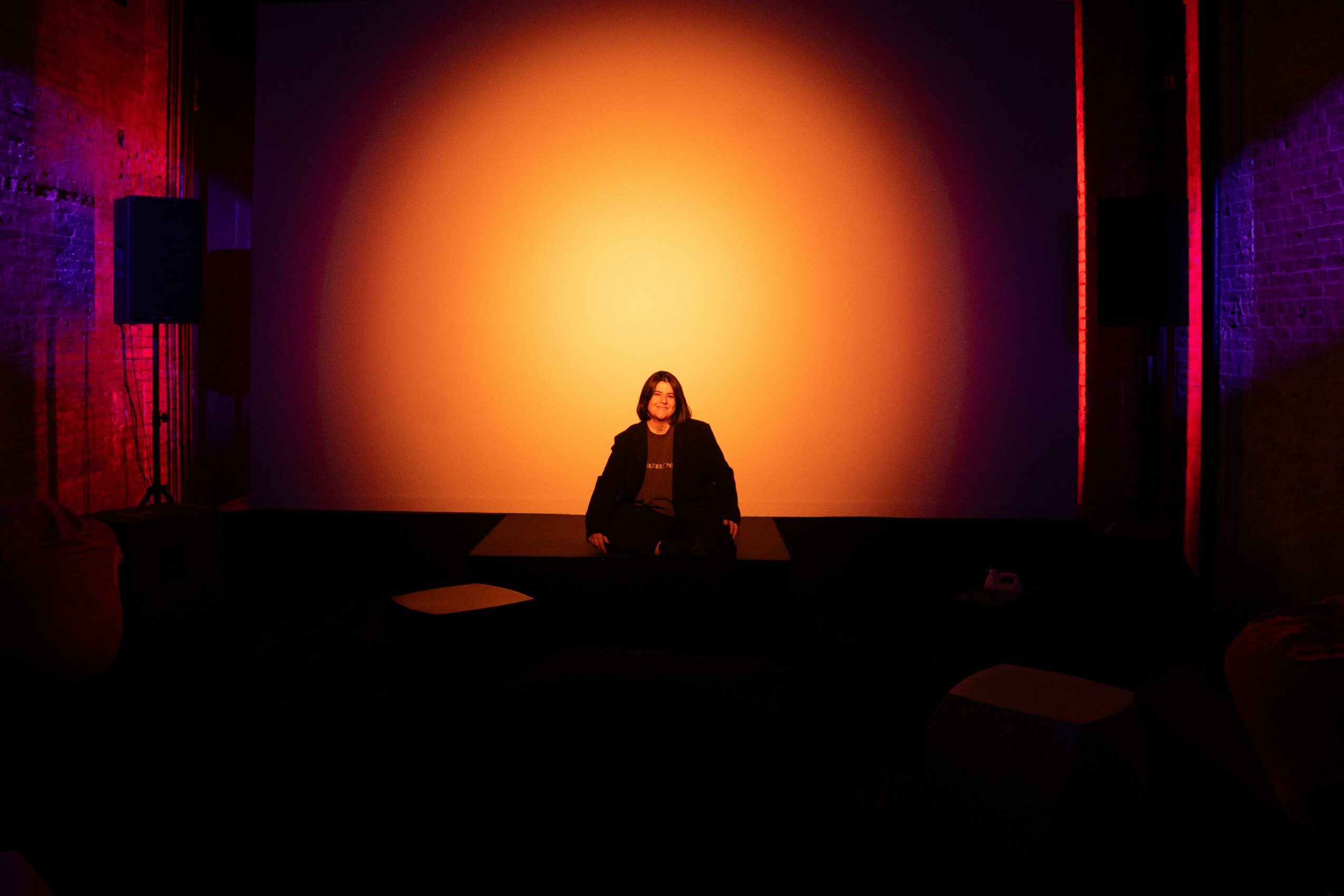
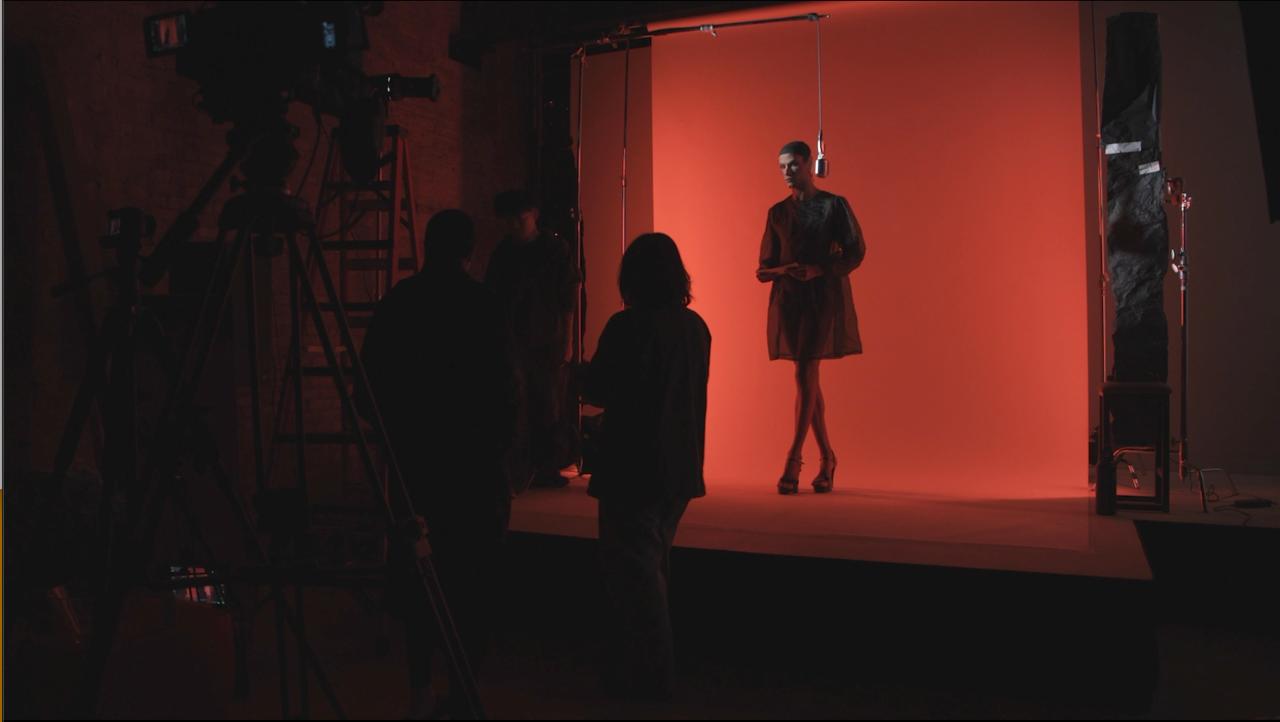
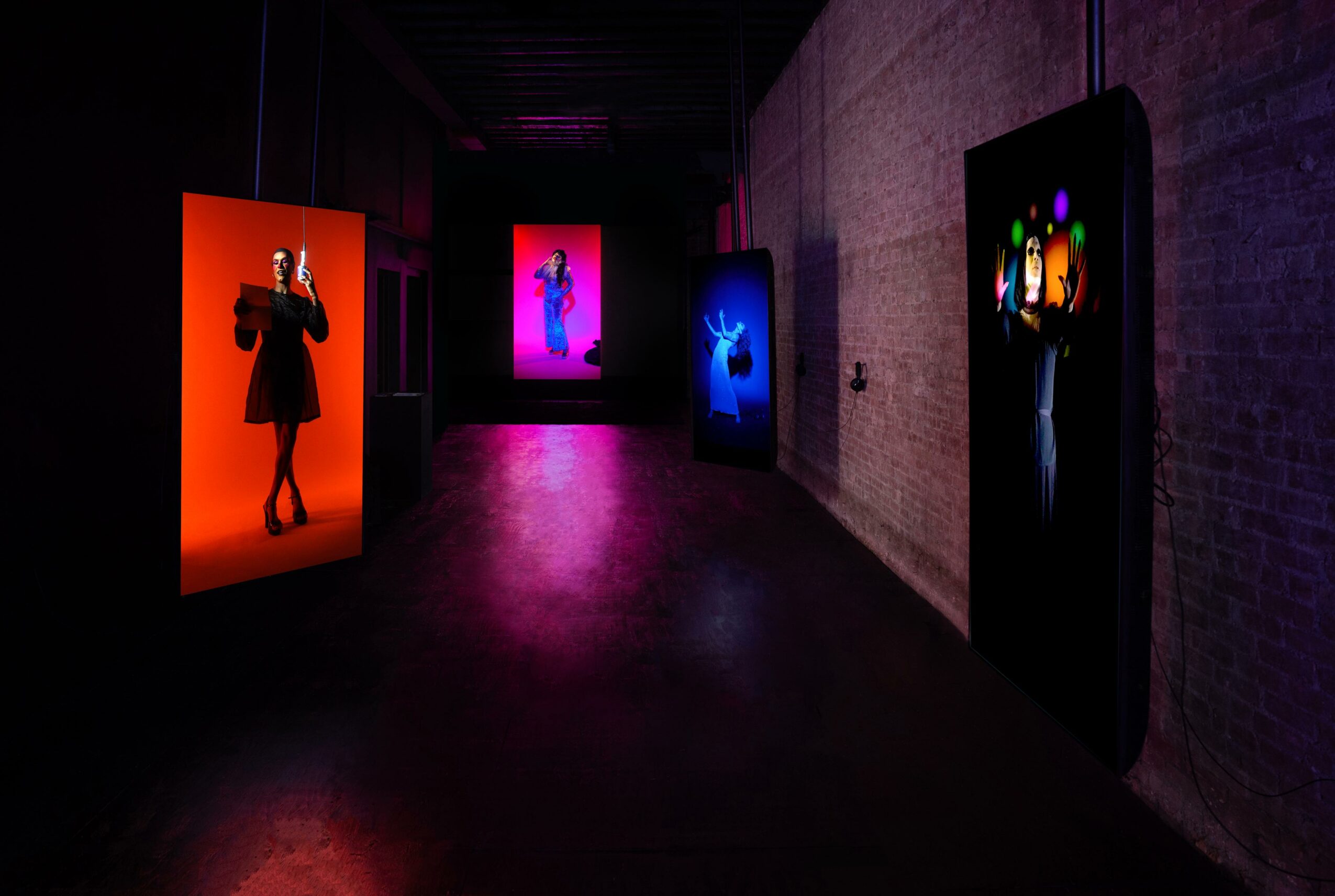
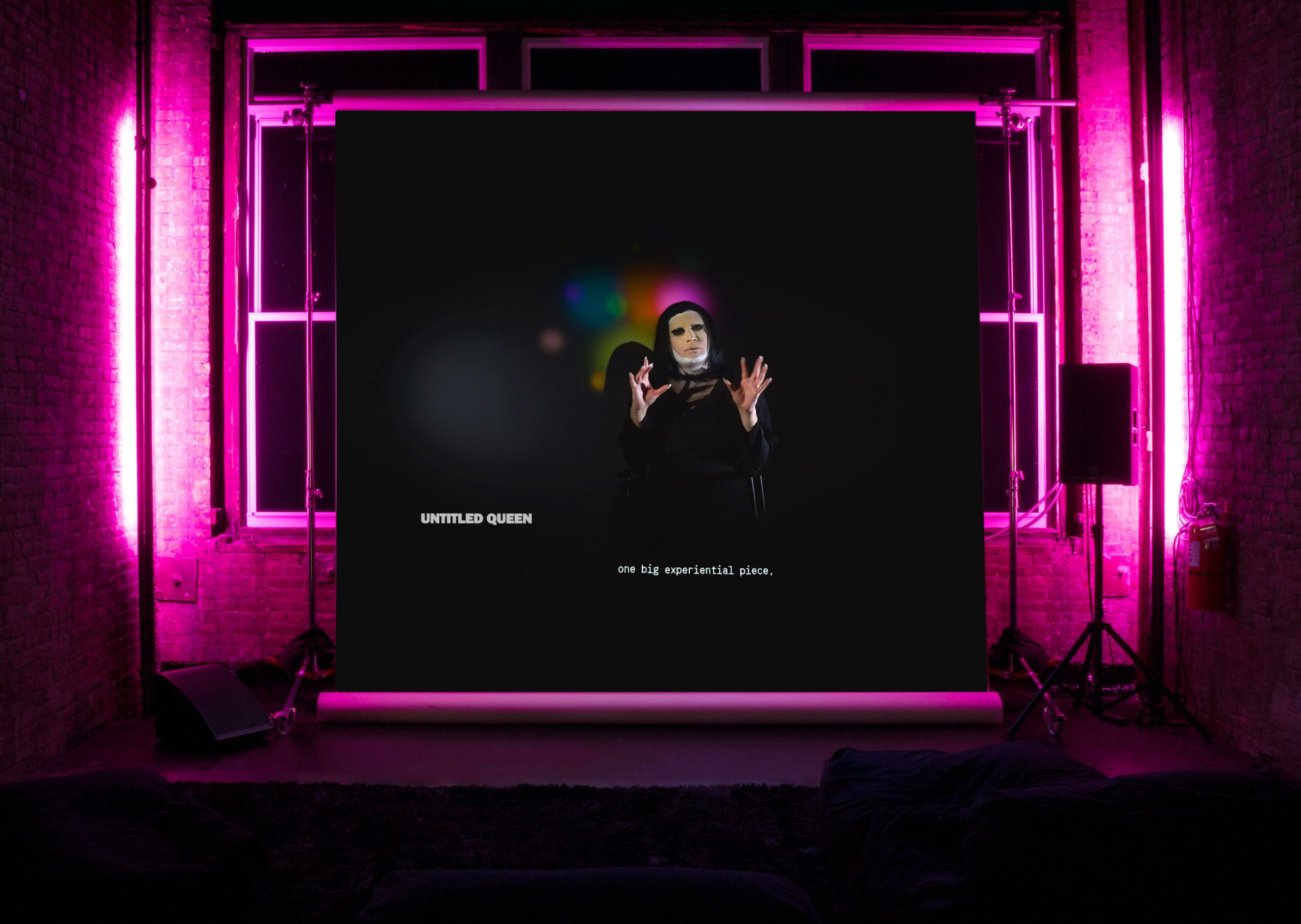
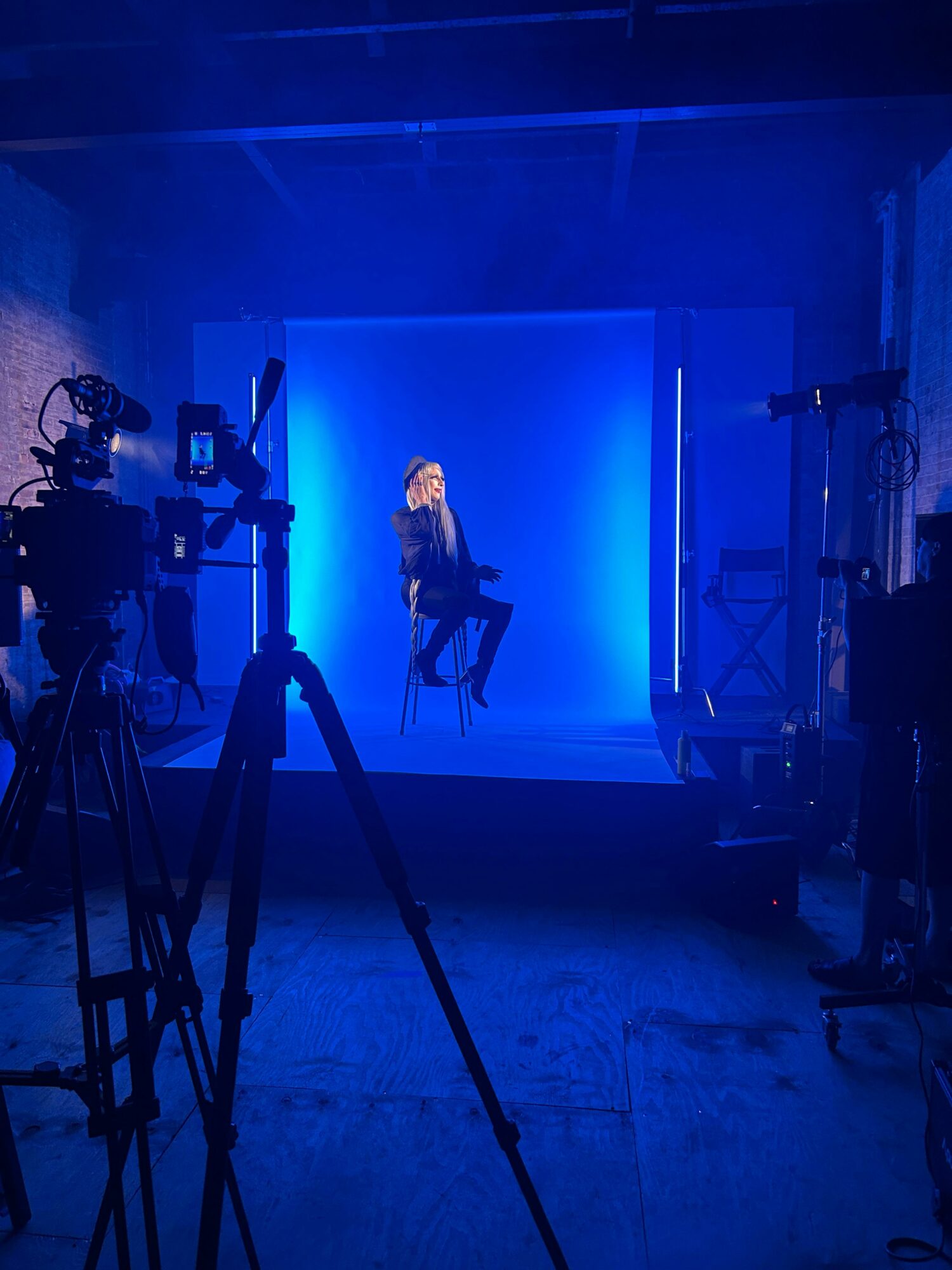
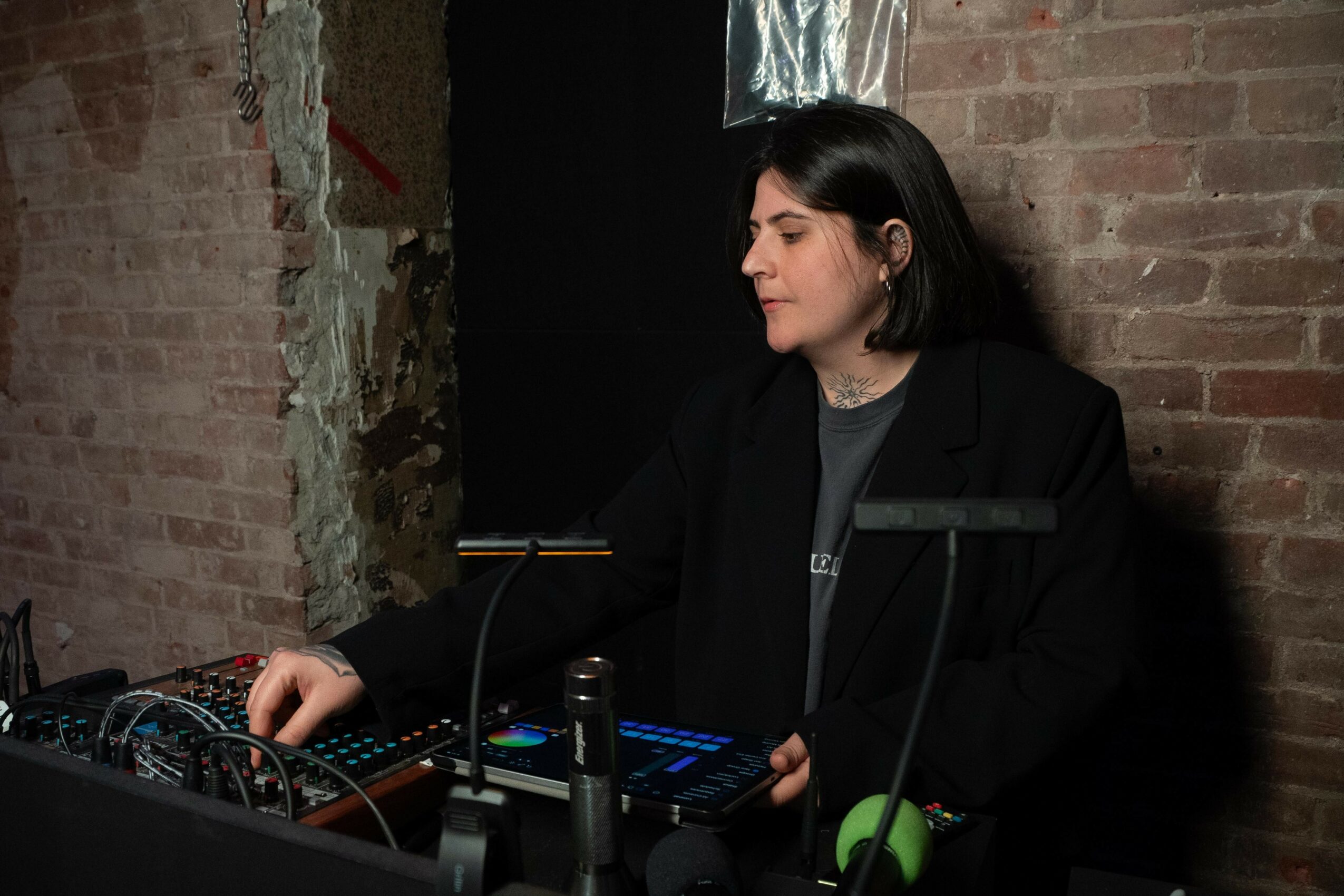
Image Credits
Photos: Amanda Suita/Amanda Guimaraes/Rachel Rampleman
Popular
-
Robin Olive on Building an Inclusive Performing Arts Movement and Expanding Opportunities for Every Student
-

Portraits of the Valley
-

LA’s Most Inspiring Stories
-

Que Johnson on Building Brands That Last: From Visibility to True Market Authority
-

Christina Wren Steps Into the Director’s Chair to Tell Stories That Feel Like Home
-

JordanL on ‘Breathe,’ Belief, and Building a Movement Beyond the Music


