




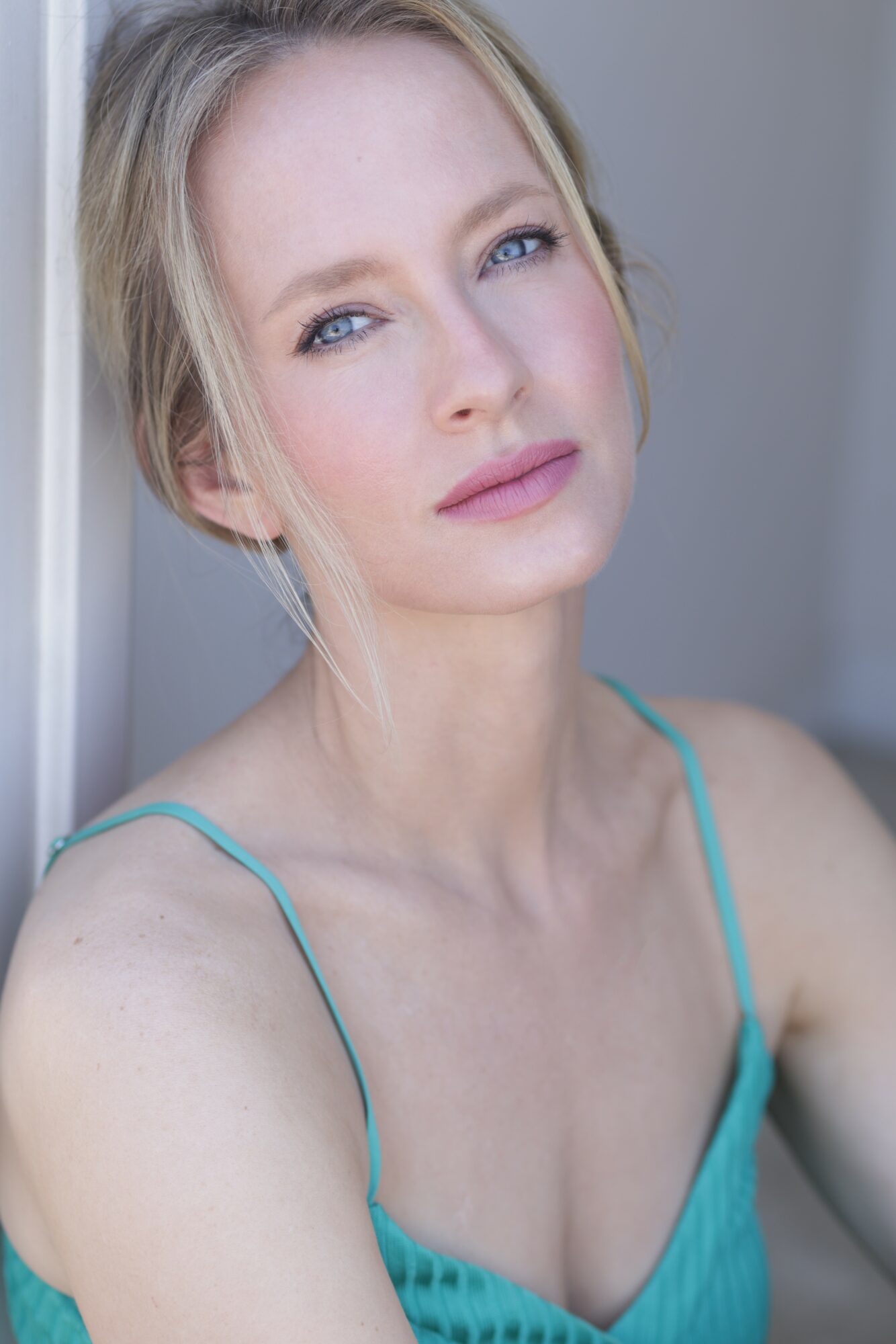
Today we’d like to introduce you to Cassie Kramer.
Hi Cassie, it’s an honor to have you on the platform. Thanks for taking the time to share your story with us – to start maybe you can share some of your backstory with our readers?
Absolutely. I started out in Chicago studying acting and improv at places like Second City, iO Theater, and several local acting studios before continuing my training at Royal Academy of Dramatic Art in London and several other programs over the years. Like a lot of actors, I came up believing that if I worked hard enough, trained enough, and kept auditioning, eventually the right opportunities would come. What I didn’t realize at the beginning was how important it is to create your own opportunities and cultivate your artistic community.
Weirdly, I found acting in large part because I had cancer in high school. I was somewhat emotionally repressed as a child. I rarely cried. I was an athlete. I wanted to be “tough,” even-keeled, and always be the one to keep the peace. I was disconnected from myself in a lot of ways. A therapist suggested I try an acting or improv class. What surprised me was that acting became the first place where emotions felt safe and welcome. It gave me a space where I could express big emotions without worrying about hurting anyone. In a strange way, acting became less about performing and more about reconnecting with myself.
For years, I focused almost entirely on being an actor. But as the industry evolved, I started realizing how creatively limiting it can feel to spend all your energy waiting to be chosen. Over time, I began making my own projects, and that shift changed my relationship to the work completely. Creating my own work has made me more confident not only as a filmmaker but also as an actor in auditions. There’s something empowering about learning to trust your own instincts and tell stories that matter to you instead of waiting for permission to participate.
What’s been even more rewarding is the community that has come out of it. Through making projects, I’ve found collaborators and friends who genuinely inspire me and push me creatively. My most recent short film, Hot Water, premiered at Overlook Film Festival this year, and that experience introduced me to even more filmmakers and artists I hope to with in the future. I think one of the best parts of filmmaking is realizing you’re not building things alone.
At the same time, I recently finished my Doctorate of Acupuncture after six and a half years of intensive study. Most people don’t realize how rigorous acupuncture school actually is, and honestly, neither did I. I don’t think I would have started had I known. Kidding (kind of). Pursuing that degree while continuing to act, audition, and make films was one of the hardest things I’ve ever done, but it also gave me a sense of stability and perspective. I knew I wanted a skill that would allow me to support myself long term while still giving me the freedom to take creative risks and invest in my own projects. I’m still deeply committed to acting and filmmaking, but having that foundation has changed the way I think about sustainability as an artist.
To me, storytelling and healing are more connected than they initially appear. Stories are how people process pain, uncertainty, joy, loneliness, hope, and identity. People turn to storytelling when they feel lost, when they need comfort, or when they want to feel understood. I’ve always loved what Joan Didion said: “We tell ourselves stories in order to live.” I think that applies not only to our internal psyche, but to society at large. Whether through acting, filmmaking, or eventually acupuncture, I think I’m ultimately interested in the same thing: helping people reconnect to themselves and to each other.
Would you say it’s been a smooth road, and if not what are some of the biggest challenges you’ve faced along the way?
Ha! I think anyone who tells your their road has been smooth should buy a lottery ticket immediately. Any creative journey is bumpy. There have been so many “almosts” in my career. So many times I booked and/or shot something that would have been life changing and the role was cut. Or times that I was on hold for jobs where it was between me and one other person that would have changed my career, and it was a “No.” There have also been times where I thought a project was going to be “the thing” that changed things for me, but I’ve found in talking to friends that usually there are about 10 “the things” before “the thing” actually happens, if ever. What all of those “almosts” have taught me is that none of it matters. The work matters. Your creativity matters. The story matters. Your soul matters. The rest of it you have to let go of.
Alright, so let’s switch gears a bit and talk business. What should we know about your work?
I’m an actor and filmmaker. So far, I’ve only acted, written, directed, produced, and attempted to do hair and special effects makeup. I’m hoping to add more to that list over the coming years. I think what sets me apart is my life experience, my work ethic, and my sense of humor. But I think life experience part is true for every artist. Everyone has a unique worldview that can and should be evident in their work. I studied Comparative Human Development in college, which is basically a combination of psychology, sociology, anthropology, etc. It focuses a lot on mental illness, evolution, childhood trauma, attachment theory, education, socioeconomic contributors to behavior, neuroscience, trauma, culture, race/class/gender systems, etc. At its core, it’s the study of what makes people who they are. What shapes their worldview. I used to regret not solely focusing on acting, but I think that line of study has made my approach to both acting and filmmaking both unique and versatile.
What would you say have been one of the most important lessons you’ve learned?
The most painful, but important lesson (that I’m still learning) is that it’s not personal and that, as my “close friend” Amy Poehler taught me in her book, you have to treat your career like a bad boyfriend. The most important lesson I’ve learned overall is that you have to create and cultivate your own community and network laterally, as my “close friend” Issa Rae taught me in something she wrote. That has been incredibly useful advice.
Contact Info:
- Website: https://www.imdb.com/name/nm3767067/
- Instagram: https://www.instagram.com/cassiek25/
- Twitter: https://x.com/cassie_k25?s=21
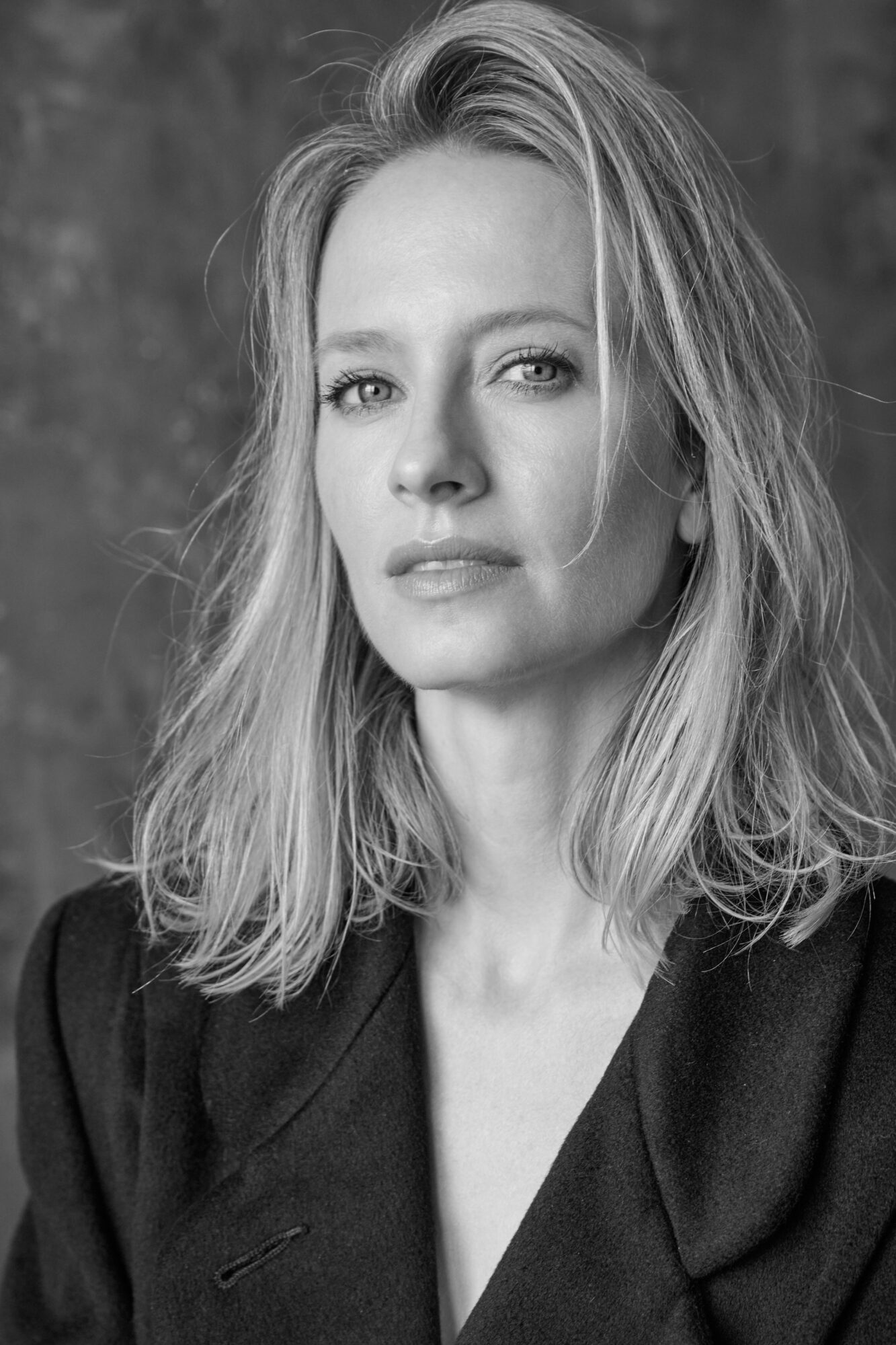
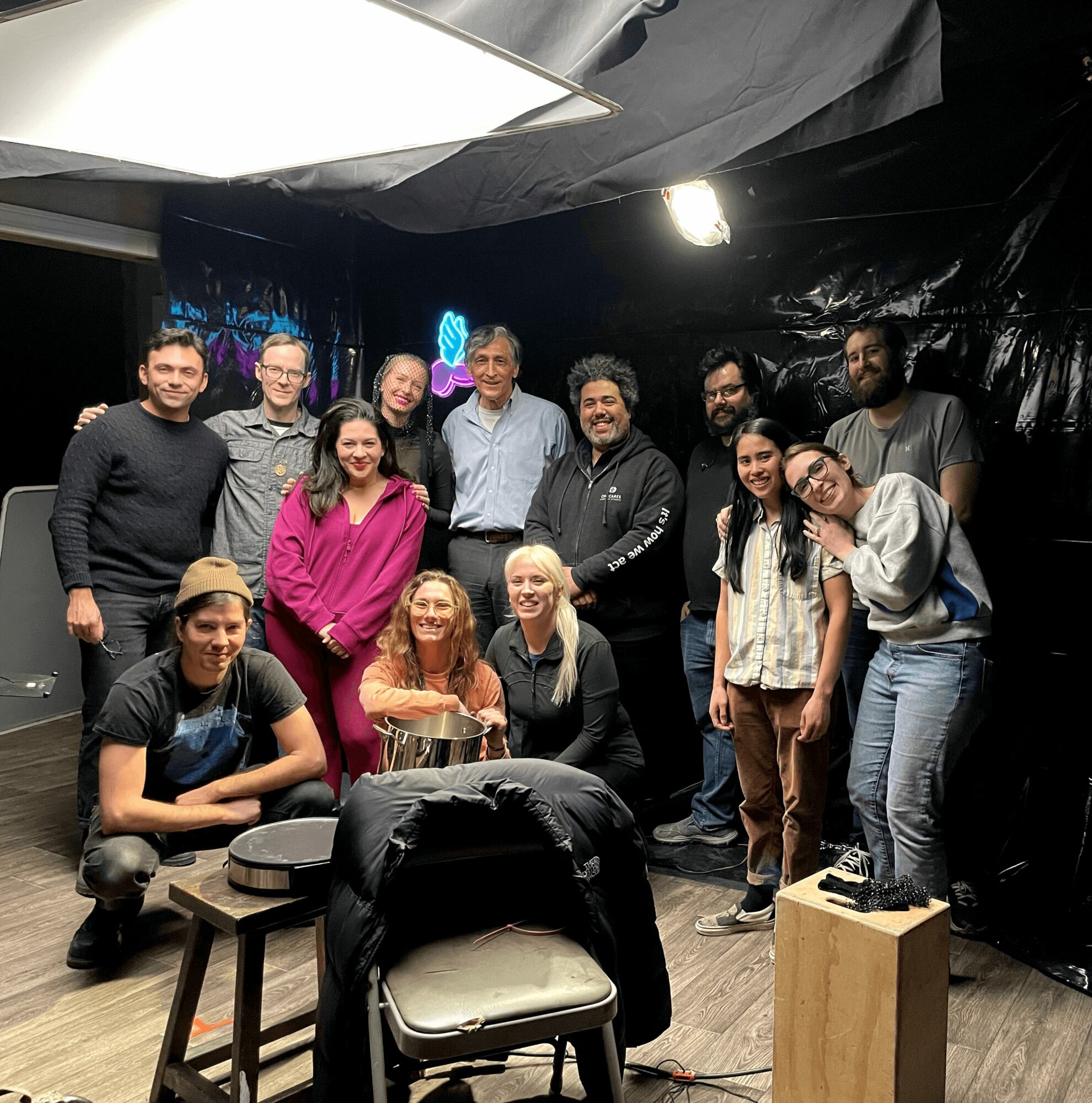
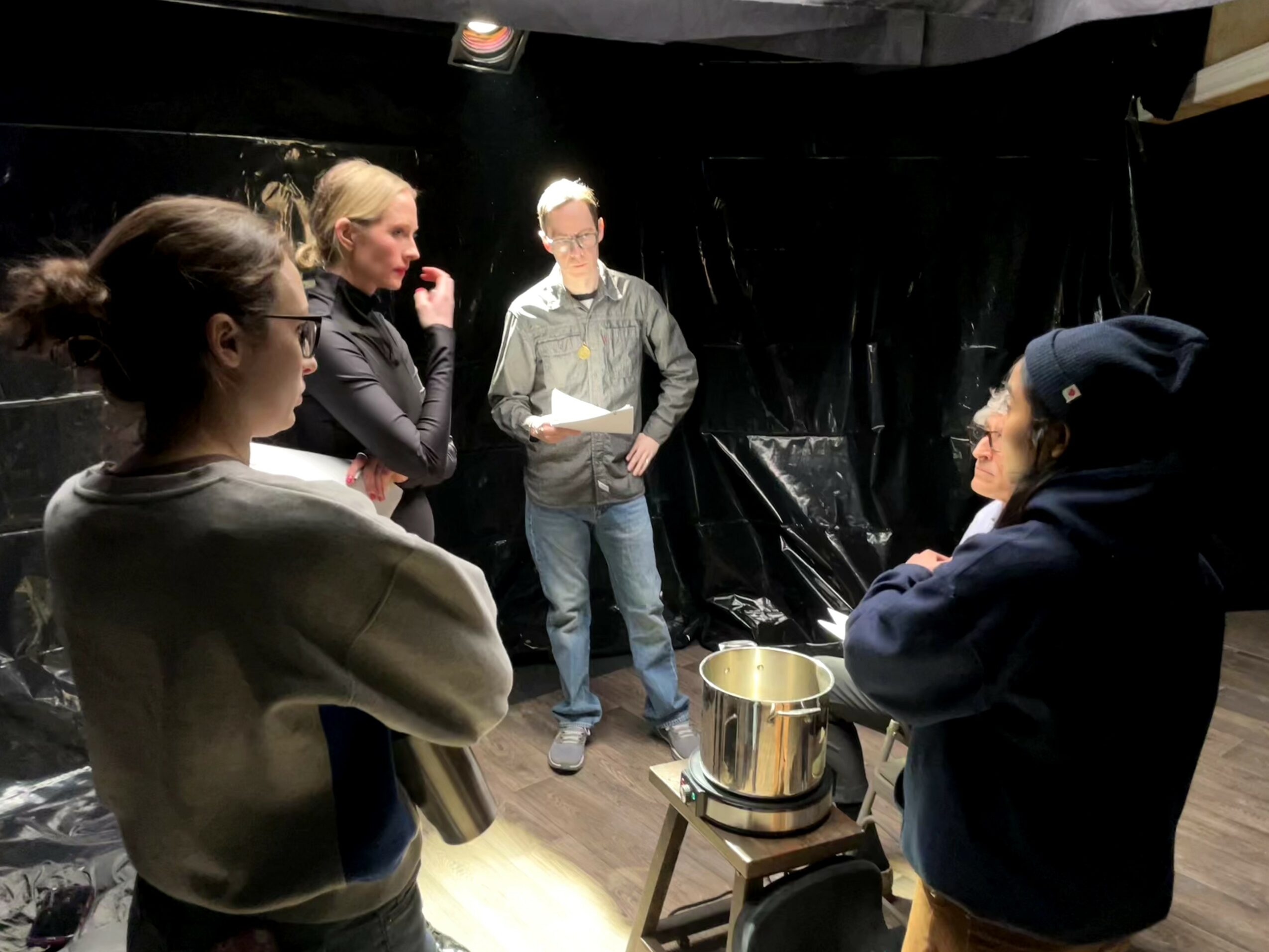
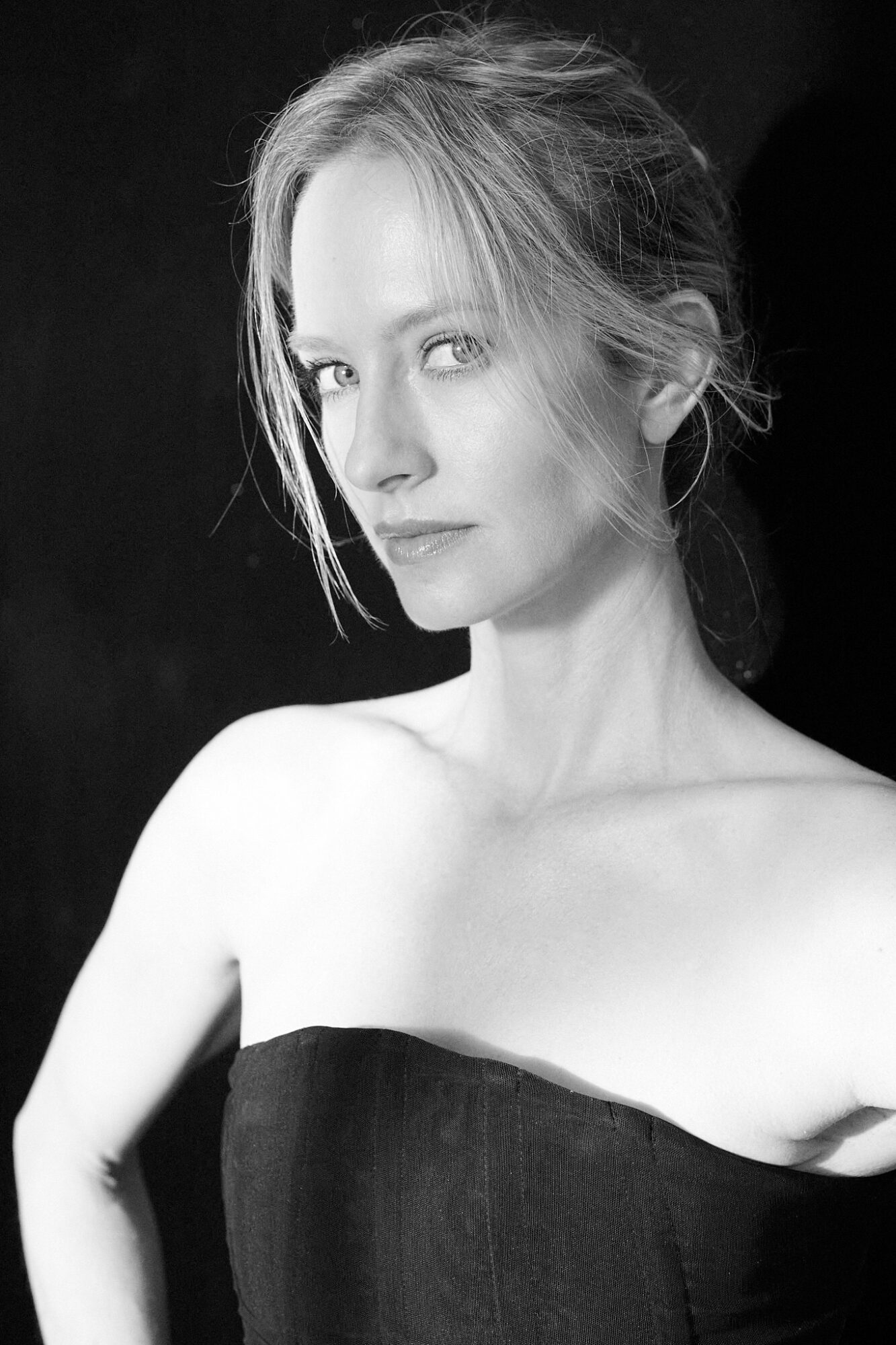
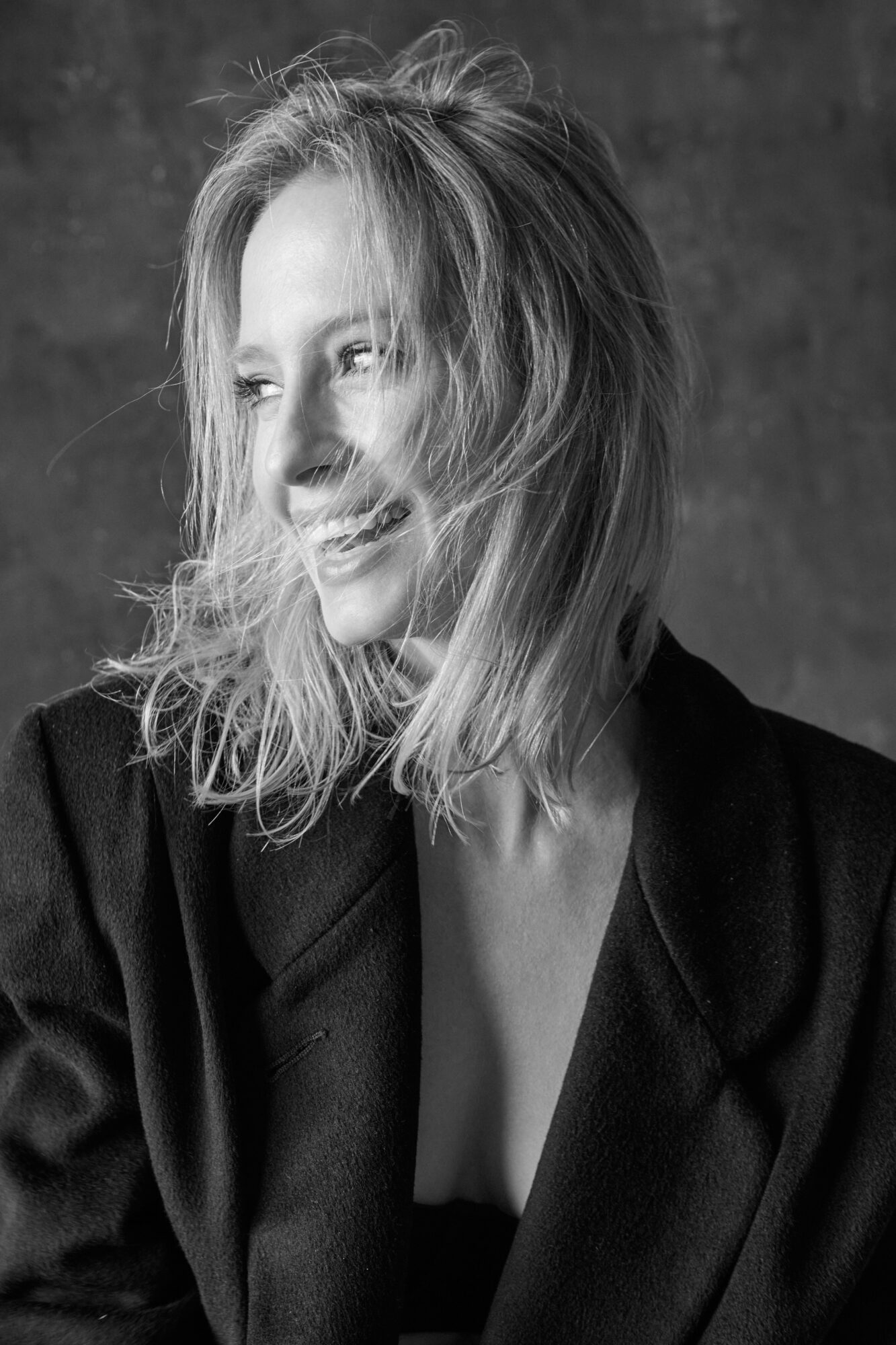
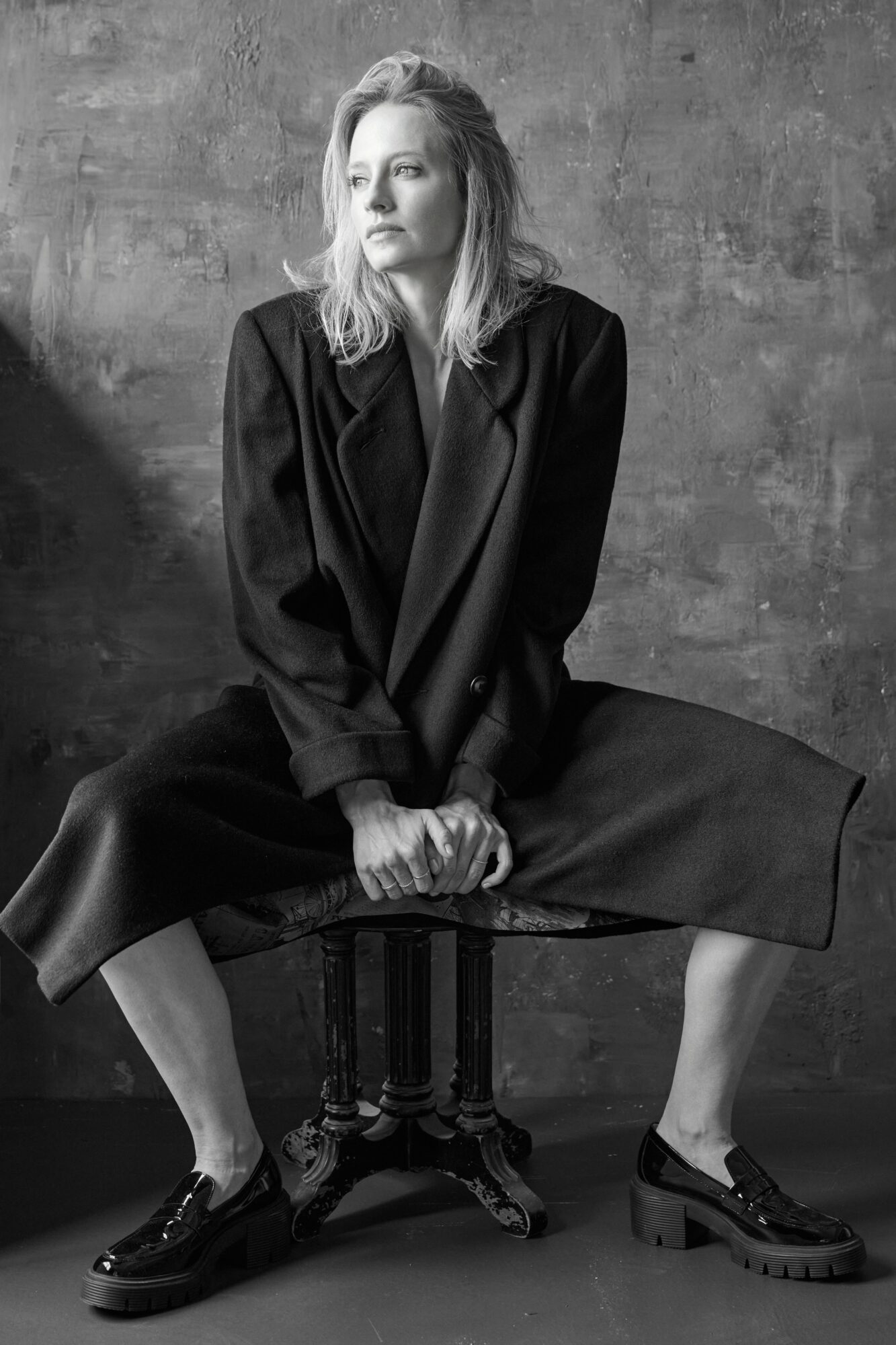
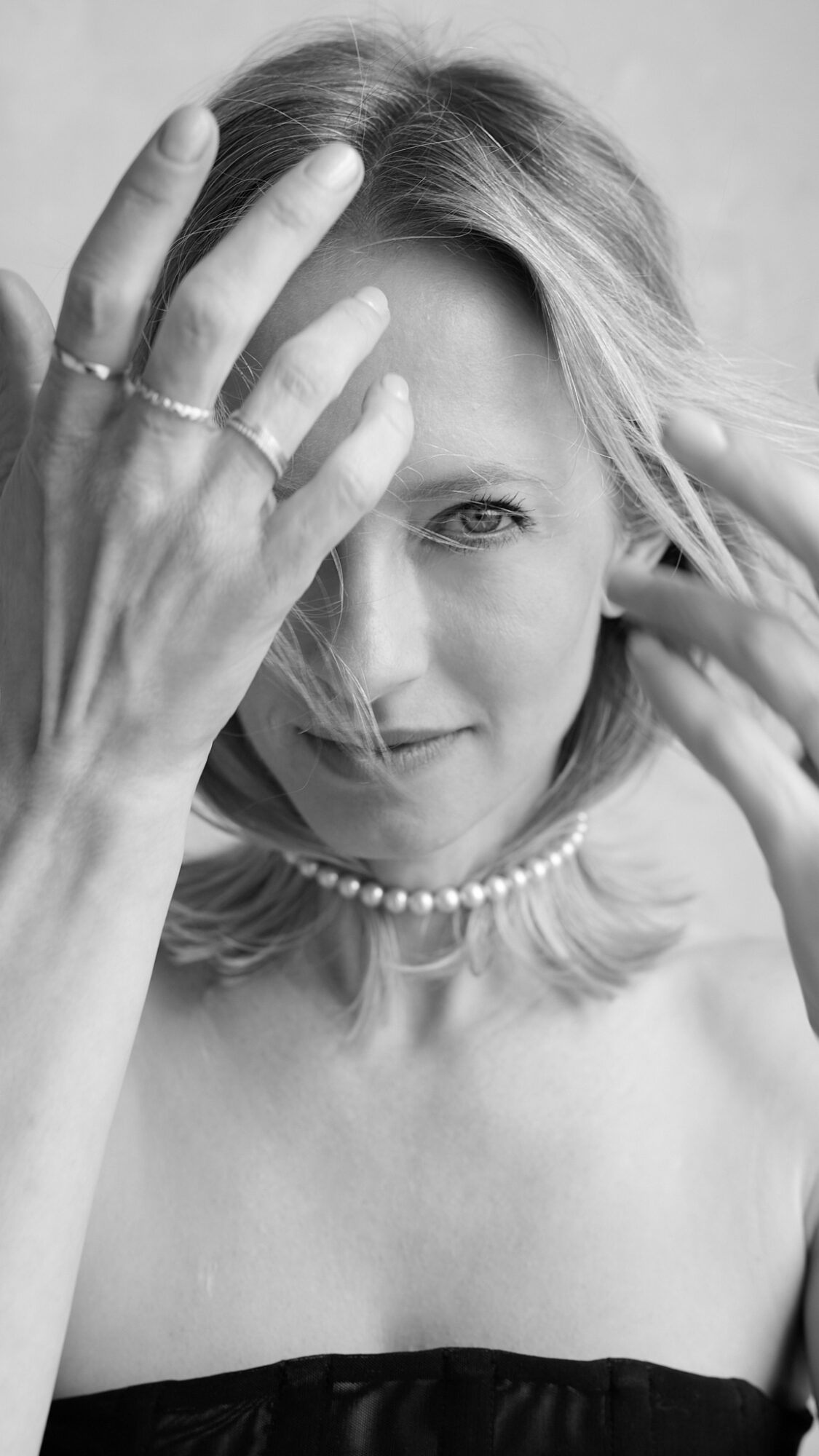
Image Credits
Janna Giacoppo, Gintas Zaranka
Popular
-

Robin Olive on Building an Inclusive Performing Arts Movement and Expanding Opportunities for Every Student
-

Portraits of the Valley
-

LA’s Most Inspiring Stories
-

Que Johnson on Building Brands That Last: From Visibility to True Market Authority
-

Christina Wren Steps Into the Director’s Chair to Tell Stories That Feel Like Home
-
JordanL on ‘Breathe,’ Belief, and Building a Movement Beyond the Music


