




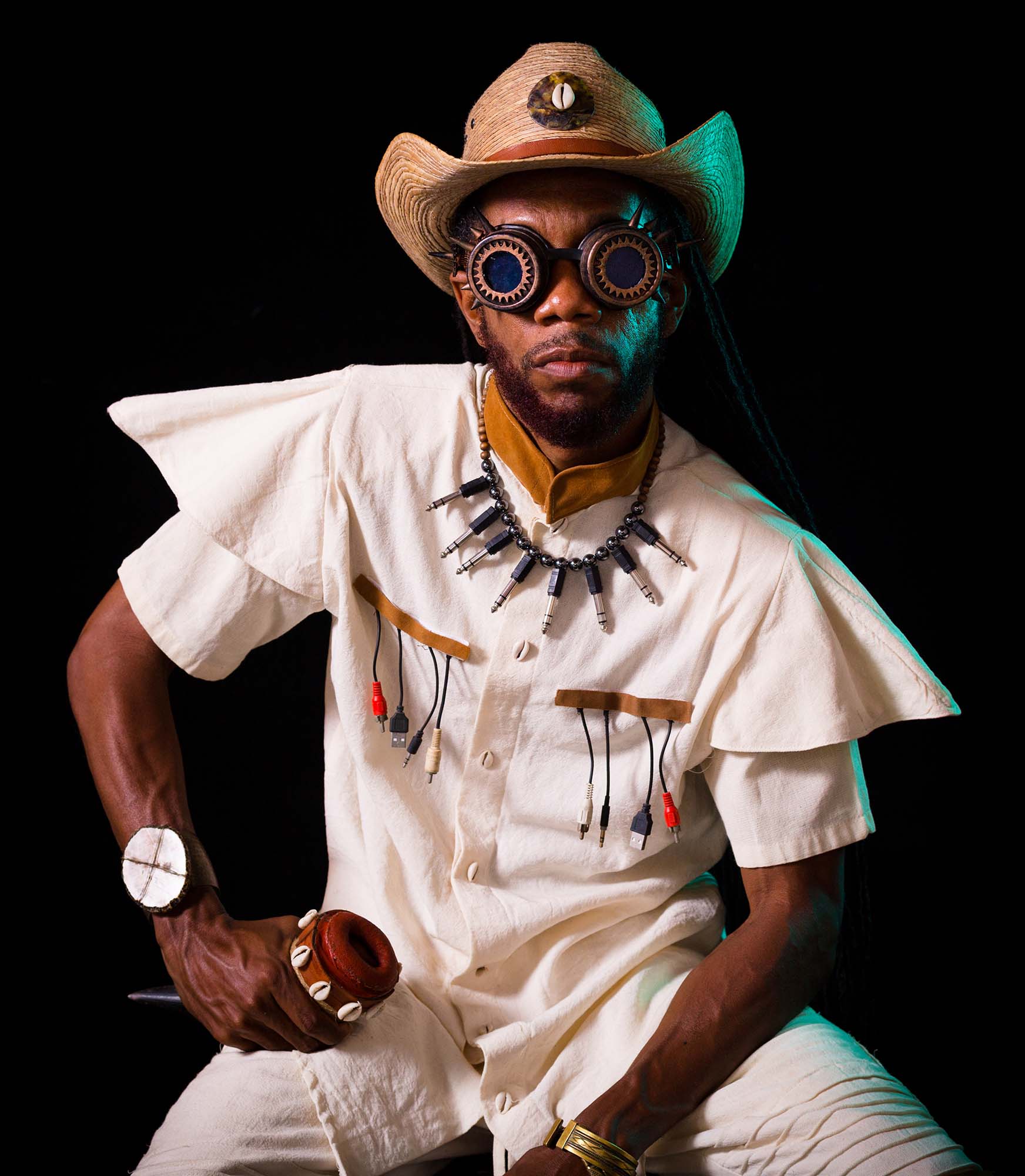
Today we’d like to introduce you to Inay Rodriguez.
Hi Inay, thanks for joining us today. We’d love for you to start by introducing yourself.
In an environment where an independent music industry practically did not exist in Cuba, DJ Jigüe—didn’t wait for the infrastructure to appear: he decided to build it himself.
Based in Havana, he began developing what is now Guámpara Music, a label that does more than just produce music; it redefines how Cuban artists can grow, circulate, and generate income outside of traditional channels. His starting point wasn’t capital, but rather his boots-on-the-ground knowledge: years spent as a DJ, MC, and cultural manager allowed him to spot a key opportunity—the lack of independent infrastructure for contemporary Cuban urban music.
This is how Guámpara was born: as a strategic response, but also as a statement. It is a platform that bridges Afro-Cuban identity, sonic experimentation, and a global vision—a label that understands that in today’s music business, creating isn’t enough; you have to position, narrate, and export.
However, Jigüe went beyond the classic label model.
He understood that in emerging markets—and especially in contexts like Cuba’s—sustainability depends on diversification. This led to his next move: Havana RPM, Cuba’s first vinyl festival.
What might seem like a nostalgic gesture is actually a strategic play. Havana RPM doesn’t just celebrate the vinyl format; it turns it into an economic and cultural platform. It is a space where collectors, DJs, labels, professionals, and new audiences converge, creating a micro-ecosystem where music is consumed, studied, and monetized.
The festival translates global trends—the vinyl resurgence, DJ culture, the value of physical media—to the local context, positioning Cuba within an international conversation that blends heritage with the marketplace.
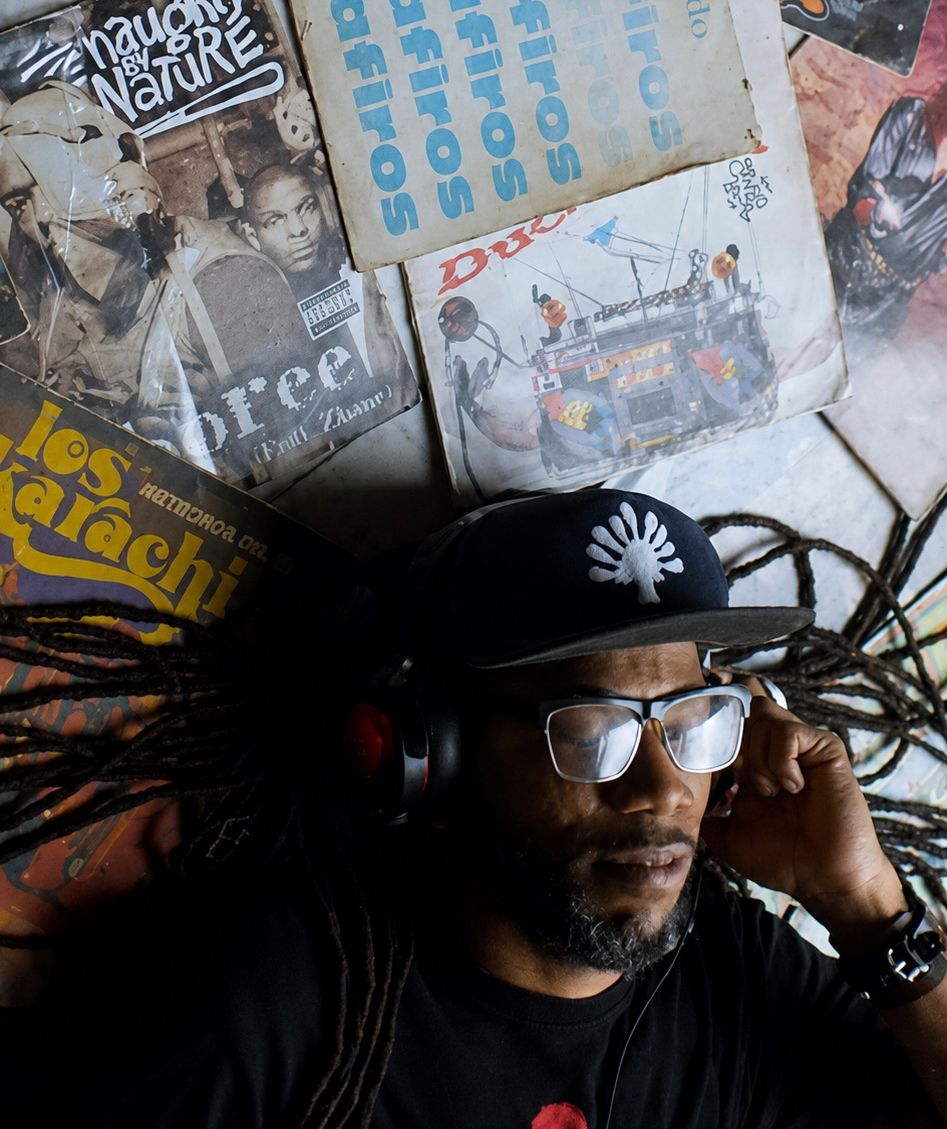
Added to this logic of diversification is another key business line: experiential music tourism. Jigüe created one of the top-rated Airbnb Experiences, where he uses vinyl as a narrative thread to guide guests through iconic moments in Cuban music, closely linked to the island’s various political contexts.
Far from being just a cultural activity, this experience functions as a strategically designed product: it combines storytelling, musical curation, and education for international audiences, generating direct revenue while positioning his personal brand and projects within the global cultural tourism market.
This model demonstrates how Jigüe has successfully capitalized on his artistic career to develop new business lines, integrating music, history, and experience into exportable and scalable formats. Instead of relying solely on music production, he has built a portfolio that connects the creative industry with tourism, thereby expanding both his income streams and his impact.
Today, Jigüe’s work represents something larger than just two projects. It is a blueprint for building an industry from scratch: creating platforms where none exist, connecting the local with the global, and transforming culture into opportunity.
In a constantly changing industry, his approach is clear: don’t wait for the system to work—design a new one.
Can you talk to us a bit about the challenges and lessons you’ve learned along the way. Looking back would you say it’s been easy or smooth in retrospect?
Building an ecosystem like DJ Jigüe’s—blending an independent label, a festival, and music tourism—within Cuba requires operating in an environment of immense structural complexity. The primary hurdles are not creative, but systemic.
1. Lack of Independent Industry Infrastructure
Cuba lacks a consolidated ecosystem for independent labels: there is a shortage of local distributors, clear legal frameworks for private cultural ventures, and seamless access to global platforms. This forces creators to design hybrid, and often informal, solutions to produce, distribute, and monetize music.
2. Financial Constraints and Access to Capital
Access to investment is extremely limited. Traditional mechanisms such as venture capital, accessible loans, or structured financing for creative industries do not exist. Consequently, projects like Guámpara Music or Havana RPM must grow organically, facing high risks and limited capacity for rapid scaling.
3. Technological and Connectivity Restrictions
While internet access has improved, it remains inconsistent and expensive. This directly impacts:
Digital distribution
International marketing
Platform management (streaming, ticketing, bookings)
In a business where digital presence is vital, these limitations hinder competitiveness.
4. Legal and Regulatory Complexity
The legal framework for independent initiatives is ambiguous and subject to change. Organizing events, managing international revenue, or collaborating with foreign entities can involve lengthy and uncertain bureaucratic processes.
6. Limited Domestic Market
Low local purchasing power makes it difficult to monetize cultural products or events domestically. As a result, models like Havana RPM or the Airbnb Experience rely heavily on international audiences.
7. Restricted International Mobility
Participation in global circuits—tours, trade fairs, and festivals—is essential for growth in the music industry. However, Cuban artists and entrepreneurs face:
Difficulties obtaining visas
High travel costs
Planning uncertainty
This limits networking opportunities and global expansion. The primary challenge is not creating the project, but sustaining and scaling it in an environment where nearly every aspect—funding, infrastructure, legality, and connectivity—requires alternative solutions.
This is precisely why the value of Jigüe’s model lies in his ability to turn constraints into innovation, designing a hybrid business that combines music, culture, and tourism to survive and thrive in one of the global industry’s most challenging contexts.
Appreciate you sharing that. What else should we know about what you do?
My work sits at the intersection of artistic creation and business development within the music industry. As a DJ and producer, I explore sonic narratives that connect contemporary Cuban music with its Afro roots and social context. Simultaneously, as the founder of Guámpara Music, I have built an independent platform for artist development, positioning, and export. I have also spearheaded initiatives such as Havana RPM, Cuba’s first vinyl festival, and music tourism experiences designed for international audiences. My approach combines artistic curation, storytelling, and the design of sustainable models that transform culture into economic value and global reach.
So maybe we end on discussing what matters most to you and why?
What matters most to me is creating opportunities where none exist, using music as a tool for connection, identity, and transformation. I am passionate about building bridges between the local and the global, amplifying authentic narratives, and developing models that allow artists to make a living from their craft. I also value creative independence, community building, and the ability to turn complex environments into platforms for cultural and economic innovation.
Contact Info:
- Instagram: https://www.instagram.com/dj.jigue/
- Facebook: https://www.facebook.com/jigue
- Youtube: https://www.youtube.com/watch?v=OxyEEMFedDs&list=PLPOMWFtAi_ZTkcLuLqy1jAlh9mJaNs9QV
- Soundcloud: https://soundcloud.com/djjigue
Popular
-

Portraits of the Valley
-

LA’s Most Inspiring Stories
-

Que Johnson on Building Brands That Last: From Visibility to True Market Authority
-

Christina Wren Steps Into the Director’s Chair to Tell Stories That Feel Like Home
-

JordanL on ‘Breathe,’ Belief, and Building a Movement Beyond the Music
-

Megan Birney Rudert on How Access to Light Is Powering a More Sustainable and Equitable Future


