




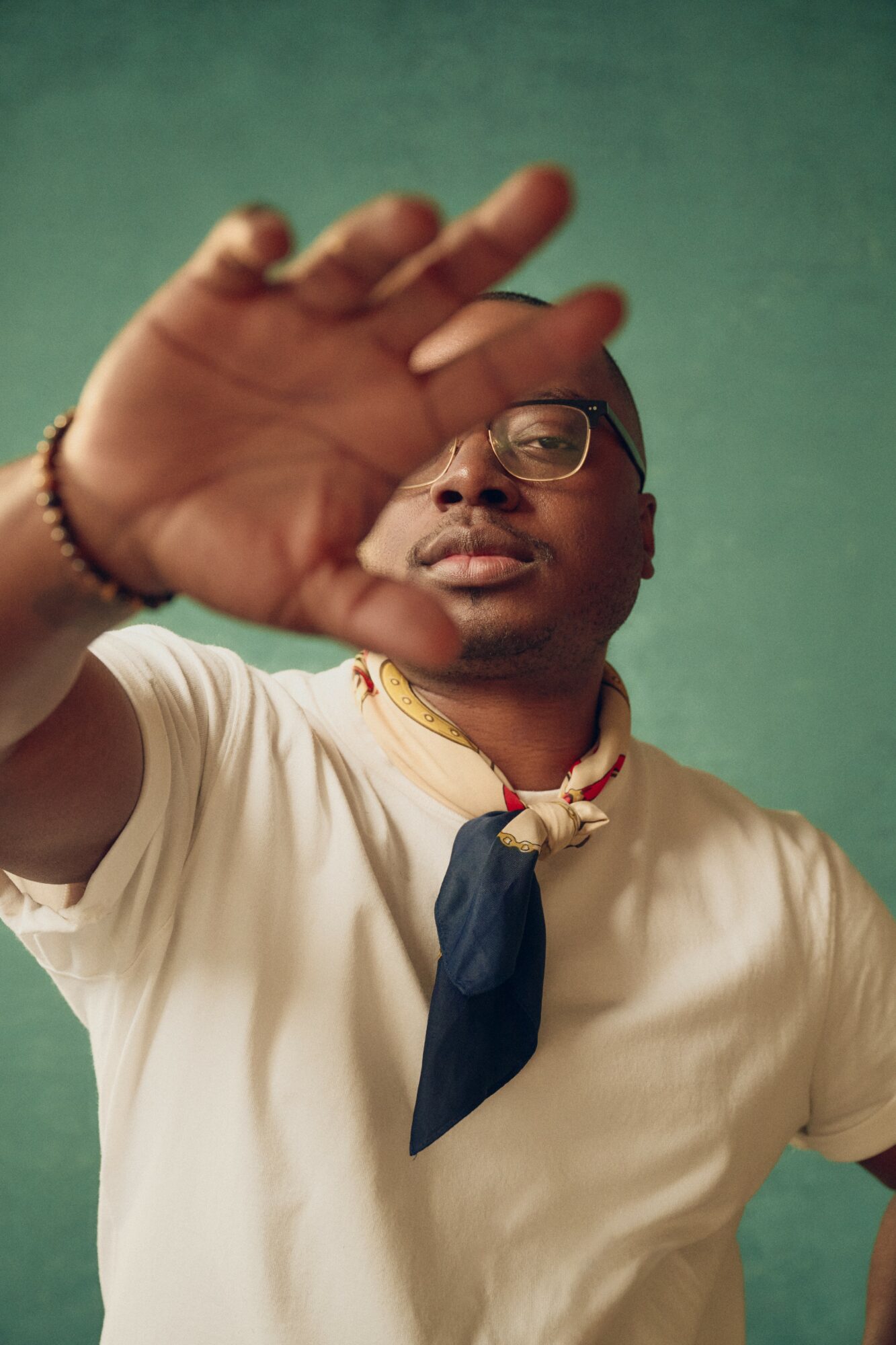
Today we’d like to introduce you to Troy Upperman.
Hi Troy, so excited to have you with us today. What can you tell us about your story?
I didn’t start out in photography; I actually come from a background in retail, brand and operations management. That experience shaped the way I approach my work today. I think not just about how something looks, but how it communicates, how it lives within a brand, and how it connects with an audience.
Photography became something deeper for me over time. I’ve always been drawn to the idea that there’s something worth noticing in everything, and the challenge is learning how to see it, shape it, and present it in a way that feels intentional. That mindset continues to guide my work, whether I’m shooting a portrait or a product.
Over the years, I’ve had the opportunity to work across fashion, beauty, and product, both independently and alongside other photographers as a photo assistant and lighting technician. Being on set in those different roles has been just as formative as shooting my own work. It’s given me a strong technical foundation, but also a deeper understanding of collaboration, pacing, and how great images actually come together at a high level.
The journey hasn’t been linear. Like most creatives, I’ve had to navigate rejection, self-doubt, and the constant pressure to evolve. But those moments have pushed me to refine my eye, strengthen my voice, and become more intentional about the kind of work I want to create and the clients I want to collaborate with.
I’m still building, still learning, and still pushing toward the next level, but I’m also super proud of the foundation I’ve created. At the end of the day, I want my work to feel considered, honest, and lasting. I want images that not only look beautiful, but hold meaning over time.
Alright, so let’s dig a little deeper into the story – has it been an easy path overall and if not, what were the challenges you’ve had to overcome?
It definitely hasn’t been a smooth road. One of the biggest challenges has been navigating the transition from passion to profession. You know, learning how to build a sustainable business around something that started as a creative outlet. Photography is only part of it. Understanding pricing, positioning, and how to communicate value has been just as important as developing my eye, but I’m still working at it!
Before photography, I was working in retail management, first in Atlanta and then in Raleigh. That experience gave me a strong foundation in operations and working with people, but making the shift into a creative career once I moved to Los Angeles came with a lot of uncertainty. Starting over in a new industry meant having to build both my skillset and my network from the ground up.
I also had to get comfortable working in supporting roles. Spending time as a photo assistant and lighting technician requires a shift in mindset, focusing on execution, precision, and contributing to a larger vision. In hindsight, those experiences are invaluable. They strengthen my technical foundation and give me a clearer understanding of what it takes to operate at a high level on set. The added bonus is that I get to hang out with some really incredible creatives that inspire me on an entirely new level.
Another ongoing challenge has been educating clients on the value of photography, especially when it comes to usage, licensing, and the full scope of what goes into creating strong imagery. Not every client sees that immediately, and early on, I had to learn that saying yes to everything isn’t always the right move. Over time, I’ve become more confident in setting boundaries, communicating clearly, and aligning myself with projects that respect both the creative and the business side of the work.
Like most creatives, I’ve also dealt with moments of self-doubt and rejection. But those experiences have pushed me to refine my perspective, stay consistent, and continue building with intention. Each of these challenges has shaped how I approach my work today. They’ve made me more disciplined, more aware, and more focused on creating work that not only looks strong, but holds value for both myself and the people I collaborate with.
Appreciate you sharing that. What else should we know about what you do?
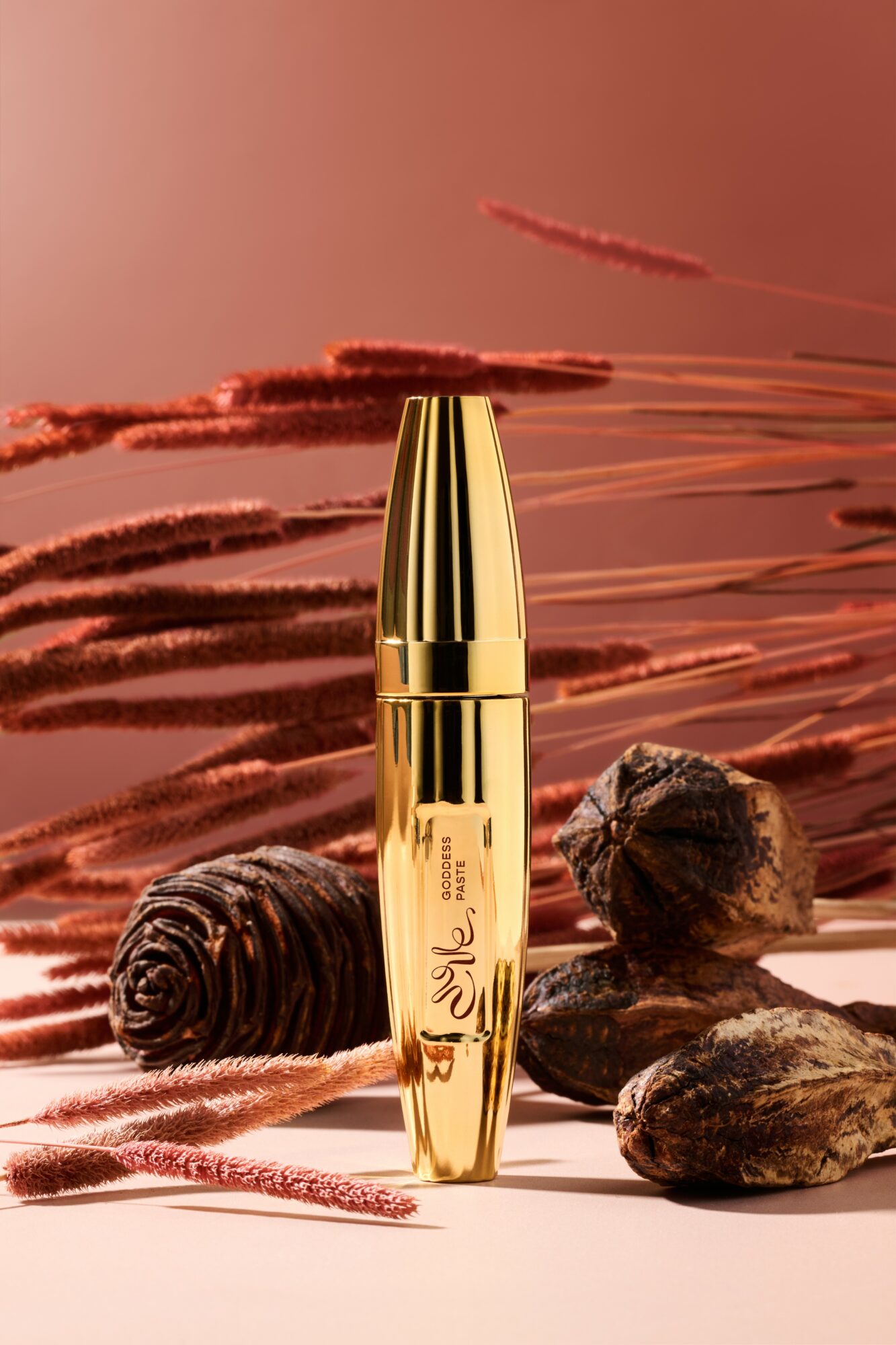
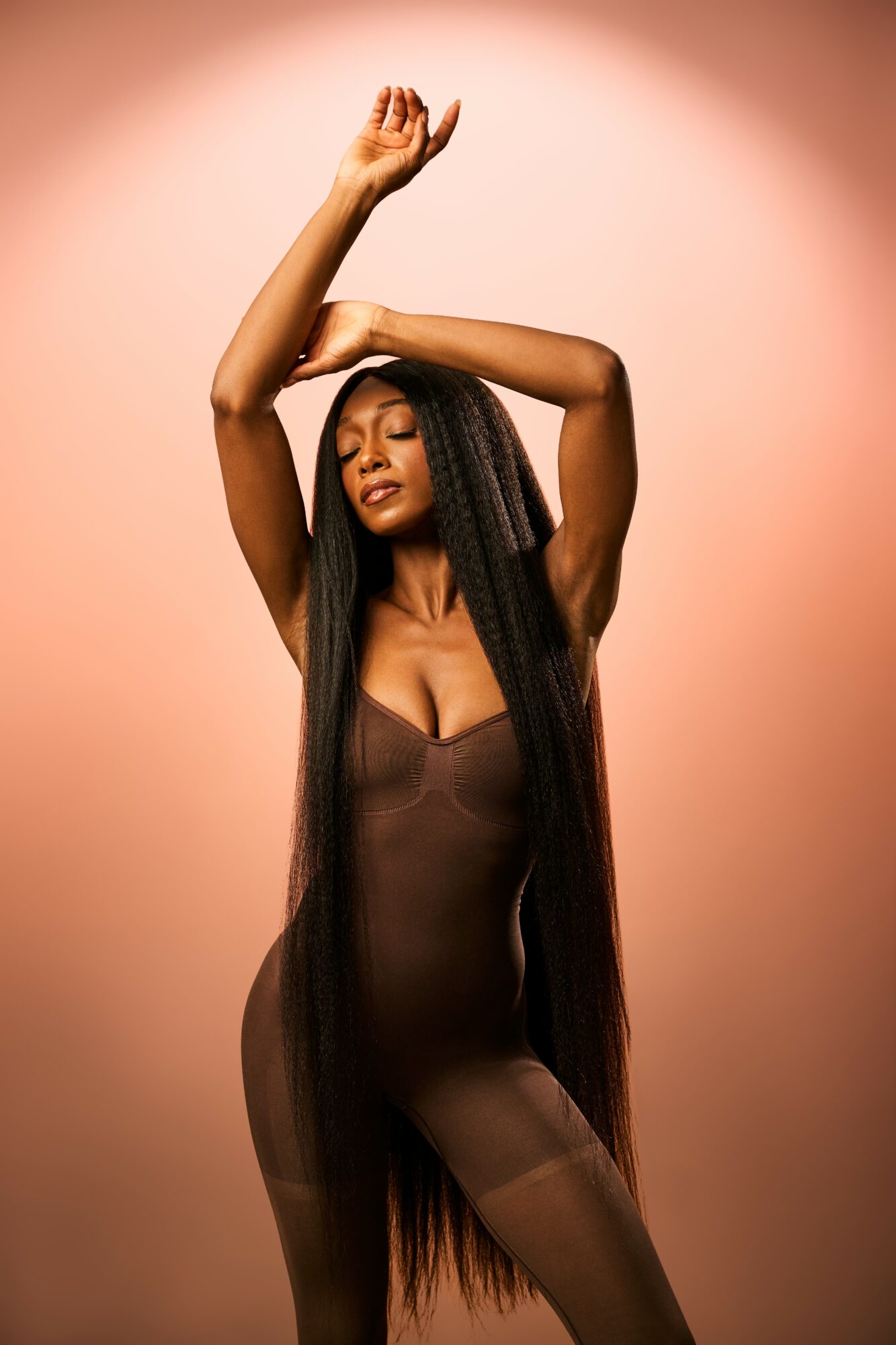
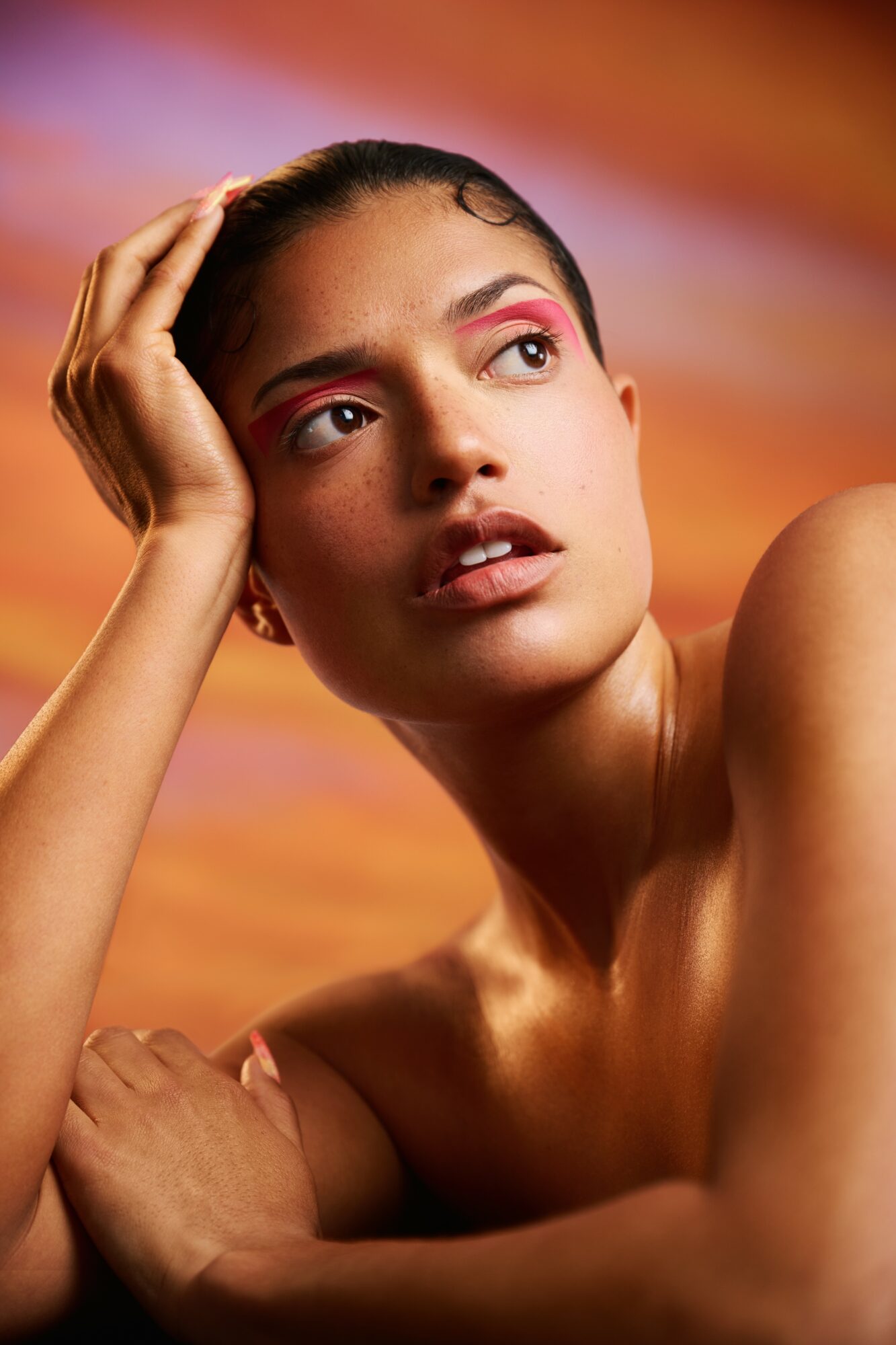
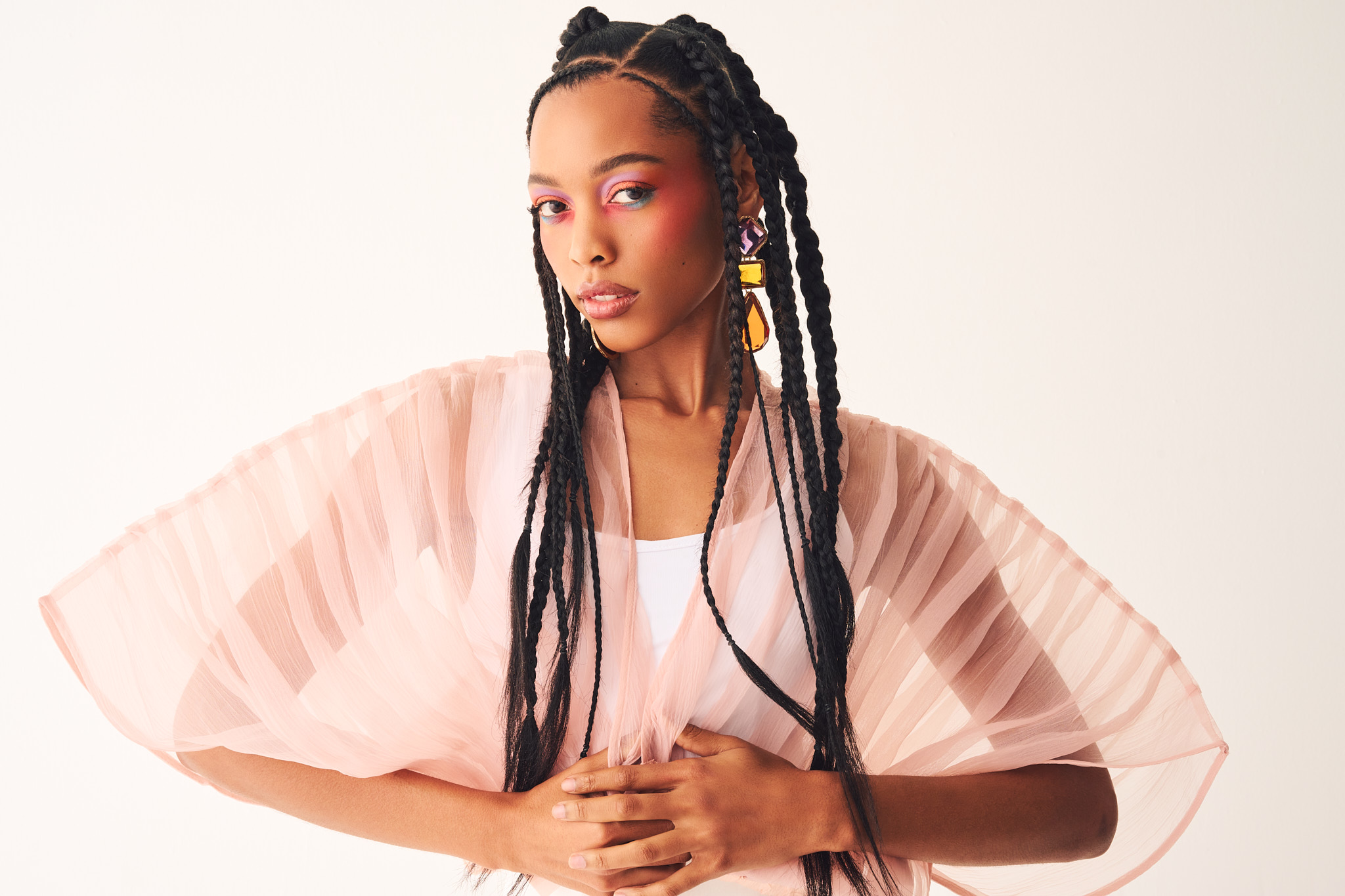
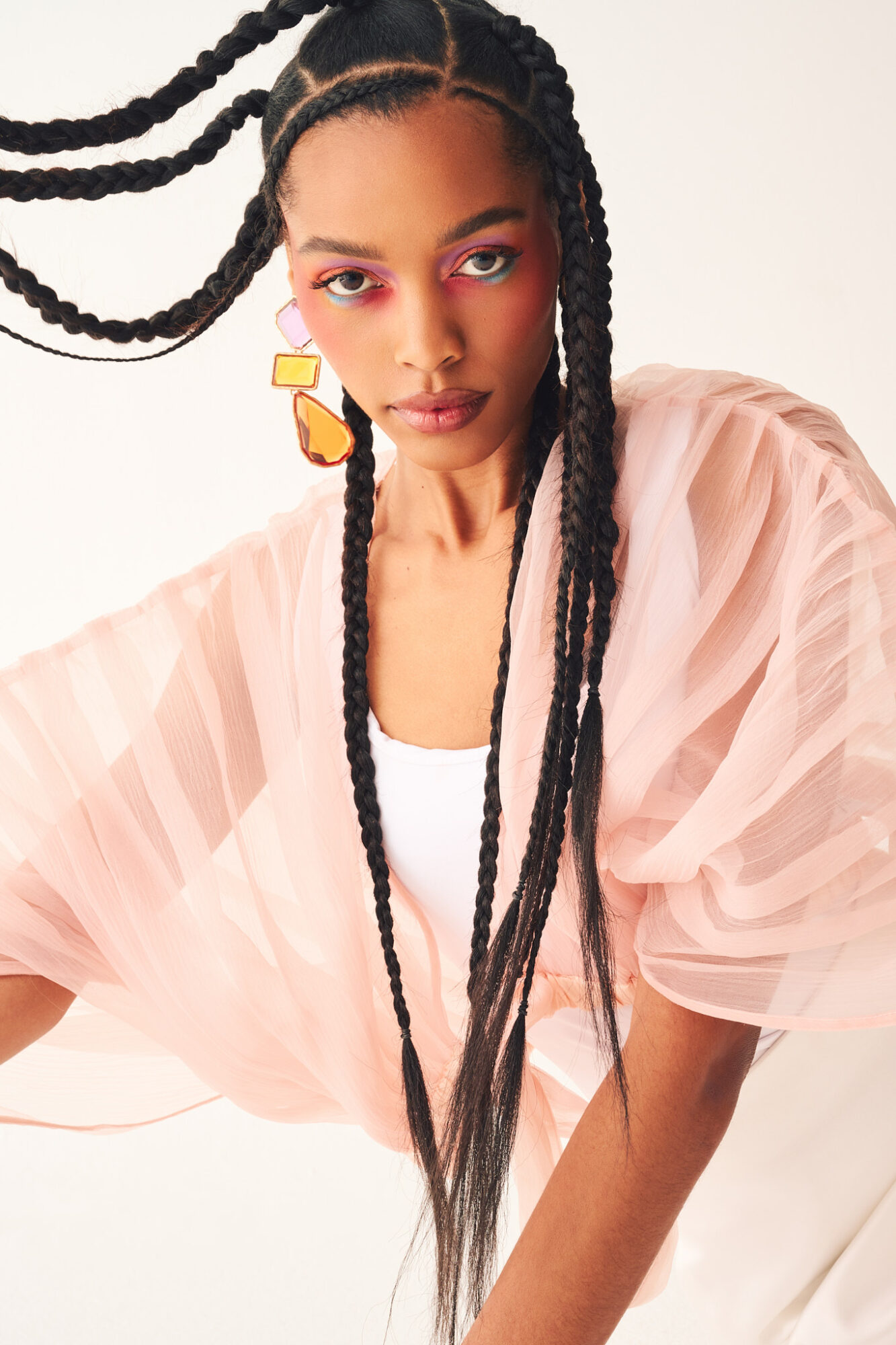
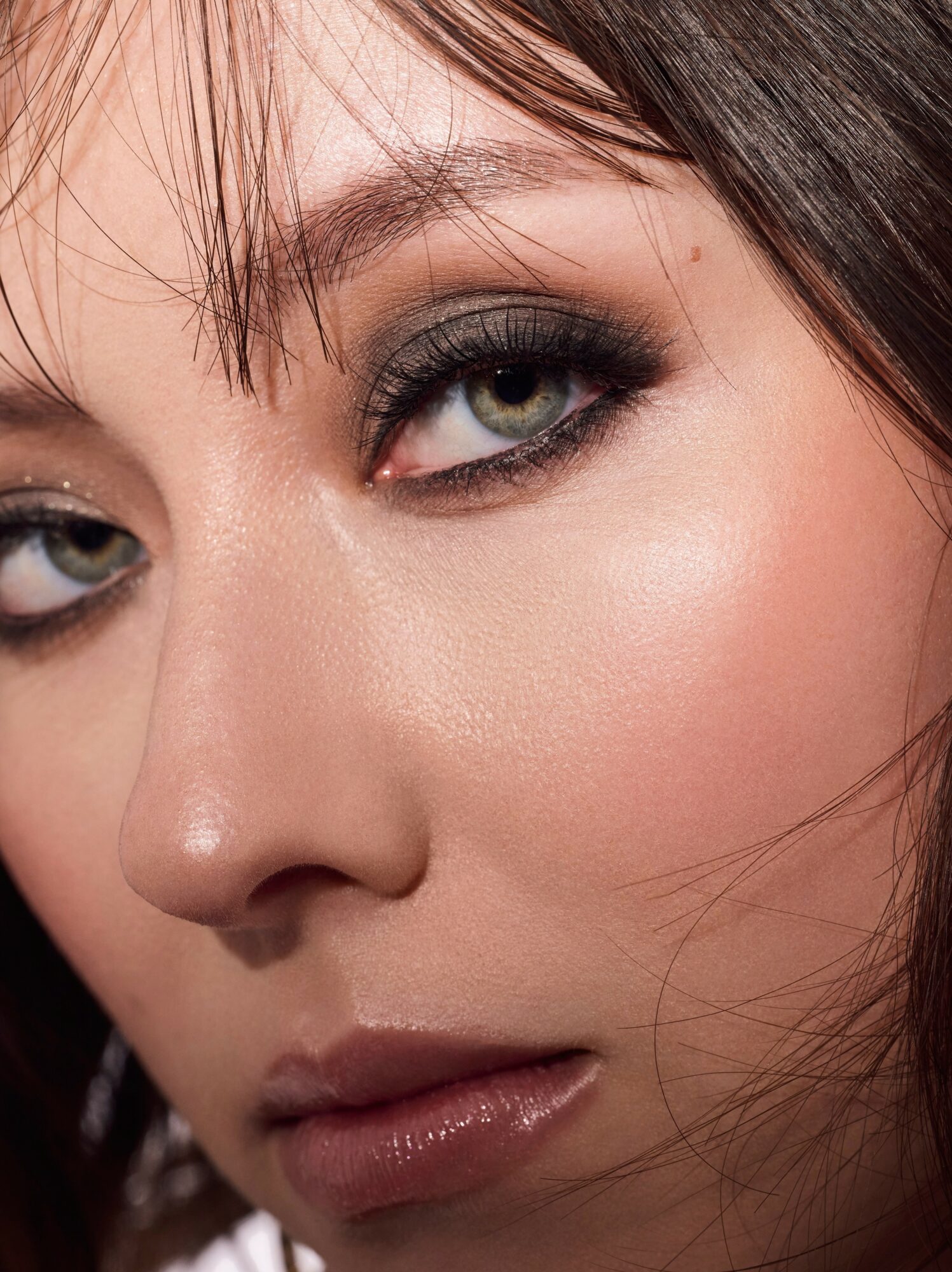
I’m a photographer specializing in fashion, beauty, and product, with a focus on creating imagery that feels intentional, refined, and visually precise. My work is rooted in how light, texture, and composition interact. I’m particularly drawn to clean, dimensional images where every detail feels considered without being overworked.
A big part of what I’m known for is my approach to lighting and skin. I aim to create images that feel polished but still natural—where the subject is elevated without losing authenticity. That balance is central to how I approach both people and product work.
One of the things I’m most proud of is seeing my work translate beyond the shoot and into real-world campaigns, including having an image featured on a billboard in Times Square. Moments like that are meaningful because they reflect both creative execution and trust from the client. What sets me apart is how I think about the full lifecycle of an image. Coming from a background in brand and operations, I approach photography with an understanding of how visuals function beyond aesthetics. I’m thinking about how the work will be used, how it supports a brand’s identity, and how it connects with an audience.
At its core, my work is about creating images that are not only visually strong, but purposeful. Images that hold up over time and serve a clear role within a larger story.
Do you have any advice for those looking to network or find a mentor?
Networking is a big part of this industry, but I think it’s most effective when it’s approached with genuine curiosity rather than just trying to get something out of it. People can feel the difference.
For me, what’s worked best is being consistent—showing up, meeting people, and staying connected over time. The more you put yourself in environments where other creatives are, the more familiar you become. That familiarity naturally turns into recognition, and over time, opportunities can grow from that.
I’ve also found that some of the most valuable connections don’t always necessarily come from formal mentorships, but from being around people who are operating at a high level. Working as a photo assistant and lighting technician gave me access to those environments, and I learned a lot simply by observing, asking questions when appropriate, and being reliable.
When it comes to mentorship, I also don’t think it always has to be one defined person. It can be a collection of people you learn from in different ways, whether that’s through direct conversations, being on set, or even studying someone’s work and approach. And honestly, sometimes it’s as simple as building real relationships. Especially in a city like Los Angeles, where it can be hard to form genuine connections, I’ve found that approaching networking with openness, not just professionally, but personally, has made the biggest difference. Some of the people I’ve met along the way have turned into real friendships, and that’s been just as valuable as any opportunity.
Contact Info:
- Website: https://uppermanphotography.com
- Instagram: https://instagram.com/upperman.photography
- Facebook: https://facebook.com/uppermanphotography/

Popular
-

Portraits of the Valley
-

LA’s Most Inspiring Stories
-

Que Johnson on Building Brands That Last: From Visibility to True Market Authority
-

Christina Wren Steps Into the Director’s Chair to Tell Stories That Feel Like Home
-

JordanL on ‘Breathe,’ Belief, and Building a Movement Beyond the Music
-

Megan Birney Rudert on How Access to Light Is Powering a More Sustainable and Equitable Future


