




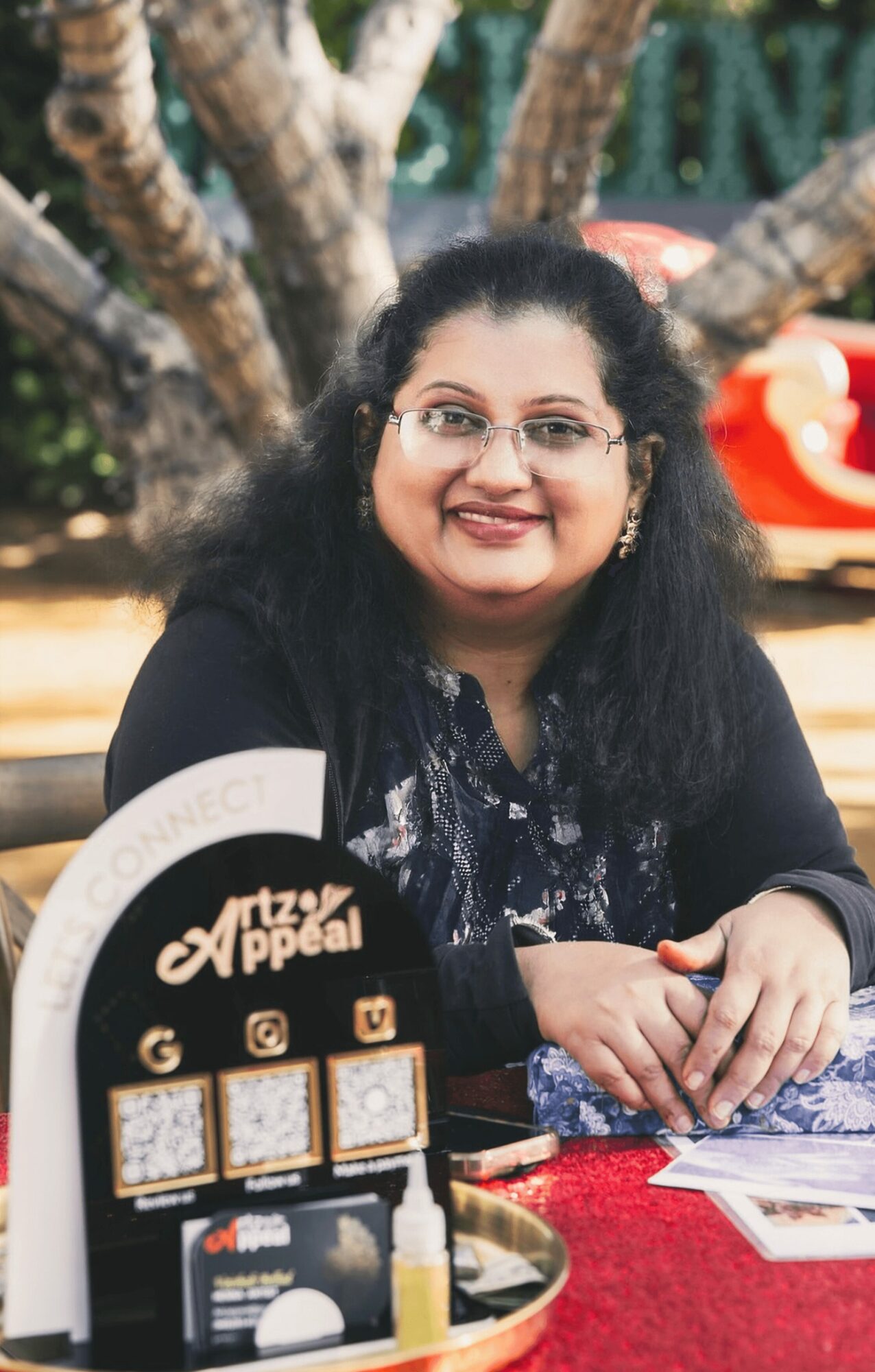
We’re looking forward to introducing you to Vaishali Bellad. Check out our conversation below.
Vaishali , we’re thrilled to have you with us today. Before we jump into your intro and the heart of the interview, let’s start with a bit of an ice breaker: What is a normal day like for you right now?
Every day begins with gratitude. I wake up to the California sunshine filtering through my windows, and that quiet moment reminds me how fortunate I am. I take a short walk, then start my morning with chai: a blend of masalas, spices, and tea that instantly transports me back to where my journey began in Maharashtra, India. That warmth and comfort ground me and set the tone for the day, both personally and creatively.
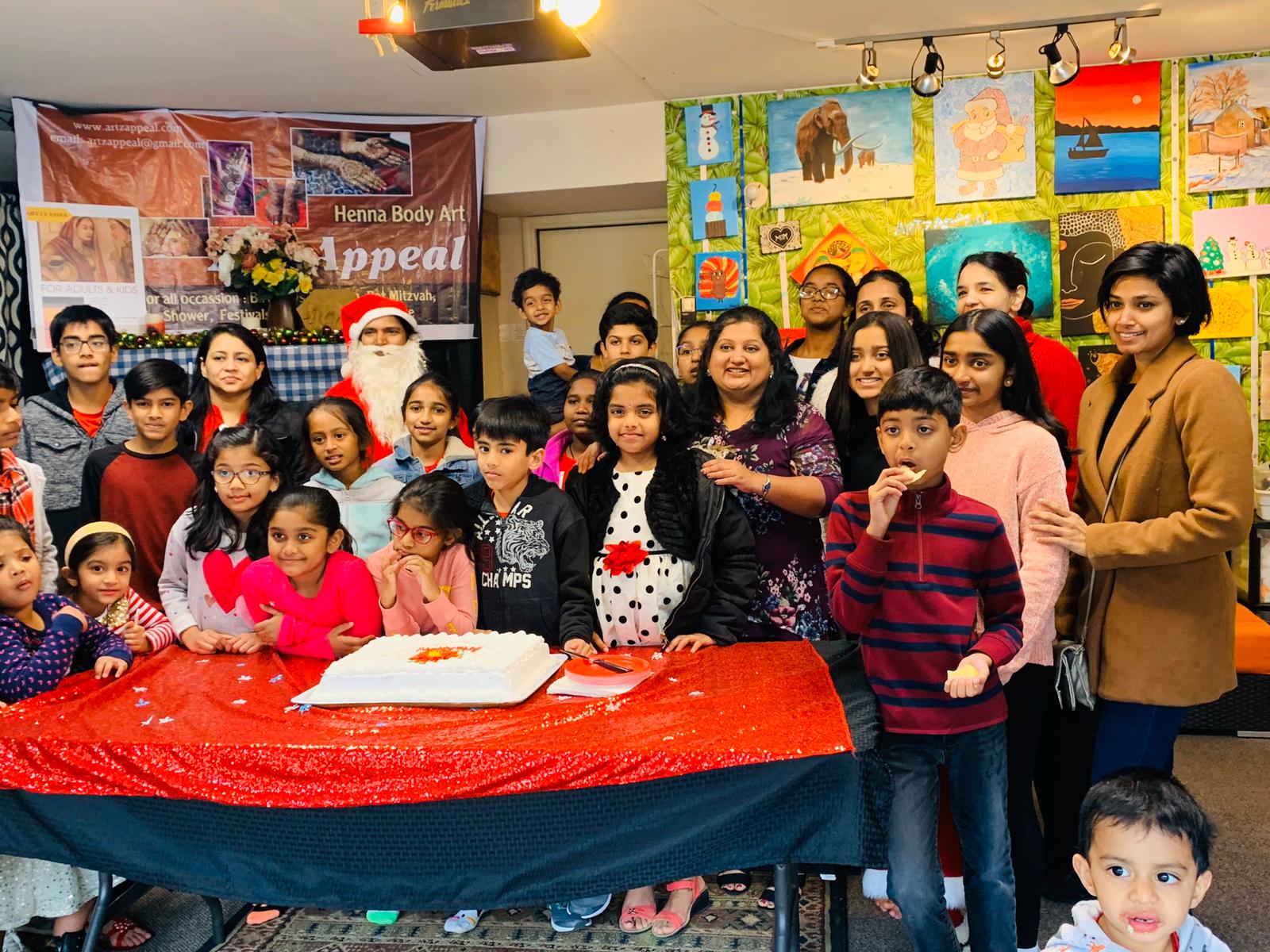
My mornings usually begin with adult art classes. Many of my students are over the age of 40 and come seeking a space to slow down, destress, and reconnect with themselves. In these classes, the final piece isn’t the focus – the experience is. It’s about loosening the mind, coordinating hand and eye through swirls and loops, and spending an hour fully present with paint and canvas. Art becomes a form of mental wellness, and I’m honored to facilitate that space.
Around midday, I step into the kitchen to cook lunch, something nourishing for both the mind and the body. Cooking is another extension of creativity for me. Using spices, vegetables, and traditional recipes, I make it a priority to care for myself and to pass down flavors and cultural traditions to my kiddos.
The afternoon is dedicated to my after-school classes, which range from preschoolers to college students. This is often the longest and most energetic part of my day, and it’s where I feel most rejuvenated. Their curiosity, imagination, and honesty bring so much life into the studio. One of the biggest lessons teaching has taught me is that every interaction is an exchange, there is always something to give and something to learn. Whether I’m picking up the latest Gen-Z slang, stepping into an imaginative world, or guiding students through blending, shading, and technique, teaching art is never just technical. I love weaving in art history, cultural traditions, and storytelling, there are so many nuanced layers to the art of teaching art.
After dinner, my evenings transition into henna appointments and henna classes. These can include bridal henna, celebratory designs, or personal commissions, and they often run late, sometimes until midnight or beyond. It’s demanding work, but deeply fulfilling.
At the end of a long day, I unwind by mixing fresh henna for the next day, practicing intricate designs, and challenging myself with new patterns. Inspiration is a constant practice for me, learning never stops. I also make time to call my children, check in with my parents, connect with friends, and create art purely for myself.
I’ve learned that in order to pour into others, my students, my clients, my community, have to tend to my own garden. When I do that, I’m able to show up fully, with joy, care, and authenticity in everything I create through ArtzAppeal.
Can you briefly introduce yourself and share what makes you or your brand unique?
I’m the founder and lead artist behind ArtzAppeal, a creative studio I began in 2008 rooted in my lifelong love for the arts and their ability to connect people across cultures, generations, and experiences. What started as a personal passion has grown into a multifaceted art and henna brand focused on education, community, and creative expression.
At ArtzAppeal, we offer art classes spanning drawing, acrylic and oil painting, pastels, crafts, and henna. As an artist and educator, I’m constantly learning and evolving — studying traditional folk arts such as Madhubani, Lippan Art, and Kalamkari — and then sharing those practices with my students so these cultural art forms continue to live on through new hands and perspectives.
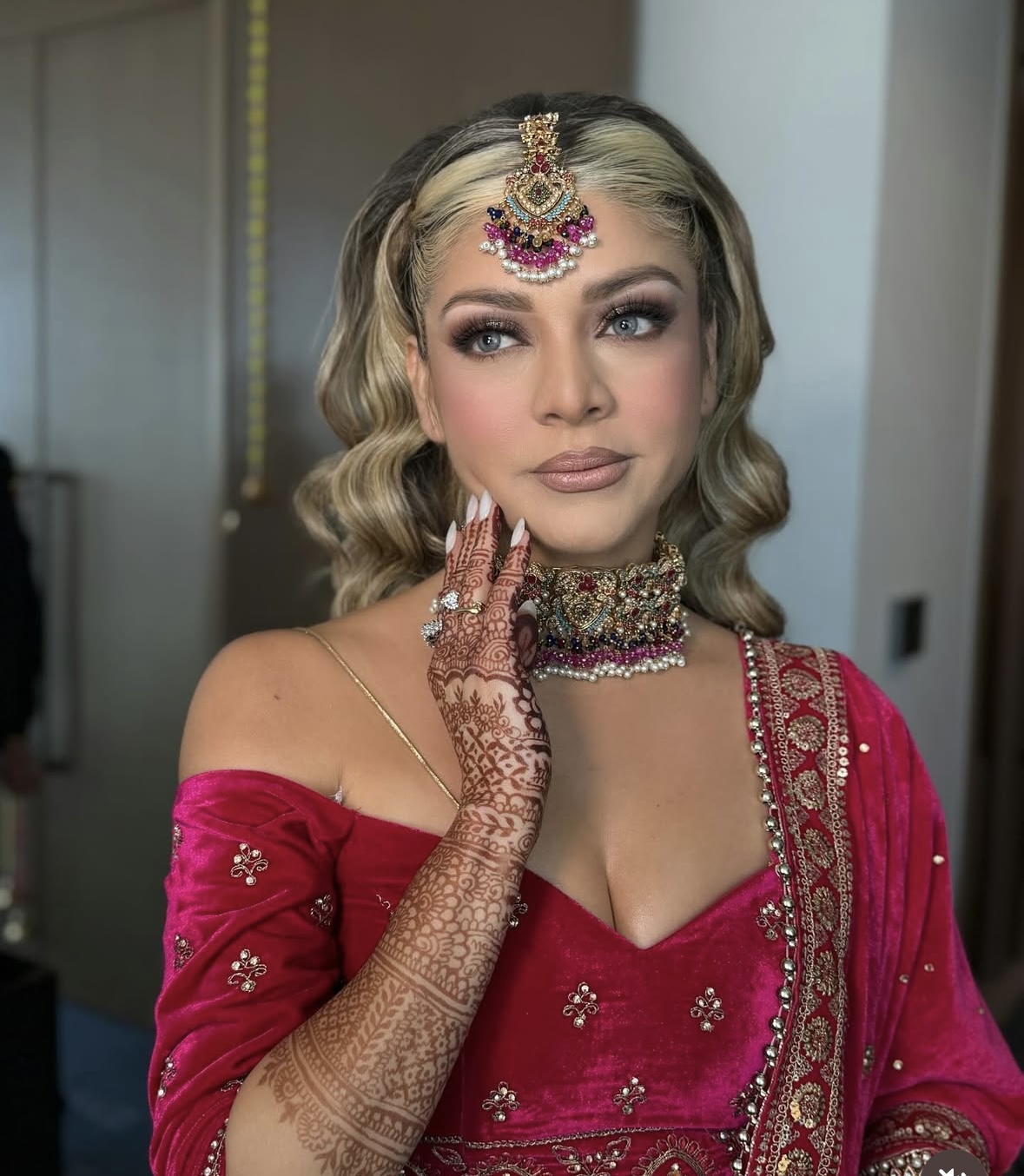
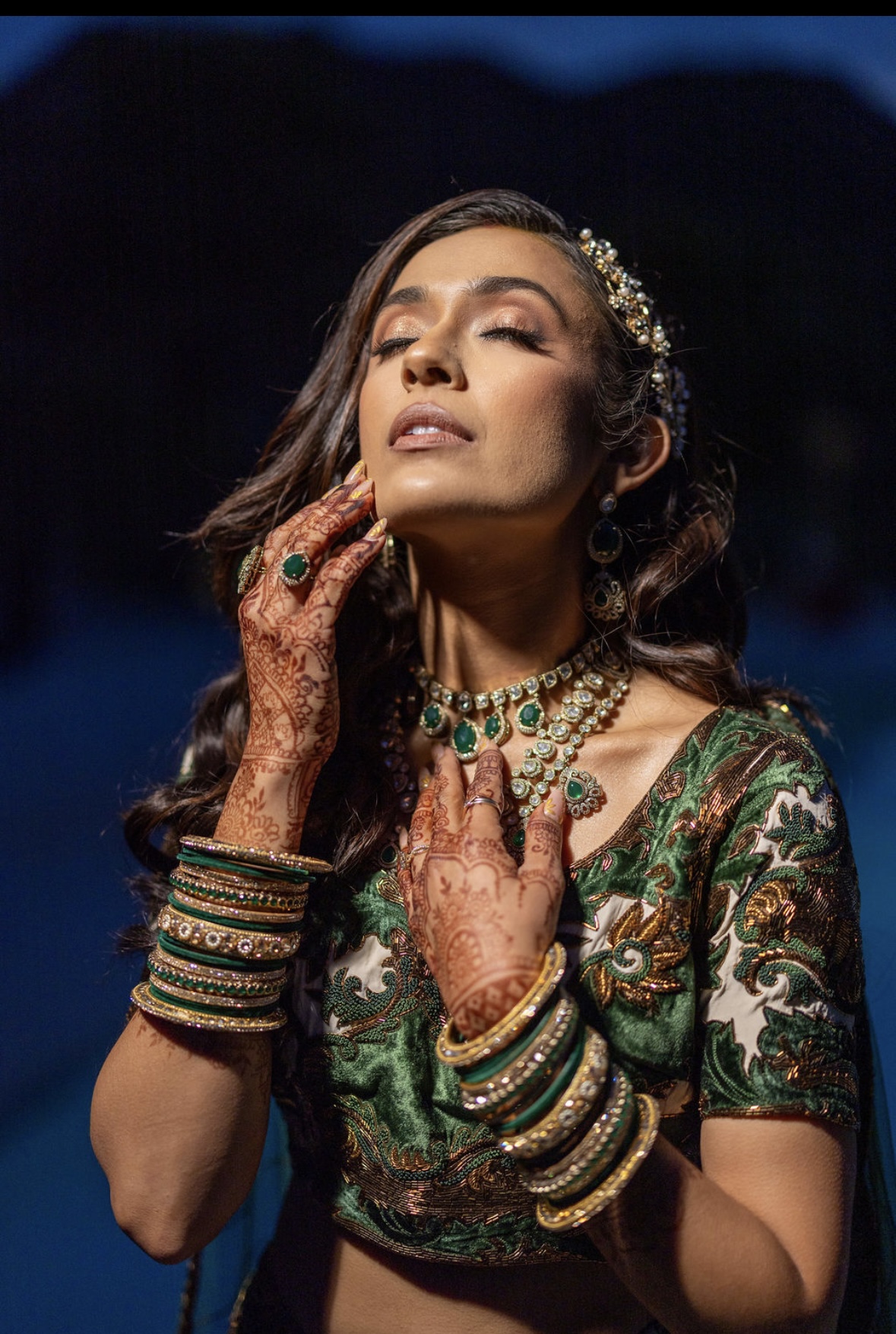
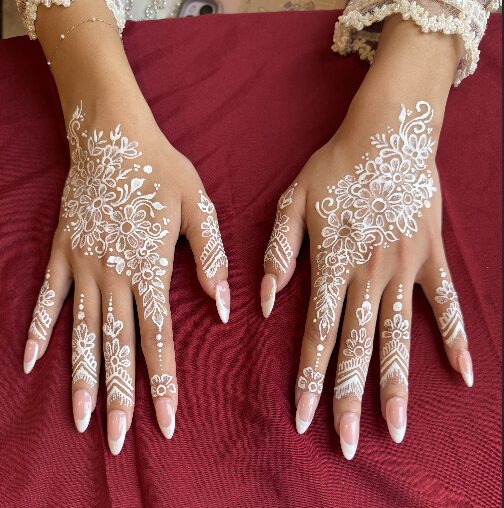
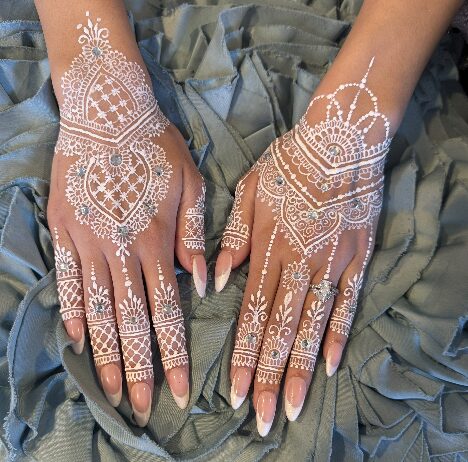
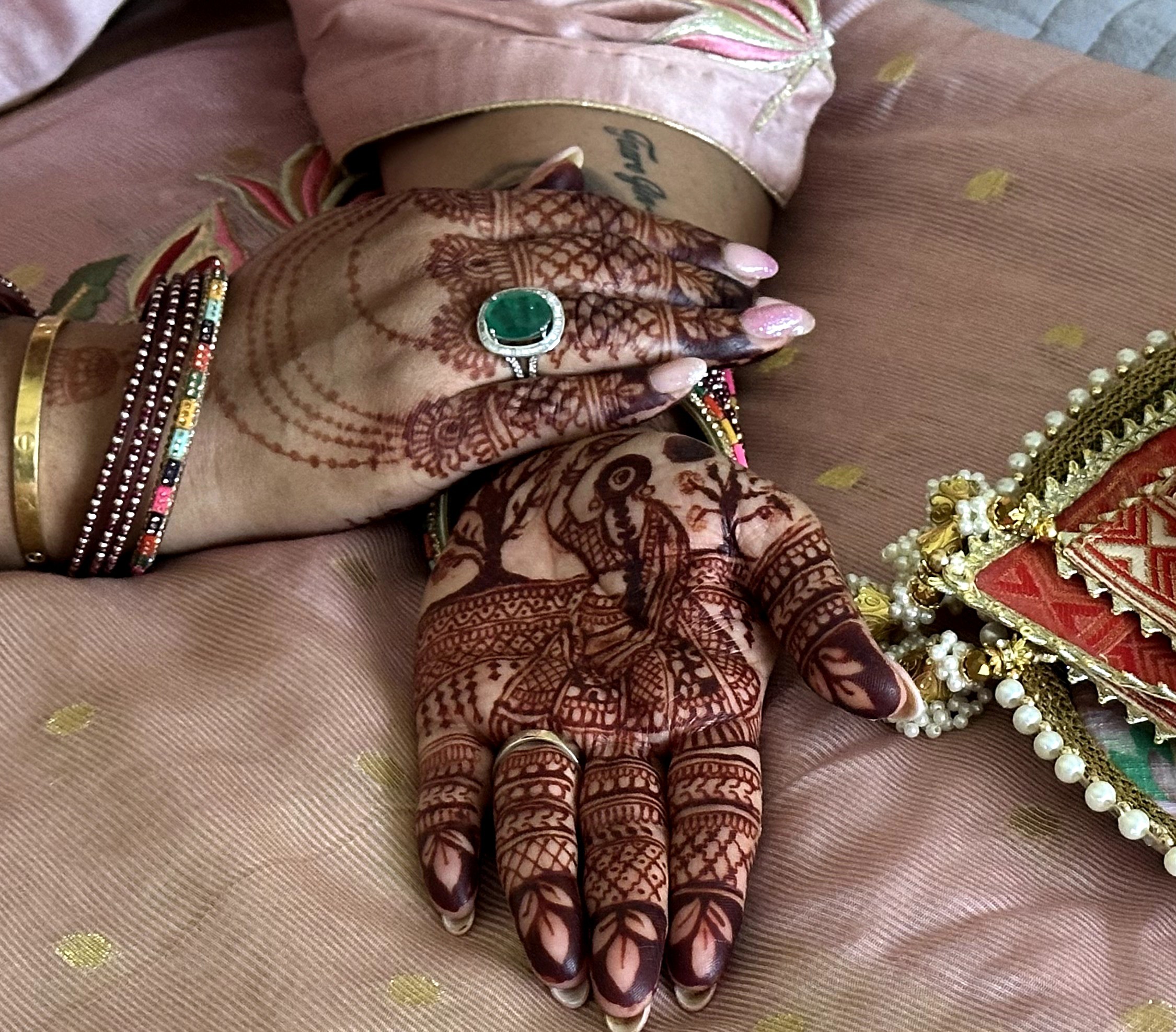
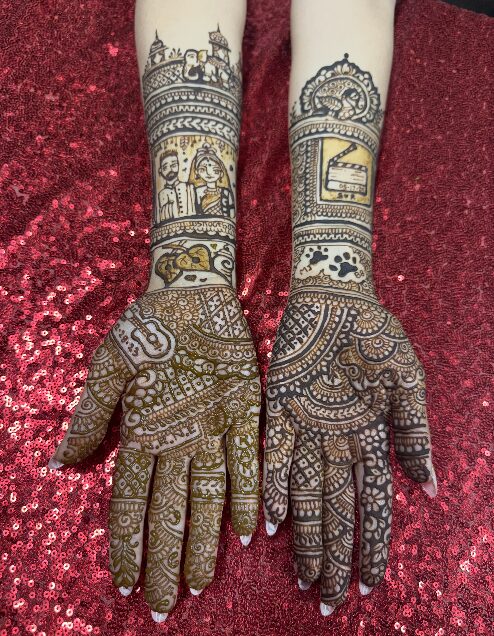
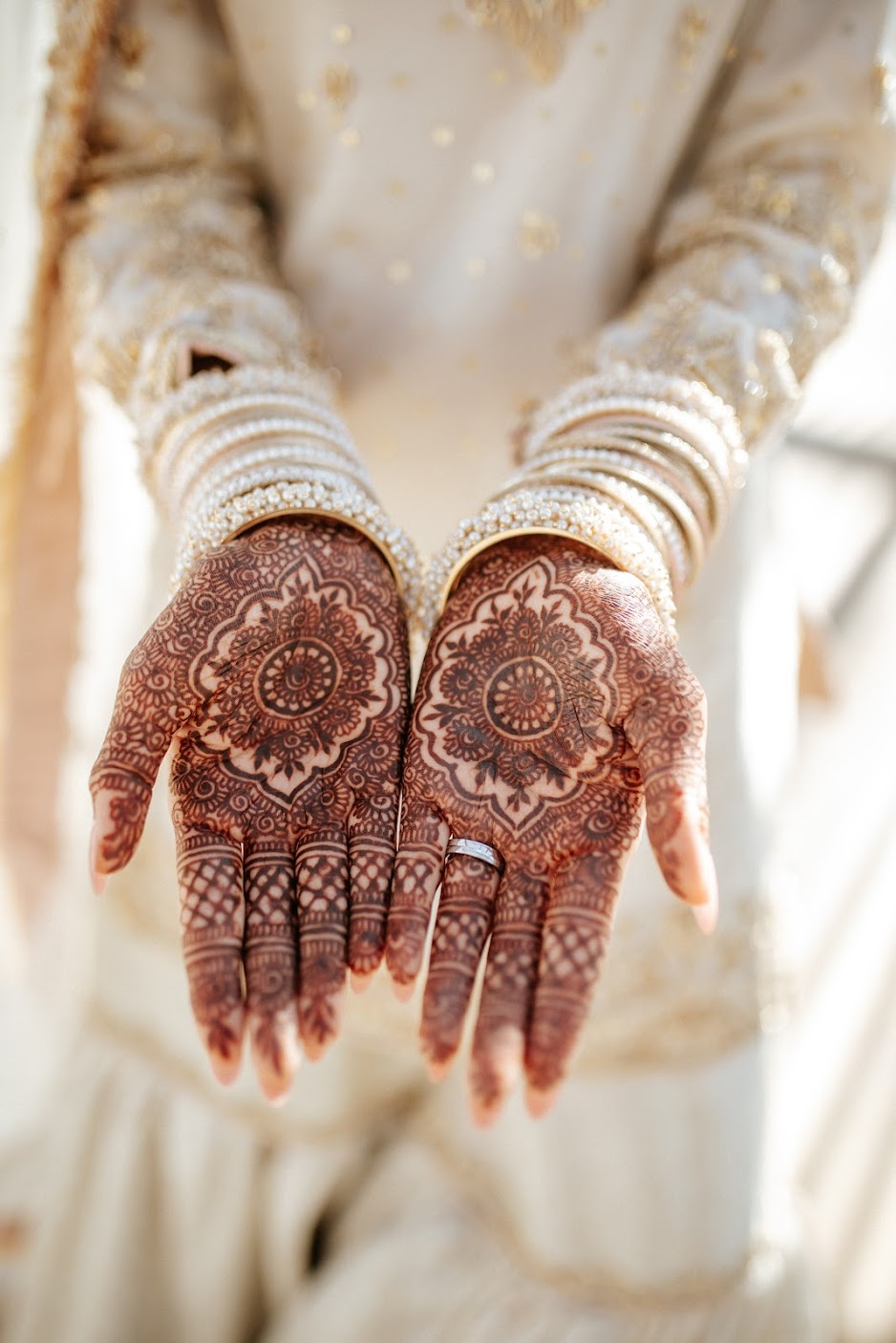
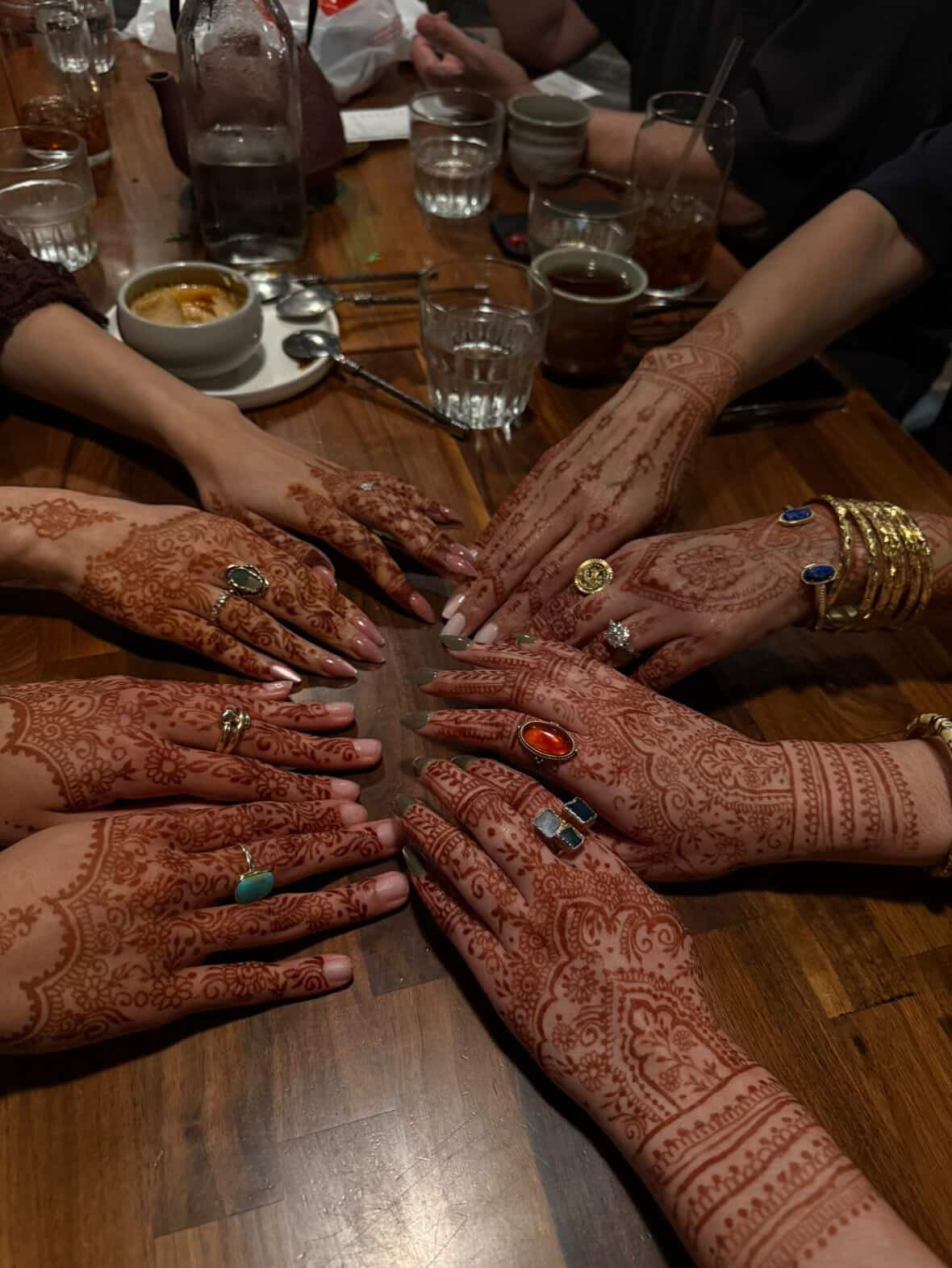
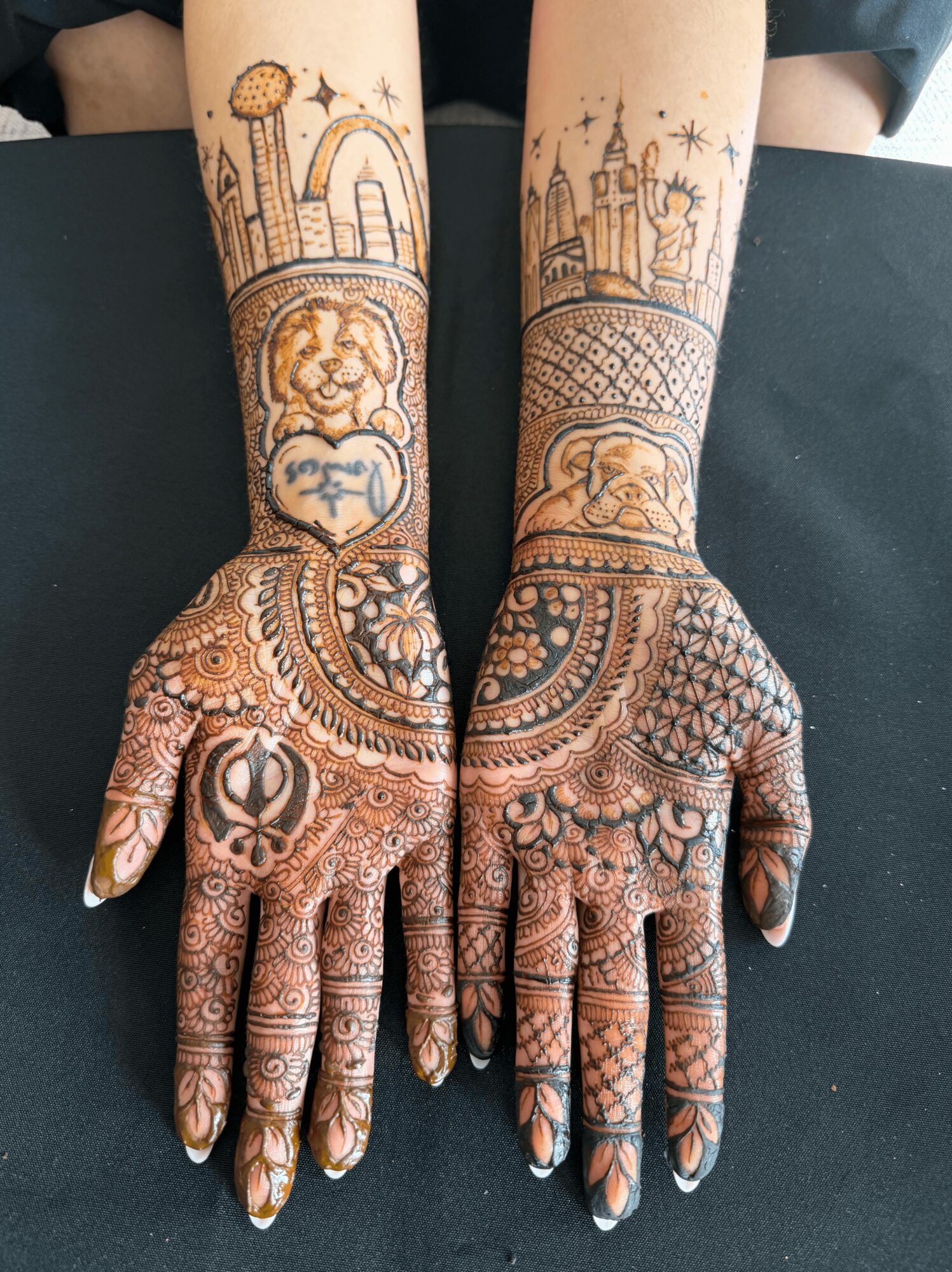
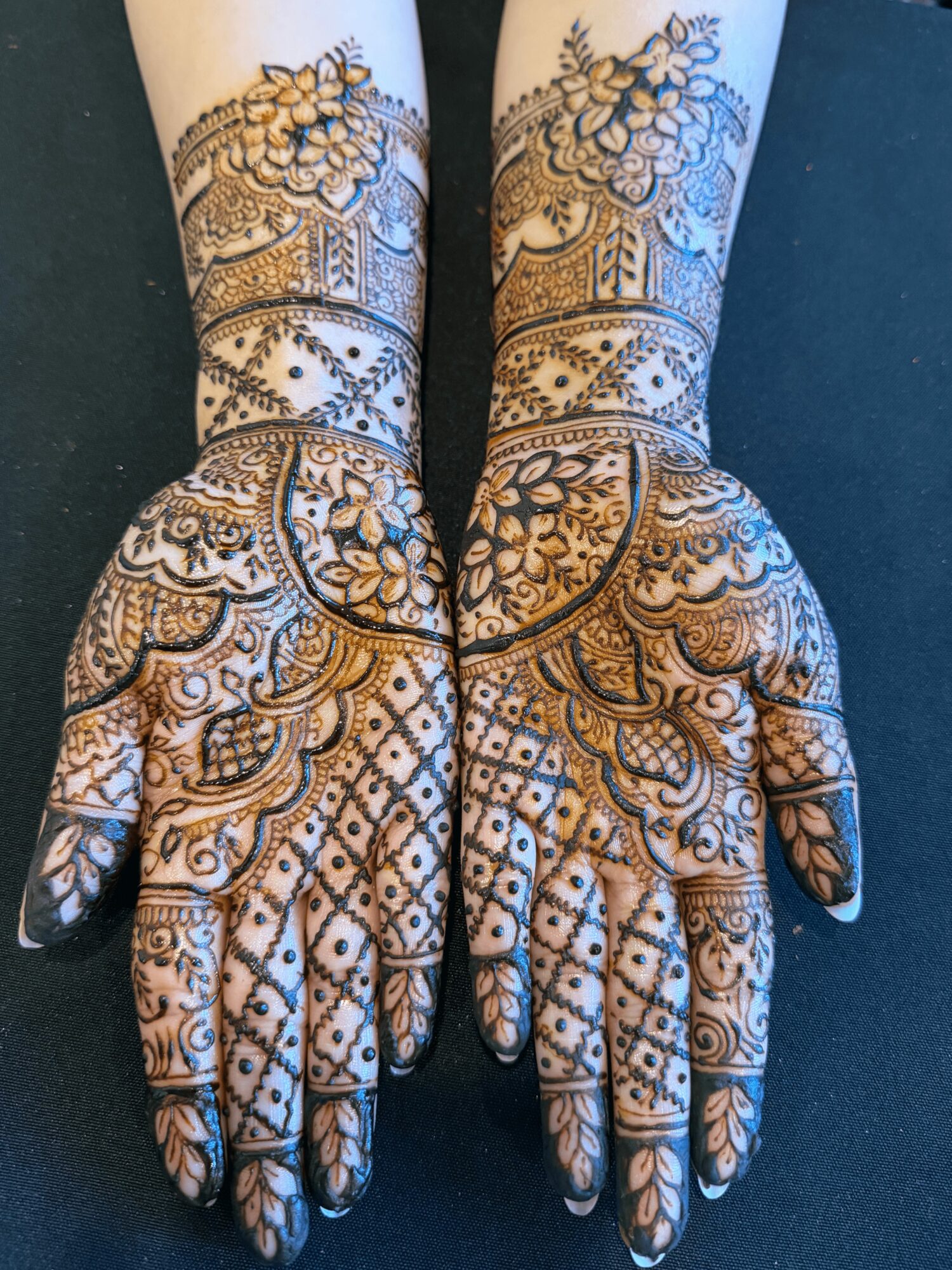
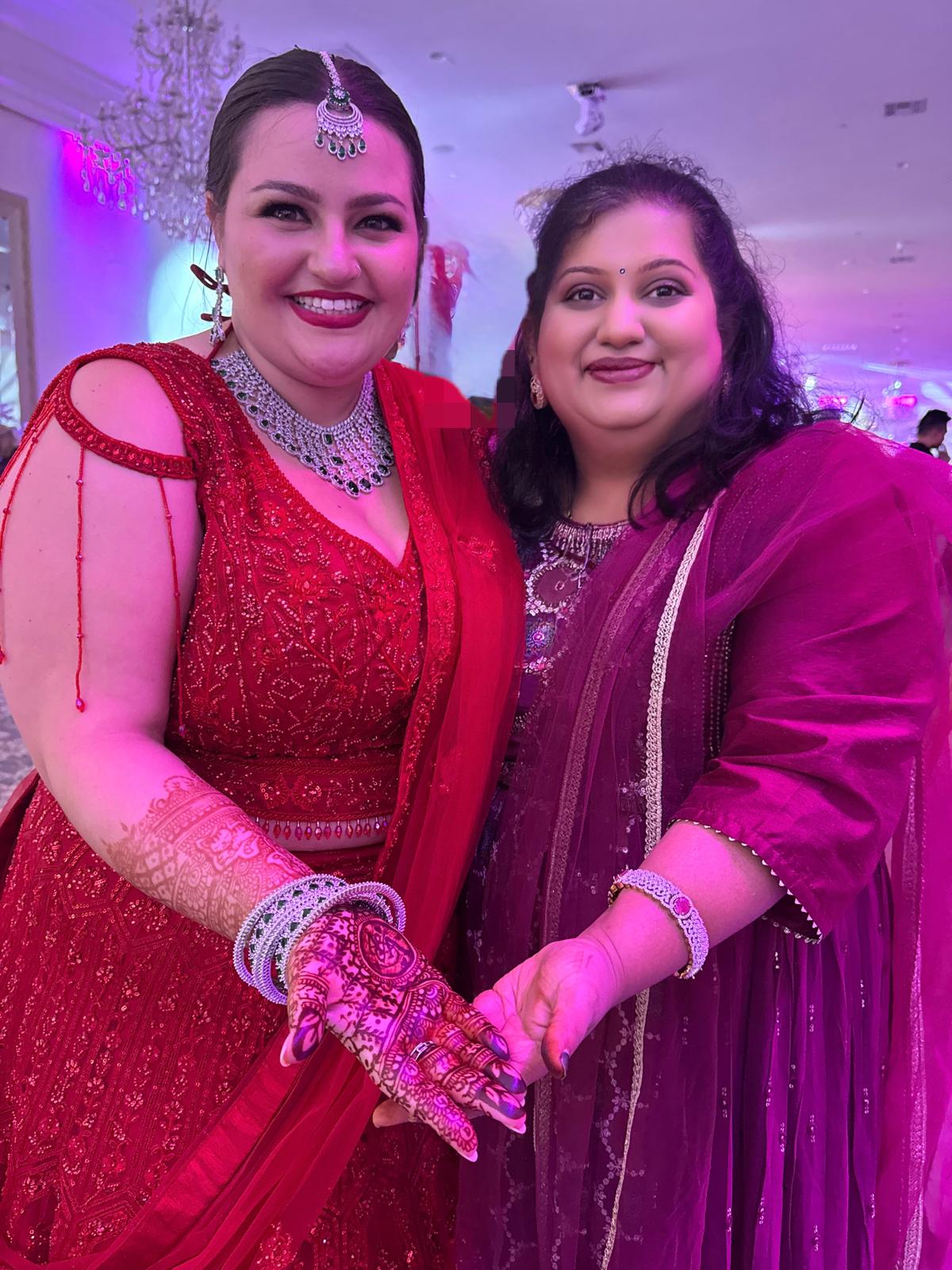
In addition to teaching, I am professionally trained in traditional Indian, Arabic, and bridal henna. ArtzAppeal provides henna services for a wide range of events, including weddings, baby showers, festivals, corporate gatherings, birthday parties, bat mitzvahs, quinceañeras, and more. I specialize in natural, plant-based henna, as well as modern techniques using jagua, white, and fluorescent henna, and I continue to expand these offerings as the art evolves. Over the years, I’ve had the privilege of working with clients of all ages and backgrounds — including celebrities across various industries — all connected by a shared appreciation for henna as an art form.
Community engagement is a core part of ArtzAppeal’s mission. We actively participate in school and college events, graduations, family celebrations, and fundraising initiatives throughout Southern California. Our collaborations include organizations such as Relay for Life, National Charity League, Soka International Festival, RVMAC Memorial Art, Indian cultural celebrations, and the Orange County Indian Women’s Group, among many others.
Beyond services and classes, ArtzAppeal is a brand that celebrates the fusion of art and fashion. Through artwork, apparel, accessories, and design, we aim to inspire creative confidence and encourage people to explore self-expression in ways that feel authentic and personal. At its heart, ArtzAppeal is about honoring tradition while reimagining it — using art as a bridge between culture, creativity, and community.
Amazing, so let’s take a moment to go back in time. What was your earliest memory of feeling powerful?
One of my earliest and most meaningful experiences of feeling powerful came when I had the opportunity to teach unemployed women. By training them in basic henna skills, I was able to bring them onto my team and help them build a source of income. Watching them move toward financial independence was powerful in itself, but even more impactful was seeing the confidence they gained. They felt empowered to do something on their own, for themselves. That experience fundamentally shaped how I built my business and how I approach teaching today.
That moment opened my eyes to what art could do beyond personal expression. During the pandemic, I worked with children who felt isolated and alone, using art as a form of creative therapy. I’ve also worked with elderly individuals to help bridge the deep sense of isolation many of them experience. So many people are searching for some form of healing but don’t always know where to find it, and being able to offer art as a gentle, accessible entry point became incredibly meaningful.
I’ve also had the privilege of working with young students with different disabilities, creating spaces where they can express themselves freely and feel at peace, away from the pressures of the world around them. These experiences have been deeply humbling and powerful. As an art teacher, I don’t just teach technique, I get to introduce a new way of thinking, a new perspective, and a space without rigid boundaries.
I felt powerful knowing that the very thing that once saved me, art, could become an offering to others. Not out of pity, but out of shared humanity. Being able to place that tool into someone else’s hands and watch them find their own strength through it continues to be one of the most meaningful parts of my work.
If you could say one kind thing to your younger self, what would it be?
“Never limit yourself”
I began my artistic journey through simple crafts: making artificial flower arrangements, creating rangoli for festivals, and entering competitions where I often took home prizes. Painting came next, but mehendi wasn’t even on my radar. It wasn’t something I was familiar with or imagined for myself at the time.
One day, I wandered into an art exhibition and randomly picked up a henna cone. I started doodling — and before I knew it, there was a line of people waiting in front of me. That moment changed everything. What began as curiosity slowly evolved into dedication. I challenged myself to learn traditional henna, then branched into jagua henna and white henna, each with different viscosities and levels of control, pushing me to refine my skill and patience. Through countless hours of practice, formal courses, certifications, and learning from masters of the craft, henna became a central part of my work and my identity.
Art, for a long time, was simply a passion, something I loved and was known for, but never imagined pursuing professionally. Stepping into the business side of things was uncharted territory. I didn’t know what those waters would look like, but I wasn’t afraid to ask for help, learn as I went, and take on challenges if it meant staying true to my passion and sharing joy through art with others.
The kindest thing I would tell my younger self is this: no matter how much you learn, it is only the beginning. There will always be more knowledge to seek, more skills to grow into, and more possibilities than you can imagine, as long as you don’t place limits on yourself.
Next, maybe we can discuss some of your foundational philosophies and views? What’s a cultural value you protect at all costs?
Creative thinking, especially the courage to think outside the box, is a cultural value I protect at all costs. It’s the foundation of my work and the reason I’ve been able to build a distinct artistic identity rather than repeating what already exists.
From the beginning of my journey, I refused to approach art passively. When I first started working with henna, I was uncomfortable not knowing what chemicals were being used. If I was applying henna to others, I wanted to be able to say with confidence that it was natural, safe, and intentional. That led me to experiment extensively and learn how to make henna completely from scratch, a process that deepened my respect for the craft and reinforced my belief in conscious creation.
Creative problem-solving has also shown up in very practical ways. Traditional henna cones felt too large and uncomfortable in my hand, so instead of accepting that limitation, I redesigned the cone size to fit me better. Prioritizing comfort forced innovation, and that simple change unlocked a new level of precision and freedom in my work.
Inspired by traditional henna designs, I also wanted to move the art from a temporary medium to a permanent one. That curiosity led me to experiment with acrylic paint in cones, a fusion of folk tradition and modern art. This approach became a highlight at art exhibitions and something I now teach my students, encouraging them to explore unconventional tools and materials to create work that reflects their own cultural intersections.
My love for blending traditions led me to learn Lippan Art, also known as Lippan Kaam or Mud Mirror Art, a traditional folk craft from the Kutch region of Gujarat. Rooted in mud, mirrors, and natural materials, it’s both decorative and functional, designed to cool homes while telling cultural stories through pattern and reflection. Today, I teach Lippan Art in my classes as a way to honor heritage while keeping it alive through contemporary interpretation.
At the heart of my teaching philosophy is creating a supportive environment where students aren’t afraid to make mistakes, experiment, or challenge themselves. I encourage them to take what they love and combine it with something new. That mindset, valuing creativity over perfection, is how I grew as an artist, and it’s how my students find the confidence to compete, innovate, and express the most authentic version of themselves through their work.
Protecting creative thinking is how culture evolves. It’s how tradition stays alive, not by being preserved in glass, but by being reimagined.
Before we go, we’d love to hear your thoughts on some longer-run, legacy type questions. When do you feel most at peace?
I feel most at peace when I create art purely for myself, especially in ways I haven’t tried before. These are the moments when there’s no expectation, no audience, and no pressure for the work to be perfect or presentable. It’s just me, the materials, and the freedom to explore.
I make it a priority to protect this time because it allows my passion to stay joyful rather than become taxing. When art exists only to be shared or produced, it can start to feel heavy. Creating privately gives me the space to experiment, make mistakes, and follow ideas wherever they lead without fear of failure. That freedom is where my creativity feels the most alive.
Peace, for me, also comes in the quiet moment when a new idea clicks, when I’m mixing materials, testing unfamiliar techniques, or imagining a fusion that hasn’t been done before. That process of discovery reminds me why I fell in love with art in the first place. It grounds me, re-centers me, and ultimately allows me to return to my teaching and my work with renewed energy and authenticity.
By creating art just for myself, I’m able to give my passions my whole heart, and that peace carries into everything else I do.
Contact Info:
- Instagram: https://www.instagram.com/artzappeal/
- Facebook: Artzappeal
- Yelp: Artzappeal

Popular
-

Portraits of the Valley
-

LA’s Most Inspiring Stories
-

Rick Norris Learned That Building a Successful Business Means Building a Life You Actually Want to Live
-

How Olivia Rush Turned Survival Into a Mission to Help Others Keep Going
-

How Bibi Goldstein Is Helping Entrepreneurs Reclaim Their Time by Embracing the Power of Delegation
-

Victoria Hasson is Redefining Voice Coaching Through Community and Collaboration


