




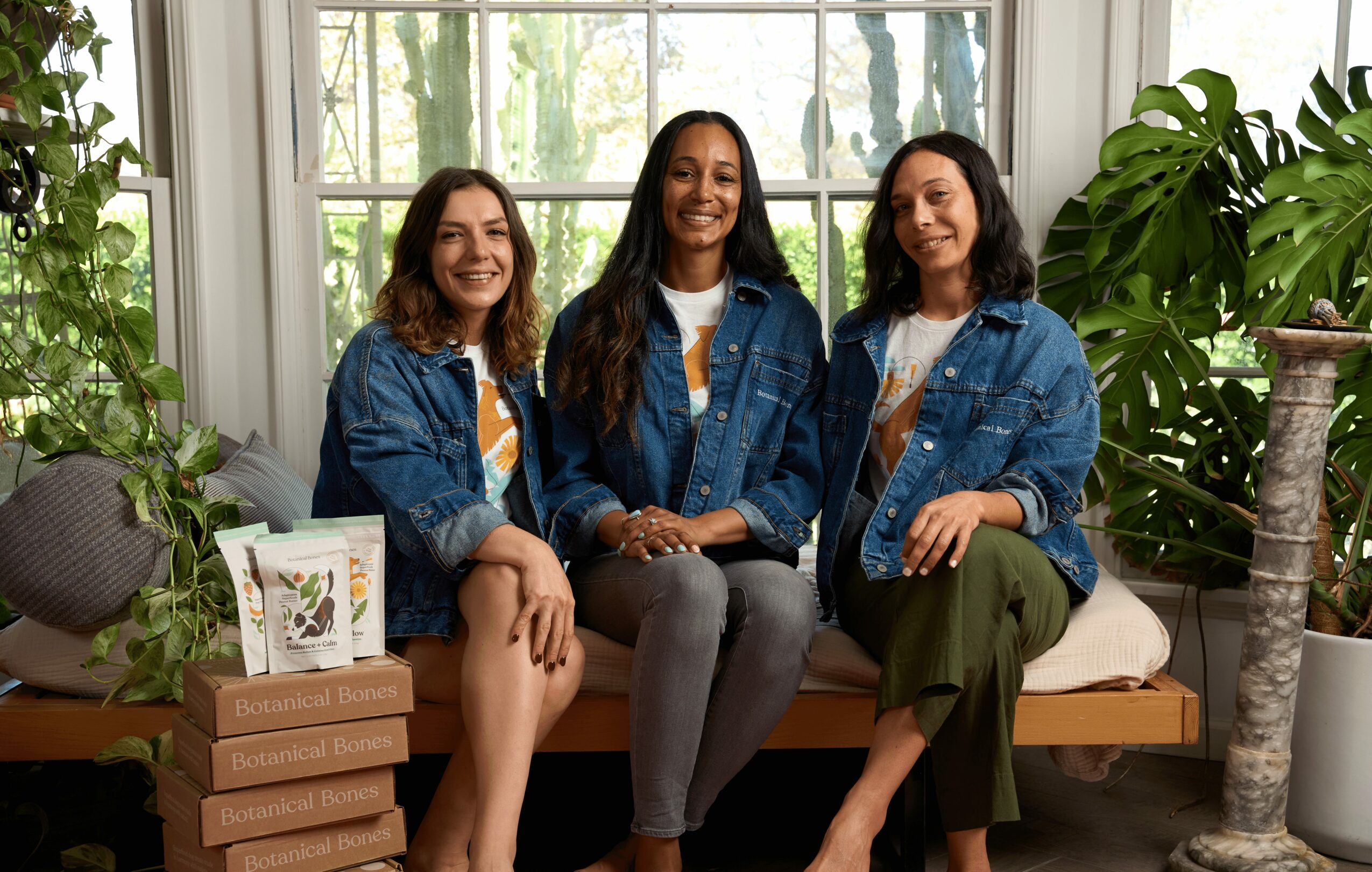
We recently had the chance to connect with Dr. Lindsey Wendt DVM, CVA, CVFT, CCRT, AASC and have shared our conversation below.
Lindsey , really appreciate you sharing your stories and insights with us. The world would have so much more understanding and empathy if we all were a bit more open about our stories and how they have helped shaped our journey and worldview. Let’s jump in with a fun one: What is something outside of work that is bringing you joy lately?
Outside of my work with Botanical Bones, fostering a special needs dog named Pineapple has been bringing me immense joy. I am so excited to be providing her care that will allow her to find her perfect forever home.
Can you briefly introduce yourself and share what makes you or your brand unique?
I’m Dr. Lindsey Wendt, an integrative veterinarian and Chief Veterinary Officer of Botanical Bones, a functional dog treat company I co-founded with Rachel and Chani. We create veterinary-formulated treats with clinically-dosed botanical ingredients – essentially, the same herbs I’d prescribe in my practice, but baked into organic peanut butter treats that dogs actually eat.
The company was born out of frustration with two things: first, the gap between what dogs need and what the market offers – most “functional” treats have trace amounts of active ingredients that are essentially placebos with marketing claims attached. Second, the compliance problem every integrative vet faces: you can prescribe the perfect herbal protocol, but if your patient spits out pills or leaves powder in their bowl, it doesn’t matter how good the medicine is.
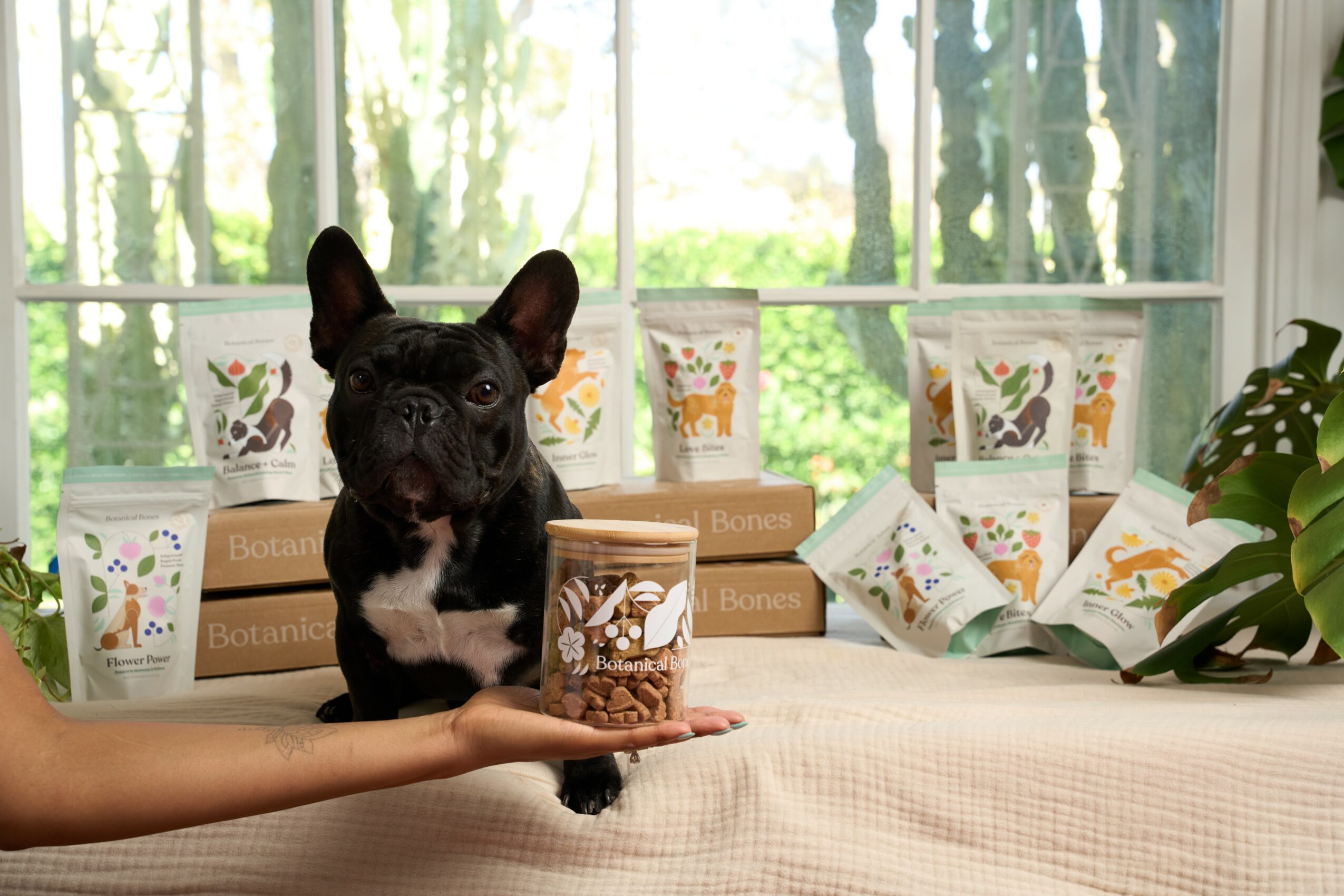
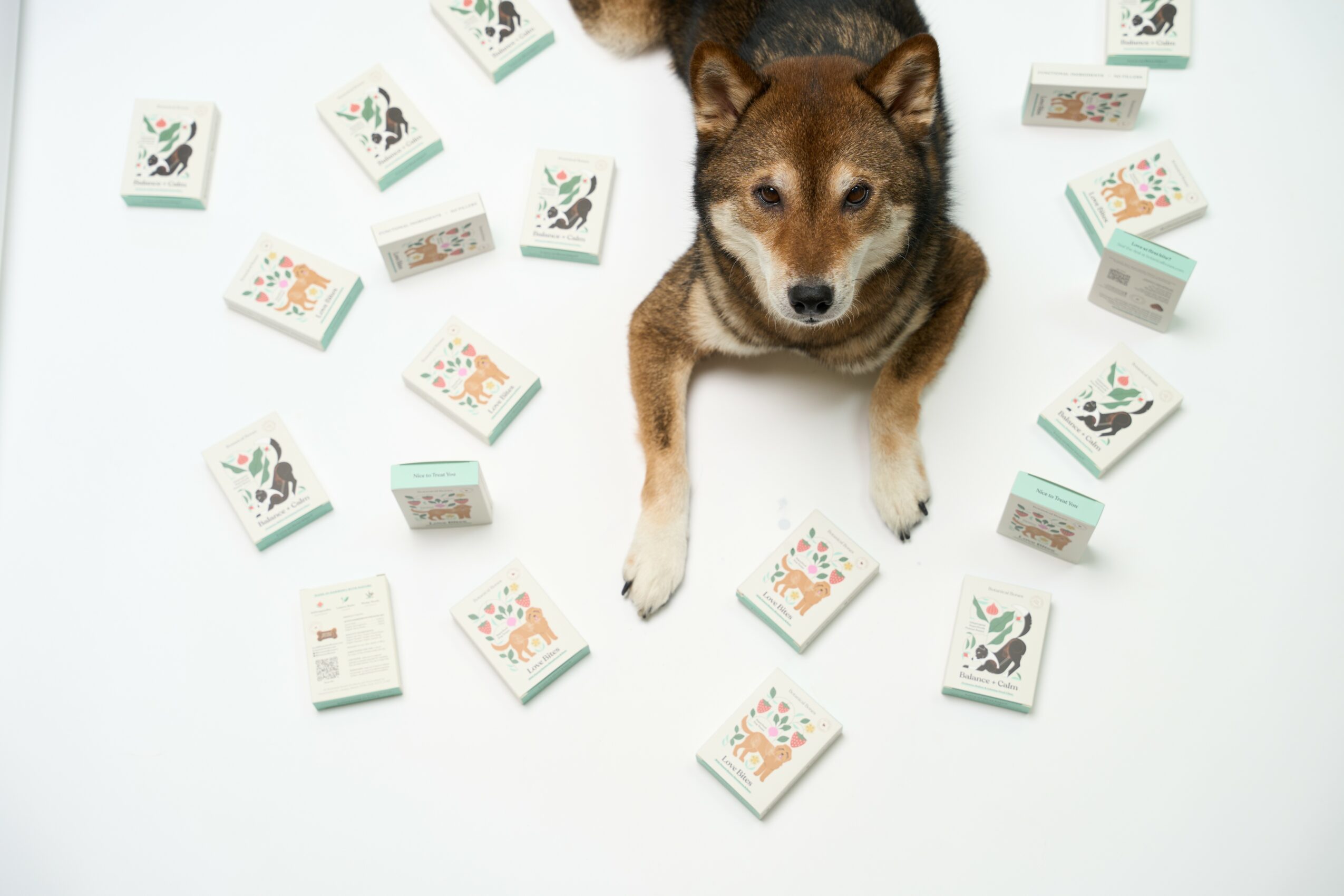
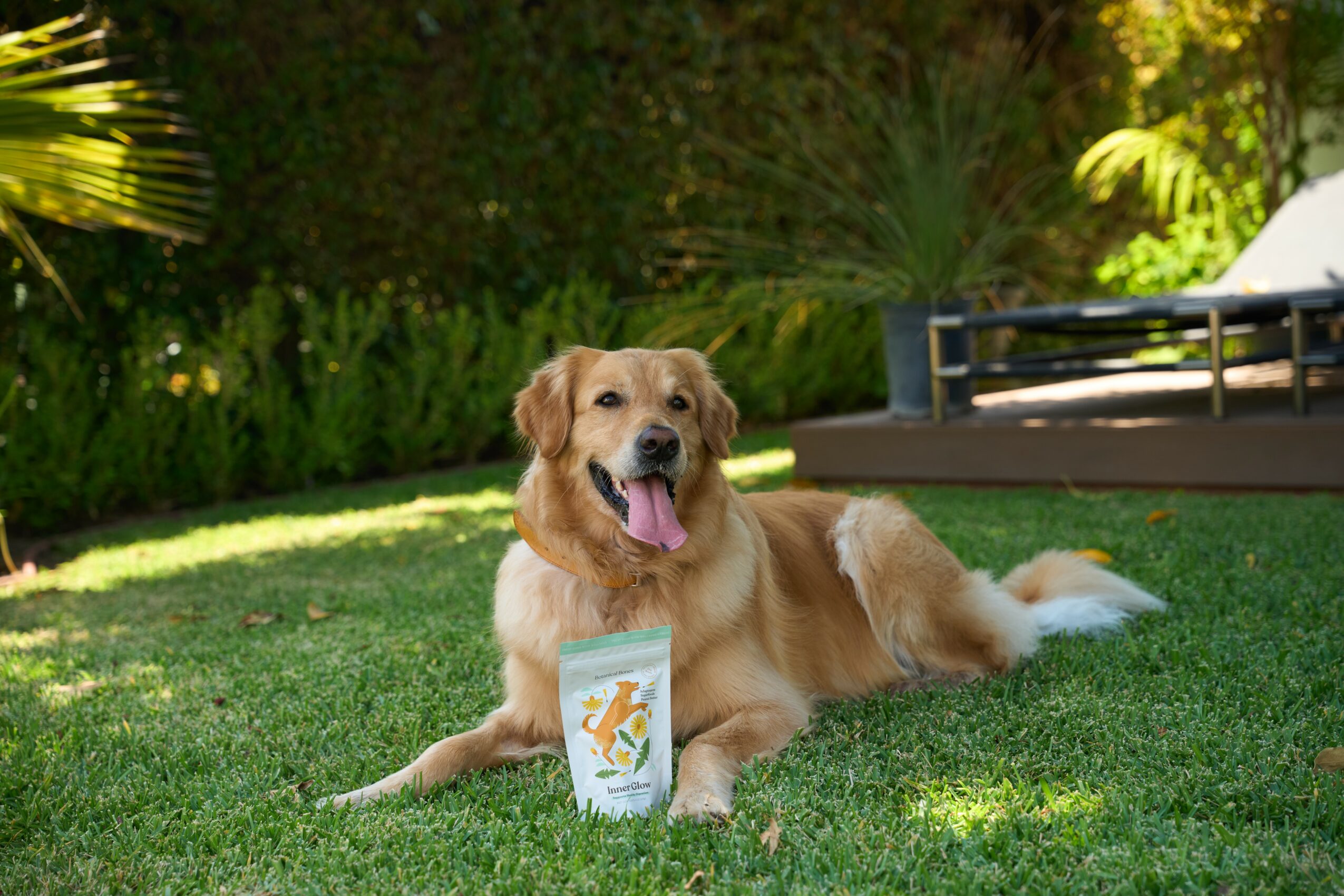
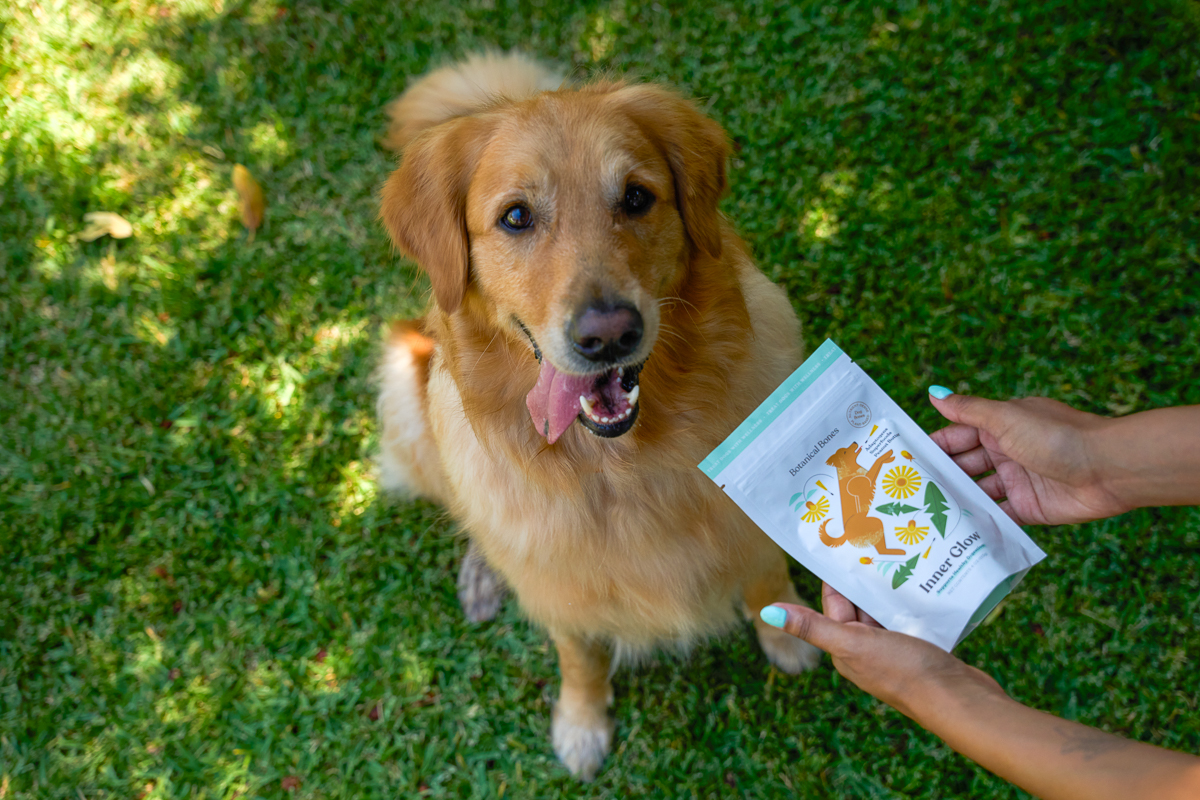
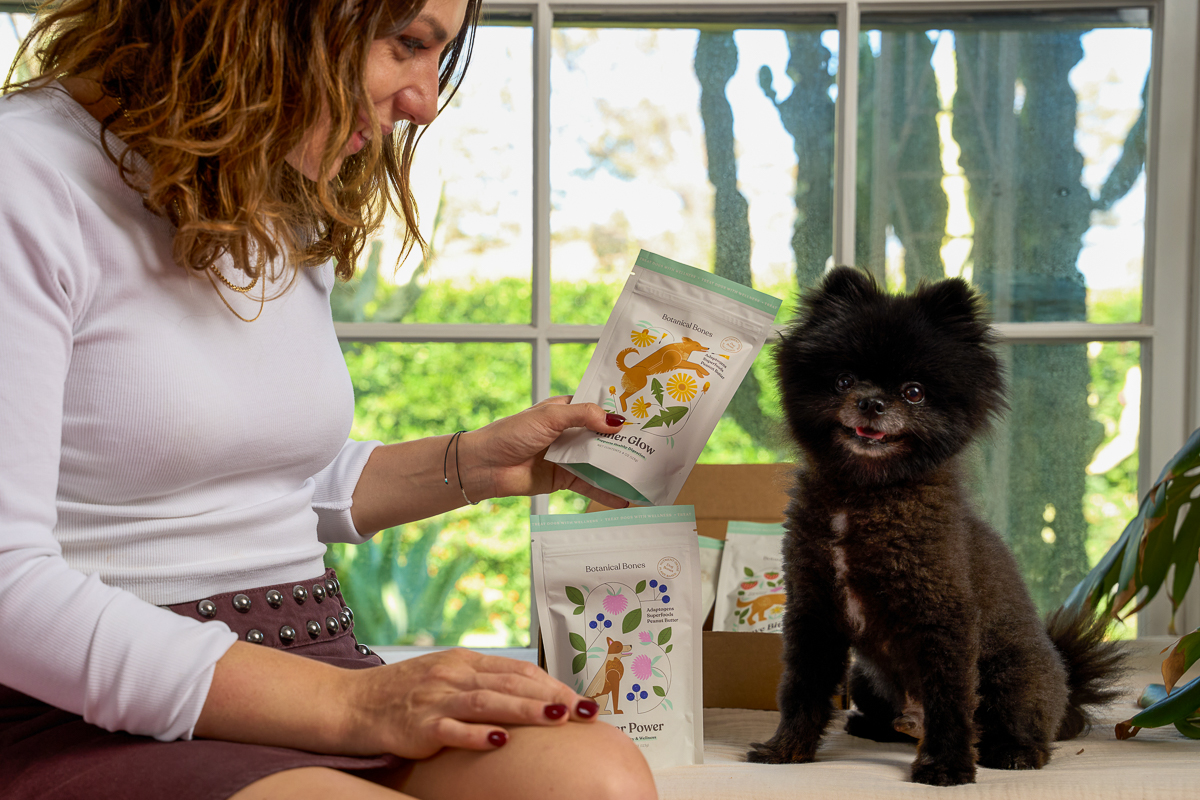
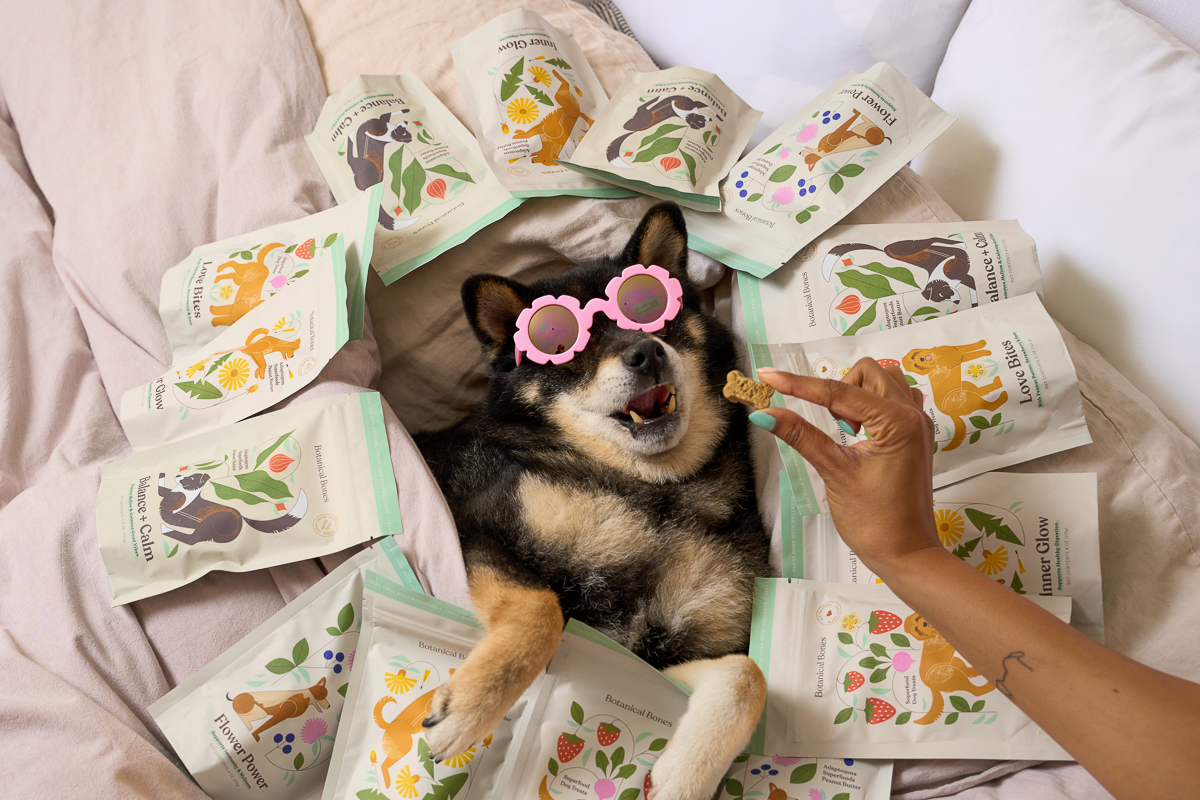
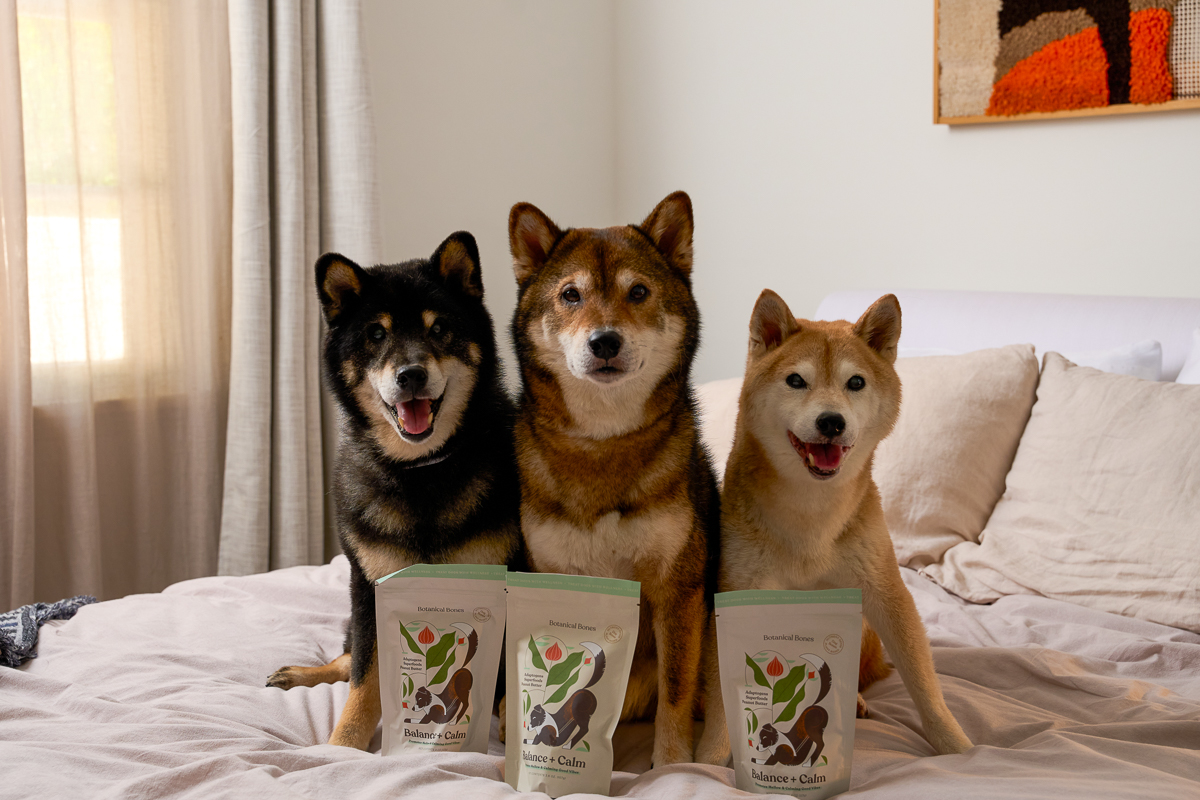
What makes us unique is that we’re formulated by a practicing integrative vet using therapeutic doses – not marketing doses. We’re also the only dog treat company testing finished products for glyphosate, and every ingredient is certified organic, adn we are in the process of applying for our USDA organic certification! We combine Traditional Chinese Medicine principles with modern nutritional science, creating formulas like Balance + Calm for anxiety and adaptogenic support, Flower Power for immune support, Inner Glow for liver and gut health, and Love Bites for clean everyday treating.
Appreciate your sharing that. Let’s talk about your life, growing up and some of topics and learnings around that. What relationship most shaped how you see yourself?
My childhood dog Bogey was my best friend, and remains one of my inspirations to this day. The love that she showed me at a young age made me realize I wanted to dedicate my life to providing the best for animal companions everywhere.
If you could say one kind thing to your younger self, what would it be?
The only limitations that exist are the ones I create for myself.
I would have never imagined I’d be here – co-founding a company, formulating products that combine ancient herbal wisdom with modern science, challenging an entire industry’s approach to functional ingredients. My younger self would be amazed, honestly.
I think I spent a lot of years believing I had to stay in one lane – that being a veterinarian meant working within conventional systems, or that if I wanted to create real change, I’d need permission from someone else first. But the truth is, the expertise was already there. The vision was already there. The only thing standing in the way was my own hesitation to step outside what felt safe or expected.
So I’d tell my younger self: trust what you know. Trust your clinical experience. Trust that when you see a gap between what animals need and what’s available, you’re exactly the right person to fill it. The path doesn’t have to look like everyone else’s.
And I’d remind her that the most meaningful work often happens when you stop waiting for the perfect moment and just start – even if it’s messy, even if it’s scary, even if no one’s done it exactly this way before.
Alright, so if you are open to it, let’s explore some philosophical questions that touch on your values and worldview. What are the biggest lies your industry tells itself?
“If it’s on the shelf, it’s been tested for safety.”
Pet treats aren’t held to the same standards as human food. Most companies aren’t testing finished products for contaminants like glyphosate and they aren’t mindful when they source the components that they use to make treats (they often rely on their manufacturers to control their supply chain of ingredients). We’re the only dog treat company independently testing our finished products for glyphosate – not because we’re required to, but because it’s the right thing to do. The industry assumes organic ingredients are enough, but I wanted verification.
Okay, so let’s keep going with one more question that means a lot to us: What are you doing today that won’t pay off for 7–10 years?
Building a new standard for what “functional” actually means in the pet industry.
Right now, we’re a small company doing things that don’t make financial sense in the short term – testing finished products for glyphosate when no one else does, using clinical doses of expensive botanicals when we could use trace amounts and make the same claims, sourcing certified organic ingredients across the board when conventional would be cheaper and most consumers wouldn’t know the difference.
We’re also investing heavily in education – teaching pet parents the difference between marketing doses and therapeutic doses, explaining why immunomodulation matters more than just “boosting” immunity, showing them how to read ingredient labels critically. That’s not driving immediate sales. Most people just want to buy a treat that tastes good, or buy it based on the marketing and packaging.
But here’s what I believe: in 7-10 years, consumers will demand the same transparency and clinical credibility from pet products that they expect from their own supplements. They’ll ask questions like “what dose of ashwagandha is actually in this?” and “have you tested the finished product for contaminants?” and “who formulated this, and what are their credentials?”
When that shift happens, we’ll already be there. We won’t have to retrofit our supply chain or reformulate our products or backtrack on claims we can’t defend. We’ll have spent a decade proving that you can build a profitable company on scientific integrity, not marketing shortcuts.
I’m also betting on the veterinary community recognizing botanical medicine as legitimate preventive care.
Right now, integrative veterinary medicine is still considered “alternative” by many in the profession. But the research is mounting – on adaptogens, on mushroom beta-glucans, on the gut-liver connection, on how phytonutrients impact longevity. The University of Helsinki studies on raw feeding and reduced inflammation. The emerging data on beta-glucans binding PFAS and environmental toxins. The clinical trials on ashwagandha reducing anxiety markers by over 40%.
In 7-10 years, I believe this won’t be “alternative” medicine – it’ll just be good medicine. And when veterinarians start routinely prescribing botanicals alongside or instead of pharmaceuticals for certain conditions, we’ll have a decade of formulation expertise and clinical credibility to back it up.
Contact Info:
- Website: https://www.botanicalbones.com
- Instagram: botanicalbonesco
Popular
-

Portraits of the Valley
-

LA’s Most Inspiring Stories
-

Rick Norris Learned That Building a Successful Business Means Building a Life You Actually Want to Live
-

How Olivia Rush Turned Survival Into a Mission to Help Others Keep Going
-

How Bibi Goldstein Is Helping Entrepreneurs Reclaim Their Time by Embracing the Power of Delegation
-

Victoria Hasson is Redefining Voice Coaching Through Community and Collaboration


