




Justin Prough shared their story and experiences with us recently and you can find our conversation below.
Hi Justin, thank you so much for taking time out of your busy day to share your story, experiences and insights with our readers. Let’s jump right in with an interesting one: What are you most proud of building — that nobody sees?
Ooh, that’s a good one. If I’m proud of something, I’ll immediately drag in the nearest warm body to take a look. I’m a complete sucker for validation, constructive criticism, or—ideally—a high-five. I’m deeply suspicious of anyone who claims otherwise.
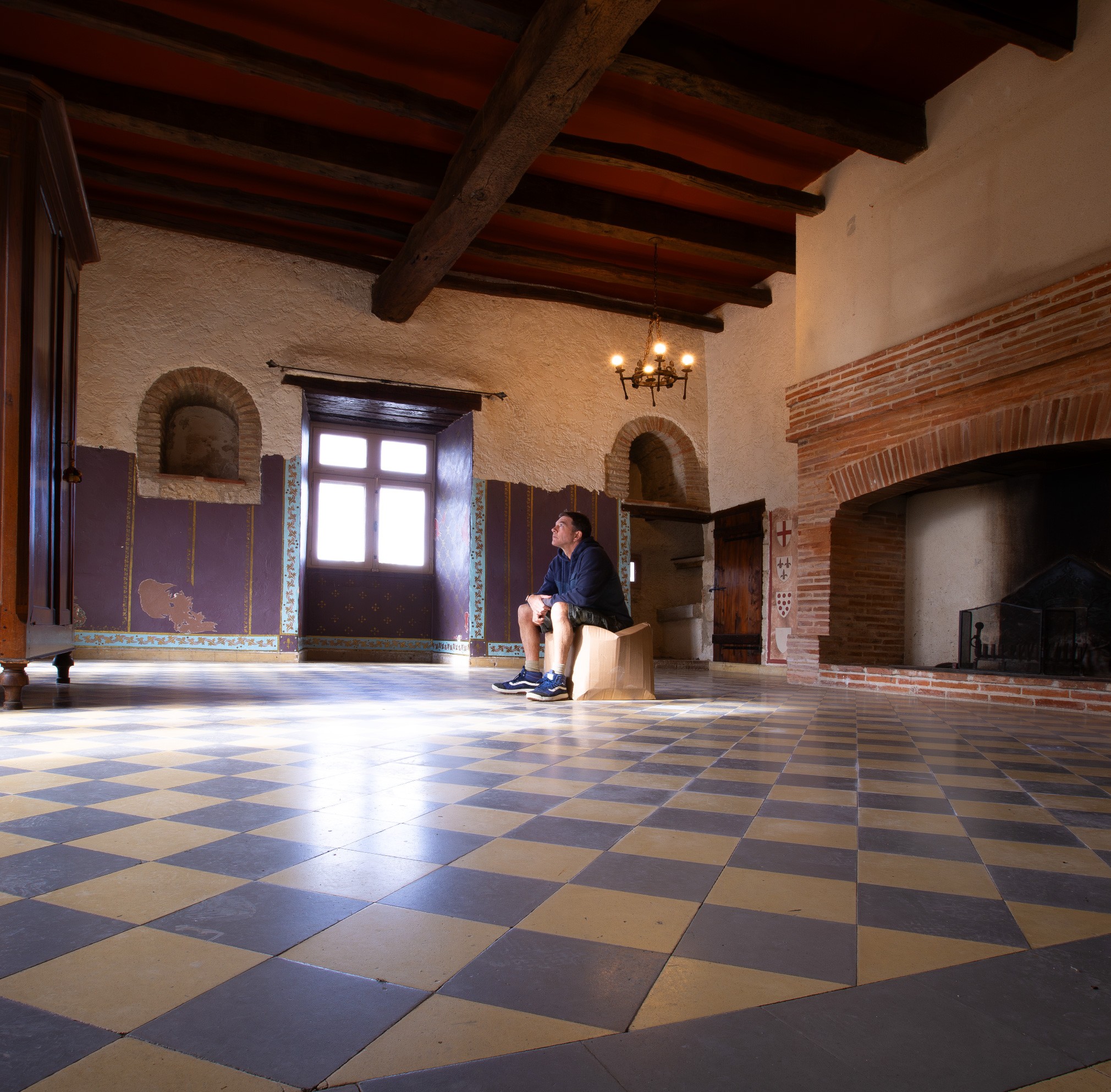
That said, it has to be the 500-year-old village house I’ve been renovating for the last three years—an objectively unhinged decision that I continue to defend. If it weren’t tucked away in a remote corner of the Tarn-et-Garonne department in France, I’d be boring friends and strangers alike with wildly over-animated daily tours. Talking about it still sounds bananas, like some bougie, eye-roll-inducing passion project. But the reality is it’s been an ass-breaking, physically brutal labor of love that almost no one has actually seen… and my lower back would very much like some recognition.
Can you briefly introduce yourself and share what makes you or your brand unique?
It’s been a couple of years since we last spoke. I think it was late 2021, and I was in the middle of a gallery tour showing work from my ongoing Seascapes Found sculptural series (<a href=”https://voyagela.com/interview/life-work-with-justin-prough-of-los-angeles”>learn more</a>). Wow, have things changed since then. “Bananas” really feels like an accurate summary of the world, my life, and—conveniently—my latest project.
So, a quick recap. I’m an interdisciplinary visual artist, designer, and fifth-generation Californian whose early years were split between Santa Cruz and Corona del Mar. I earned a BA in Studio Arts from the University of Redlands and eventually landed in Los Angeles, where I spent years balancing an award-winning career in advertising with a fine art practice rooted in craft, storytelling, and material exploration.
In 2018, a deeply personal experience prompted a hard pivot. I stepped away from advertising to use my creative voice more deliberately. Since then, my work has explored the tension between California’s beauty—sunny days and good waves—and the environmental and political unrest of our time. I’m best known for sculptural assemblages and relief works made from found and scavenged materials, many collected along the coastline with my children. These materials aren’t just aesthetic choices; they’re active collaborators, shaping both concept and form.
In the fall of 2022, I received the keys to my latest creative endeavor: a remote 15th-century village house named La Gandillone. Since then, my time has been split between France and Los Angeles. In France, the work is slow, physical, and unapologetically manual—bringing new life to centuries-old furniture, repairing stone, stabilizing walls, and learning the limits of my body inside a structure that has already survived five centuries. Back in my home and studio in West LA, I continue work on my ongoing sculptural series, Seascapes Found, which imagines future coastal ecosystems through whimsical, biomechanical forms built from sea-weathered debris and shells.
Together, these two places have come to define a rhythm in my practice: one grounded in preservation and repair, the other in speculation and possibility. While the work is intentionally inviting and beautiful at first glance, it ultimately serves as a platform for deeper conversations around climate change, cognitive dissonance, and ecological responsibility. At its core, I’m driven to create work that sparks curiosity, conversation, and reflection—art that feels hopeful and approachable, yet quietly insists that we pay attention and do better.
Okay, so here’s a deep one: What part of you has served its purpose and must now be released?
The part of me that needs to go? The naïve optimist who believed that if I made the work and its narrative compelling and well-researched enough, it could meaningfully change people’s behavior around climate change. That art, paired with good intentions and the right story, might somehow overcome convenience, habit, and the unstoppable force of “me first.”
In retrospect, how adorable.
Most people aren’t waiting to be persuaded; they’re waiting to be reassured. Reassured that nothing will be required of them. Add effort, inconvenience, or information that contradicts their worldview? Forget it. A solid majority checks out. Reason, science, and even demonstrated harm tend to bounce right off once cognitive dissonance takes the wheel. Crap—I see it in myself more often than I’d like to admit.
So I’m releasing the fantasy that my work exists to fix people. Now it’s about asking better questions, creating moments of beauty, and documenting the uncomfortable truth of where we are. If it changes behavior, fantastic. If not, I’ll settle for leaving things a little better than I found them—including myself, who often needs a reminder.
If you could say one kind thing to your younger self, what would it be?
You’re not an imposter.
You’ve earned your successes, and you’ll learn just as much—if not more—from your mistakes. The fear you feel isn’t proof that you don’t belong; it’s proof that you care and are willing to push yourself into unfamiliar territory to make the project in front of you better than the last.
You don’t need to outrun failure. Own it. It will show up anyway, and when it does, it won’t break you—it will refine you. Trust that the skills you built in one world will translate, even when you step into another that feels unfamiliar. You’re allowed to start over without apologizing, and you’re allowed to create before you feel “ready.”
For what it’s worth, the doubt never fully goes away. But neither does your ability to build something new.
So a lot of these questions go deep, but if you are open to it, we’ve got a few more questions that we’d love to get your take on. What’s a belief or project you’re committed to, no matter how long it takes?
We’ve all been there. You’re halfway through a long-haul flight when you open the bathroom door and discover a high-school stall after mystery-meat Thursday: toilet paper carpeting the floor, paper towels erupting from a clogged dispenser, and a mirror smeared with so many greasy fingerprints you briefly wonder if the Mile High Club now offers group packages. You close the door, reconsider every meal choice that led you here, and quietly return to your seat.
Unless you’re me. The person who sighs, grabs the last clean paper towel, and begrudgingly tidies things up. And yes, I do this. It’s gross. It’s weird. And no, I don’t do it just because I’m afraid the next bathroom visitor will assume I’m the responsible party. I do it because I genuinely believe in one simple principle:
Leave things better than how you found them.
All jokes and gag reflexes aside, I try to apply this philosophy to my work and every other part of my life. Being able to look around and say, “Alright, that’s a little better,” can make each day feel meaningful, no matter how small the improvement—especially when it helps you avoid the knowing, disgusted glances as the next person exits the bathroom and walks past your aisle.
Thank you so much for all of your openness so far. Maybe we can close with a future oriented question. What are you doing today that won’t pay off for 7–10 years?
There’s a familiar feeling I get when I’m neck-deep in a creative project and suddenly realize I’ve vastly underestimated its scope. It starts as a strange mix of denial and terror, followed by anger and fatigue. Eventually, that emotional eruption settles into a calm, stubborn resolve. That’s when I start adjusting the only levers that really matter: time, money, and quality.
Since getting the keys to La Gandillone in the fall of 2022, I’ve been full-bore, asses and elbows, spending more time renovating in France than at home in my LA studio. Early on, I was absurdly optimistic. Let’s go. I’ll grind this out. A few years, tops. I treated the project like a sprint. But when you’re working with ancient, reclaimed building materials and custom-making nearly everything for a house where nothing is straight or plumb, you quickly realize you’re running a marathon, not a sprint.
Time is going to pass no matter what, so I’ve made peace with letting it run—keeping quality high and costs (relatively) low. Three years in, another seven to ten before it truly pays off feels about right. And honestly, considering this medieval village house waited more than 500 years for a proper renovation, another decade doesn’t seem unreasonable. Eventually, I’ll leave it better than I found it. I just hope my lower back can hold out long enough to get the recognition it deserves.
You only get one go-around in this life—so you might as well do it all.
Contact Info:
- Website: https://www.justinprough.com
- Instagram: https://www.instagram.com/justinproughart
- Other: https://www.instagram.com/lagandillone
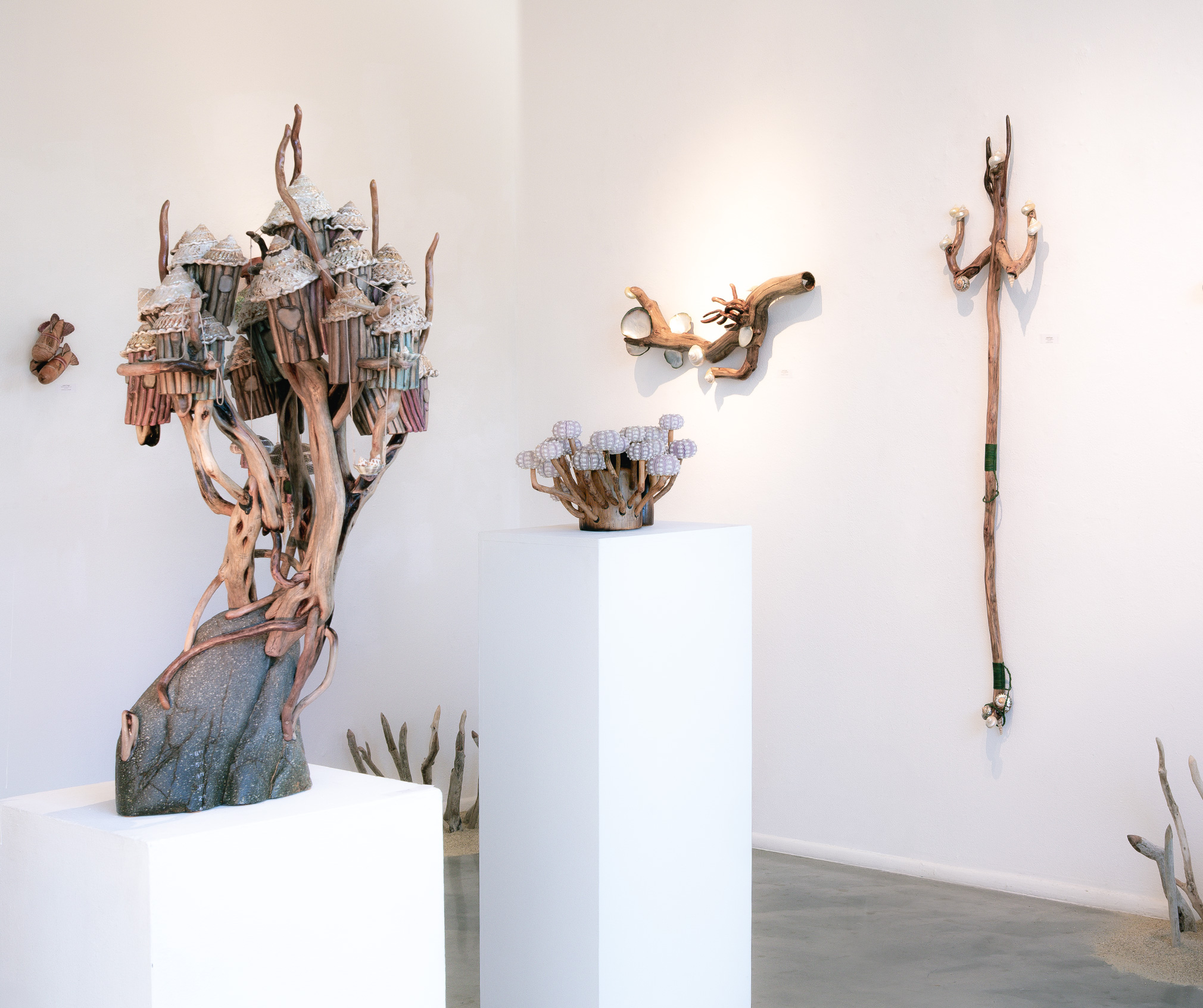
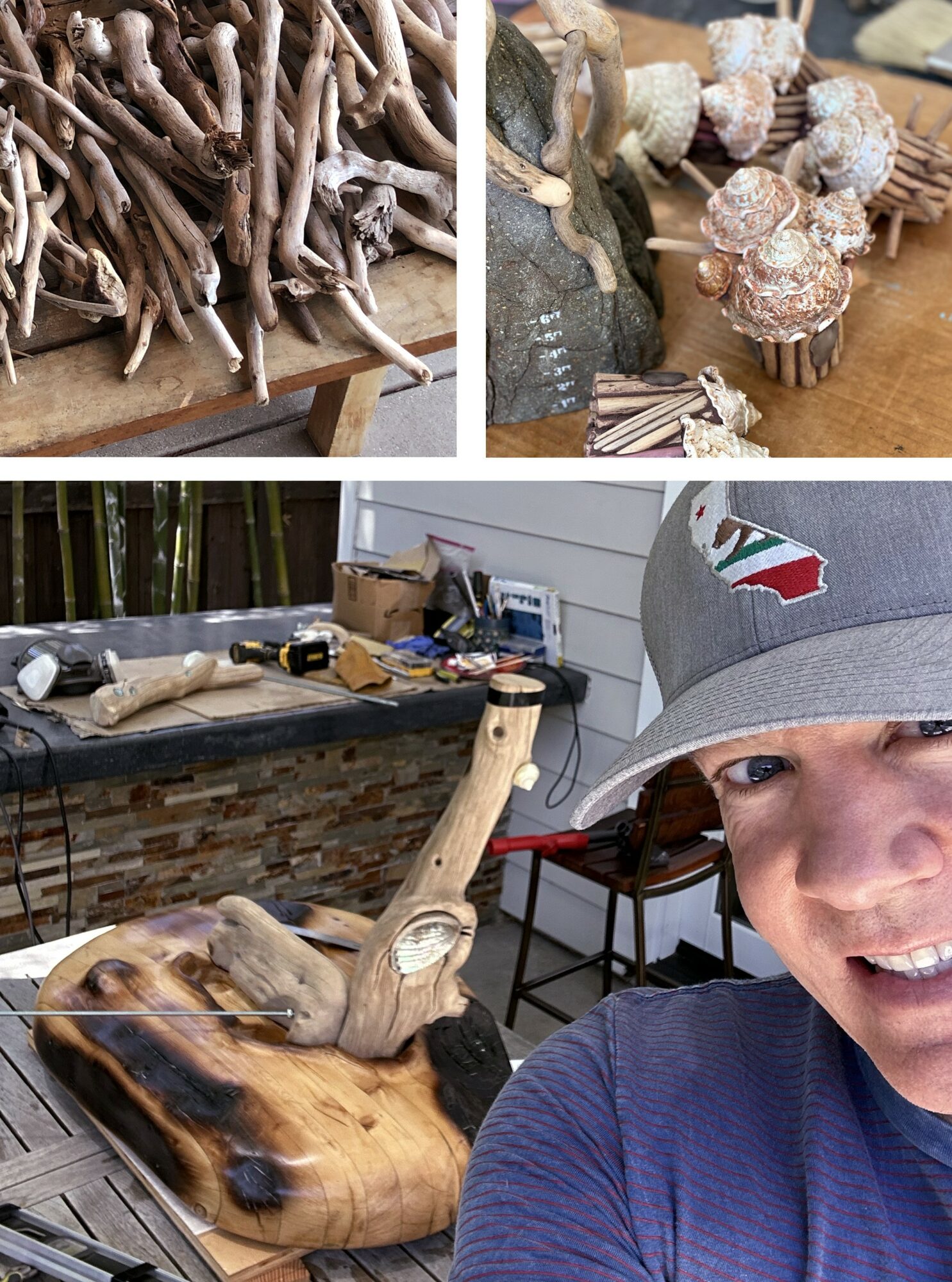
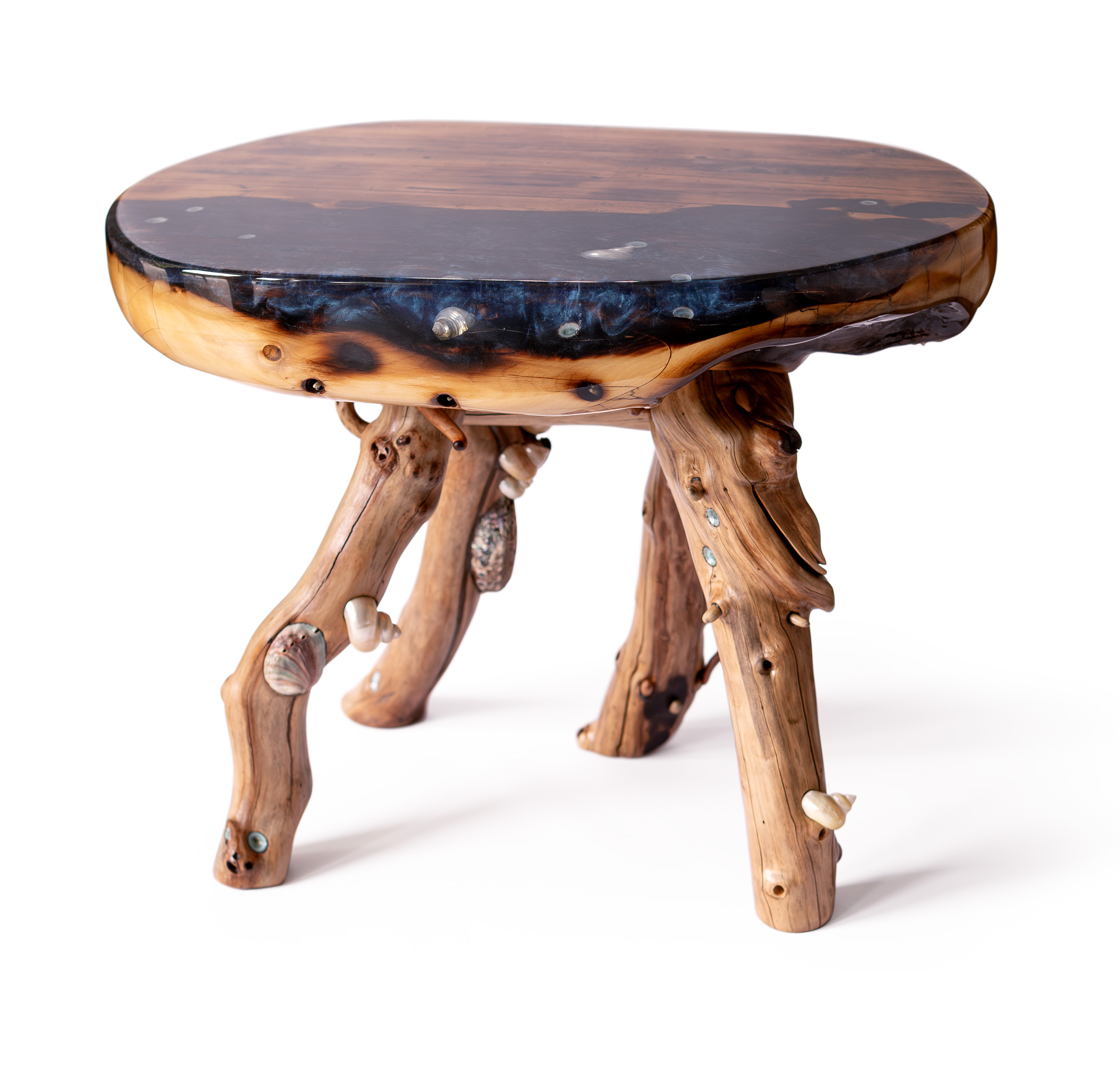
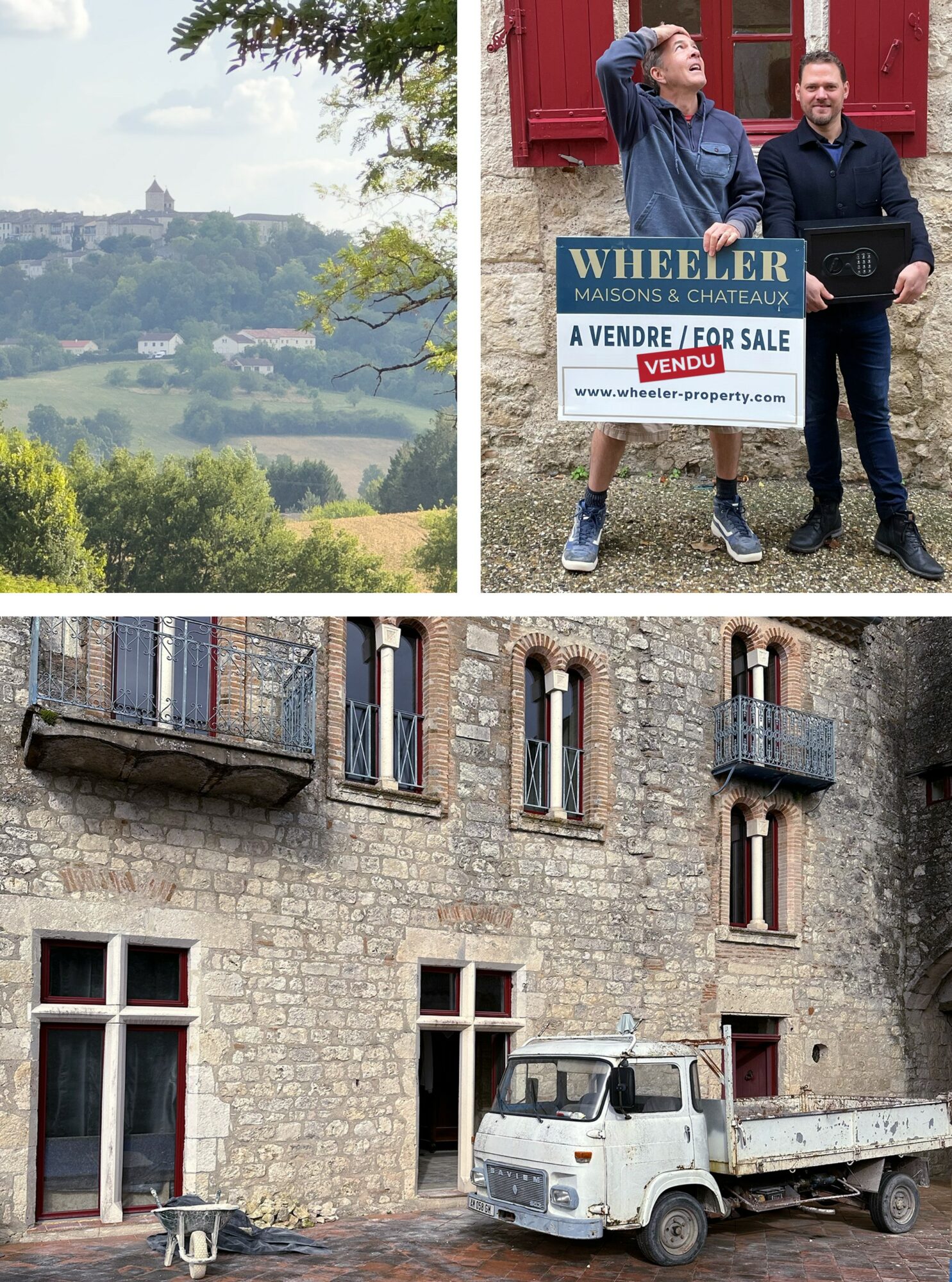
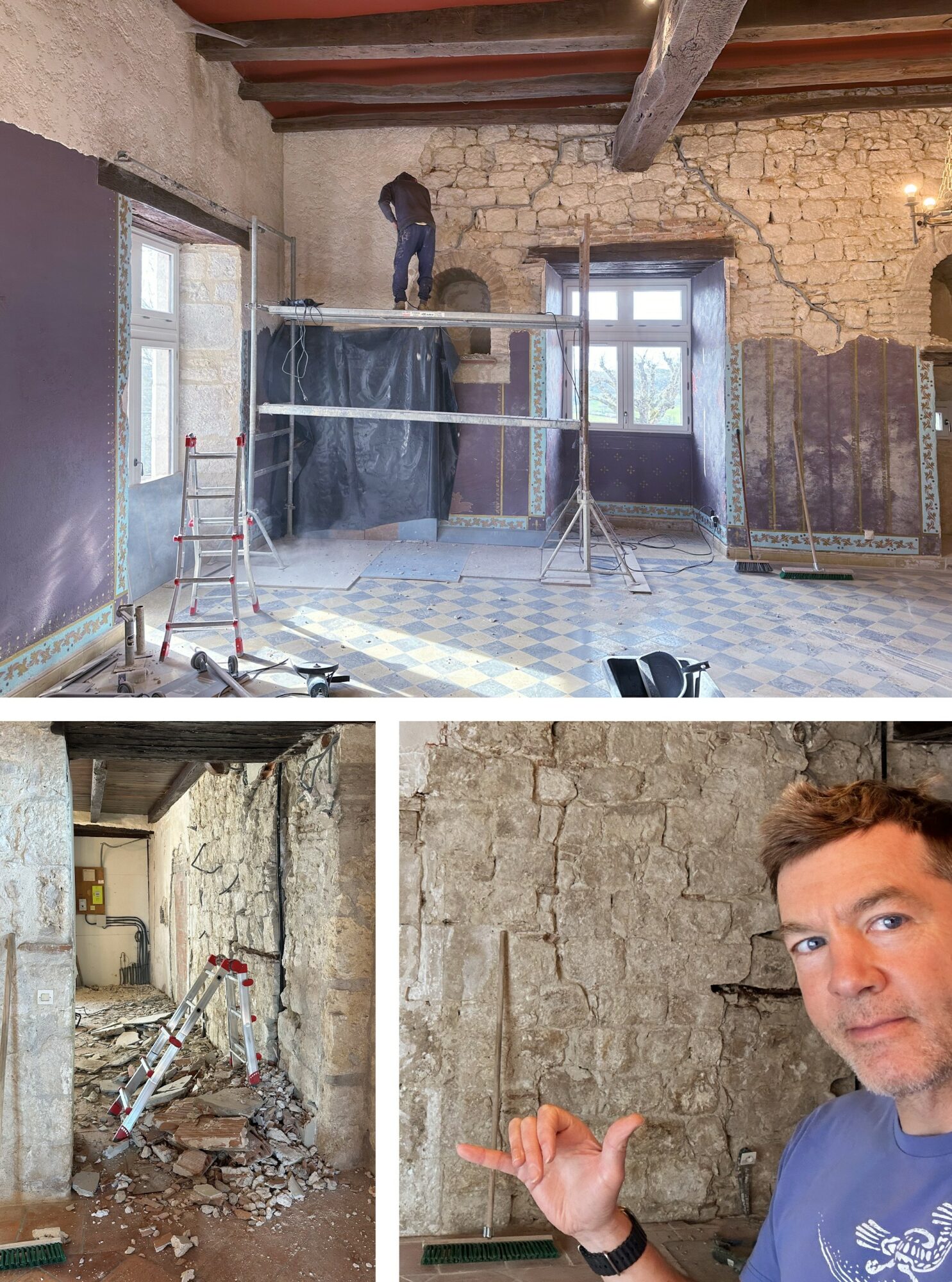
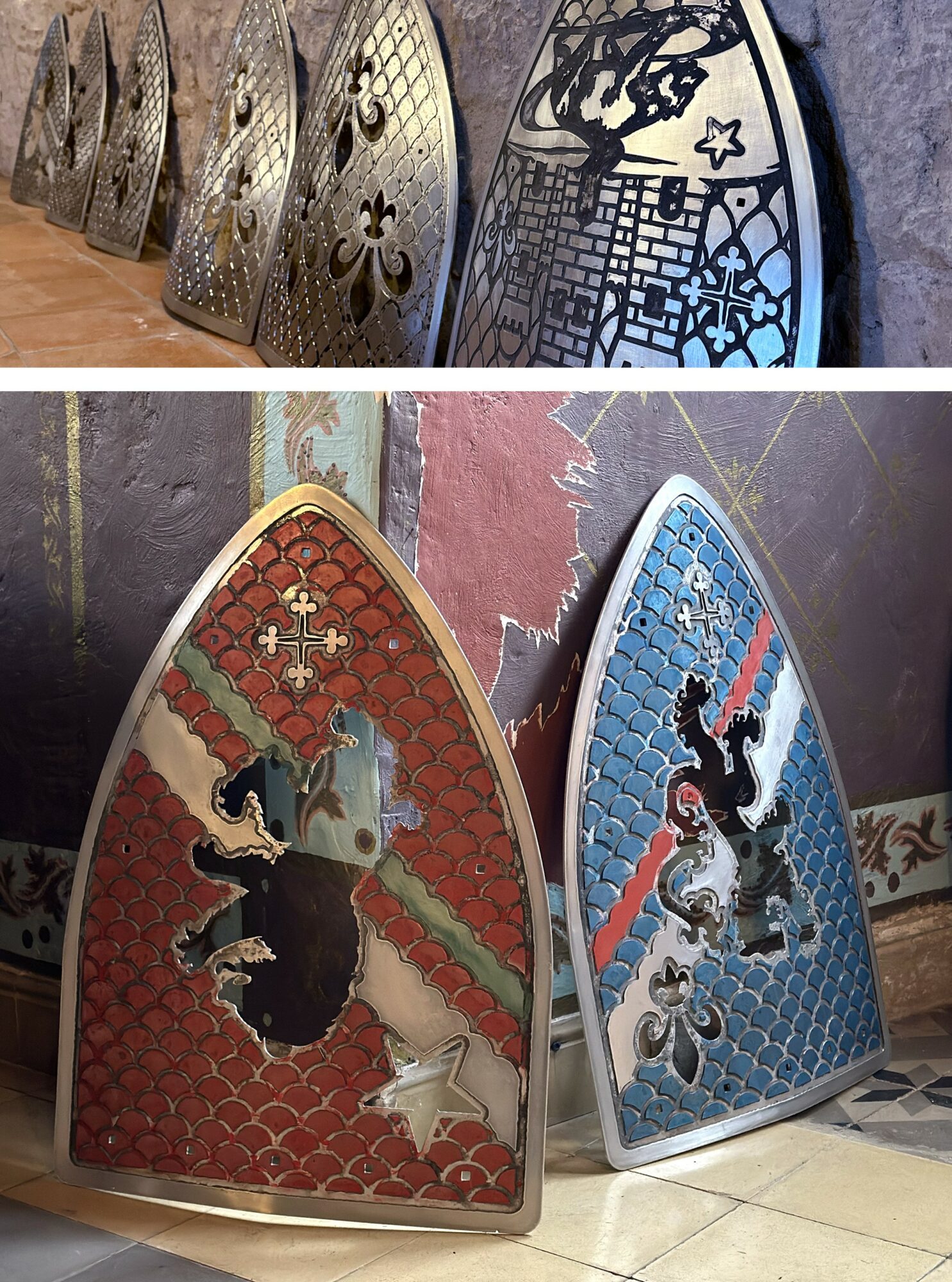
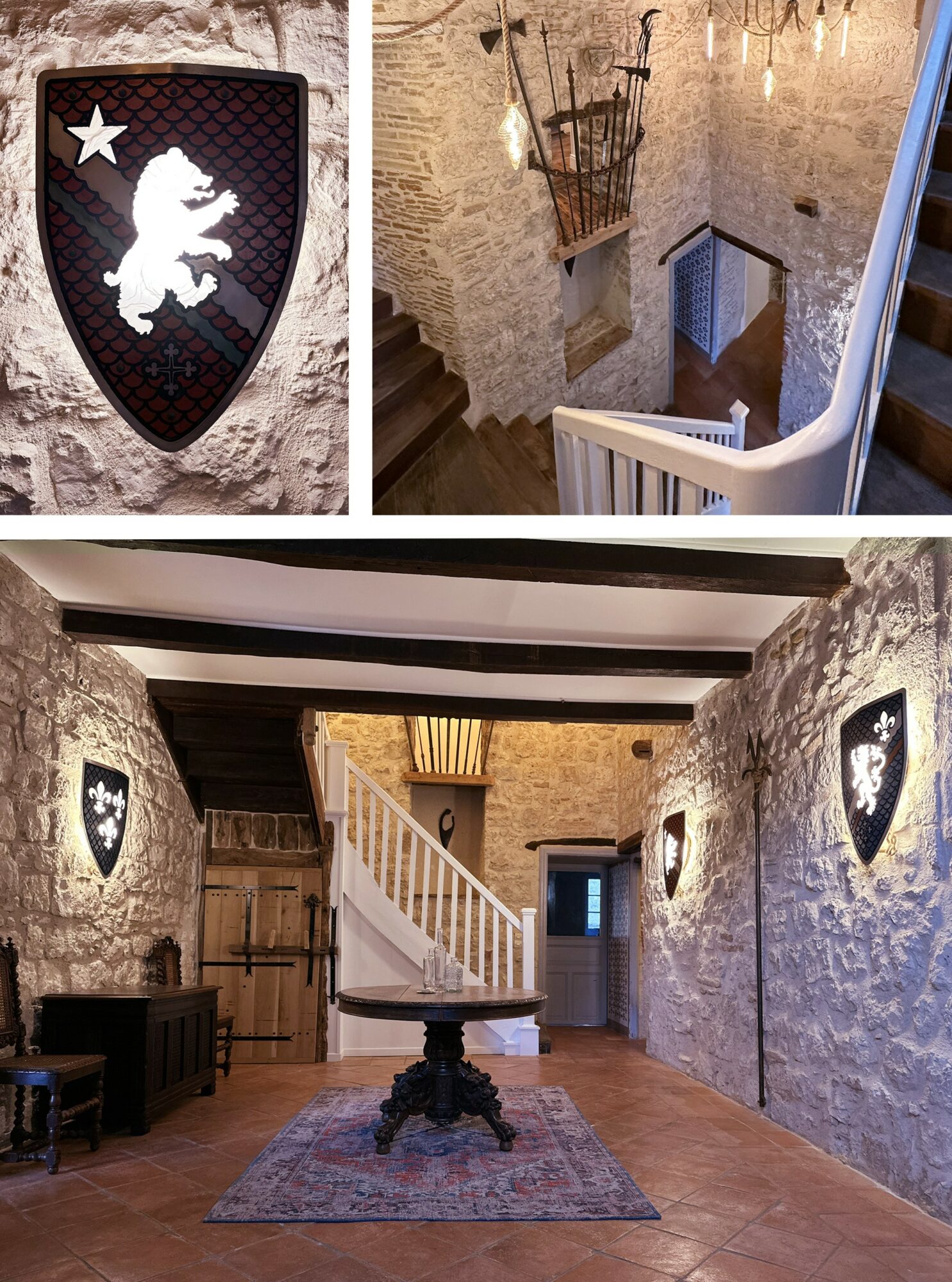
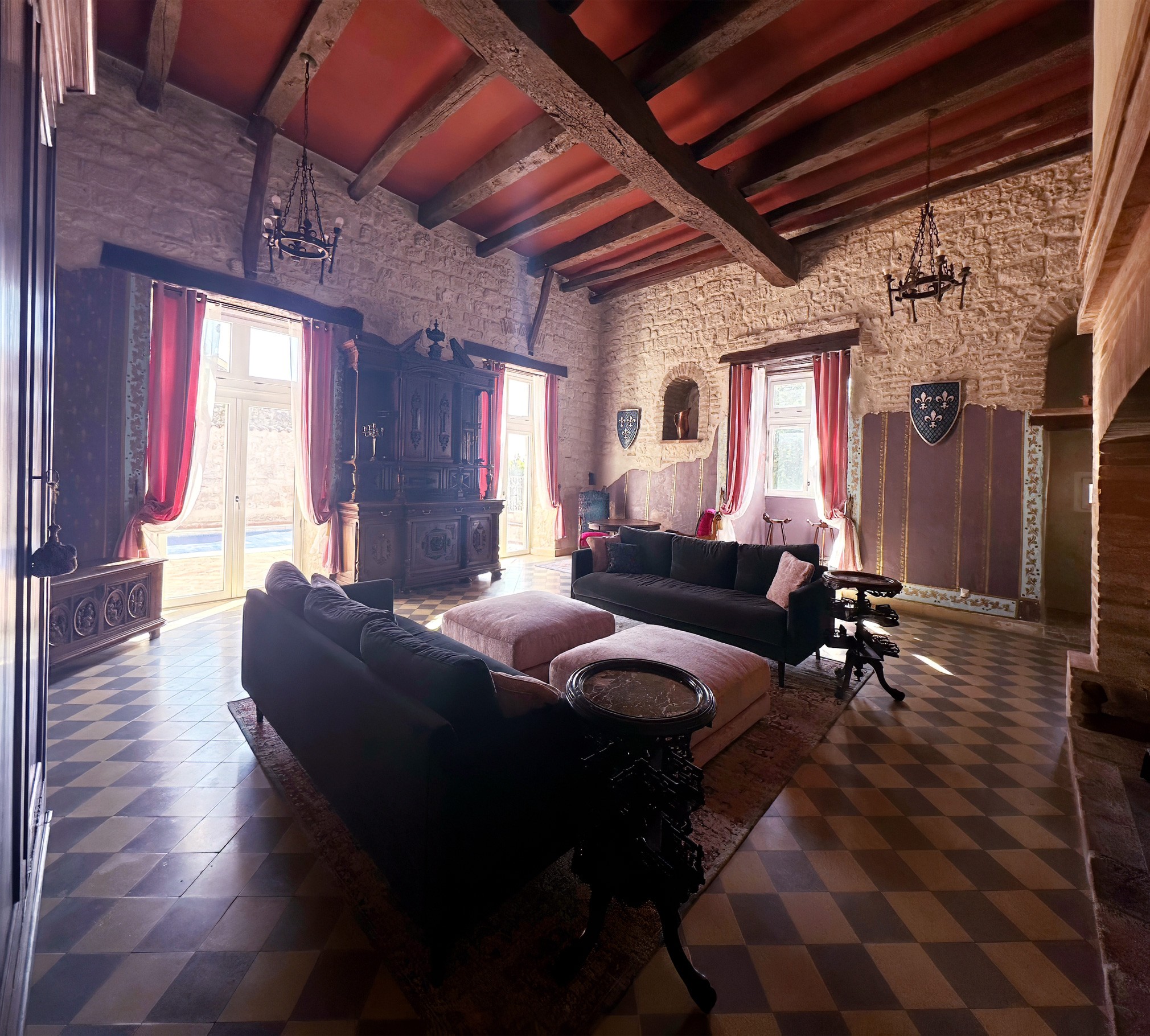
Image Credits
Justin Prough
Popular
-

Portraits of the Valley
-

LA’s Most Inspiring Stories
-

Rick Norris Learned That Building a Successful Business Means Building a Life You Actually Want to Live
-
How Olivia Rush Turned Survival Into a Mission to Help Others Keep Going
-

How Bibi Goldstein Is Helping Entrepreneurs Reclaim Their Time by Embracing the Power of Delegation
-

Victoria Hasson is Redefining Voice Coaching Through Community and Collaboration


