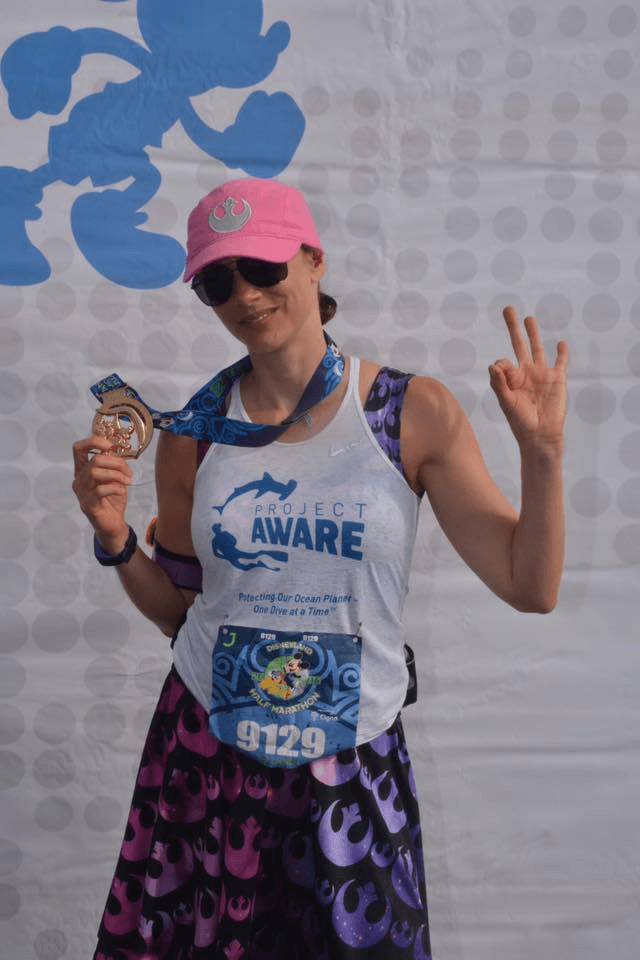



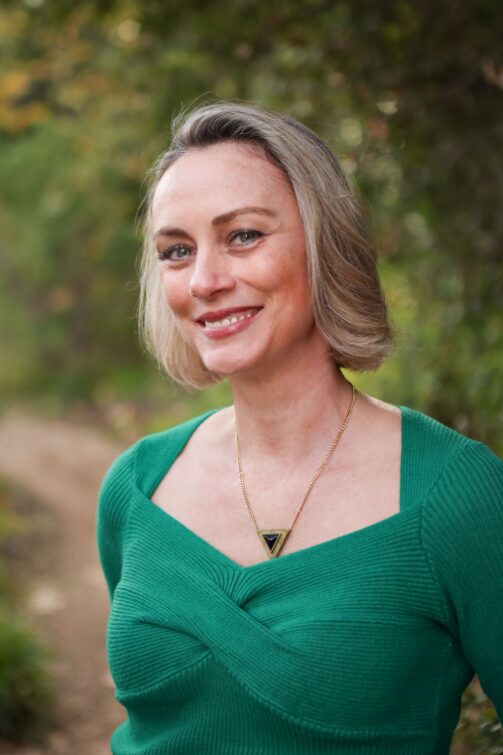
We’re looking forward to introducing you to Lauren Wiskerson. Check out our conversation below.
Good morning Lauren, it’s such a great way to kick off the day – I think our readers will love hearing your stories, experiences and about how you think about life and work. Let’s jump right in? What are you being called to do now, that you may have been afraid of before?
I’m being called to write books, openly and unapologetically.
For many years, writing was something I did in service of others: grant proposals, donor appeals, strategy documents, and narratives designed to help organizations articulate their missions and secure funding. That work sharpened my voice and discipline, but it also kept my creativity contained within professional boundaries.
What feels different now is the call to write from a more personal and expansive place. I returned to school to pursue a Communications degree specifically to deepen my craft, not just as a functional writer, but as a storyteller. Along the way, I found myself drawn into a broader writing community and inspired to explore multiple genres, from reflective nonfiction to spiritual and personal development writing, and even fiction.
Taking on something as large and long-term as writing books once felt daunting. The scope, the uncertainty, and the commitment required made it easy to hesitate. But over time, I’ve developed both the patience and the passion for this kind of work. I no longer feel rushed to produce; I feel grounded in the process itself.
What I may have been afraid of before was stepping fully into being seen as a writer in my own right, rather than someone whose writing exists primarily behind the scenes. Writing books requires vulnerability, patience, and the willingness to trust that my voice has value beyond any single format or outcome.
Now, that fear feels less like a stop sign and more like a signal. I’m learning to follow the curiosity, the creative pull, and the sense that this next chapter is about expression, authorship, and allowing my writing to take up more space in the world.
Can you briefly introduce yourself and share what makes you or your brand unique?
I’m a Certified Fundraising Executive and the founder of Kindred Spirits Collaborative, where I support mission-driven organizations through grant strategy, donor-centric fundraising, and partnership development. At the core of my work is helping organizations make sense of complex information and translate it into clear, compelling narratives that funders, partners, and communities can understand and trust.
What makes my work distinctive is the way I dig into data and context and then present it in a way that resonates. Whether I’m working with program outcomes, financials, research findings, or multi-year strategy, I focus on clarity and alignment. I help organizations connect the dots between what they are doing, why it matters, and how impact can be clearly communicated to decision-makers.
Over the past 15+ years, I’ve worked across healthcare, environmental conservation, social services, disability justice, and the arts, supporting organizations at different stages of growth. I’m often brought in when an organization needs to strengthen its positioning, build credibility with funders, or move from reactive fundraising to a more intentional, sustainable approach.
At this point in my career, I’m focused on building work that is thoughtful, strategic, and enduring, helping organizations and ideas be understood clearly, supported confidently, and carried forward with integrity.
Okay, so here’s a deep one: What was your earliest memory of feeling powerful?
One of my earliest memories of feeling powerful came after a period of feeling the opposite.
As a child, I was often afraid of being seen as wrong or unknowledgeable. I hesitated to ask questions, worrying that they might expose what I didn’t yet understand. That fear made me quiet at times, even when I was deeply curious.
Everything shifted when I discovered the power of asking clarifying questions. Instead of signaling weakness, I realized that thoughtful questions could open conversations, surface nuance, and change the direction of an outcome. The world felt larger and more accessible once I understood that understanding wasn’t automatic, it was something you actively participate in.
I began to notice that many people struggle to clearly communicate what they mean, even when their intentions are good. Without asking the right questions, it’s easy to misunderstand one another or talk past the real issue. But when you slow down and seek clarity, you create the conditions for better decisions, stronger relationships, and more effective solutions.
That realization stayed with me. Even now, I see power not as having all the answers, but as being willing to ask the questions that help everyone arrive at a clearer, more aligned outcome.
What fear has held you back the most in your life?
The fear that held me back the most was the fear of being wrong or misunderstood.
For a long time, I believed that competence meant having answers rather than asking questions, and that being uncertain might diminish my credibility. That belief quietly shaped how I showed up, encouraging caution over curiosity and restraint over expression.
Over time, I learned that this fear wasn’t about knowledge at all, it was about visibility. Being willing to speak, write, or ask questions in public spaces means accepting that not everyone will understand you, and that sometimes you’ll learn in real time. That felt risky for someone who values clarity and integrity.
What helped me move forward was recognizing that growth requires participation, not perfection. Some of the most meaningful progress in my work and life came from moments where I allowed myself to be seen thinking, learning, and refining in real time.
That fear still appears from time to time, but it no longer leads. I’ve learned that clarity emerges through engagement, and resilience comes from staying present and curious, even when certainty isn’t guaranteed.
Alright, so if you are open to it, let’s explore some philosophical questions that touch on your values and worldview. What are the biggest lies your industry tells itself?
In fundraising and nonprofit work, there’s often an unspoken belief that impact alone is enough, that if a program is strong and the mission is worthy, support will naturally follow. In reality, impact that isn’t clearly communicated is often invisible. Without strong storytelling, context, and follow-through, even excellent work can be overlooked or misunderstood.
Another common misconception is that more data automatically leads to better decisions. Data is essential, but numbers without narrative can feel abstract or disconnected. What actually builds trust is helping people understand what the data means, why it matters, and how it connects to real outcomes. Clarity, not volume, is what moves decisions forward.
There’s also a tendency to frame fundraising as transactional rather than relational. When success is measured only by dollars raised, organizations miss the opportunity to build long-term trust, alignment, and shared ownership with funders and partners. Sustainable support comes from relationships grounded in transparency and mutual understanding, not urgency alone.
At its best, this field is about stewardship, communication, and responsibility. When organizations are honest about where they are, clear about what they need, and thoughtful in how they share their story, the work becomes not just fundable, but credible and enduring.
Thank you so much for all of your openness so far. Maybe we can close with a future oriented question. If you knew you had 10 years left, what would you stop doing immediately?
This question feels deeply personal to me right now. I recently lost a sibling, and that kind of loss changes the way you look at time. It removes abstraction. It makes the idea of “ten years left” feel real rather than philosophical.
In the quiet moments since, I’ve found myself asking: what shifts should I make so that I leave this world content that I truly lived?
I wouldn’t stop working. I care deeply about what I’m building and contributing. But I would stop operating as if there will always be more time. I would stop postponing travel, creative writing, and long, unhurried conversations with people I love in the name of productivity.
I would also stop building in ways that depend entirely on my personal output. I want to leave behind something durable and thoughtfully constructed that can continue beyond me, whether that’s a business with structure or work that carries meaning. I want to know I built something with intention.
Most of all, I would protect presence. The morning tea. The walk. The time with my daughter. The space to create. Grief has clarified that being busy is not the same as being alive.
This question doesn’t make me want to retreat. It makes me want to be deliberate with the unknown and finite time left. Living fully and building wisely become the same project.
Contact Info:
- Website: https://kindredspiritscollaborative.com/
- Instagram: https://www.instagram.com/kindredspiritscollaborative
- Linkedin: https://www.linkedin.com/company/kindredspiritscollaborative/
- Facebook: https://www.facebook.com/kindredspiritscollaborative