




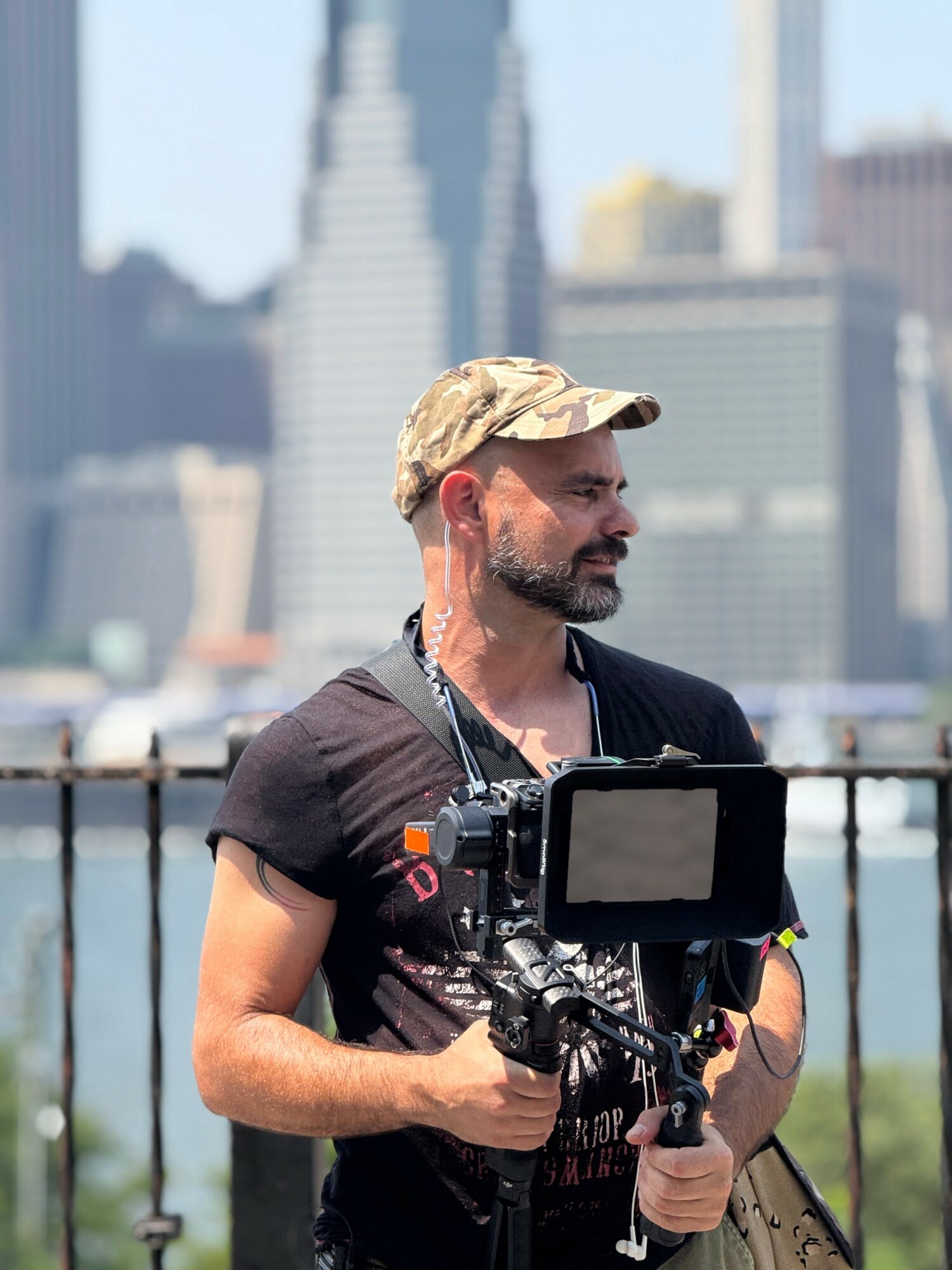
We’re looking forward to introducing you to Andres Garzas. Check out our conversation below.
Hi Andres, thank you so much for joining us today. We’re thrilled to learn more about your journey, values and what you are currently working on. Let’s start with an ice breaker: What is something outside of work that is bringing you joy lately?
Outside of work, what’s been bringing me the most joy lately is returning to simple, immersive things: camping in nature, going on long walks, and having conversations that open new ways of seeing the world.
I value those moments because they create space to think clearly. They remind me that many of the best ideas don’t arrive fully formed, they begin as an instinct, a tension, or a question worth staying with. I enjoy the process of giving those early ideas structure and direction until they become something real and useful. That way of thinking shapes a lot of how I approach my work.
Can you briefly introduce yourself and share what makes you or your brand unique?
I’m a cinematographer and visual storyteller with more than 25 years in the audiovisual industry, with a career shaped between Spain and the United States. I started in the camera department and over time built a body of work across feature films, documentaries, television, commercials, and music projects, which gave me both a strong technical foundation and a deep respect for story, tone, and point of view.
What makes my path a little different is that I’ve moved across both craft and strategy. Alongside my work as a director of photography, I’m also building creative platforms like Burrito Films, where I’m interested in developing stories, visual worlds, and original ideas with long-term potential.
At the center of everything I do is the same belief: images matter most when they are in service of something with deeper emotion, narrative, and meaning. That’s the thread connecting my work across formats, industries, and the projects I’m building now.
Okay, so here’s a deep one: Who taught you the most about work?
I would say the camera department taught me the most about work. I spent ten formative years coming up through that world, and it gave me an education that went far beyond technique. It taught me discipline, patience, responsibility, and respect for the craft.
Early on, I had the chance to work around remarkable cinematographers and crews, and one of the most valuable lessons was seeing how serious professionals carry themselves under pressure. The best people were never only talented; they were prepared, consistent, collaborative, and deeply committed to the story.
That stayed with me. As I grew into my own path as a director of photography, I kept that same belief: that the work is never only about making beautiful images, but about creating images with purpose, images that belong to the emotional and narrative life of the project.
What’s something you changed your mind about after failing hard?
After failing hard, I changed my mind about what resilience really means. I used to think resilience was about hiding pain, staying silent, and proving you could handle everything on your own. Over time, I learned that real resilience looks very different: it’s about facing reality honestly, learning from the hit, and using the experience to become sharper, wiser, and more grounded. That shift has shaped the way I move through challenges now. I no longer see struggle as something to hide, but as something that can become fuel for growth.
Next, maybe we can discuss some of your foundational philosophies and views? How do you differentiate between fads and real foundational shifts?
I usually differentiate between fads and foundational shifts by looking at what remains once the excitement disappears. Fads are often driven by novelty, social momentum, and short-term attention. Foundational shifts, on the other hand, change underlying behavior, incentives, or systems. They do not just capture interest; they create new defaults. Over time, I have learned that the strongest signal is not how loudly something arrives, but how deeply it changes the way people operate once the hype is gone.
Okay, so let’s keep going with one more question that means a lot to us: What are you doing today that won’t pay off for 7–10 years?
One of the main things I’m doing today that likely won’t pay off for 7–10 years is building for compounding rather than immediacy. I care deeply about creating ideas, platforms, and relationships with enough depth to outlast trends and enough clarity to remain useful over time. That kind of work rarely produces instant rewards, but I believe it creates a different kind of value, one rooted in trust, relevance, and durability. At this stage, I’m less interested in quick recognition and more interested in building something that still matters years from now.
Contact Info:
- Website: https://www.andresgarzas.com
- Instagram: https://www.instagram.com/garzas_dp/
- Linkedin: https://www.linkedin.com/in/andresgarzasdp/
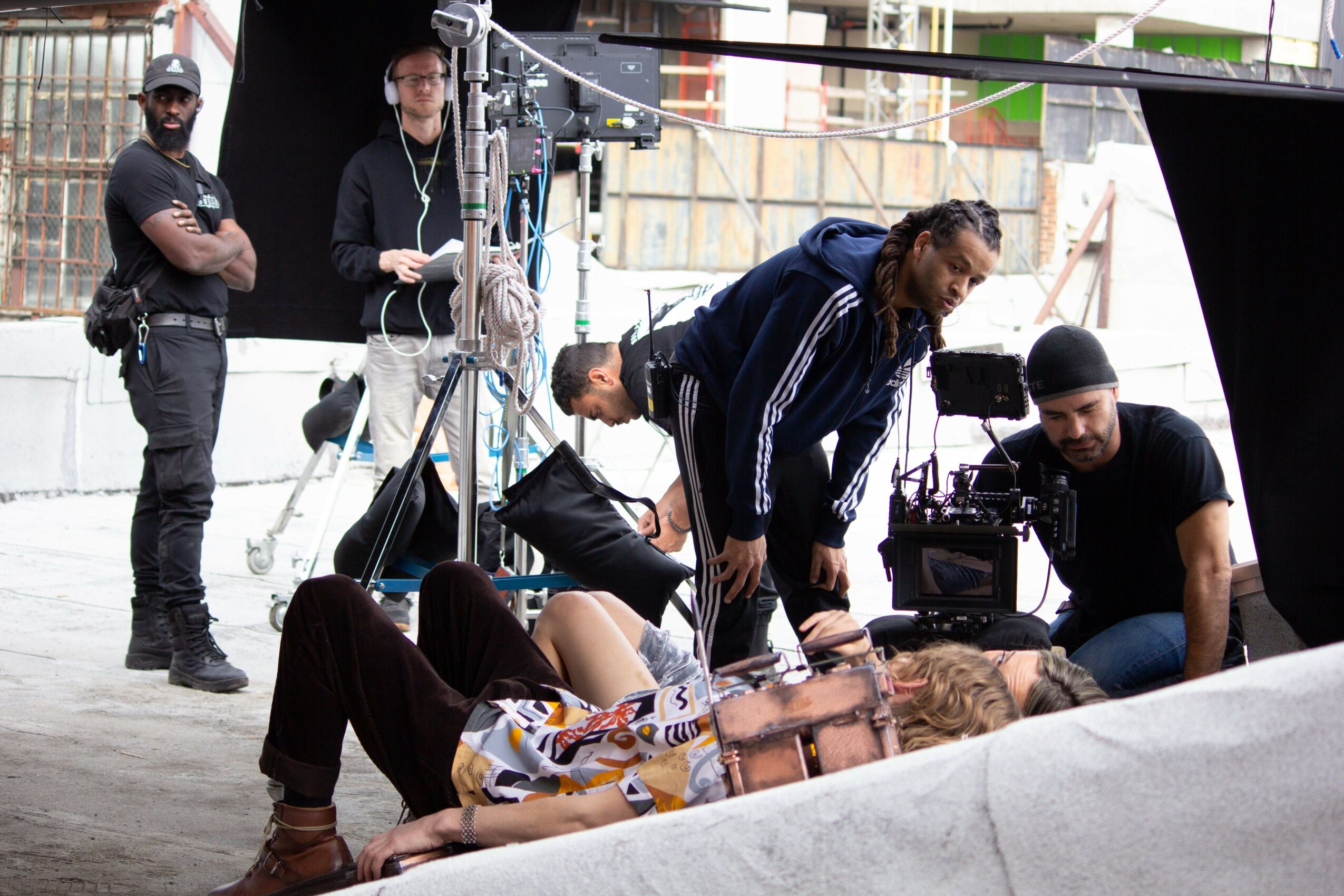
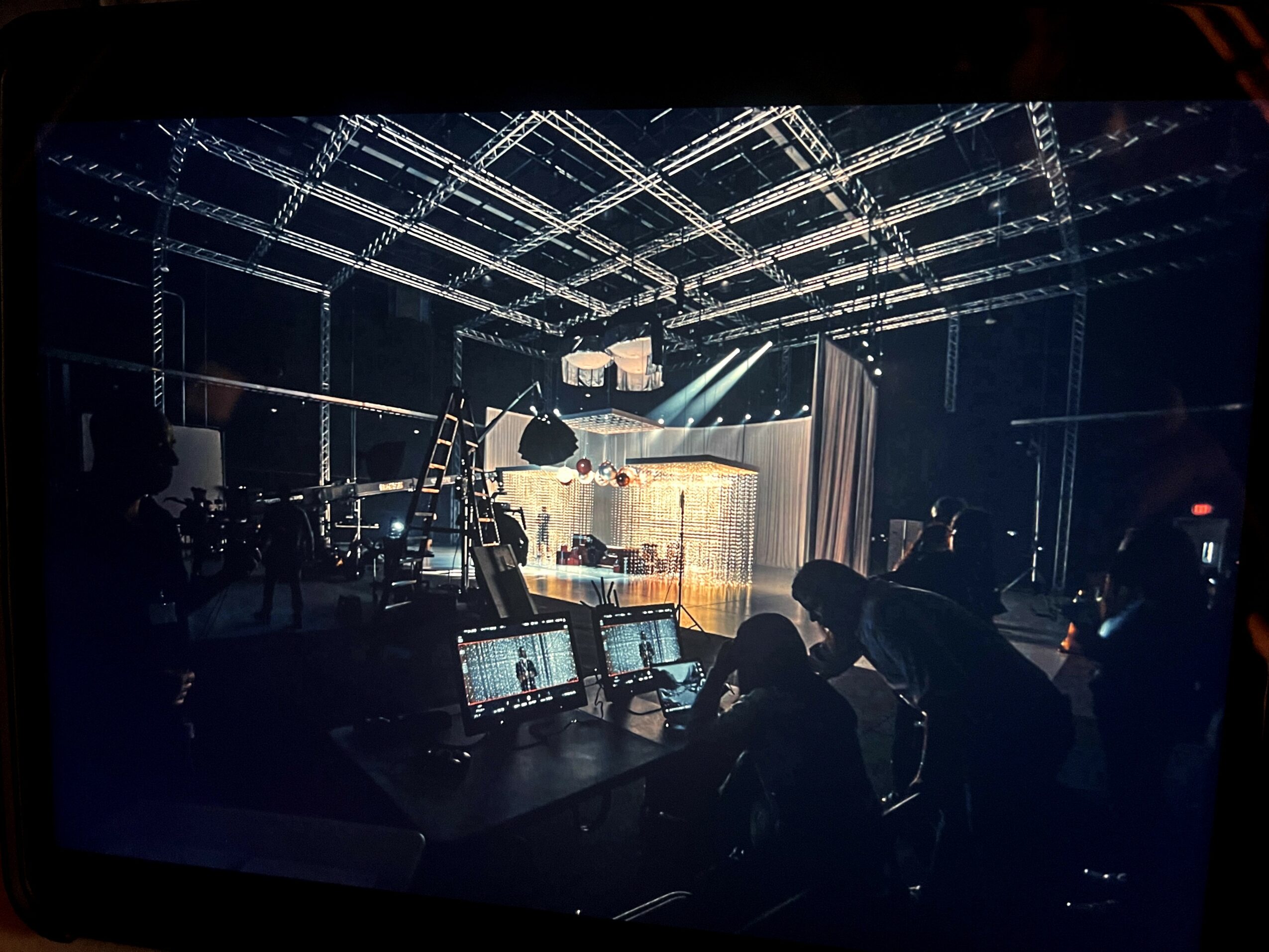
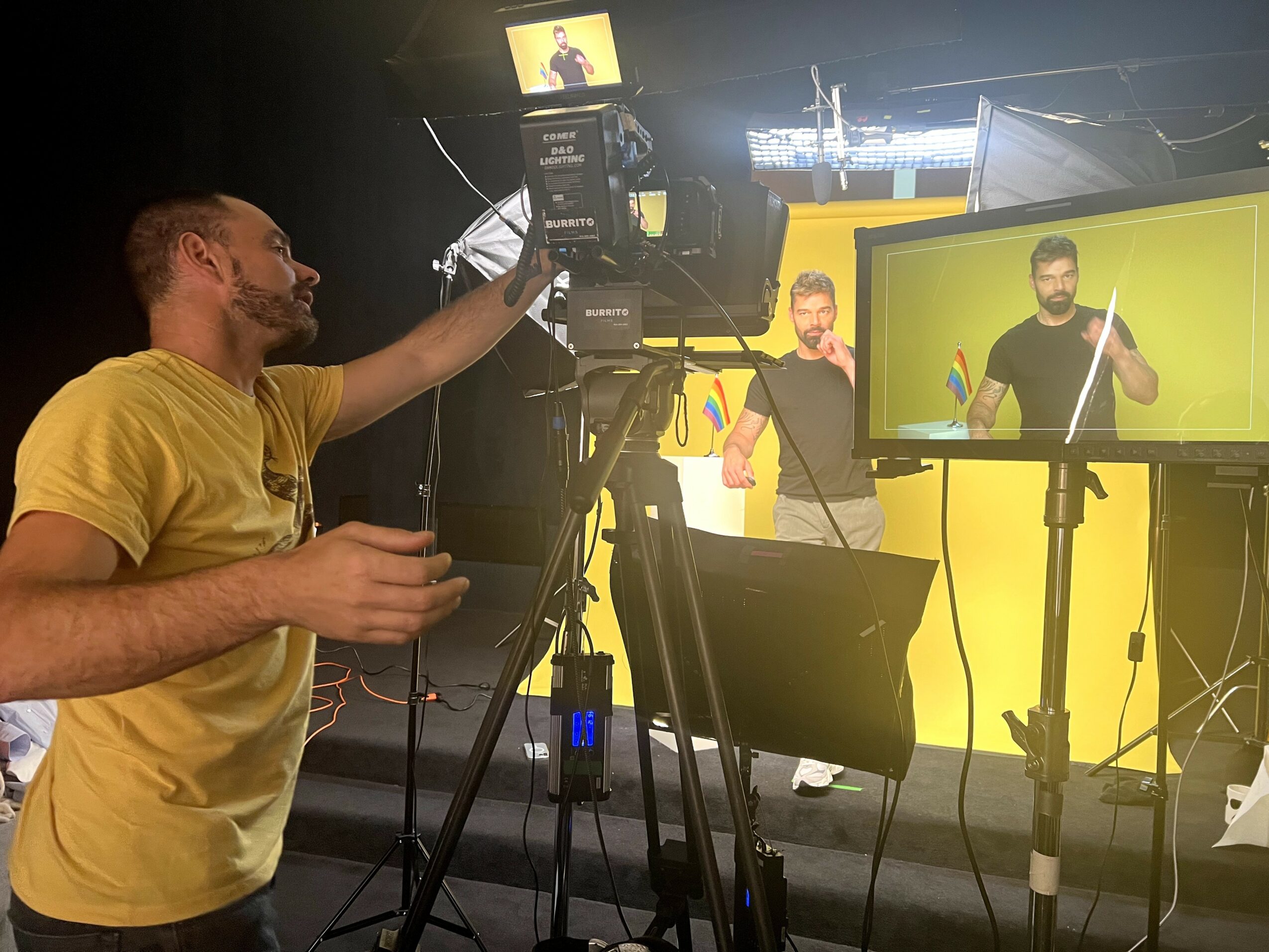
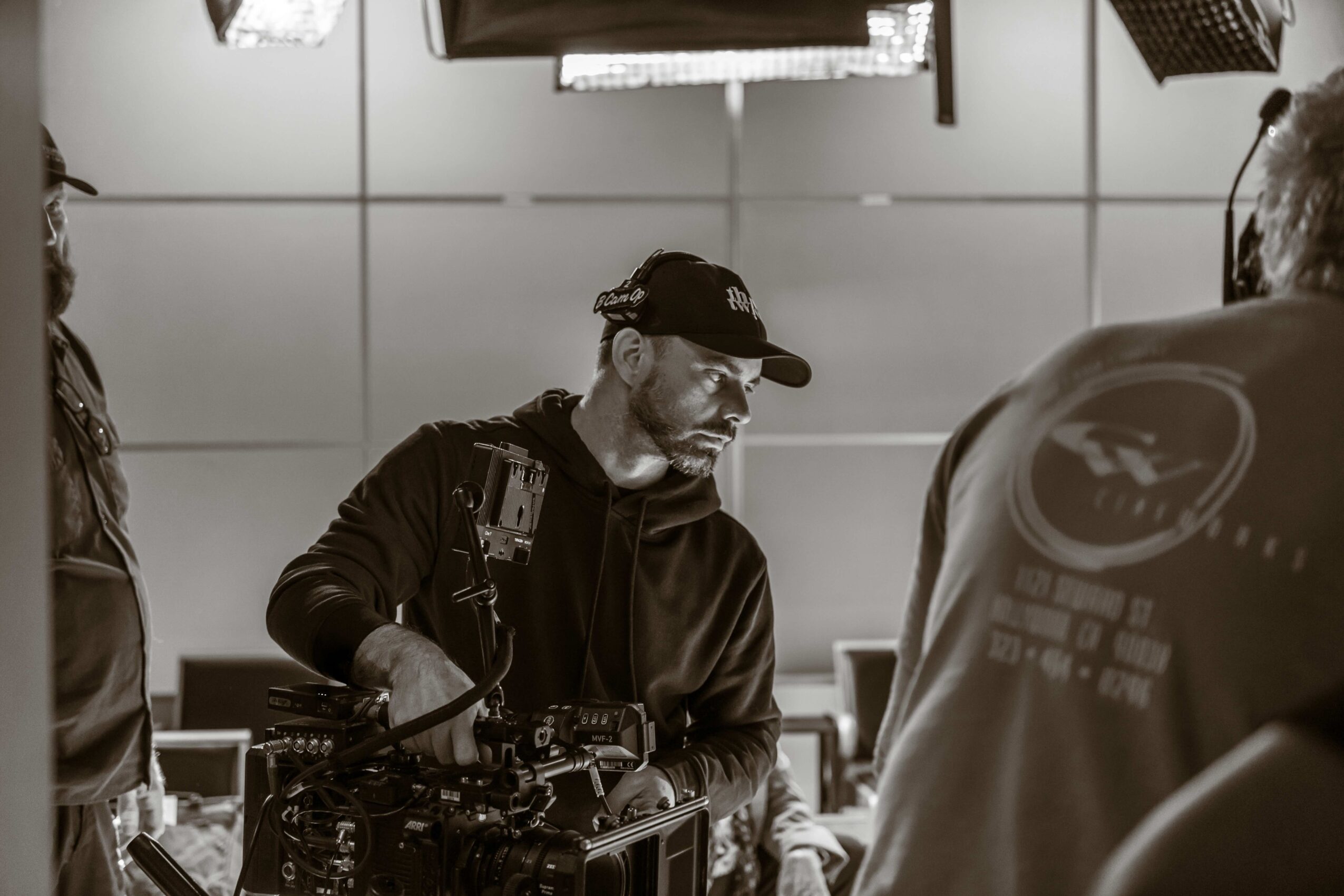
Image Credits
No credits. I have the rights
Popular
-

Portraits of the Valley
-

LA’s Most Inspiring Stories
-

Rick Norris Learned That Building a Successful Business Means Building a Life You Actually Want to Live
-

How Olivia Rush Turned Survival Into a Mission to Help Others Keep Going
-

How Bibi Goldstein Is Helping Entrepreneurs Reclaim Their Time by Embracing the Power of Delegation
-

Victoria Hasson is Redefining Voice Coaching Through Community and Collaboration


