




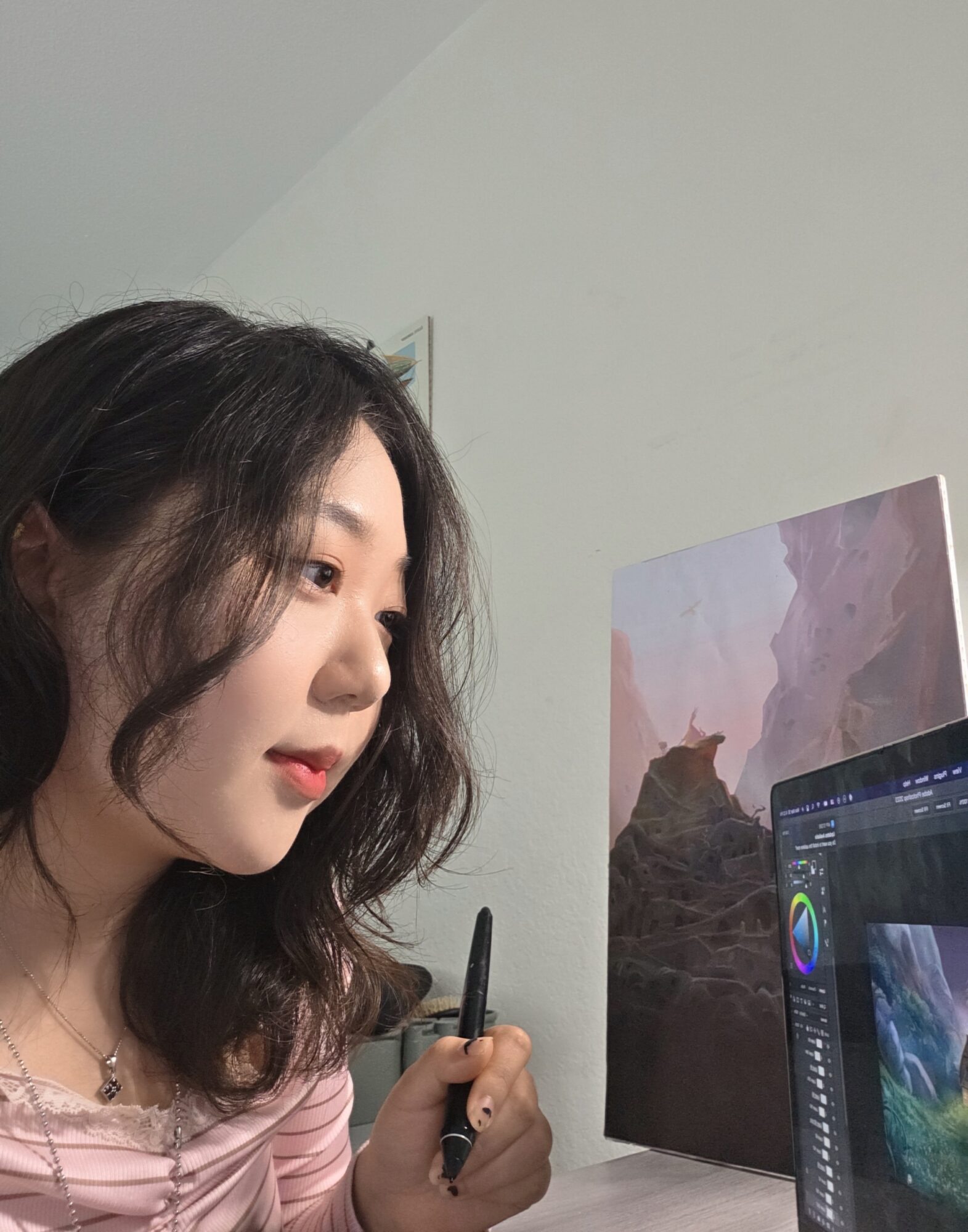
Today we’d like to introduce you to Sumin Joo.
Hi Sumin, thanks for sharing your story with us. To start, maybe you can tell our readers some of your backstory.
I was born in South Korea and grew up mostly in Seoul. From a young age, I discovered my love for drawing—I would sketch everywhere: on notebooks, whiteboards, and even random tissues at restaurants. I created my own comics and imagined episodes for my characters, always asking myself, “What’s going to happen next?”
What drew me most to art, however, wasn’t just the act of drawing—it was the way stories could make me feel. Reading webtoons and manga, I remember being so moved and excited by the characters’ experiences. Those emotional connections fascinated me. I realized that art and storytelling could reach others in a way words alone sometimes couldn’t, and I wanted to create that same experience for my viewers; to make them laugh, feel suspense, or connect with a world I built, just like I had with the stories I loved.
Even before my skills were polished, the joy of imagining stories and sharing them with friends and family motivated me. Seeing their reactions made me understand that storytelling could touch people’s hearts, and that understanding has guided my journey as an artist ever since.
As I grew older, I began taking art more seriously, learning fundamentals and exploring new techniques. I moved to Vancouver, Canada, for high school, where I continued developing my portfolio and challenging myself creatively. It was there that I discovered the role of a concept artist—someone who designs worlds, characters, environments, and props, which completely captivated me. At that time, everything was new and fun: painting with gouache, learning both traditional and digital methods, and experimenting across media. That sense of creative obsession I had as a child—sketching anywhere and everywhere—was reignited.
Eventually, I was accepted into ArtCenter College of Design, where I majored in Illustration with a focus on Entertainment Arts. College was a transformative time: I could fully dedicate myself to exploring art and design in depth, taking risks, and learning through trial and error. I came to understand what I loved, what I didn’t, and what I wanted to focus on as an artist. For me, that process of discovery and the freedom to fail and try again was invaluable.
Now, after graduating, I balance teaching art with freelance projects, which allows me to grow as an artist while sharing my passion with others. My life has been full of relocations and unexpected moments, but I’ve come a long way from those early sketches. And I remain curious, always wondering what new stories and ideas are waiting to be discovered next.
Would you say it’s been a smooth road, and if not what are some of the biggest challenges you’ve faced along the way?
I don’t think anyone’s path is ever completely smooth. Everyone’s journey is different, and even when someone appears successful or privileged, they face challenges that aren’t always visible.
For me, one of the biggest struggles has been balancing perfectionism with comparison. Growing up in Korea, I was surrounded by a highly competitive environment where everyone was striving to be the best. At some point, I realized I wasn’t uniquely outstanding compared to others with similar interests, and that realization was difficult—but it also motivated me to improve.
When I began studying at ArtCenter, that pressure intensified. I was surrounded by incredibly talented, hardworking peers, and the environment was very competitive. Being constantly exposed to high-level work online made it easy to compare myself and feel discouraged. I often questioned whether I could ever reach that level, and I found myself focusing on creating work that looked “impressive” rather than work that truly felt like my own. On top of that, my assignments were often critiqued very harshly, which was difficult to take at first. I had to remind myself that perfection doesn’t exist and that critiques were meant to help me grow, not diminish me.
Over time, I began shifting my focus toward developing my own voice. My senior project, Fallen Sky, was a turning point. It allowed me to fully embrace my personal interests—I’ve always been drawn to exploring the world and discovering diverse forms of architecture, and North African culture fascinated me. I created a world that combined architectural elements with North African influences, incorporating hammams, desert landscapes, and characters such as fennec foxes and a harpy.
That project felt like I was truly creating something that reflected who I am. It wasn’t about comparison anymore—it was about building a world that felt authentic and meaningful. Looking back, those struggles with perfectionism and self-doubt were difficult, but they ultimately pushed me to grow and helped me better understand my identity as an artist.
As you know, we’re big fans of you and your work. For our readers who might not be as familiar what can you tell them about what you do?
I love making characters and settings for games and animation. What really gets me going is seeing an idea grow from a simple sketch into a world that people can explore. It’s not just about making things look good for me; it’s also about shaping the story and working with the team to bring it to life.
As a concept and visual development artist, I focus on environmental design and background painting because I’ve always liked places that tell their own stories. I think of settings as characters because they affect how people feel, act, and how a story unfolds. I try to make worlds where every little thing matters, like how light moves across a building or a rough landscape. I aim for a scene to feel alive, one that has hints of the past or the future, even when there aren’t any people in it.
One of my favorite ways to show how I feel and tell stories is with color. I love playing with light, trying out different color combinations, and finding new colors along the way. I really like painterly brush marks and textured surfaces because they add depth to my work and make environments feel real and immersive. I pay a lot of attention to details, and I love working with purple tones. I also like playing with light, color, and texture to make spaces that are rich and interesting.
A project that really stands out for me was designing a café and props for the YouTube series Creepy Things. Seeing my designs come to life in an actual animation pipeline was incredibly rewarding, and it gave me a deeper appreciation for how design supports storytelling. I’m also working on other freelance projects for an undisclosed animation series and a game studio. Every new project pushes me to think differently about how environments can shape a story, and I love that challenge—it’s what keeps me growing as an artist.
I’m inspired by the world-building in films and games like The Matrix, Cyberpunk 2077, Terminator, Castle in the Sky, etc. I’ve always been drawn to fantastical, otherworldly environments—spaces that feel immersive, detailed, but also personal. My goal is to create worlds that feel alive, intriguing, and rich with story, so that viewers feel both transported and connected to them.
At the core, what drives me is creating immersive, detailed worlds that invite viewers to pause, wander, and imagine. For me, the magic isn’t just in drawing—it’s in designing spaces that feel lived-in, intentional, and full of quiet stories waiting to be discovered.
What were you like growing up?
Growing up, I was naturally curious and expressive, and I loved spending time imagining stories and getting excited about the things I enjoyed. One of the first series that drew me into animation was Case Closed. Even though it’s often seen as a show for younger audiences, I was especially fascinated by its darker, suspenseful moments. I think that early interest is part of why I’m still drawn to atmospheric and slightly mysterious themes in my work today.
I also have vivid memories of traveling with my family. My parents loved to explore, so I visited many mountains and Buddhist temples across Korea—there are so many hidden gems. These experiences shaped how I see environments and taught me to appreciate quiet, layered spaces and the feeling of being fully immersed in a place.
In middle school, I was part of a comic club. I enjoyed drawing with friends and, more than anything, talking endlessly about manga and anime—sharing excitement over the stories and characters we loved.
When I moved to Vancouver for high school, it took some time to adjust to a new environment. Luckily, I found friends I connected with, and I fell in love with the nature there. I really miss the relaxed days I spent exploring with Dana, my poodle! Also, I really liked how I got to meet people with such diverse backgrounds. I realized that there is a whole new world outside of South Korea and it was interesting to see various cultures. I truly cherish those moments, and they make me deeply appreciate the sacrifices my parents made to give me such wonderful memories and experiences.
As I grew older, I became a bit more reserved at first, but once I feel comfortable, my energy shifts. I began to open up and enjoy having fun conversations. I have a balance between introspection and expressiveness and it still reflects how I approach both my personality and my work today.
Contact Info:
- Website: https://www.suminjoo.com/
- Instagram: https://www.instagram.com/sum1n.j/
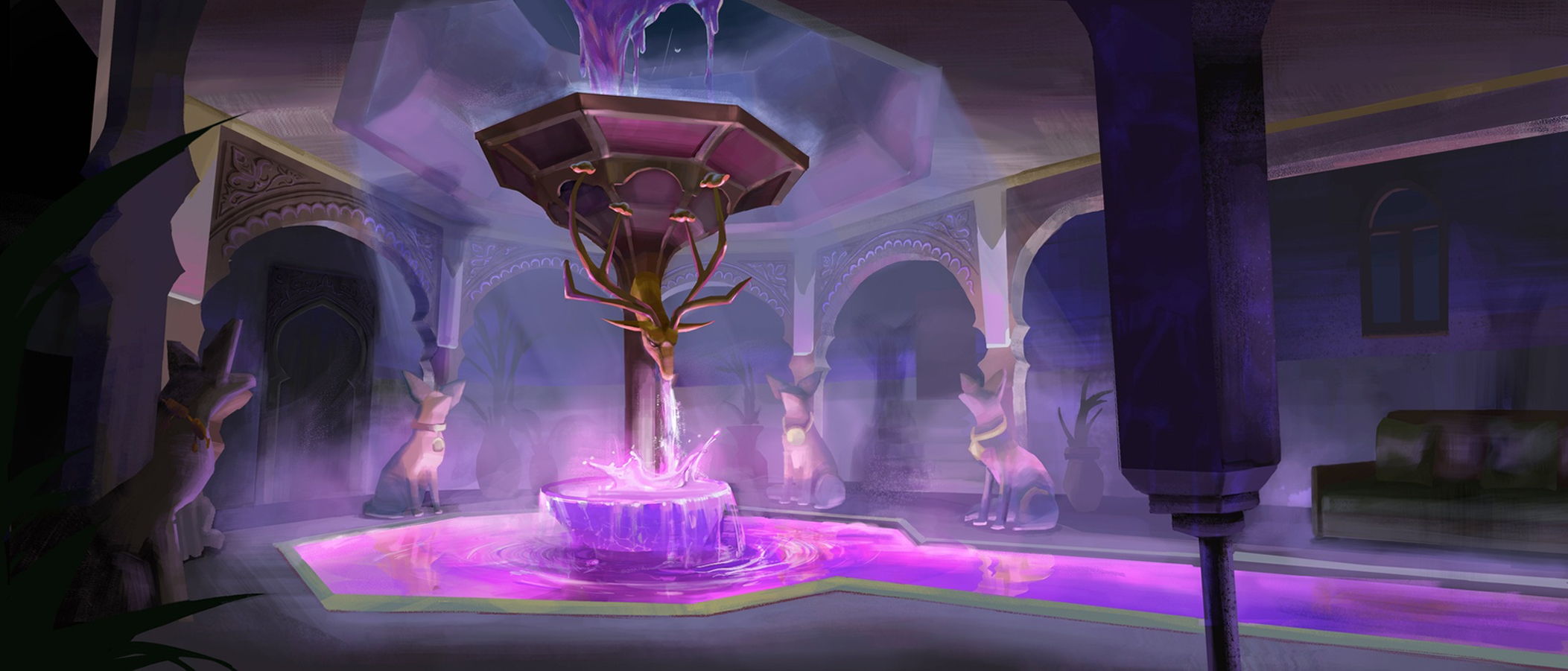
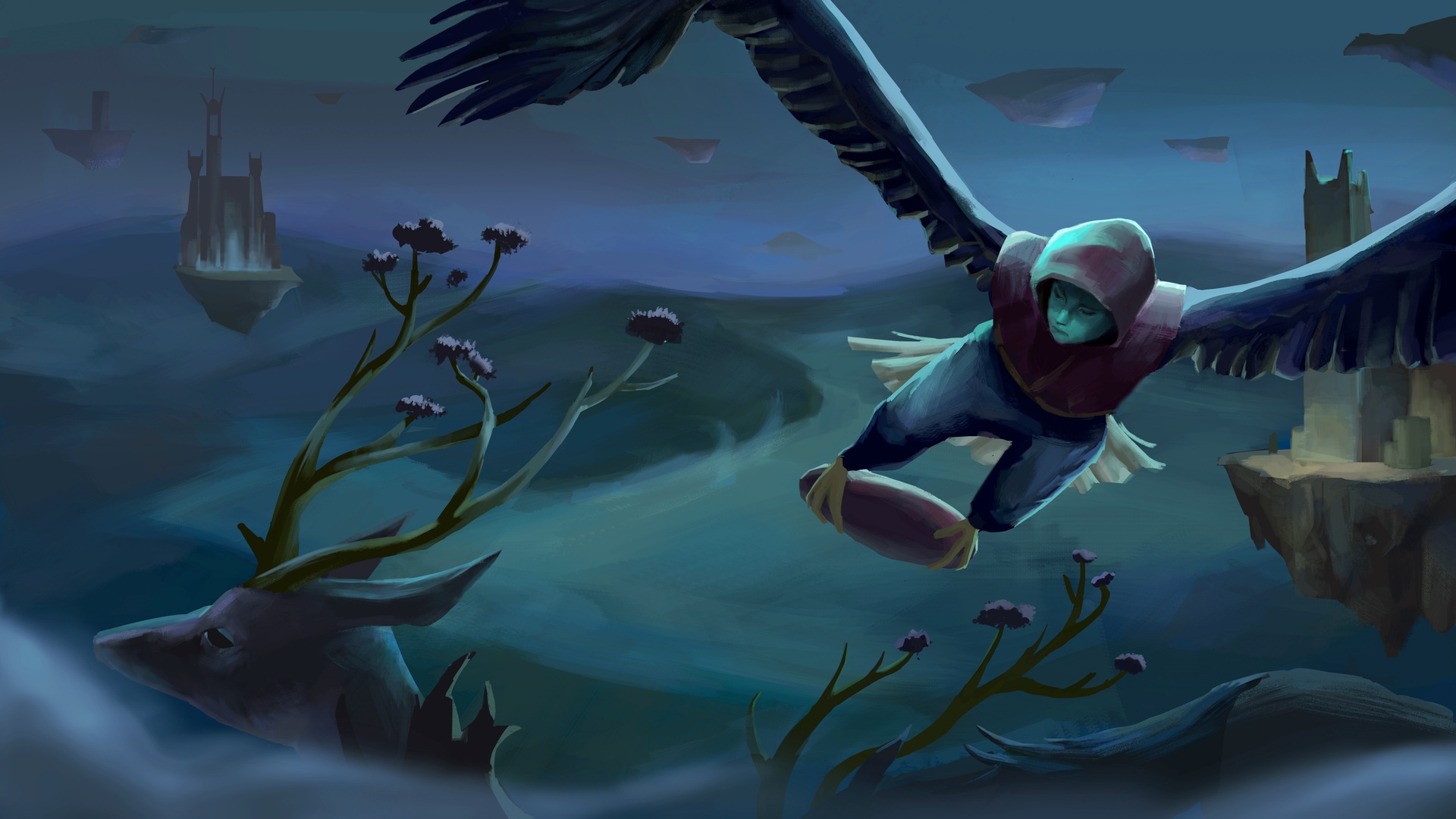
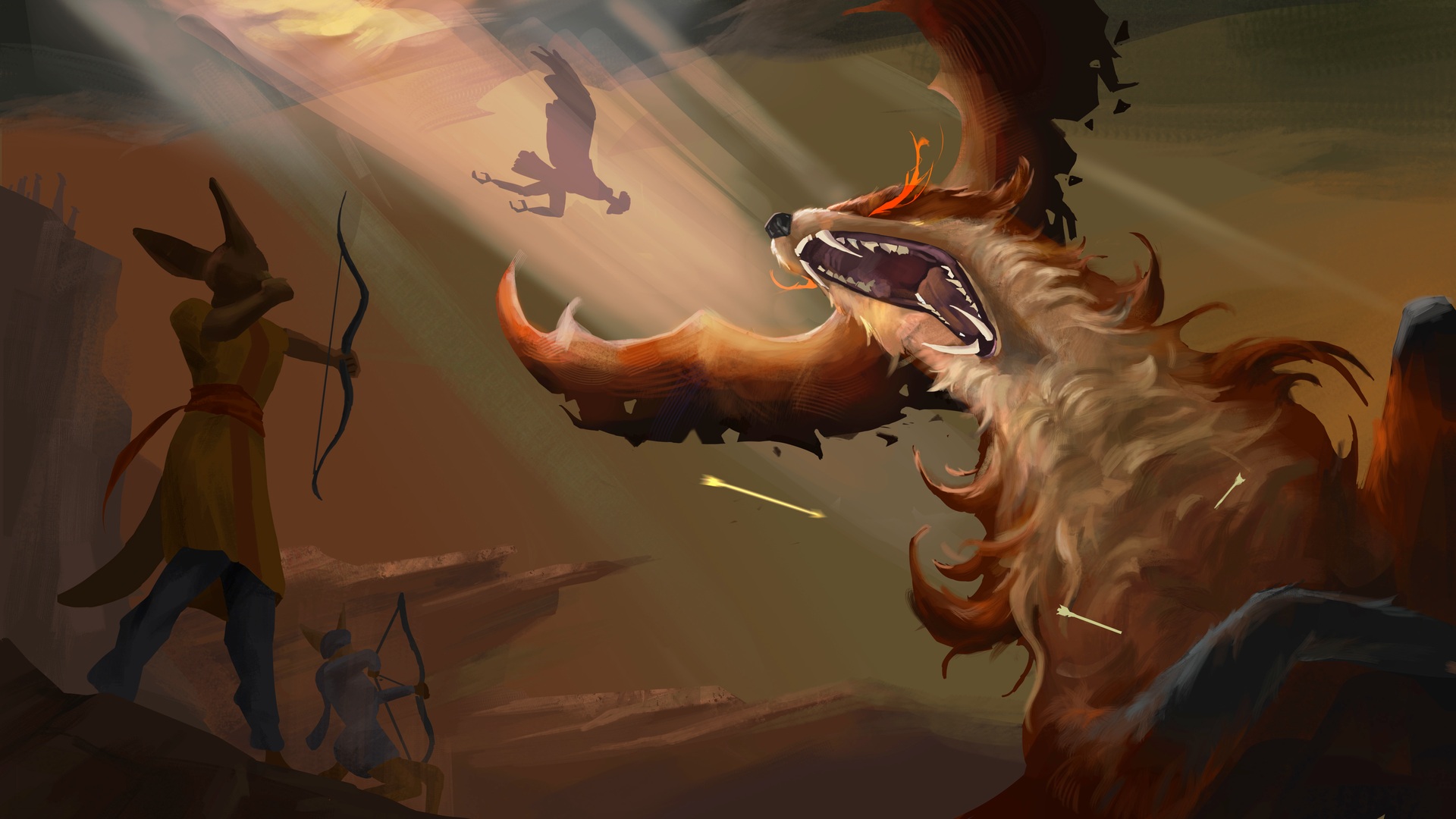
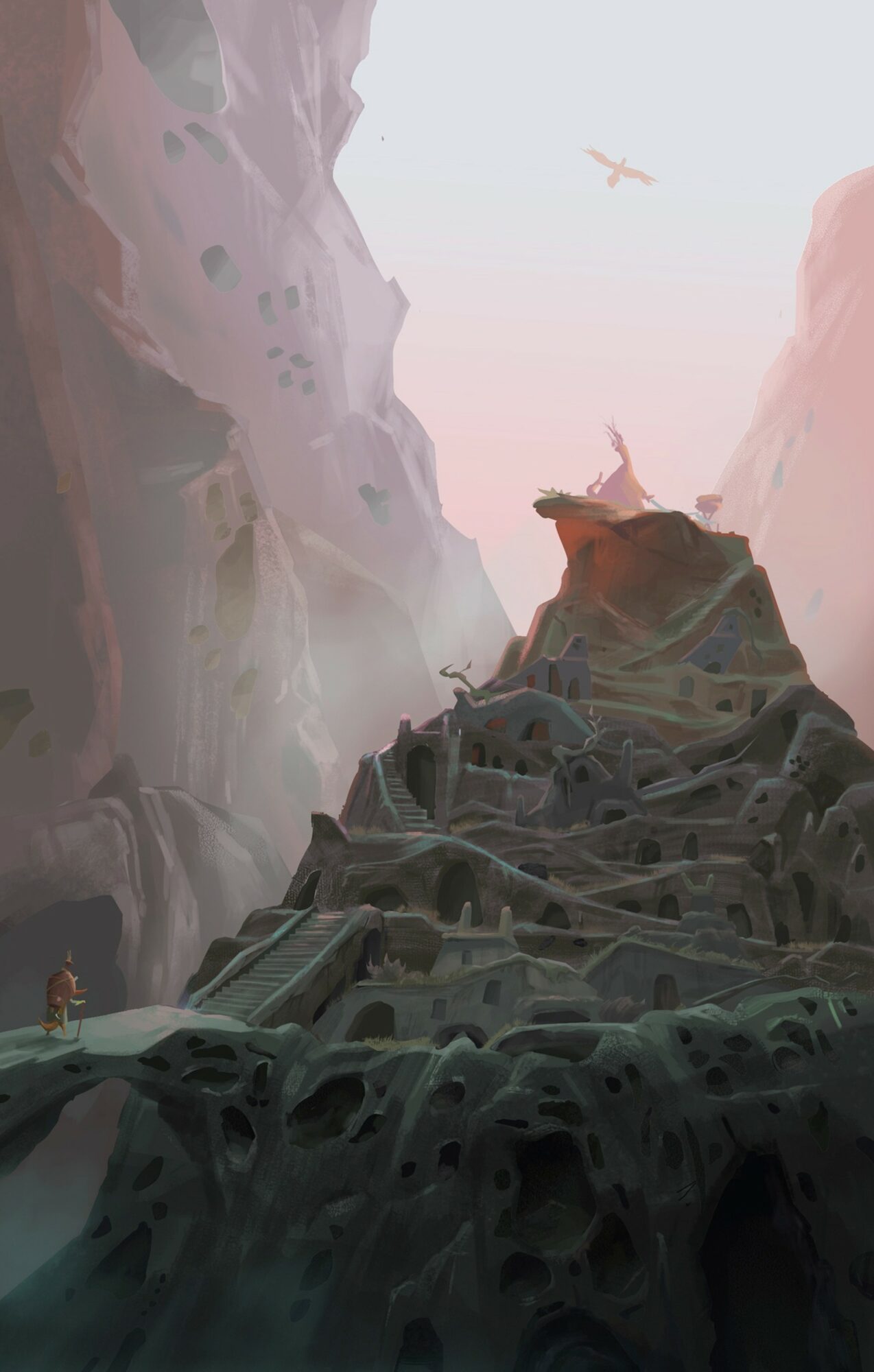
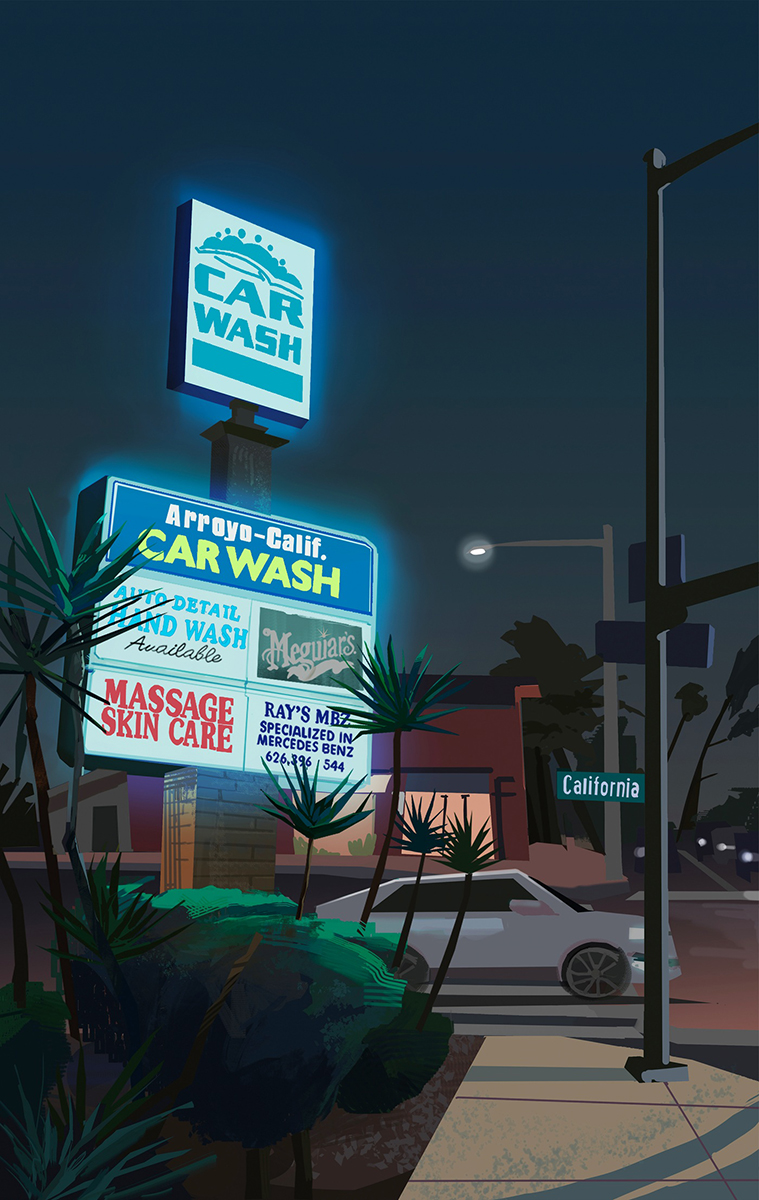
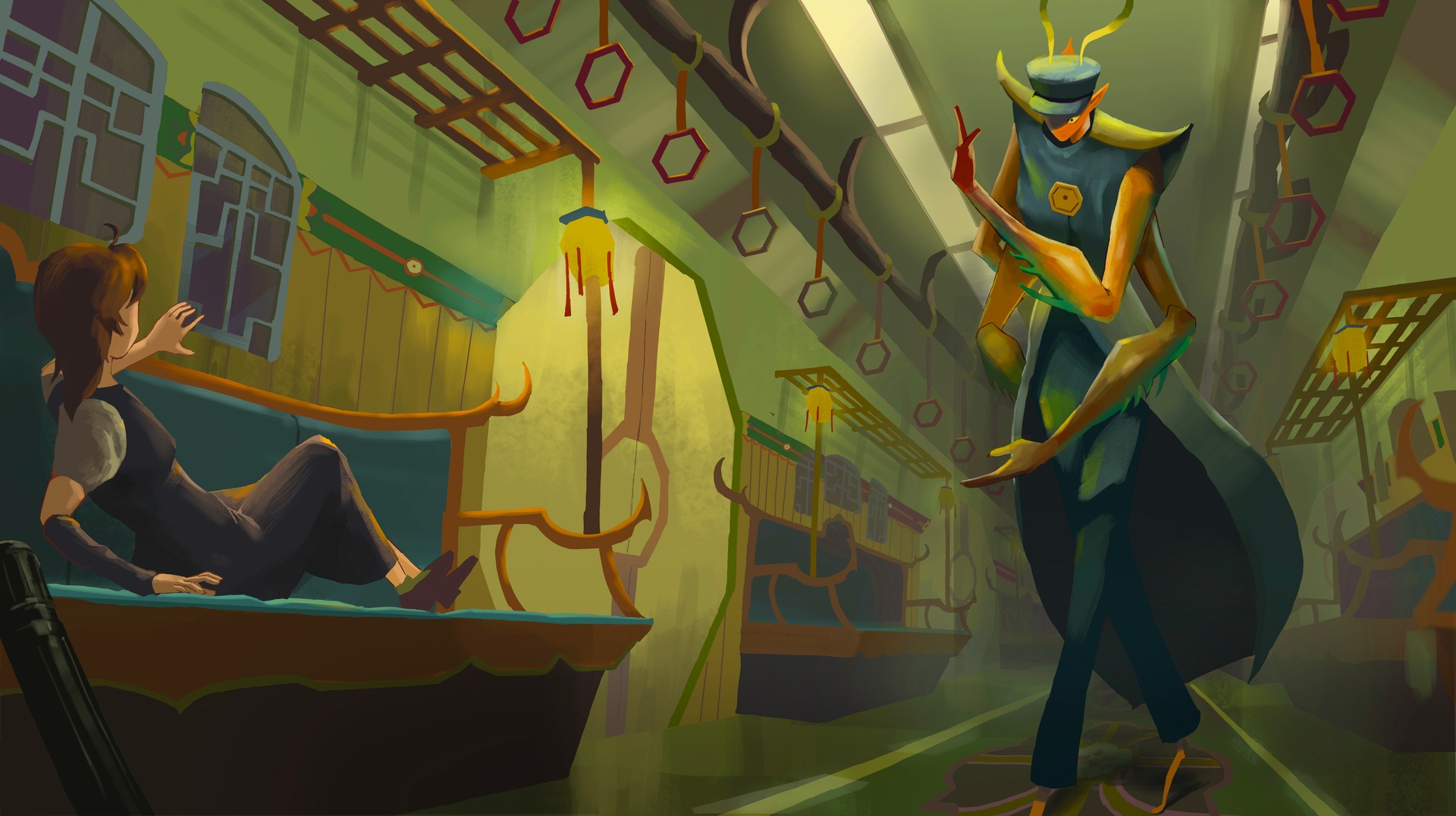
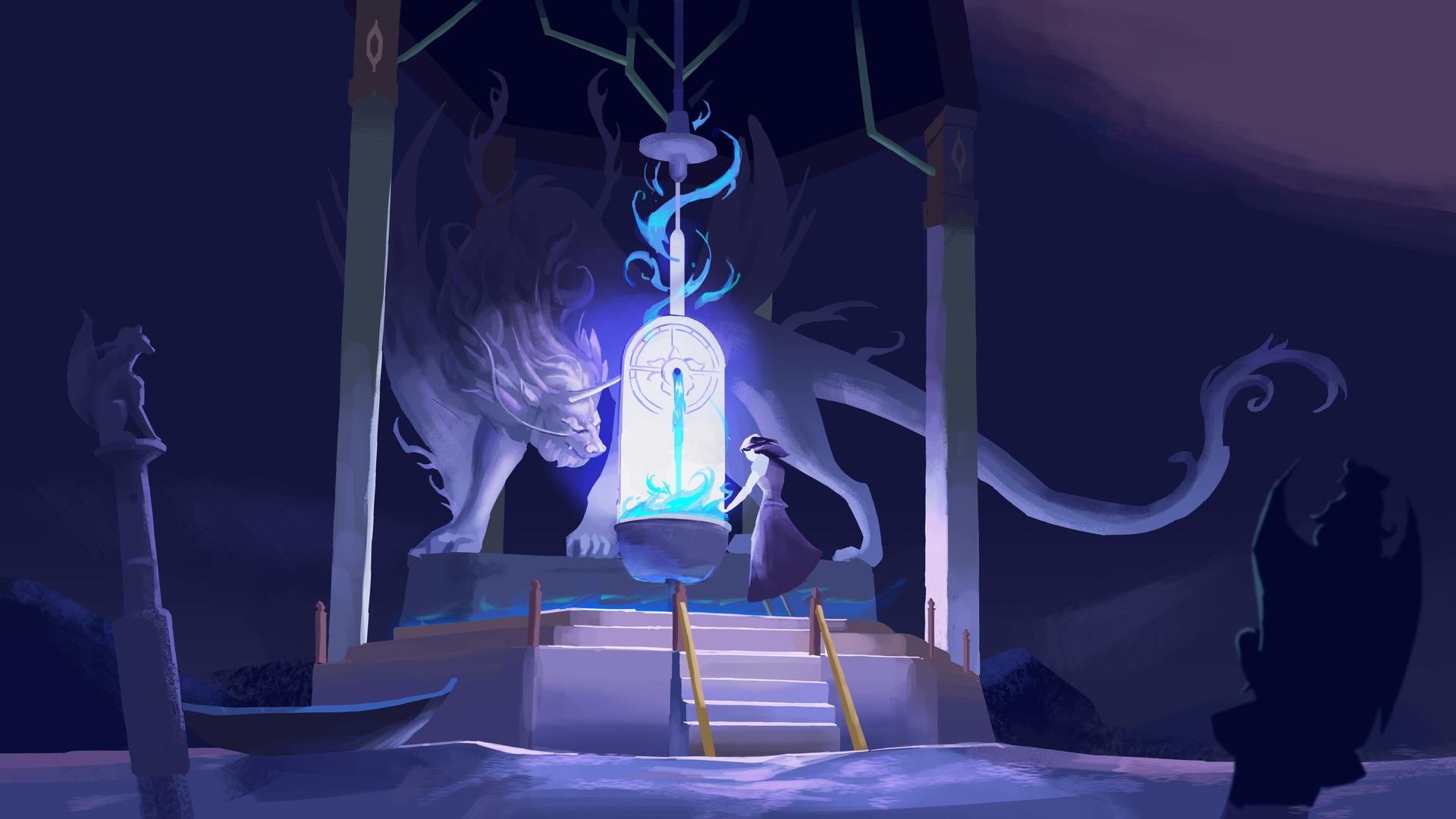
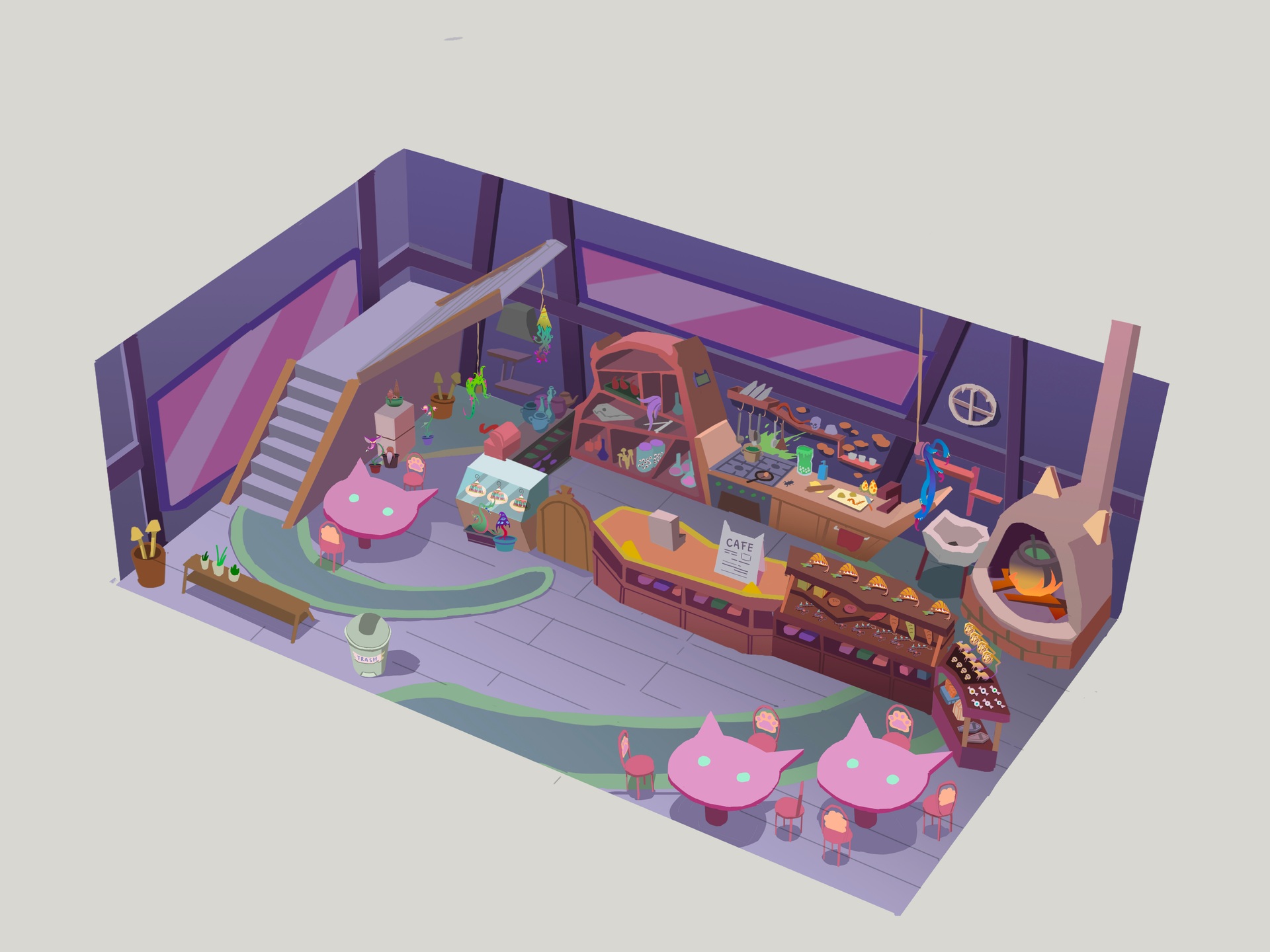
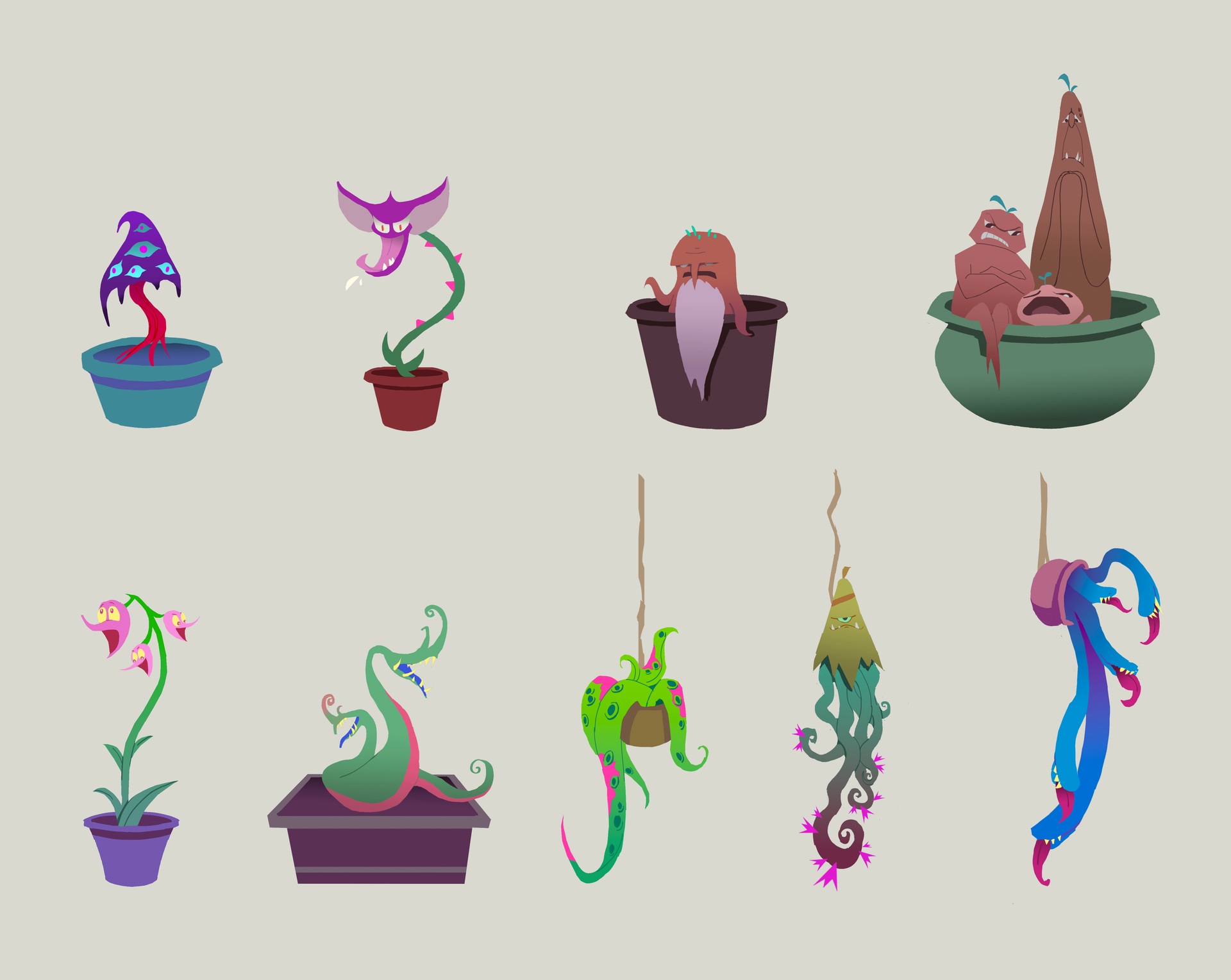
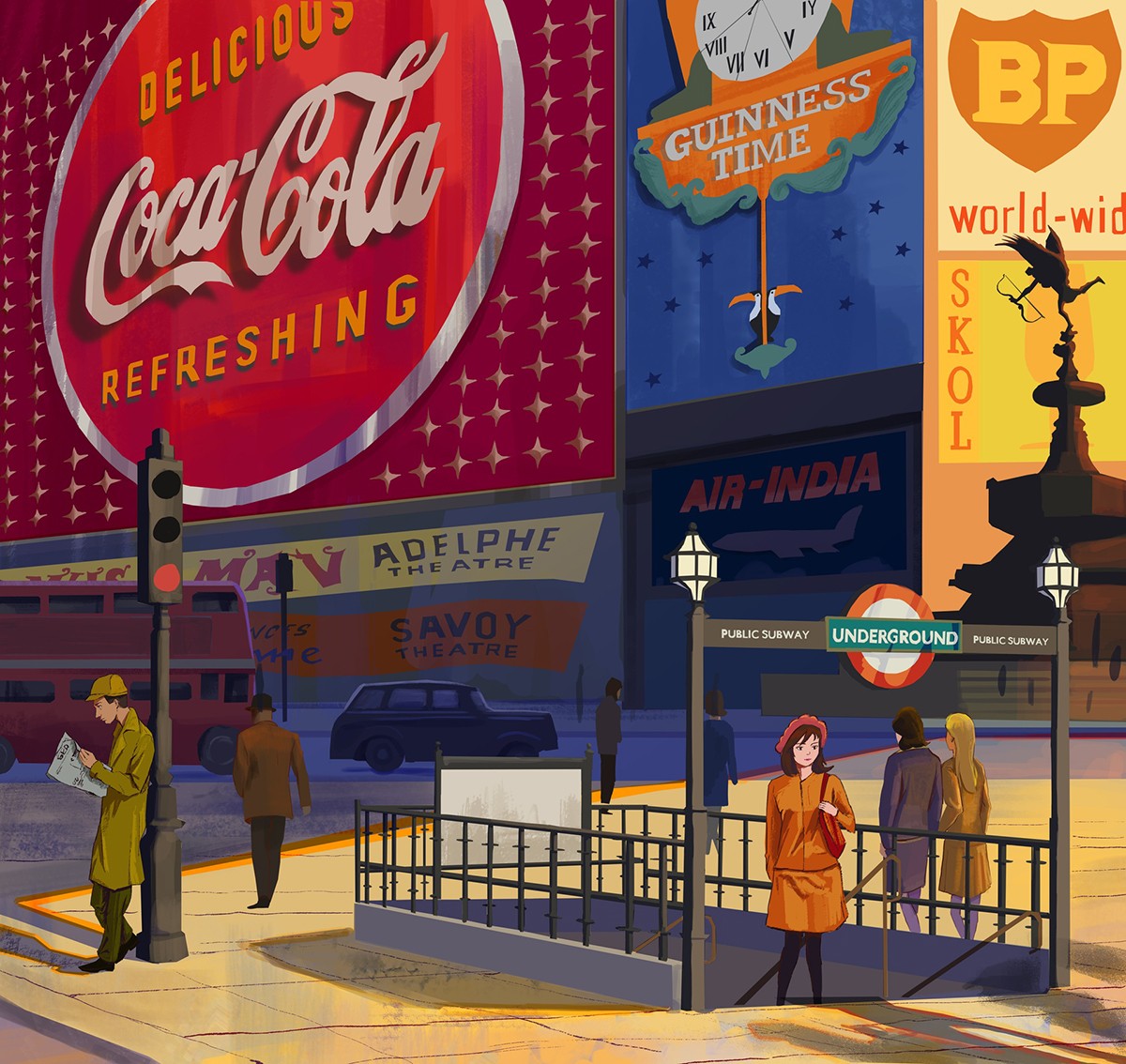
Image Credits
All images by Sumin Joo
Popular
-
Cedar Boschan on Elevating Black Music Rights and Driving Urgent Conversations Around Credit, Equity, and Artist Protection
-

Portraits of the Valley
-

LA’s Most Inspiring Stories
-

Robin Olive on Building an Inclusive Performing Arts Movement and Expanding Opportunities for Every Student
-

Que Johnson on Building Brands That Last: From Visibility to True Market Authority
-

Christina Wren Steps Into the Director’s Chair to Tell Stories That Feel Like Home


