




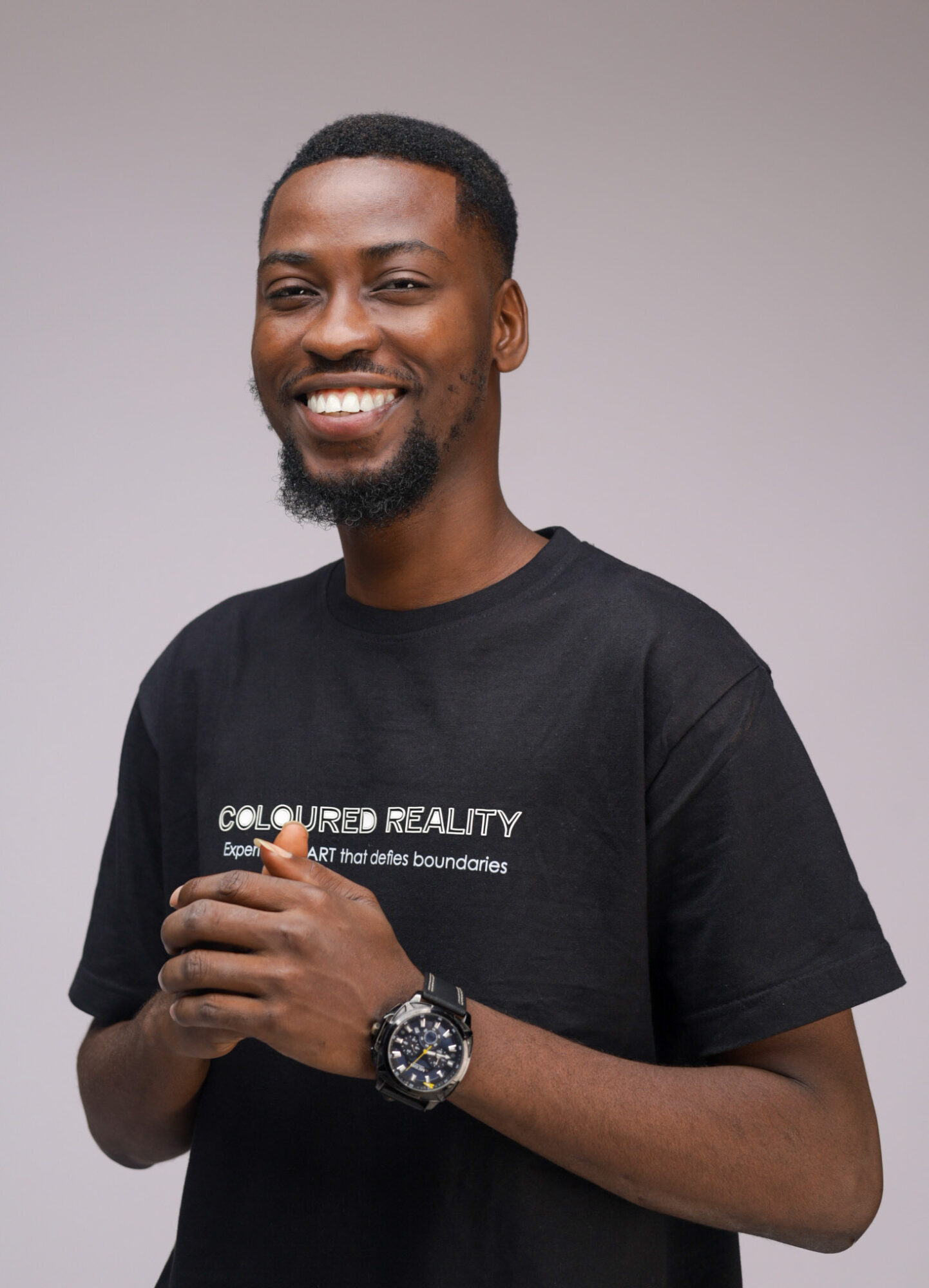
Today we’d like to introduce you to Ife Olowu.
Ife, we appreciate you taking the time to share your story with us today. Where does your story begin?
My journey into art began long before I realised it was a career. Growing up in Lagos, Nigeria, I was captivated by cartoons, comic books, and movies. I did not just appreciate them; I studied them. I was fascinated by how visuals conveyed emotion, tension, and meaning. That curiosity quietly impacted how I viewed the world. I went on to study Fine Art at the University of Lagos, specialising in painting. Formal training taught me about the history of painting, traditional techniques, and the discipline required to create a visual language.
But, even while absorbed in oil paint and canvas, I continued asking myself larger questions: How does art evolve? How does it respond to technology? How do we present African stories in a way that is modern and forward-thinking?
Being an art student in Nigeria added practical realities. Art supplies were expensive, and I did not always have easy access to what I required. Around 2013-2014, while still in school, I chose to learn printing — not as an artistic project, but rather as a way to pay for art materials. I taught myself to print, began doing small contracts, and eventually created a business around it. What started as a necessity evolved into entrepreneurship. I was running a creative business and learning painting full-time. That time shaped me profoundly. It taught me ingenuity, resilience, and the ability to think beyond the canvas. I was learning more than just art theory; I was also learning how to make a living as an artist. Around 2018, I started experimenting with augmented reality (AR) as an extension of painting. It felt unusual — even weird — in my immediate surroundings. Some people did not really comprehend it. Others believed it was unneeded. However, for me, it was not about replacing painting. It was about expanding it. I wanted the painting to move, breathe, and have rich storylines that could extend beyond the physical surface.
Over the last few years, my identity as a visual artist and creative technologist has been shaped by this exploration. My work has been displayed internationally across Europe and Africa, and covered by global media platforms such as CNN, BBC, and Reuters, among others.
Today, my practice combines expressionism, African identity, and immersive technology. I see myself as part of a generation of artists who are redefining painting — not abandoning tradition, but rather teaching it new languages.
And I am still evolving. Every project challenges me to think more deeply about culture, memory, innovation, and the future of storytelling. The curiosity that began in childhood has not gone away; it has simply become more intentional.
Can you talk to us a bit about the challenges and lessons you’ve learned along the way. Looking back would you say it’s been easy or smooth in retrospect?
Being an artist in Nigeria is not rosy due to limited infrastructure, inconsistent funding, skepticism about creative careers, and very little structured support for experimentation, particularly when you step outside traditional boundaries.
One of my first challenges was money. As a student, I needed to figure out how to continue my practice. That is what motivated me to learn printing and establish a business while studying. It wasn’t glamorous—it was survival. I was juggling education, commissions, and entrepreneurship just to fund materials and studio time.
Another significant challenge arose when I began incorporating augmented reality into my paintings, around 2018. In my environment at the time, augmented reality in fine art was not well known. Some others believed it was unneeded. Some considered it a diversion from “real” painting. I even had comments advising that I stick to old practices. Beyond that, there’s the mental and emotional part of being an artist, which includes dealing with rejection, imposter syndrome, slow seasons, and the pressure to constantly establish relevance in a fast-changing art world.
However, every obstacle compelled growth. Financial difficulties taught me entrepreneurship. Scepticism reinforced my conviction. Limited infrastructure compelled me to look globally and gain international recognition. Resistance improved my clarity.
So no, it hasn’t been smooth—but every difficulty shaped the artist and creative thinker I am today
Can you tell our readers more about what you do and what you think sets you apart from others?
I’m a visual artist and creative technologist who works at the interface of conventional painting and augmented reality. My background is in fine art, and I specialise in expressionist painting, which uses bright colour, texture, and figurative forms to explore identity, emotion, memory, and modern African themes. What distinguishes my work is the way I incorporate augmented reality with visible paintings. When viewed through a smartphone, the artwork comes to life revealing secret layers of meaning. I often refer to it as giving the canvas a second voice.
I’m known for pushing the boundaries of what painting can be in the African art world. At a time when many artists were under pressure to choose between traditional and digital media, I chose to combine the two. For me, technology is an extension of art rather than a replacement for it.
One of the things I’m most proud of is building this path independently. Six years ago, AR integration in fine art wasn’t widely explored in my immediate environment. There wasn’t a blueprint. I had to experiment, research, fail, refine, and keep going. Today, I’ve exhibited internationally — in Finland, Paris, Ghana, the UK, and Nigeria — and my work has been featured by platforms like BBC, CNN, Reuters and others. But beyond the recognition, I’m proud that I stayed committed to my vision even when it was unfamiliar to people around me.
At the core, I create art that invites people to feel deeply — and then look again. I have been awarded Prix art price in Casablanca Morocco. My art aims to inspire people to push and break boundaries in their fields.
What has been the most important lesson you’ve learned along your journey?
Never give up; just keep doing it. If you are trying a new thing and the world doesn’t align to it, keep pushing, and surely the world will catch up.
Pricing:
- 10,000 USD
- 5,000 USD
Contact Info:
- Website: https://ifeolowu.com
- Instagram: https://www.instagram.com/olowuife/
- LinkedIn: https://www.linkedin.com/in/ife-olowu-a6ab65140/
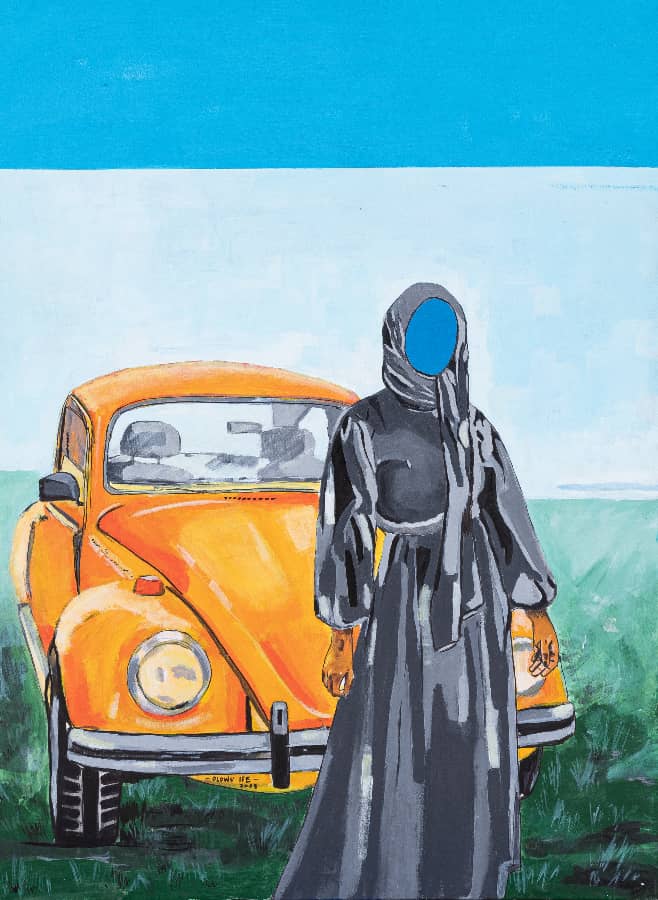
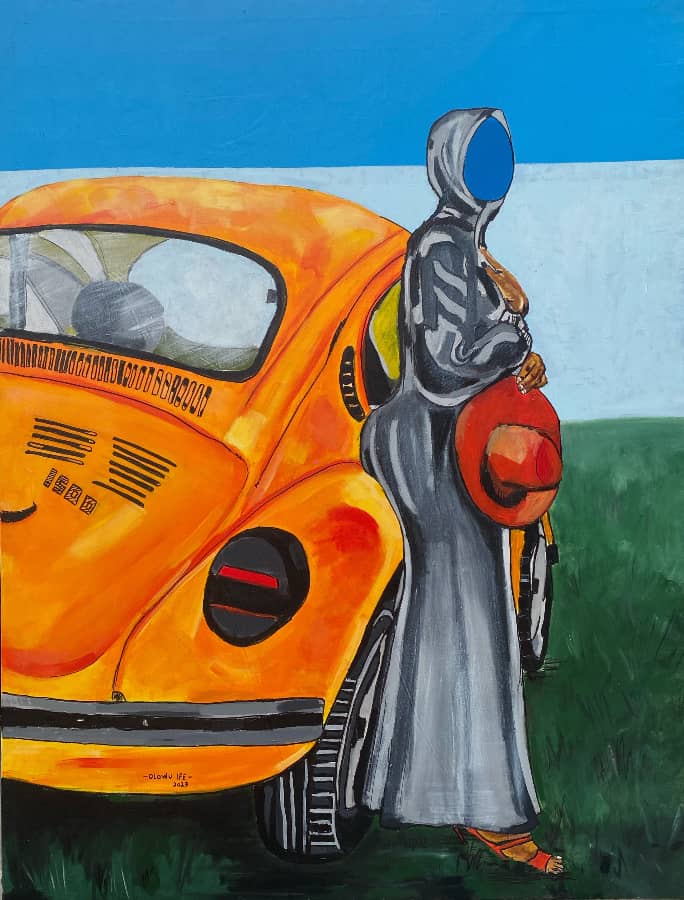
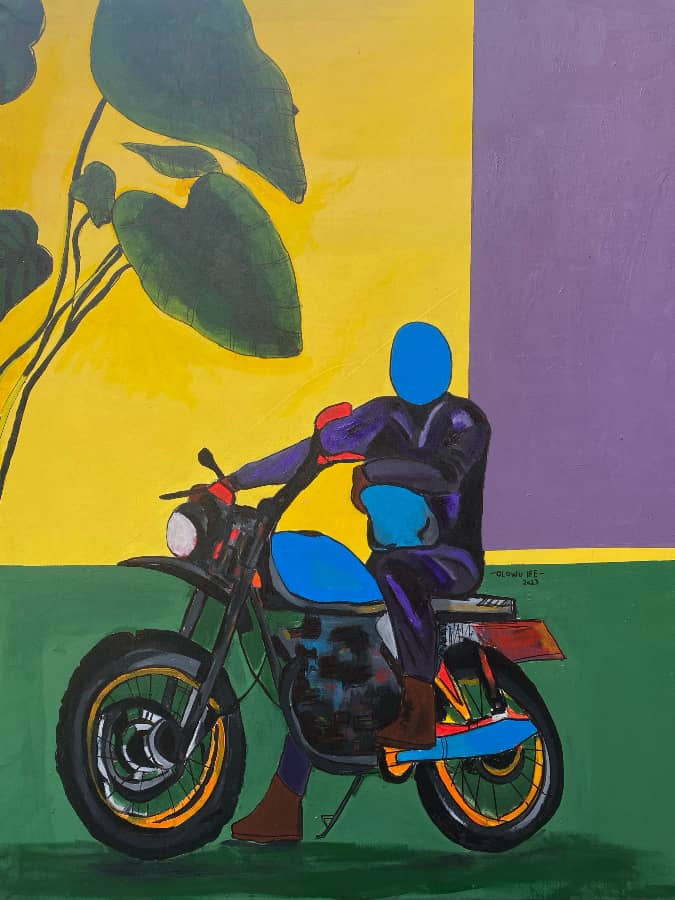
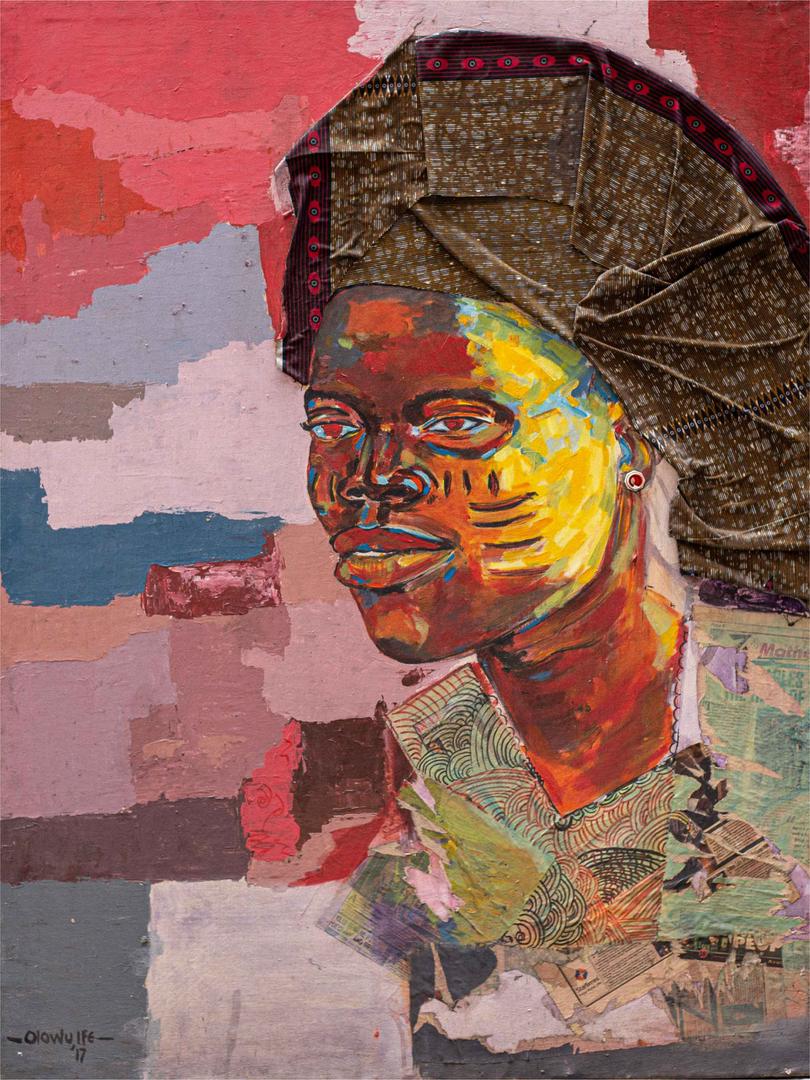
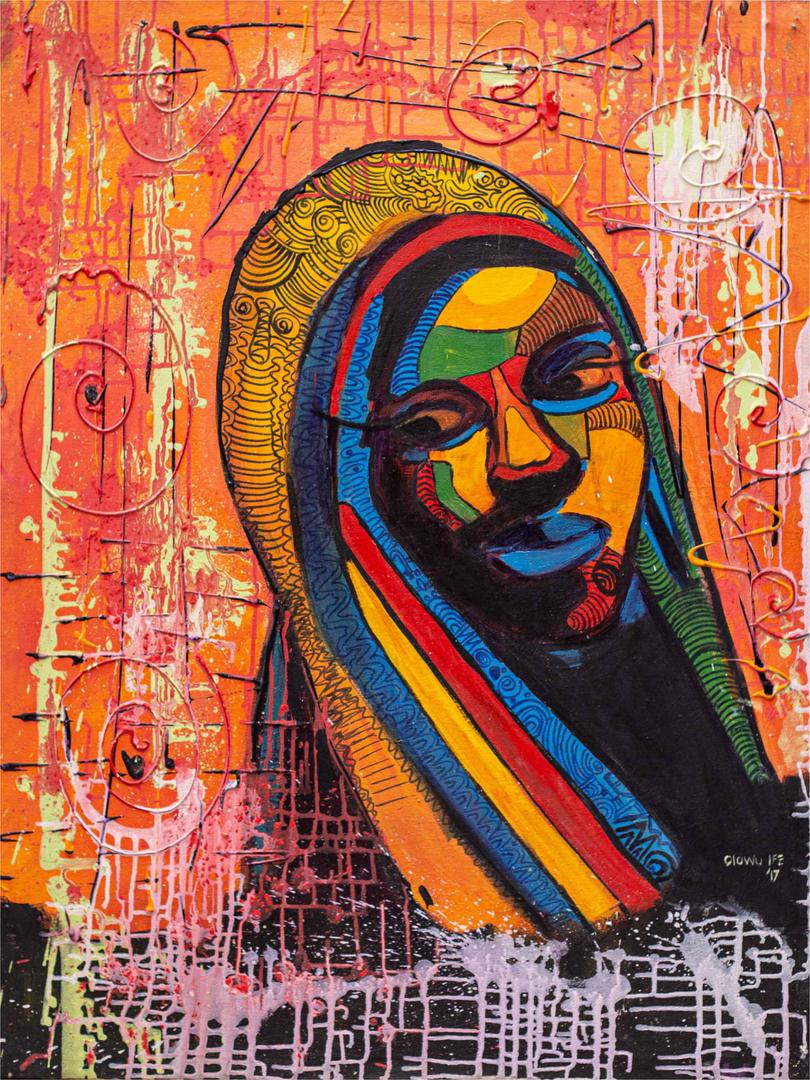
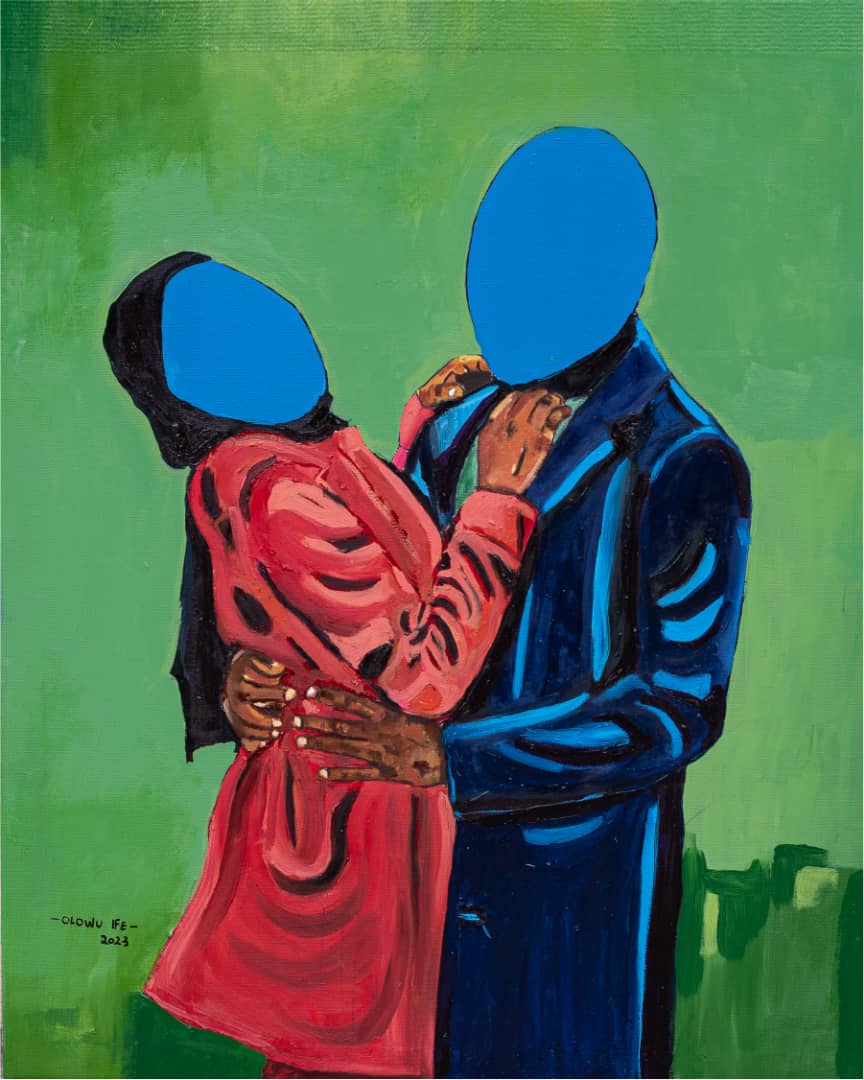
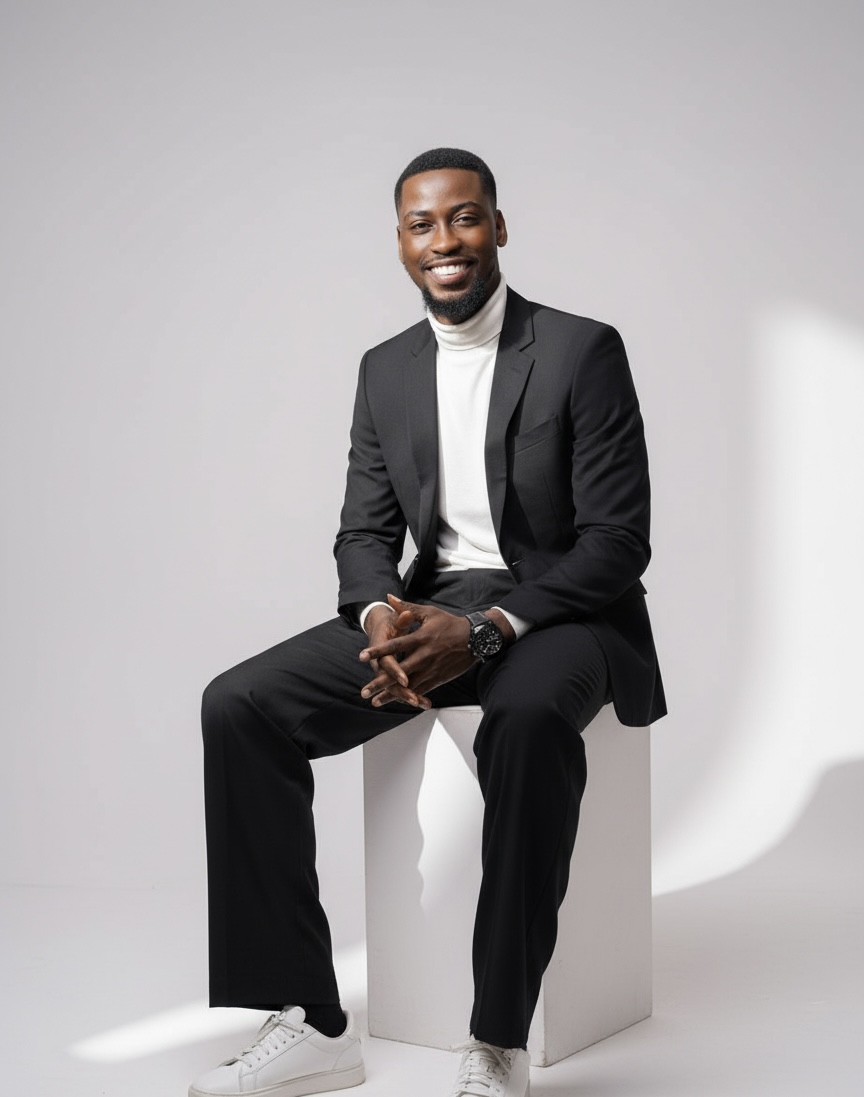
Image Credits
image credits: Ayuba Visuals
Popular
-

Portraits of the Valley
-

LA’s Most Inspiring Stories
-

Que Johnson on Building Brands That Last: From Visibility to True Market Authority
-

Christina Wren Steps Into the Director’s Chair to Tell Stories That Feel Like Home
-
JordanL on ‘Breathe,’ Belief, and Building a Movement Beyond the Music
-
Megan Birney Rudert on How Access to Light Is Powering a More Sustainable and Equitable Future


