




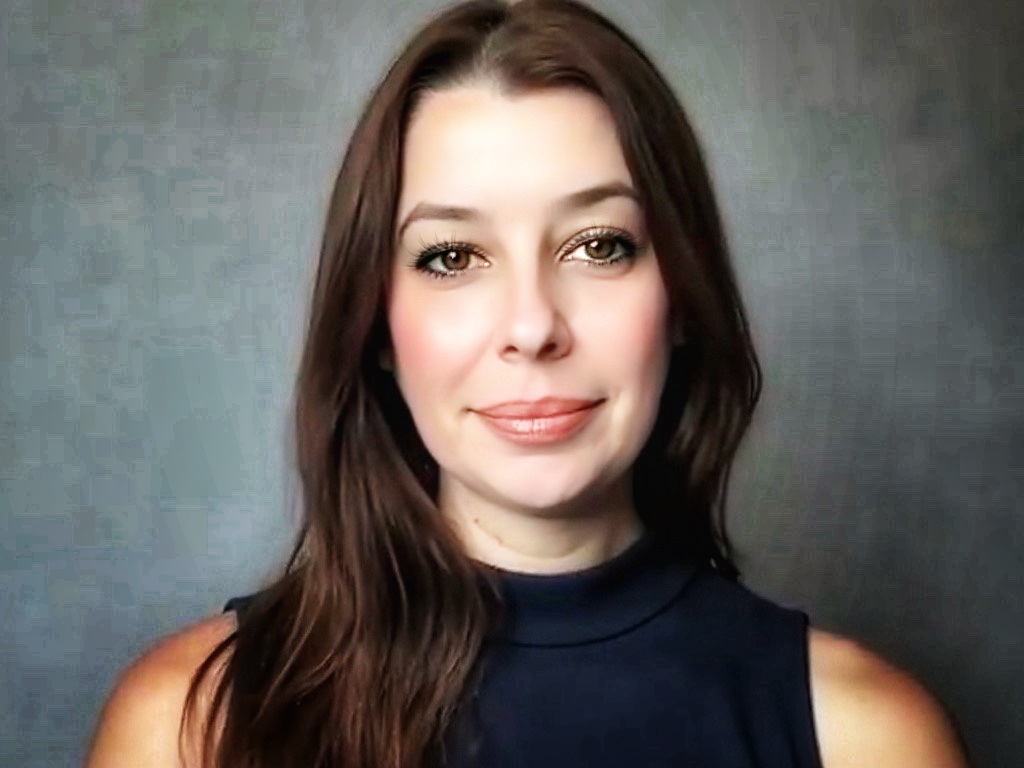
Today we’d like to introduce you to Serena Renee.
Hi Serena, thanks for sharing your story with us. To start, maybe you can tell our readers some of your backstory.
My work is deeply personal because I’ve lived the very pain I now help others navigate.
For nearly two decades, I carried the weight of unhealed trauma. My story includes over a decade of childhood sexual abuse, two separate sexual assaults in my twenties, and the loss of my grandmother to suicide. For a long time, I lived with anxiety, depression, an eating disorder, and a pattern of emotionally abusive relationships with men.
I spent years in survival mode, repeating patterns I could intellectually understand but didn’t know how to change. I could explain why I felt the way I did, but I didn’t yet know how to live differently.
I felt a pull to understand people on a deeper level. I earned a Bachelor’s degree in Human Development and a Master’s degree in Psychology, and eventually worked as a psychologist within school systems. In that role, I supported individuals navigating emotional challenges, complex family dynamics, and the internal struggles that so often interfere with growth, confidence, and a sense of self.
During that time, something became very clear to me: so many people are carrying invisible wounds that shape how they show up in their lives, their relationships, and in the decisions they make. And I also saw how powerful real change can be when healing is approached with both compassion and structure, and when people are given the tools, support, and accountability to actually move forward.
My story isn’t just about what I survived, but also about what I chose to build from it.
Every painful chapter became part of the foundation for the work I do today. I know firsthand how hard it is to rebuild yourself after trauma, loss, or years of self-doubt. And I also know that change is possible.
With the right support, people can learn to trust themselves again, find their voice, and begin creating a life that feels aligned with who they are.
My professional background gives me a strong understanding of how trauma shapes emotions, behavior, and growth, but the depth of my work comes from lived experience. I know what it feels like to live in survival mode and question whether freedom is even possible.
The tools and principles I now teach are the same ones that helped me rebuild my own life, find clarity, reconnect with myself, and move toward a future that feels grounded, authentic, and truly my own.
We all face challenges, but looking back would you describe it as a relatively smooth road?
It definitely has not been a smooth road, and in many ways, the challenges I faced personally are what shaped the work I do today.
For a long time, my greatest struggle wasn’t only the trauma itself, but was learning how to live beyond it. When you’ve spent years in survival mode, those patterns don’t simply disappear. They become ingrained in your way of thinking, reacting, and protecting yourself. Healing required more than understanding what had happened to me. It required learning how to rebuild my sense of safety, my identity, and my ability to trust myself.
There were many moments where progress felt fragile. I would experience periods of growth and clarity, followed by times when old fears, self-doubt, or emotional patterns resurfaced. That was one of the hardest parts of the journey: realizing that healing isn’t linear. It asks for patience, self-compassion, and the willingness to keep moving forward even when it feels uncomfortable or uncertain.
Those experiences forced me to face parts of myself I had spent years avoiding. They also taught me something I now bring into my work every day: healing requires accountability, structure, and support. Change doesn’t happen simply because we want it to; it happens when we’re willing to consistently show up for our own growth.
Professionally, I encountered challenges as well. While working within traditional systems, I saw how many people were still struggling despite having insight into their past. They could articulate their trauma, but they didn’t always have the tools or guidance needed to create real, lasting change.
Recognizing that gap pushed me to move in a different direction and trust my own voice. Building my coaching practice required a leap of faith and a full commitment to an approach I believed in. One that holds both compassion and personal responsibility. One that honors where you’ve been, while also helping you move forward.
Looking back, the struggles I experienced became some of my greatest teachers. They gave me a deeper understanding of how trauma shapes our lives and, more importantly, how people can begin to reclaim their power from it.
Every challenge reinforced what I now know to be true: meaningful change is possible. That belief continues to guide both my life and the work I do with others today.
As you know, we’re big fans of Forward Thinking Trauma Coaching. For our readers who might not be as familiar what can you tell them about the brand?
I’m the founder of Forward Thinking, a trauma coaching practice that helps people move out of survival mode and begin actively creating the life they want to live.
I work virtually with both men and women across the United States, which allows my clients to receive consistent, personalized support no matter where they’re located.
Many of the people I work with have spent years in therapy, reading self-help books, or trying to understand their past, yet still find themselves repeating the same emotional patterns or relationship dynamics. What they begin to realize is that insight alone doesn’t lead to real change.
That’s where my work comes in.
I focus on helping people bridge that gap—turning awareness into action. Through one-on-one trauma coaching, I guide clients in building the tools, structure, and self-leadership needed to move forward in a meaningful way. We work on emotional regulation, boundaries, decision-making, identity, and learning how to respond to life from a place of clarity rather than old survival patterns. The goal isn’t just to understand the past, but to create a future that feels aligned.
A big part of my work is the framework I developed, the Forward Thinking Method™. It brings together principles from psychology, trauma recovery, and leadership development, and helps clients shift from asking, “Why am I this way?” to “How do I move forward from here?” It’s grounded in ownership, adaptability, and intentional decision-making—practical ways to turn healing into forward movement.
Another piece that makes this work different is the level of support my clients receive outside of sessions. Each client has a private Google Drive folder where I share personalized resources, session notes, exercises, and tools tailored specifically to them. They also have access to ongoing support between sessions, so they can apply what they’re learning in real time rather than just once a week.
At the heart of Forward Thinking is a message I care deeply about: your past may shape you, but it doesn’t have to define your future. I want to create a space where people feel supported, challenged, and empowered to lead themselves forward.
Ultimately, I want people to know that healing doesn’t have to mean staying stuck in the past. With the right support, it’s possible to build a life that feels calmer, clearer, and more authentic than the one you’ve been surviving.
What do you like and dislike about the city?
One of the things I appreciate most about Los Angeles is the diversity, not just in culture, but in perspective, experience, and the many different ways people choose to live their lives. It’s a city filled with people from all walks of life, yet there’s a shared thread of growth, creativity, and reinvention. That sense of possibility is incredibly inspiring.
Because my work centers around trauma recovery and personal transformation, I’m constantly reminded that healing doesn’t look the same for everyone. Los Angeles reflects that in such a powerful way—it’s a place where people are continually redefining who they are and what their lives can become.
At the same time, the pace of life here can be intense. It’s a fast-moving, high-pressure environment, and it’s easy to lose connection with yourself while trying to keep up.
In many ways, that’s exactly why this work matters so much here.
Helping people slow down, come back to themselves, and create lives that feel meaningful resonates deeply in a city like Los Angeles.
Because in a place that’s always moving, there’s real power in choosing to be grounded.
Contact Info:
- Website: https://www.coachingfortrauma.com
- Instagram: https://www.instagram.com/forwardthinkingtraumacoach/
- Facebook: https://www.facebook.com/profile.php?id=61580203794172
- Other: https://www.coachingfortrauma.com/#newsletter-signup




Popular
-

Robin Olive on Building an Inclusive Performing Arts Movement and Expanding Opportunities for Every Student
-

Portraits of the Valley
-

LA’s Most Inspiring Stories
-

Que Johnson on Building Brands That Last: From Visibility to True Market Authority
-

Christina Wren Steps Into the Director’s Chair to Tell Stories That Feel Like Home
-

JordanL on ‘Breathe,’ Belief, and Building a Movement Beyond the Music


