




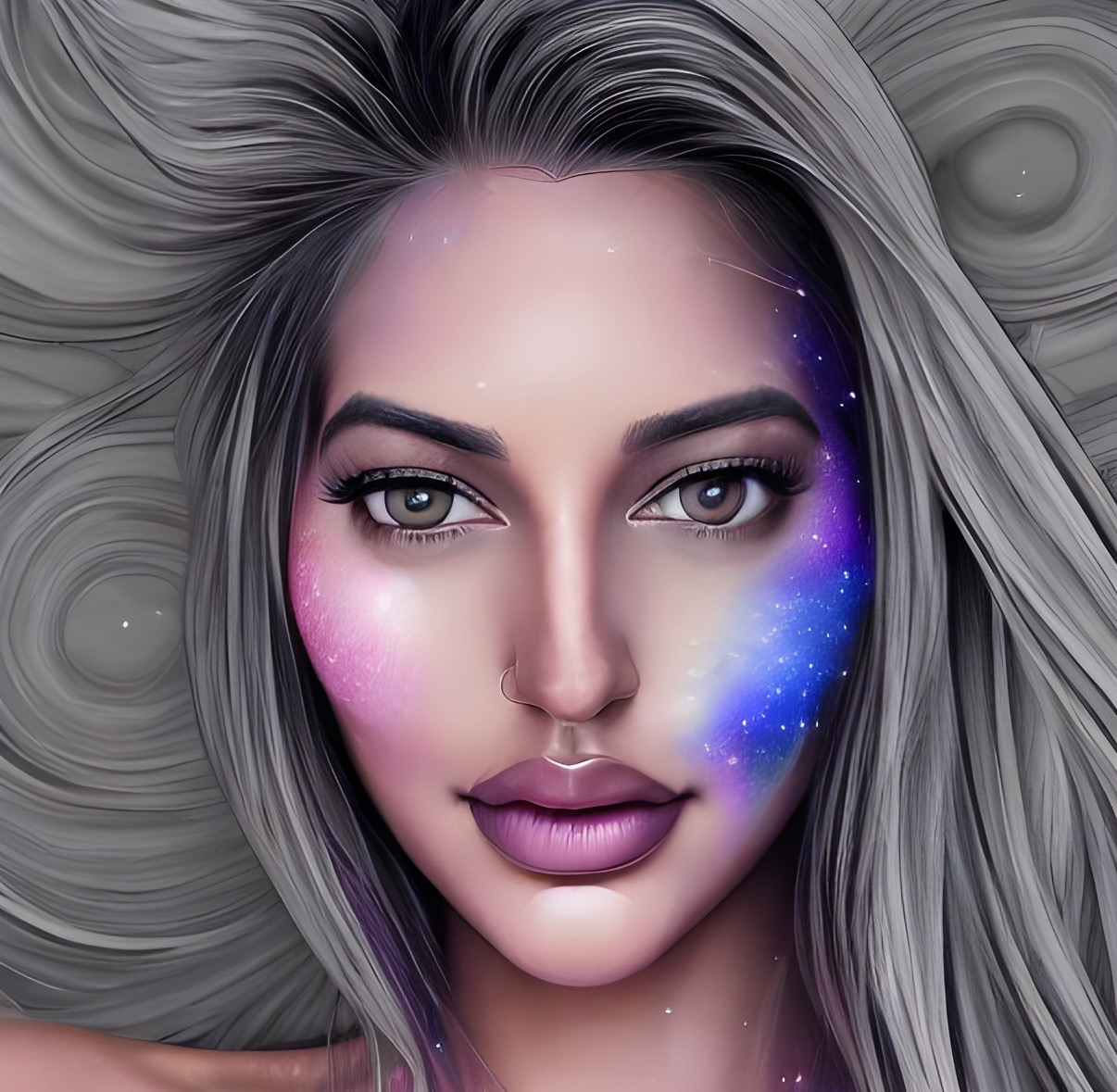
Today we’d like to introduce you to Sanna Hirani.
Hi Sanna, thanks for sharing your story with us. To start, maybe you can tell our readers some of your backstory.
As a child, I was drawn to two very different paths — journalism and surgery. Looking back, I realize both were rooted in the same intention: helping people.
I’ve always loved writing and storytelling, but at the time, I was encouraged to pursue something more practical. That led me into healthcare, though it wasn’t a straight path. I explored different roles and experienced a few zigzags along the way before eventually becoming a surgical technologist — a decision that was also deeply inspired by my grandfather, who was a doctor.
Working in the operating room allowed me to be part of healing in a very physical, hands-on way. But even while I was there, writing never really left me. It was something I kept returning to — journaling, reflecting, and trying to make sense of my experiences and the world around me.
Over time, I began to see the connection between the two paths. Healing doesn’t only happen in a clinical setting — it also happens through words, through expression, and through feeling seen and understood.
Now, my work lives at that intersection. I create poetry and spoken word that explores the human experience, with the intention of offering a different kind of healing — one that’s emotional, reflective, and connective.
In a way, it feels like I’ve come full circle — honoring both parts of who I’ve always been.
I’m sure it wasn’t obstacle-free, but would you say the journey has been fairly smooth so far?
It definitely hasn’t been a smooth road. It’s been challenging, but deeply clarifying.
For a long time, I found myself pursuing different career paths for reasons that didn’t fully align with me, whether it was trying to meet expectations, make my family proud, or choosing something that felt more financially secure. While those experiences taught me a lot, they also showed me what wasn’t right for me.
The biggest challenge was learning to step away from that external pressure and really listen to myself. I had to ask what I actually wanted, beyond what made sense on paper.
What I kept coming back to was the desire to help people, but in a way that felt authentic to me. Not just through a traditional path, but through something creative, something more human and expressive.
Letting go of the idea that money had to be the primary driver was a shift. I realized that even if what I create impacts just one person, that holds real value.
I was nervous, but there was something in me that kept pulling me toward this decision, and I chose to trust that.
That shift gave me clarity and the courage to build something that actually feels like mine.
Can you tell our readers more about what you do and what you think sets you apart from others?
I’m a poet and spoken word artist, also known as Wiildflower, whose work centers around the human experience, self-reflection, and emotional awareness.
My writing lives at the intersection of storytelling and healing. What started as a personal healing practice gradually evolved into something I felt called to share. Writing was initially a way for me to process my own experiences, and even now, every piece I release is, in some way, a continuation of that healing.
Poetry, specifically, has always resonated with me because it leaves space for interpretation. A single piece can mean something different to every person who reads it. For me, it’s also a language that allows me to express what I can’t always explain directly. Sometimes it’s easier to communicate through metaphor and feeling rather than logic, and poetry gives me that freedom.
I create work that invites people to slow down, feel more deeply, and reconnect with themselves in a world that often moves too fast.
I draw inspiration from everyday moments, from nature, from conversation, and from the quiet internal shifts we go through that aren’t always visible on the surface. A lot of my work explores themes of identity, growth, intuition, and returning to yourself.
What I’m most proud of is my ability to be honest in my work. I don’t create to perform, I create to connect. Even if a piece reaches just one person and makes them feel seen or understood, that holds real meaning for me.
What sets me apart is the intention behind my work. I’m not just sharing words, I’m creating space. Space for reflection, for presence, and for people to recognize themselves within what I create.
What do you like best about our city? What do you like least?
What I appreciate most about the LA area is its creative energy. There’s a sense that people are actively building, expressing, and pursuing what they’re passionate about, which creates an environment that feels inspiring and expansive, especially as an artist.
I also love the diversity of perspectives and experiences. It shows up in the art, the conversations, and even the food. The variety of cultures and flavors you have access to really reflects how layered and dynamic the city is, and that’s something I deeply appreciate.
At the same time, what I like least is how fast-paced and externally driven it can feel at times. There can be a lot of pressure to constantly produce, perform, or keep up, which can pull people away from creating in a more grounded and intentional way.
For me, it’s about finding a balance. Staying connected to that creative energy while still moving at my own pace and staying rooted in authenticity.
Contact Info:
- Instagram: https://www.instagram.com/wiildflowerpoetry
- Twitter: https://twitter.com/wiildflowerpoet
- Youtube: https://youtube.com/@wiildflowerpoetry?si=fMQXCyWc26cVad6j
Popular
-
Cedar Boschan on Elevating Black Music Rights and Driving Urgent Conversations Around Credit, Equity, and Artist Protection
-

Portraits of the Valley
-

LA’s Most Inspiring Stories
-
Robin Olive on Building an Inclusive Performing Arts Movement and Expanding Opportunities for Every Student
-

Que Johnson on Building Brands That Last: From Visibility to True Market Authority
-

Christina Wren Steps Into the Director’s Chair to Tell Stories That Feel Like Home


