




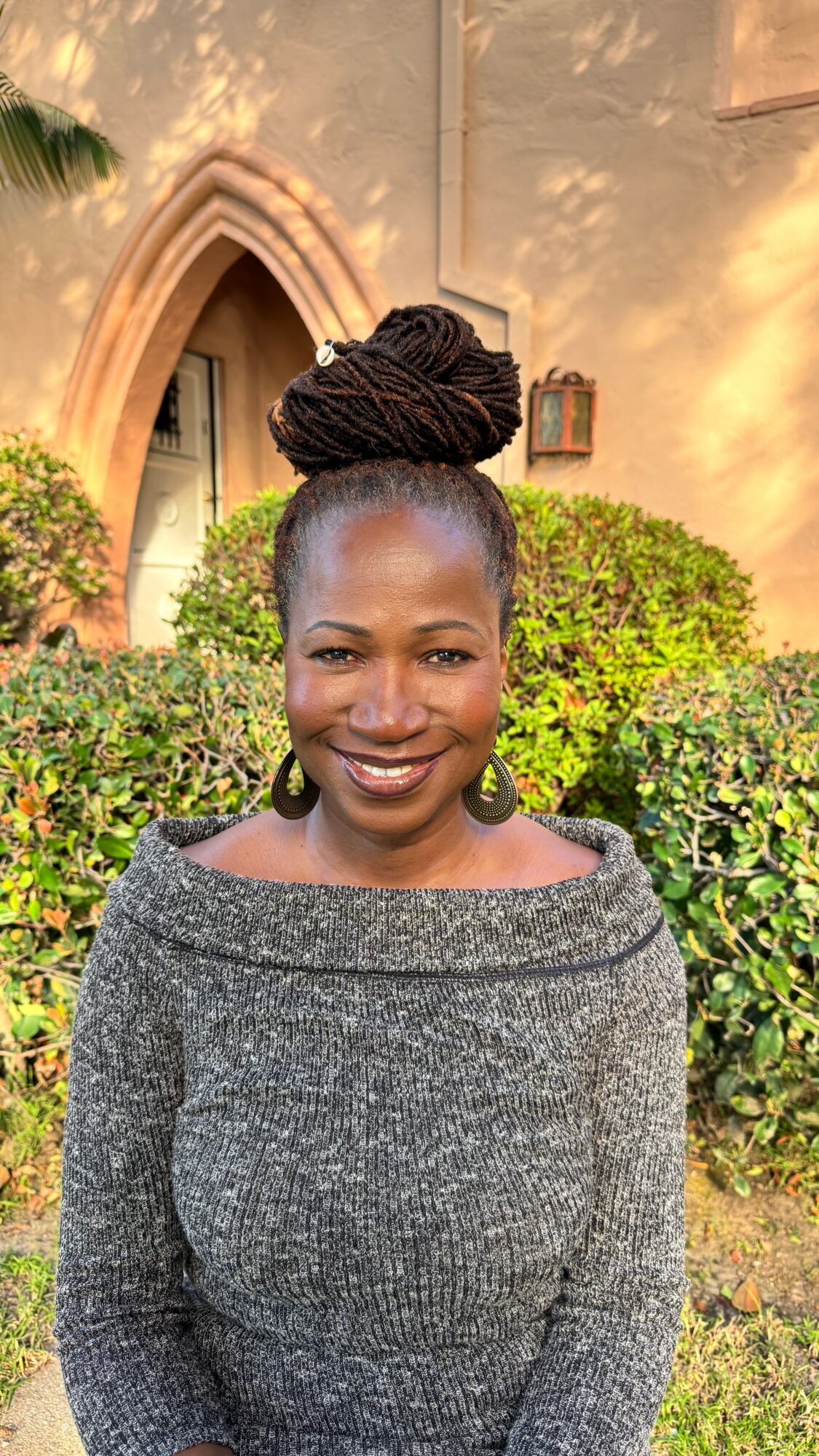
Today we’d like to introduce you to Ronke Ogunleye.
Hi Ronke, we’re thrilled to have a chance to learn your story today. So, before we get into specifics, maybe you can briefly walk us through how you got to where you are today?
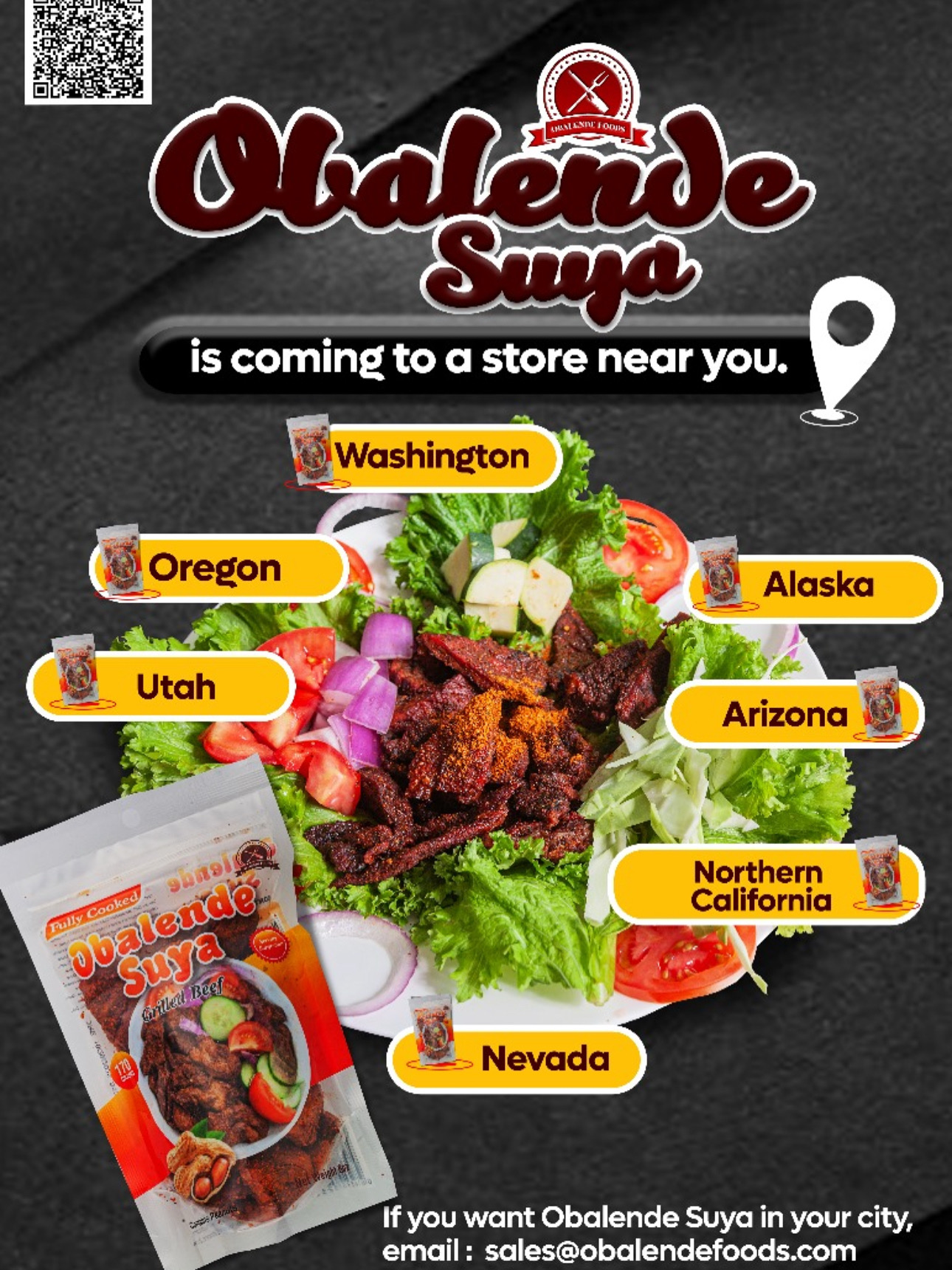
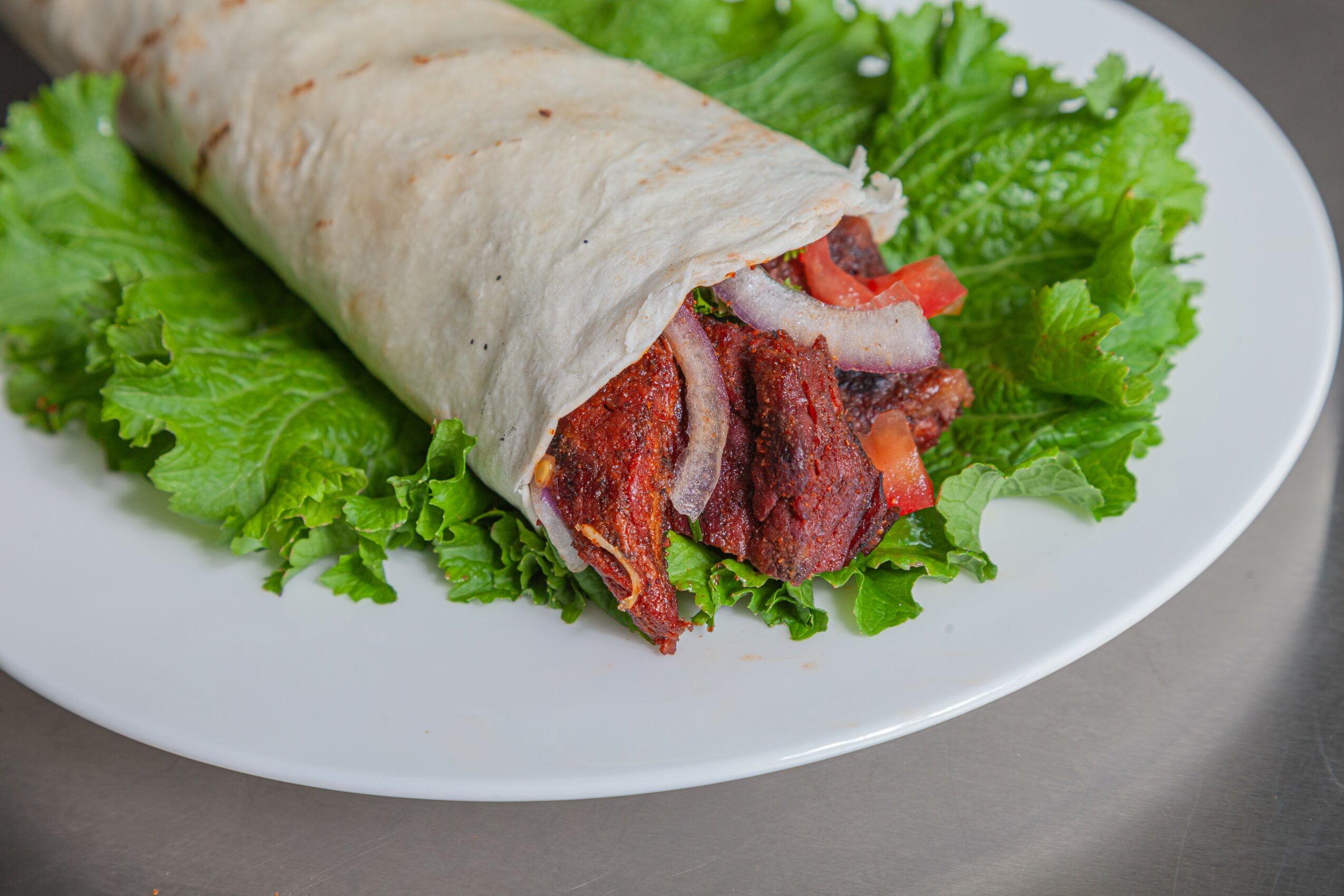
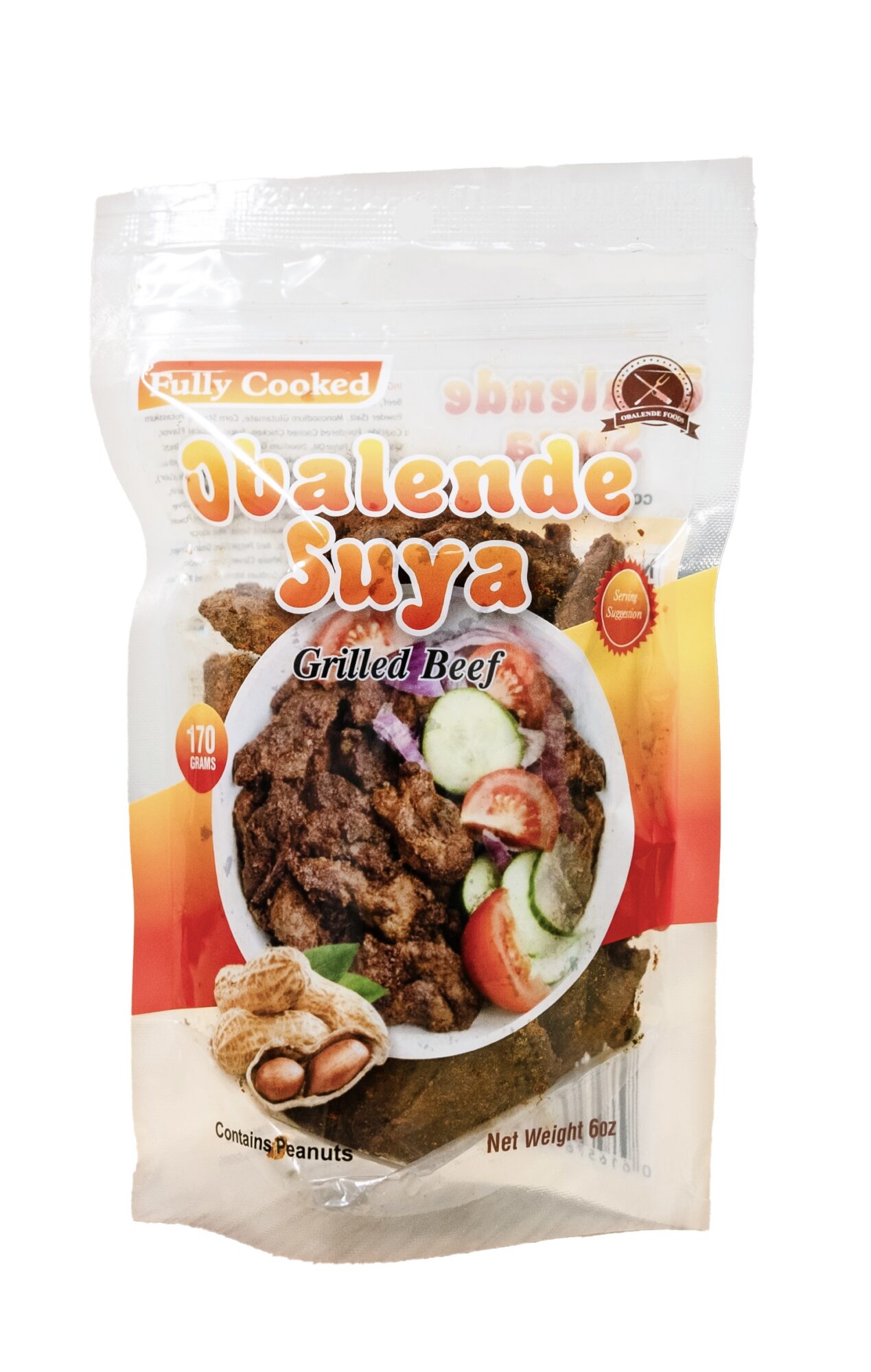
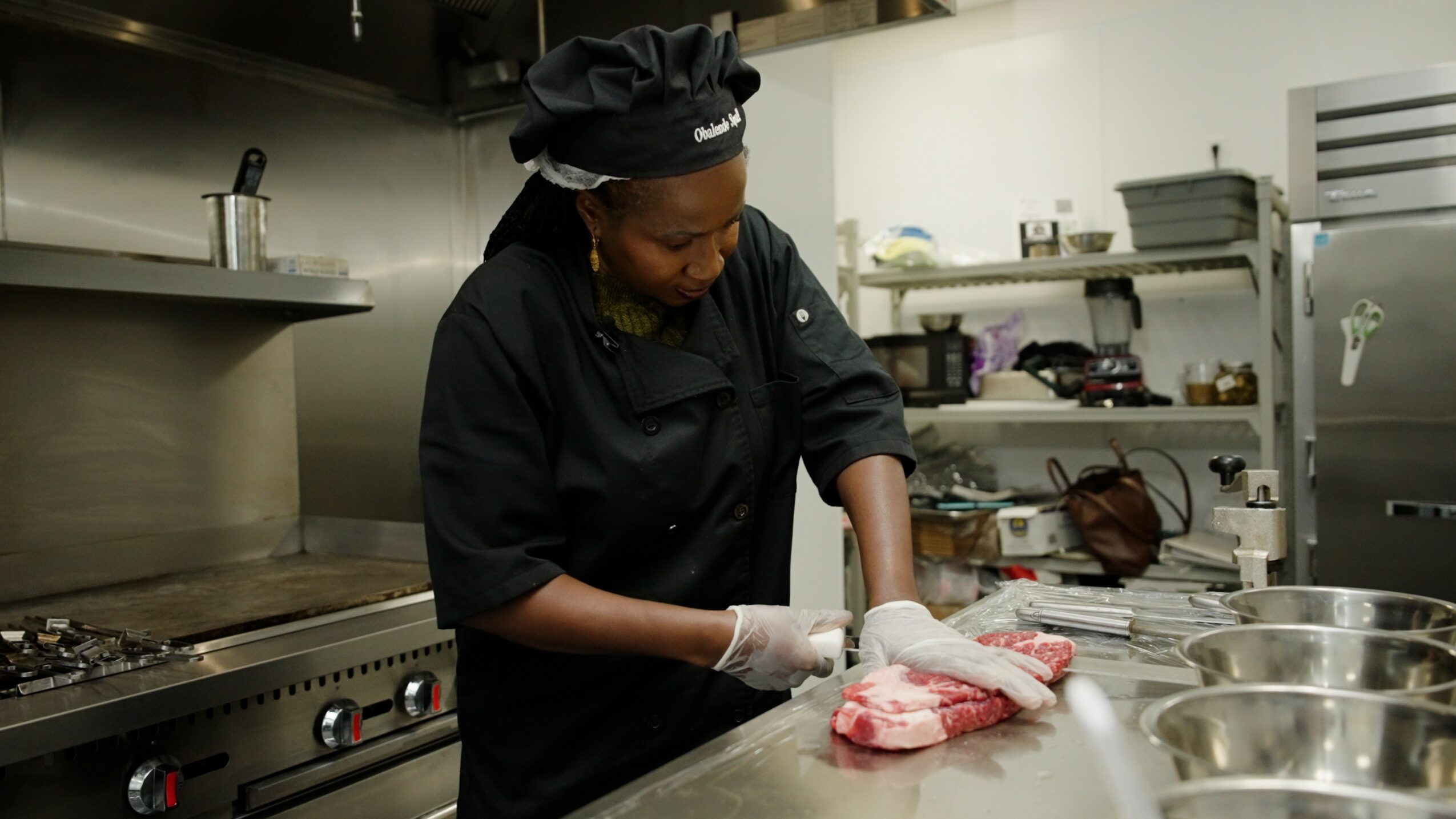
I started making suya at Nigerian community events and noticed that people love it. I was still fully employed as a teacher and also doing a doctoral program at the time (2010 – 2011). People asked that I open a suya spot, but I knew that as spread out as we are in California, people might have to drive for hours before getting to the location. So I decided to produce, package, and distribute to stores in their neighborhoods instead – for easy access. Currently, there’s Obalende Suya in various African stores across Southern California. We have a distributor in Los Angeles who ships to other states as well.
I’m sure it wasn’t obstacle-free, but would you say the journey has been fairly smooth so far?
It definitely has been anything but smooth! Lol. When I first started, I went to the county office to find out what I need to do to get the business started. They gave me all their requirements – including labeling rules. I did everything I was told only for a retailer to call me months later to say officers from the United States Department of Agriculture (USDA) are at her store confiscating all her suya inventory. They held a meeting with me later to tell me that I didn’t contact them to apply for Inspection. How could I have known that? The county didn’t give me the information when I contacted them. Anyway, they shut down my business, and it took a whole year to go through the process in order to reopen for business. After a year into the business with a USDA grant of inspection, I applied to move from my location in Long Beach to the inland empire, the grant was withdrawn and I couldn’t produce again for another three months. Meanwhile, I had taken an early retirement the previous year, used up all my savings, and even borrowed from my home equity line of credit to run the business. It was a financially tough period.
Also, part of my business plan was to relieve restaurants of the work of having to make suya from scratch along with all other foods they prepare. My USDA license allows me to sell to restaurants as well; but many do not understand the business model. They saw me as their competitor rather than their collaborator. Many mainstream restaurants buy pre-cooked foods, complete the process within 5-10 minutes and serve their guests. This is the value-addition that I bring to restaurants that serve Nigerian food. I’m working on spreading that awareness.
Lastly, pricing has been a big problem. People want affordability, but the truth is lower prices can only be a reality if there’s mass production. The more I produce and buy my raw materials in large quantities at cheaper prices, the more I can afford to make the product lower priced. But it’s a catch 22, the lower the price, the more people will buy. This is why larger corporation are able to push small scale businesses out of the market with lower prices.
As you know, we’re big fans of Obalende Foods, LLC; Dr. O Butters. For our readers who might not be as familiar what can you tell them about the brand?
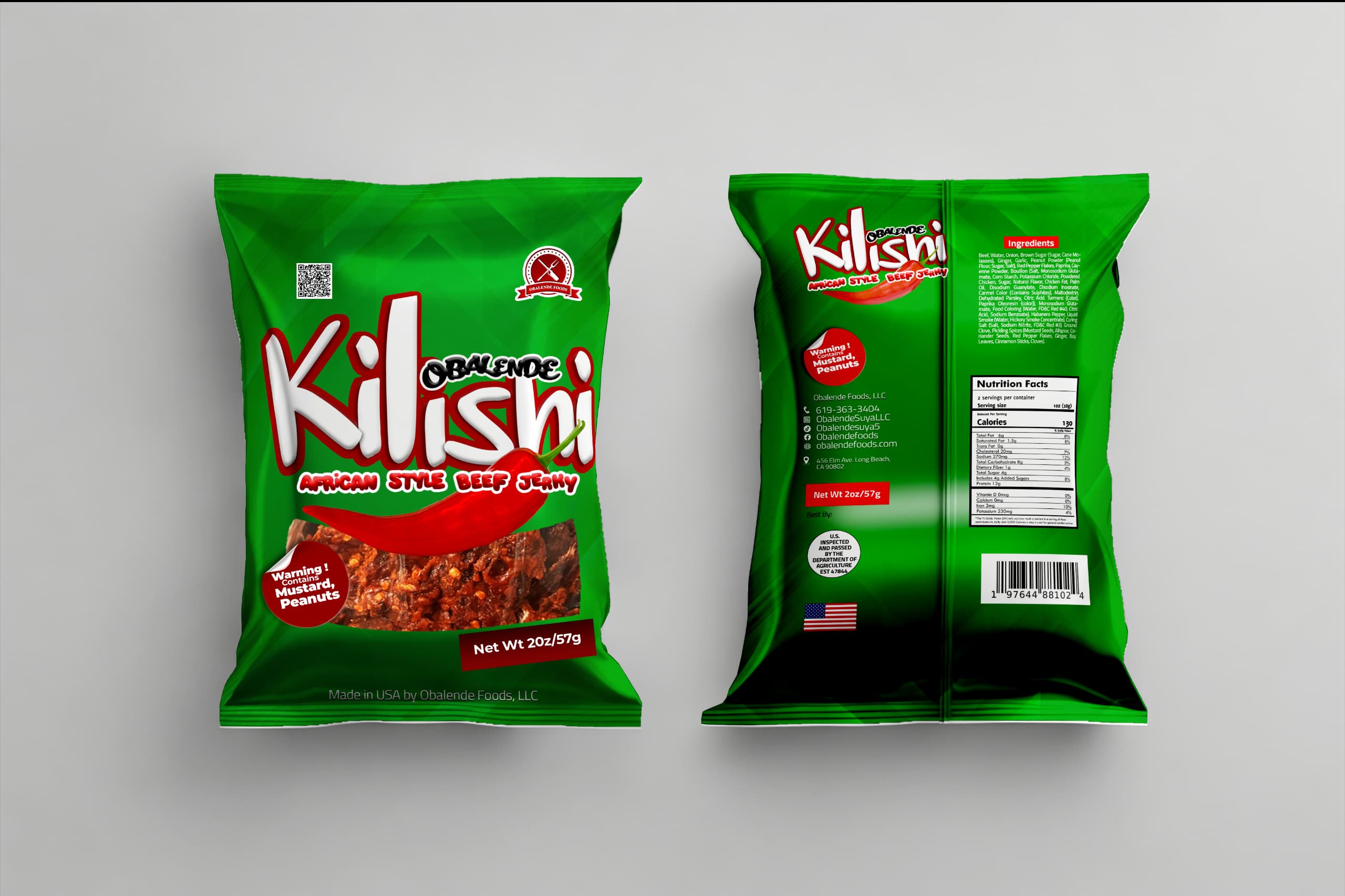
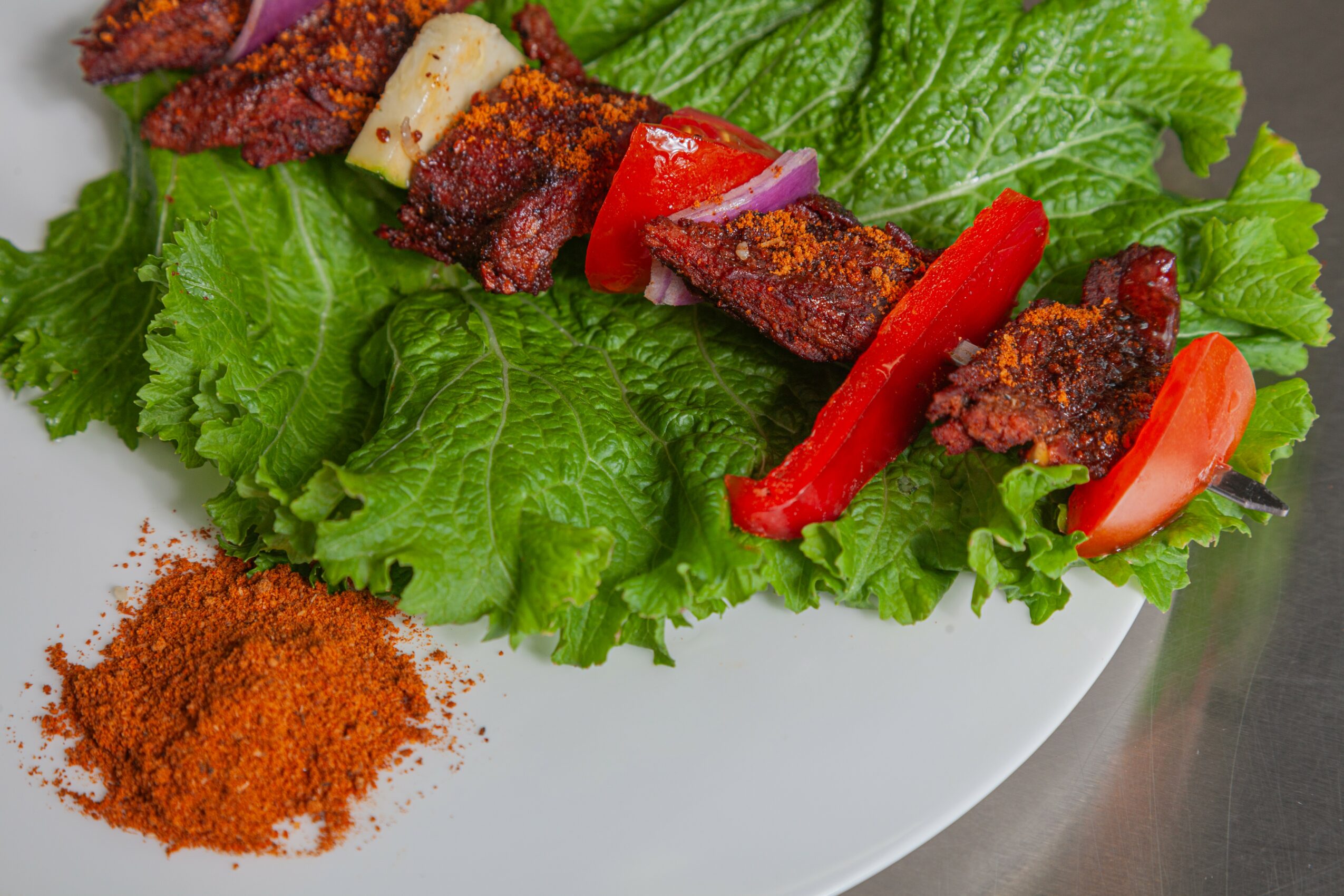
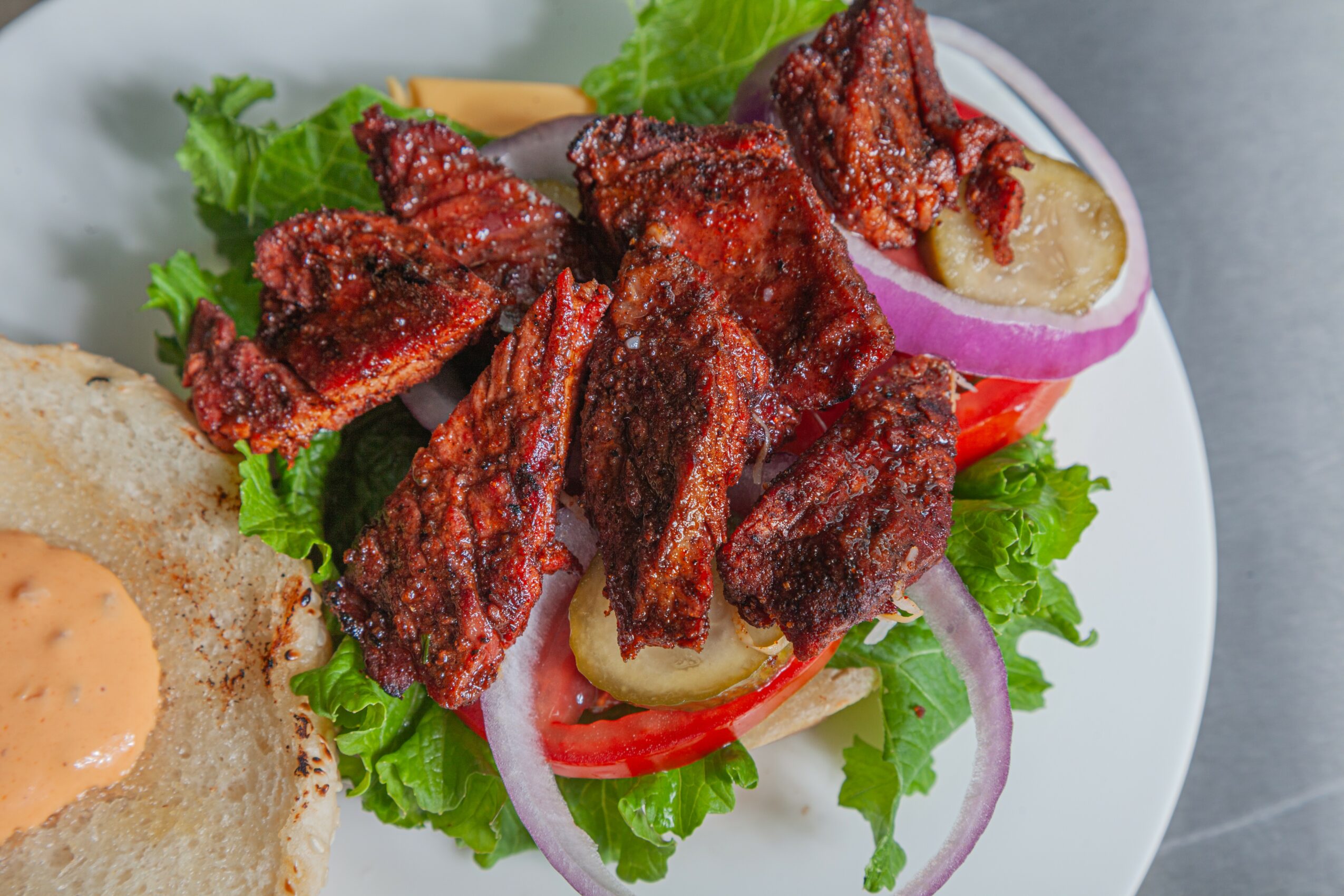
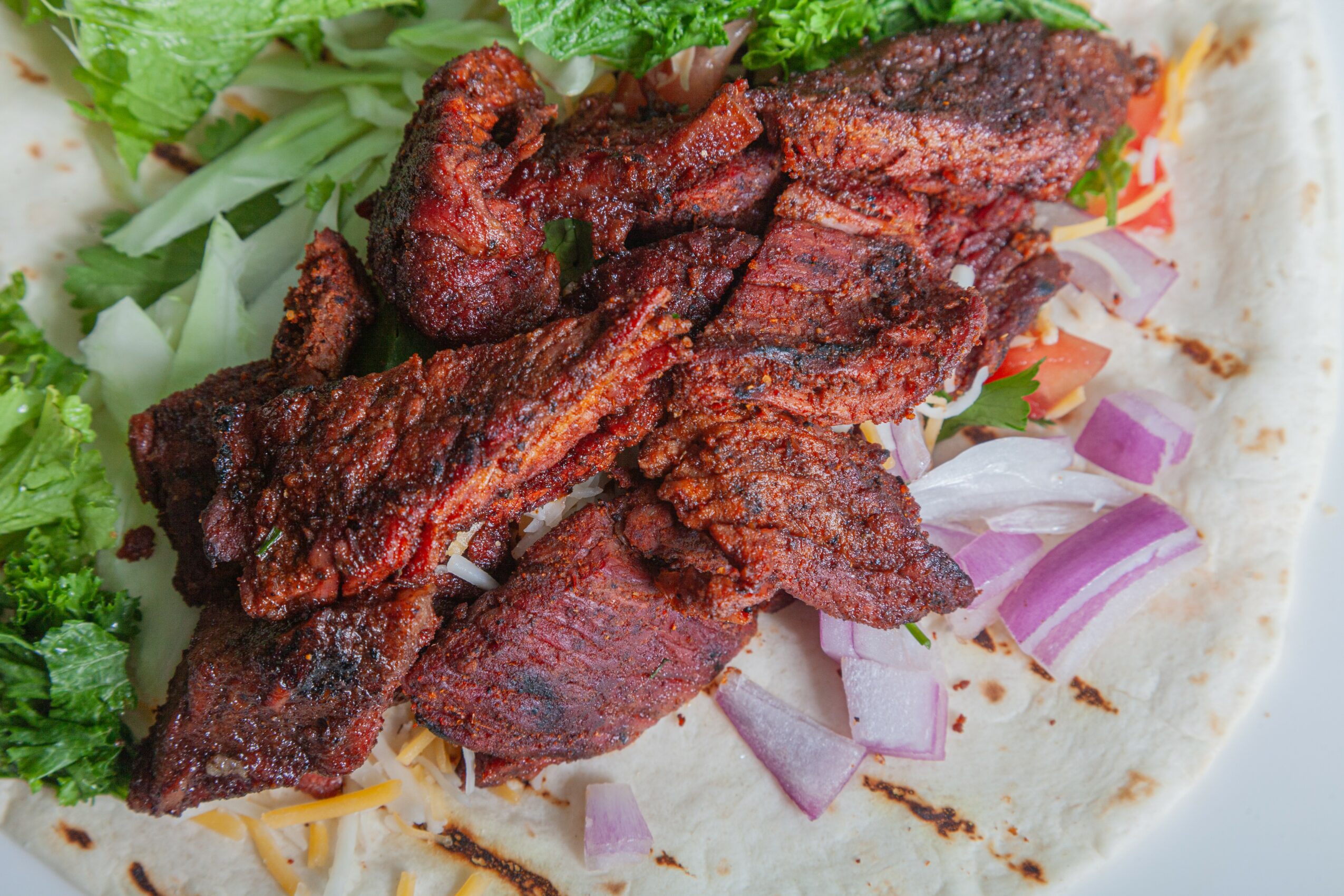
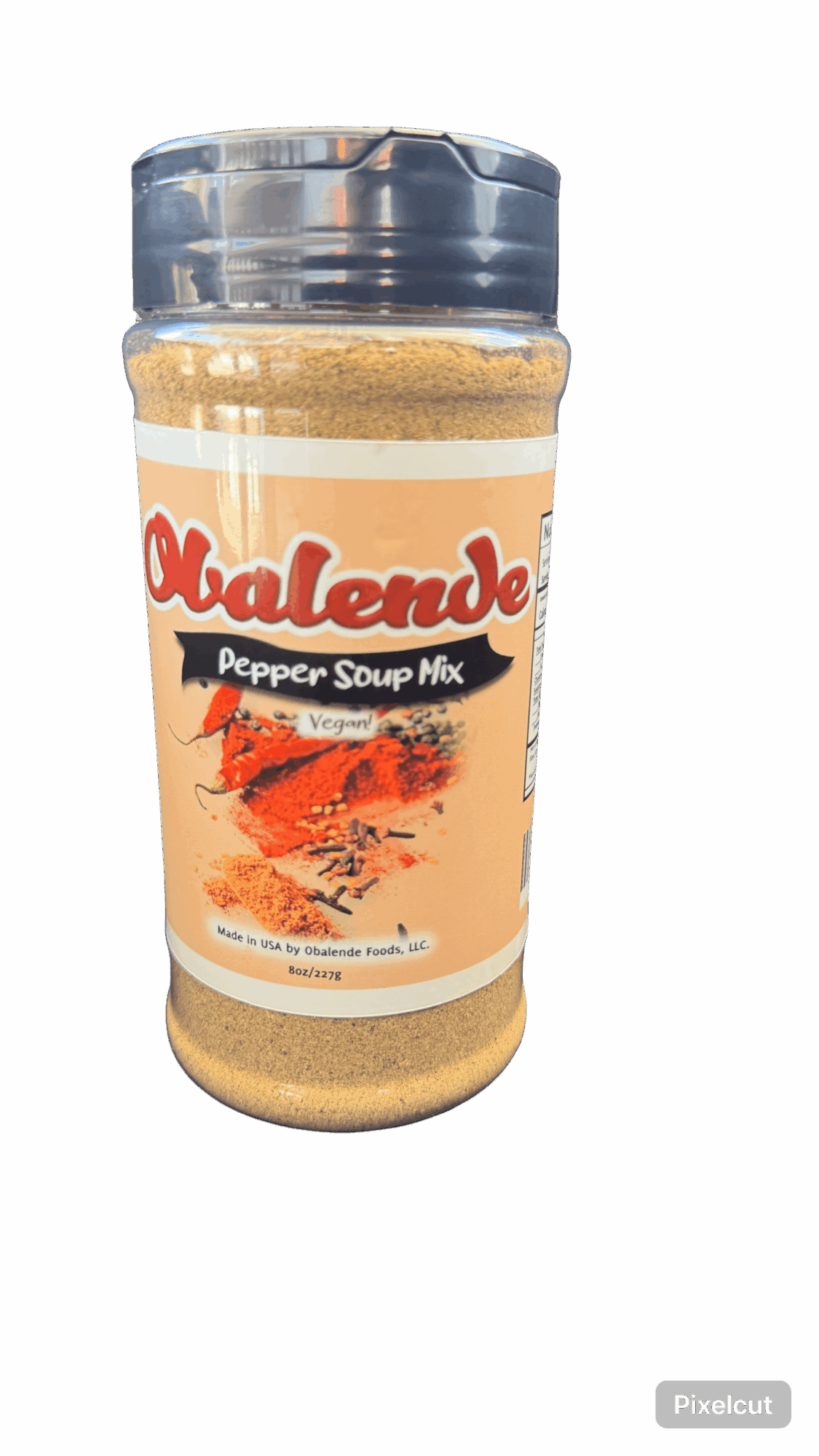
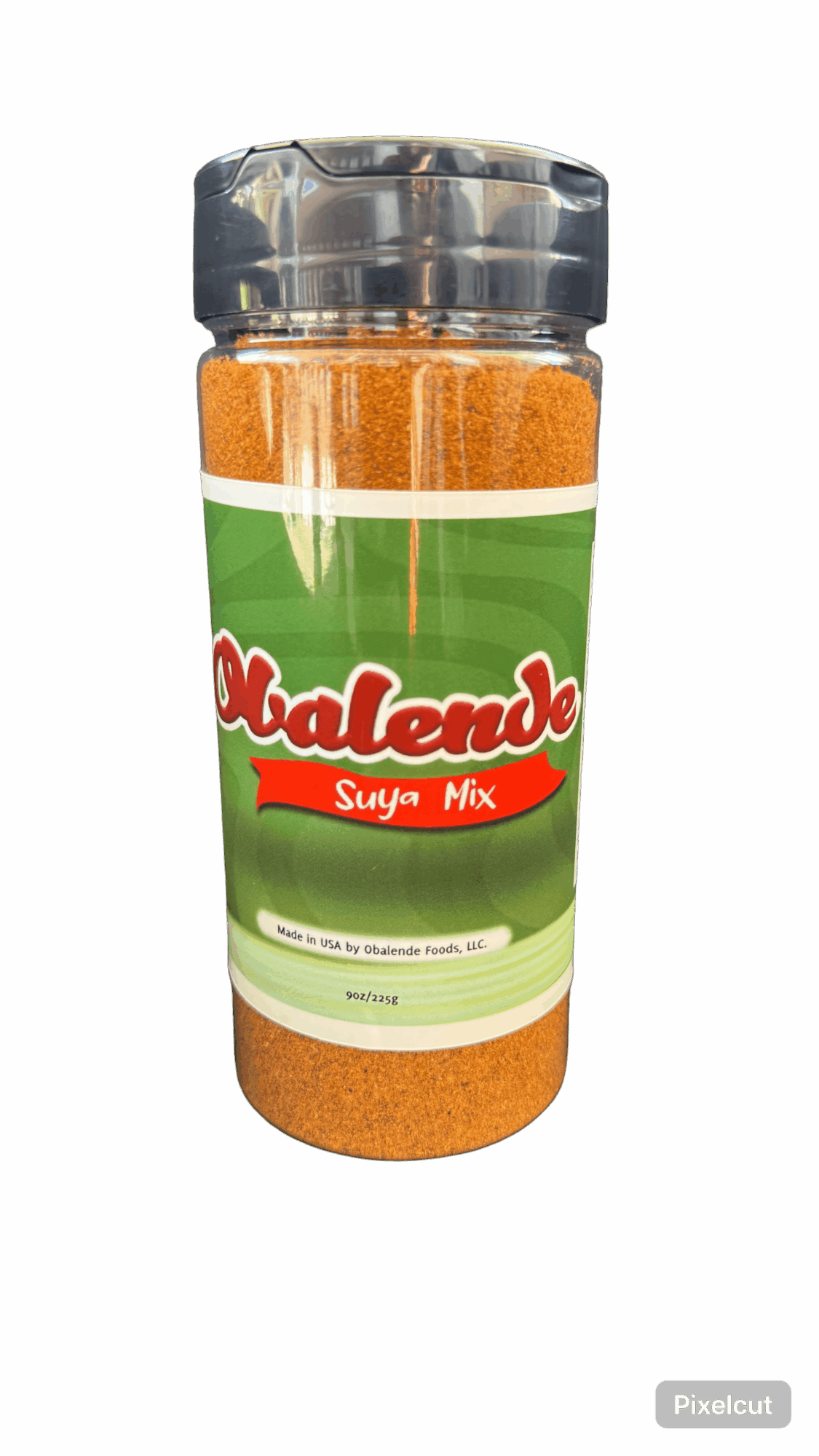
I have two businesses – Obalende Foods, makers of Obalende Suya, Obalende Kilishi, Obalende Suya Spice, Obalende Peppersoup Spice. Suya is charbroiled beef strips smothered in a proprietary spice blend called Suya Spice. Kilishi is Nigeria’s version of beef jerky.
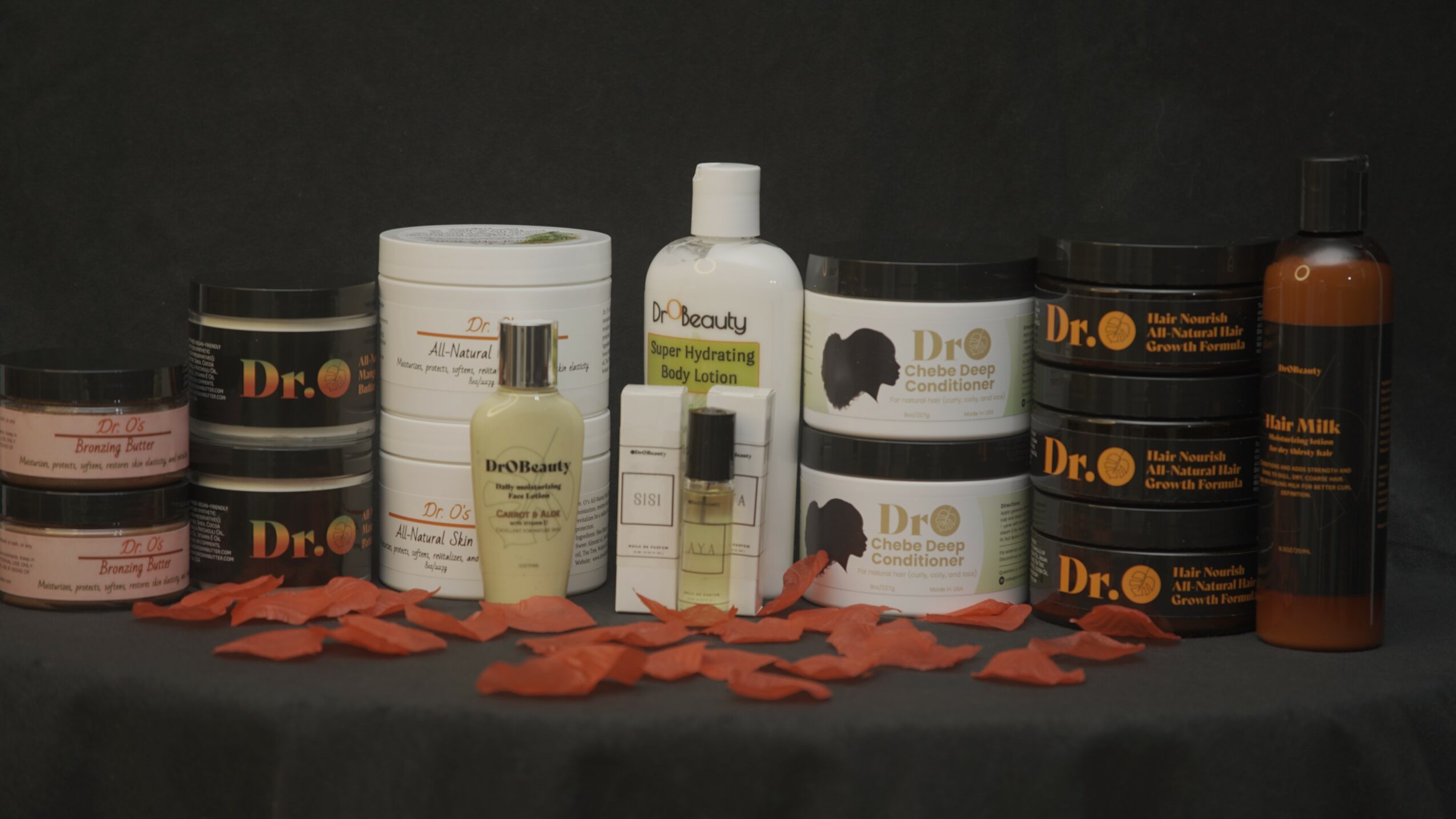
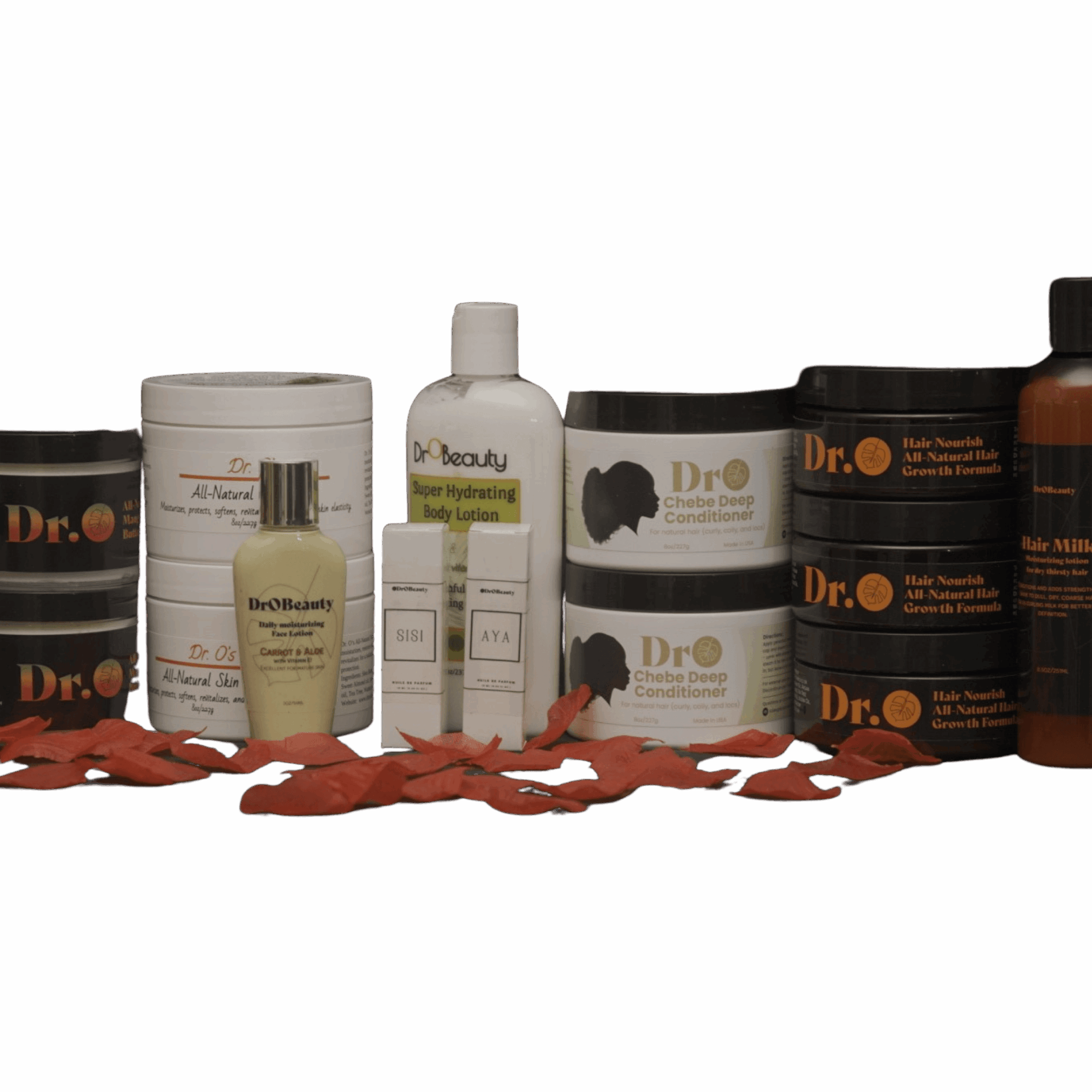
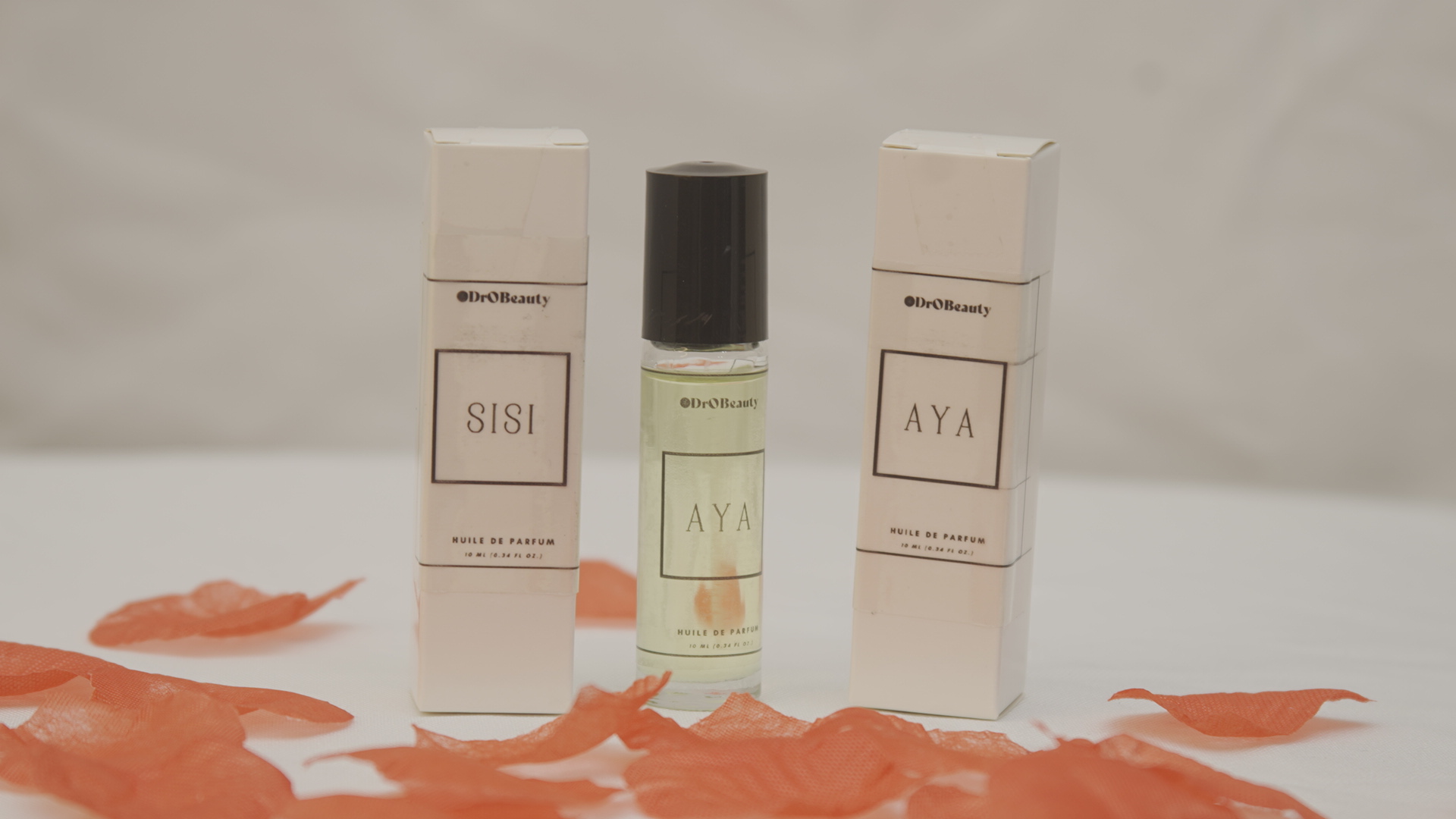
The other business is Dr. O Butters – makers of Dr. O All-Natural Skin Butter, Hair Nourish, body lotion, Hair lotion, and perfume oil dupes.
I am proud of the fact that to our knowledge, Obalende Suya is the first packaged suya to have the (USDA) license to operate nationwide and even export. There are others with similar licenses, but they specialize in kilishi only.
I am also proud of the fact that our skin and hair butters are so effective that we have loyal customers who have been with us for over 10 years and are still ordering.
We are a black- woman- and veteran-owned business.
How do you think about happiness?
What makes me happy is that I was able to put my money and energy where my mouth is. I have always believed that a community that has to depend on others to produce its most basic necessities, food, clothing, and shelter is a dependent community. We would be at the mercy of those who produce them, and that’s not a place of strength. What also makes me happy is my family. We are a close-knit and friendly family.
You can order your Suya, Kilishi, and spices at Obalendefoods.com
Grow your hair with our Hair Nourish and glow your skin with our skin butter. Order at droskinbutter.com
Contact Info:
- Website: obalendefoods.com and droskinbutter.com
- Instagram: https://www.instagram.com/drobeauty
- Facebook: https://www.facebook.com/profile.php?id=100067615293352
Popular
-

Finding Balance Through Art: Theresa Croft on Blending Music, Wellness, and Visual Storytelling into a Holistic Creative Identity
-

From Street Corners to City Tours: Chef Chuck Glaster on Building SOULD Out Into a Culture-Driven Culinary Movement
-

Portraits of the Valley
-

LA’s Most Inspiring Stories
-

From Rock Bottom to Calling: How Hasani McLean-Davis Found Purpose Through Faith and Music
-

Building a Scalable, Soulful Travel Brand: How Abboud Khallouf Turned Morocco Into a Global Experience


